Following the Lachlan
We left Hay on the Cobb Hwy which heads almost due north towards Ivanhoe in far west central NSW. The road traverses the great Hay Plain, past the spot where we had sat watching the sunset a few days back. We are headed for Booligal where the Lachlan is more like a river.
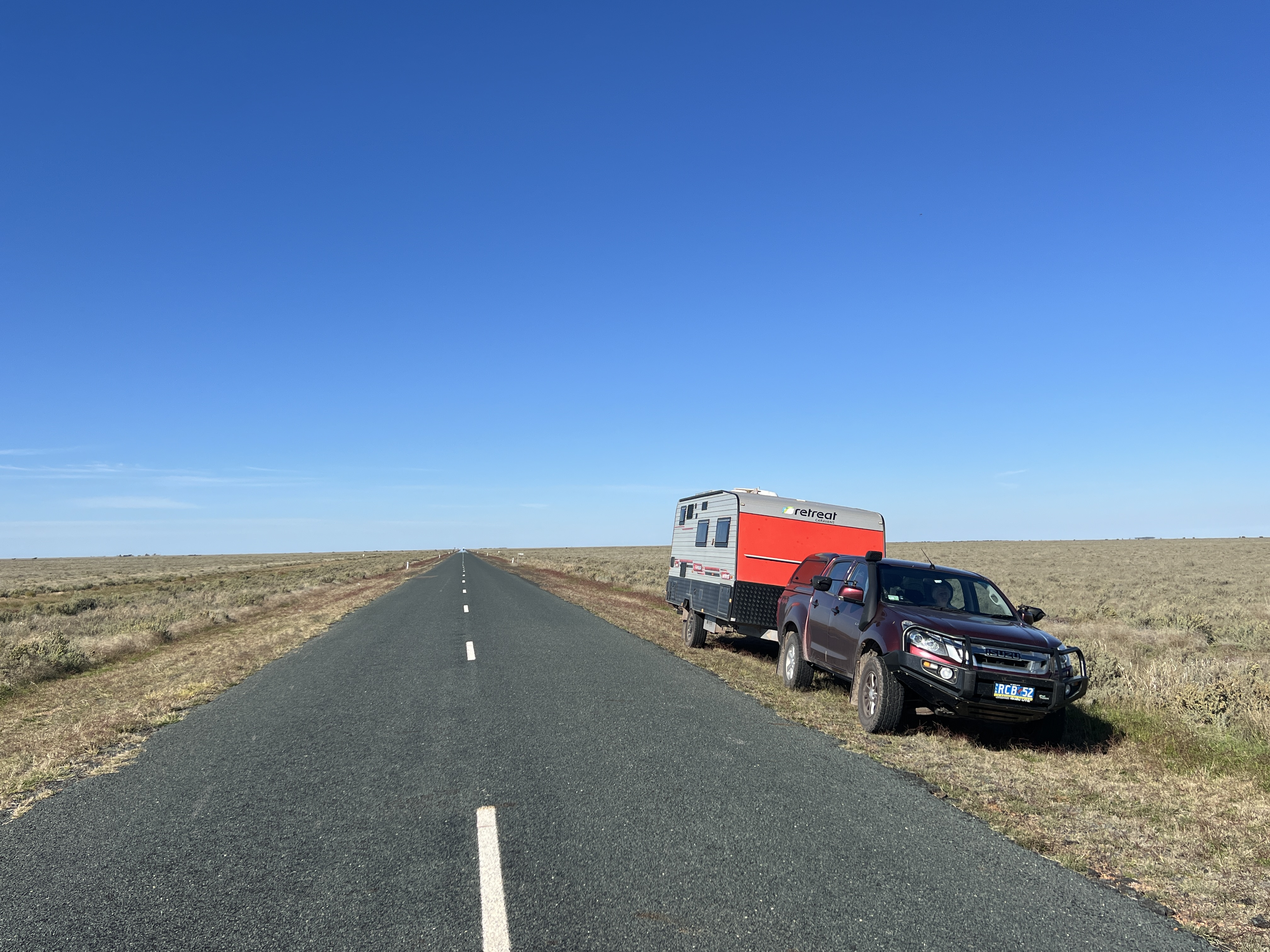
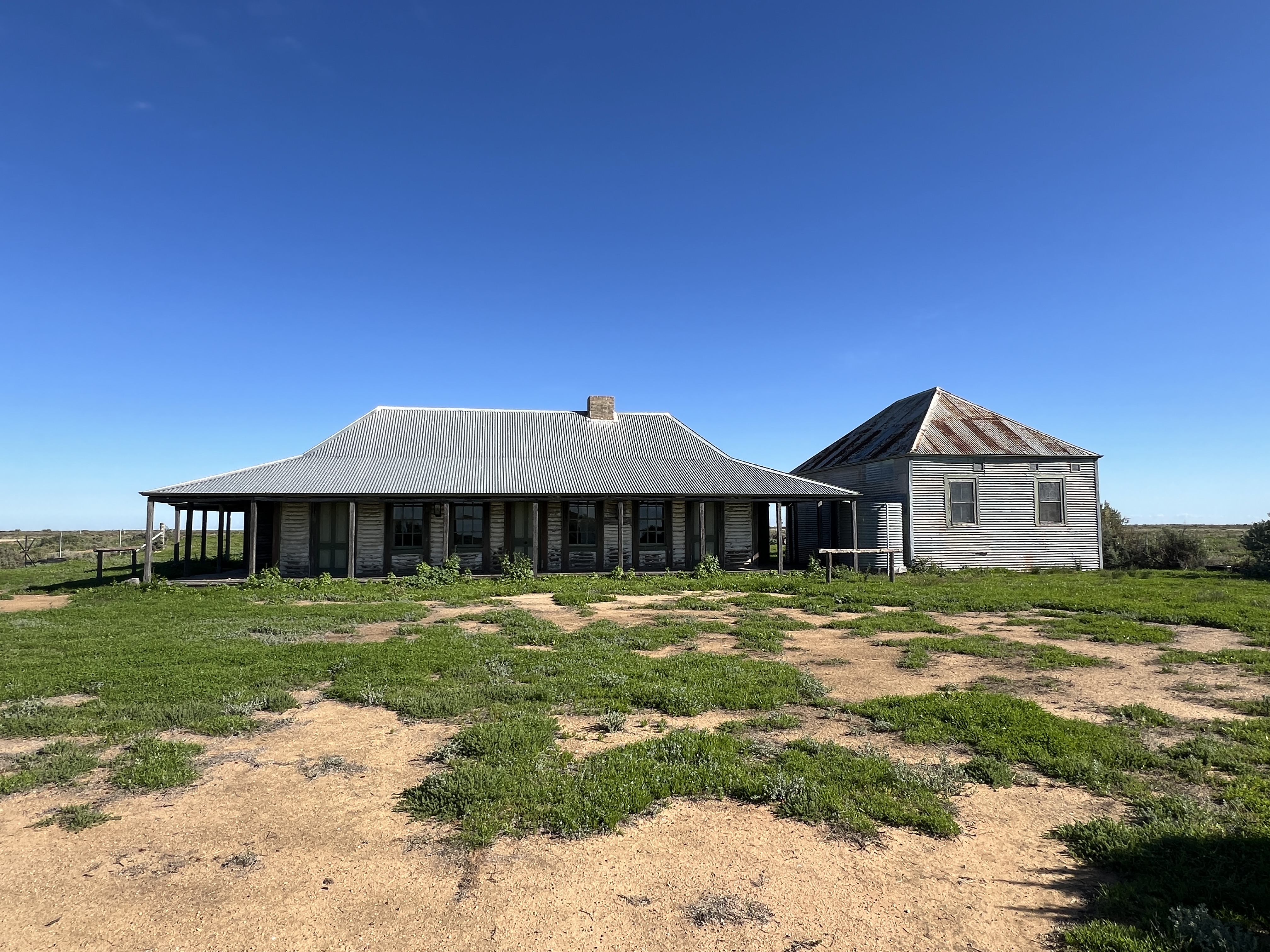
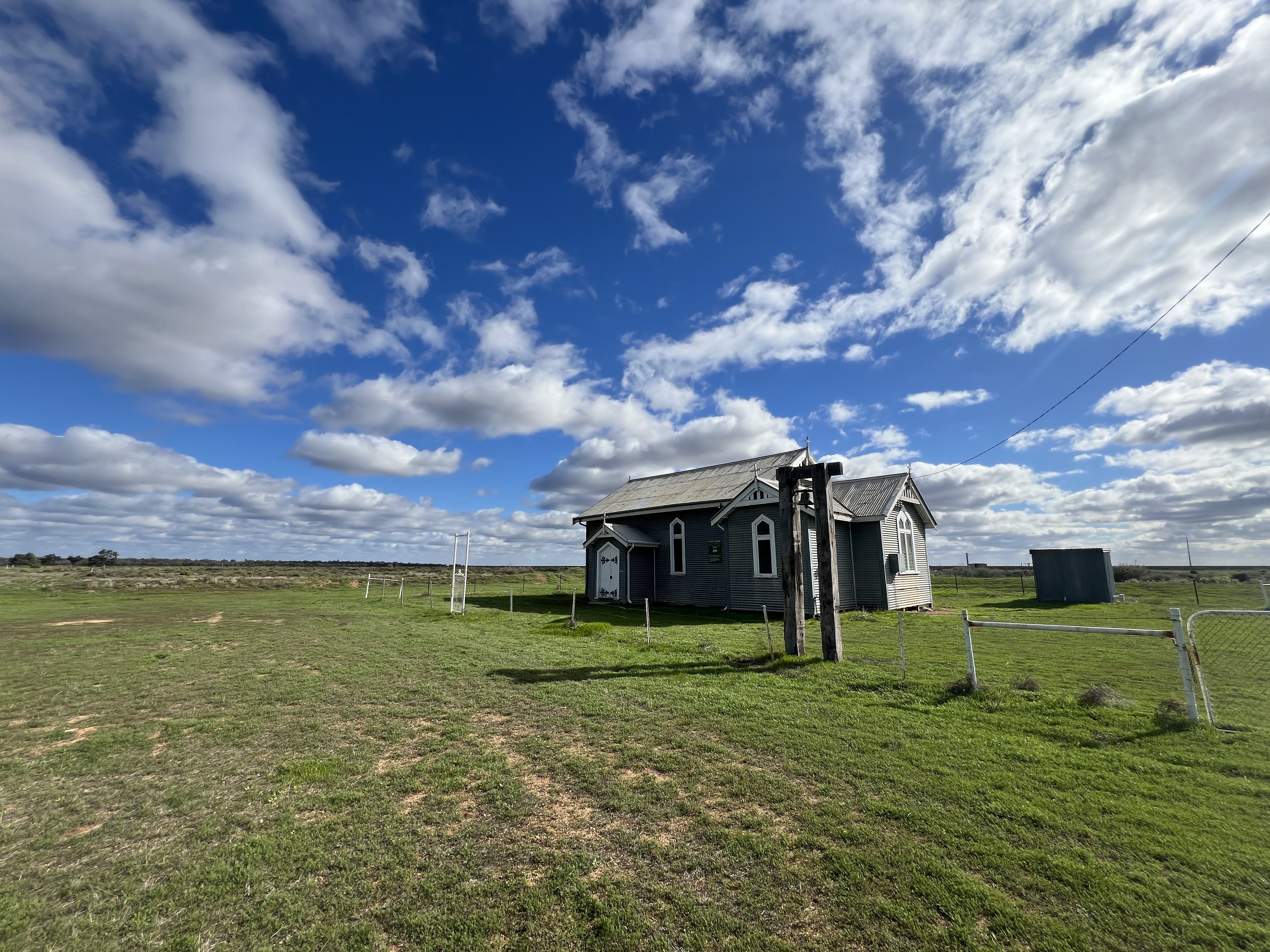
Along the way we stop off at the abandoned One Tree Hotel, built here back in 1862 as a Cobb & Co staging post and as a ‘watering’ hole for passers by. It was renovated a bit over the years but is now fenced off, warning visitors off the private property. CCTV camera warnings seem out of place out here!
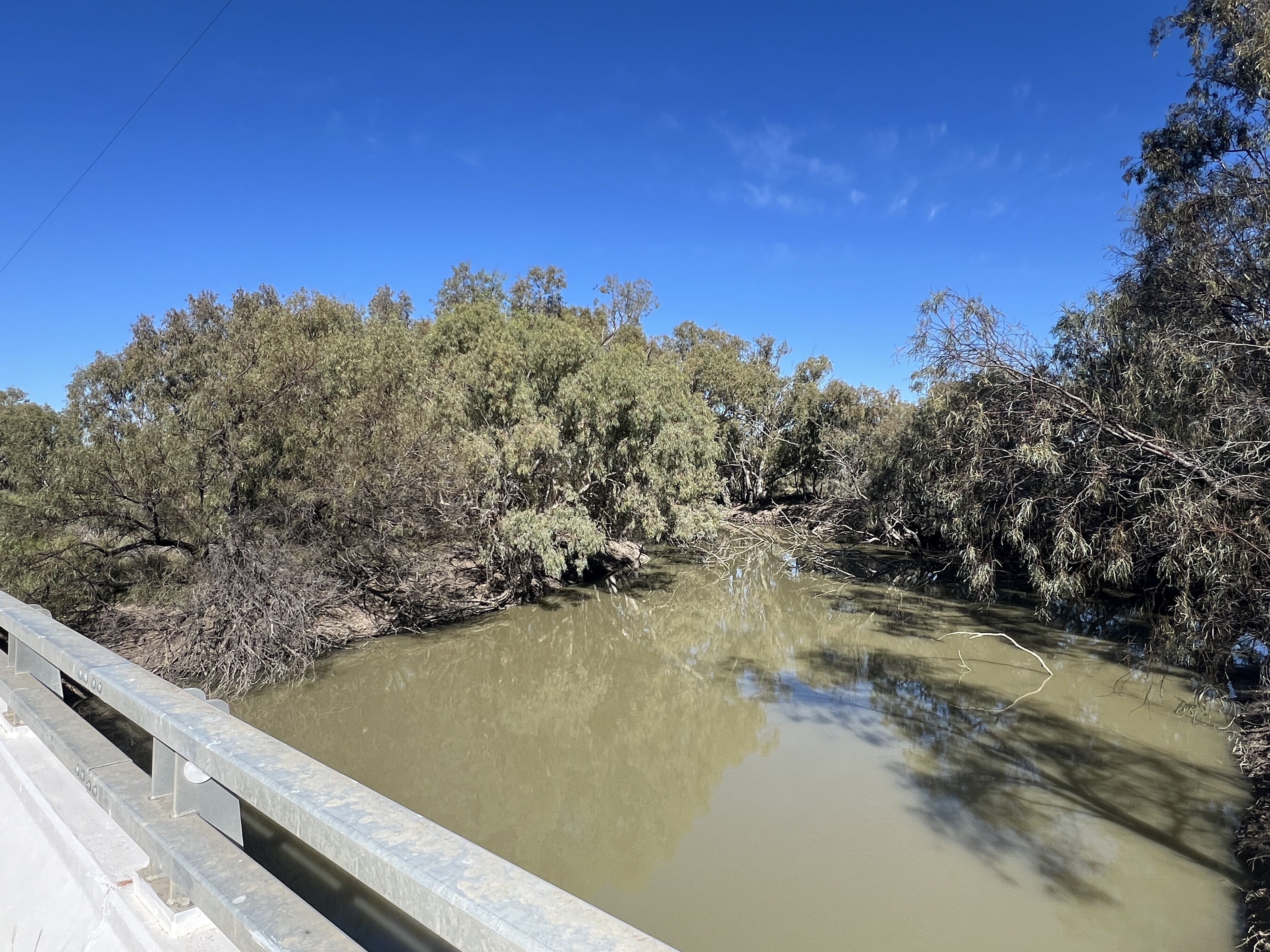
At Booligal we left the Cobb Hwy to go across country following the Lachlan Valley Way to Hillston.
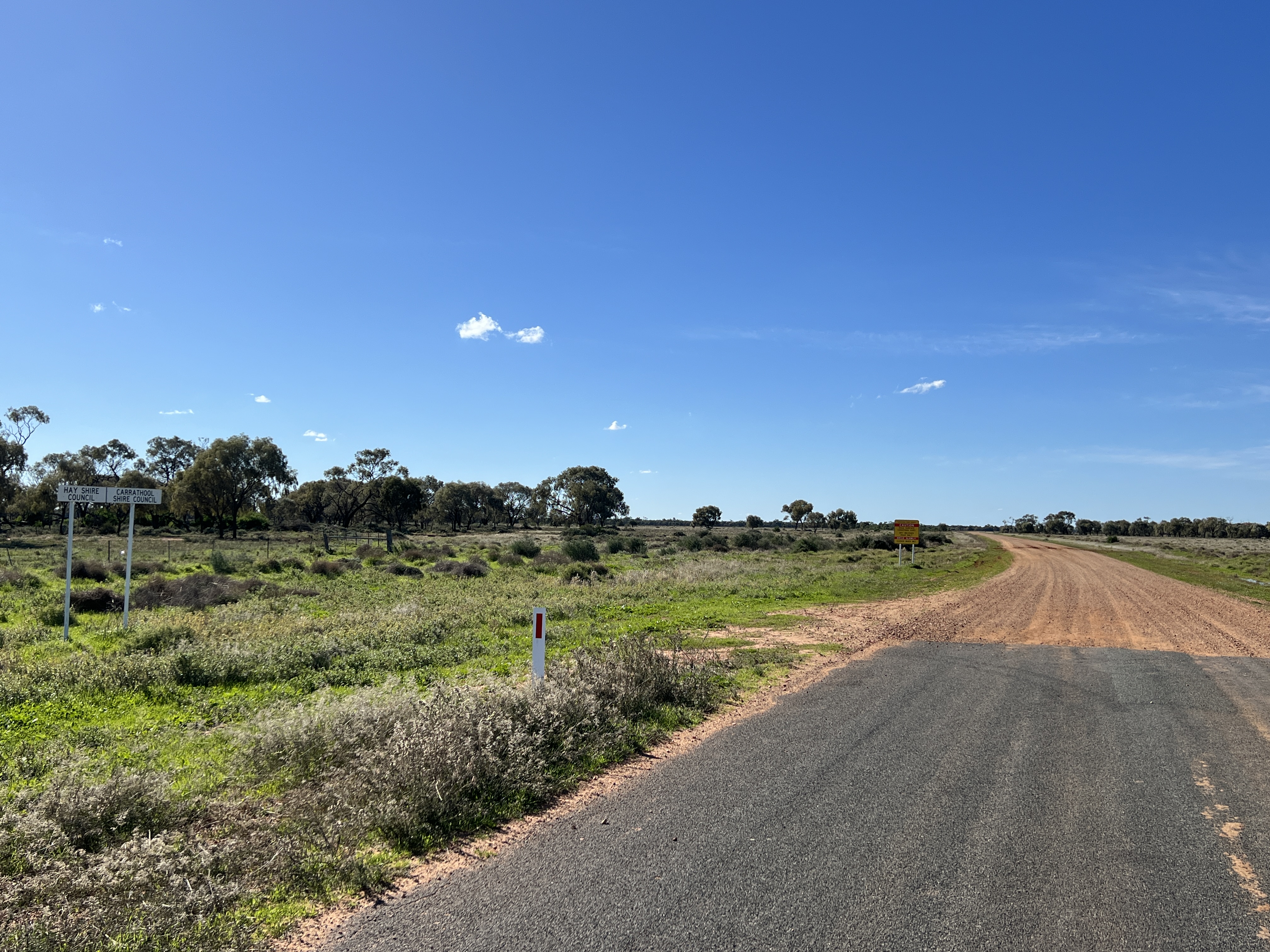
As soon as we left the Hay Shire the bitumen stopped and we were onto the gravel, the adjoining shire is sealing it slowly from their end. Maybe they will meet one day! Anyway it is a little flood damaged, not too bad but we still needed to be cautious of the conditions. The road is some distance back from the river. Properties line it preventing public access. Our map though showed a short side trip to see the river, along the Whealbah gravel road. So away we went past farmland with all sorts of crops; grains, beetroot and potatoes prominent as well as sheep and cattle. But not a soul to be seen, we had been passed by a ute going the other way before turning off on the side track.
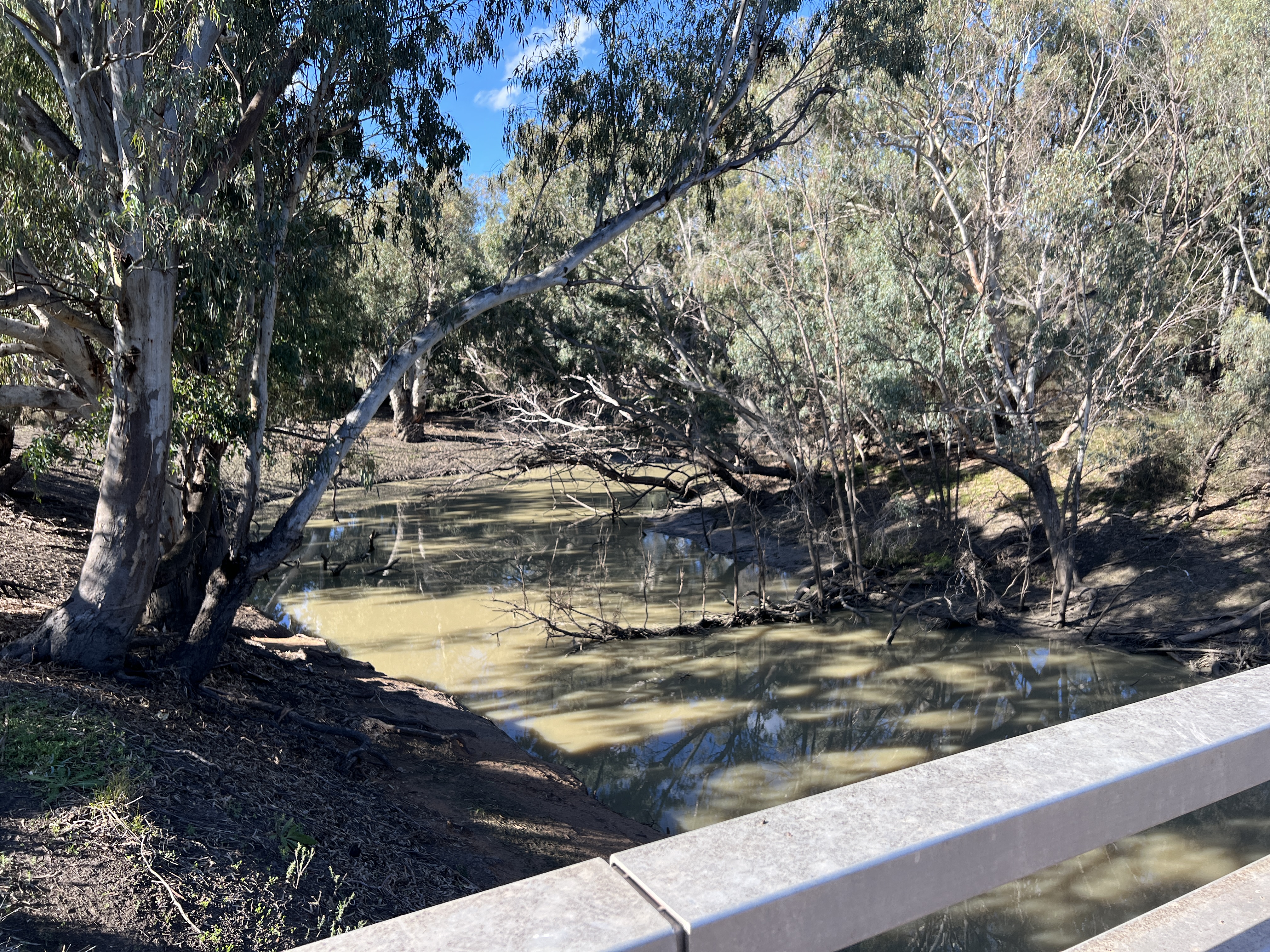
After crossing the bridge and taking another picture of the river (one wonders why because they are starting to look a bit the same these river pictures!) some room was needed to turn around and go back to the main drag. Allthego is always cautious about doing this, particularly when things are a bit damp on the road verges. You don’t want to get caught in a boggy spot and get stuck. But guess what? Allthego went just that little bit wider than he should and ahhhhhh.
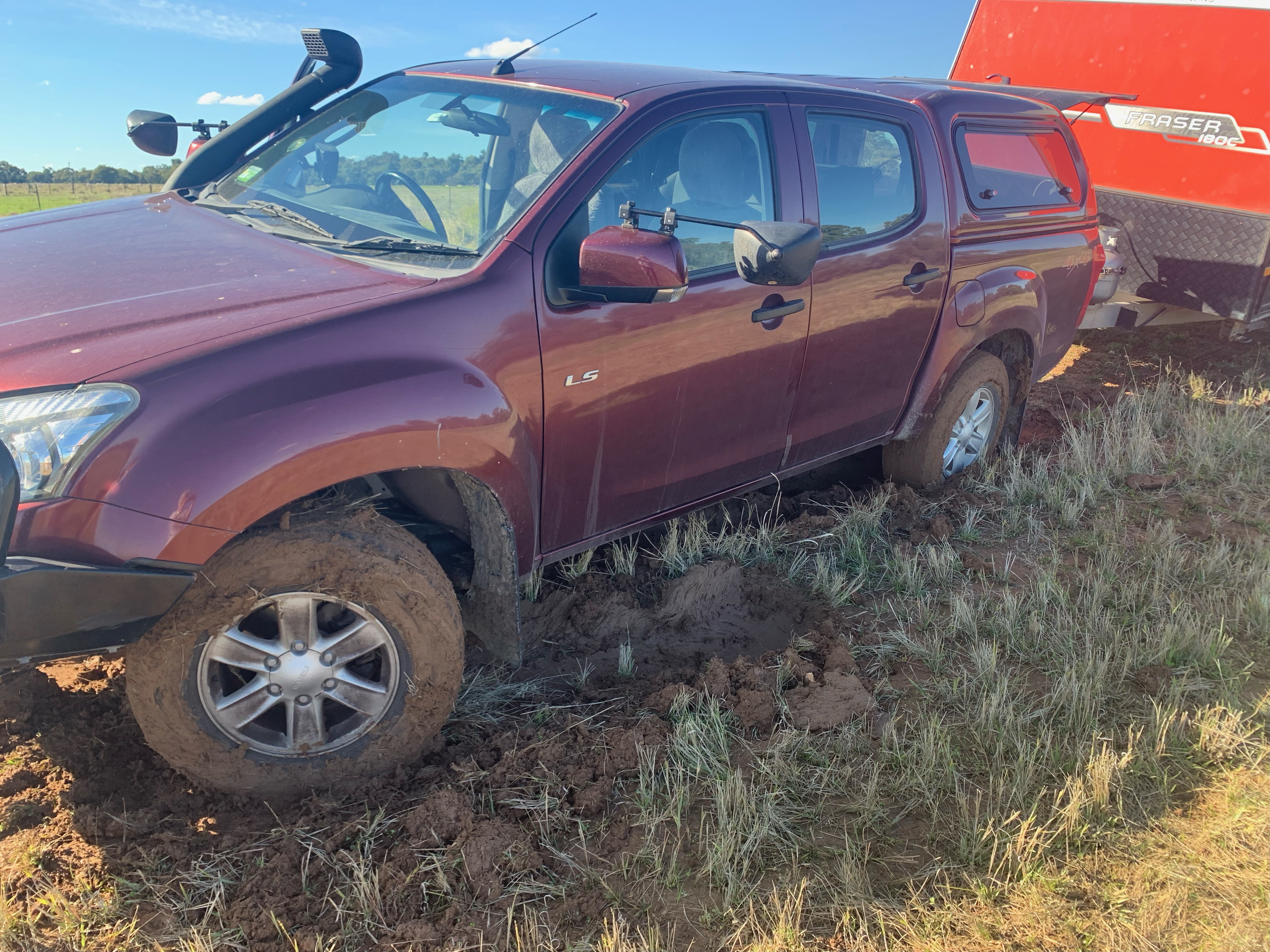
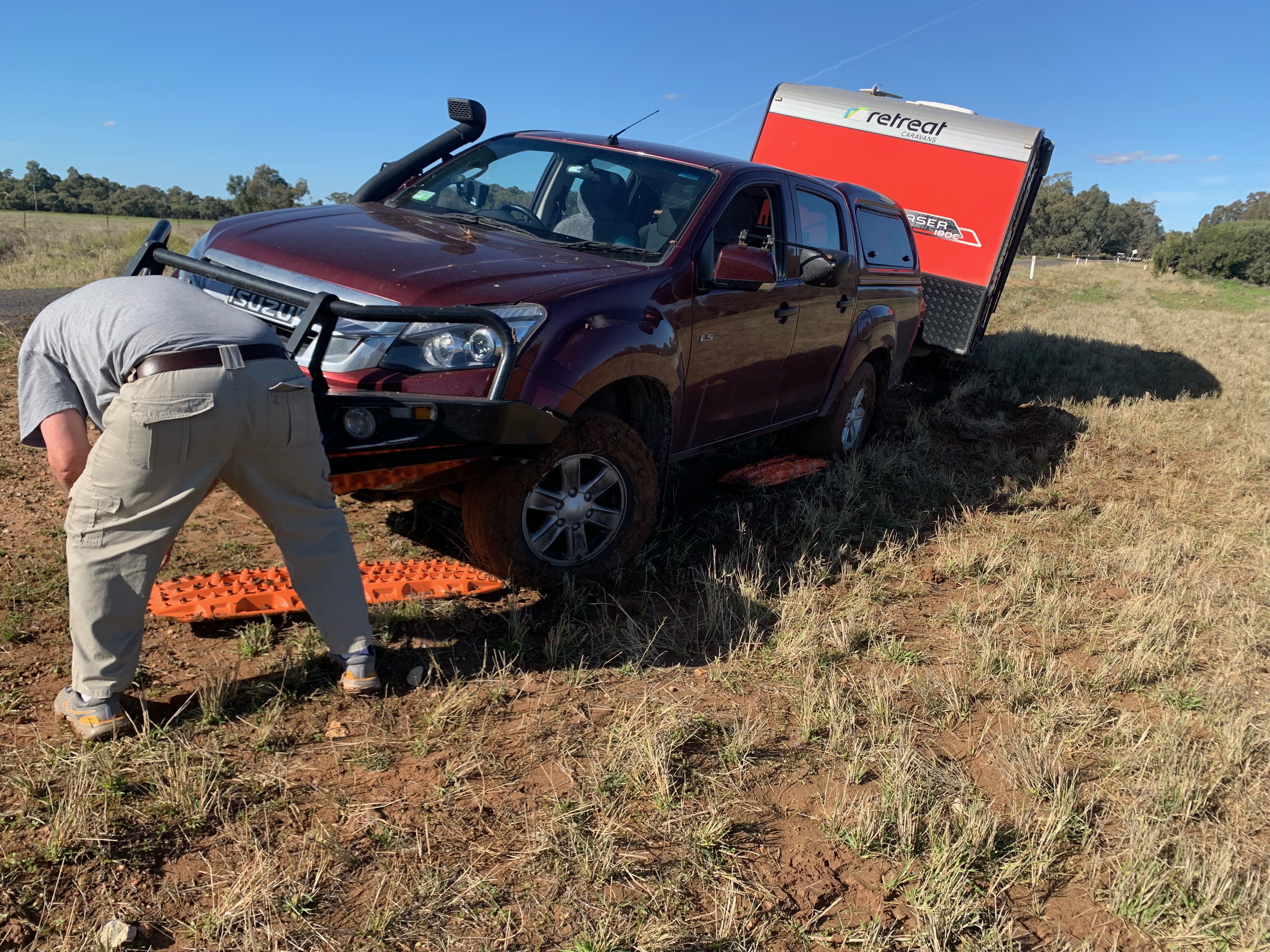
The mud was like soft red clay, really tacky and sticky. The van on the back wasn’t really helping either. When venturing out into these sorts of places you need to come prepared. So, out came the long handled shovel and max traxs. These were great and after about an hour of mucking around we were away ok on the way to Hillston, a bit lucky I suppose as it could have been worse.
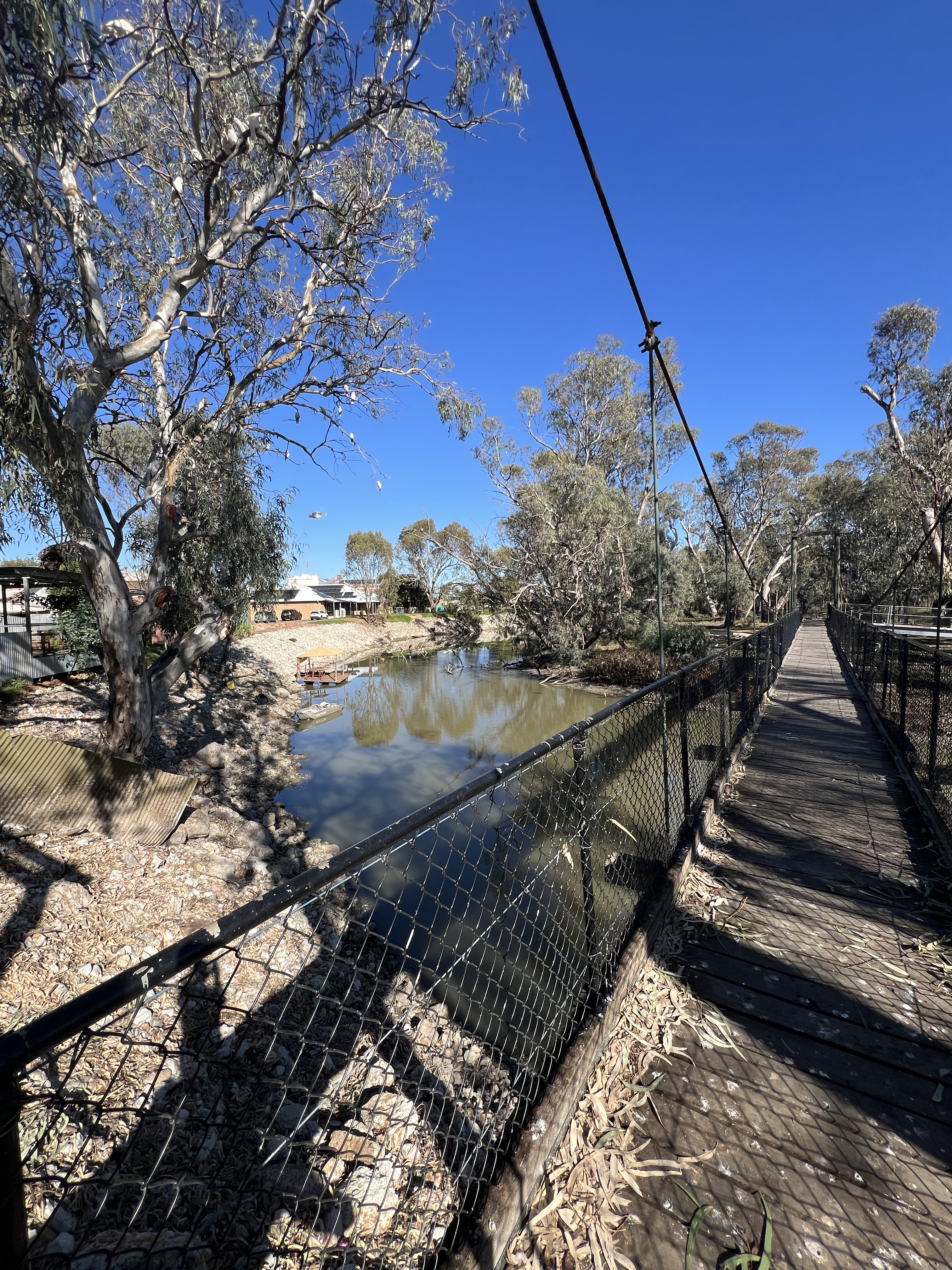
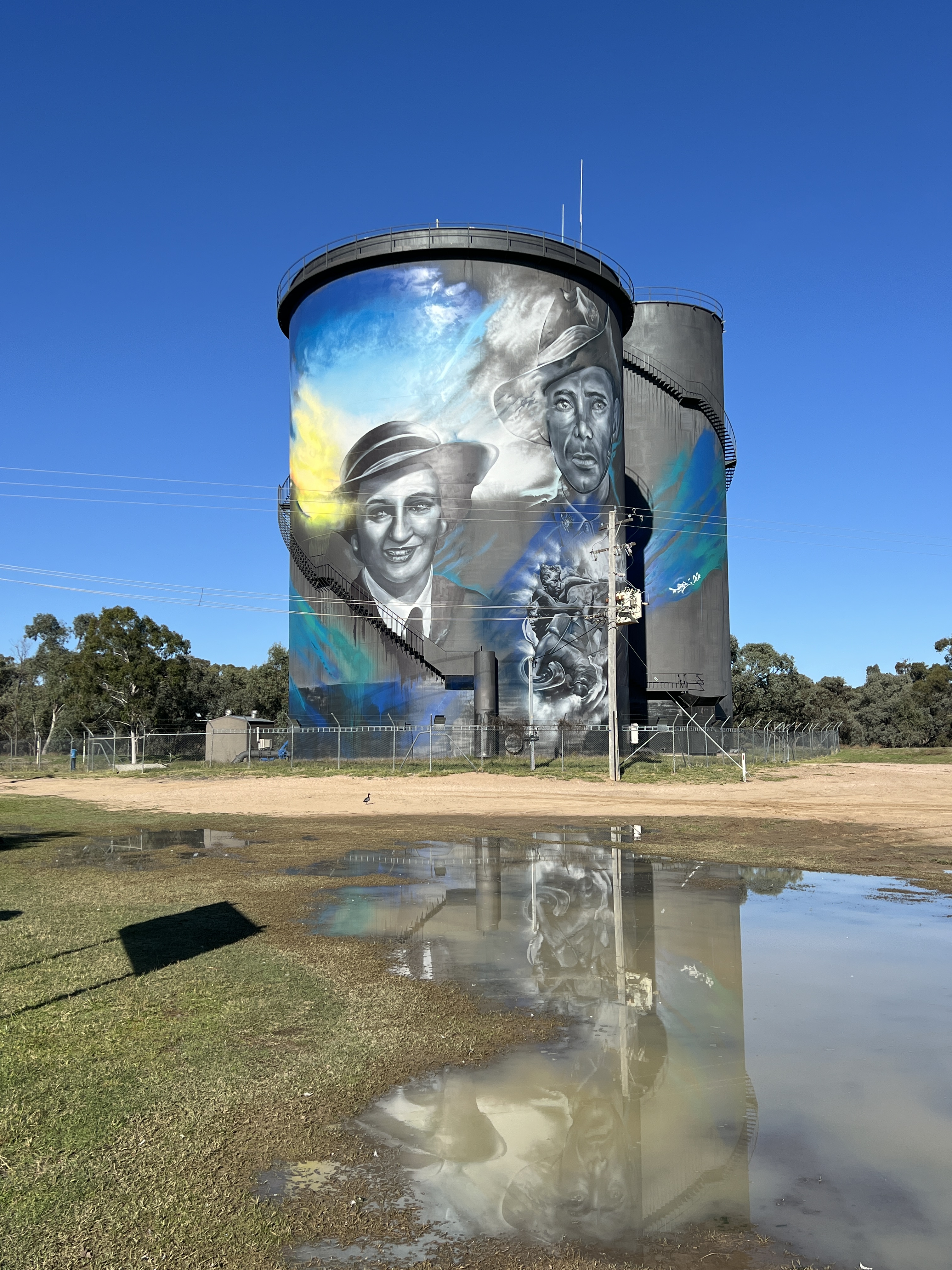
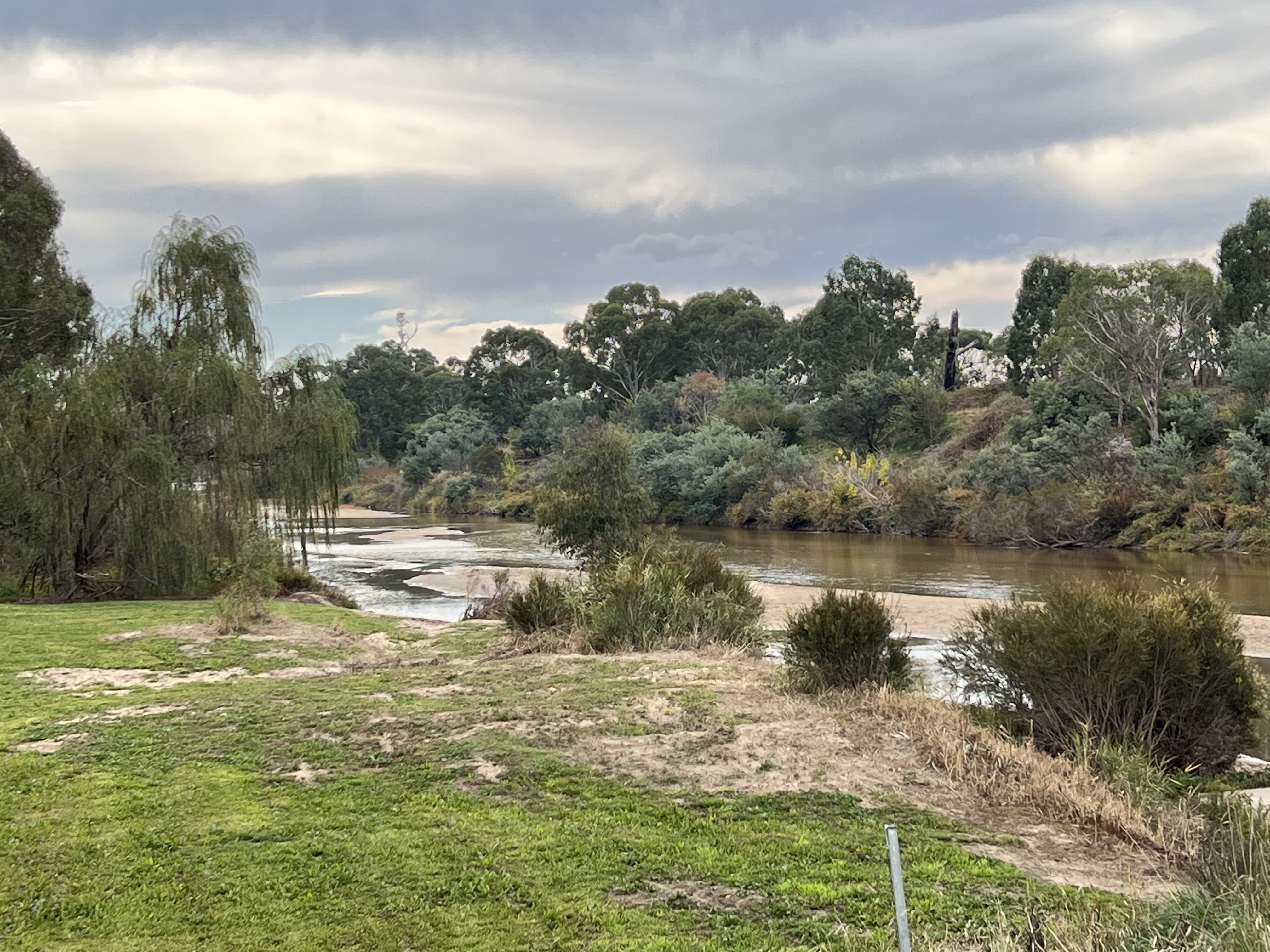
We stopped overnight at the van park in Hillston. The Lachlan does a big S bend here through the town and is quite wide with plenty of water. The town has only just had its water tower painted with a mural, quite a spectacular sight.
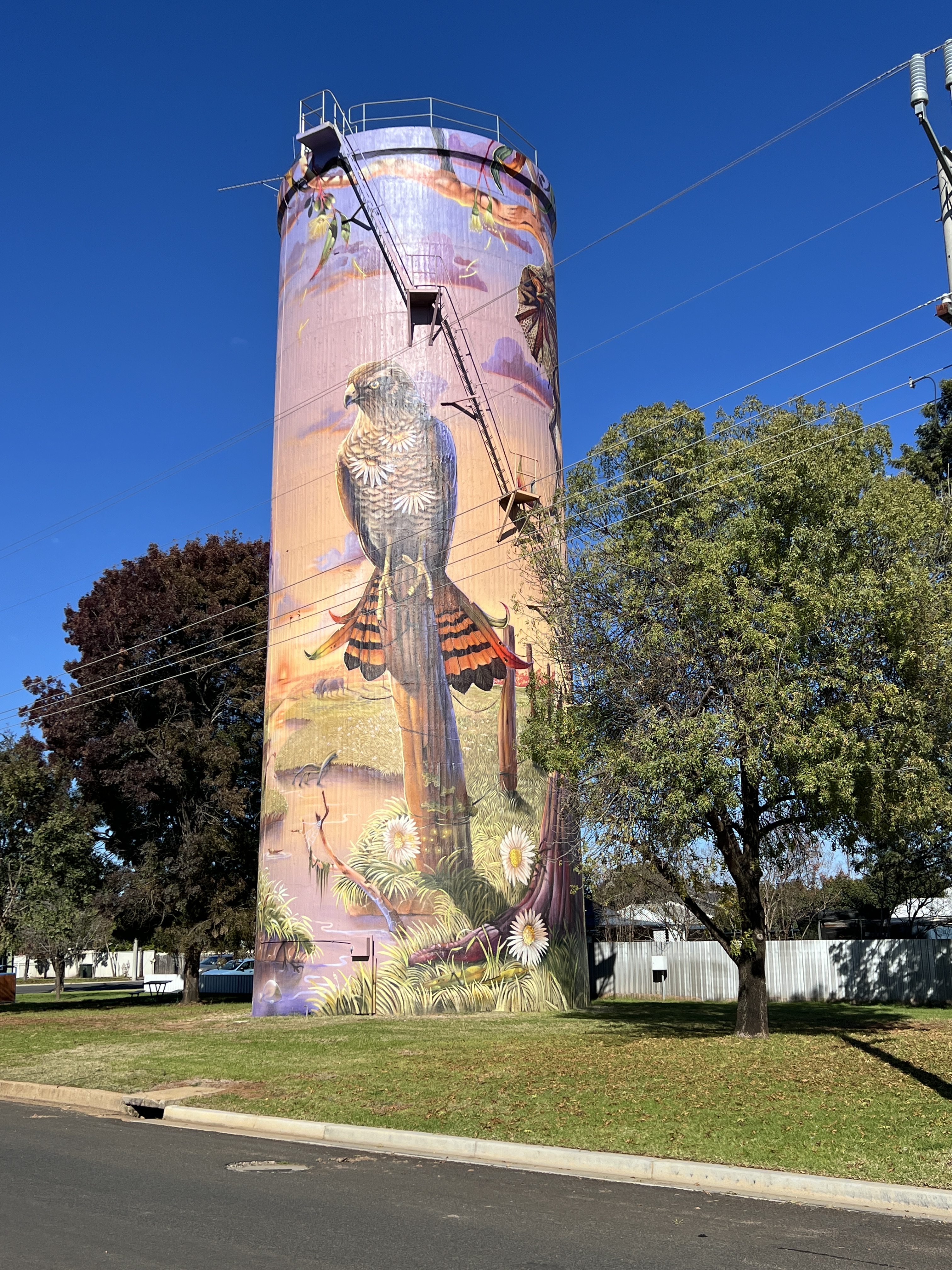
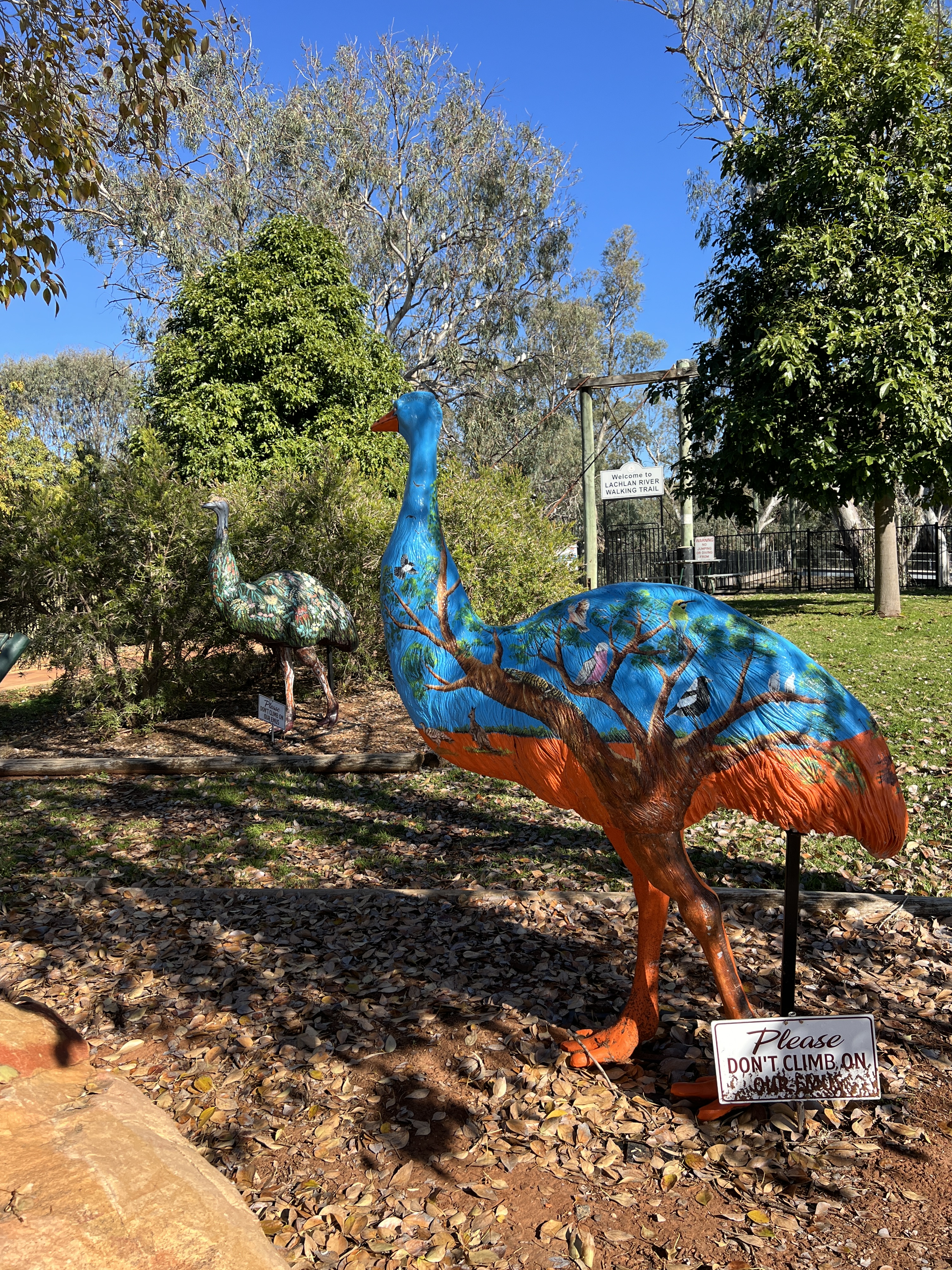
Next morning we continued along the Lachlan Valley Way to Lake Cargelligo.
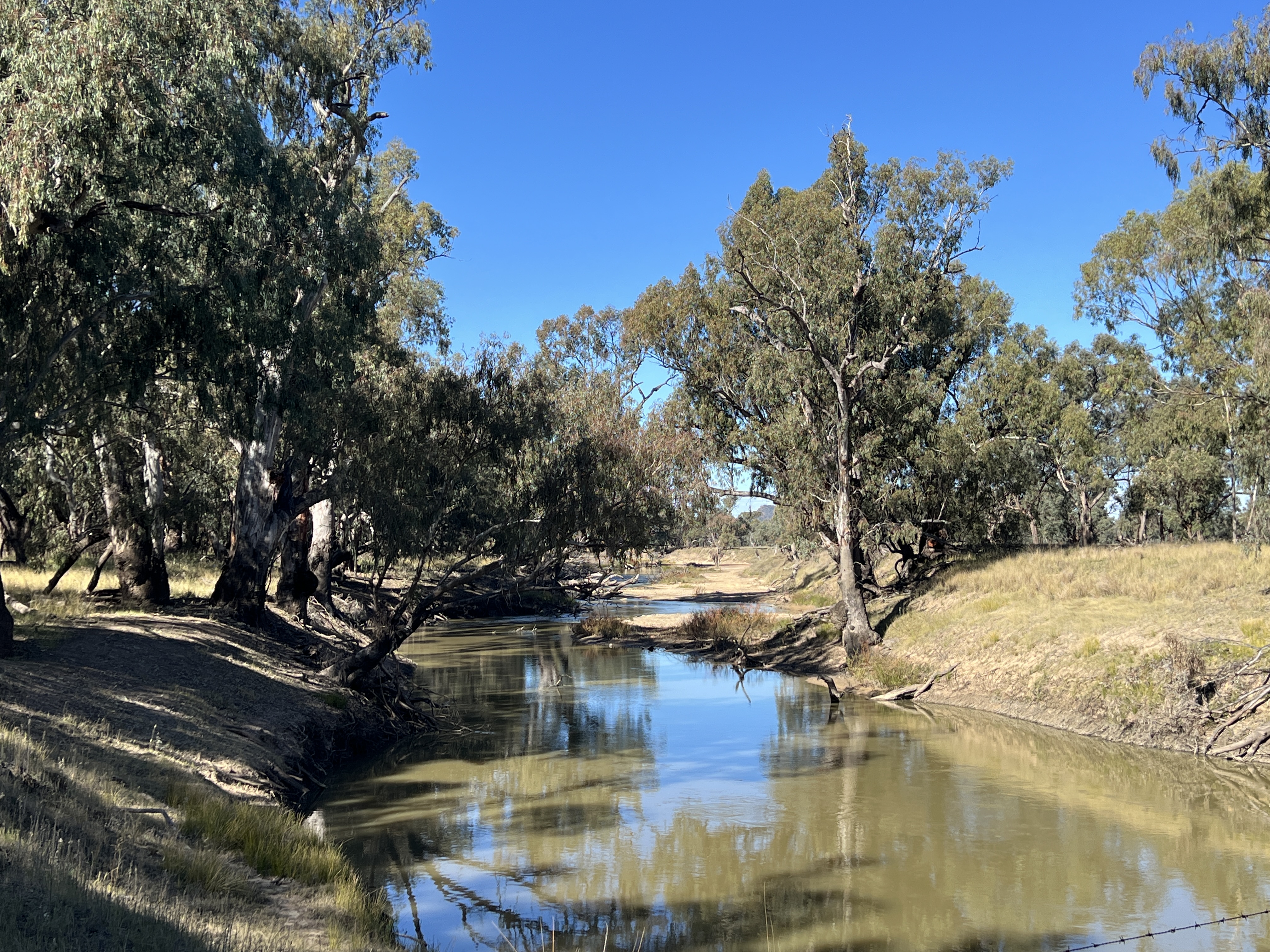
The free camp here at Froggy Hollow overlooks the lake. The lake is fed by the Lachlan in times of flood. We have found it very full after the recent heavy rains. A fellow camper said that when they were here last here they had set up on ground about 30 metres out into the lake.
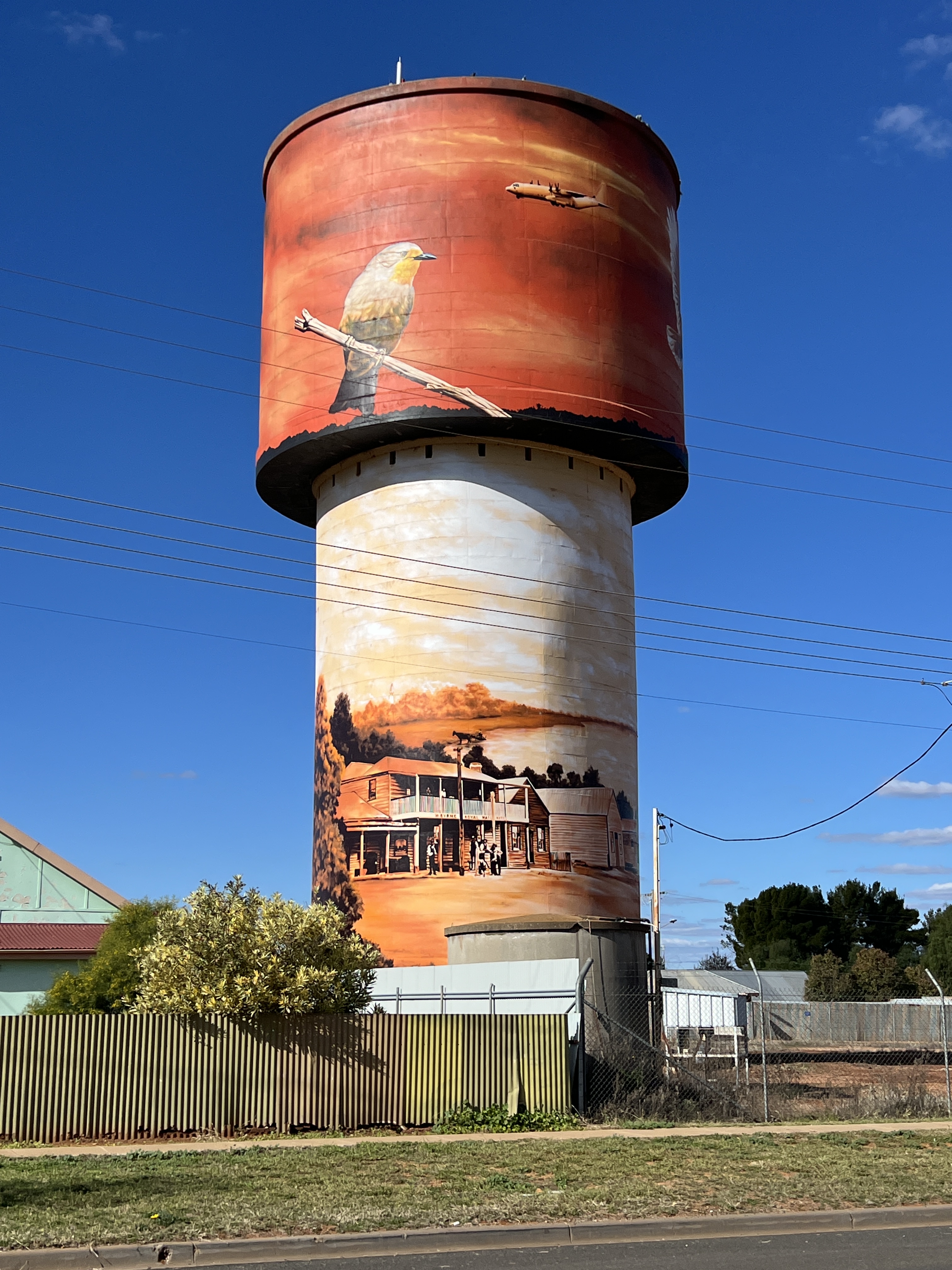
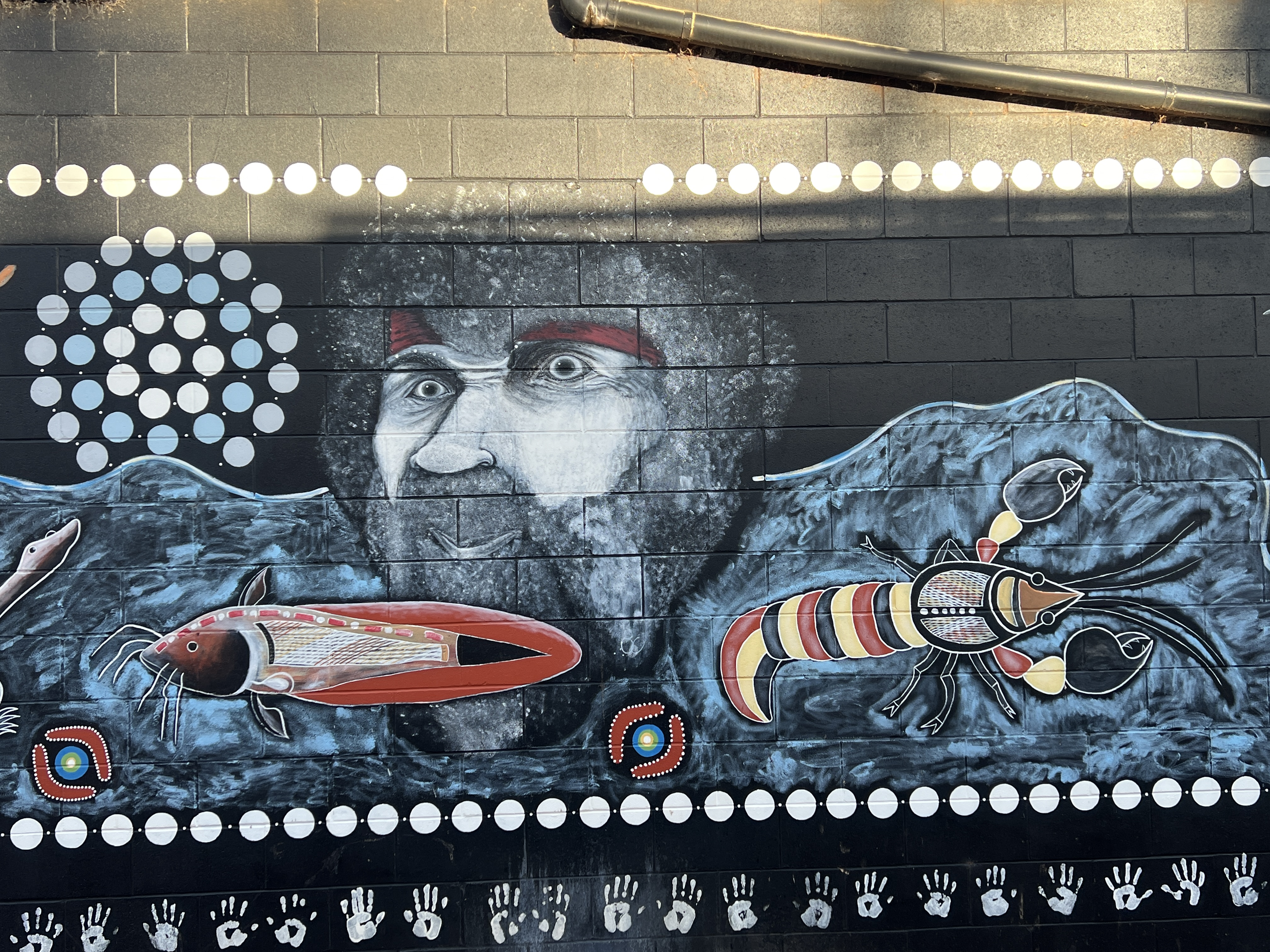
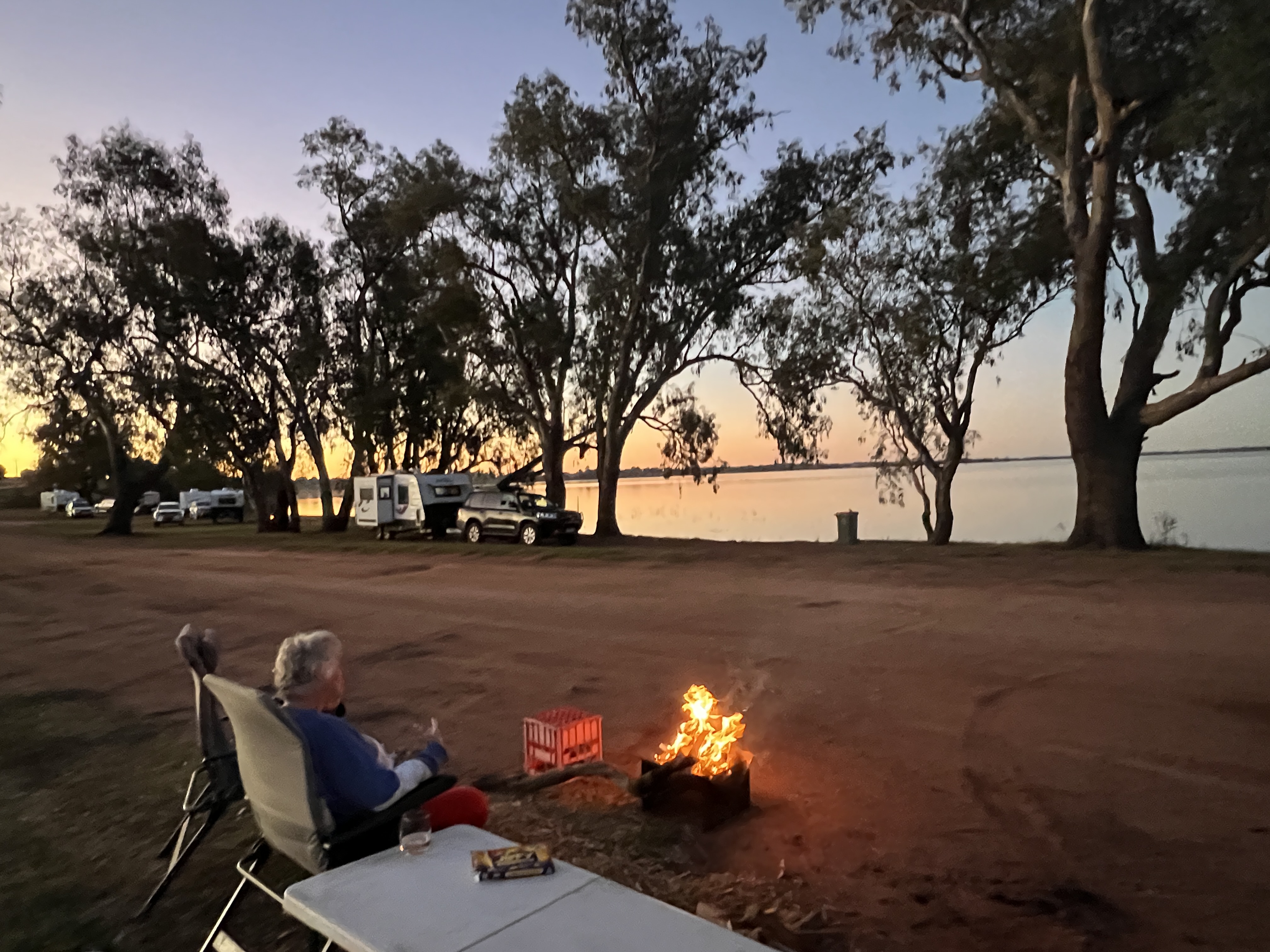
Like Hillston, the water tower here also has a mural and some other street art adorns buildings along the main street. We had a fire as the sun set, lamb chops sizzled away. Rather good!
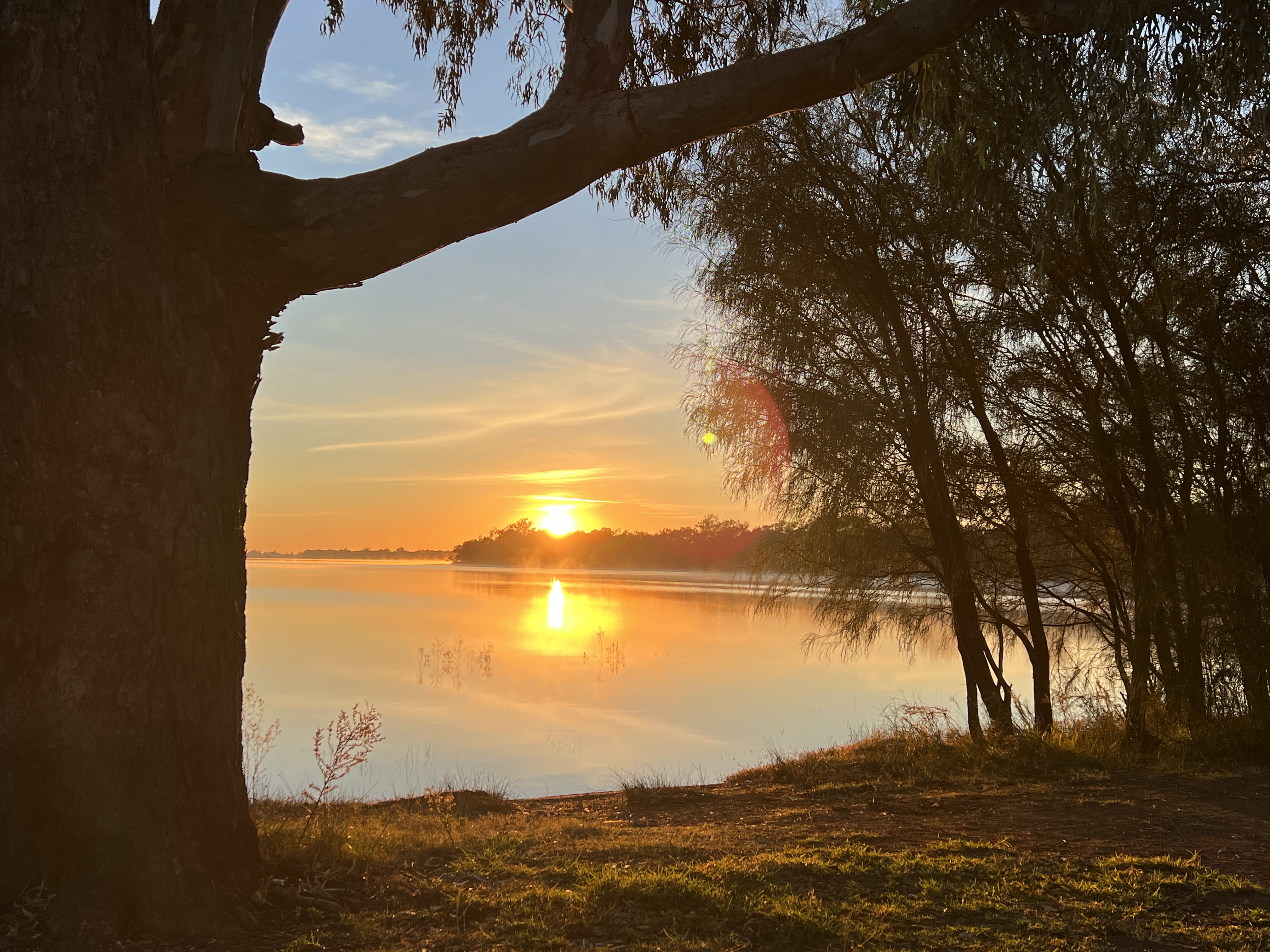
In the morning we were greeted by a magnificent sunrise over the lake.
Time to leave though for our next stopover at Cowra.
Back to Hay
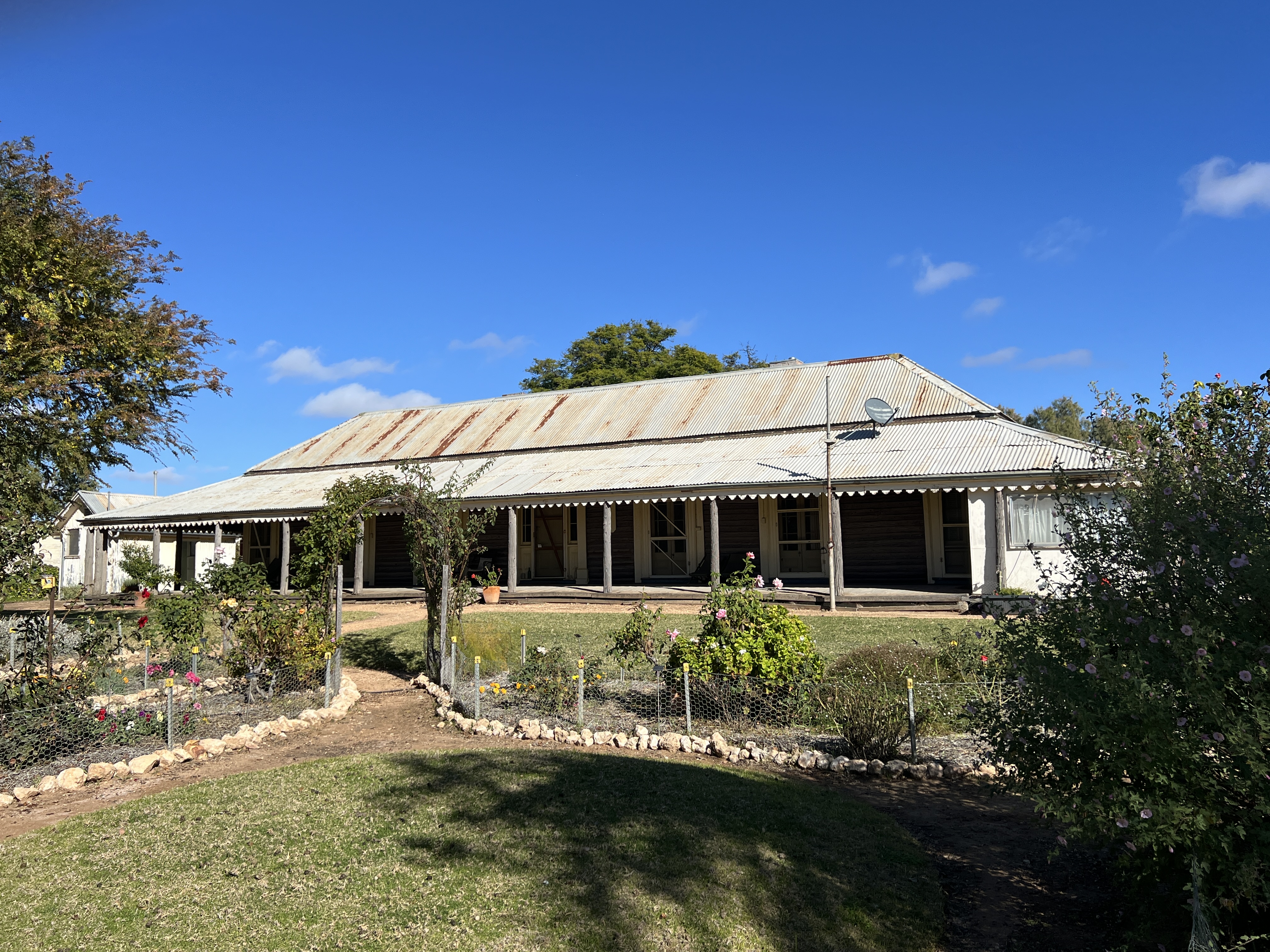
We are now starting to wind our way back home along the Lachlan River. However, before leaving Balranald we made a brief visit to Yanga NP. This is a former pastoral property that has something like a 160km frontage to the Murrumbidgee River. It was established in the 1840s and acquired by the government in 2005 to form a NP. The old homestead and woolshed are centre pieces for visitors.
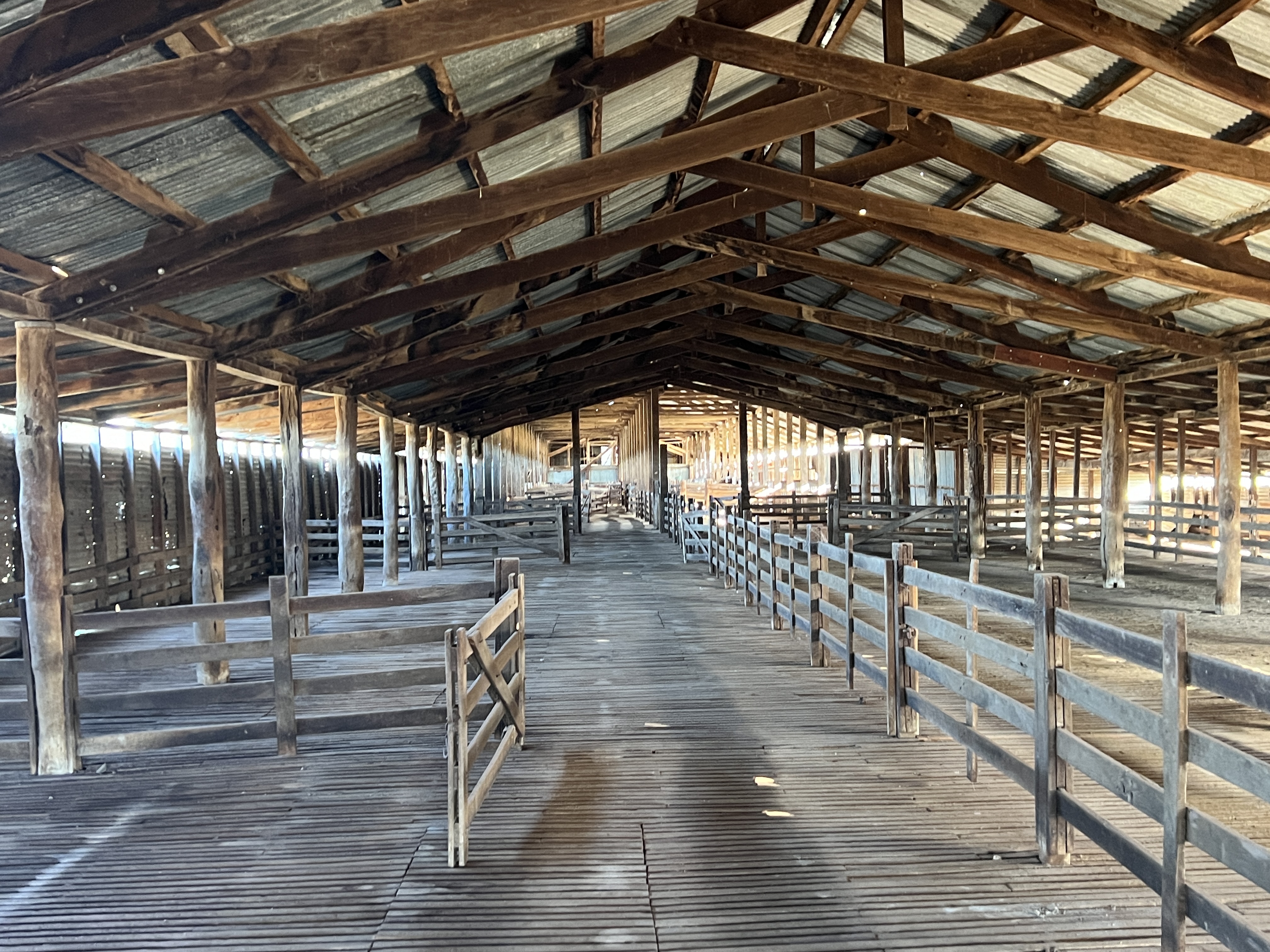
The homestead overlooks Yanga Lake and has been left in ‘as it was’ condition when National Parks acquired ownership. Frozen in time if you like. It is being maintained of course but not renovated, the same goes for the woolshed which could house 3000 sheep about to be shorn. It is a big shed. After 20 years it still has that sheep smell.
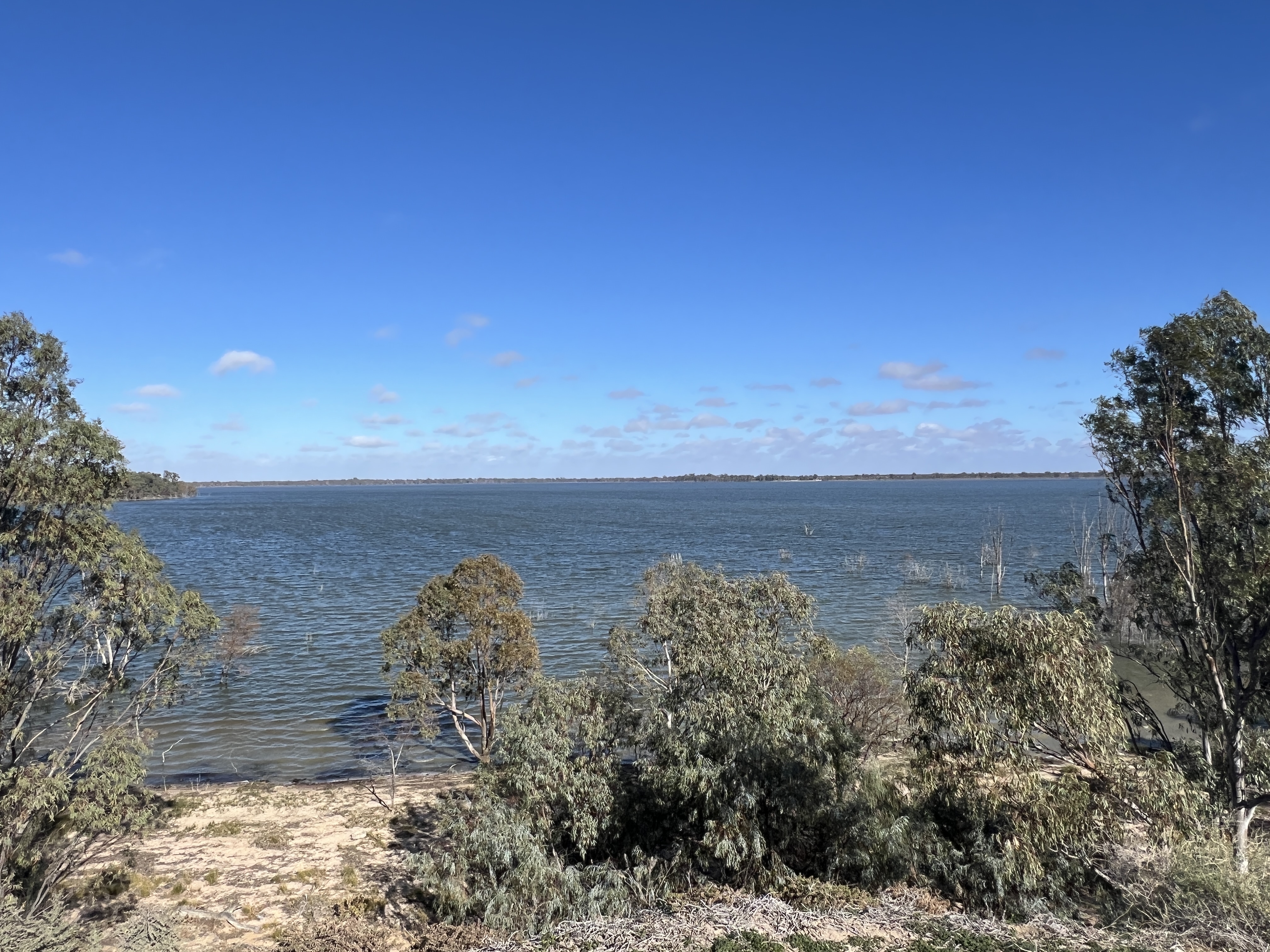
The lake is a little mysterious in that it fills, not only by surface run off, but by the ‘two way’ Yanga Creek. During flood times water runs out of the Murrumbidgee into the Lake. As things dry out the water runs back out of the Lake into the river, a weir has been built to keep water in the lake. It was very full when we there but it has been known to be almost empty. There was a water skiing club here once. It is an amazing sight in an otherwise ‘dry’ landscape.
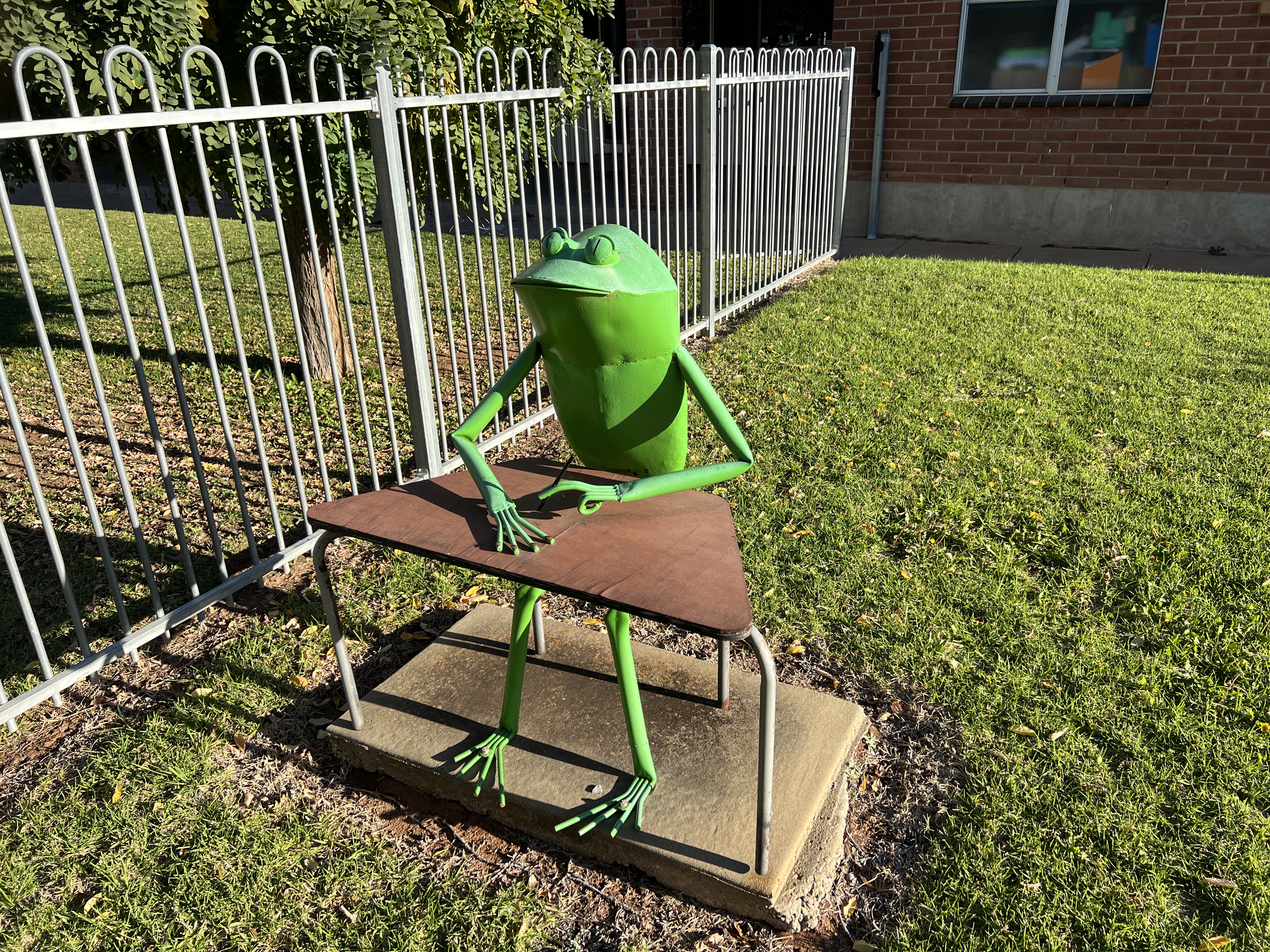
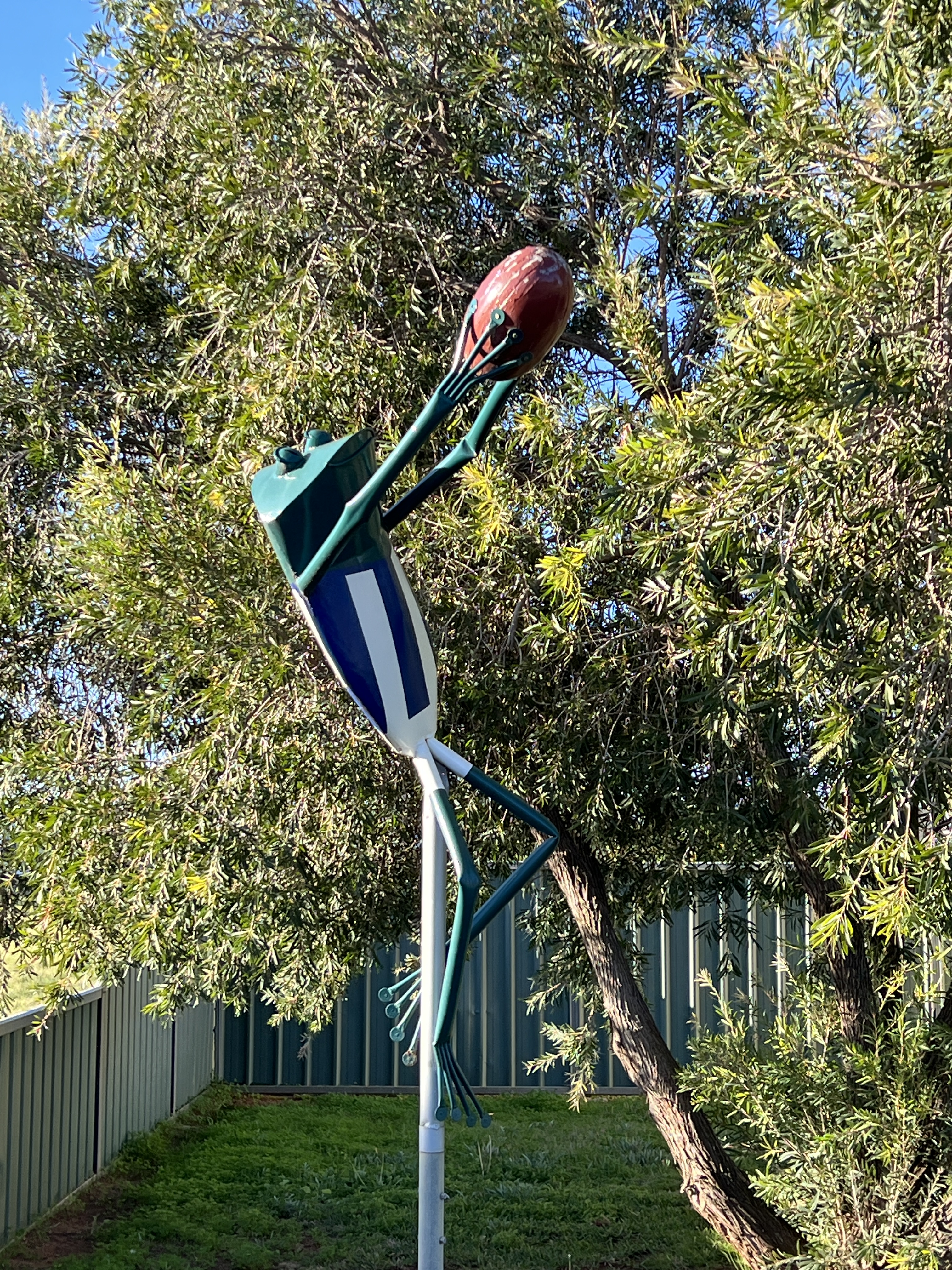
Balranald is also big on green frogs. The Southern Bell Frog, aka ‘Growling Grass Frog’, is endangered in these parts. So the good townsfolk have installed green frog cut outs around town as a touristy thing ..,, go and see how many you can find, so we did here are a couple.
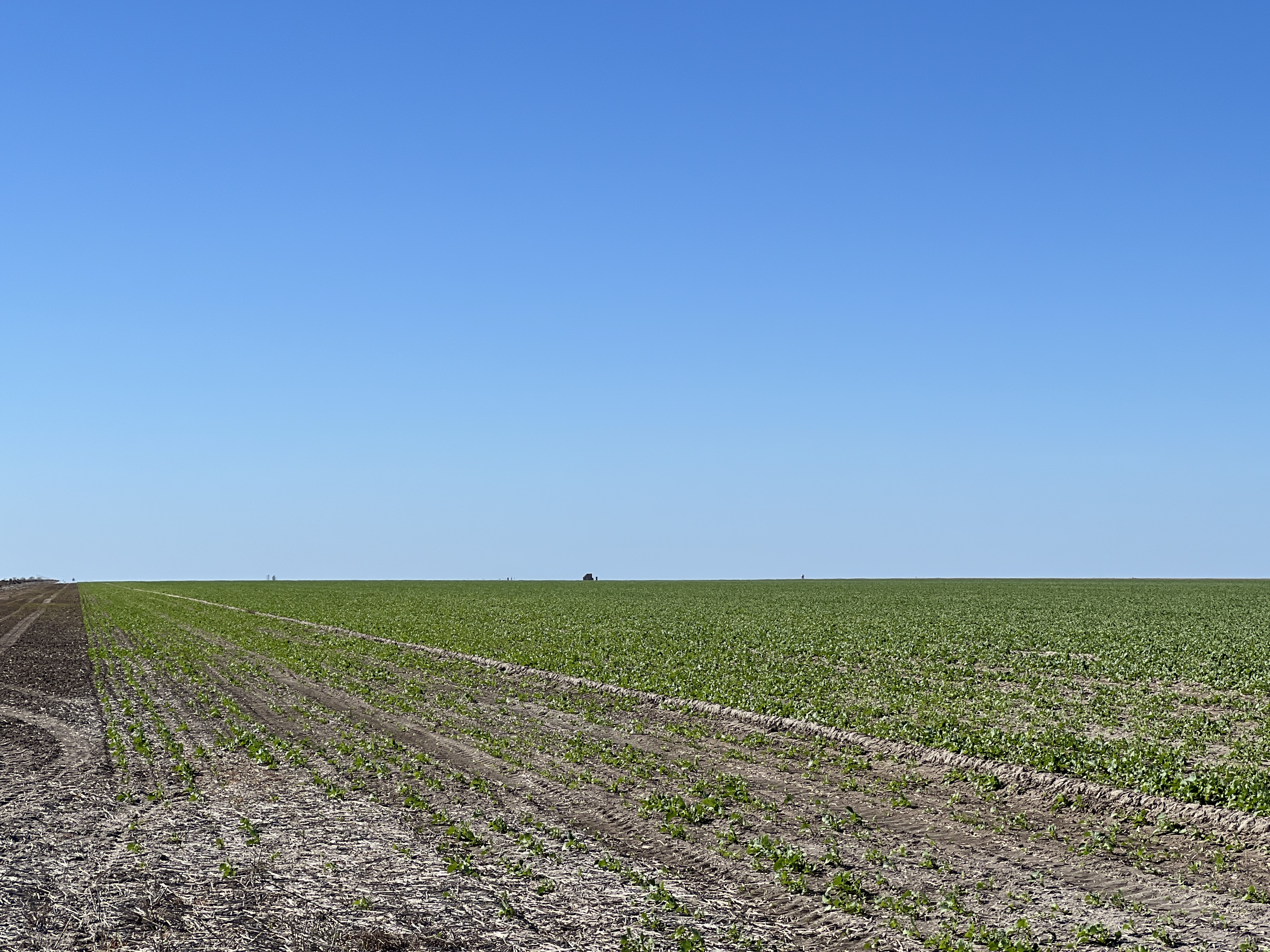
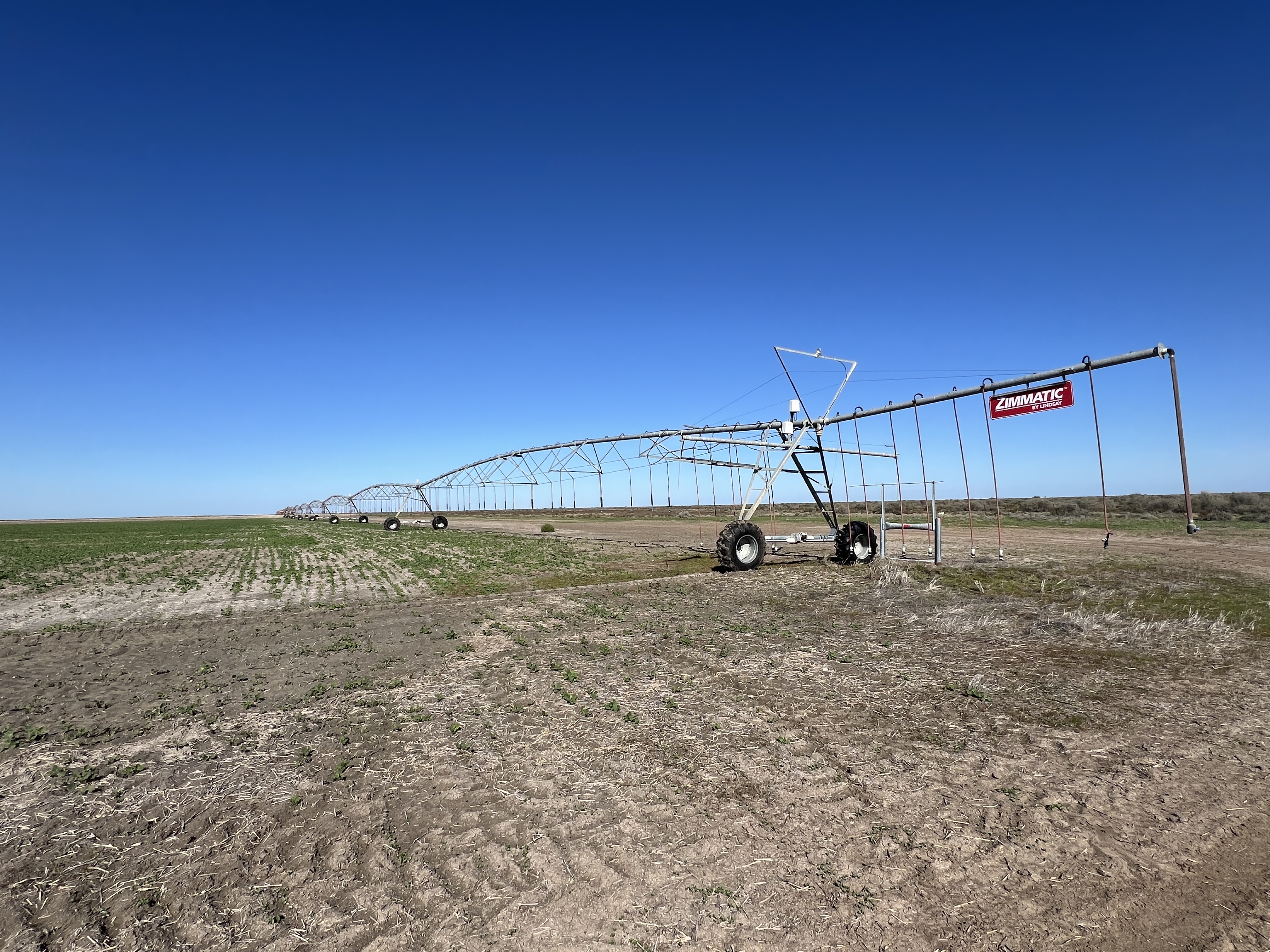
It was back on the road after our brief stop passing by some expansive crop and pastoral land.
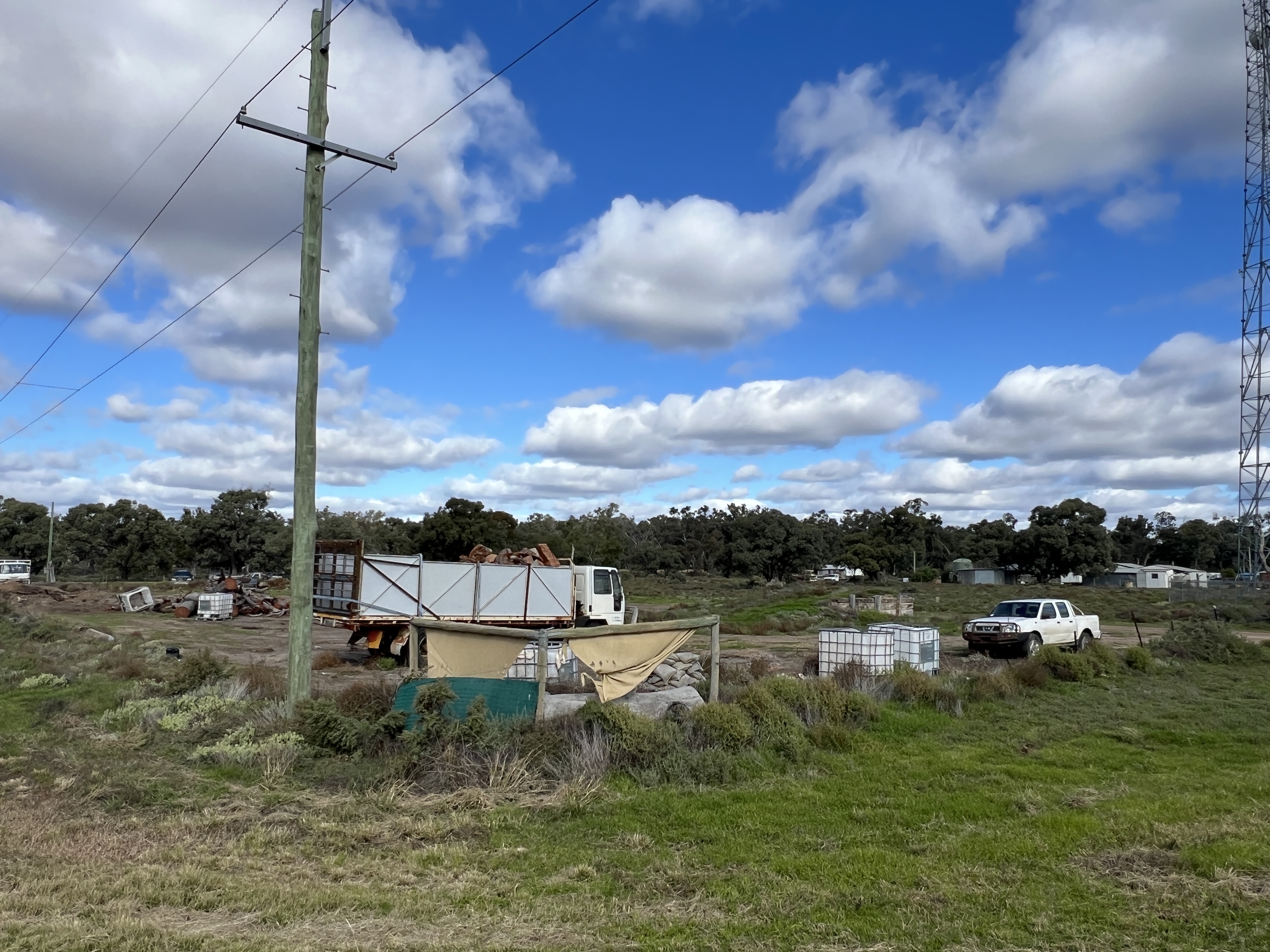
We are taking a loop road back to Hay. It goes through the town of Oxley, to the north west of Hay. Involves a bit of gravel road and skirts around the Great Cumbung Swamp.
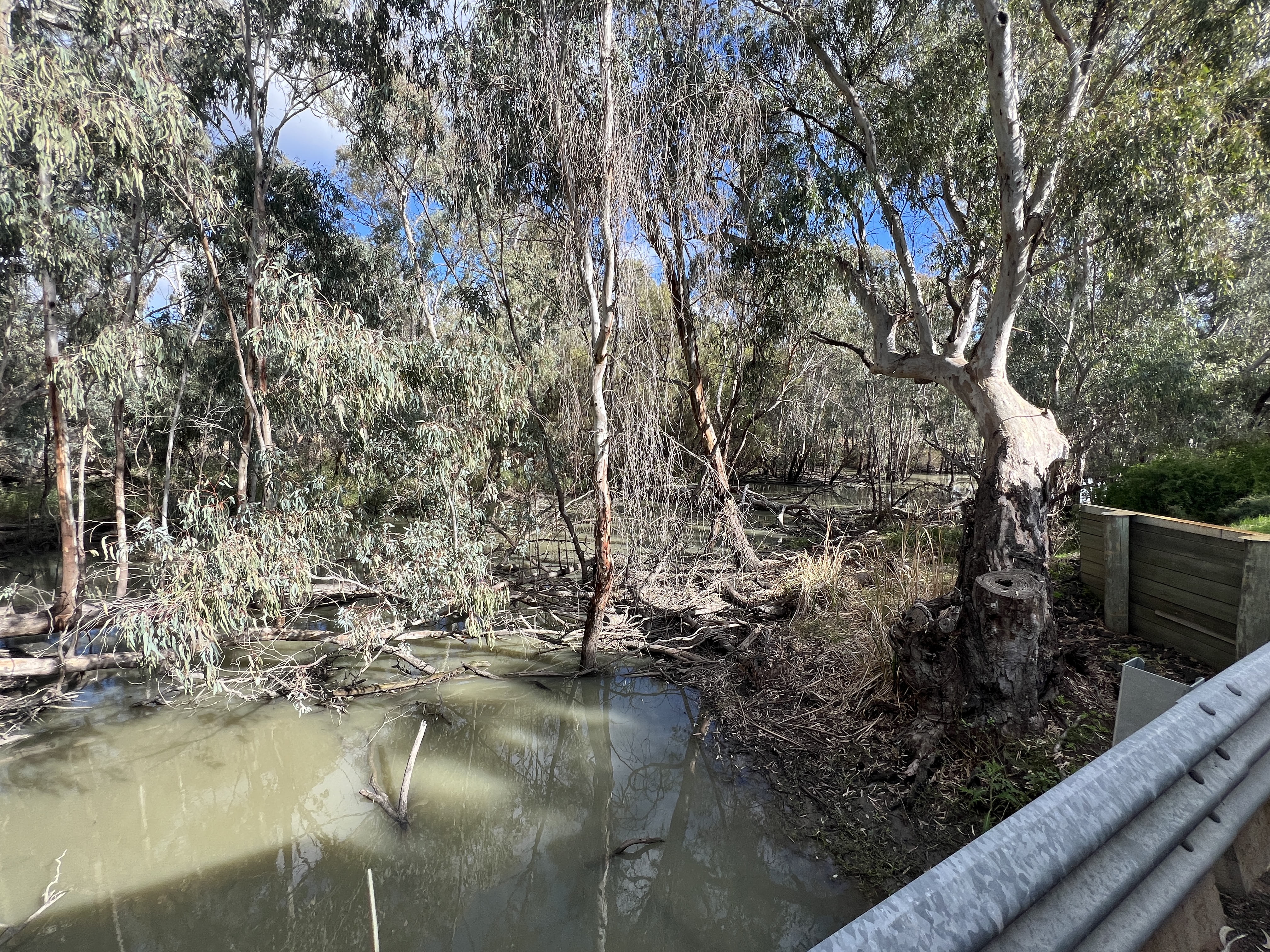
The swamp is what the Lachlan River drains into. It is only during flood that the Lachlan reaches the Murrumbidgee. The swamp is something like 35-50,000 acres and is a vast network of creeks and reed beds, depending on the flood water flows. Oxley is the place where you see the Lachlan disappear into the swamp, that is why we are going there. You can’t get much closer to it than this spot on a small bridge out in the middle of what city folk would call ‘nowhere, absolutely’!
The explorer Oxley was stymied by the boggy ground conditions in his explorations of the Lachlan river system back in 1817, near Lake Cargelligo (where will stay the night further on) which is 100km or so north east of Oxley.
After lingering awhile in Oxley we got back onto the loop road and made it back to the van park in Hay for the night.
As is generally the case the blog runs a few days behind real time, it is no different this time. Allthego aims to catch up!
Riddle of the Rivers
One of the big exploration issues in Sydney back in the mid late 1820s was where did the western flowing rivers go? Where did the Murray, Murrumbidgee, Lachlan , Macquarie end up. It was thought that a big inland sea was the plausible answer. So a bloke called Sturt set off to see if he could resolve the issue. He wandered around a bit following the course of the Macquarie and Murrumbidgee Rivers. Amongst all the stuff you would carry with you, helped by horses, was a whale boat in pieces to assemble when needed. From what a I can currently glean Sturt and his party launched the boat in the Murrumbidgee up stream from present day Balranald. And set forth to see where it would take them!
Any of my readers who are of a similar vintage will no doubt recall during their late primary school years drawing maps and plotting the course of NSW/QLD rivers and all the European explorers. This was around the early mid 1960s. We did it for weeks in social studies! Little mention of the Wiradjuri people and their place in this landscape, how times have changed in these parts.
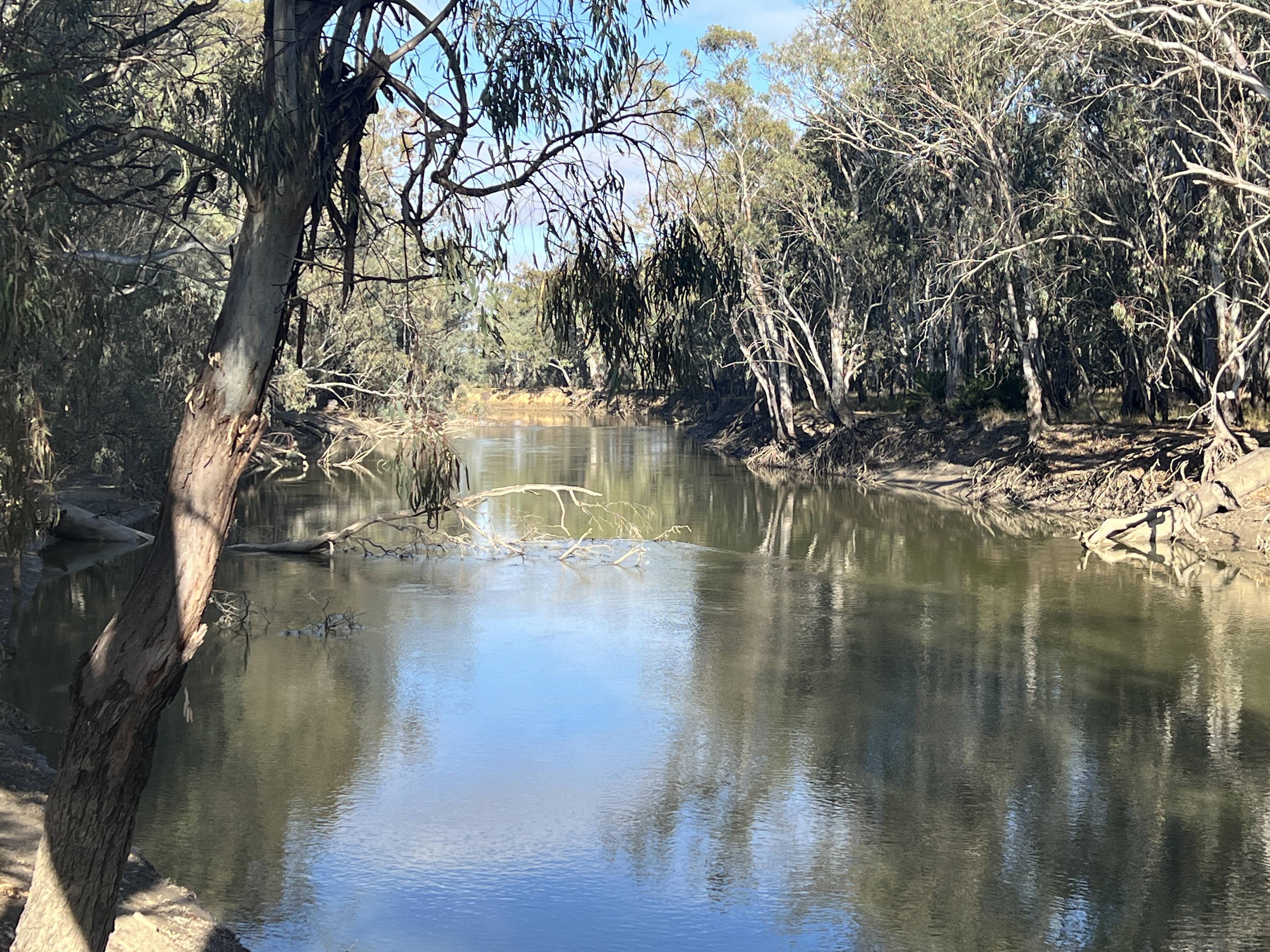
We are in the Balranald Van Park beside the Murrumbidgee. We were here a couple of years ago when the river was in flood, much higher up into the camp grounds.Like Sturt we are here to see where the Murrumbidgee goes. The problem is that river fronting properties prevent us from following the river further, we get a look at it at the Balranald weir but there is no closer accessible point.
The answer is to back track down the highway and go across the Murray River at Tooleybuc and travel down to Boundary Bend, a small town on the Murray River.

Just short of the town a track takes us off to the Murray/Murrumbidgee river junction. It is not far on reasonable dirt tracks to come to the junction of the rivers.
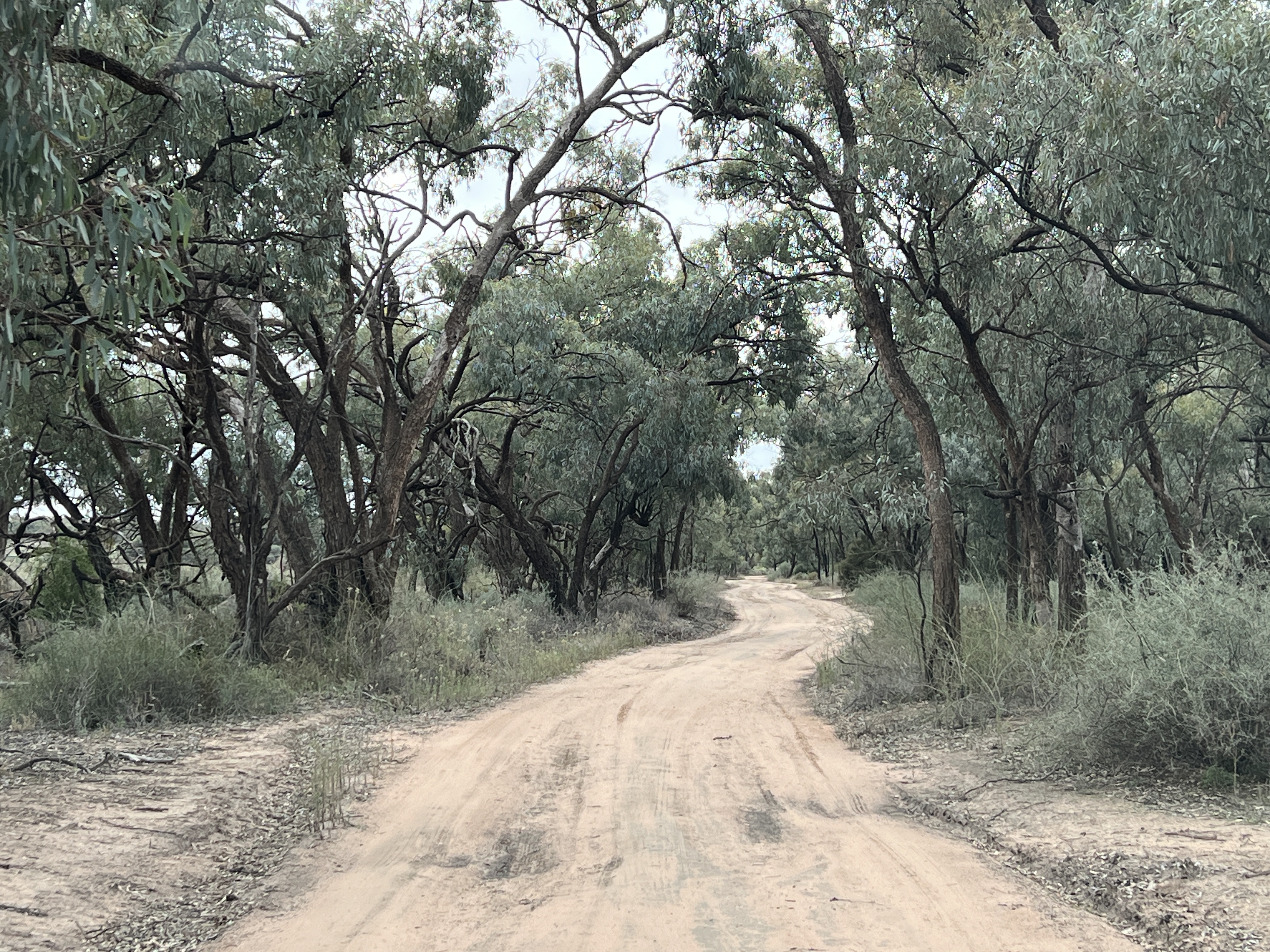

A bit of a scramble here and there makes it a fun drive. The river junction strikes one as a special spot in Australia. Our two longest rivers come together in a remote place.
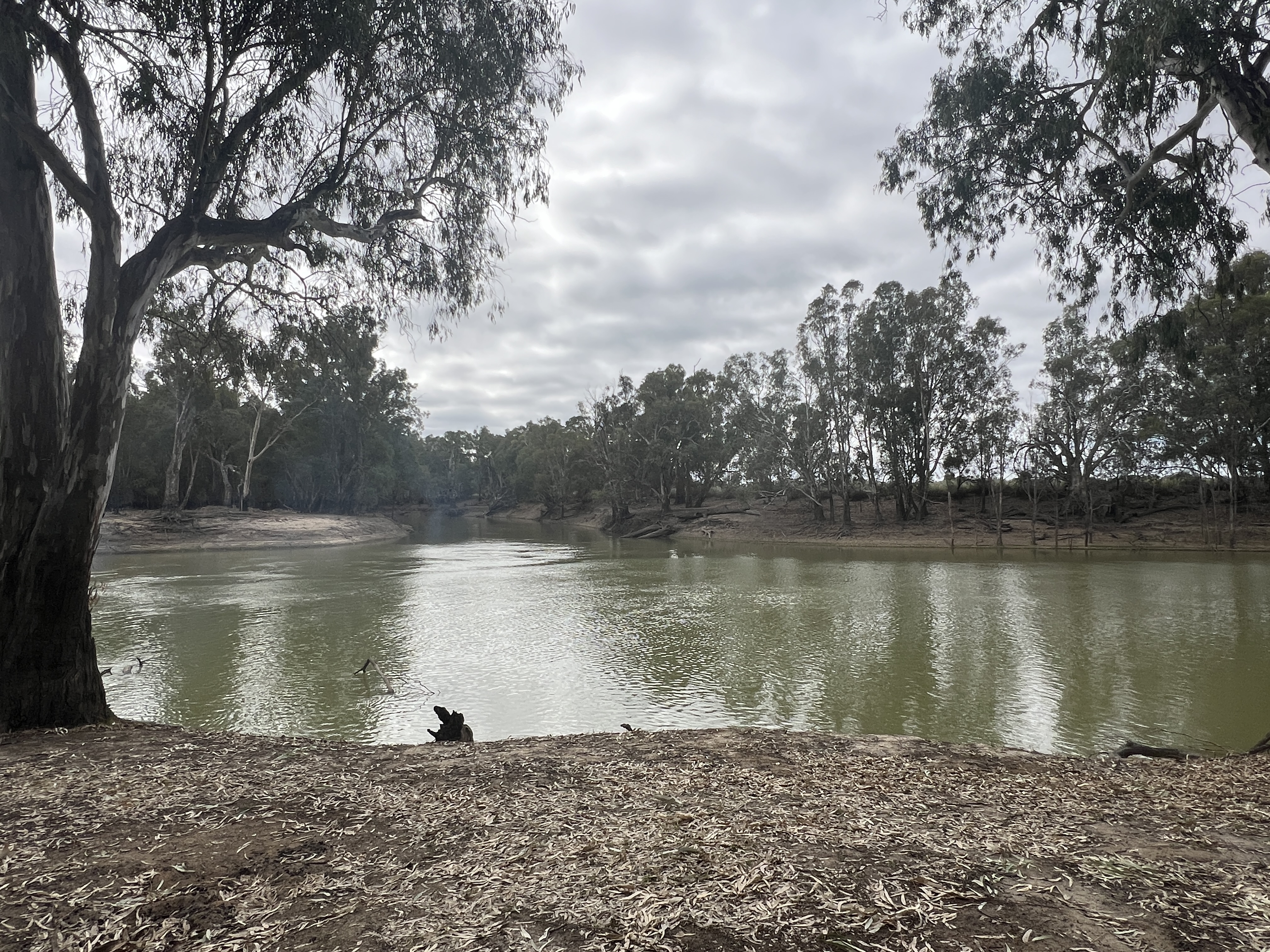
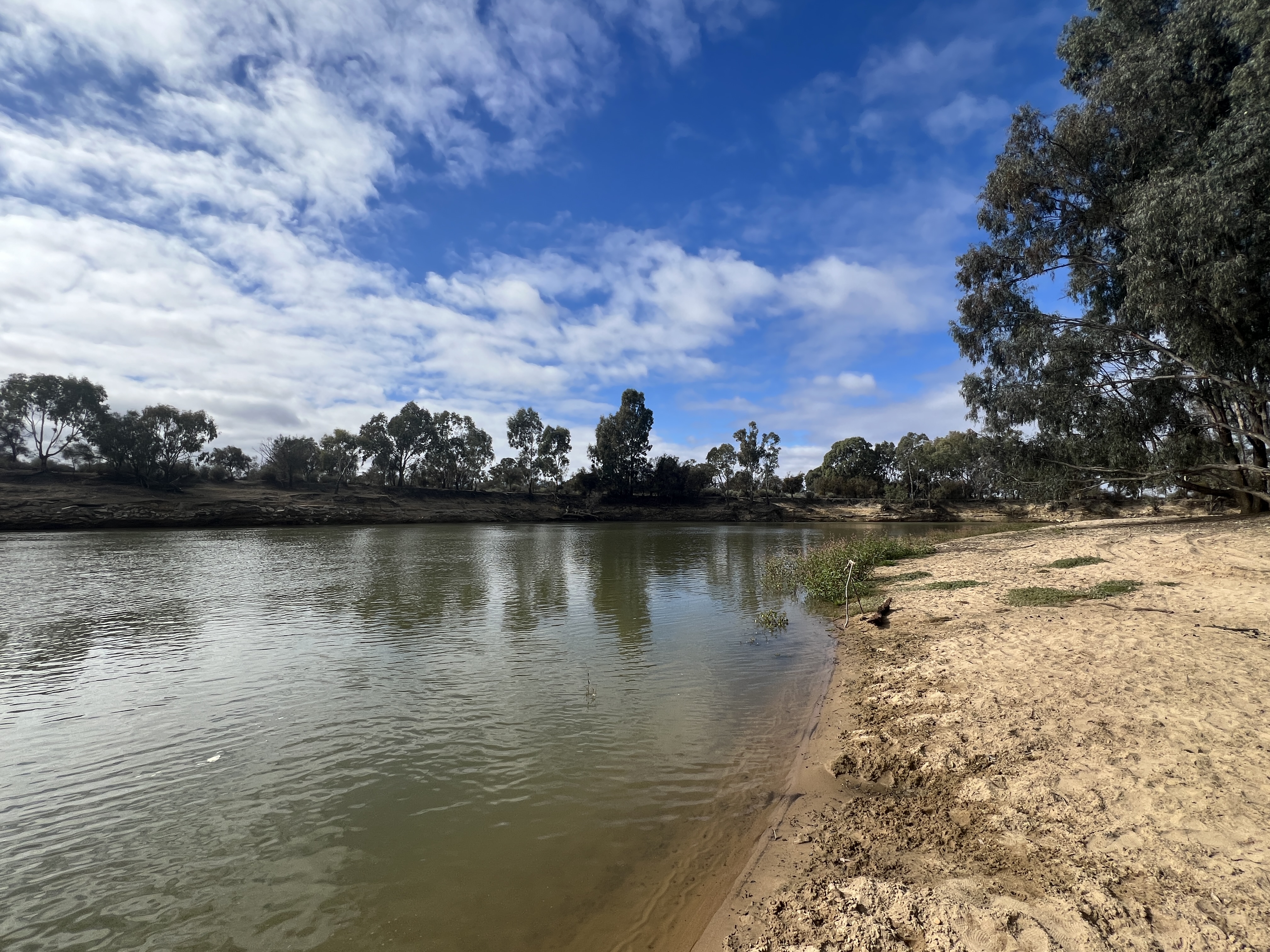
Probably doesn’t look much different to when Sturt surged out of the Murrumbidgee into the Murray in his whale boat way back in 1830.
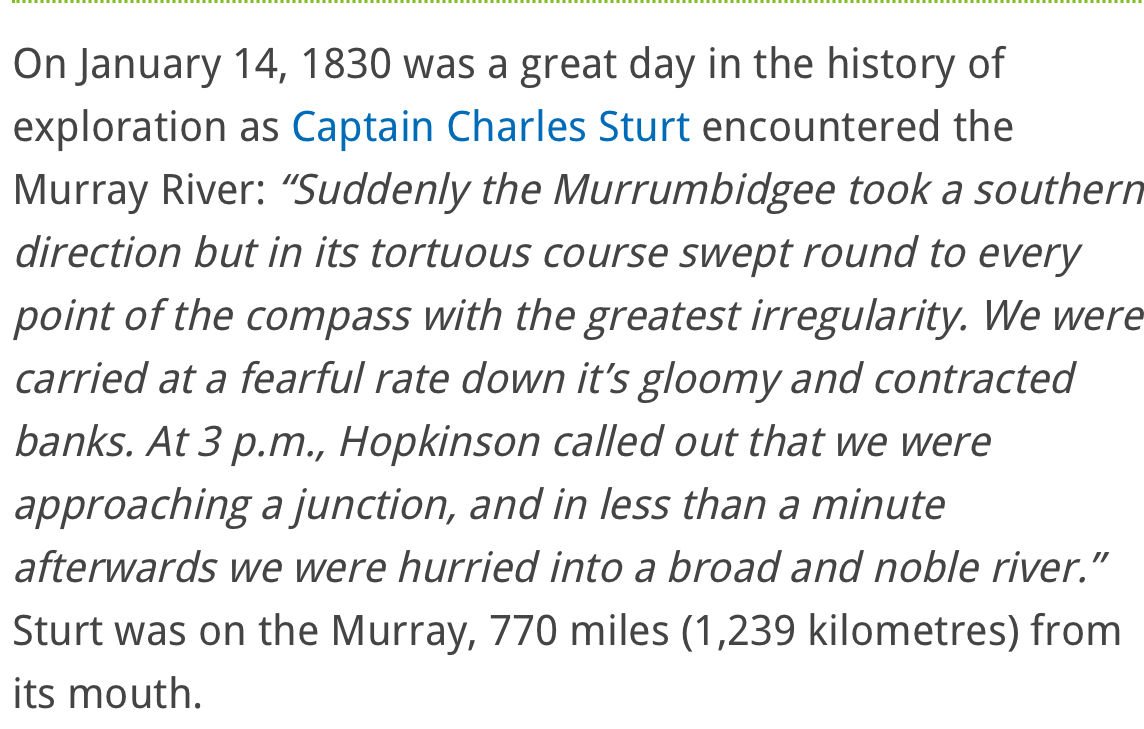
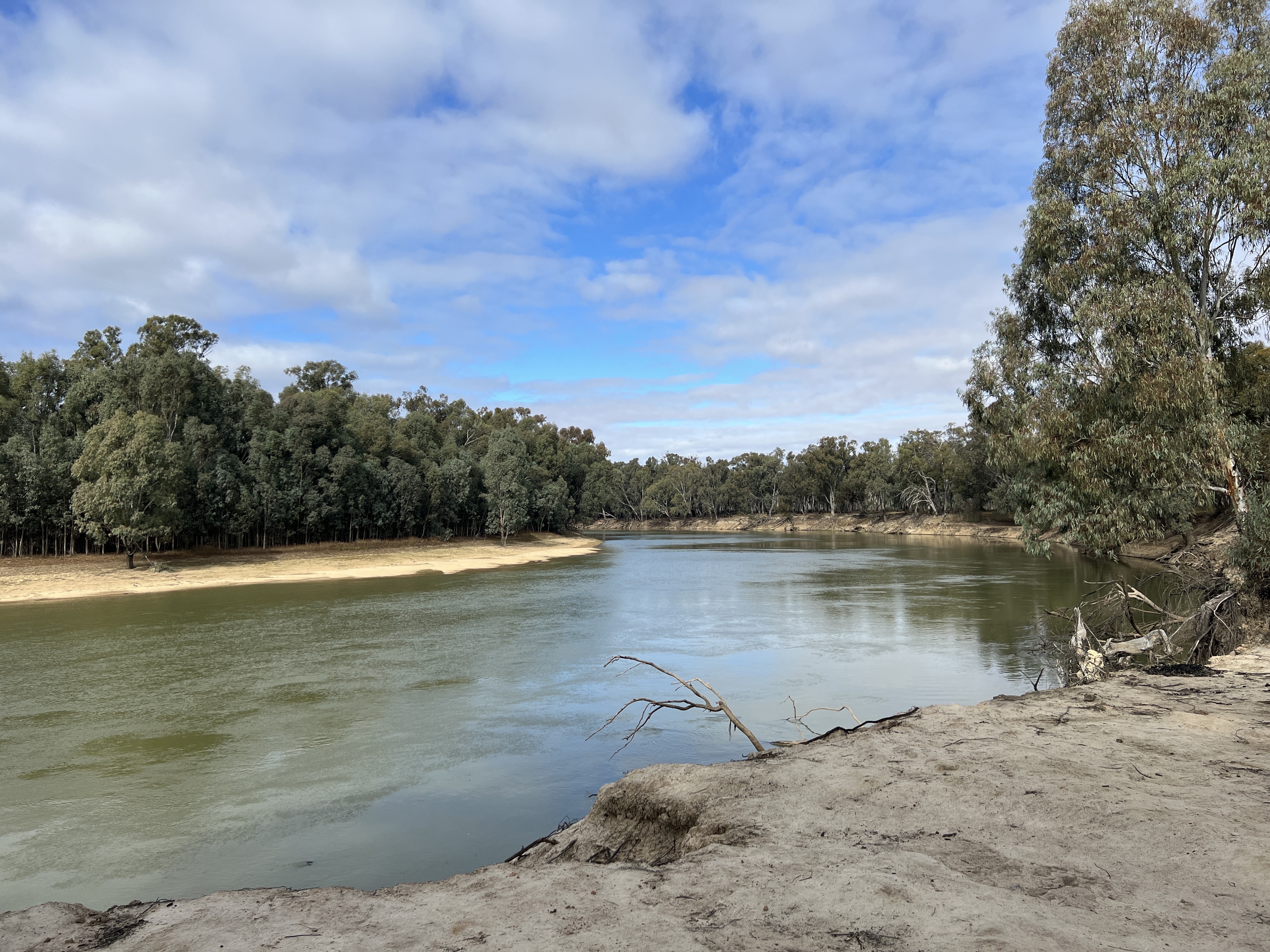
He went on to where the Murray flowed into the Southern Ocean in South Australia. And so solved the riddle of the rivers. The rivers all flowed west for sure but ended up in the Murray and then into the sea. The irony is that something like 60 (? check) million years before the rivers did flow into an inland sea, Sturt and the boys were just s bit late.
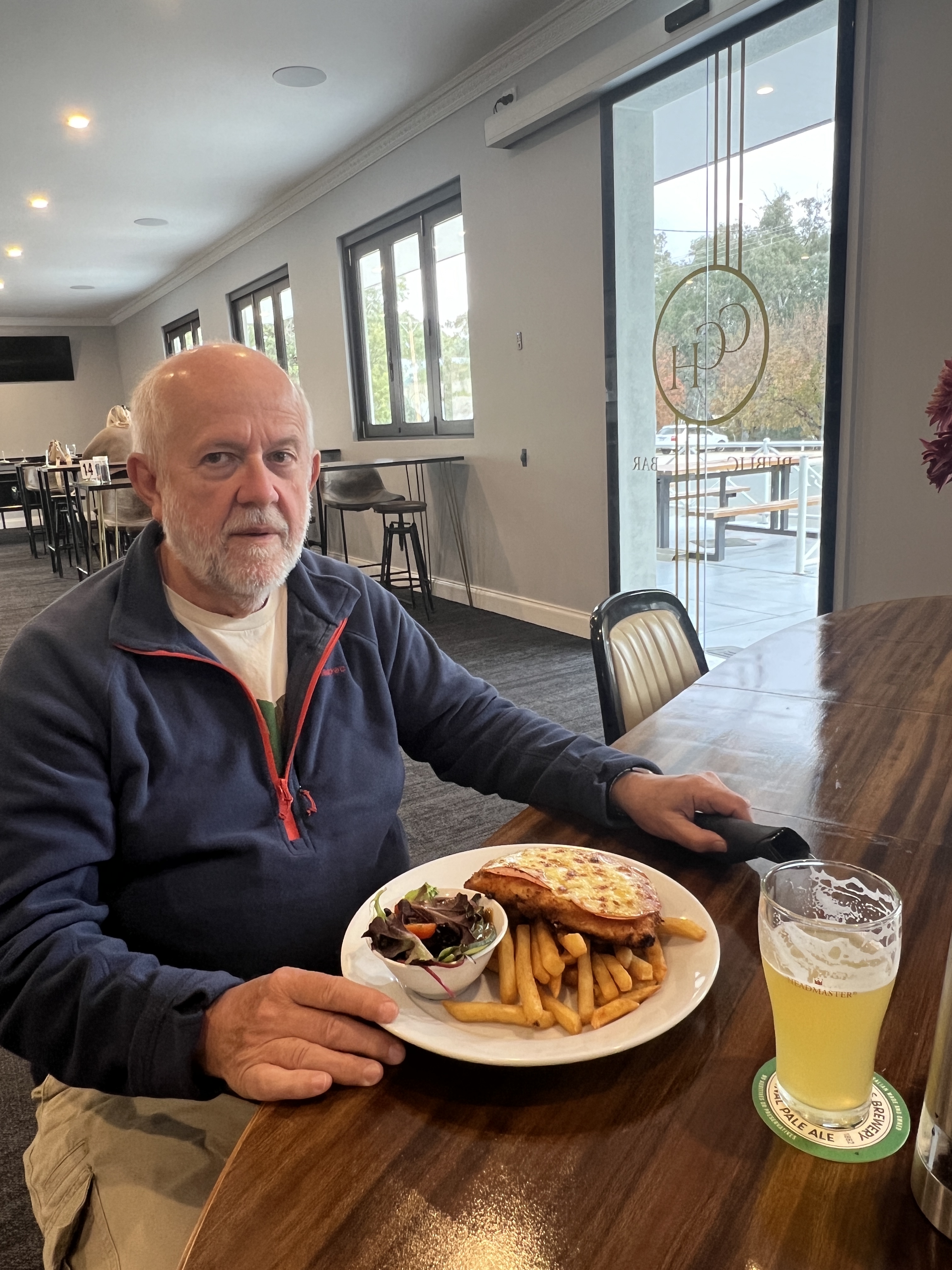
On our way back from the river junction we stopped at the Tooleybuc hotel for a late lunch, just made it. The hotel had won the best parmie award back in 2023 so Allthego had a go, not bad. Homealone checked out a steak sandwich, couldn’t quite get past the 200 g of steak and pile of chips on a big piece of sourdough. Allthego helped out by swapping some parmie for the steak.
So we have come to the end of this part of the journey and now turn back for home. For starters we are going to follow the Lachlan River upstream to its source behind Goulburn in the Southern Highlands of NSW.
Hay
We left Griffith after Allthego returned from a town visit to secure some Italian bits and pieces for the road ahead. Some excellent salami, mortadella and semi dried tomatoes would make an excellent sandwich on a baked bun. Also, he couldn’t resist a tub of Sicilian style green olives. Very moorish.
We made our way back down the Kidman Way crossing the Murrumbidgee at Darlington Point. Some nice murals and parkland are here beside the river.
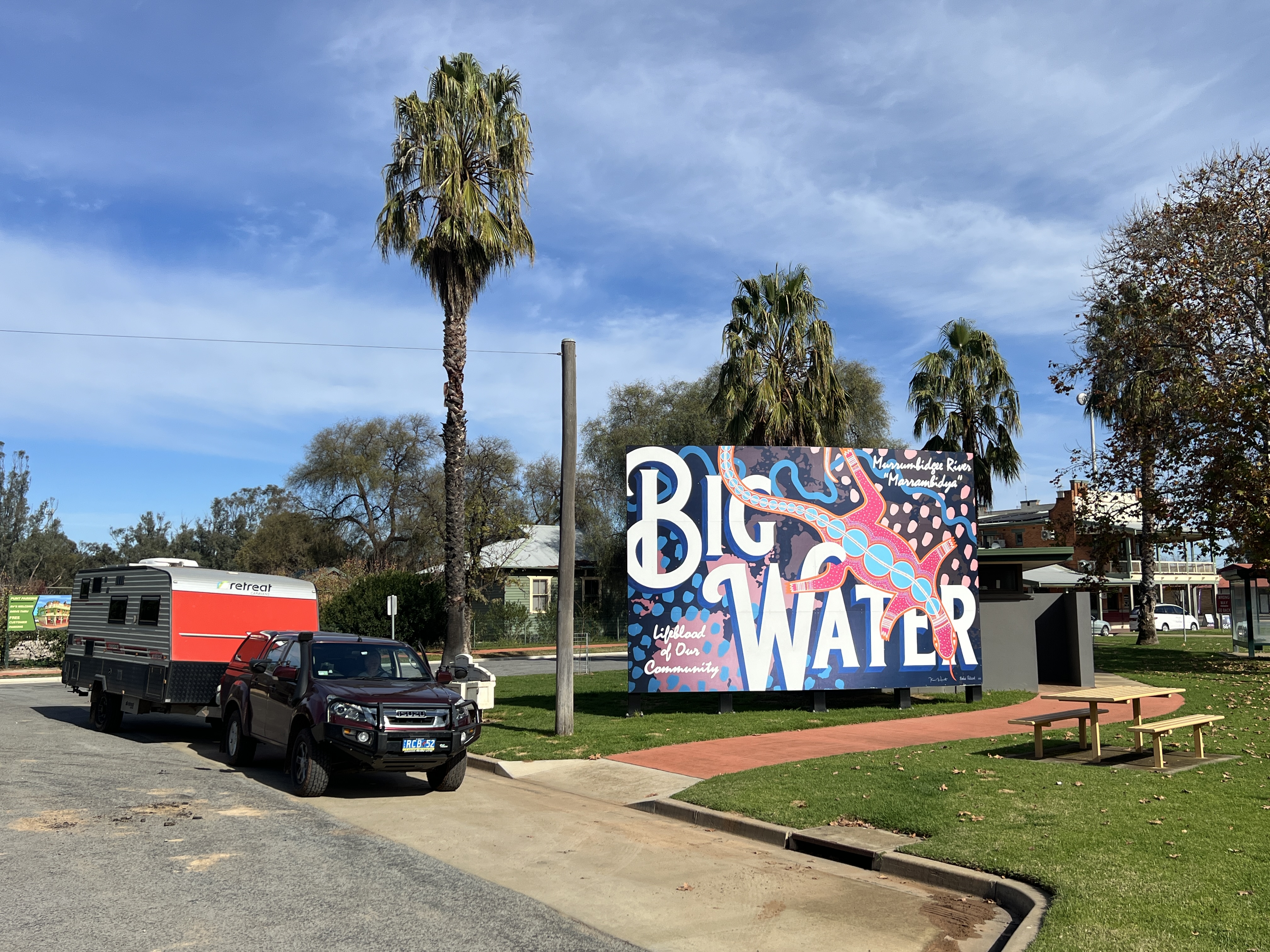
A little further along we crossed back over the river at Carrathool an old service town beside the abandoned railway line. The old 1924 lift bridge over the river is still intact alongside its recent replacement.
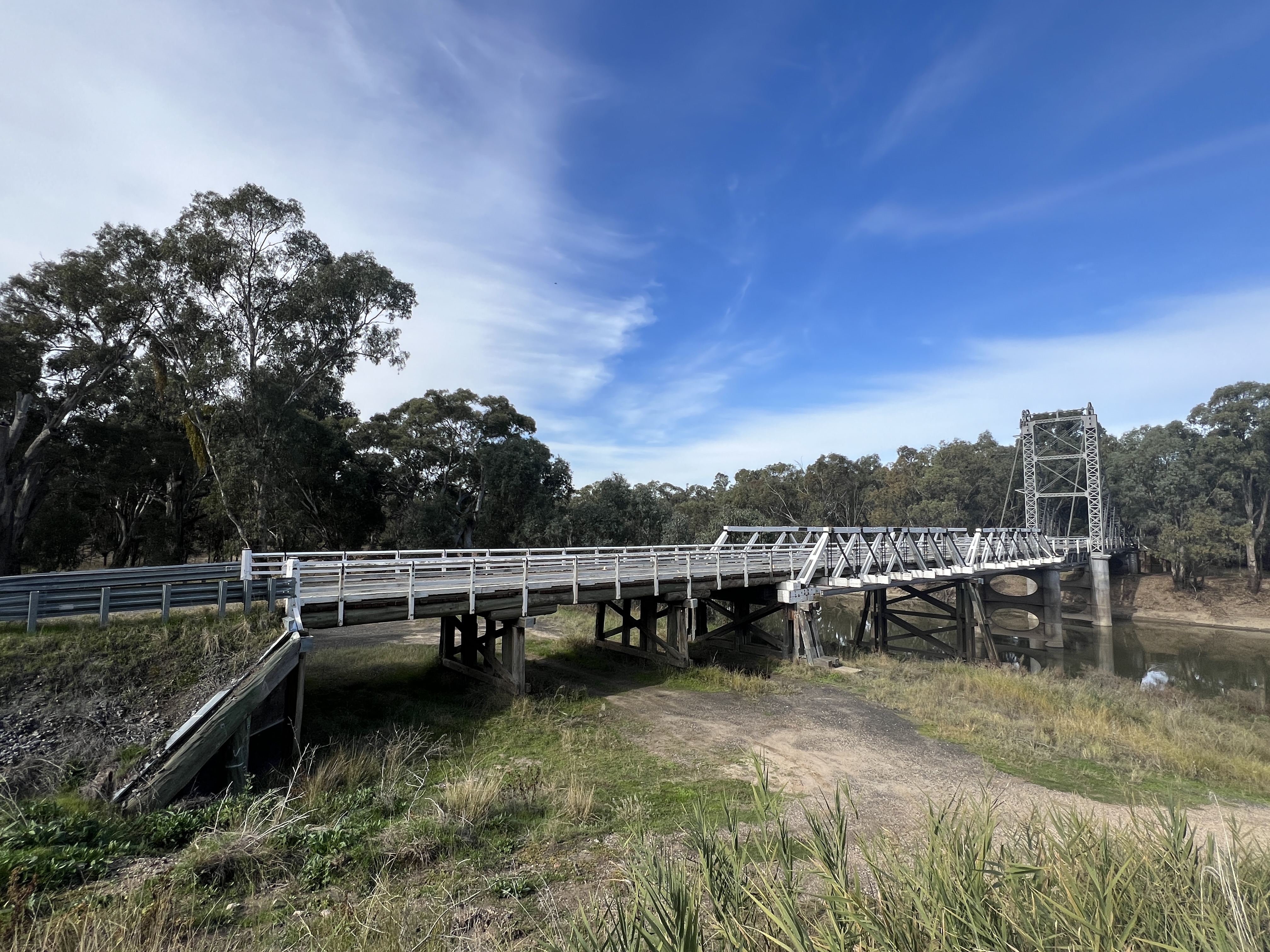

We have made it through to Hay and are set up at the Hay Caravan Park. We have been in this place before, easy going and big sites.

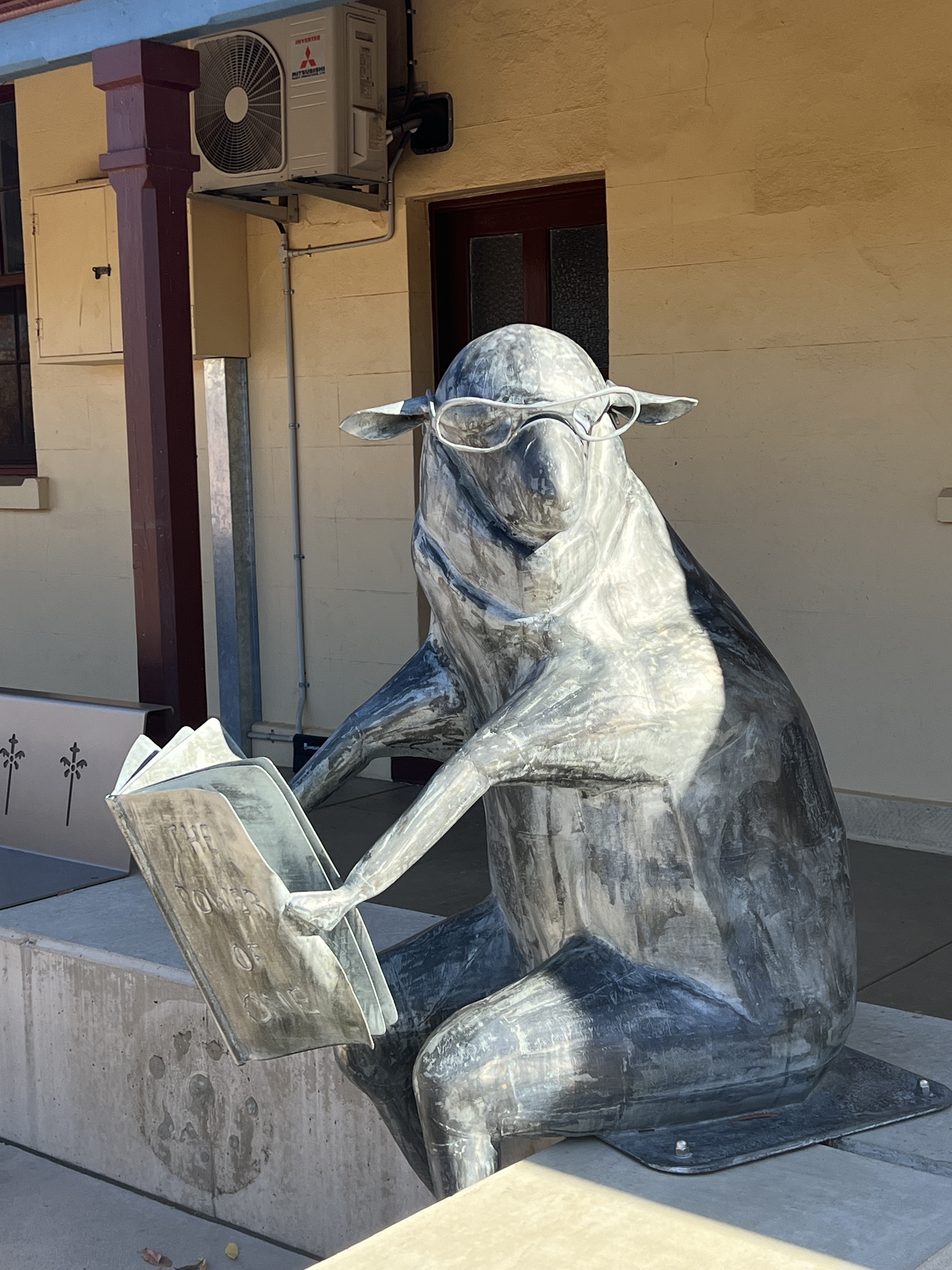
The Murrumbidgee at Hay seems to be at its widest. One could spend some time here poking around town. There are some really great sheep sculptures located outside the old post office, one sits and reads a novel.
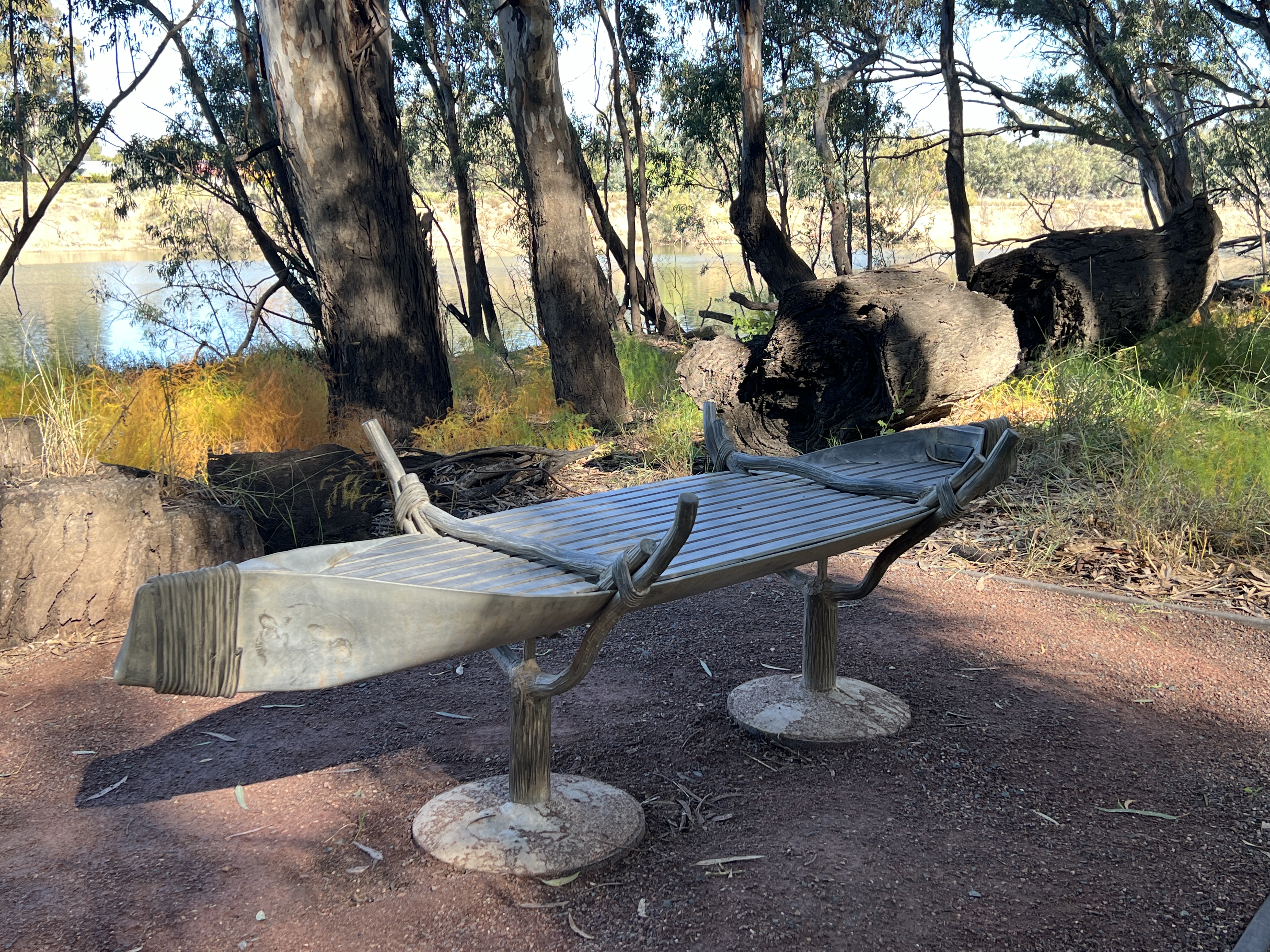
Down by the river we drove (some actually walk along the trail !) around a sculpture trail that highlights historical points of interest in the development of the town, including indigenous mattes of importance.

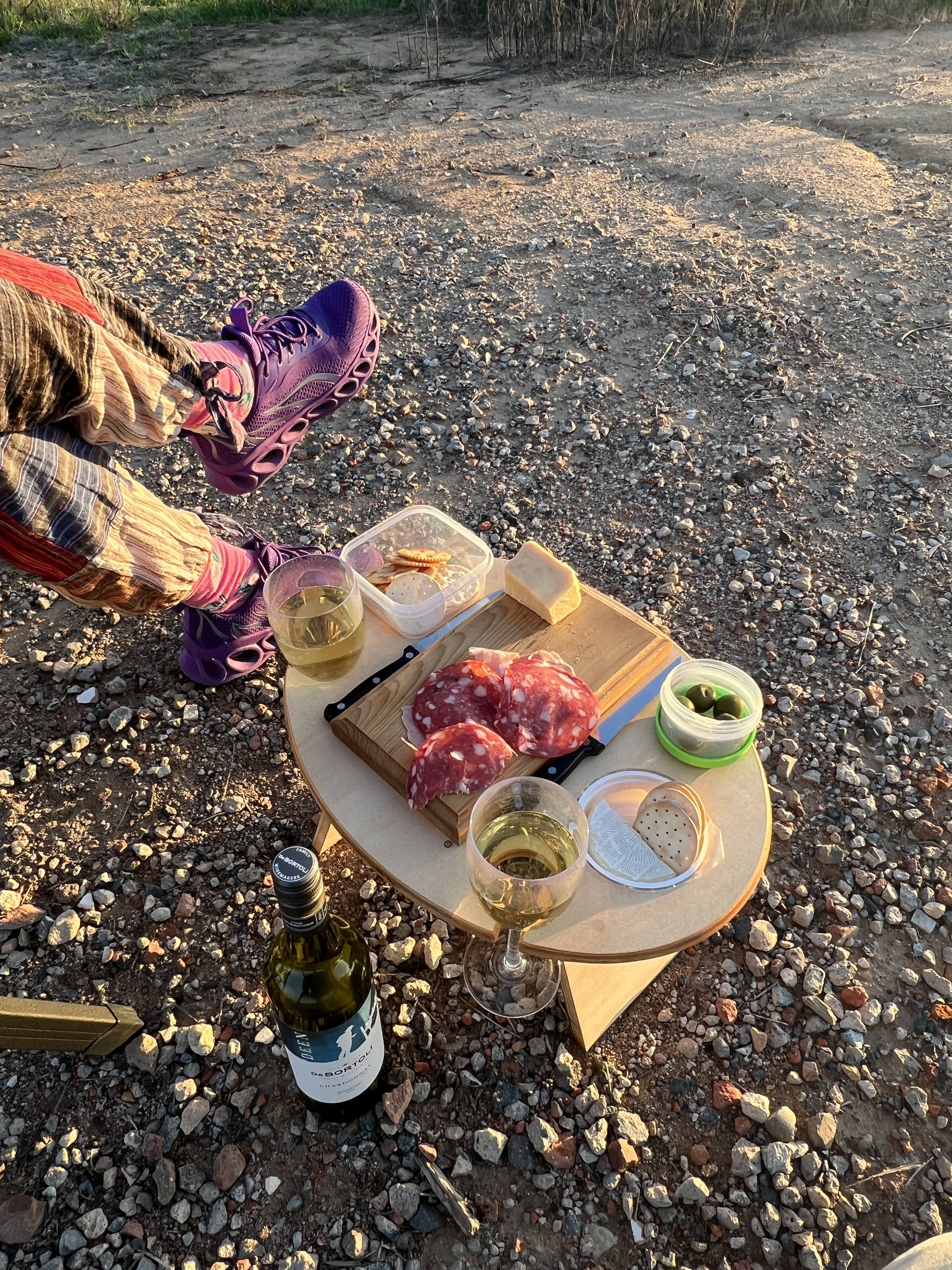
About 16km out of town there is a sunset viewing platform where one can sit and gaze across the Hay Plain as the sun drops into a paddock. We went out there and enjoyed a glass of white and some of the Italian nibbles we picked up in Griffith, the really nice salami complemented the cheese and olives.
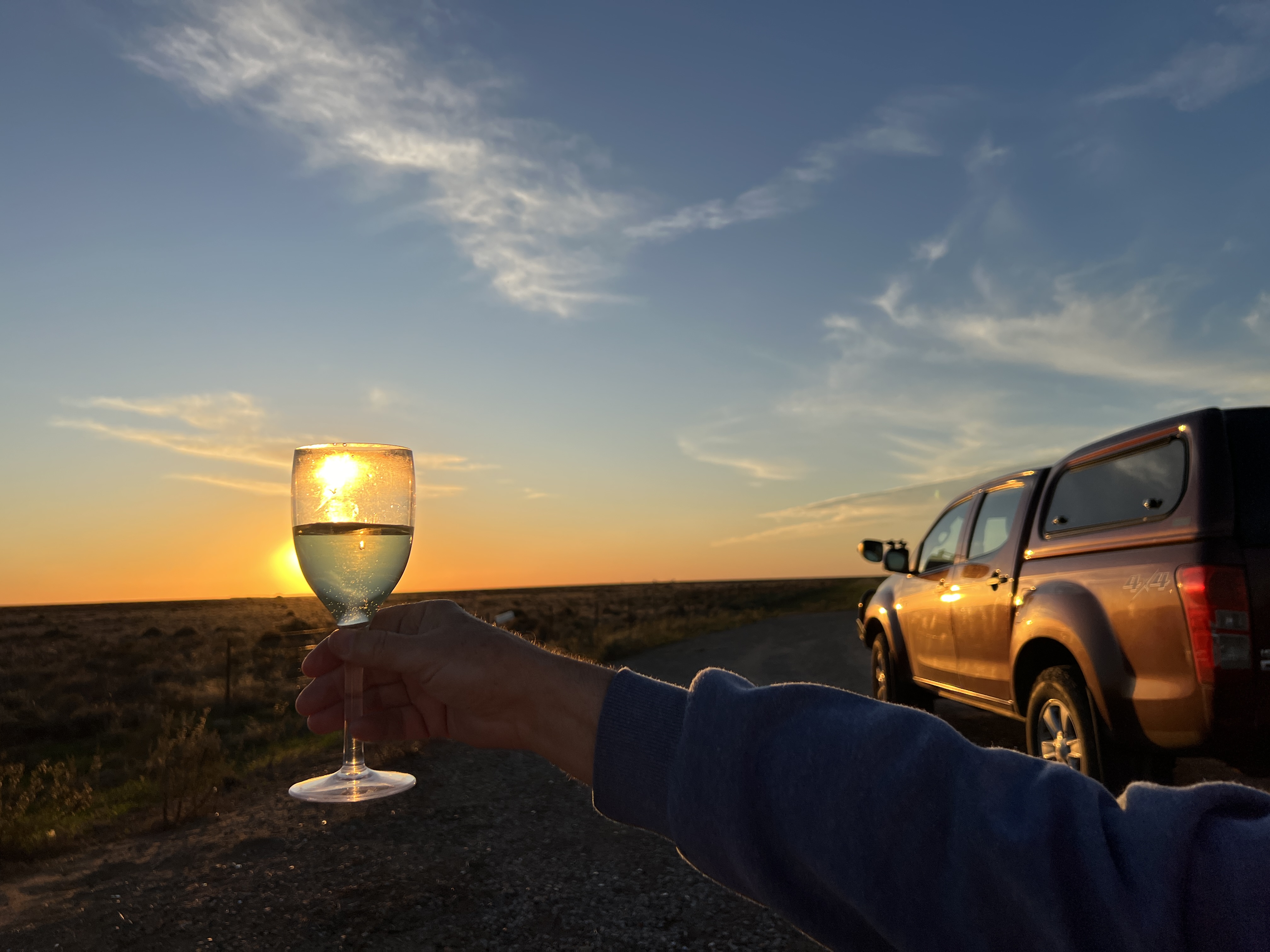
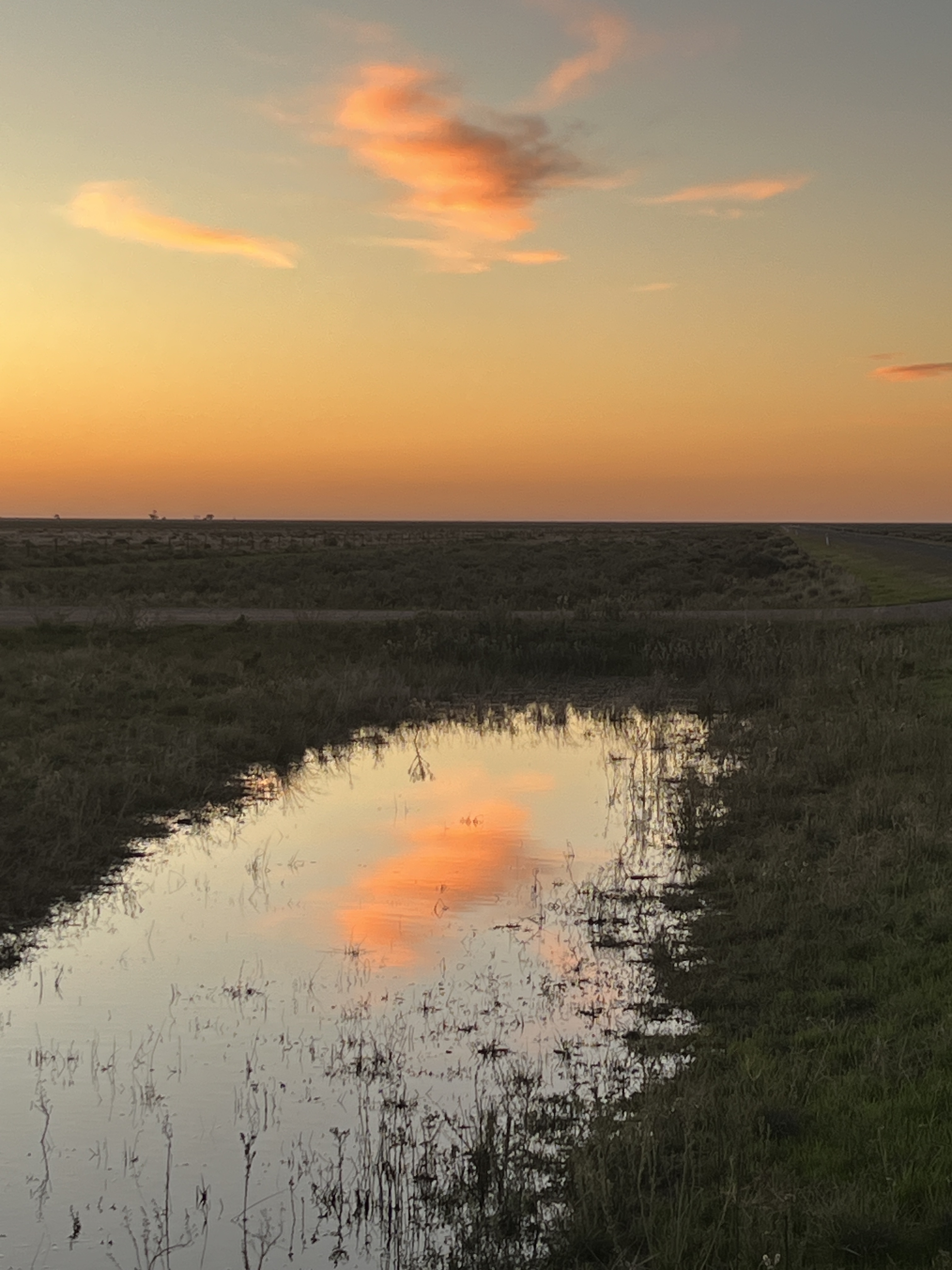
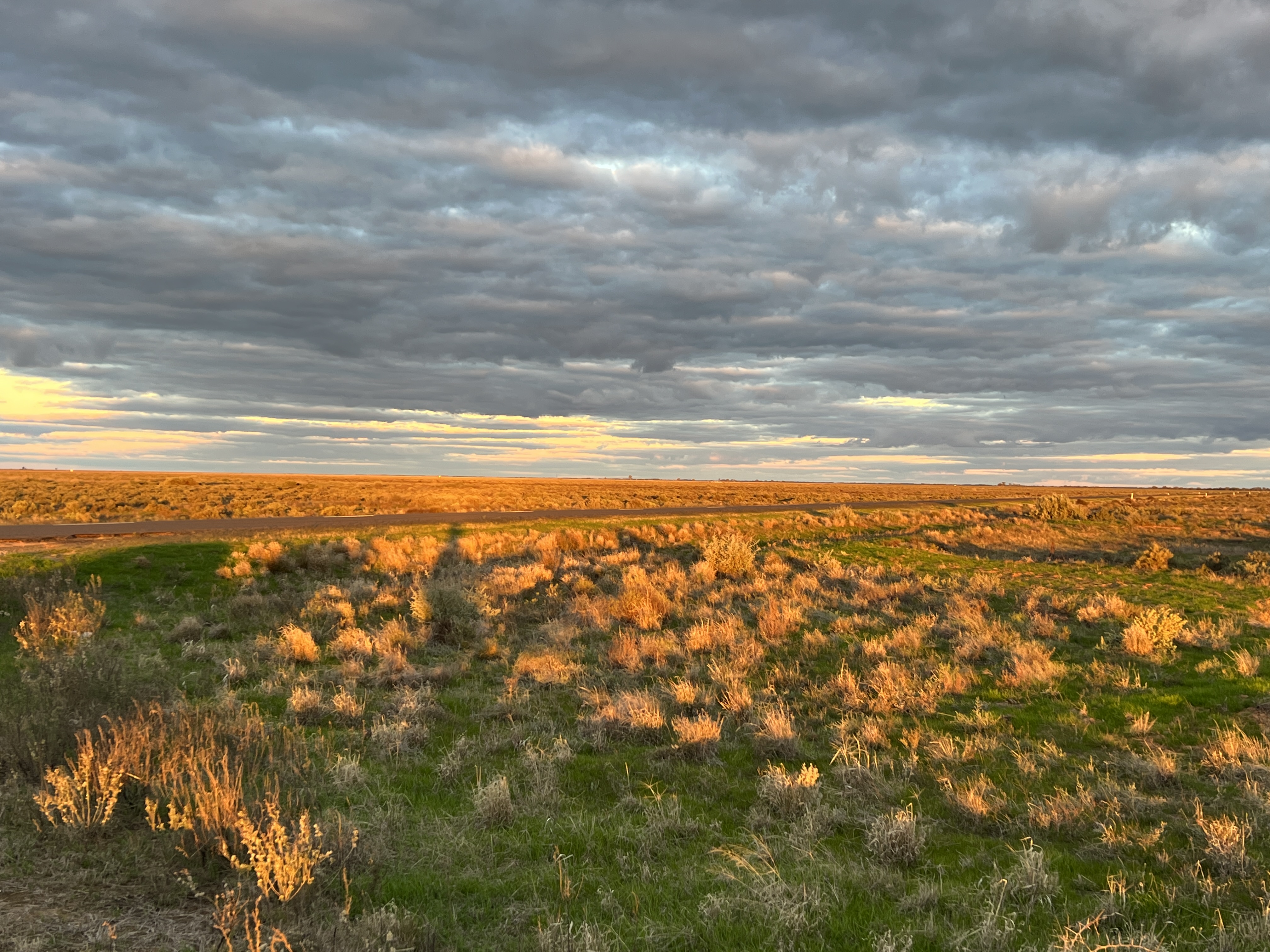
The sunset was not super spectacular, but there was a good reflection in a pool of water. Also, a great look over the plain with the sun streaming across it casting a golden hue over the paddocks of low scrub and grasses.
We are drawing close to the end of our journey down the River. Tomorrow will see us head for Balranald, from where we will seek the confluence of the Murrumbidgee and Murray Rivers. But more of this story next time!
Under the influence
We are in Griffith for four nights, it is about 45 km up the Irrigation Way from Leeton. We are glad we are here.
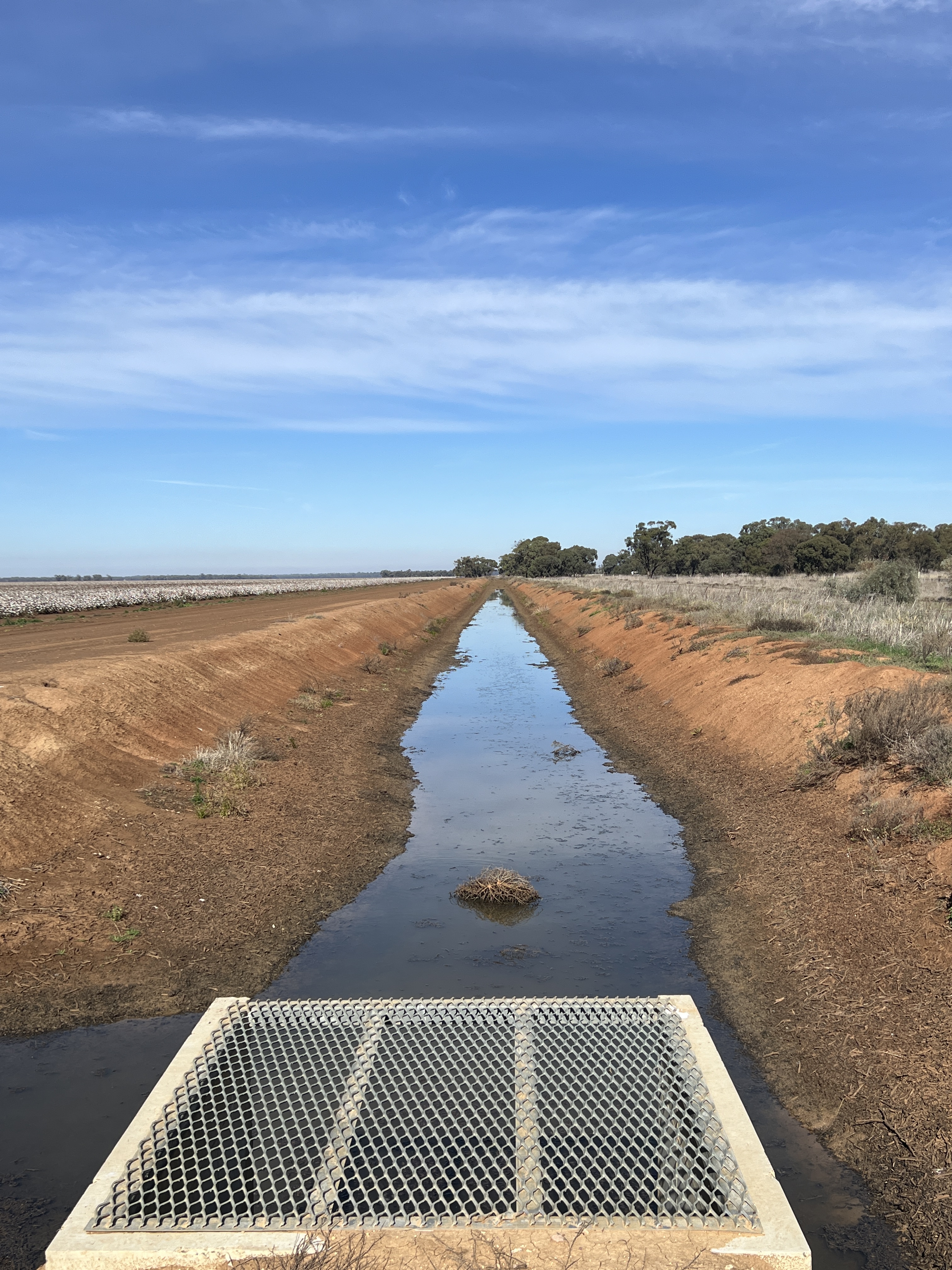
We are someway from the Murrumbidgee River, but the waterways of the MIA ensure that we are well and truly under its influence. Coming up from Leeton one can appreciate the phrase ‘one of the nations food bowls’.
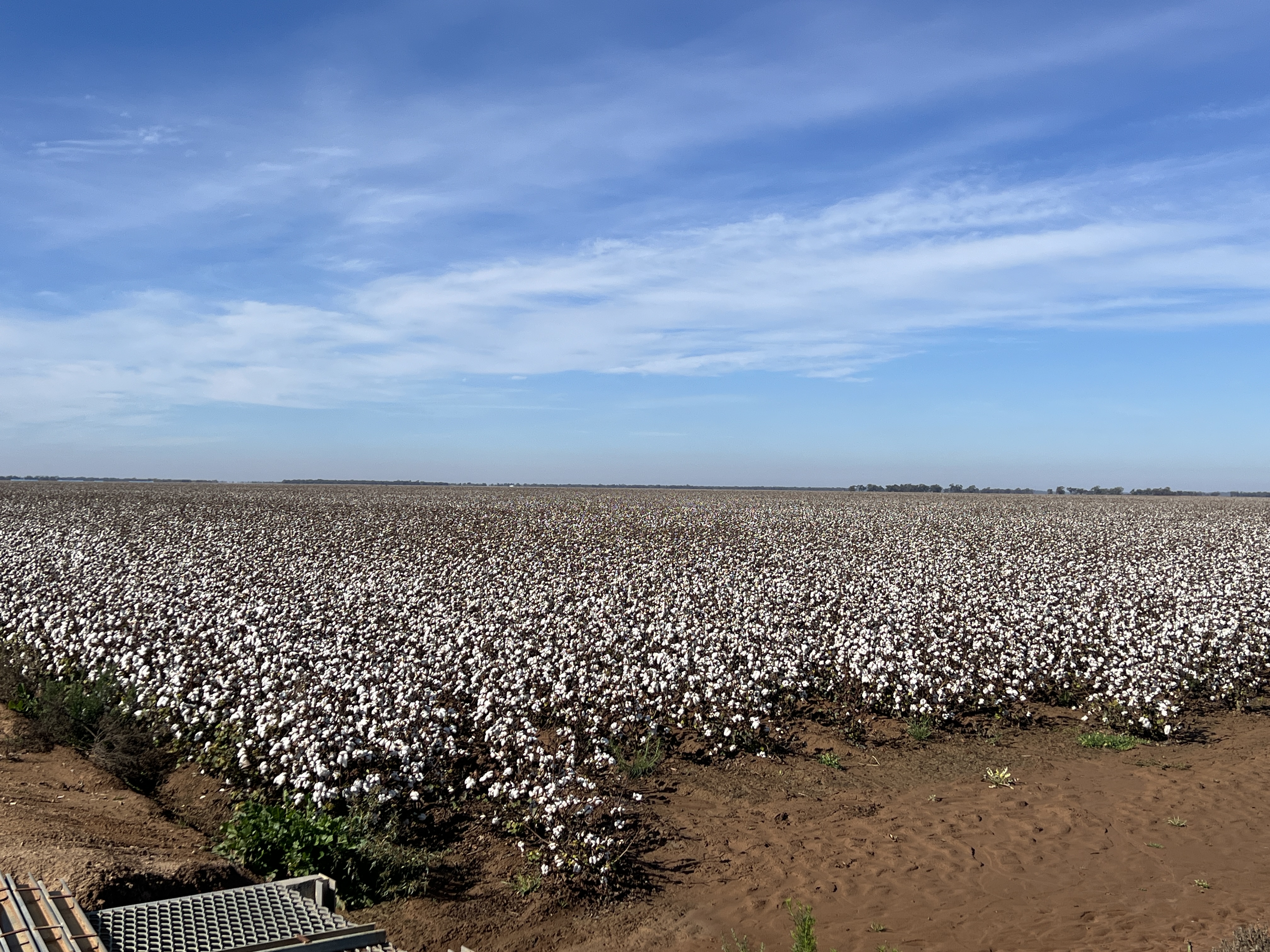
On one side of the road we will have cotton, the other rice, a little further along there will be orange trees in abundance and then grapes as far as the eye can see. There are also nut trees and prunes around these parts, the Riverina produces 90% of Australia’s prunes.
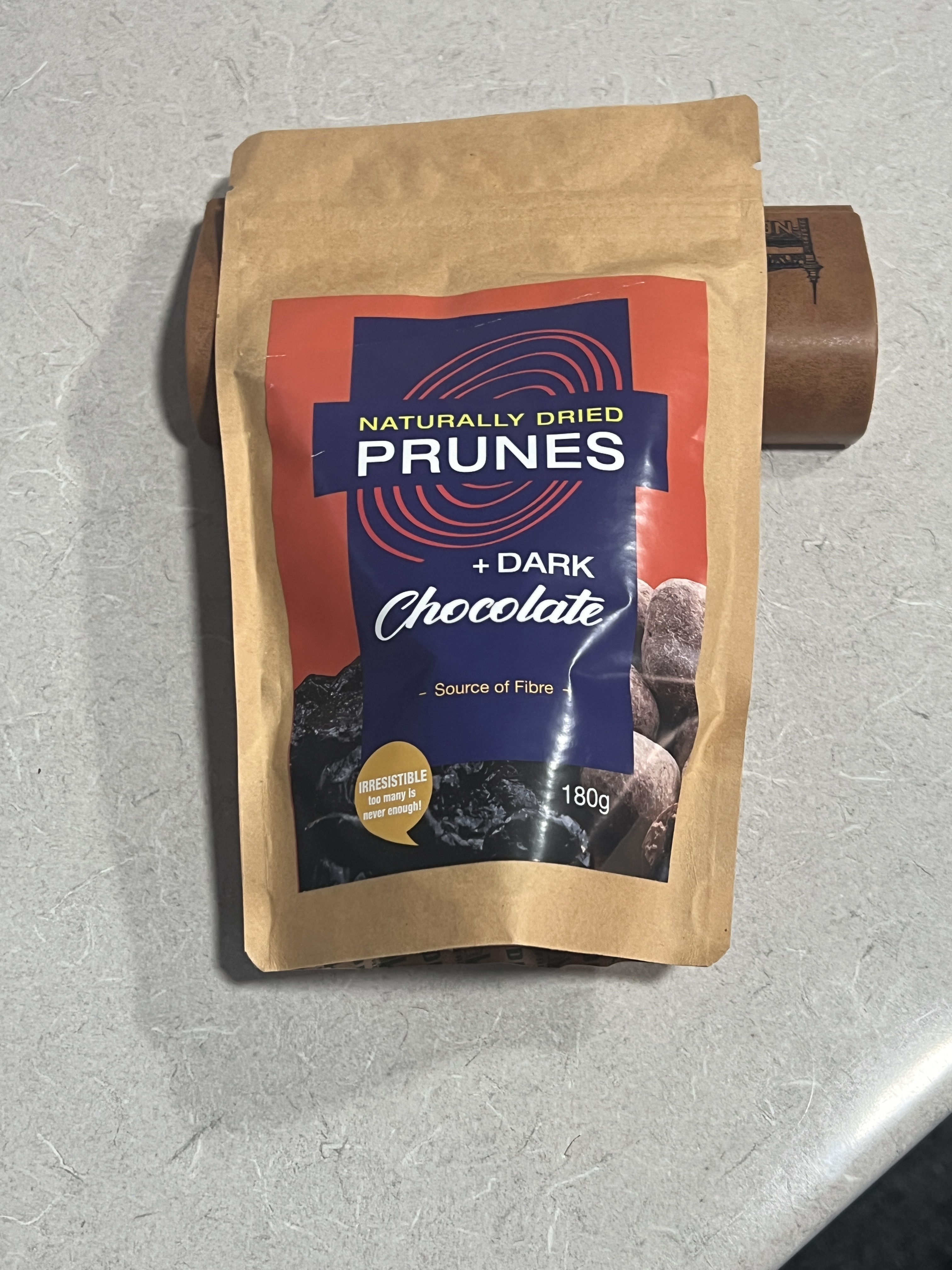
A special chocolate (dark and white varieties) coated prune has also been grafted onto a normal prune tree. Some of my readers will be aware that I am rather keen on aged prunes in port. These chocolate coated ones will be a great accompaniment. Wool is also big. The interesting thing is that all this leading edge agriculture stuff generates innovative manufacturing industry out here to service the farm needs.
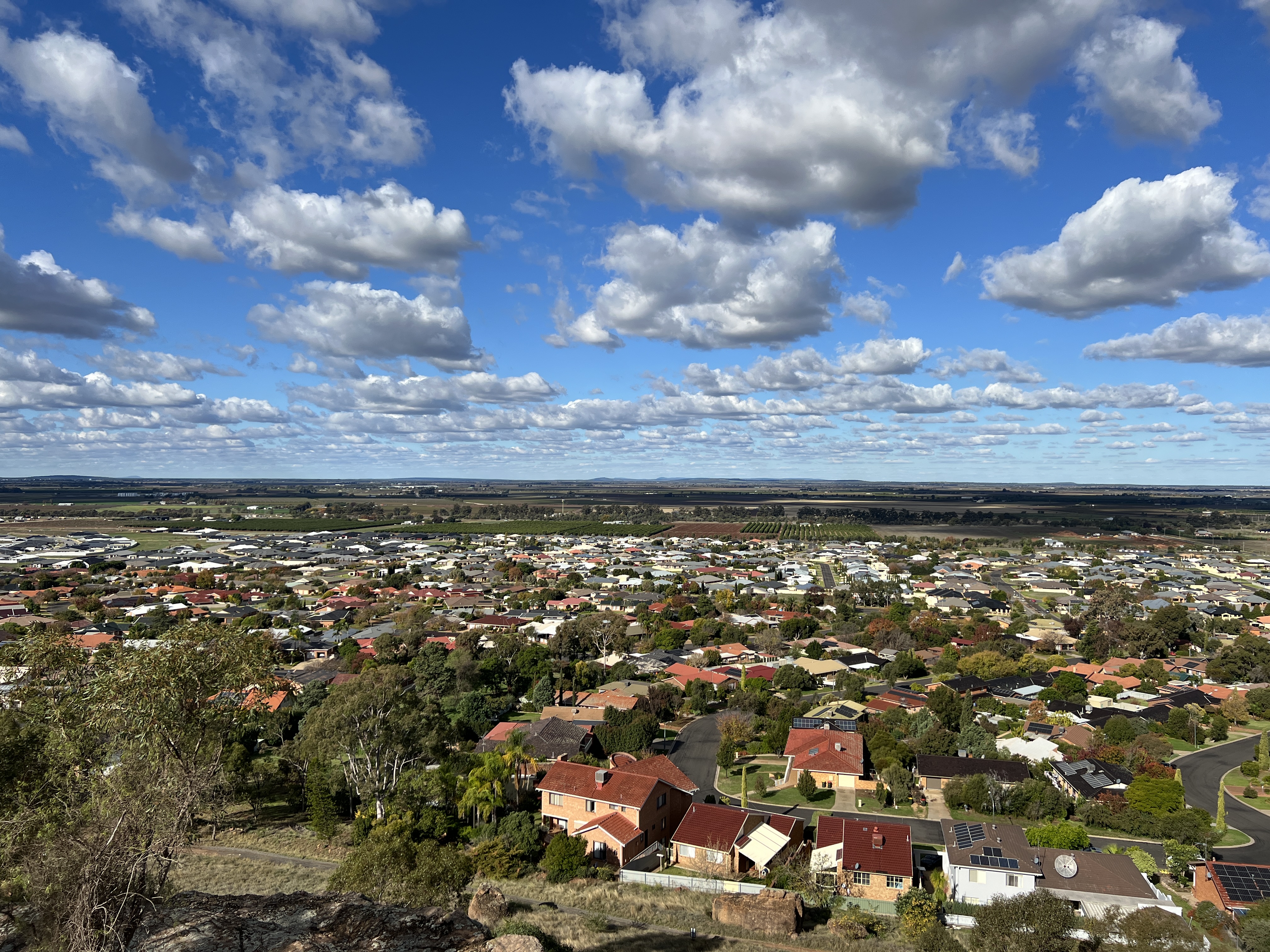
A great view over the city and farmland is had from Hermit’s Cave which sits in a ridge line on the edge of the city. When the hermit lived here for over 30 years, from the late 1920s to 1952, it would have been more isolated, suburbia now laps at the foot of the ridge. A short walk takes you around his cave complex, including a living area, a seperate ‘kitchen’, chapel and carefully constructed garden beds.
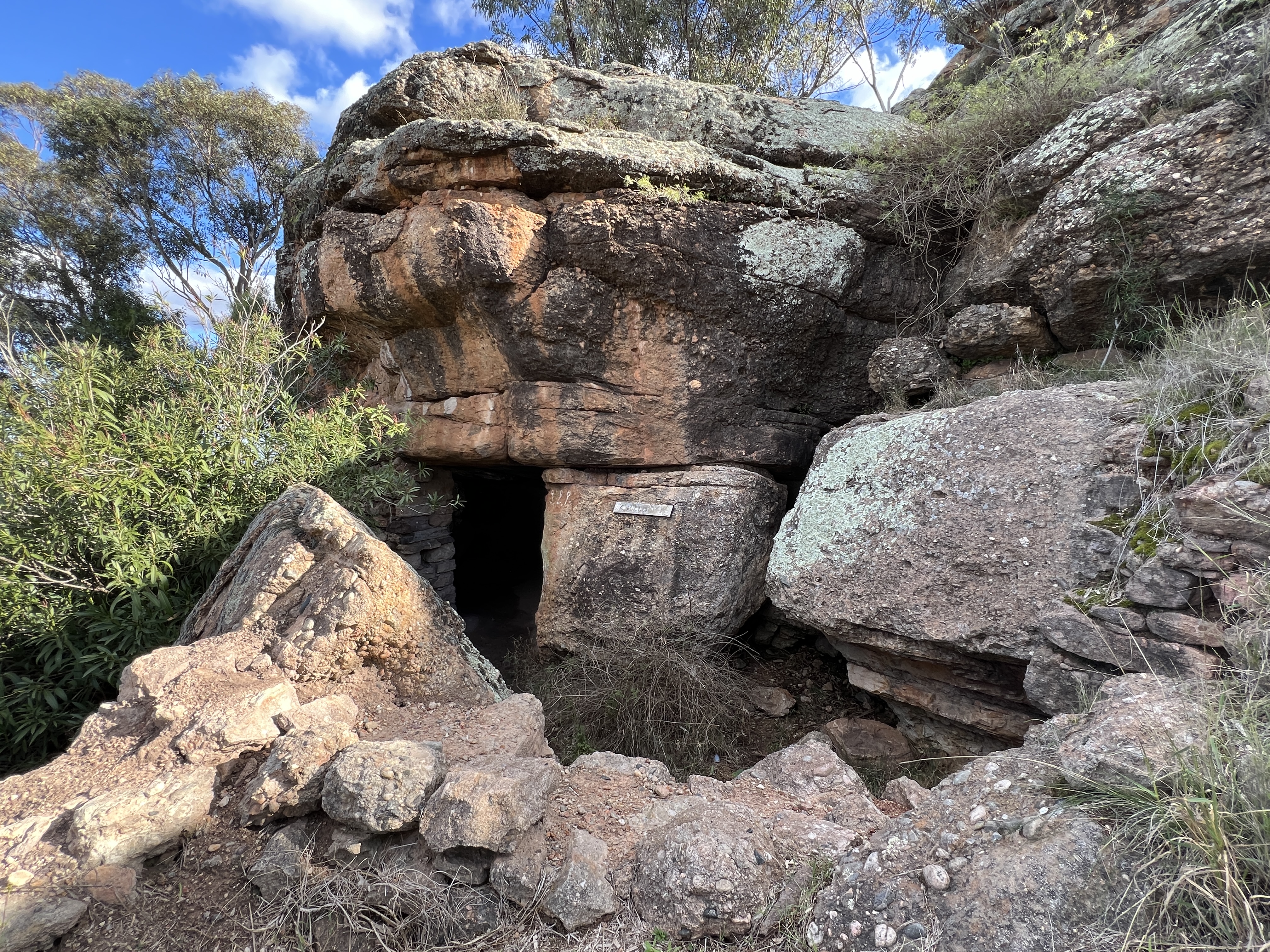
It is all a bit neglected now, needs some work done to revitalise the experience.
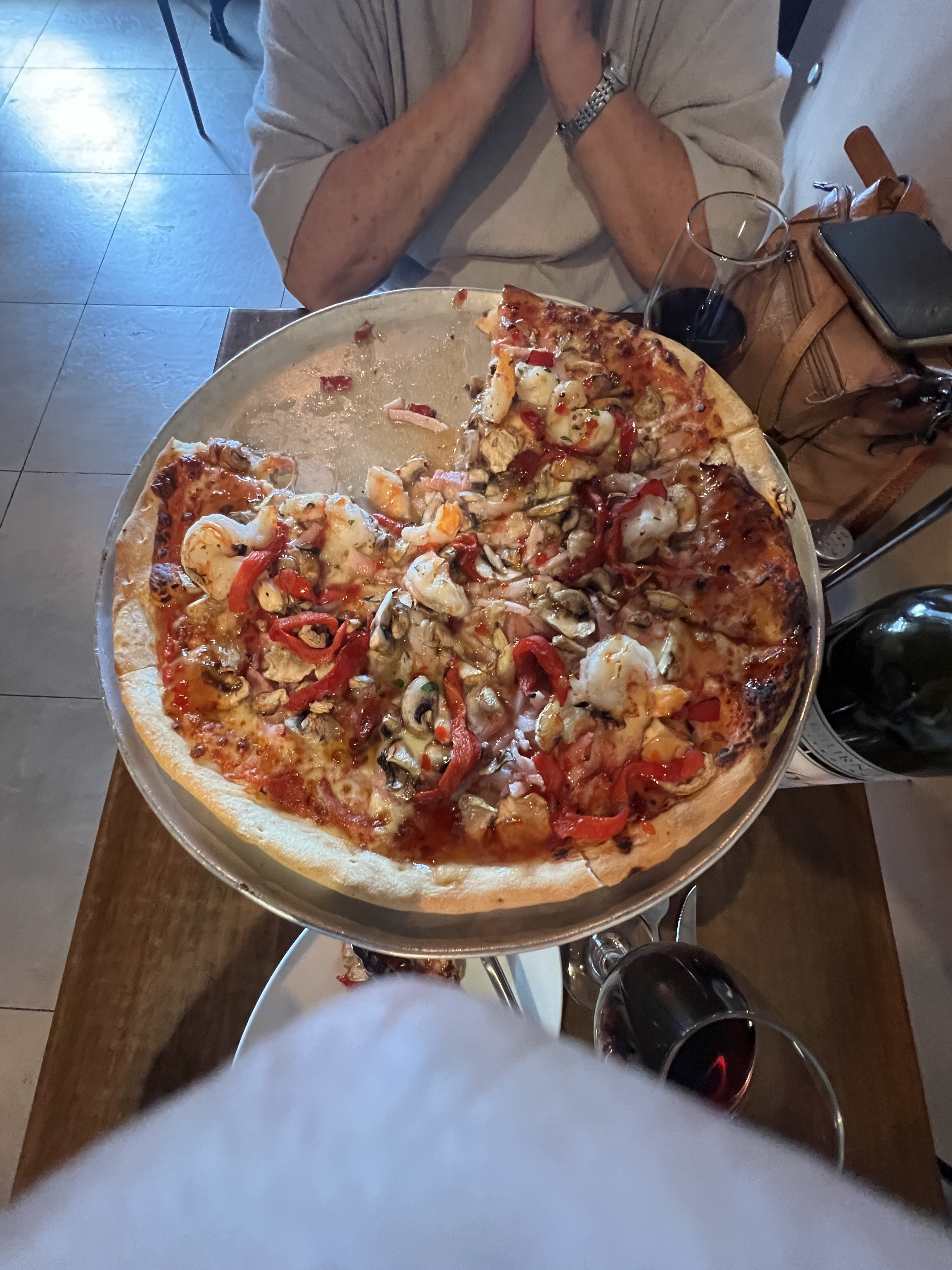
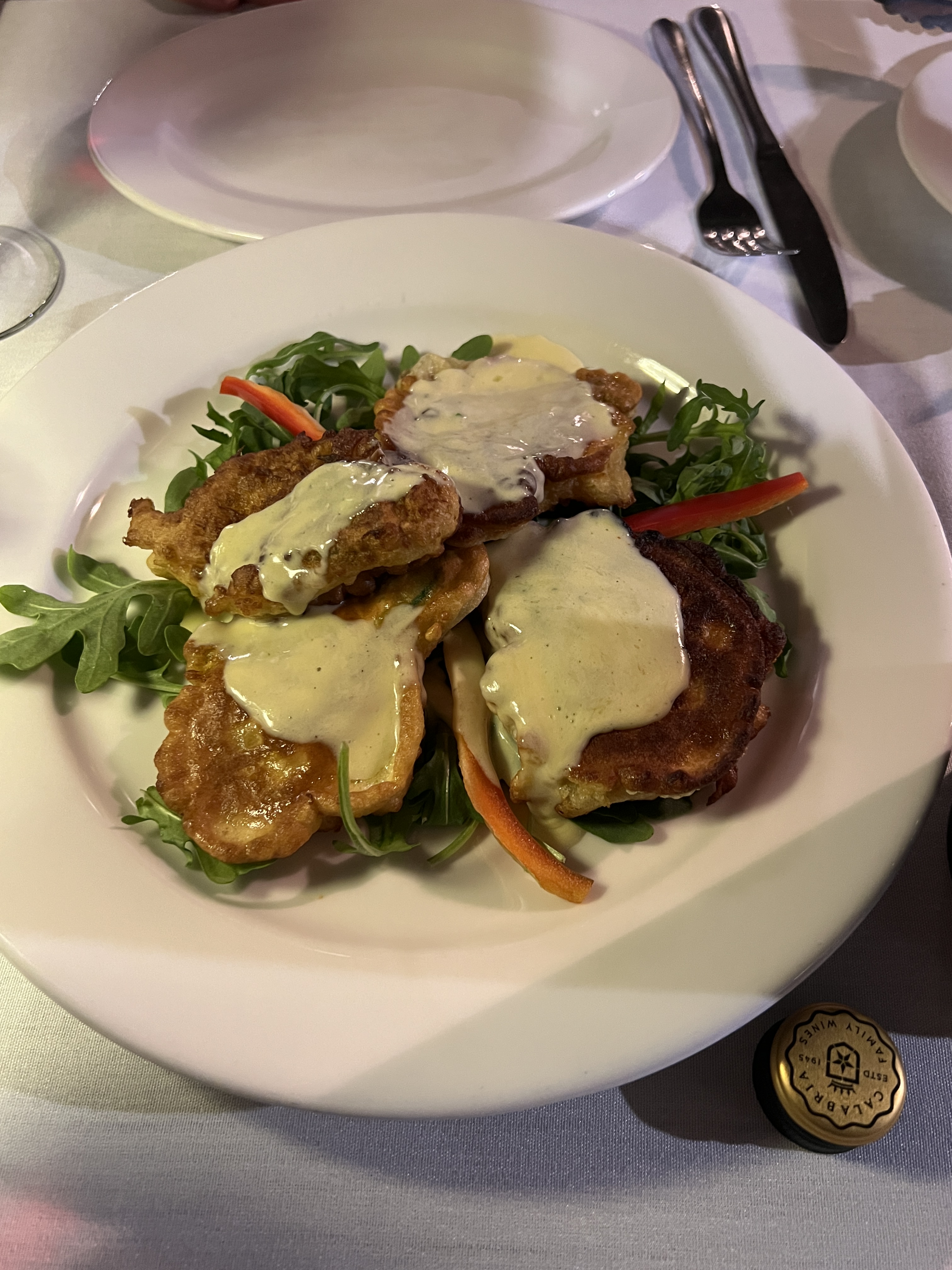
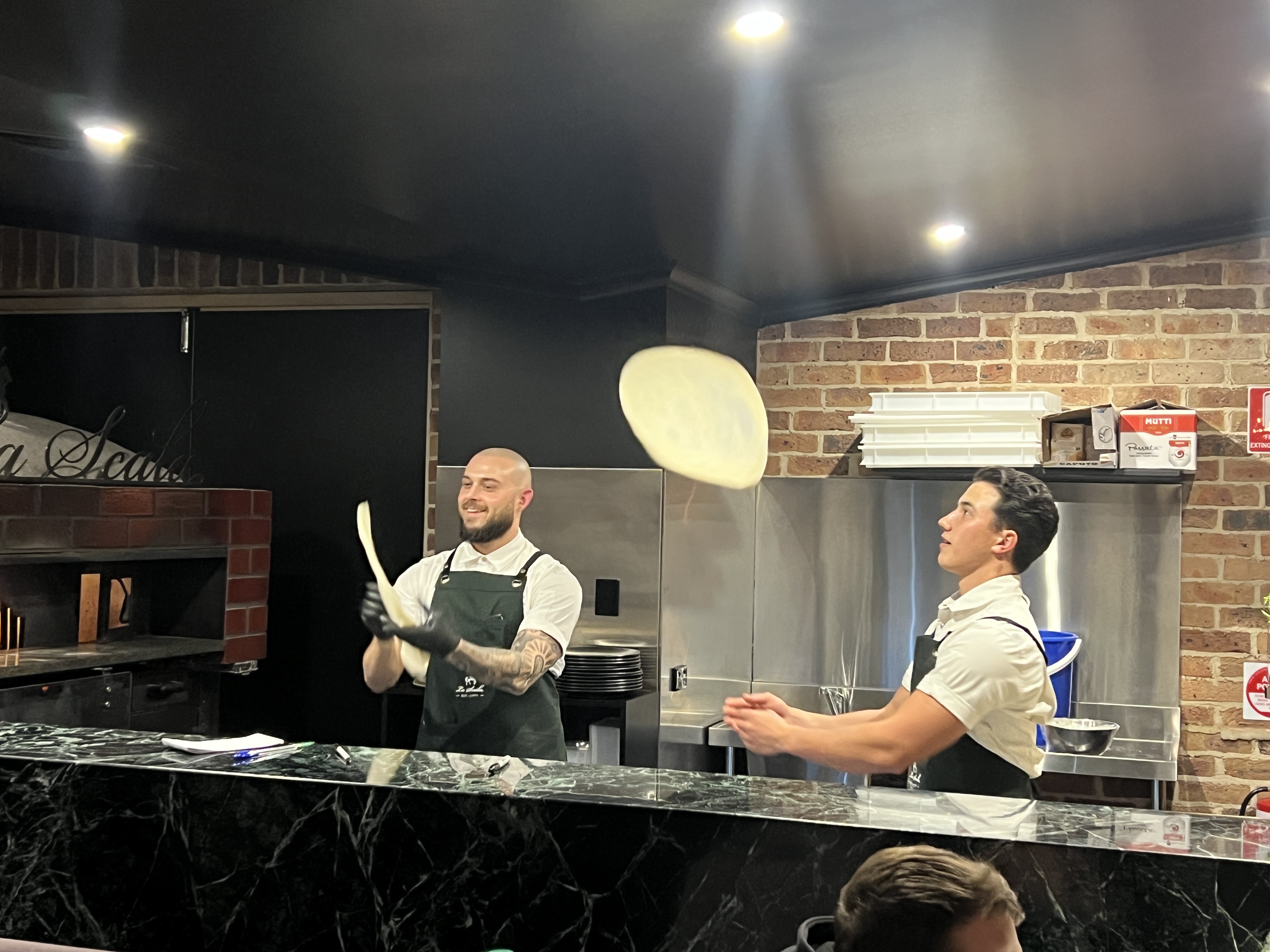
Griffith has deep Italian roots, but also new multicultural connections, particularly Indian. It is a foody place, just where you would want to come for a few days. We have enjoyed a couple of pizza meals and a more elaborate dinner at La Scala, the ricotta stuffed zucchini flowers were just great. As was the Scalopini al fungi and the Veal saltambucca.
As readers will know Allthego is a keen fisherman, or was. These days the fish are more easily caught at the fish shop, and you don’t have to pay for bait. Days of screwing around in the sand for pippies are gone I reckon.
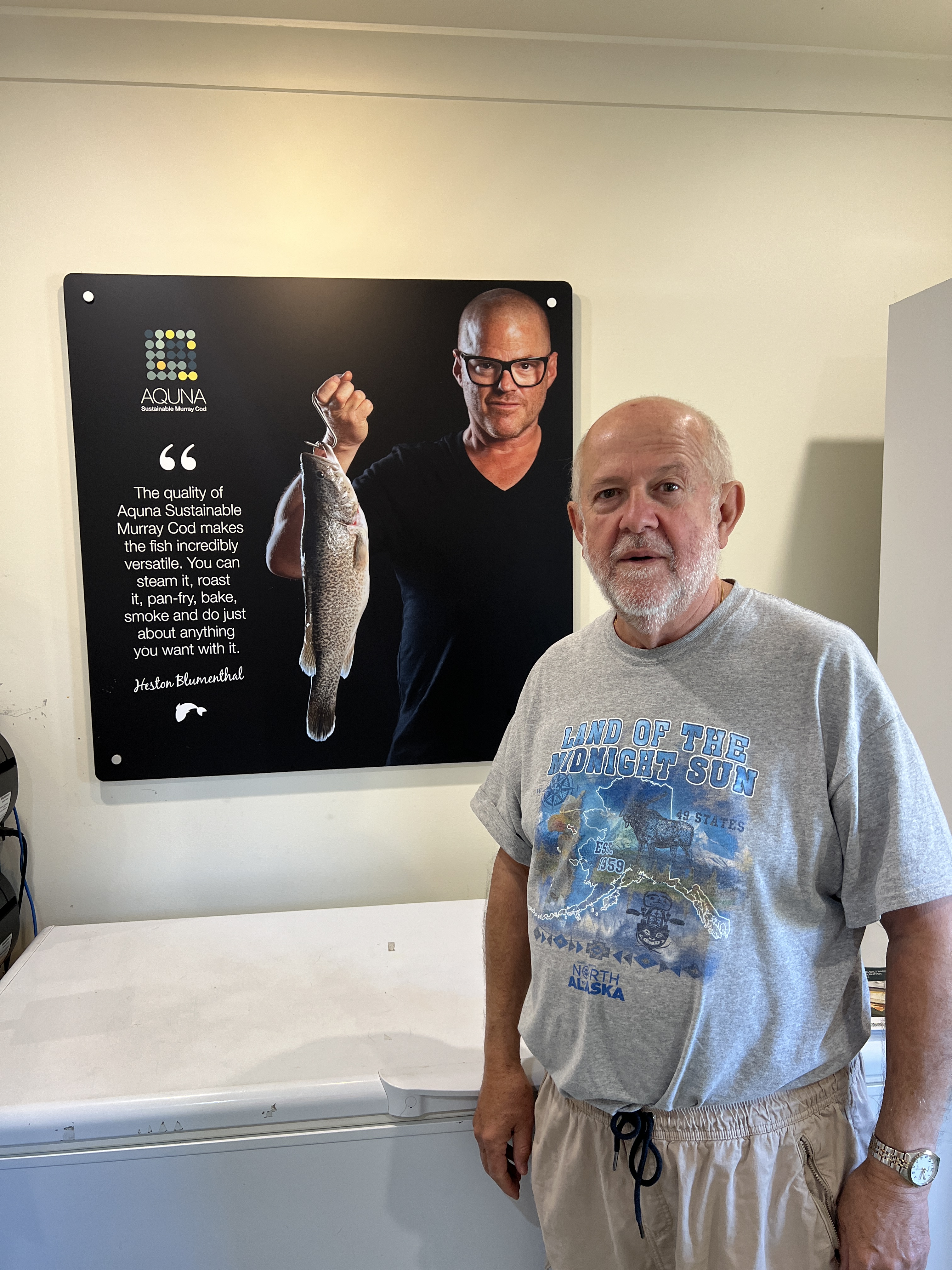
One of the innovative businesses in Griffith is AQUNA. Short for ‘sustainable Murray Cod’. We had a taste test of some smoked cod wings, very nice. The cod are fish farmed in ponds not far out of town. We later pulled into one of the facilities while travelling around.
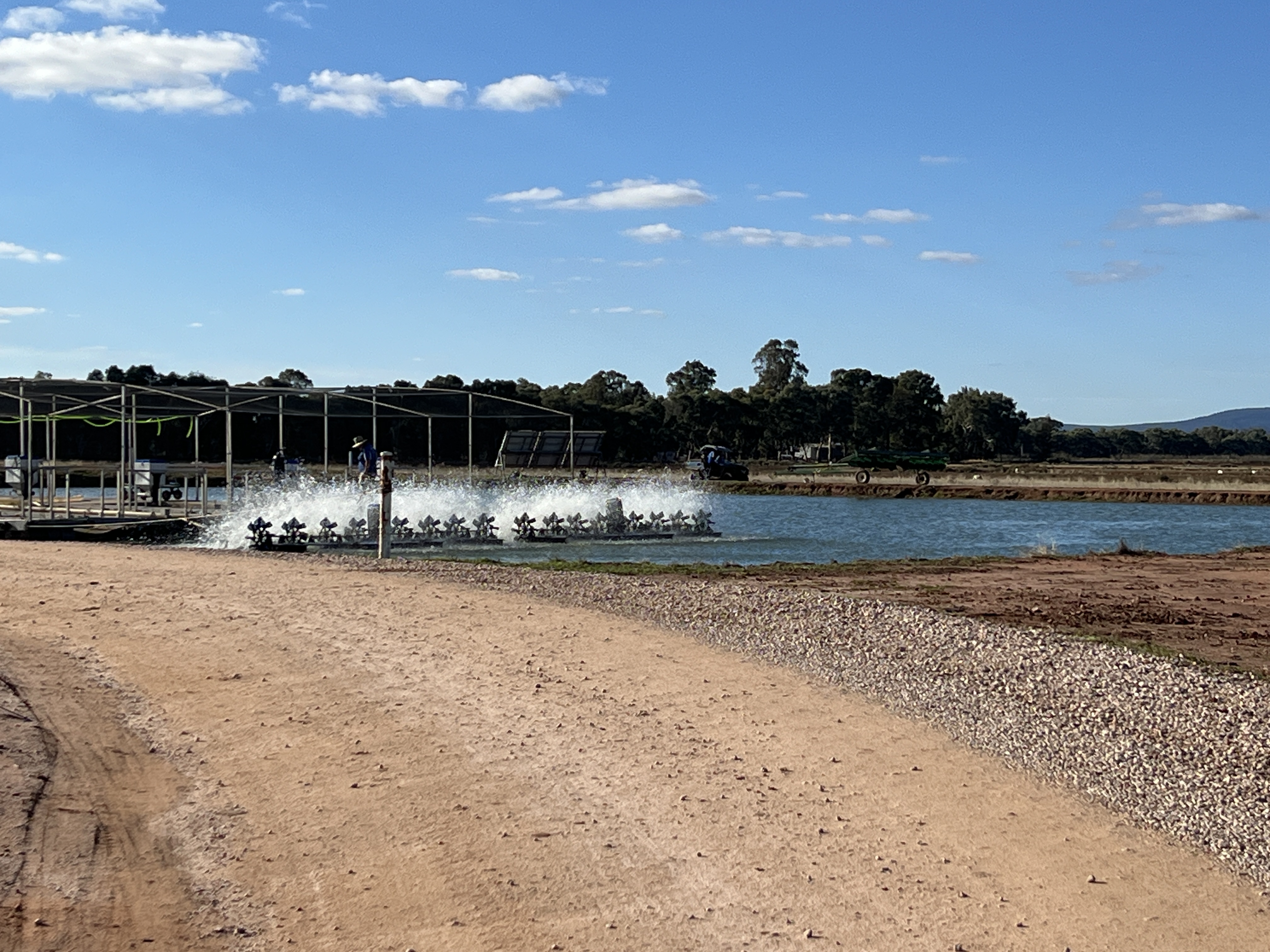
They have been doing this for 15 plus years, learning a lot along the way and now have a keen following of chefs. Allthego couldn’t resist a packet of frozen wings to try on our return to Brisbane.

Griffith is a little arty too. The Main Street is called Banna Street and the lane way behind it is Banna Lane. They have a festival each year to advance the mural art in Banna Lane.
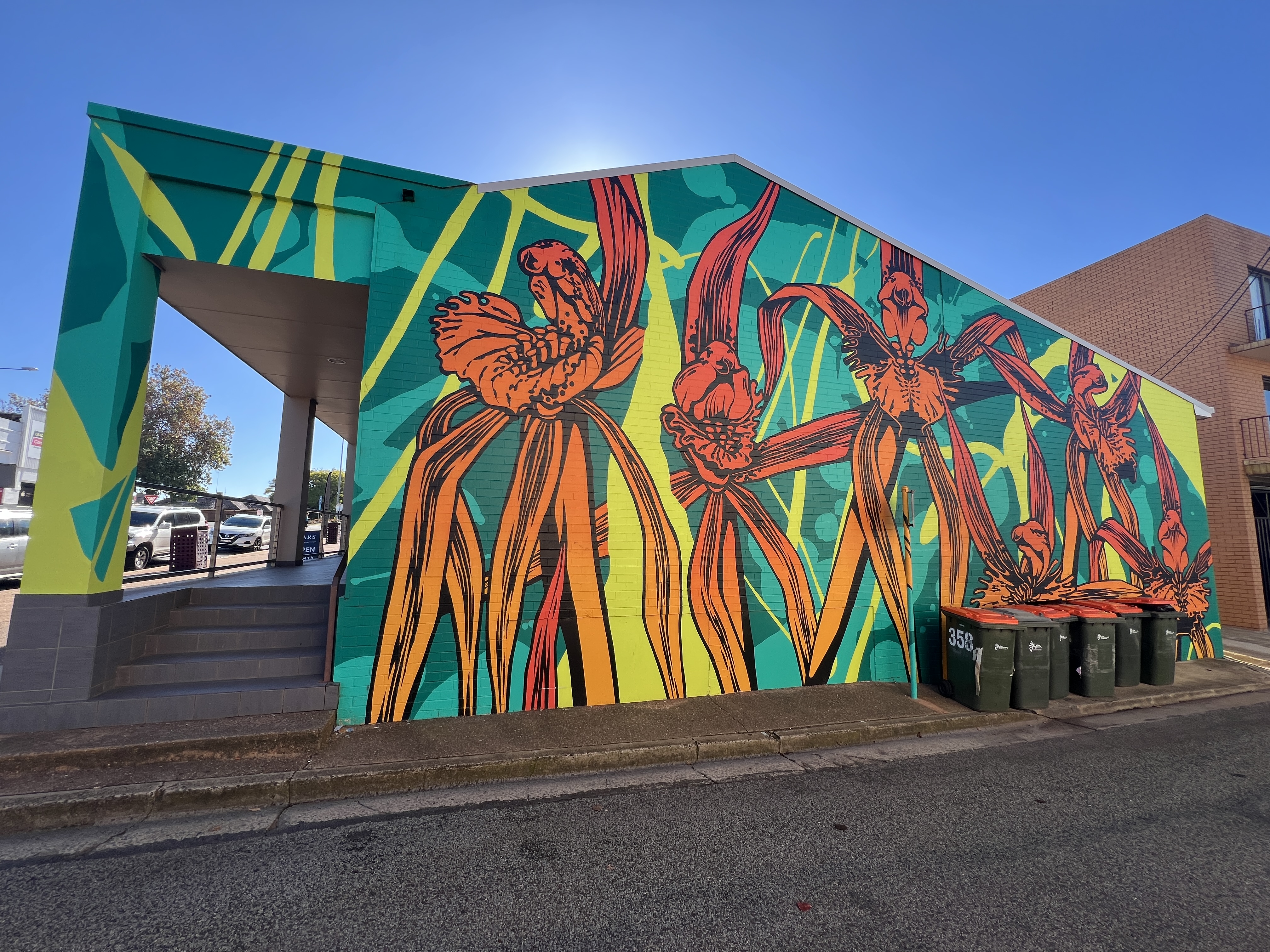
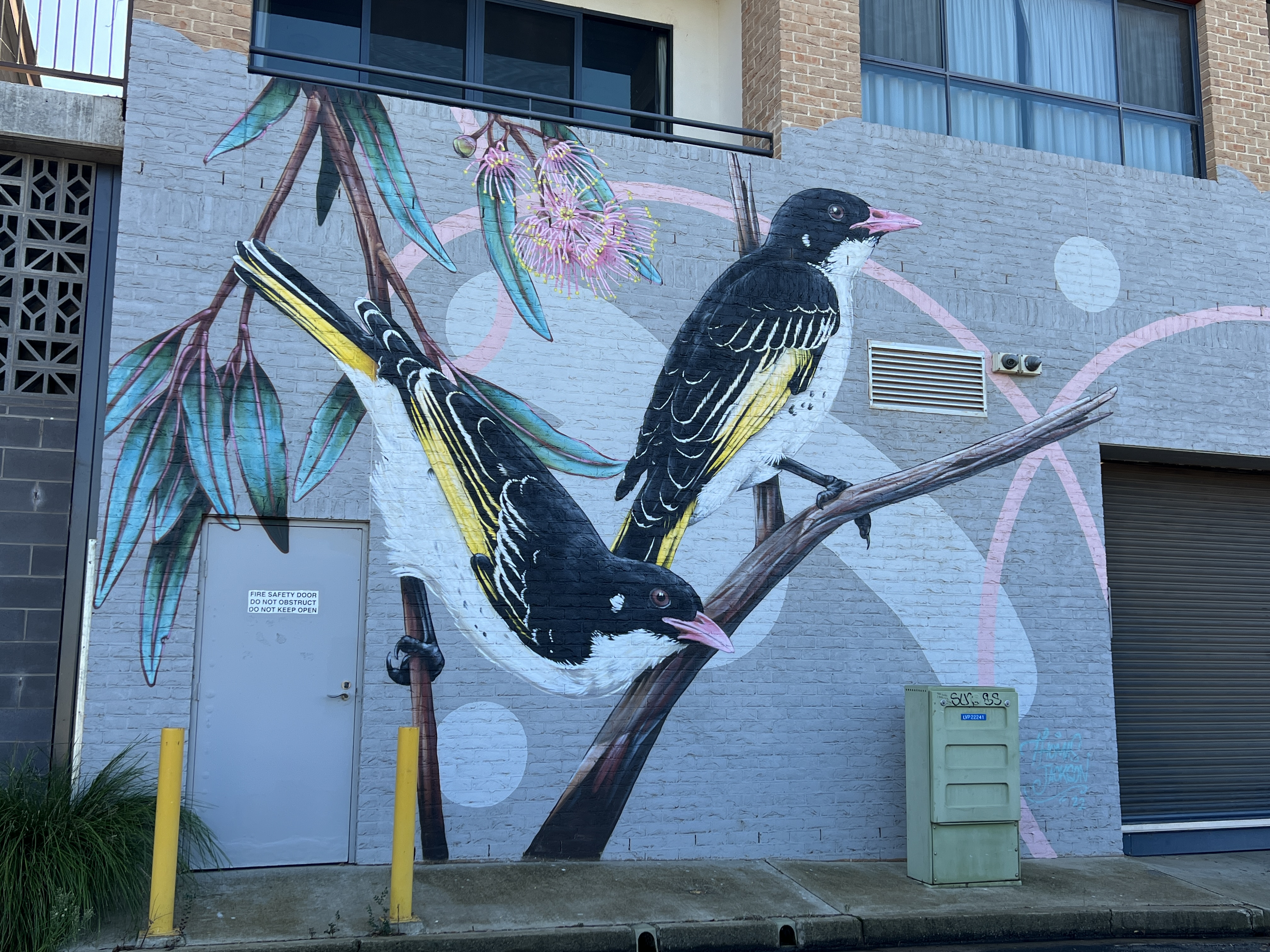
na Lane mural
Some interesting pieces on the walls, the one of oranges is reproduced on one of the city’s postcards. Quite impressive work, helped of course by the rubbish bin! Homealone says don’t worry it is street art.
The vineyards have also called and we have tried out some selected ones, particularly tasting the Italian varietals. They are well suited to the region’s Mediterranean climate. Lovers of big shirazes are going to be disappointed here, most of the wines are lighter and seem to be designed as drink now experiences. We have acquired a few bottles to bring home, they are stored safely away in the van’s cellar.
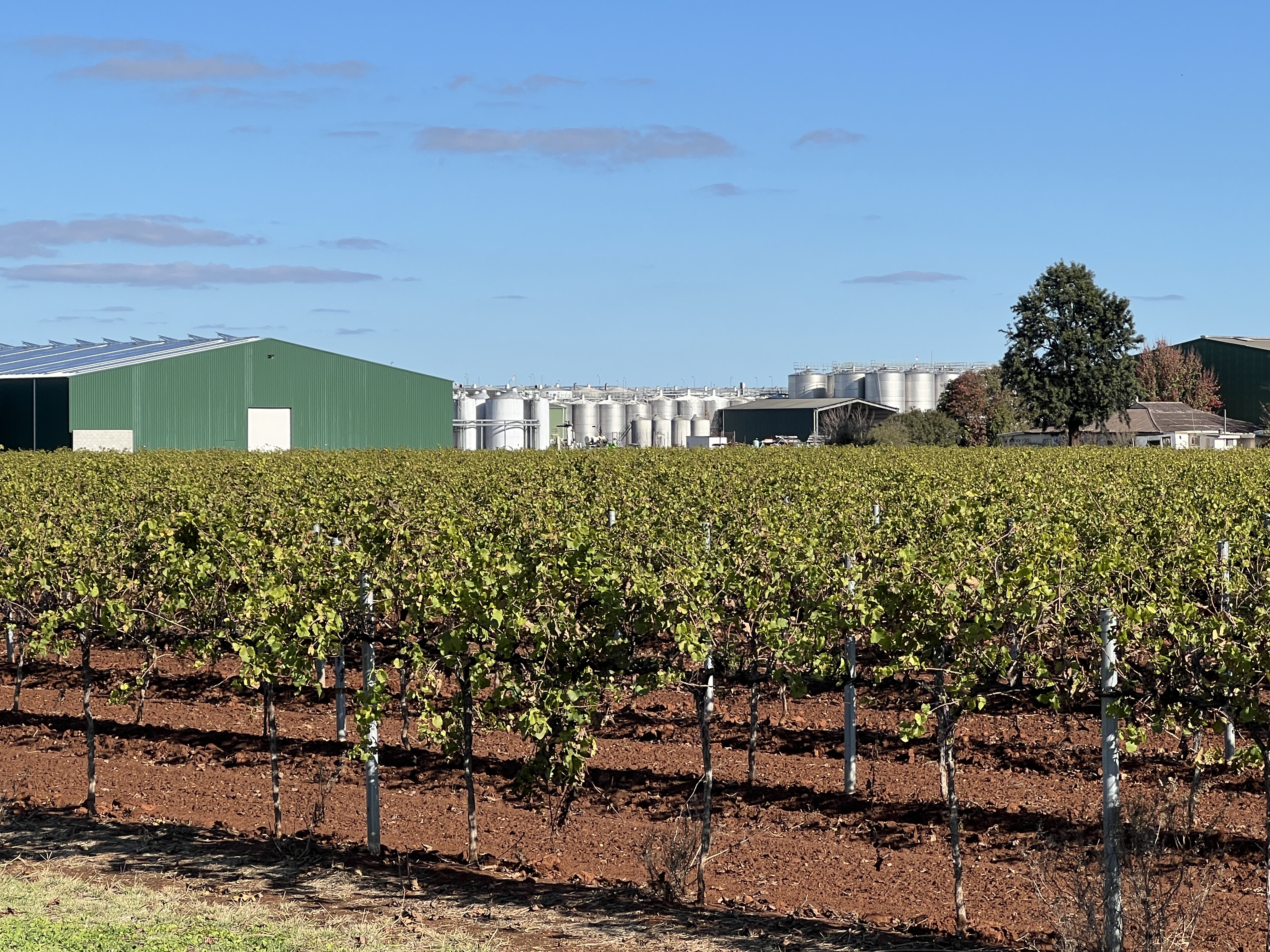
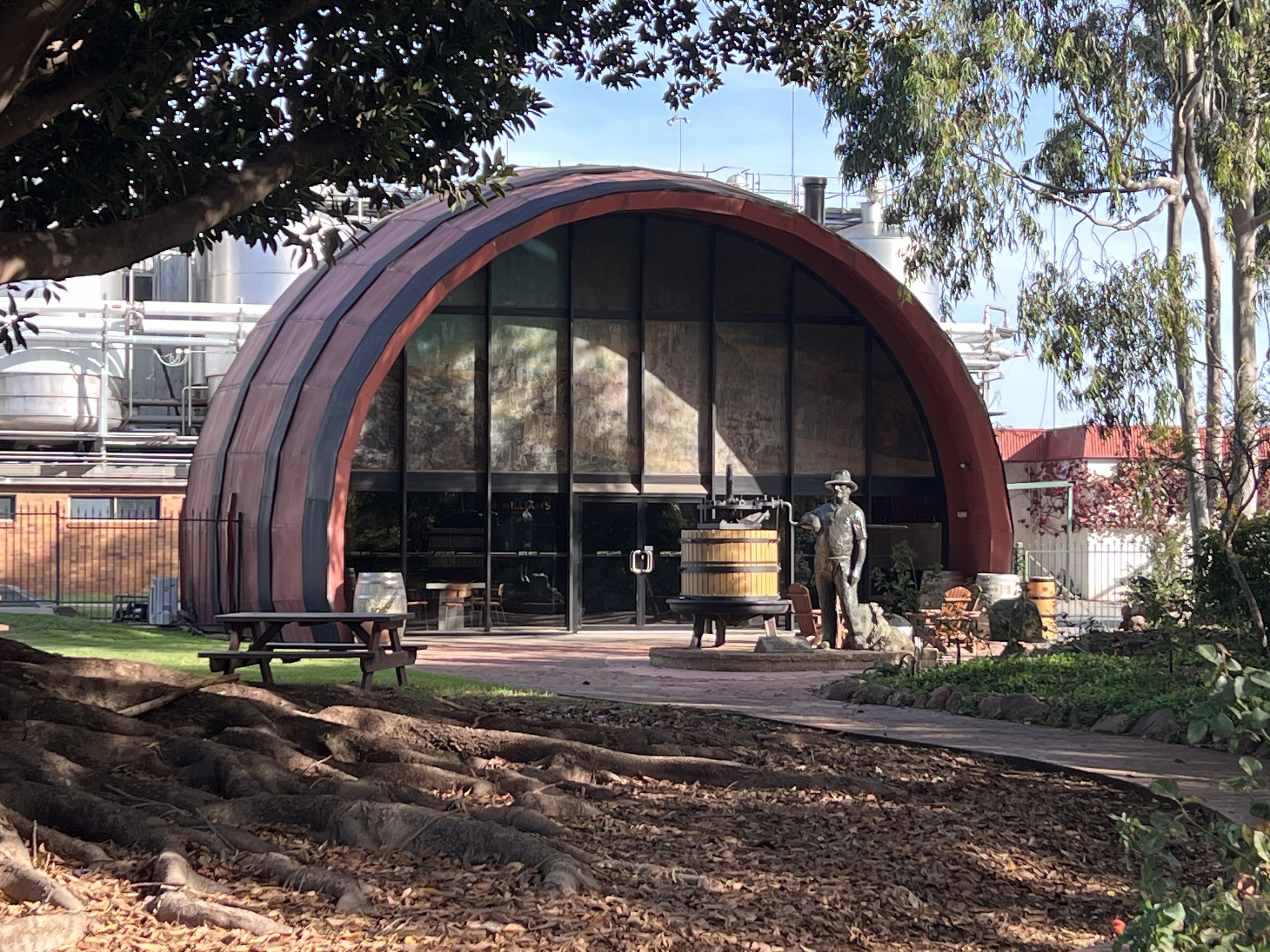
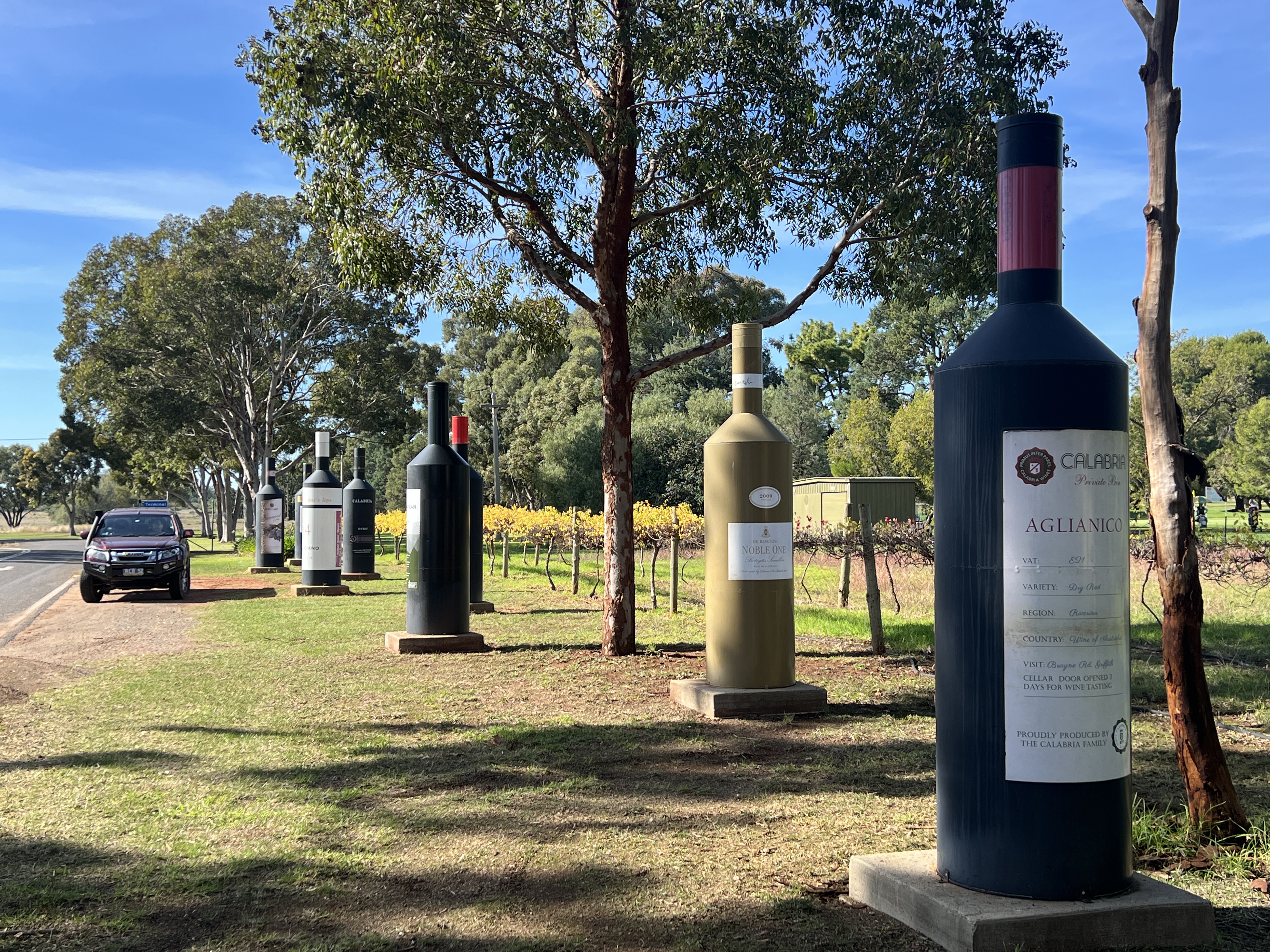
On a final note Griffith has an annual Salami and food festival, runs for a week, and is a celebration of all things Italian. Sounds like a must to put on the visit list, there is also I believe a long lunch. Must look into this!
We are now due to pack up and move back to the Murrumbidgee River. Hey, we are headed for Hay!
Leeton
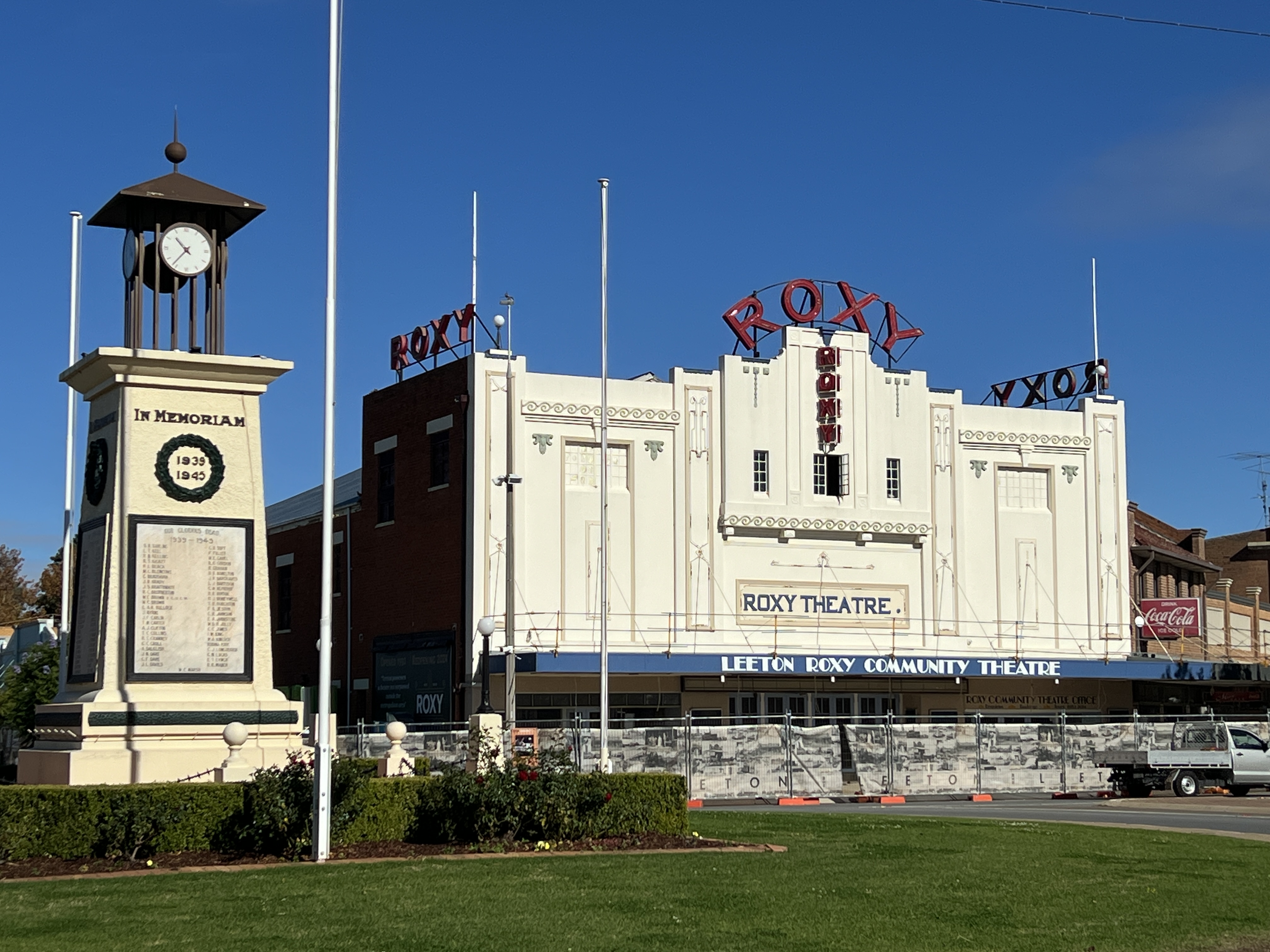
Leeton is a 25 km drive up the Irrigation Way from Narrandera, so it is not an arduous task to get there before lunch. Which we did. A record almost for the travelling duo. It took a little while to decide the van park, a lot of driving around comparing sites. Finally settled on one, just off the road through the town. We had thought of staying for 2 or 3 nights in Leeton but the weather was not great, chilly with heavy overcast skies. The van park was also a bit empty, hardly anyone there. Made you wonder why! There was a mob in residence down the back in several small tents under the cover of a big big tarp, they were relatively quiet. Bit of a sing along now and then but all ok.
Leeton is the rice capital of Australia and Sunrice has its headquarters here. The rice harvest has finished for the year and most of the fields have been ploughed in and are being readied for the planting of the next crop in a few months time. As well as the rice fields there are endless cotton fields. These are currently being picked, fluffy stuff all along the roadside!
After settling in we set off on a drive around town and then out to the Whitton Malt House. A new establishment that showcases the malting process. This is the blending and mashing of grains for use in such things as whisky, beer and gin. The Malthouse has a big market here in Australia for their malt but also does some exports. The location is also a touristy set up with villas, eat at the in house cafe for breakfast, then lunch and dinner. Local produce, including Murray Cod.
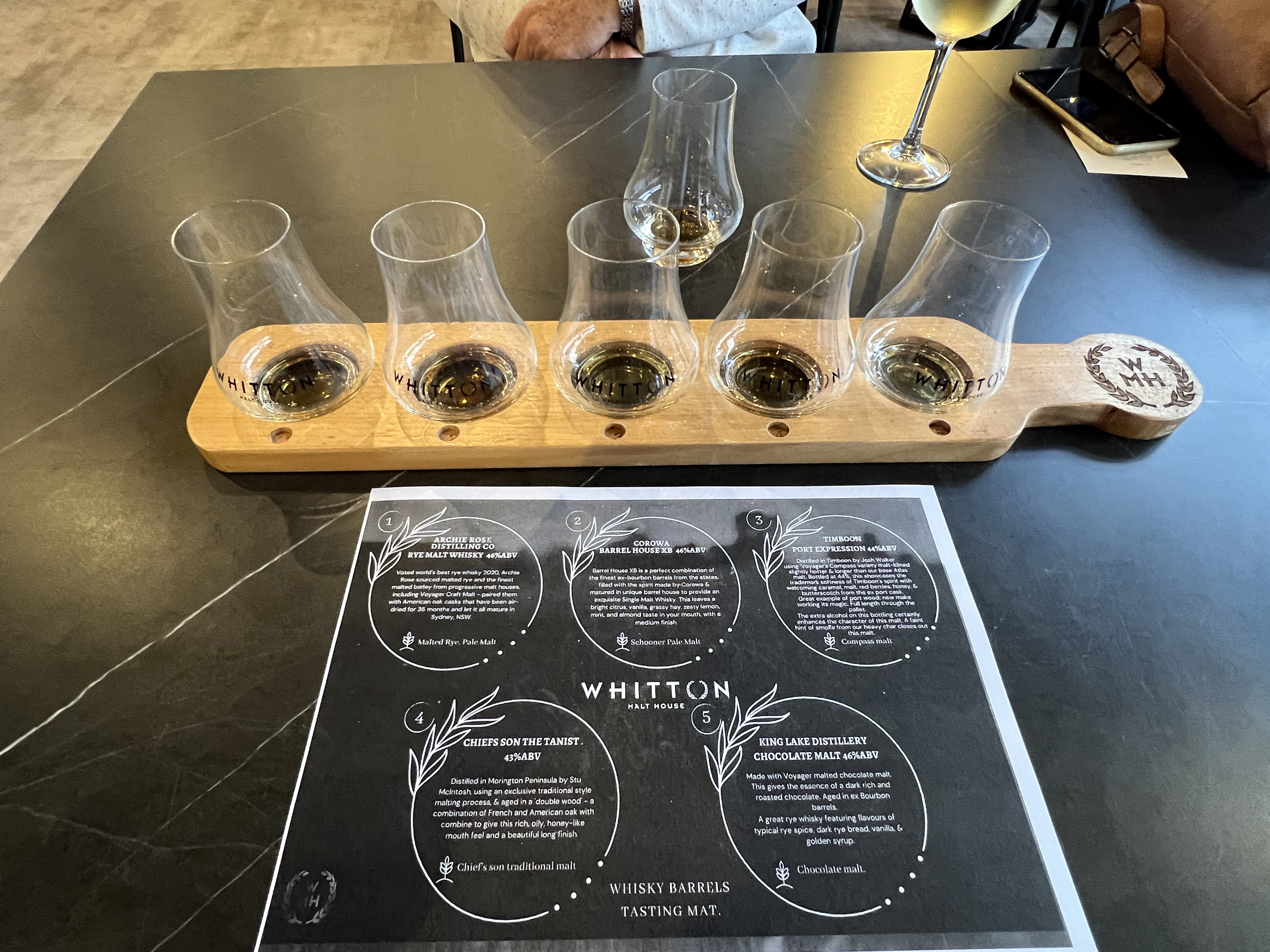
Allthego enjoyed a whisky flight, they don’t craft the whisky but showcase whiskies from around Aus that use their malt. Interesting stop.


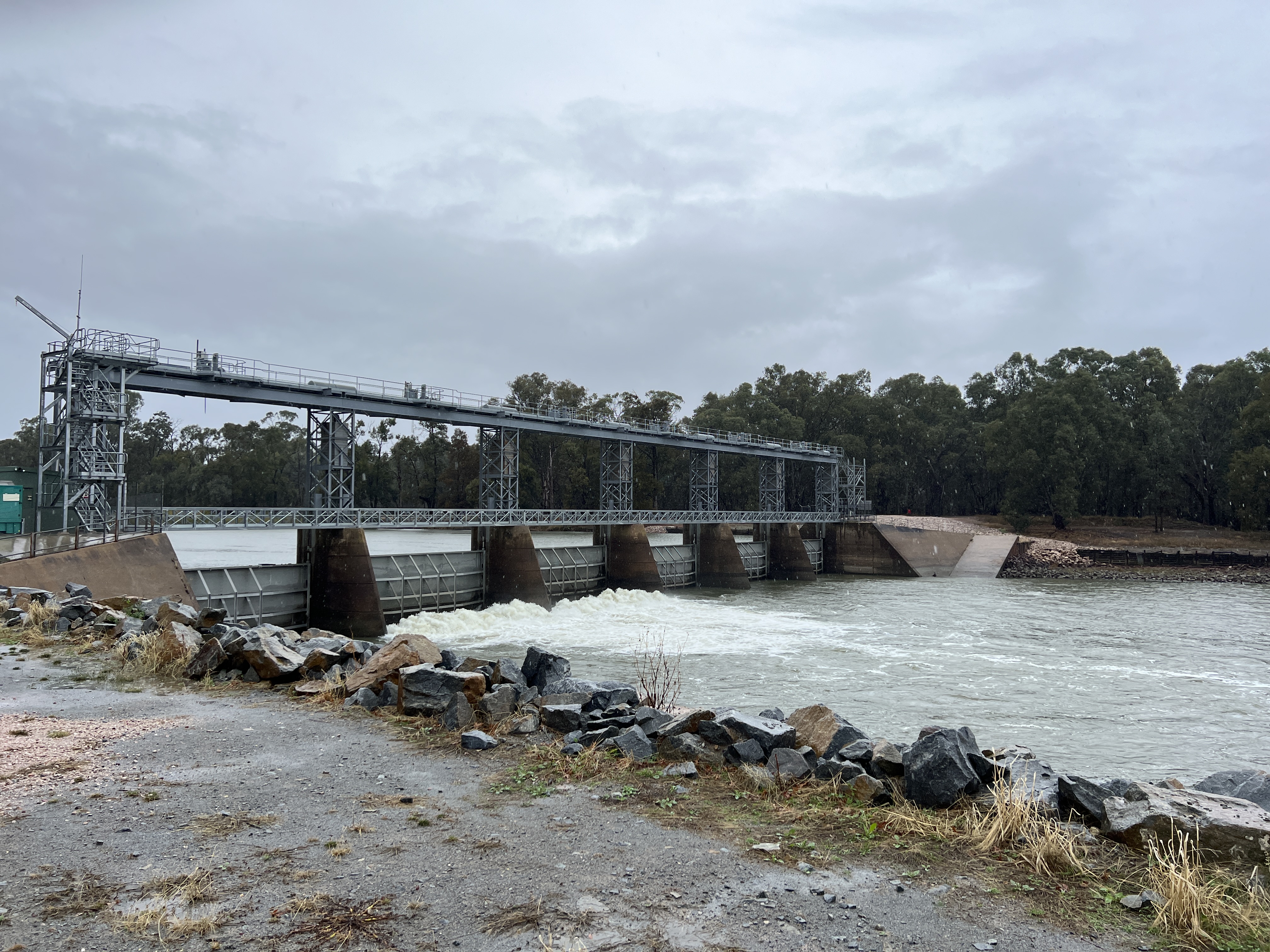
Back then to Leeton via the Gogeldrie Weir, this one is a ‘new’ 1960ish weir, it diverts water to the south of the Murrumbidgee.
Leeton was home for a short period of time from 1916 to 1917 for Henry Lawson, he wrote some 30 or so poems during this period. It was to be the last creative period of his life, he moved back to Sydney where he died in 1922.
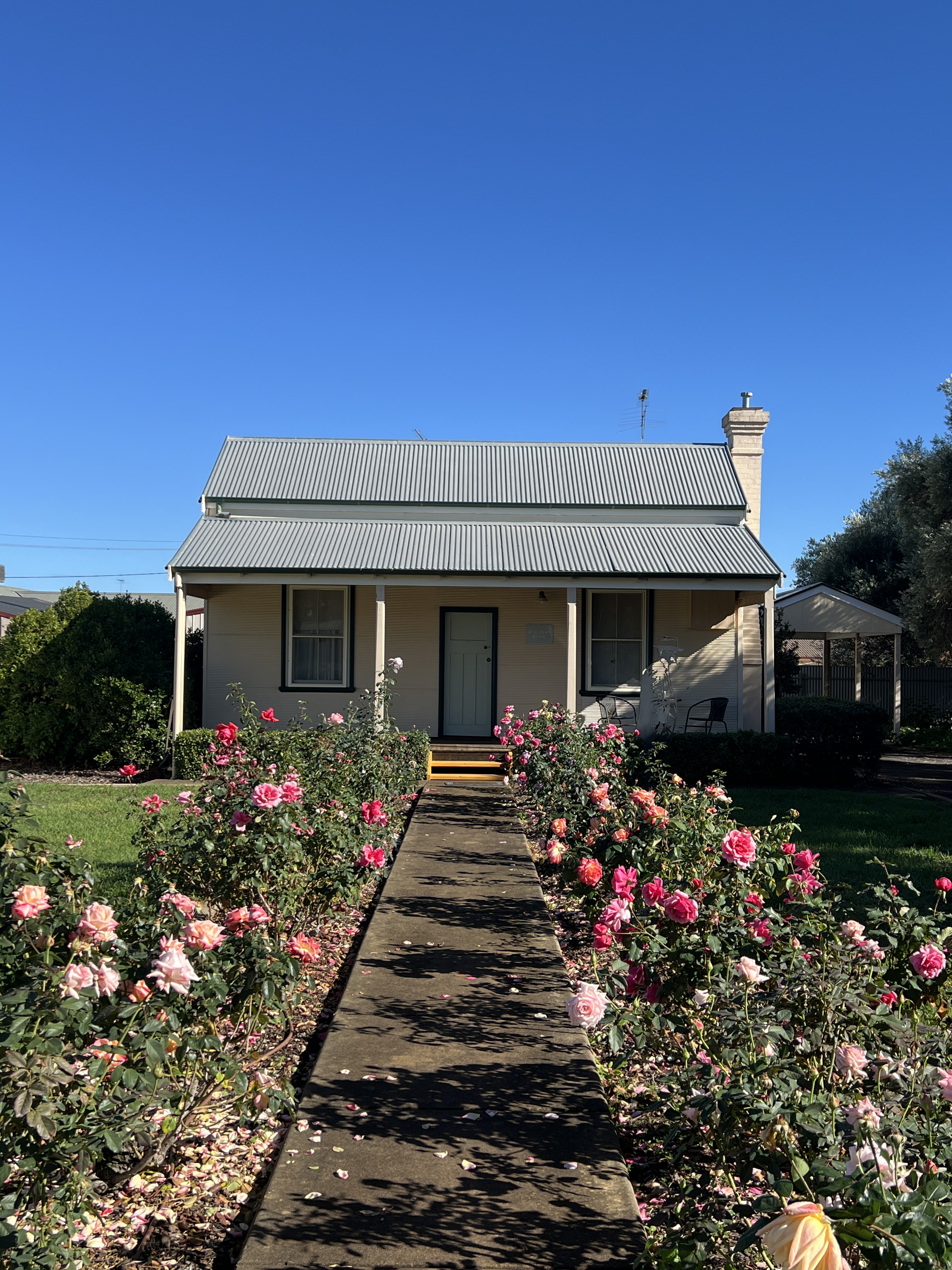
His cottage has been restored on a small block, a residual of the previous acreage on which it stood. It has also been modified somewhat from the original design.
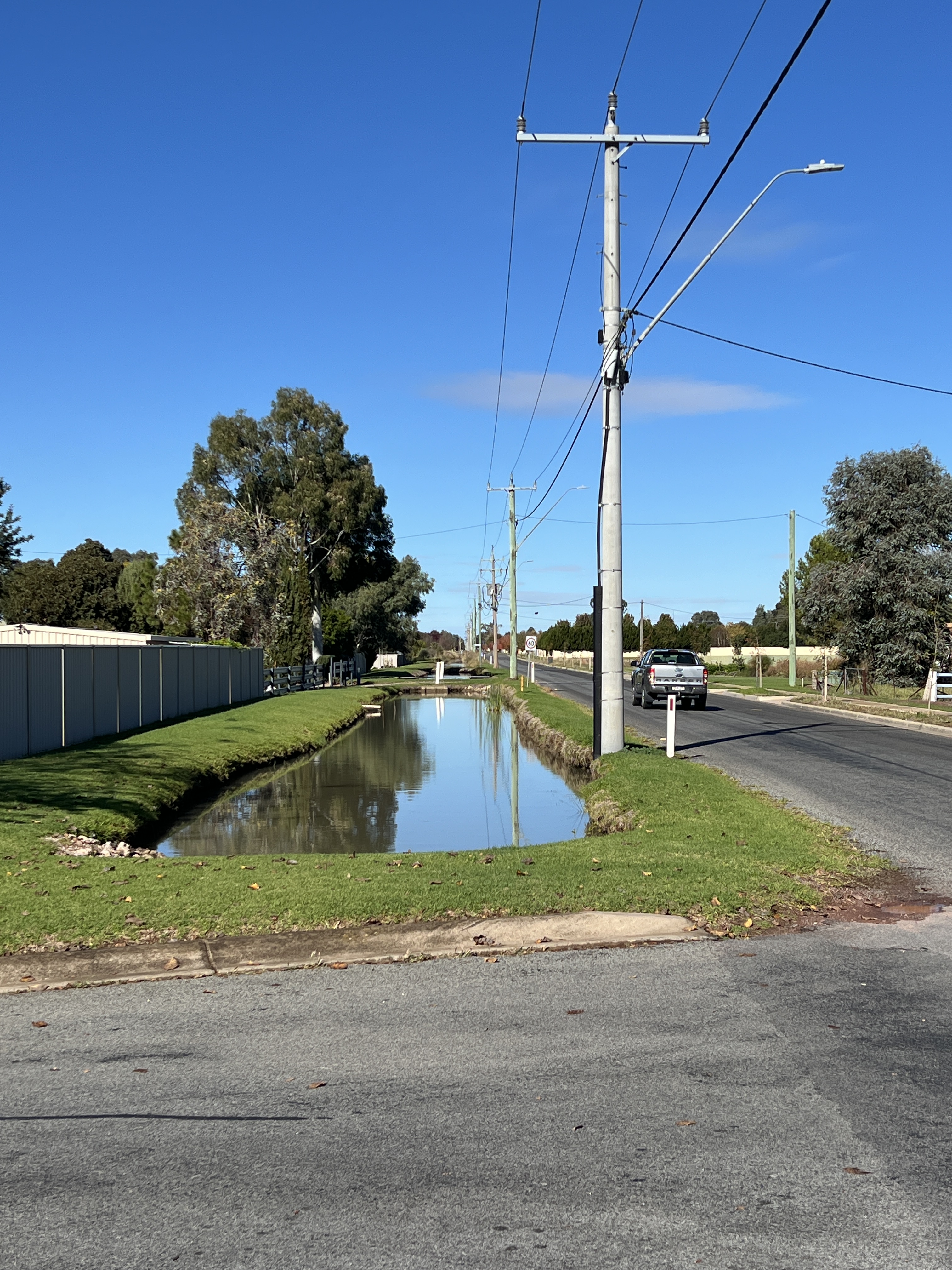
South of Leeton is the small town of Yanco , famous for its Agricultural College. It was in this area that the ‘father’ of irrigation Sir Samuel McCaughey established his irrigated farm network in the 1880s and 90s. It was to be the forerunner of the MIA.
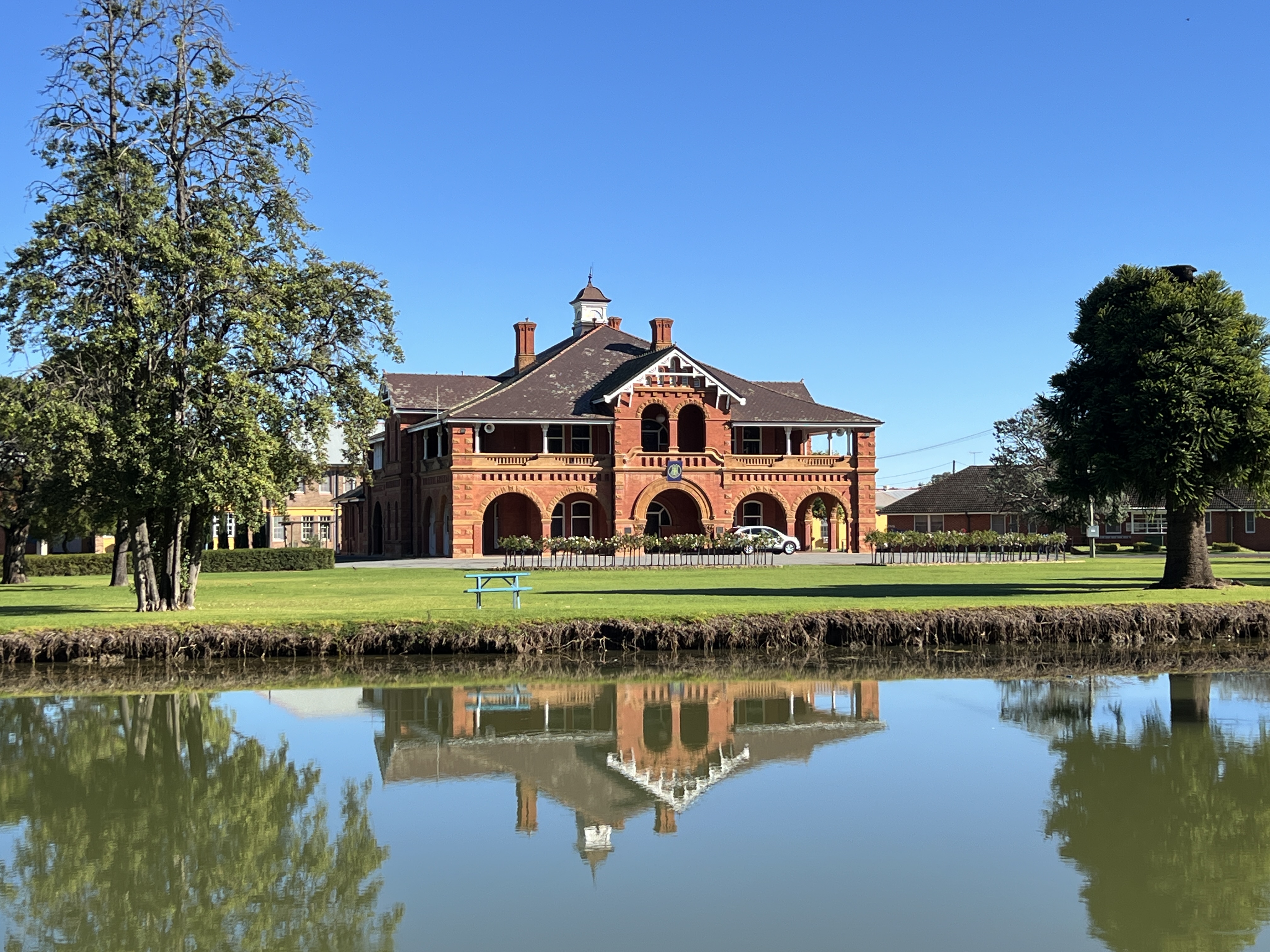
He built a mansion not far back from the Murrumbidgee that is now the Admin Block of the Yanco Agricultural College. A very impressive building set in beautiful surroundings.
We now head a little further north to Griffith.
Place of the lizard
We have moved onto Narrandera, having come along the Sturt Hwy from Wagga Wagga.
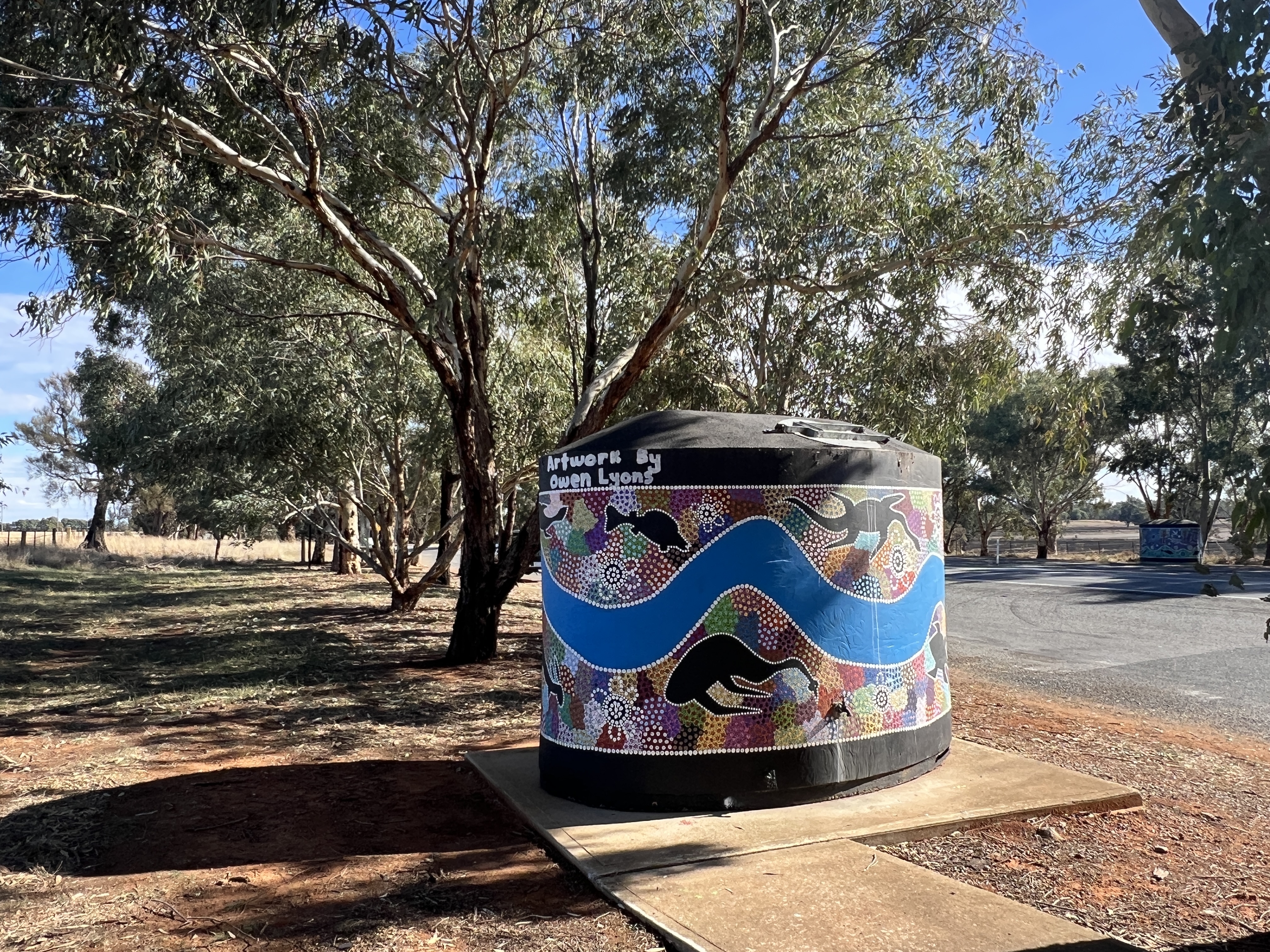
Narrandera is derived from a Wiradjuri word meaning ‘the place of the lizard (goanna)’. We didn’t see any. The town is also the gateway to the Murrumbidgee Irrigation Scheme (MIA).
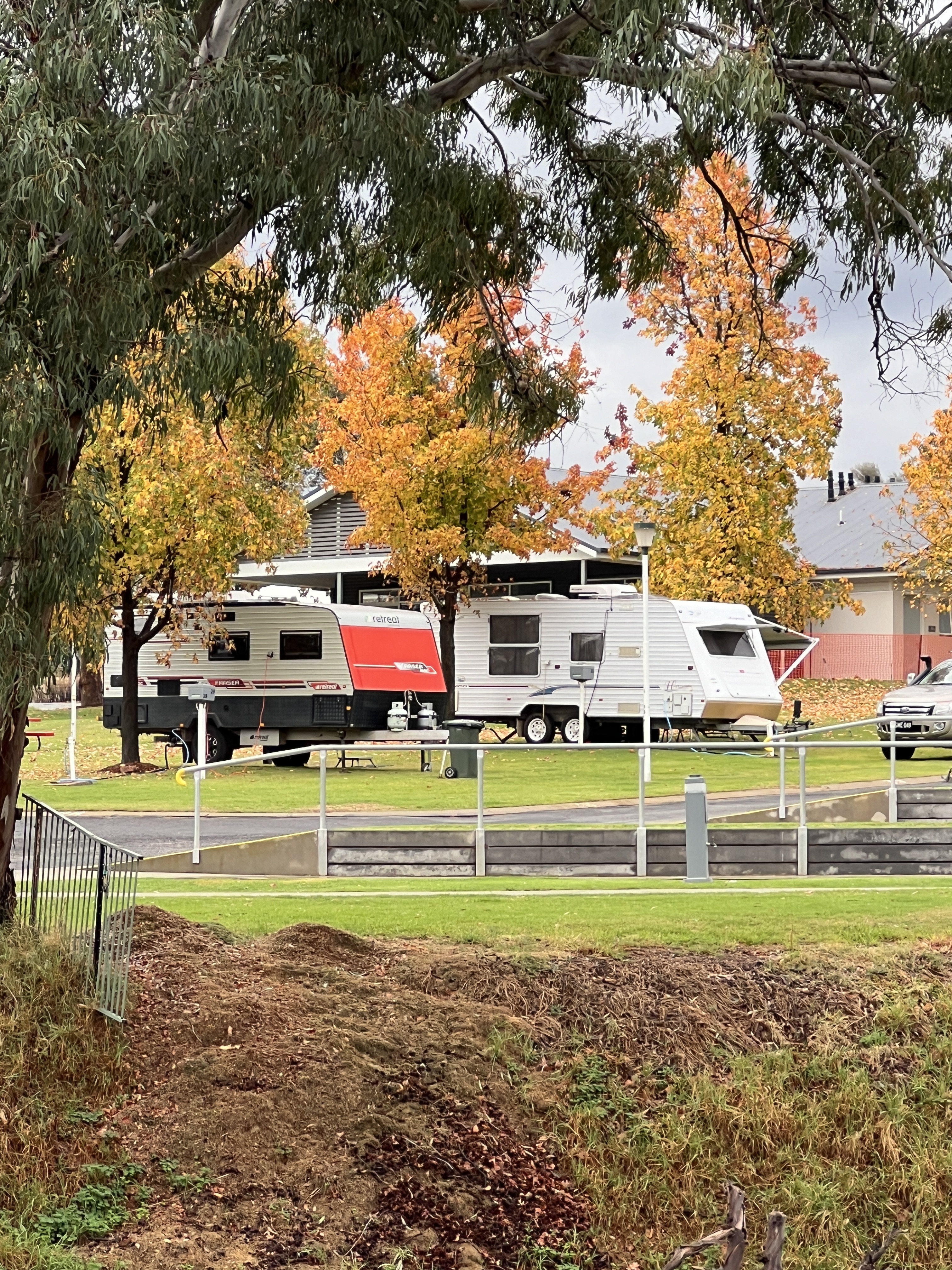
We arrived in town and settled into the Lake Talbot Tourist Park which overlooks the lake. The weather has turned on us and the clear blue skies have gone, cloud and a fair bit of rain has fallen in the region. We seem to have dodged the down pours, just catching some light overnight showers.
Narrandera is located on the Murrumbidgee, which flows around the edge of the town on its way to Hay, and the junction of the Sturt and Newell Hwys.
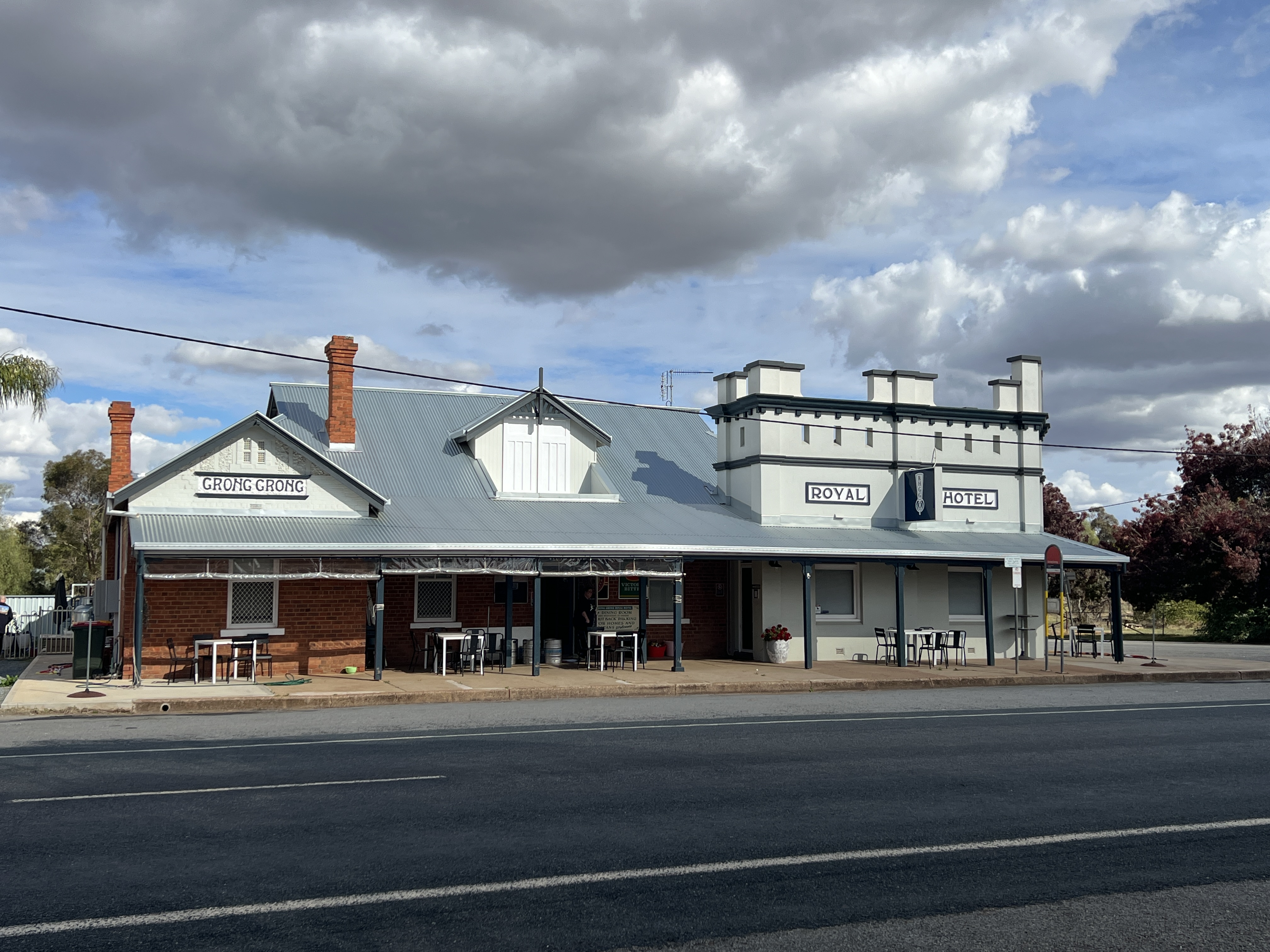
After settling in we set off to Grong Grong along the Newell Hwy (the road to Brisbane), about 20 kms. At Grong Grong there is we understand the Royal Hotel, an 1880s pub that has been saved by the locals and done up, nomads can free camp overnight out the back and have a great meal. We thought we would catch a counter meal for lunch. Alas it doesn’t open till 2pm and only does dinners, it did look a good place to stay though sometime in the future. There are 150 people in Grong Grong. We remained peckish.
Grong Grong was also where we were going to take a side track down to Berembed Weir on the Murrumbidgee. The Berembed Weir is an important place in a journey down the river. A couple of kilometres down the road we came to a ‘road closed’ sign and had to back track and take an alternate route, the unsigned detour.
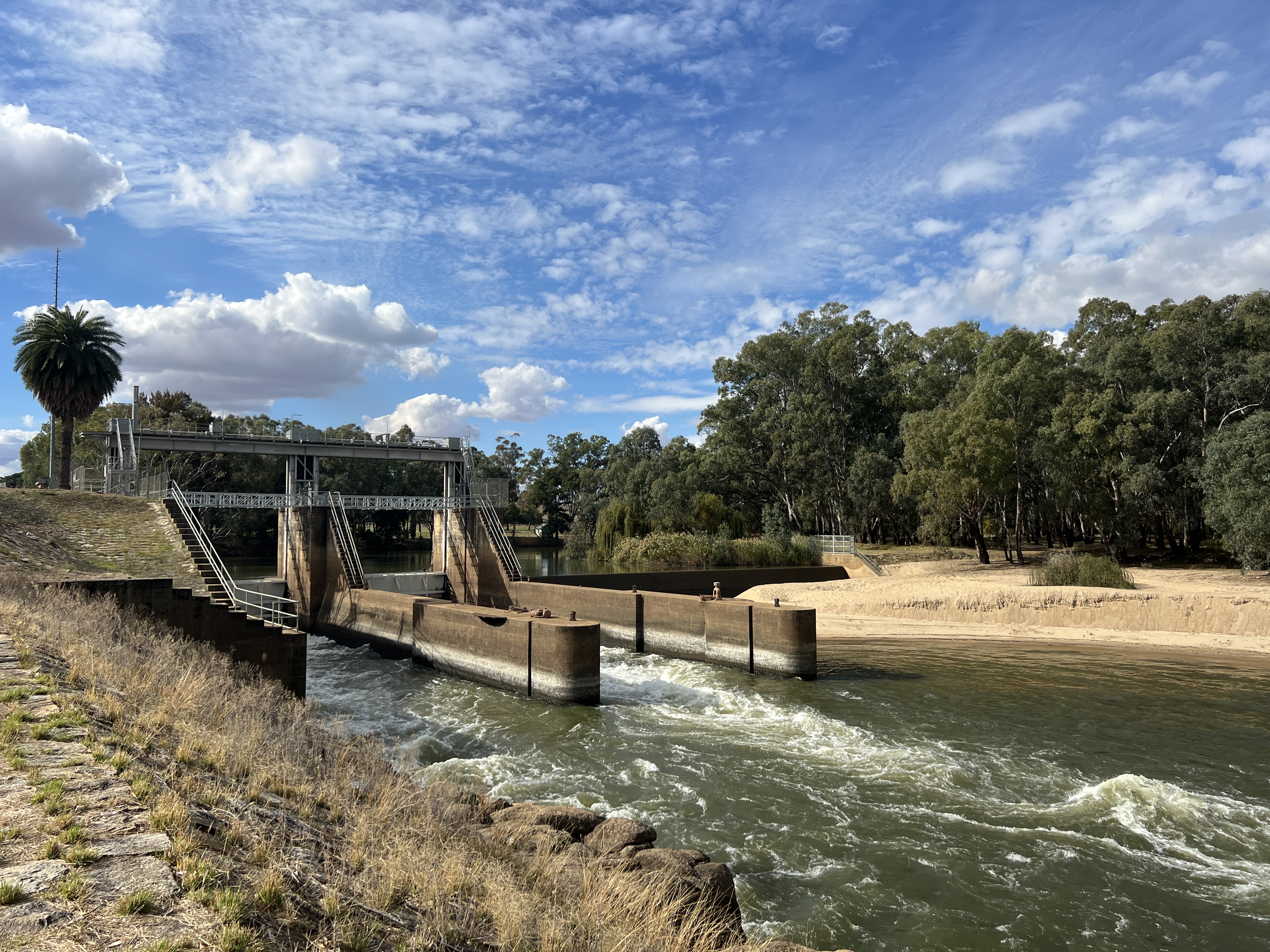
The weir is important because it is here that the MIA has its birth, the source of the water that gives life to Australia’s great food bowl. It was constructed between 1910 and 1917 in conjunction with the canal that took water from the Murrumbidgee, the water flows of which are controlled by Burrinjuck Dam. The weir creates a pool of water upstream and a regulator at right angles to the weir allows water to be funnelled down the canal which then runs into creek, in fact an old branch of the Murrumbidgee, that winds its way down to our Lake Talbot. We were fortunate to get some blue sky and sun while down at the weir.
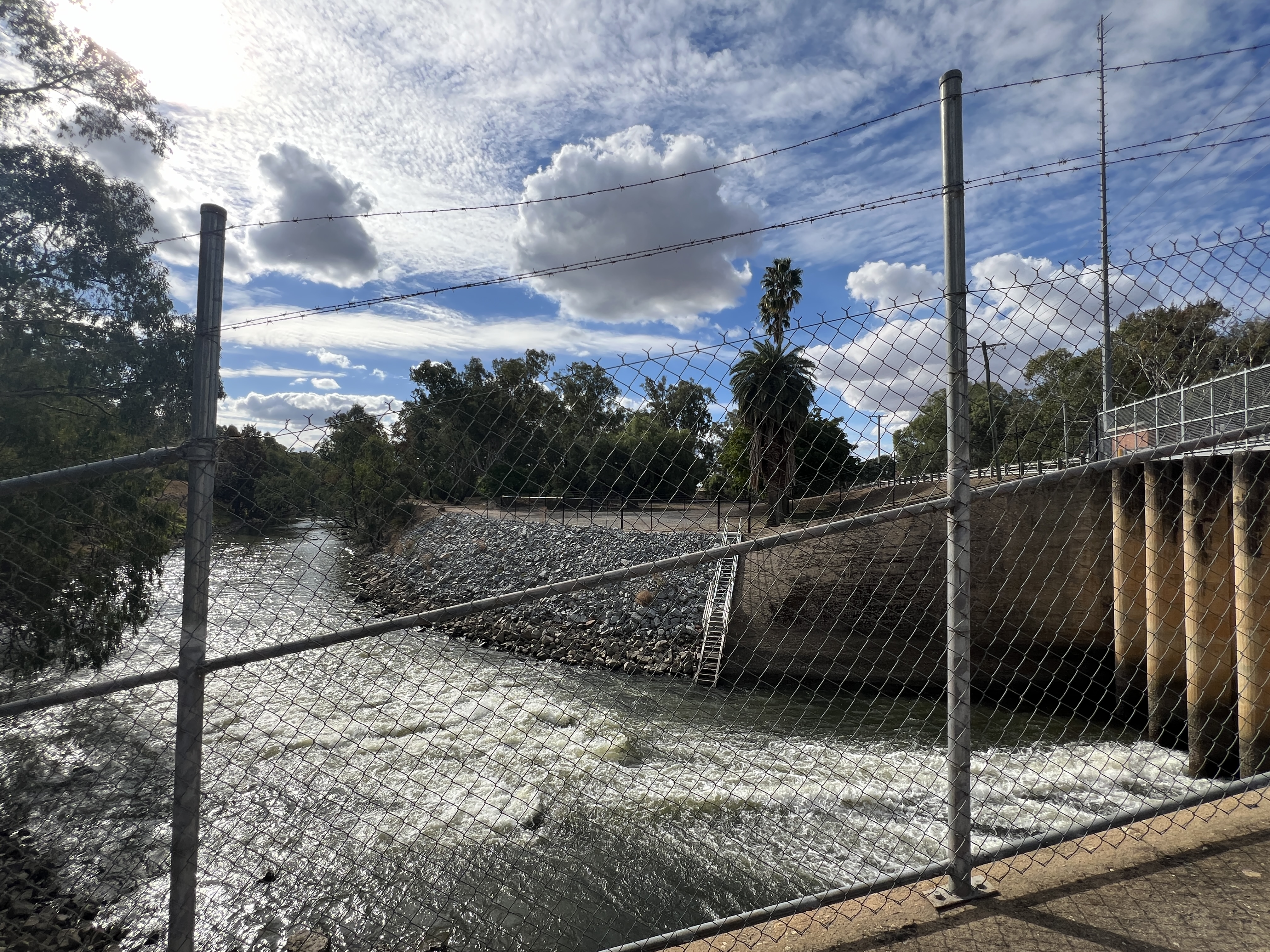
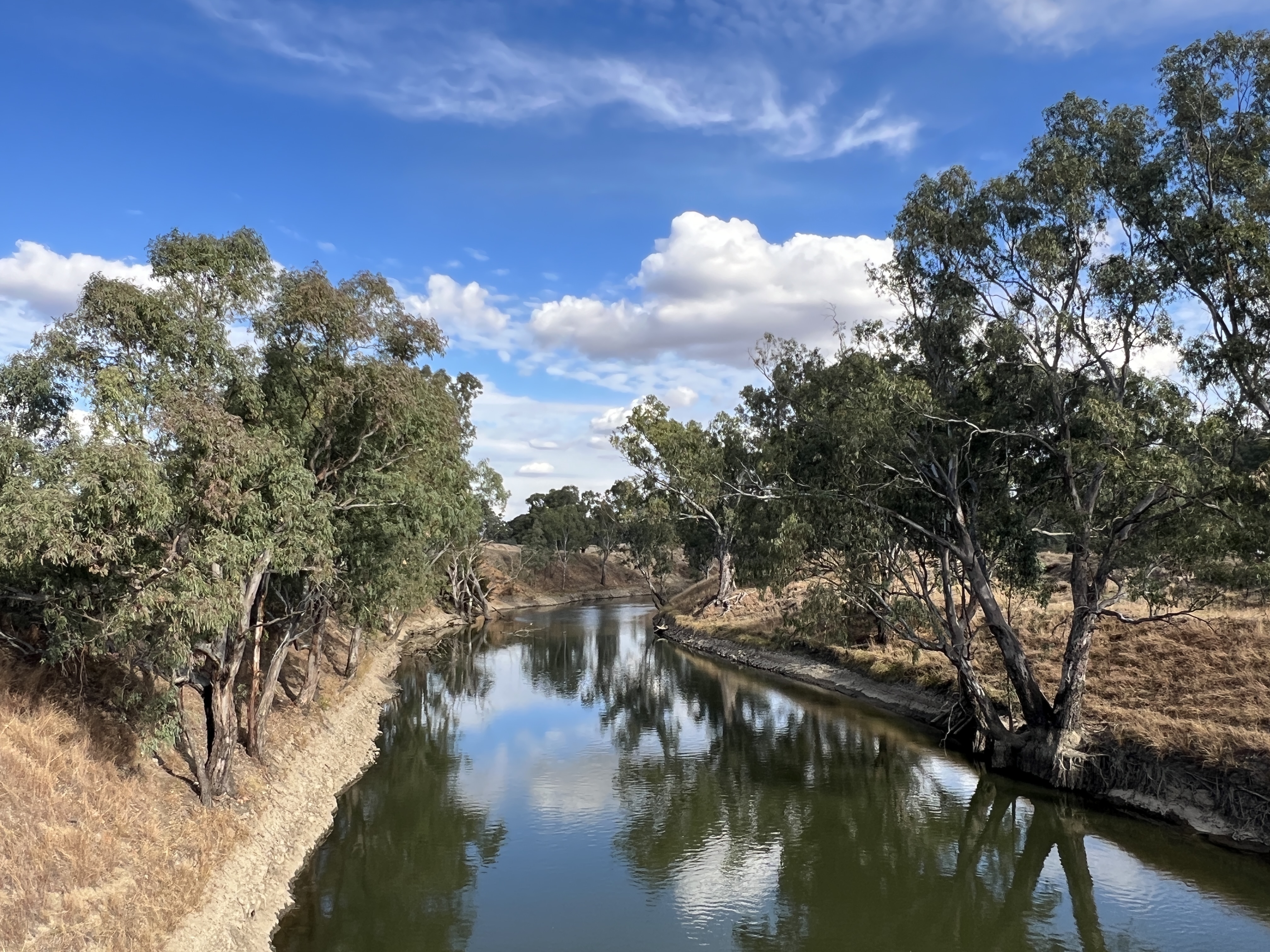
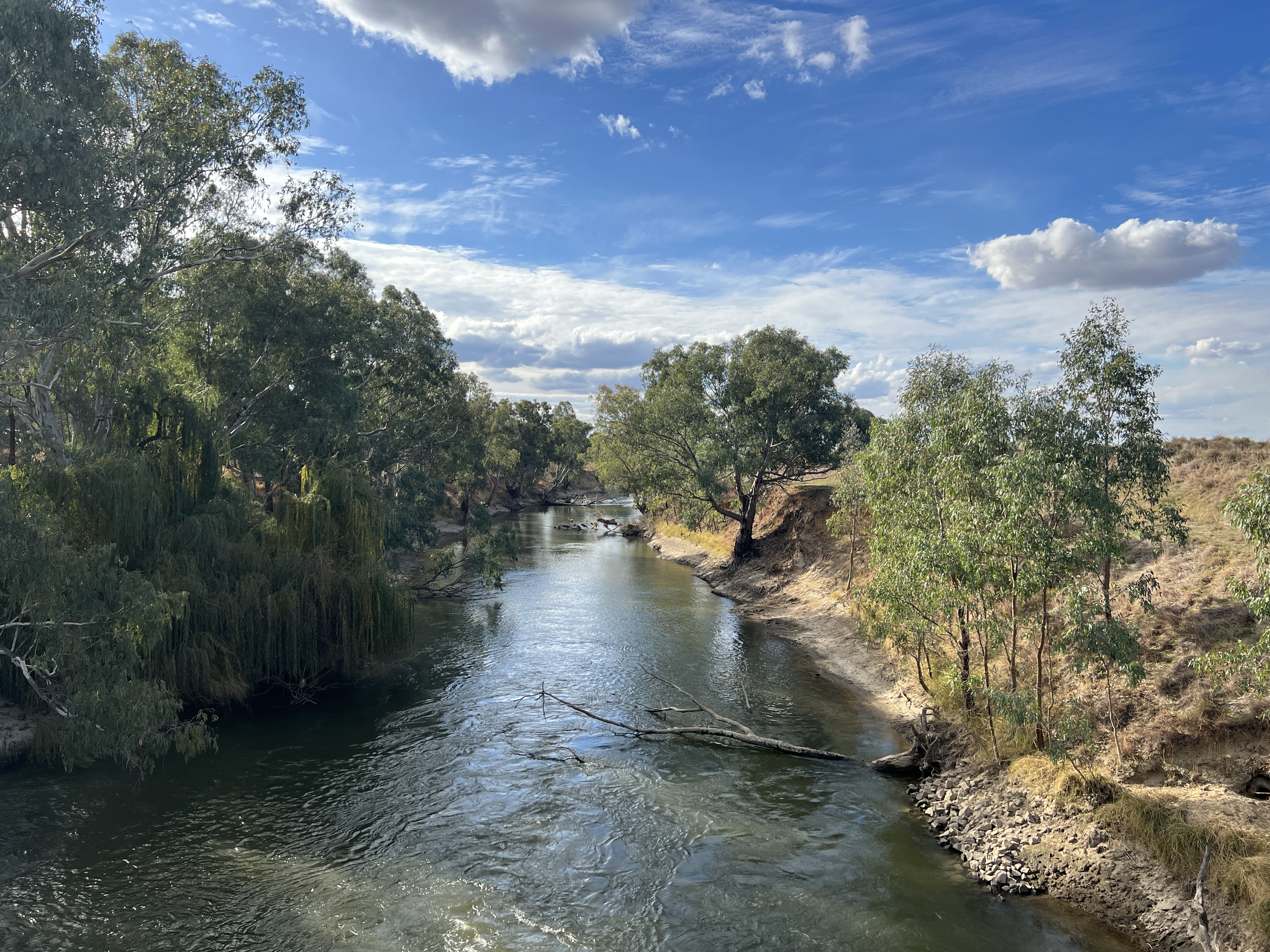
From Lake Talbot the canal takes over and carries the water north through Narrandera and on to Leeton (25km) and Griffith (another 45km). Quite an engineering feat for the times, particularly during WW1. Along the way there are various diversion points which take water into irrigation channels to the farmlands.
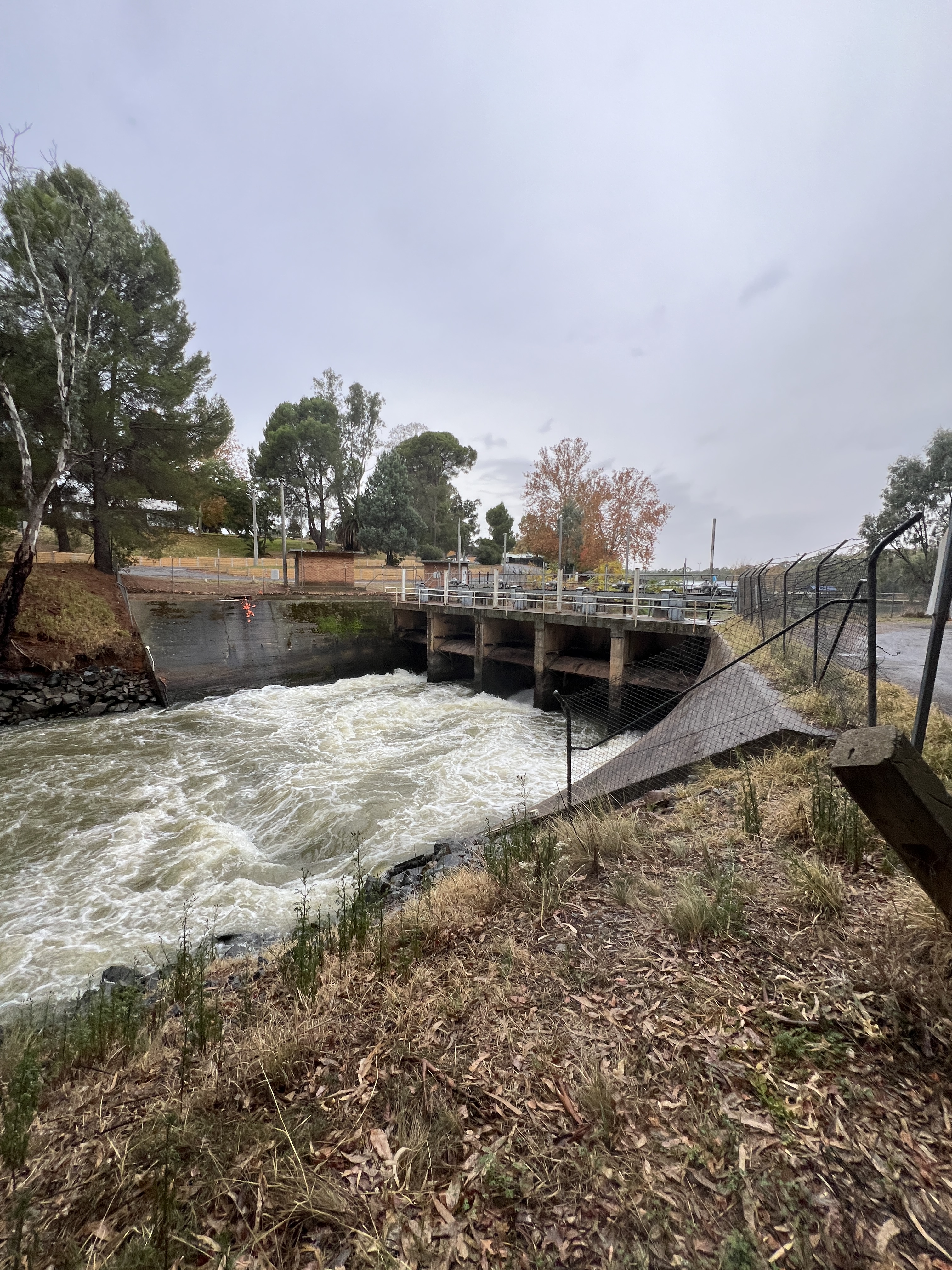
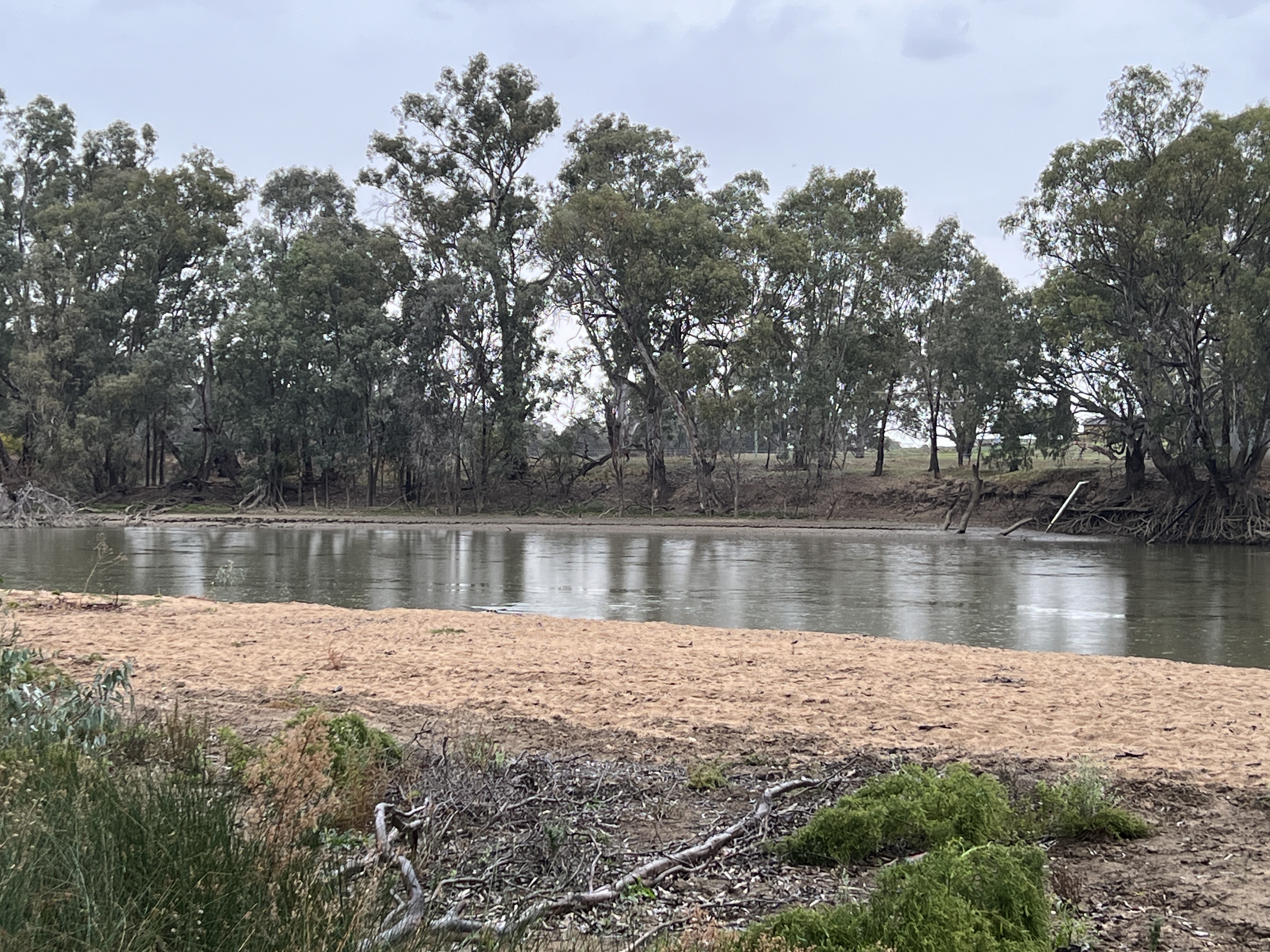
After this exploration we headed back to town, more than a little peckish, and indulged in a sausage roll from the local bakery.
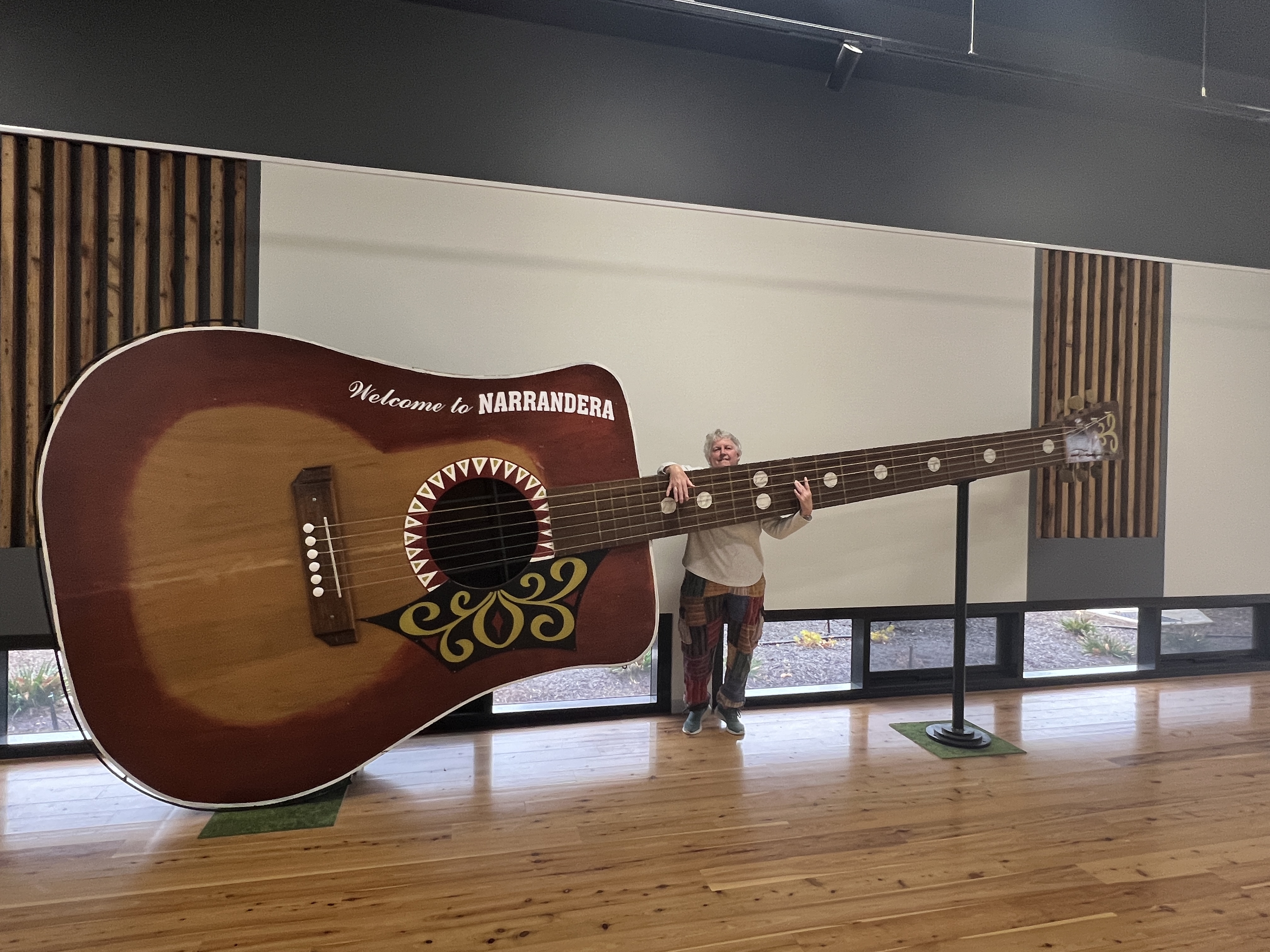
Next morning we had a short drive around to see some of the town. The Information Centre the usual place to start and it was here that we found the Big Guitar, some guy’s idea to promote the town from a few years back. Homealone thought it needed a tune up, the strings were a bit floppy.
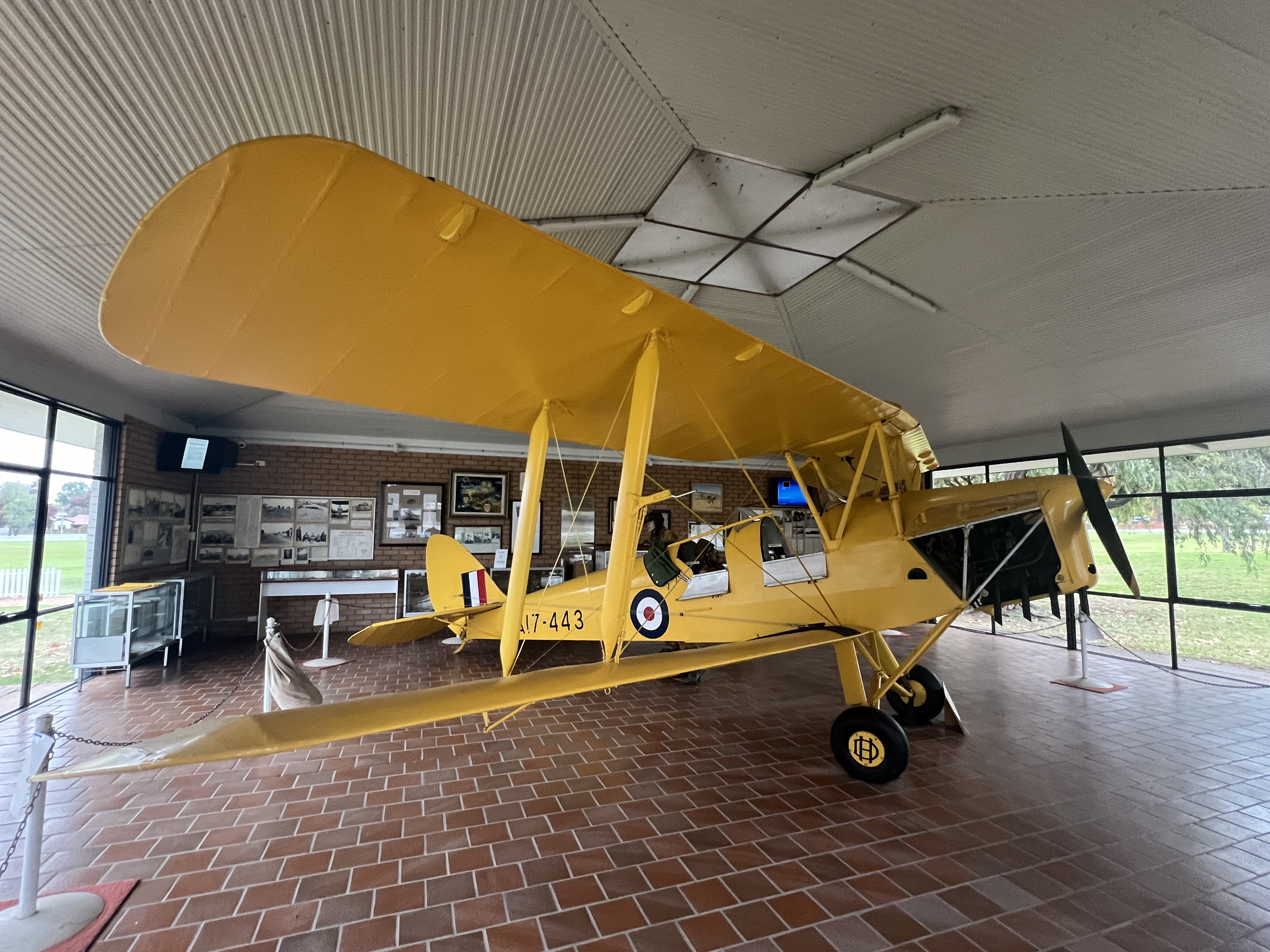
Next door was a tribute to the RAAF training base that was here in WW11, a sister to the one in Wagga. They used Tiger Moths to train the recruits and one is here on display.
Like Wagga the town has a Royal Doulton fountain from the late 1800s, this one is special though. It seems there are only two in existence of this type, the other is in India somewhere.
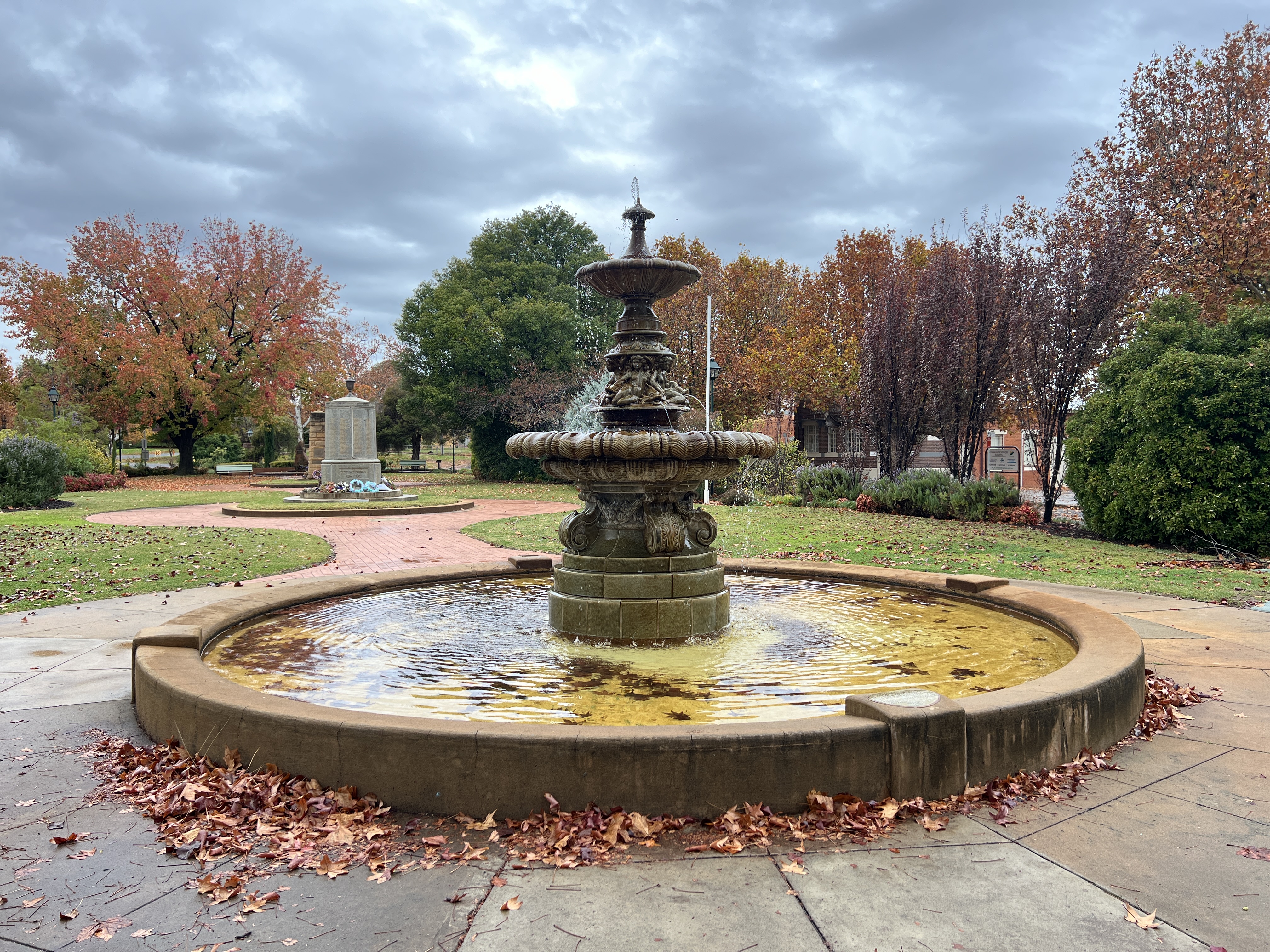
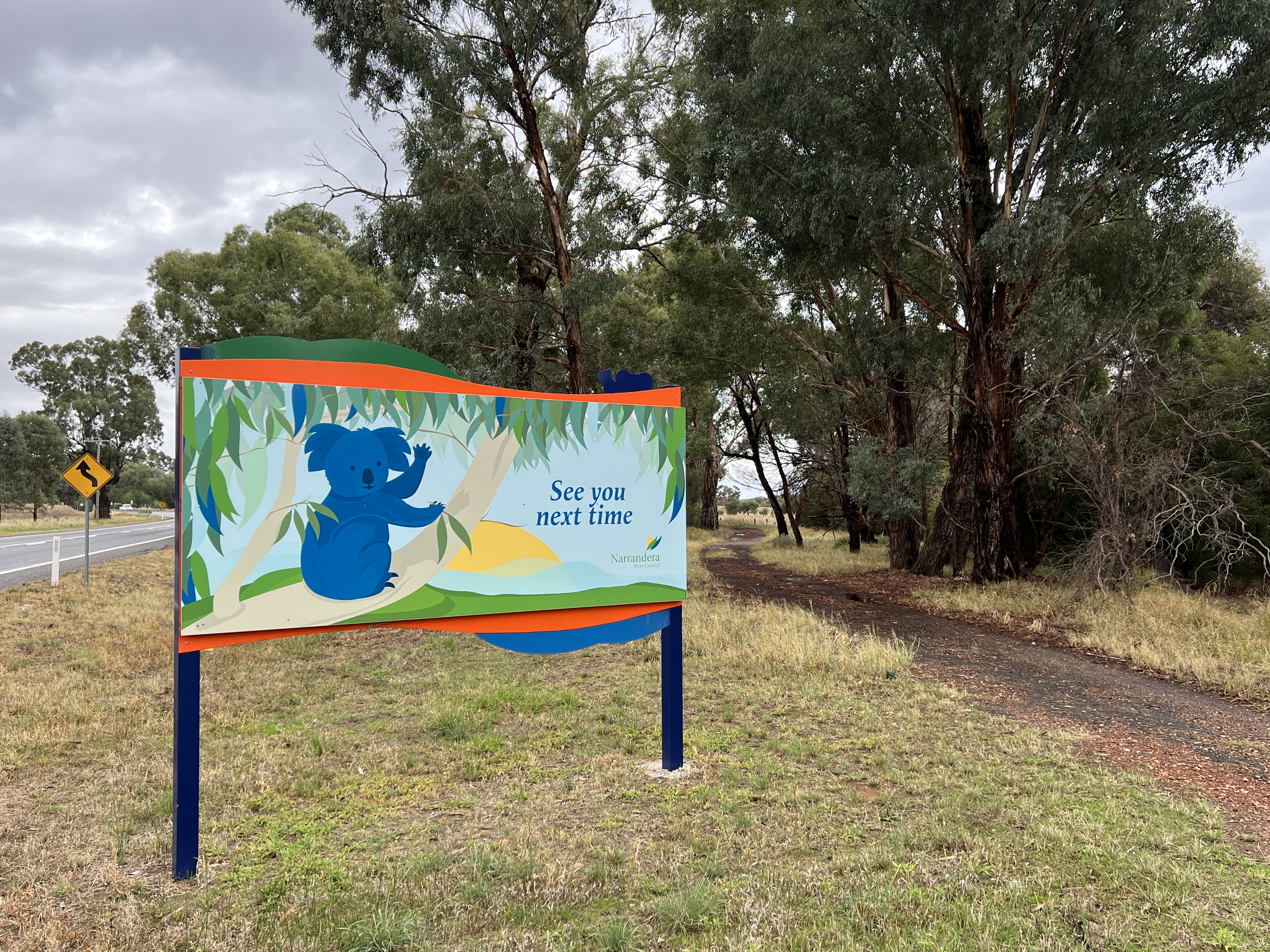
After a couple of nights here at Lake Talbot it was time to pack up and head off north along Irrigation Way to Leeton. This was all of 25 km, so we were not in a hurry to leave.
Wagger Wagger
There is much to see in Woggo Woggo and two days can’t do it justice. We have had a spin around town to catch some of the sights. A trip, five km, out to the RAAF training centre at Forrest Hills is a must.
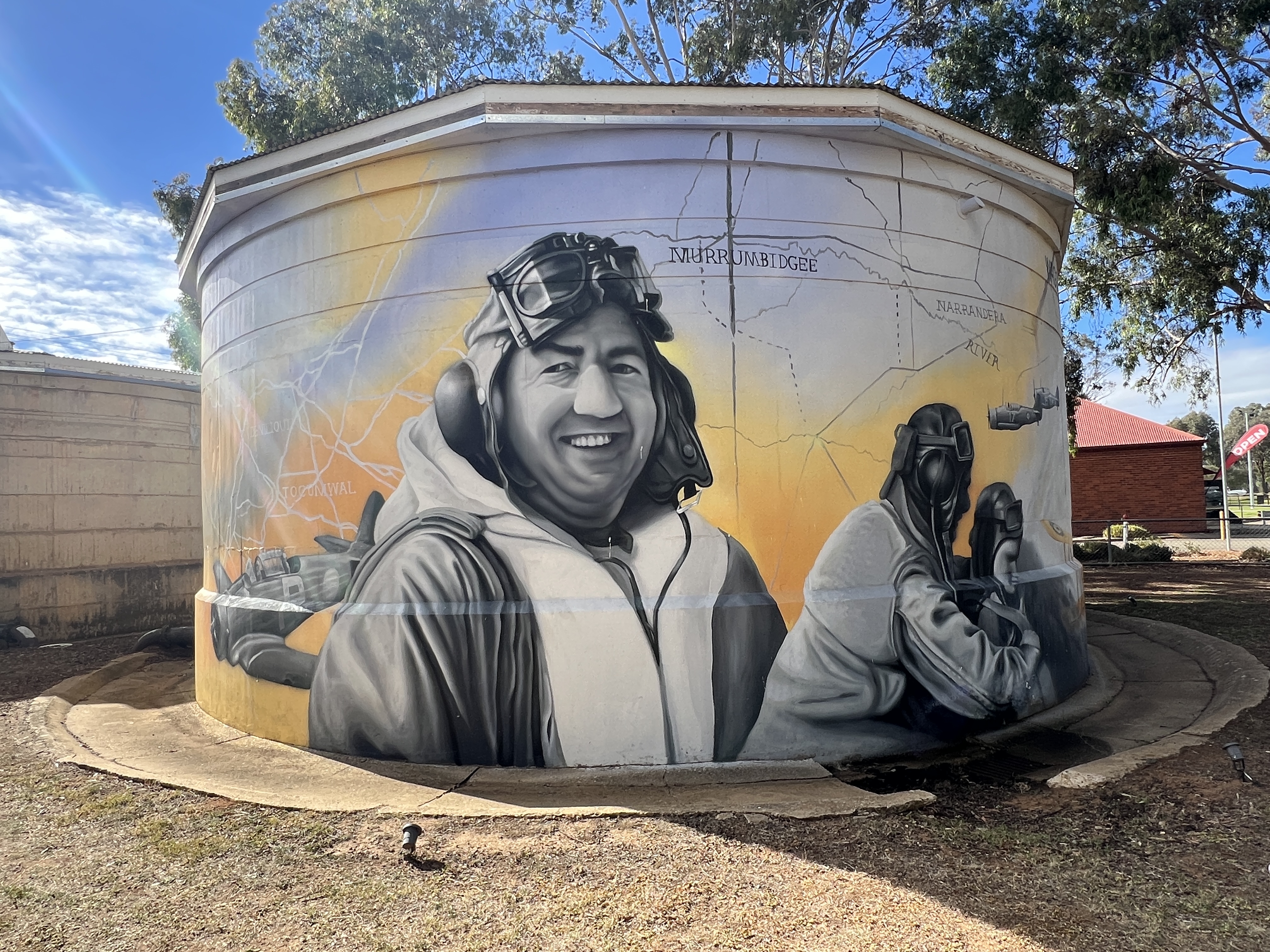
There is a great mural here on the water tank celebrating the role of pilot training centres for recruits during WWII, there were a number of these spread throughout rural Australia at the time. It was part of a scheme that Australia, Canada, New Zealand and the UK operated to ensure there was a common training platform for pilots among the allied air forces. Many were sent to the UK to fly with the RAF.
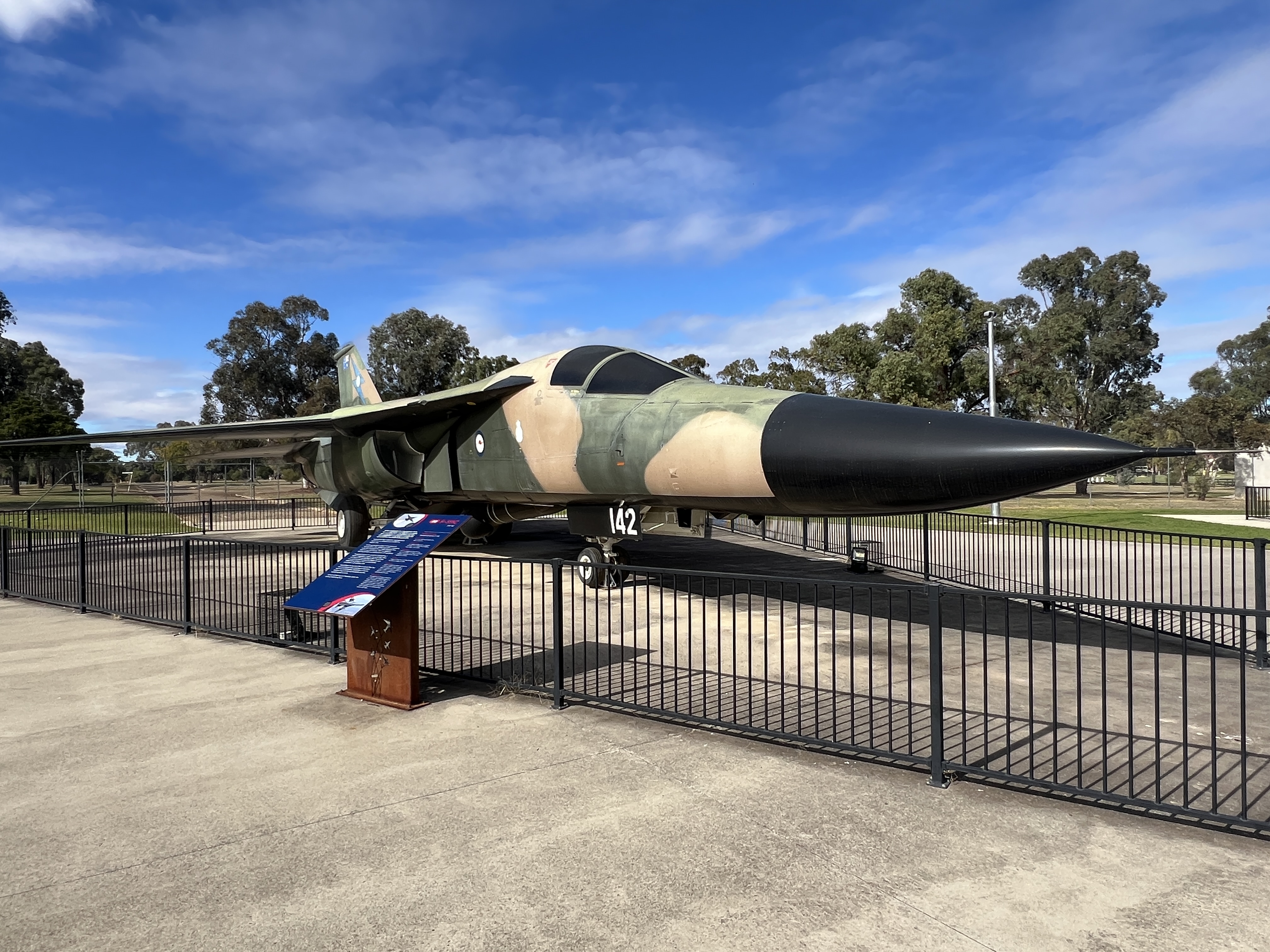
Also a number of fighter planes through the years are on display, including the F111.
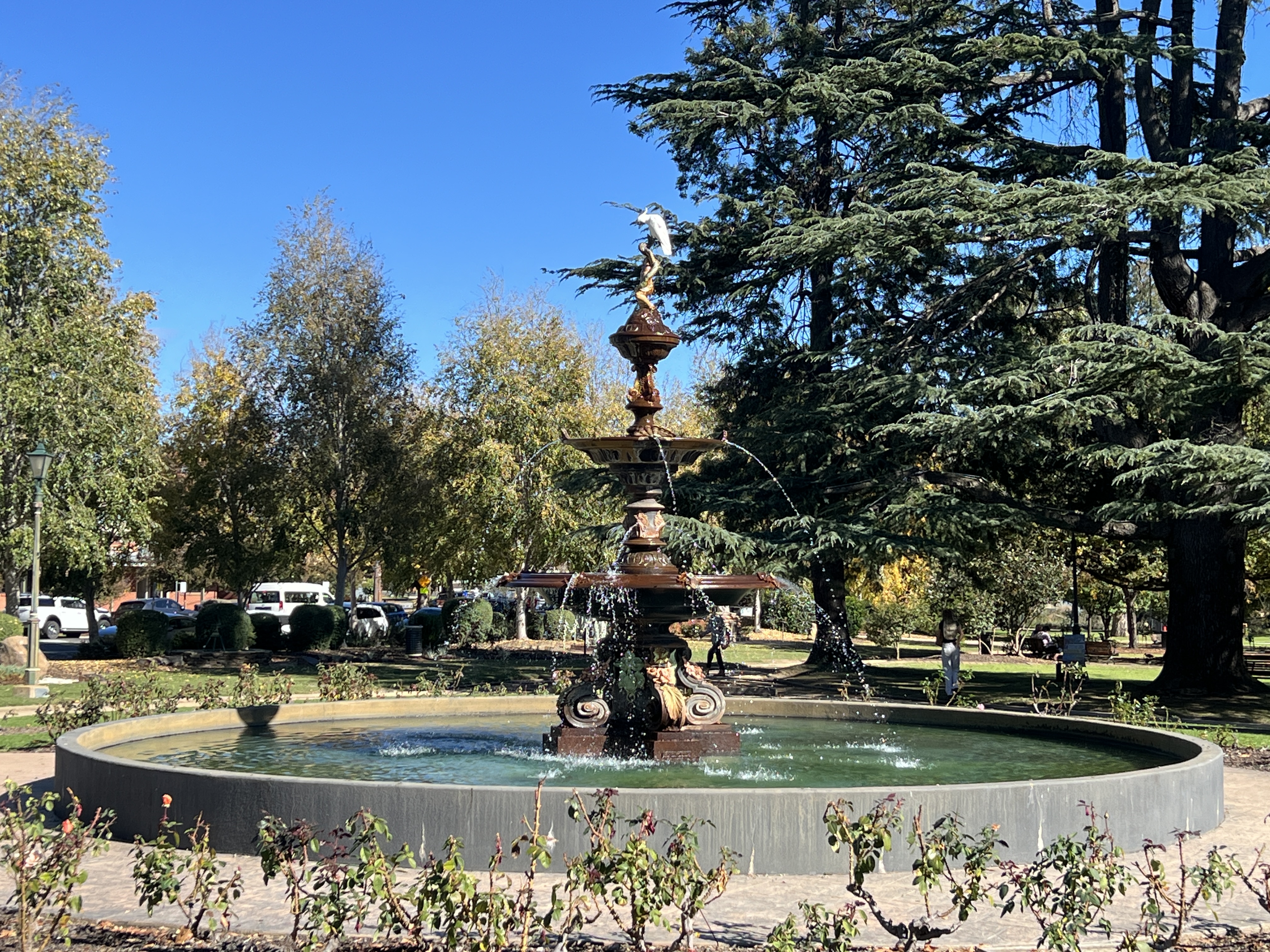
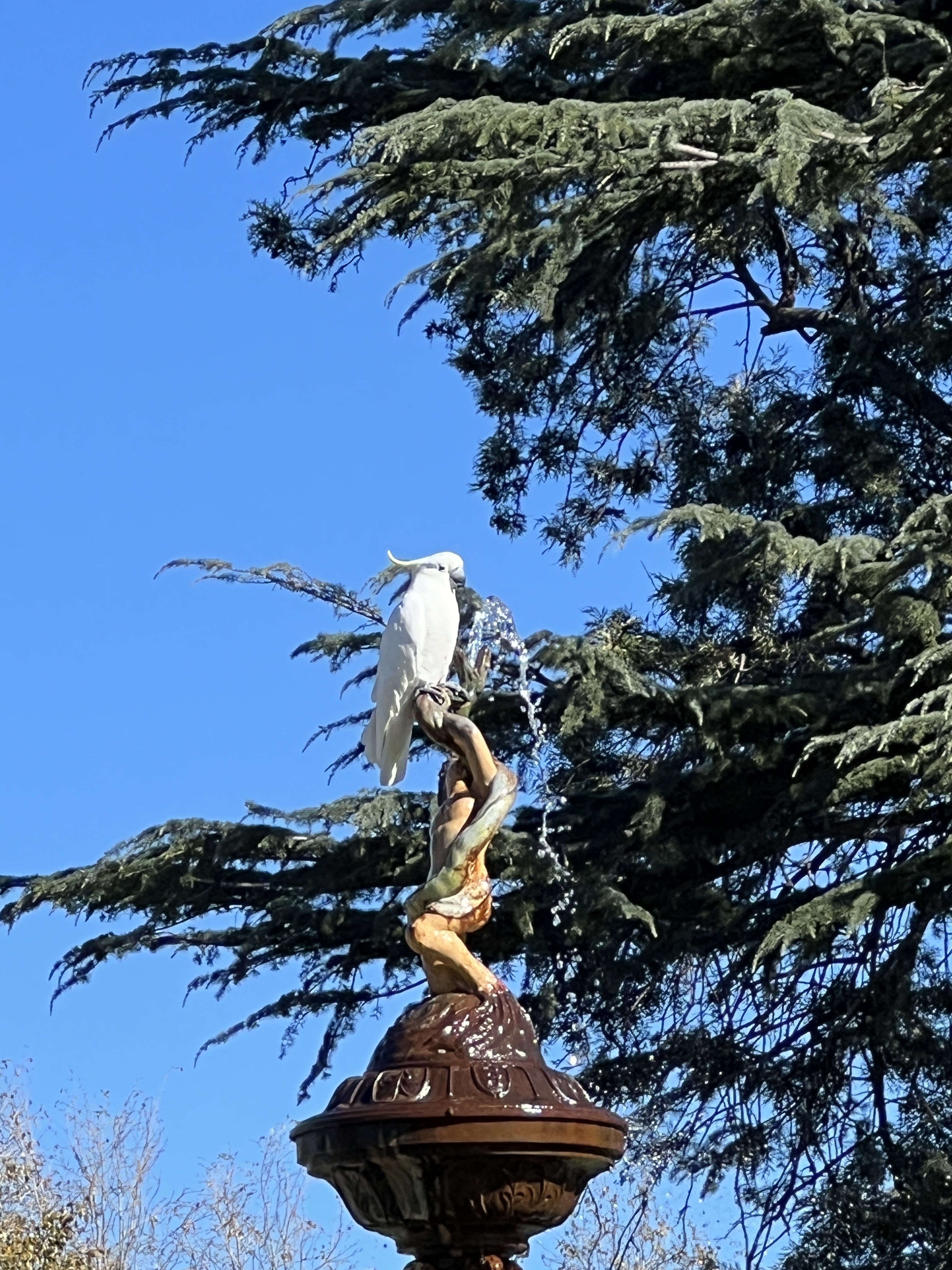
Back in town Victory Memorial Gardens houses an impressive 19th century fountain as a centrepiece near the war memorial. A cockatoo was enjoying a drink and wing wash on its top spout.
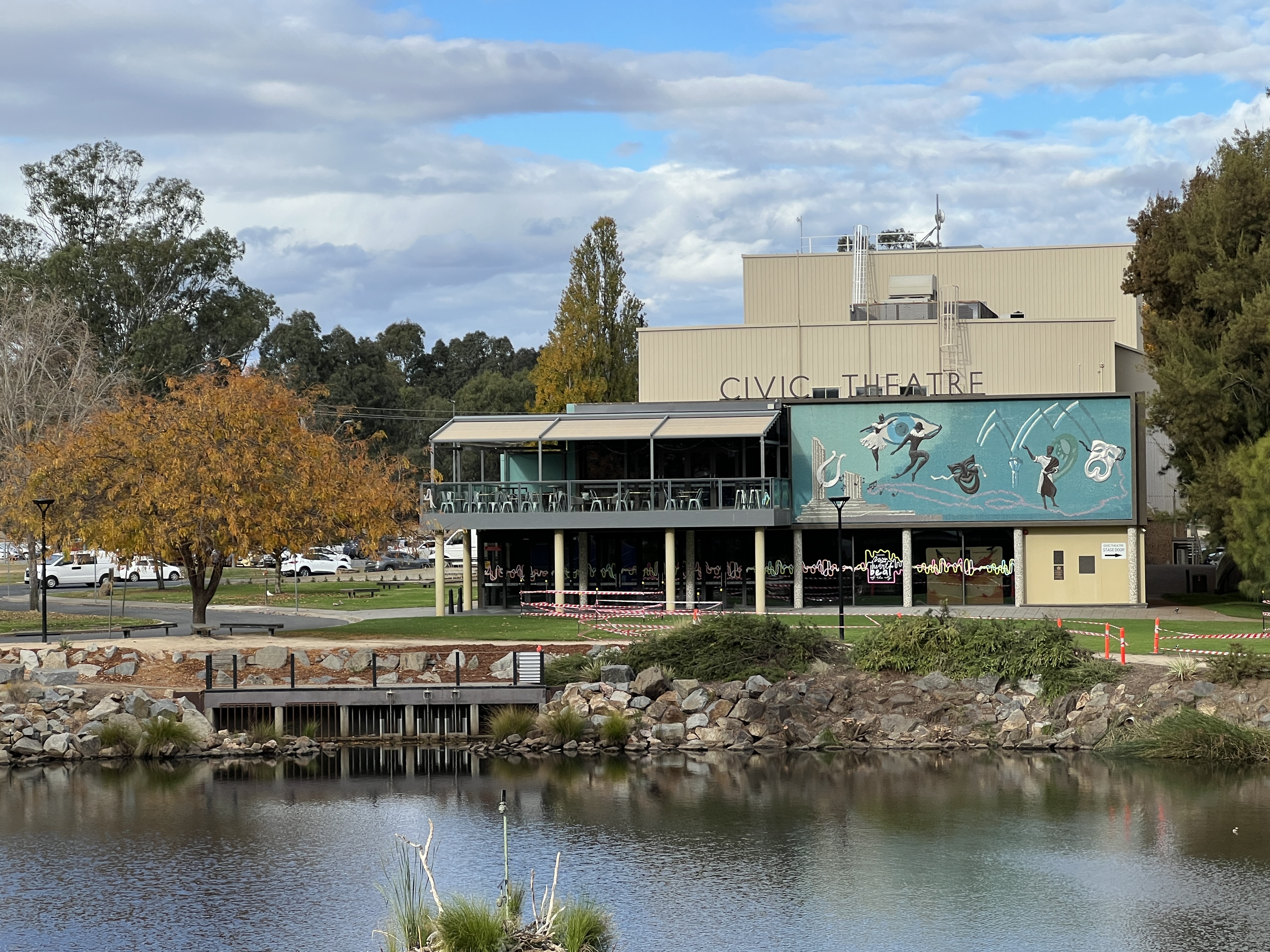
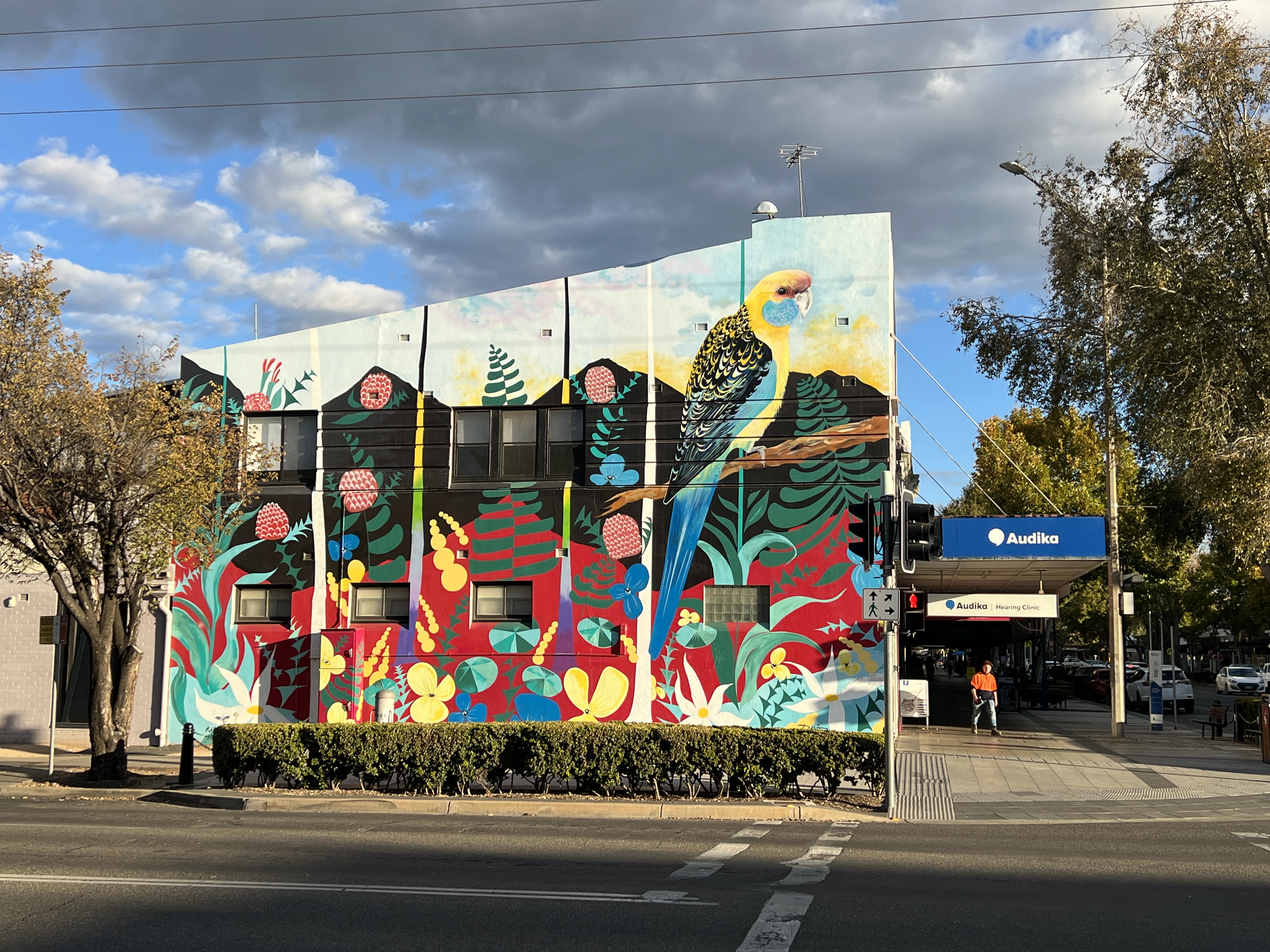
The Civic Centre and Art Gallery area has some nice murals and pleasant parkland around a lake. Along the main street there are numerous shops and eateries, it seems to be a prosperous town.
On a hot day Wagga Beach is very popular, an enormous sand bank on the edge of the Murrumbidgee overlooks a shallow section of clear water flowing over river sands. In 2020 the beach was ranked 9 out of the top 20 beaches in Australia. The first time an inland beach has been included, recognising the role this sort of environment plays for our people remote from the coastline.
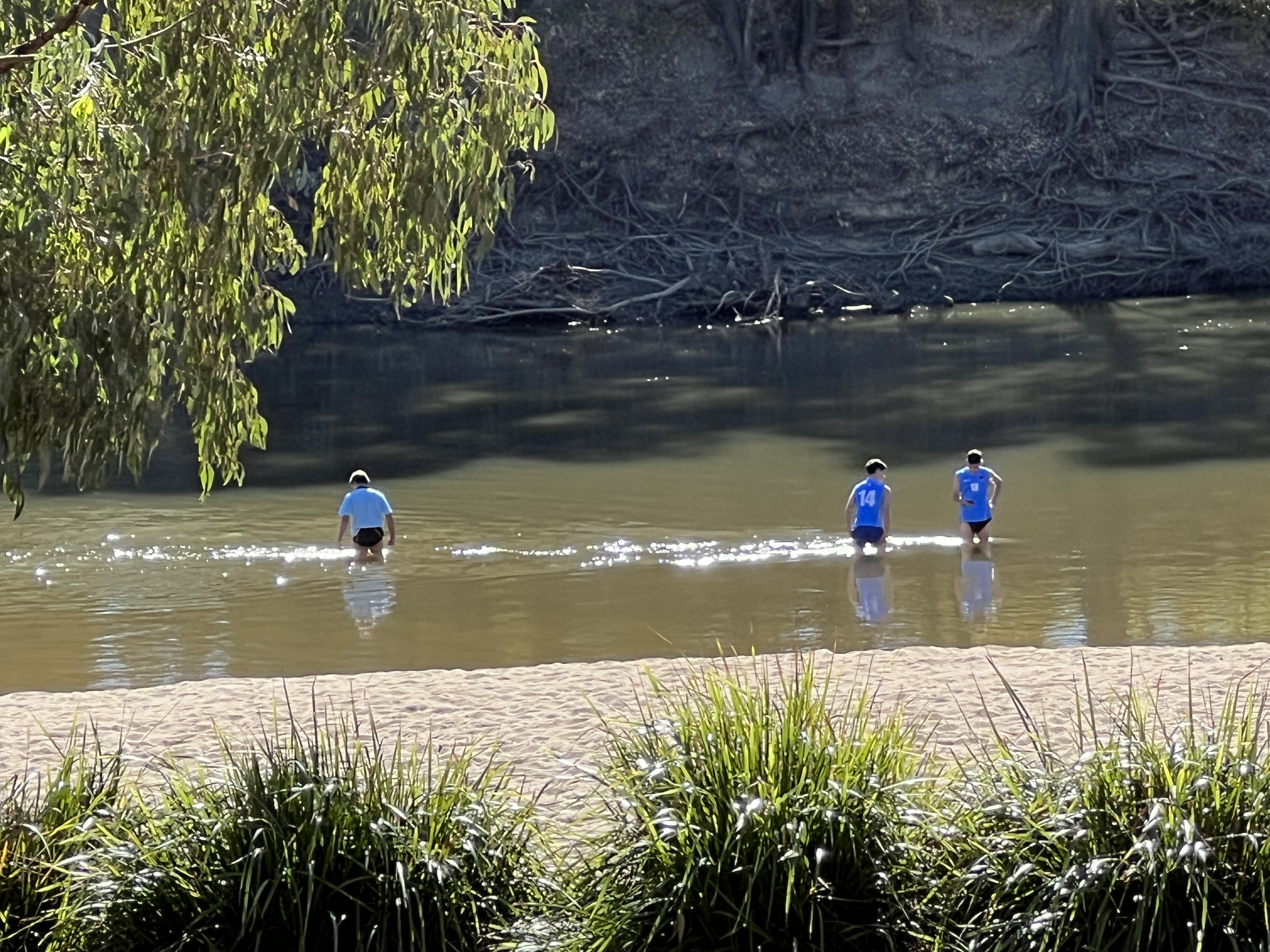
No one was having a dip, although some school boy teenager types were up to their thighs out in the middle doing something training wise it seemed, may have been rowers checking the river flow.
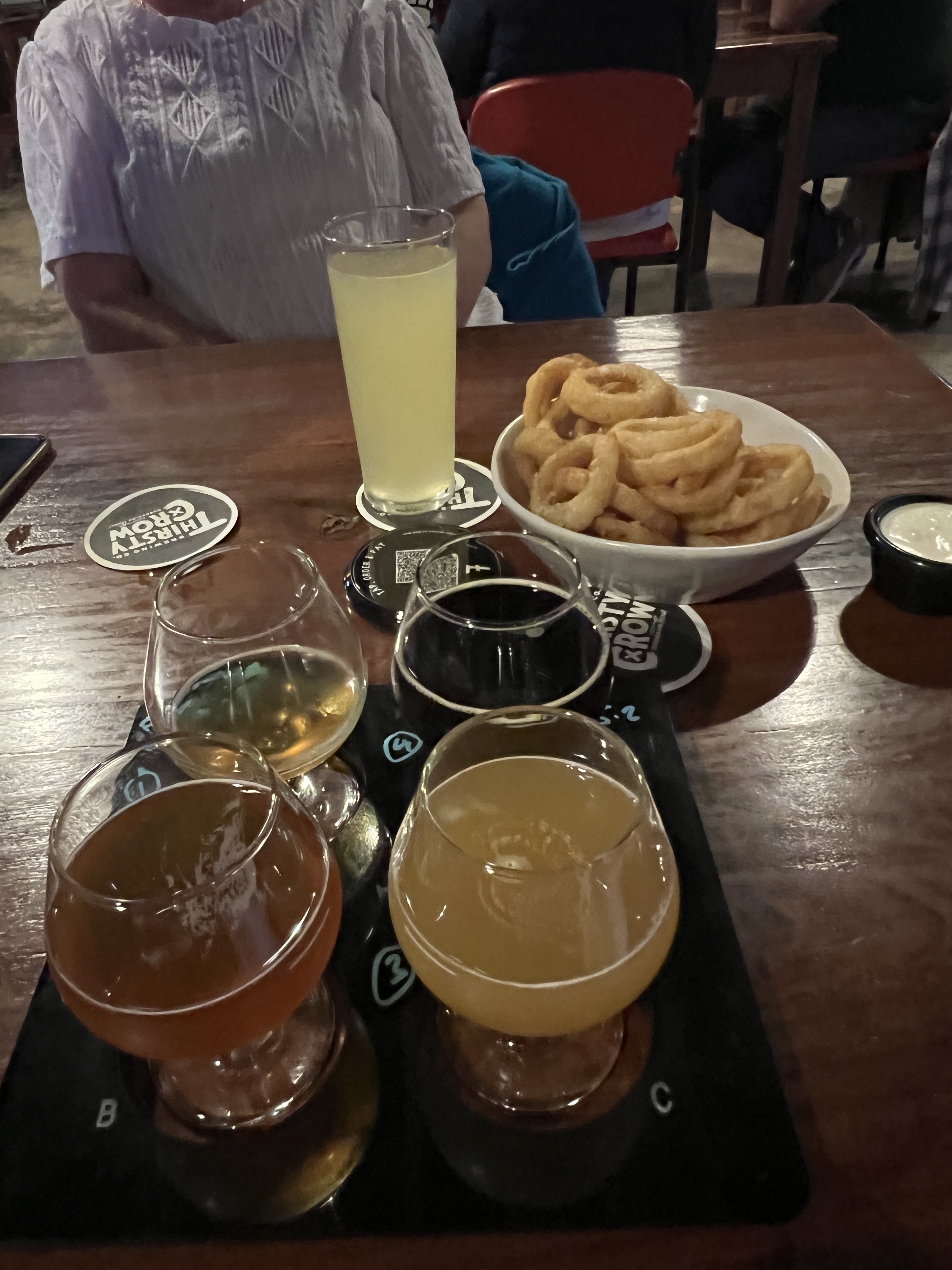
We finished off our stopover here by having a night out at a couple of recommended spots. First up was the Thirsty Crow for some pre dinner drinks. They are a craft brewery with the motto ‘murdering thirst’, Allthego tried a tasting flight, the stout was rather good. Homealone settled for a Cider from a Batlow brewer.
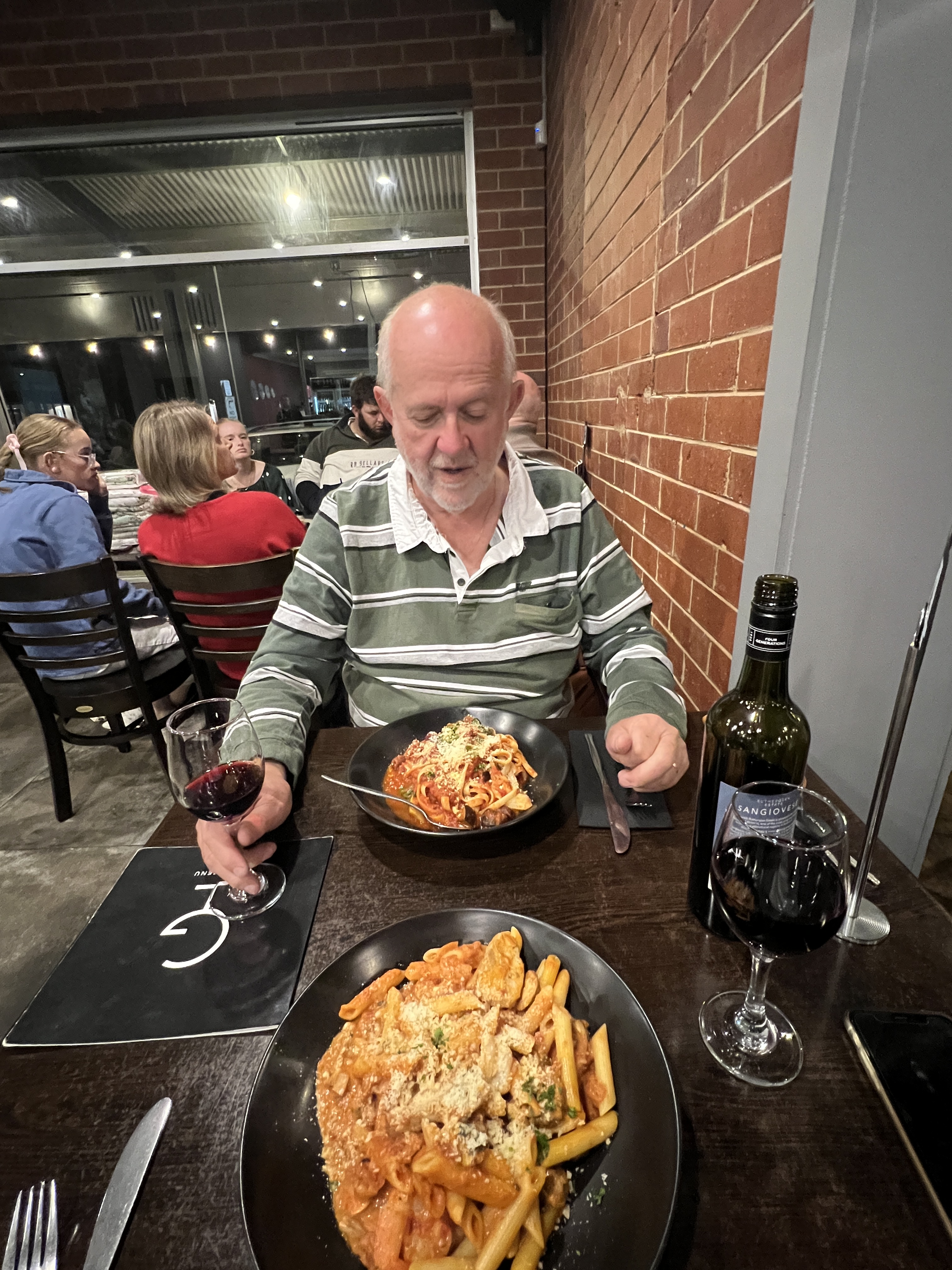
Following this we headed across the road to Giuseppe’s Restaurant & Bar. This is a Wagga Wagga icon we were told, authentic Italian. We had a couple of great pastas before heading back to the van.
In the morning we will head 100 or so km down the Sturt Hwy to Narrandera for a couple of nights stay.
Place of many crows
Moving on from Gundagai we have taken the Old Wagga Road down the northern side of the Murrumbidgee River. The road seems to track the river better than following the Sturt Hwy west. It also affords us the opportunity of passing by Wantabadgery, about a third of the way to Wagga Wagga, a small village in a mixed sheep and cattle grazing district across the river floodplain and adjacent rolling highlands. Wantabadgery Station was where Captain Moonlight bailed up the entire station, about sixty people, the station owners had refused he and his gang work and shelter on the property. Anyway the police came and two of the gang were killed, the others escaped but were later arrested nearby, Moonlight was executed in Sydney. As mentioned in the previous blog he was returned to Gundagai in 1995 to be reburied near the unmarked graves of the other two.
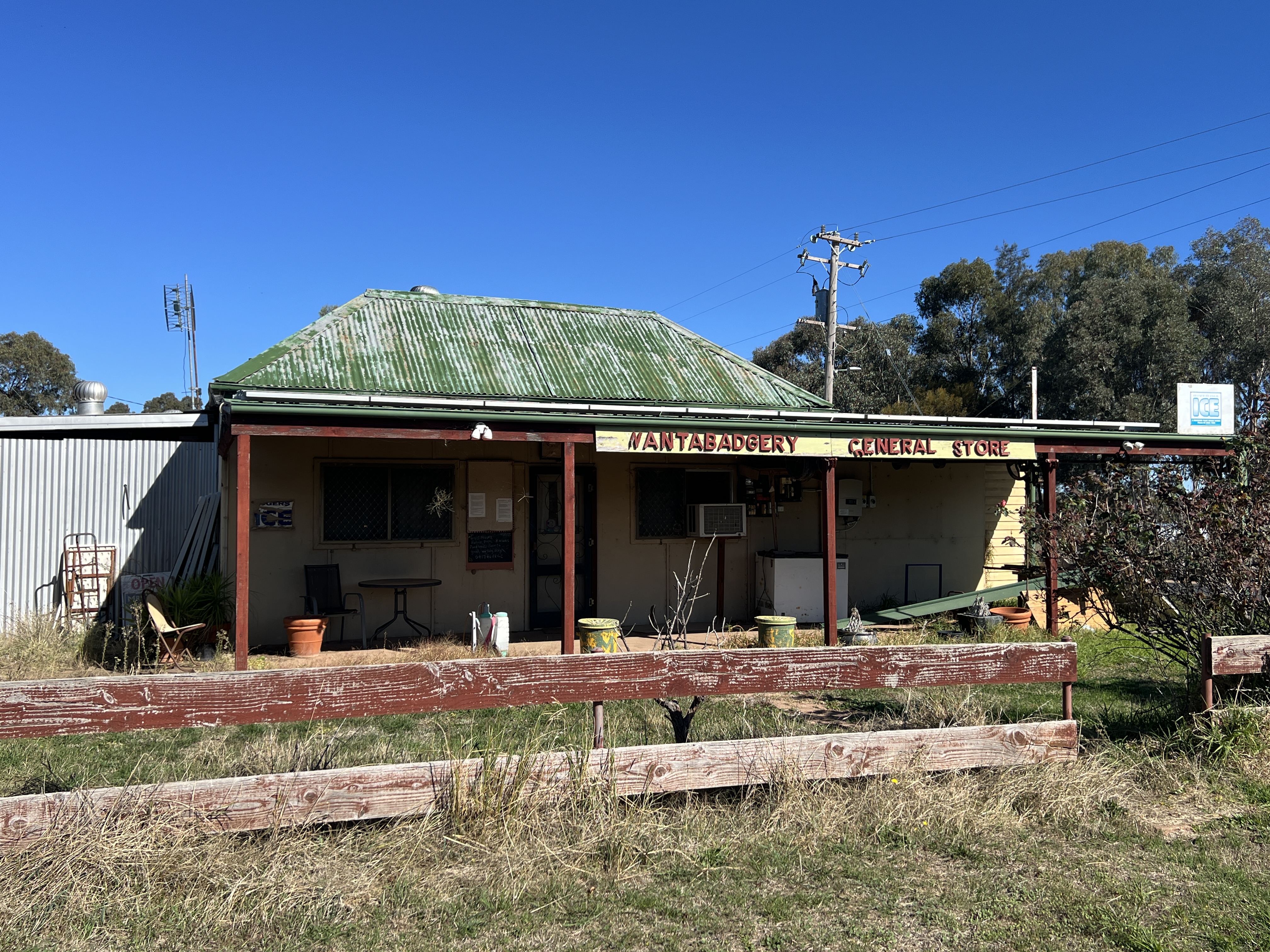
Today, Wantabadgery is a blip on the map, the old General Store abandoned. A few houses line the roadway in the village. A couple of kilometres to the south of Wantabadgery the Murrumbidgee twists and turns on its way to Wagga Wagga. We took a side road here down to Sandy Beach, it is a large free camping area with a big grassy area alongside the river banks. Quite a few vans were in residence. It would be a great spot for an overnight stay on an extended trip.
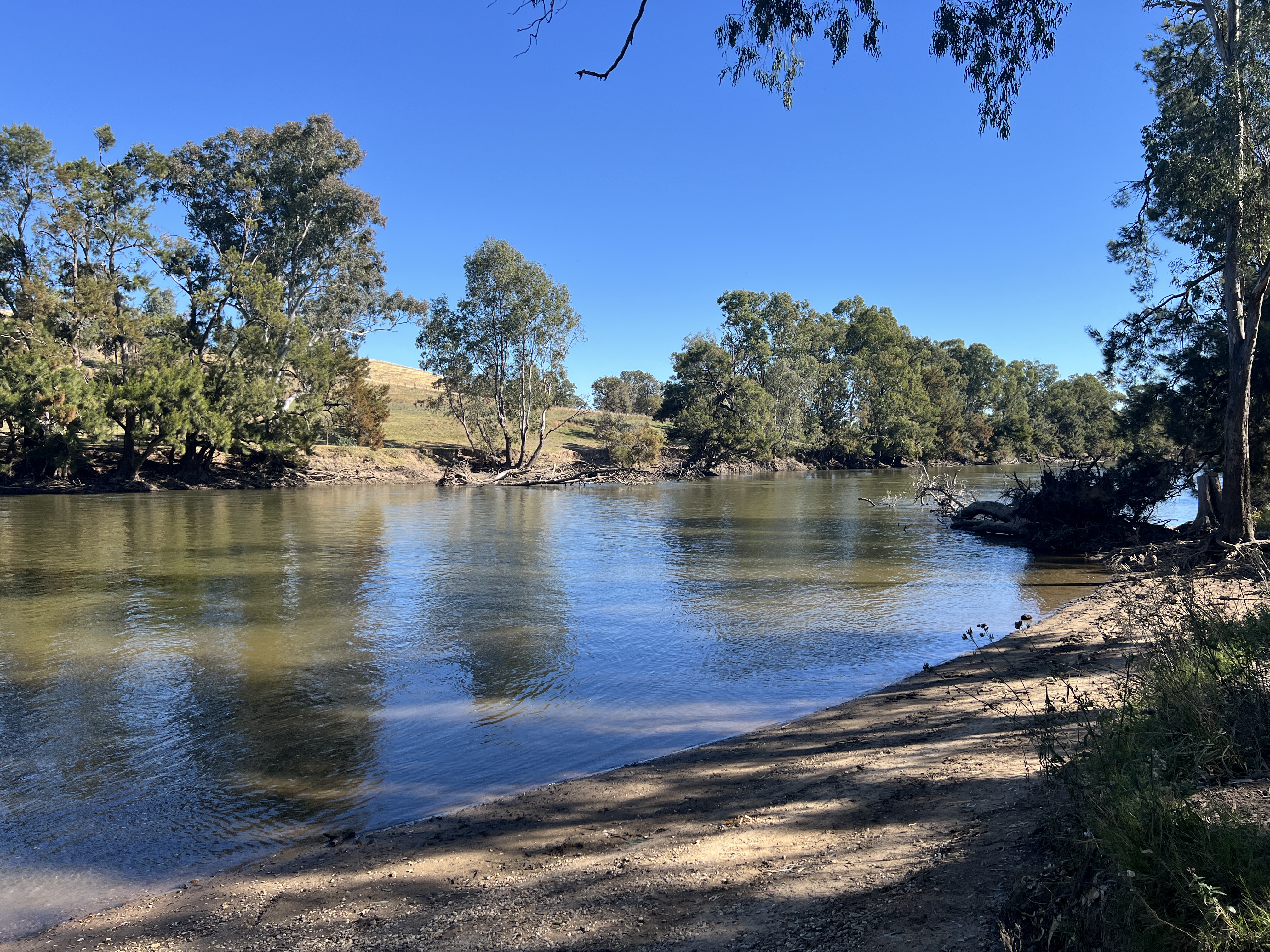
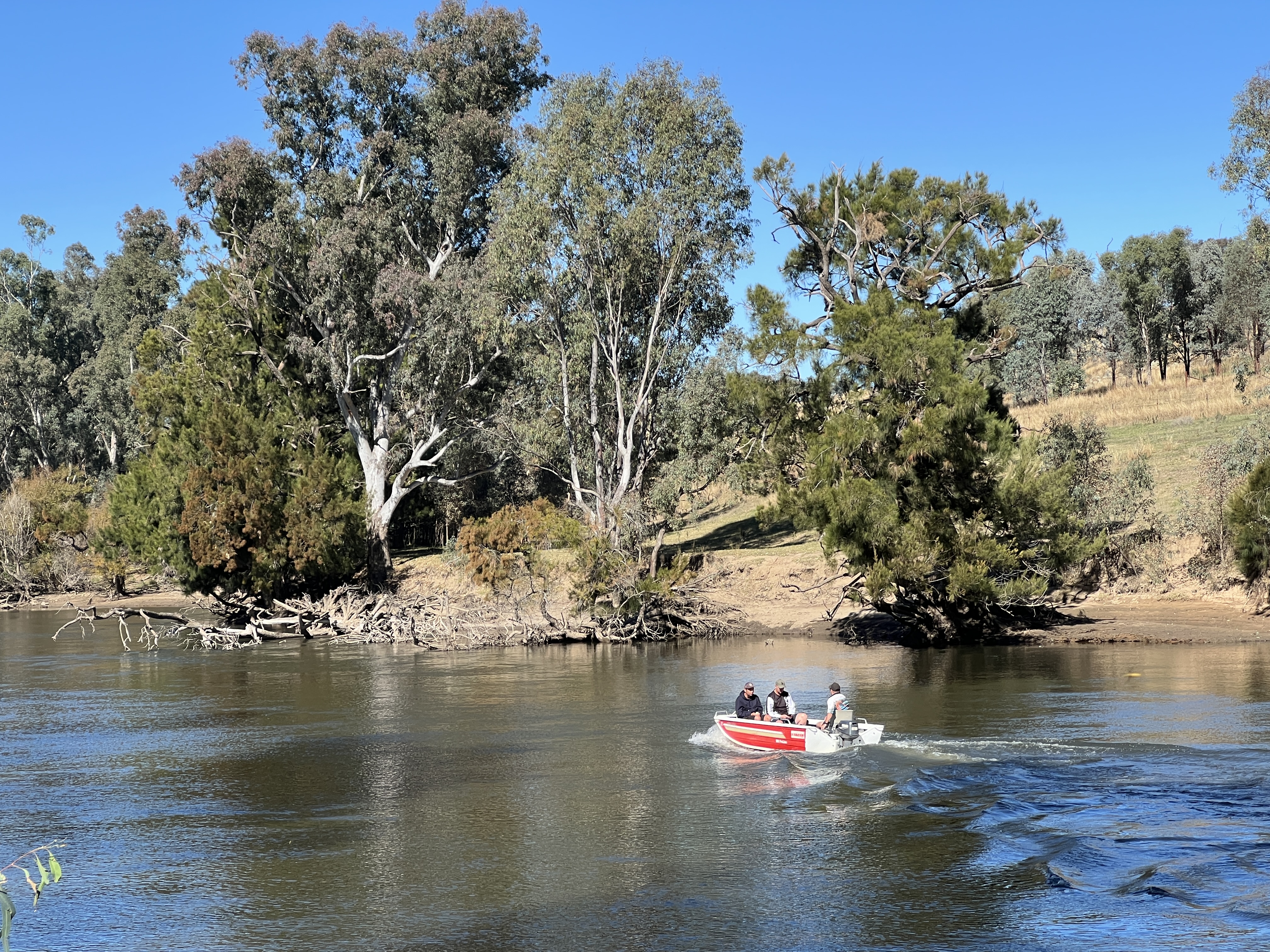
We were tempted but had to move on to Wagga Wagga, arriving for a late lunch at the Big 4. It was located adjacent to some light industrial enterprises near the city CBD. The river was across a grassy paddock for unpowered camping. It was a bit of an urban jungle, but then we are in an urban jungle. Some 60,000 or so people live in the area.

Wagga Wagga, it is suggested that it should be pronounced ‘wagger wagger’ and not ‘woggo woggo’. Others just call it ‘Wagga’. Anyway, it seems to mean in Wiradjuri ‘a place where crows congregate’, although some say this is not right due to miss pronunciation by early European settlers of the words that mean ‘like to dance’ or ‘many dances’, but as Alf says in ‘Home and Away’ ….. “Stone the crows!” ….that will do on this subject for Allthego.
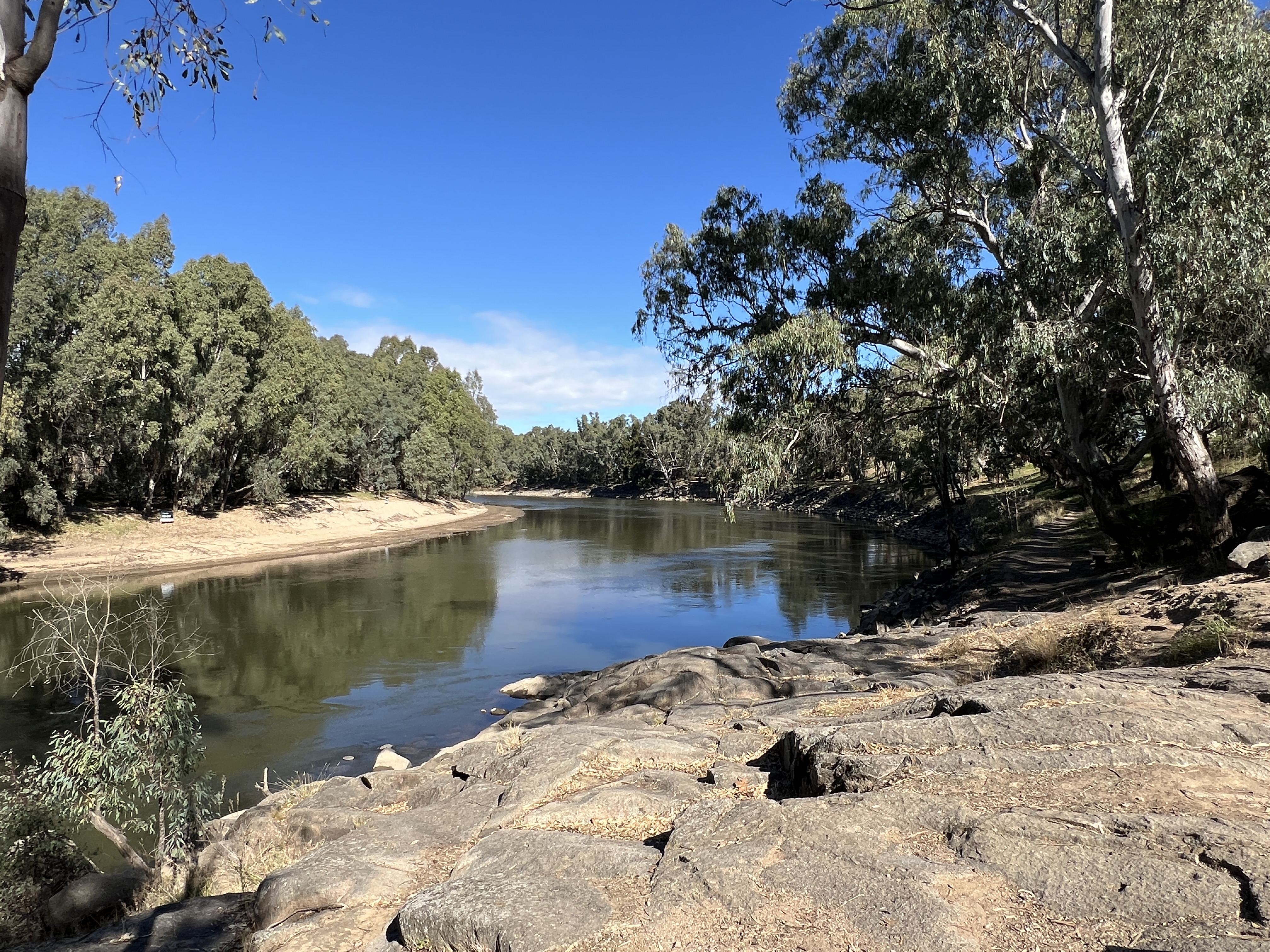
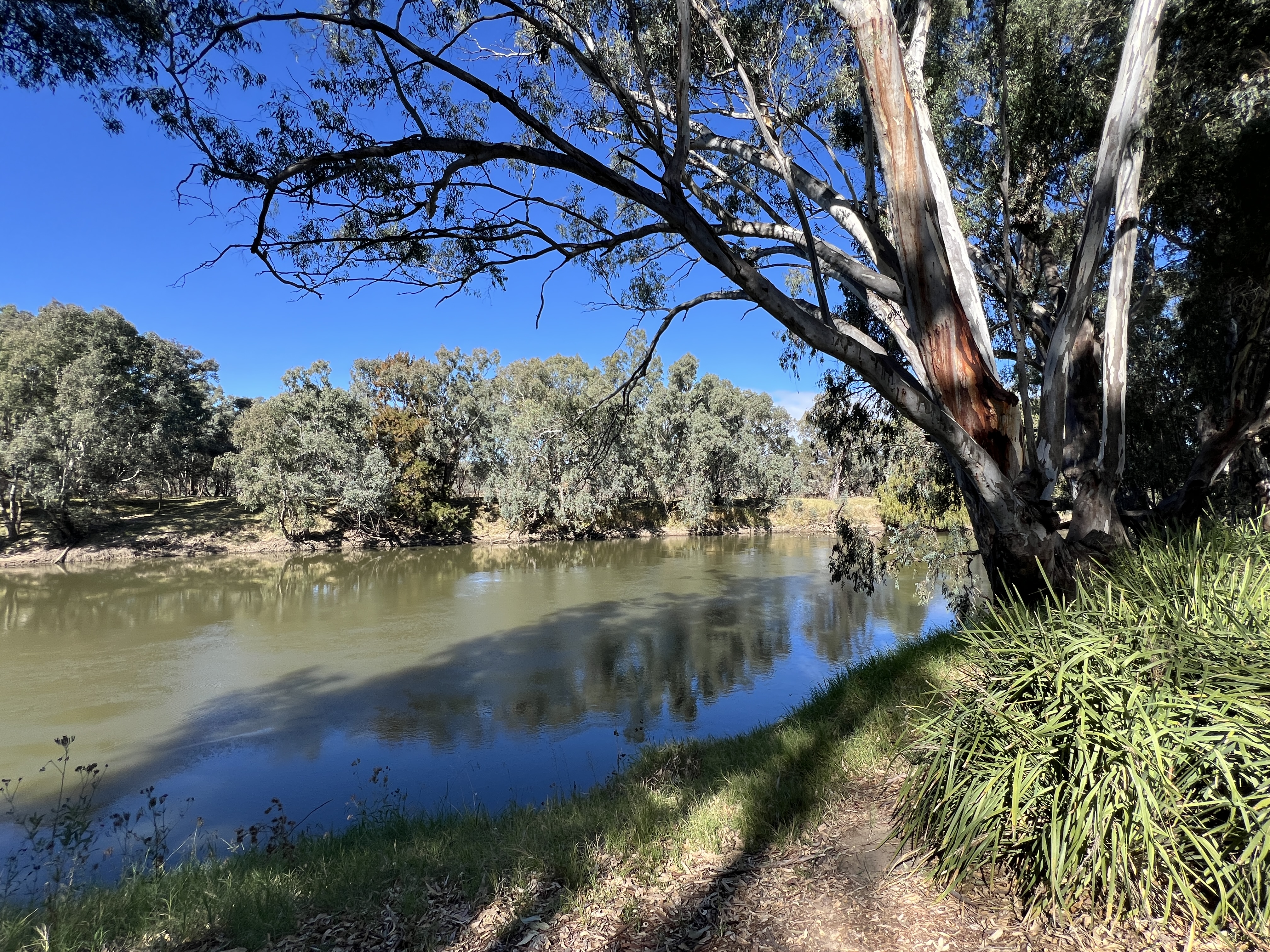
There is a long walk around the city levee bank, goes for 30 km or so. But, Allthego did a short 4 km section of it, some nice river scenes and he bumped into a ‘crowd of crows’ under some gum trees.
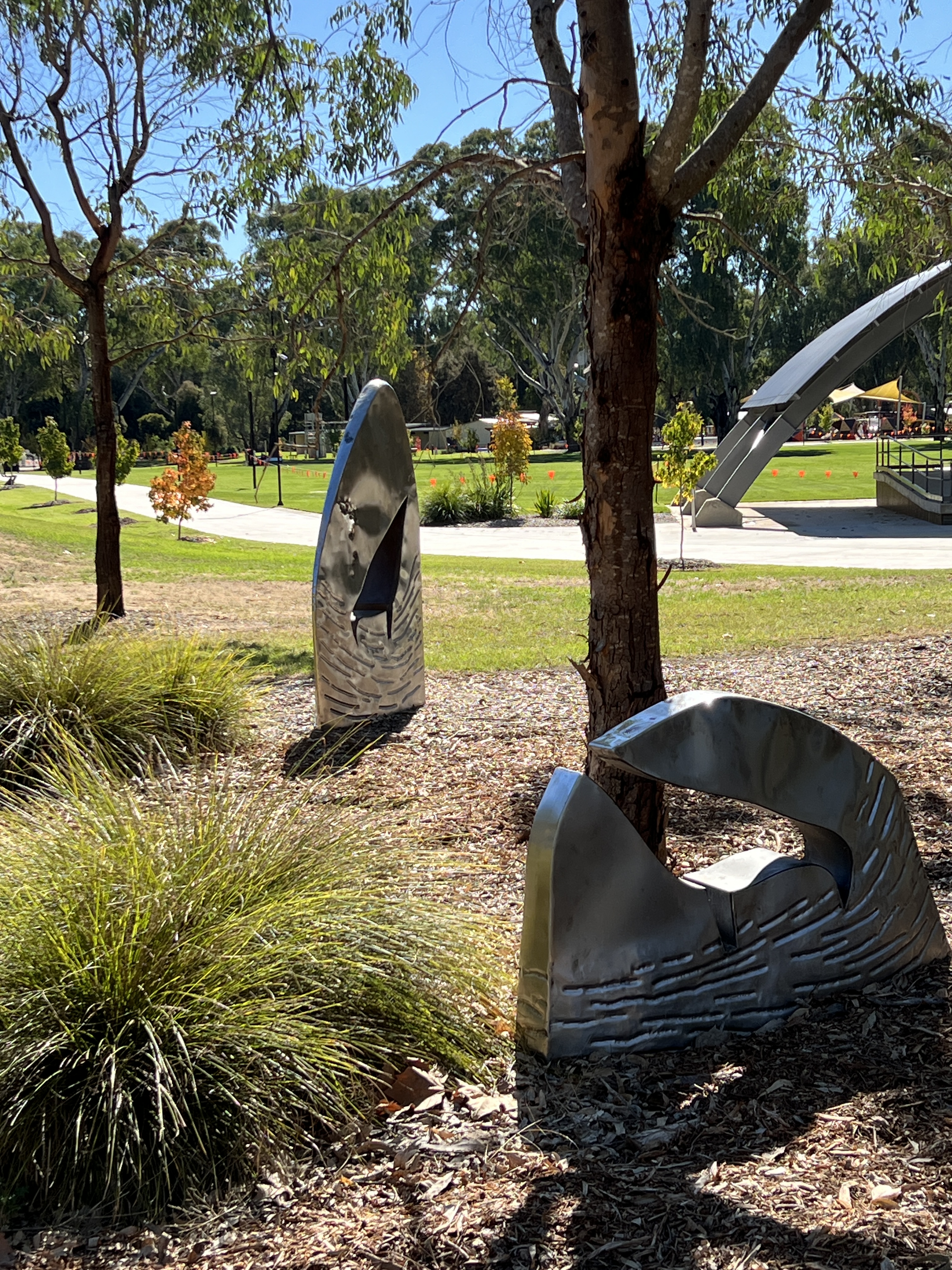
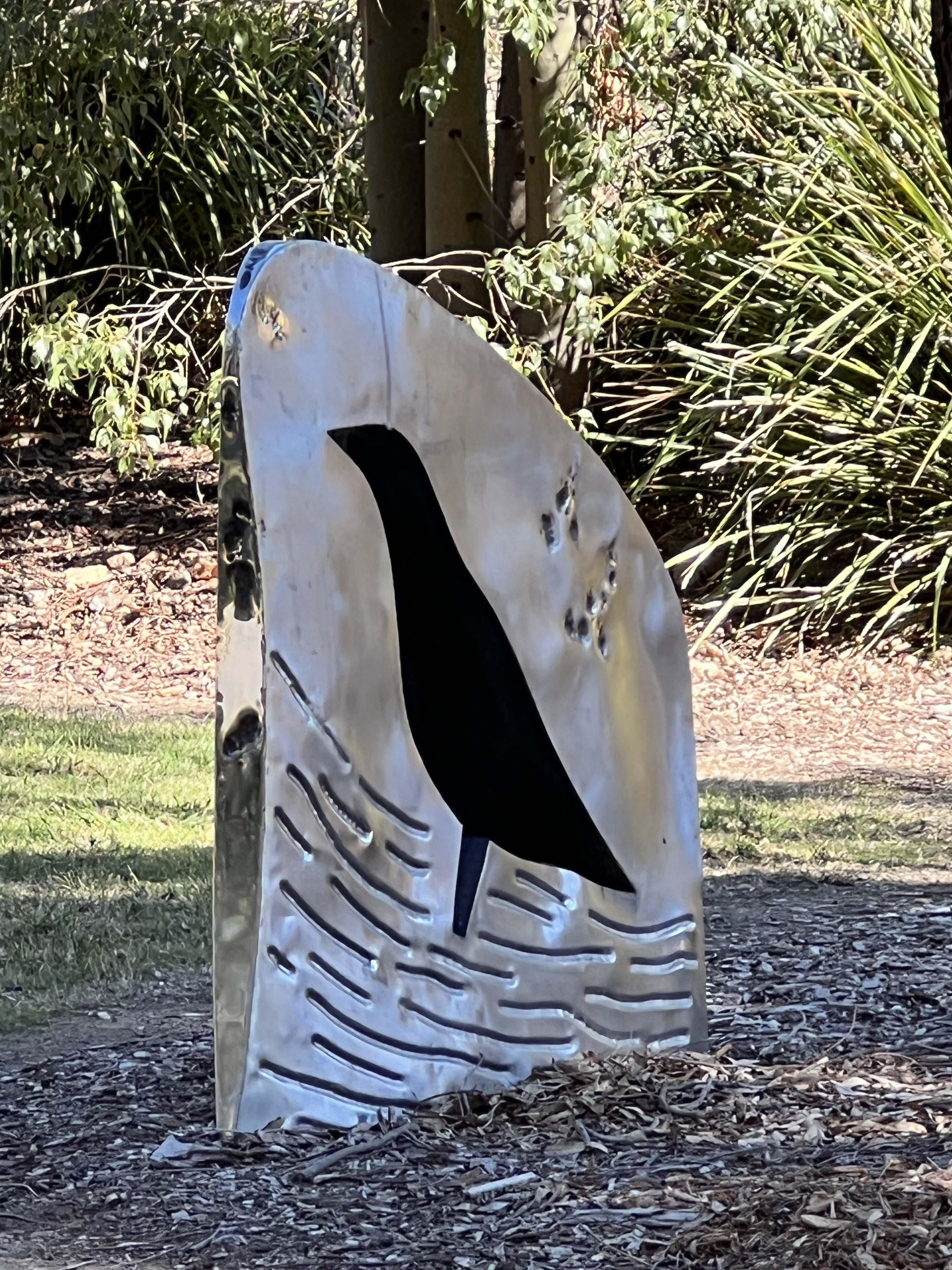
We are nicely set up here for a couple of days looking at the attractions.
Tucker box time
Gundagai is a side hop these days off the Hume Hwy as it trundles its way to Melbourne. It wasn’t like this in the old days. Gundagai was a stop that was almost compulsory. The train from Sydney via Cootamundra pulled up here.
We have made it to Gundagai and the Riverside Camping ground is our home for three nights beside the Murrumbidgee.
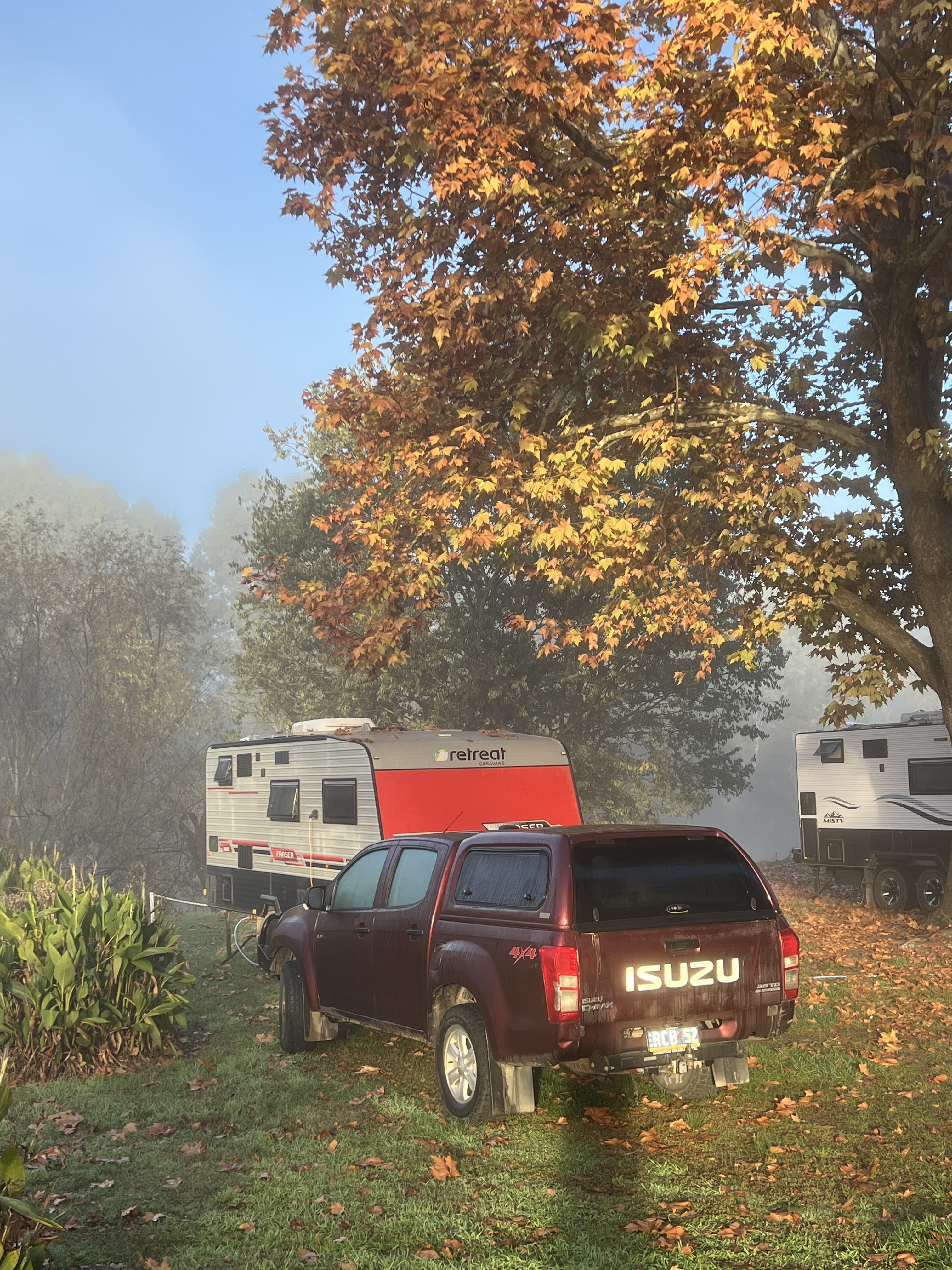
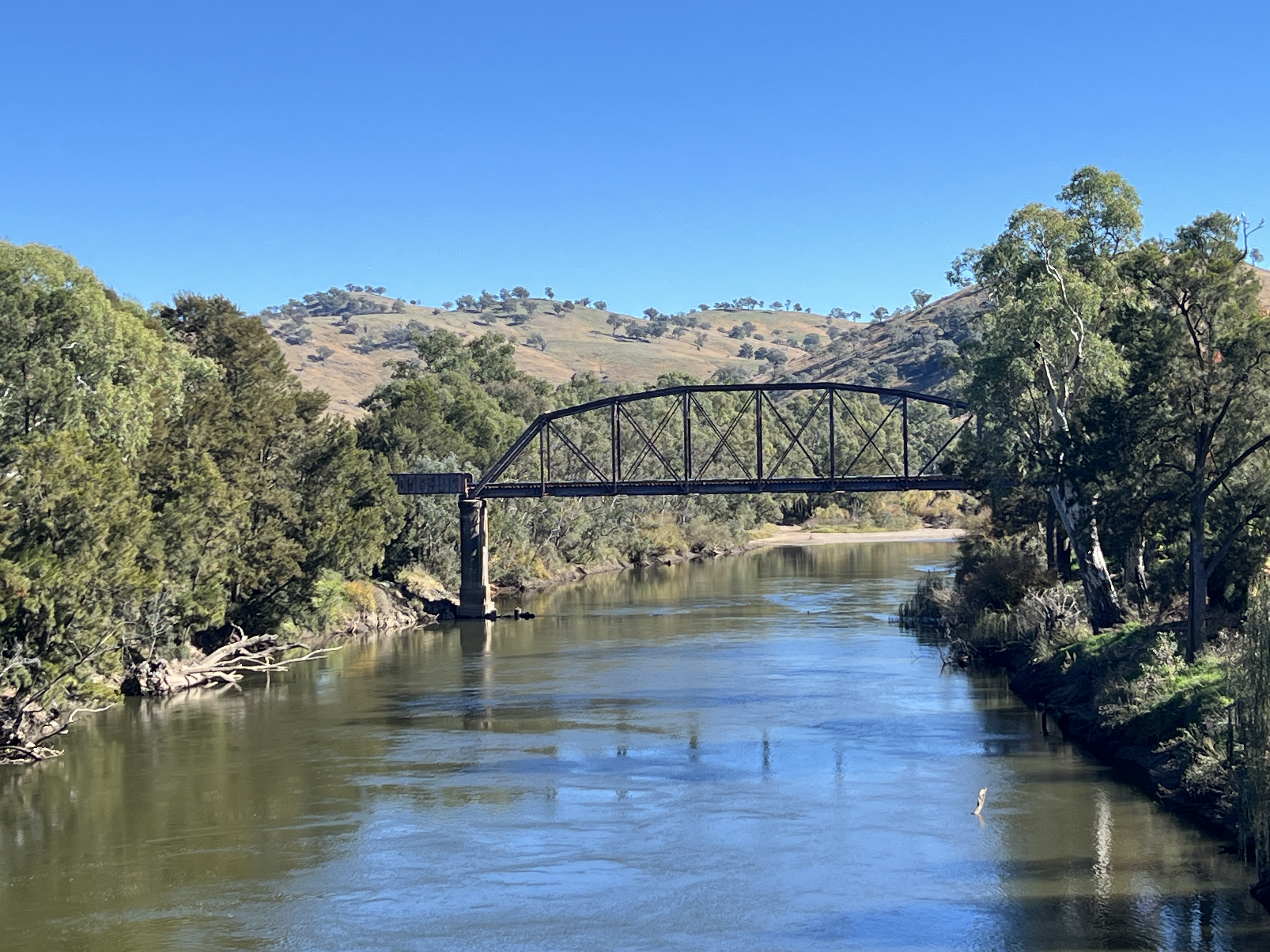
Coming down from Cotter campground, bypassing Yass, we pulled in briefly to Burrinjuck dam. A tortuous narrow road down to the dam with van behind, but we made it ok. The Murrumbidgee was initially partially dammed here in 1909 for irrigation purposes and at that time was the fourth largest dam in the world, the dam was finally completed in 1929.
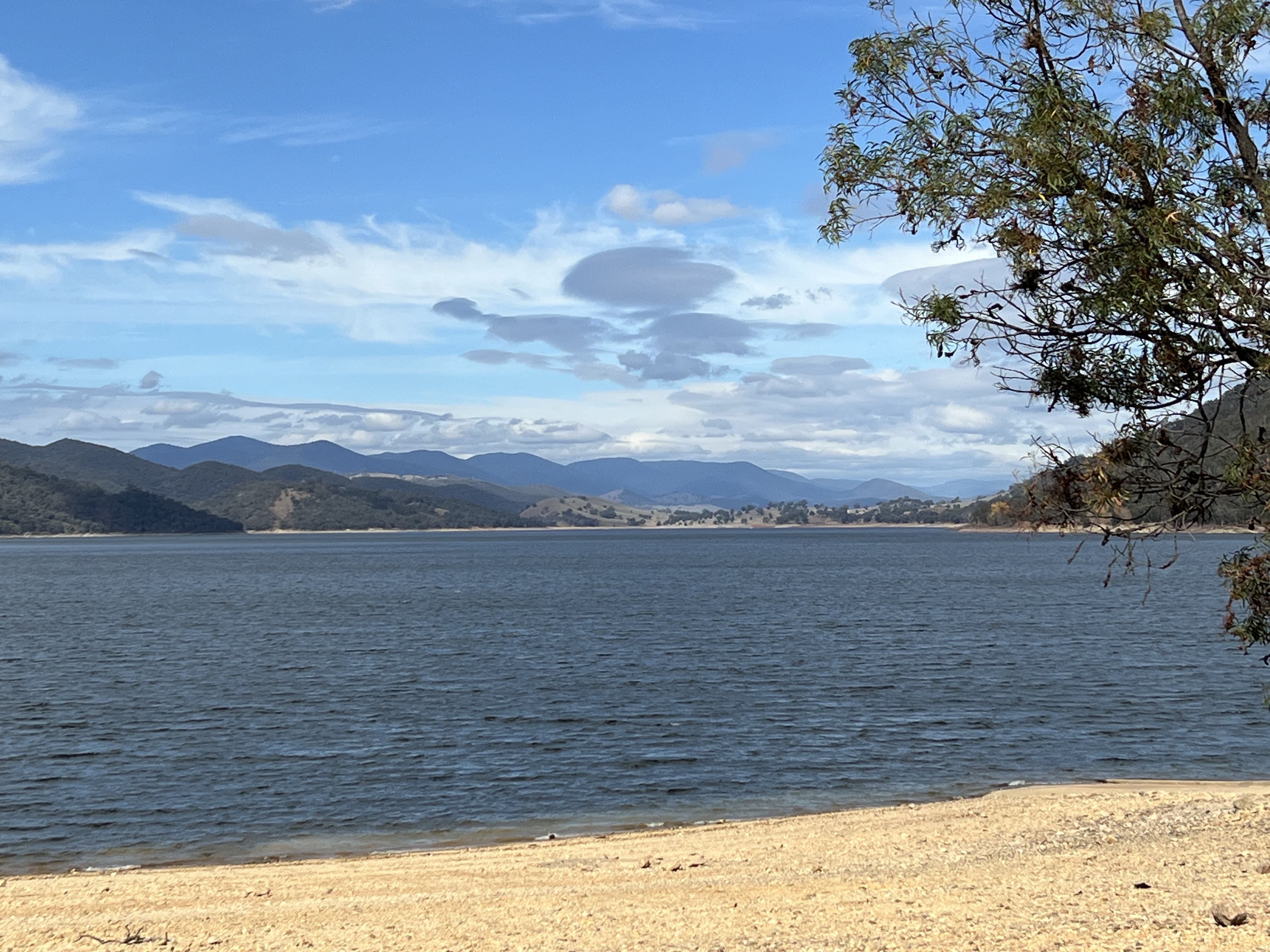
The dam controls the flow of water along the river and the take off into the Murrumbidgee Irrigation Area that we will pass through in coming days.
Jugiong was our next stop, the Murrumbidgee runs nearby. A cattle show was in full swing on the Showgrounds. Big black beasts obediently lined up in rows awaiting instructions!
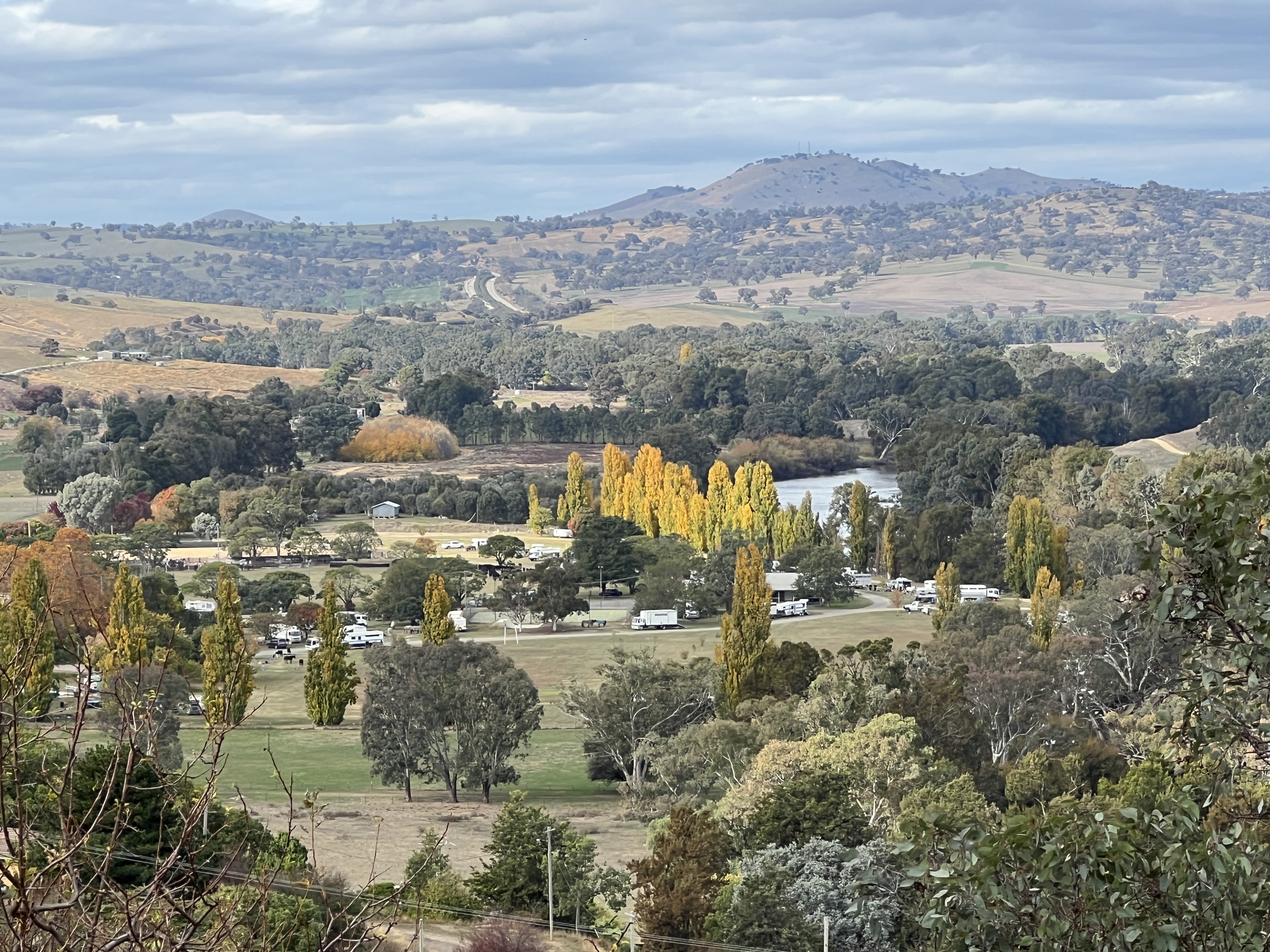
Great views from the lookout over the valley. Jugiong is currently a trendy spot to stop at, rejuvenated pub and produce sales. It is here that bushranger Ben Hall shot a policeman, later hung and buried in Forbes.
Five miles from Gundagai we just have to pull into the Dog on the Tucker Box memorial. Everyone knows this famous spot beside the Hume Highway, a special pull in lane is even provided for those eager for a look.
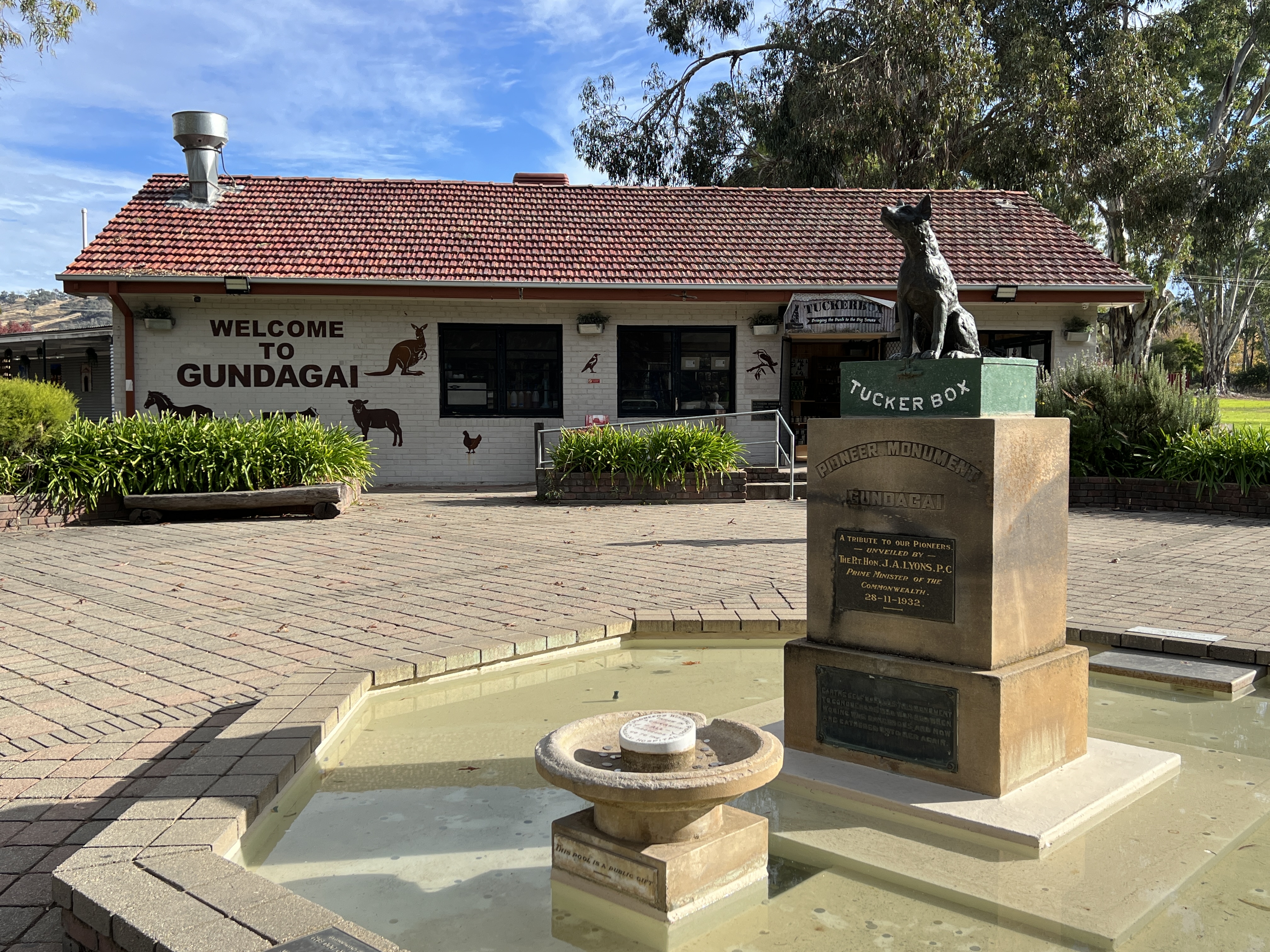
One version of the famous poem speaks of being 5 miles from Gundagai, whereas another says 9 miles. Political correctness has also replaced ‘bastard’ in the poem with ‘beggar’. Such was the significance of the occasion that the memorial was unveiled in 1932 by the then Prime Minister.

There were apparently two locations considered for it, one nine and the other five miles from Gundagai and both on creeks. Five won out and it’s been there now for nearly a hundred years. Explains the two versions.
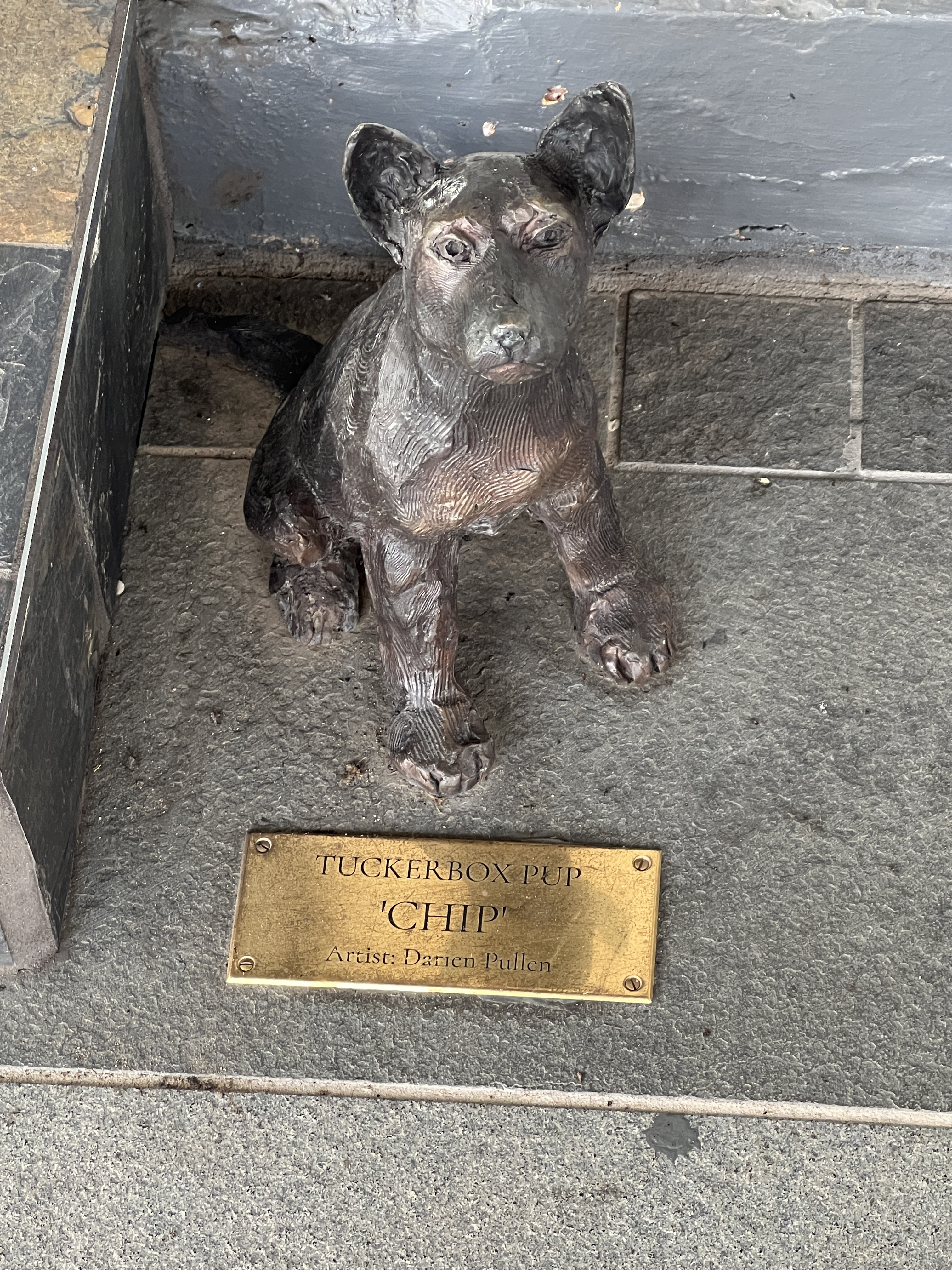
During the COVID pandemic the Dog did not have many onlookers and roamed into town. As a result there are now three puppies on the footpath: one outside the butcher named ‘Snags’, another named ‘Chip’ outside the Family Hotel and the other name we have forgotten (but will have it somewhere).
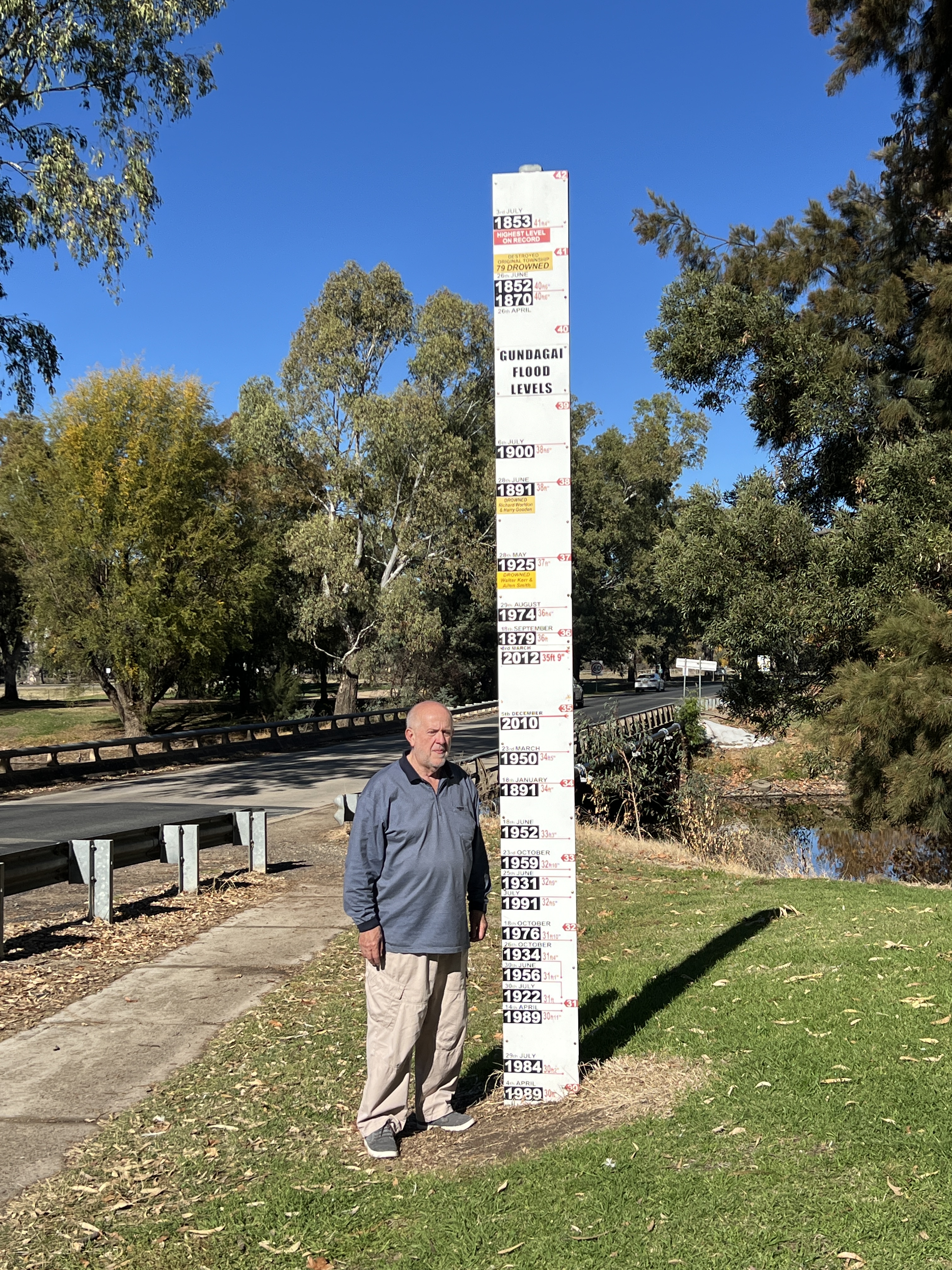
We had an interesting couple of days in Gundagai. The town was wiped out by a major flood in 1852 and later rebuilt on higher ground off the flood plain. Many lives were lost and buildings destroyed in the flood waters.
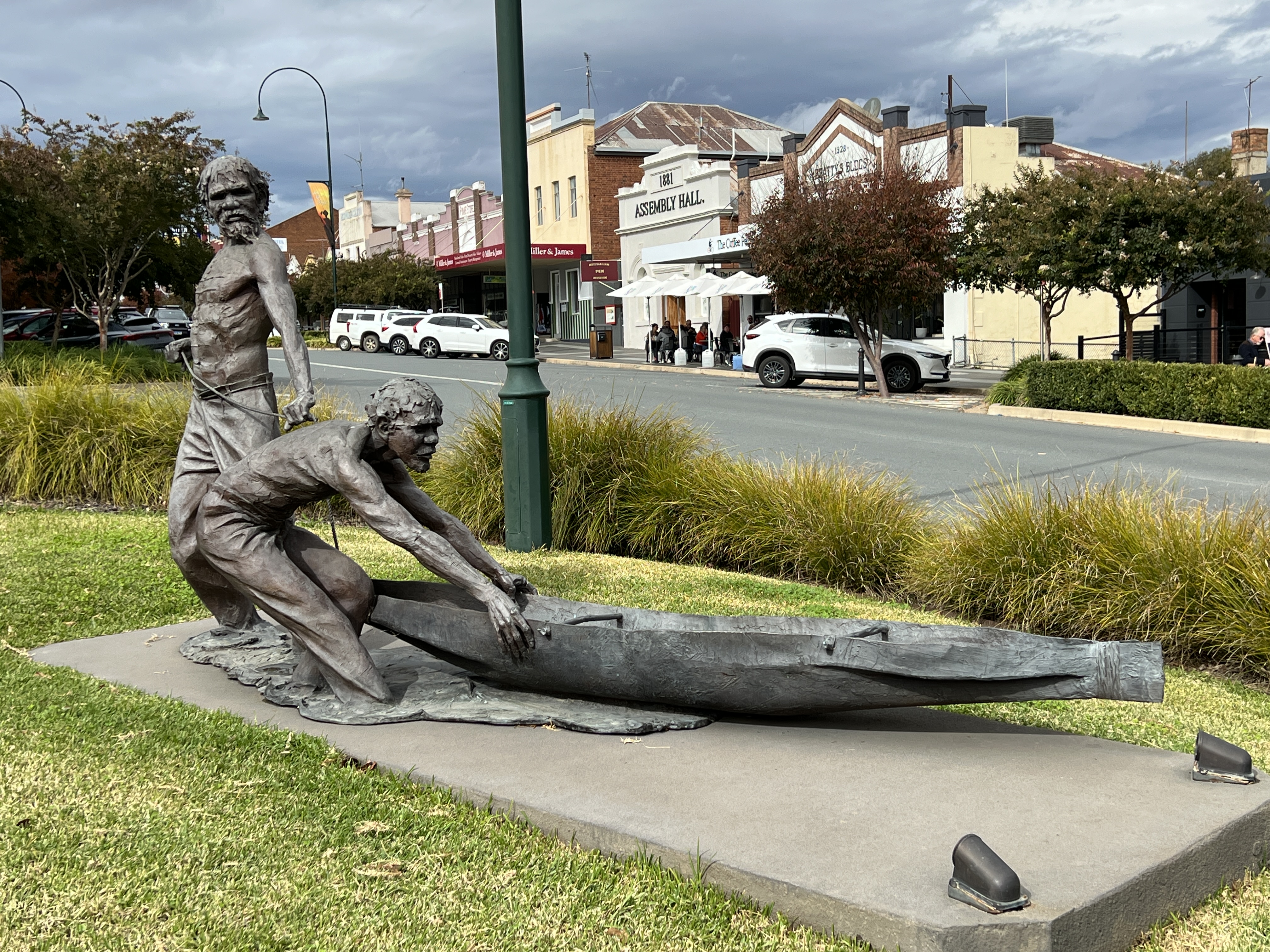
Two indigenous Wiradjuri men, Yarra and Jacky Jacky played significant roles in rescuing townsfolk. Their efforts saved 69 townsfolk. The town has a memorial to them on the footpath as well mentions on other plaques in the town.
The Criterion Hotel where we had lunch also has murals commemorating the flood as well as the bush rangers that roamed the District.

One of these was Captain Moonlight, whose story is told in the old gaol. He was captured in 1879 after the Wantabadgery station holdup and hung in Sydney in 1880, in 1995 his body was exhumed and what remained reburied here in the cemetery. Nice spot under a tree gazing out over the cemetery.
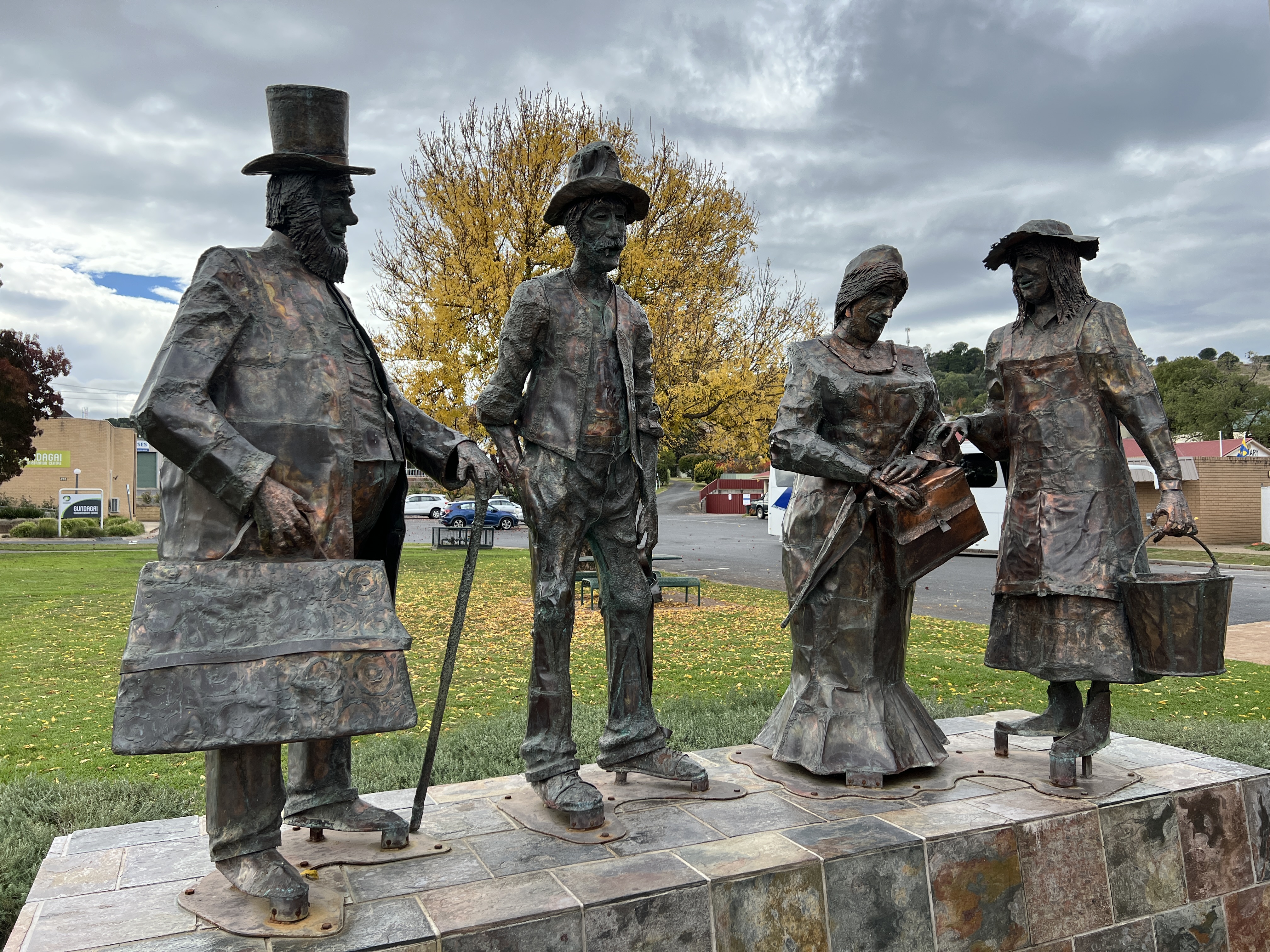
Time to leave the gang from Snake Gully and head for Wagga Wagga, on a back road via Wantabadgery.
Pathway for Bosses
We have left Namadgi and are headed towards the top of the Murrumbidgee Corridor at Cotter Campground. Here the Cotter River has been dammed, the Cotter is a tributary of the Murrumbidgee. Most of the water supply for Canberra and Queanbeyan is from the Cotter Dam and much of that water falls from the sky into the area protected by Namadgi NP.
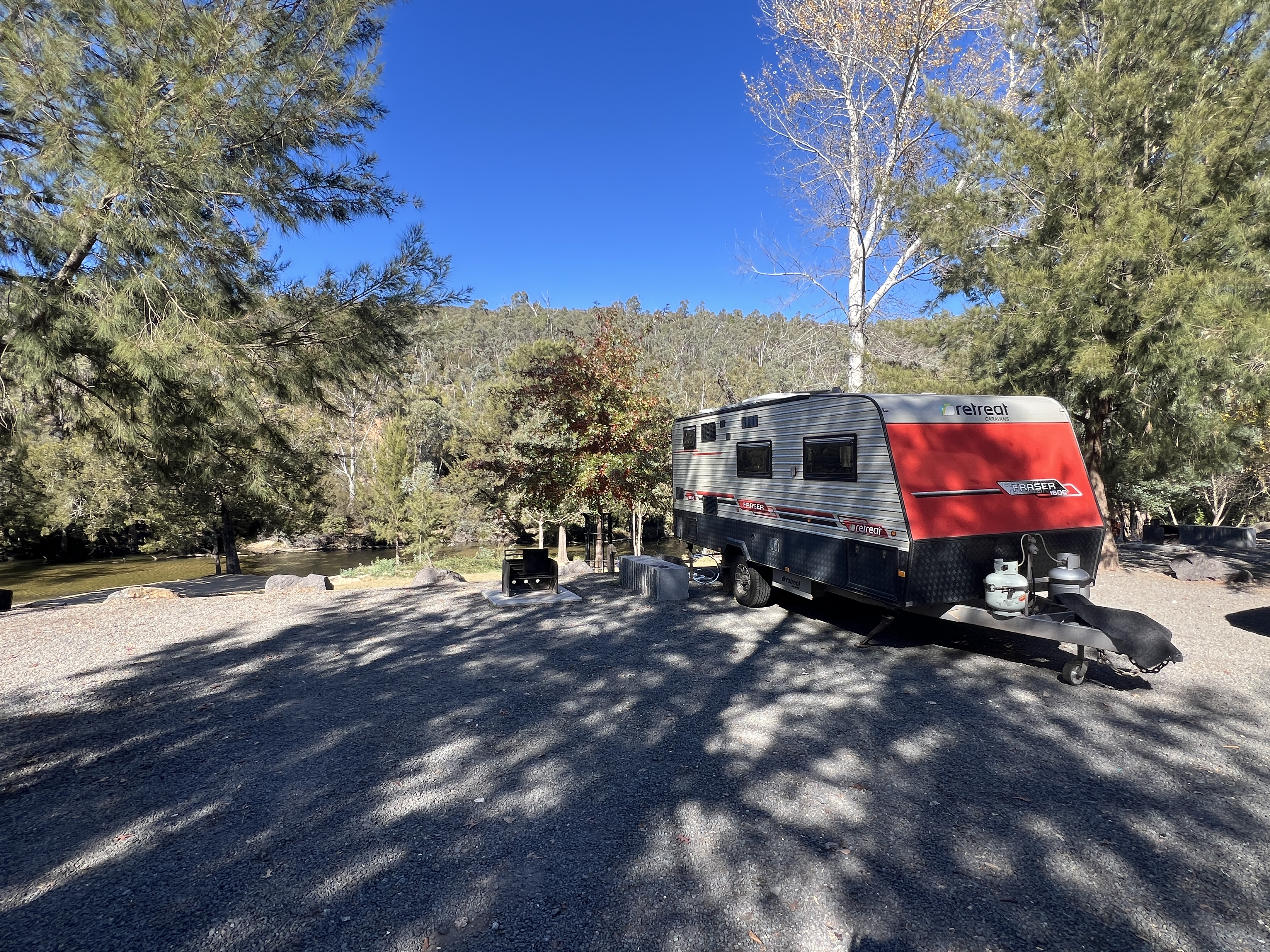
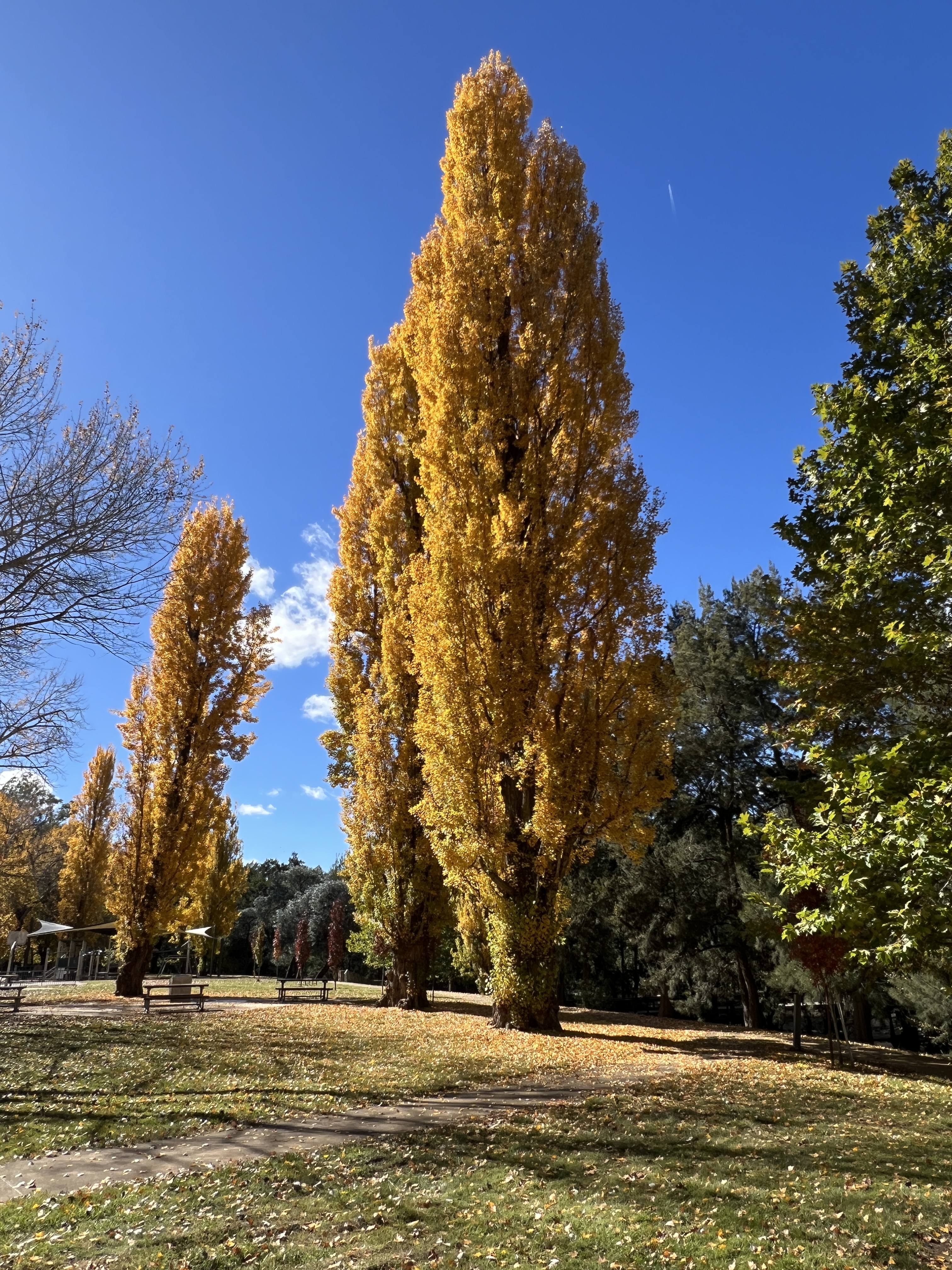
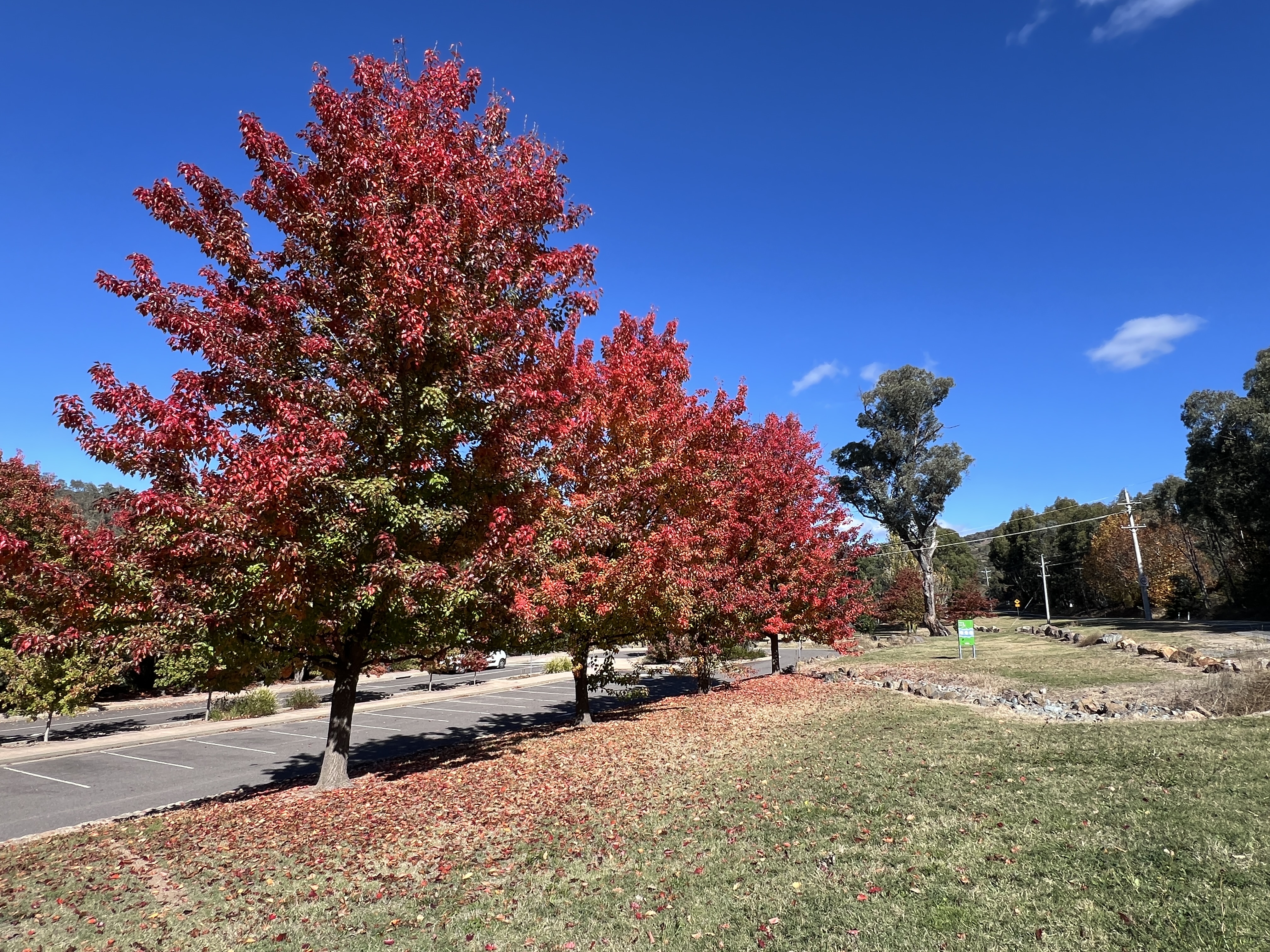
From Namadgi our route took us back through Tharwa and then along beside Paddys River to the Cotter campground. A great spot perched overlooking the Cotter River, below the out of sight dam wall, no power but water to the van which was a bonus.
About 200 metres downstream from the campground the Cotter junctions with the Murrumbidgee. It is a quiet peaceful place, the water quite shallow tumbling over its rocky base.
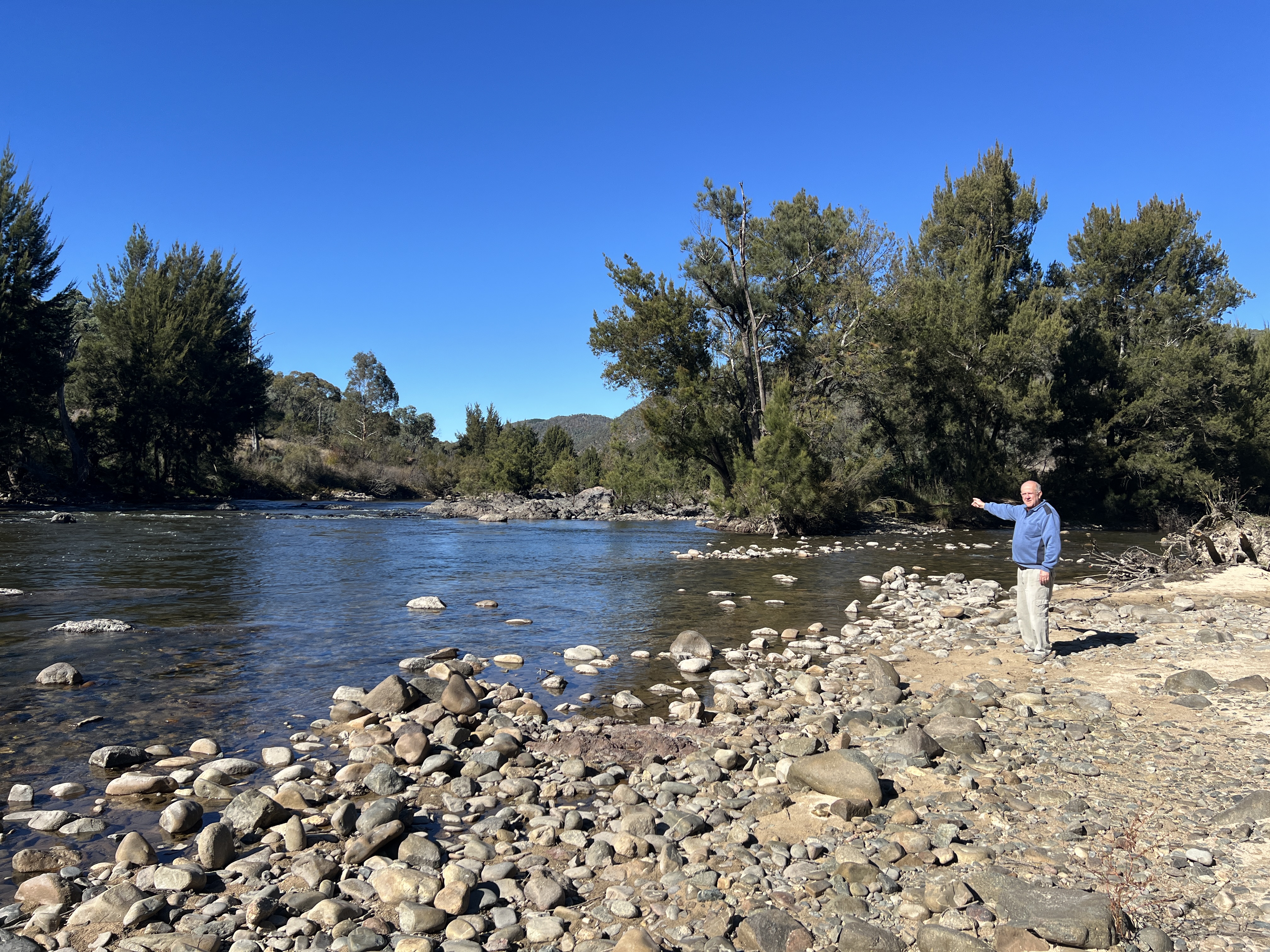
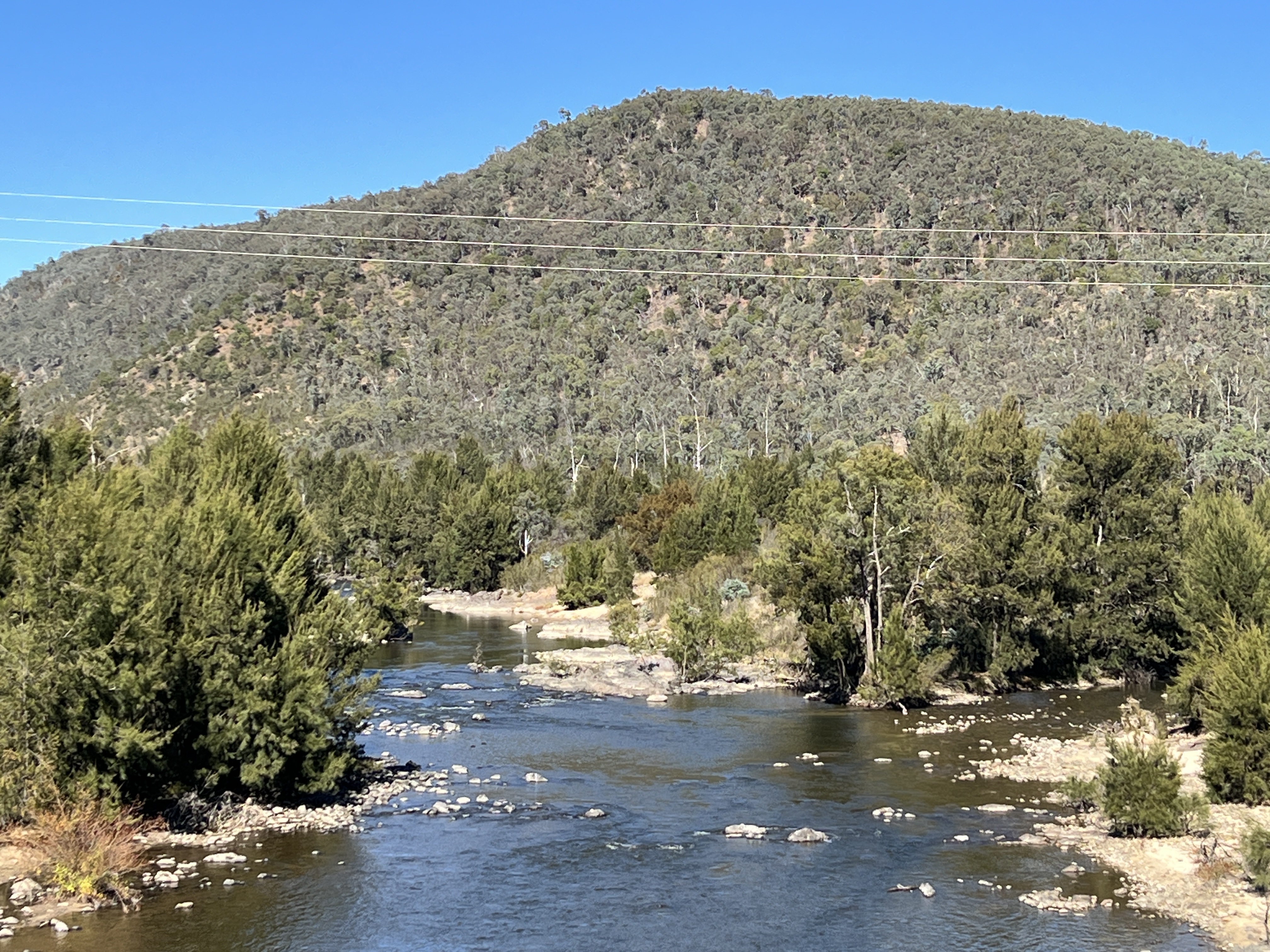
The areas we have been in for the last week or so are the traditional lands of the Ngunawal people, they have been in these parts a lot longer than us lot of European heritage. It seems the tribal leaders would follow the Murrumbidgee as high as they could go, and the further they went the more responsibility they had as individuals. Upon reaching Namadgi they would be initiated, and learn about their law and connection to community. ‘Murrumbidgee’ for them meant ‘pathway for bosses’. ‘Murrum’ meaning ‘pathway’ and ‘bidgee’ meaning ‘boss’.
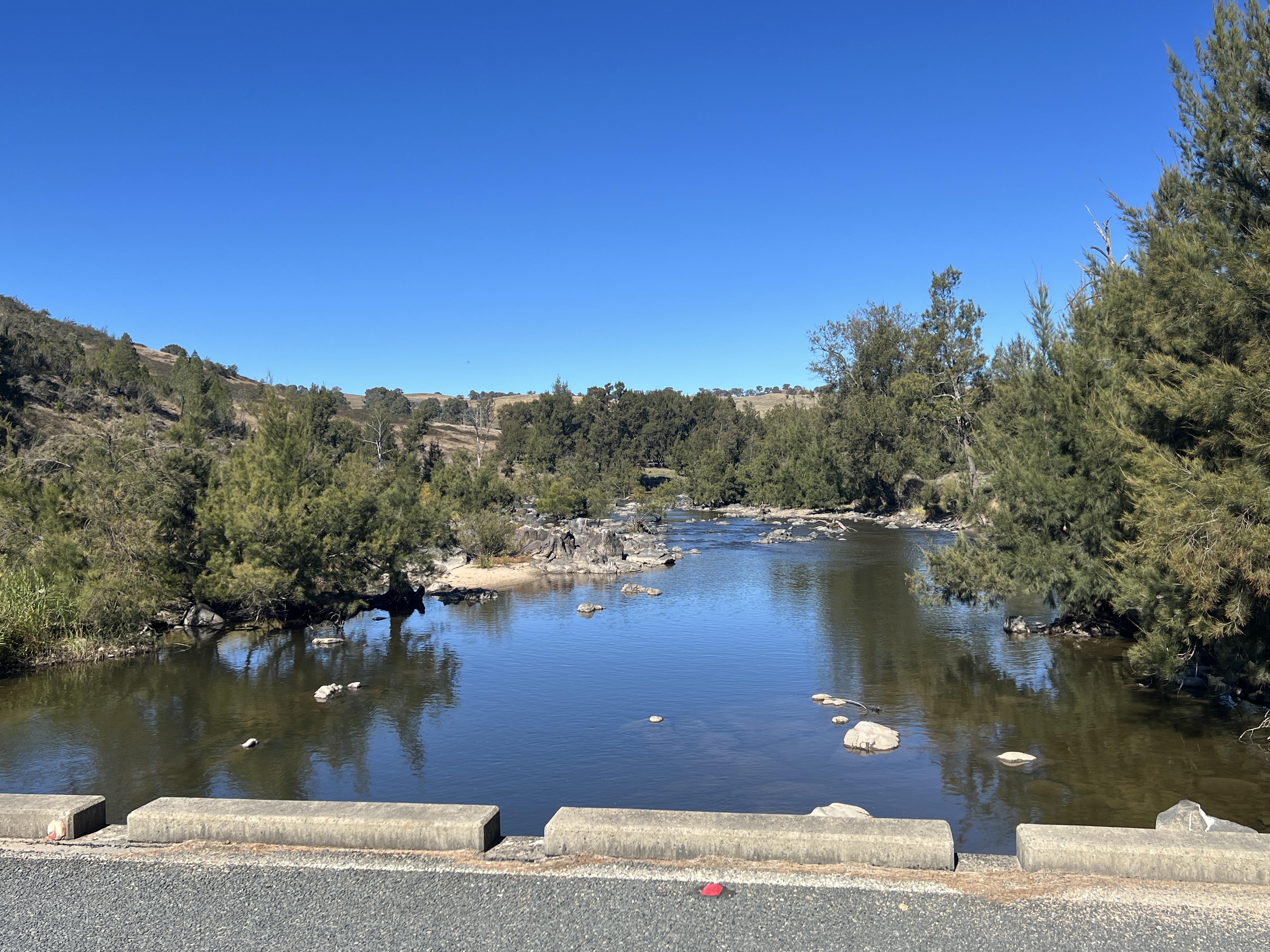
Allthego is growing in thinking about our indigenous peoples. It is not an easy subject. In a simple way one can say ‘ hey you know these guys were here for thousands of years before us’ show some respect! And so we should. They didn’t leave marks on the land like Europeans did but nonetheless they occupied it and cared for it. Part of their soul! Seems a little preposterous for us to put our national capital and Lake Burley Griffin in the middle of whatever that had. However, we had a nice lunch overlooking said Lake Burley Griffin and the water spout.
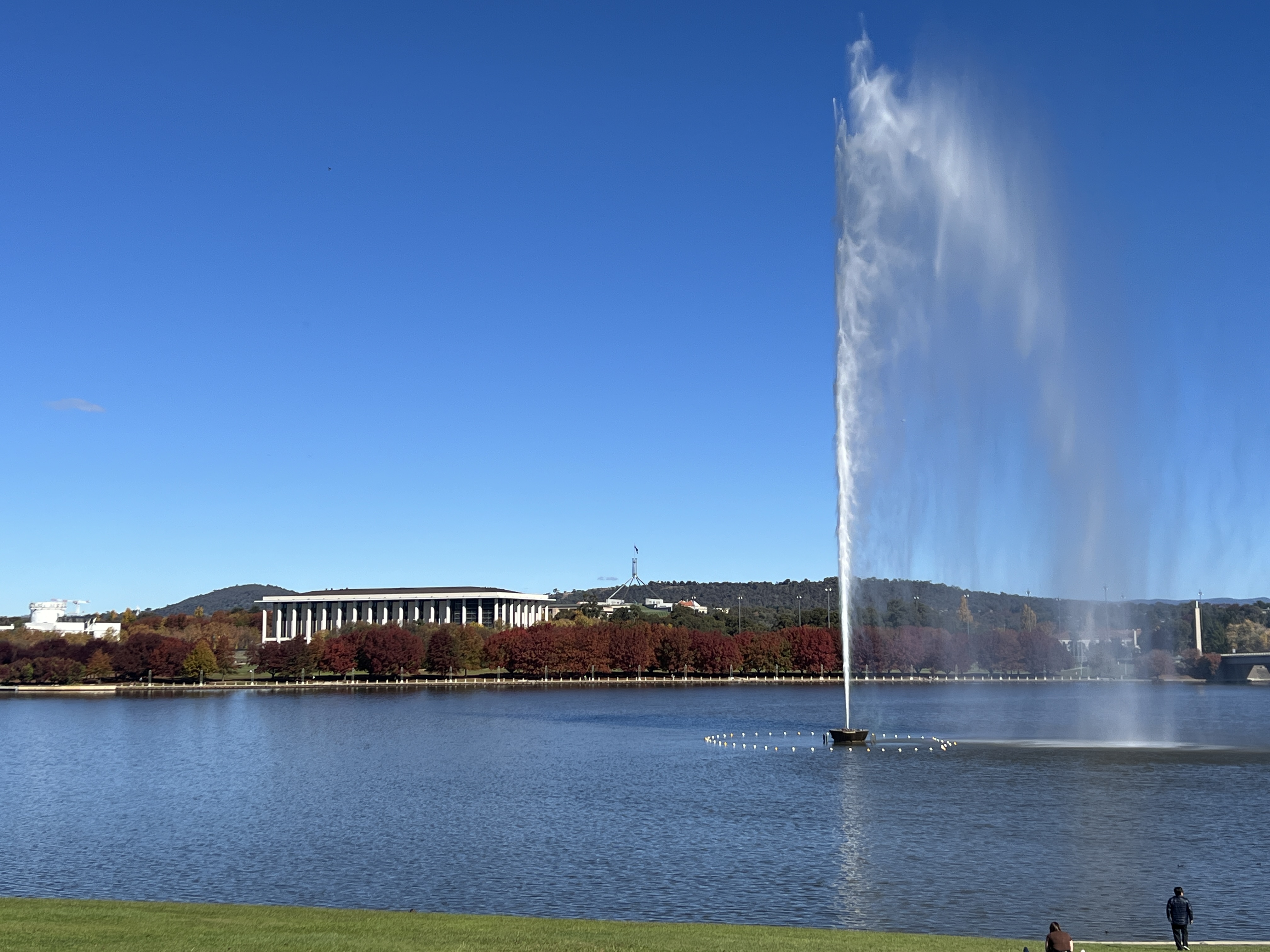
Homealone has some siblings who are occupying these parts, sister Cheryle and brother Stuart. So we dodged a night at Cotter campground and stayed with Cheryle and Peter and family for the night, leaving the van in darkness. Fun night with relos, thankfully most are Eels supporters.
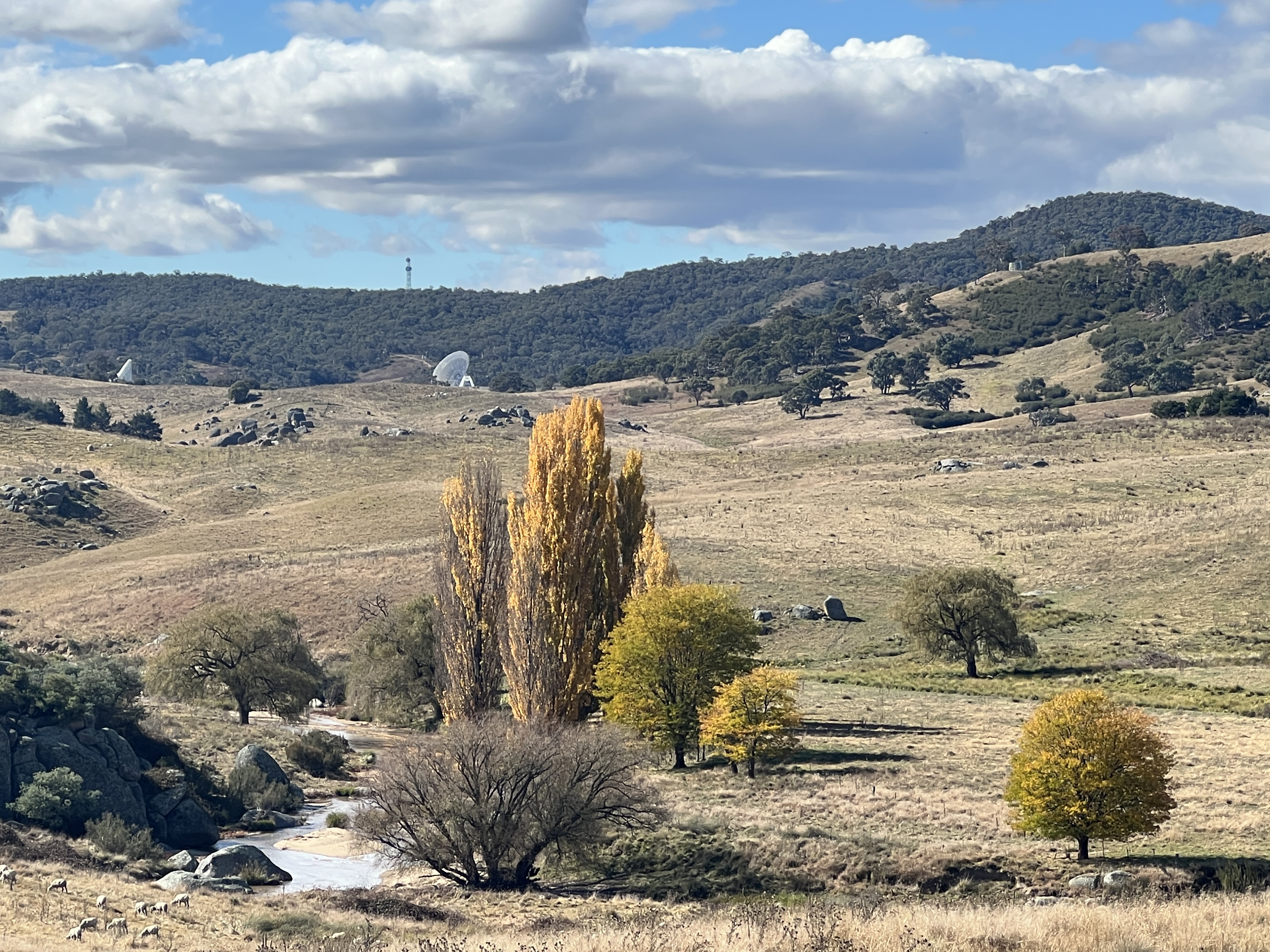
Did a little tour back down Paddys River road to check out the Tintanbilla Tracking Station. This is our current contribution to the NASA deep space program. There is a 70 metre dish here that keeps an ear on deep space and anyone in Brisbane probably. It is the largest in the southern hemisphere, another is in Spain and another in the USA.
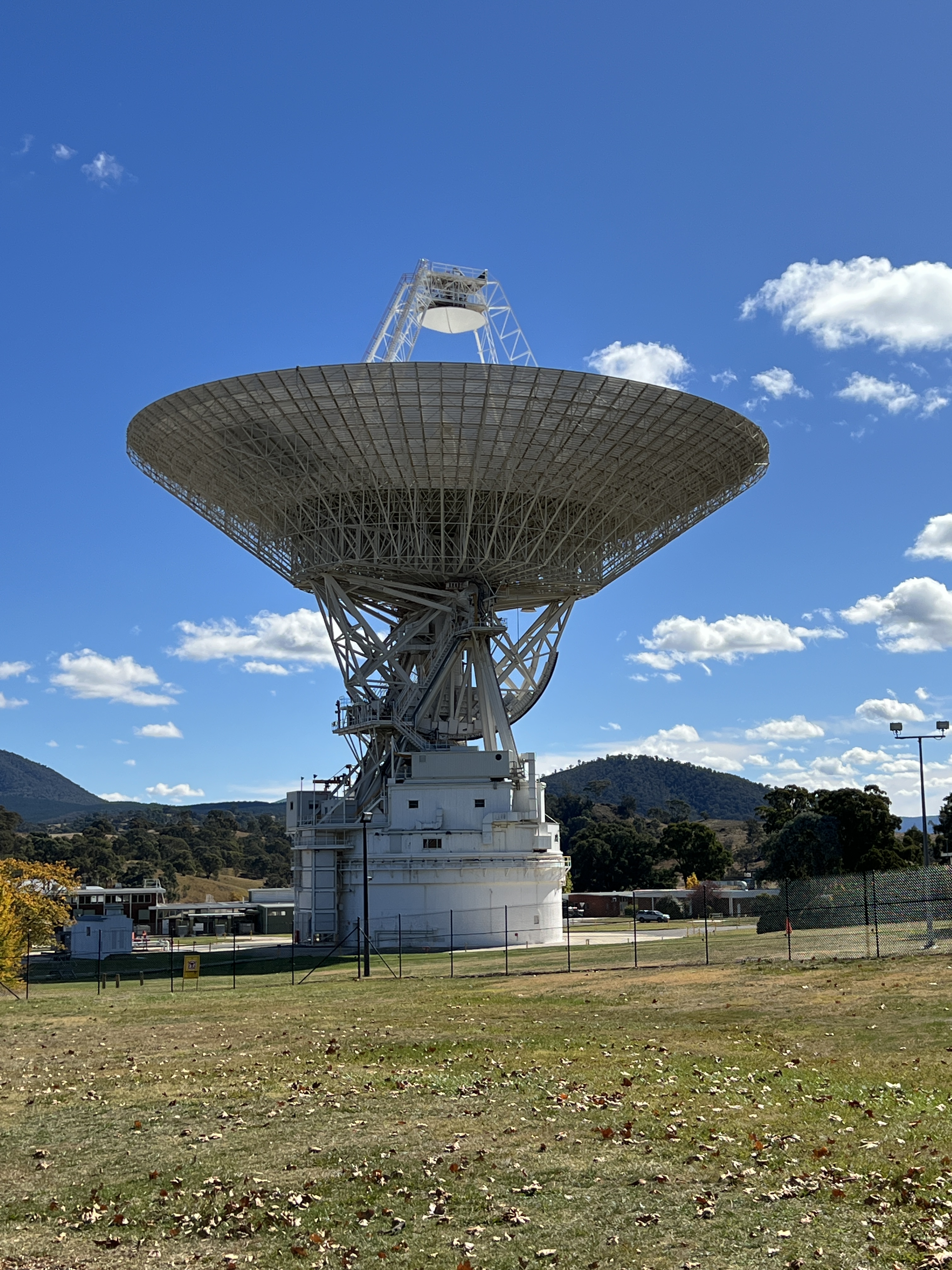
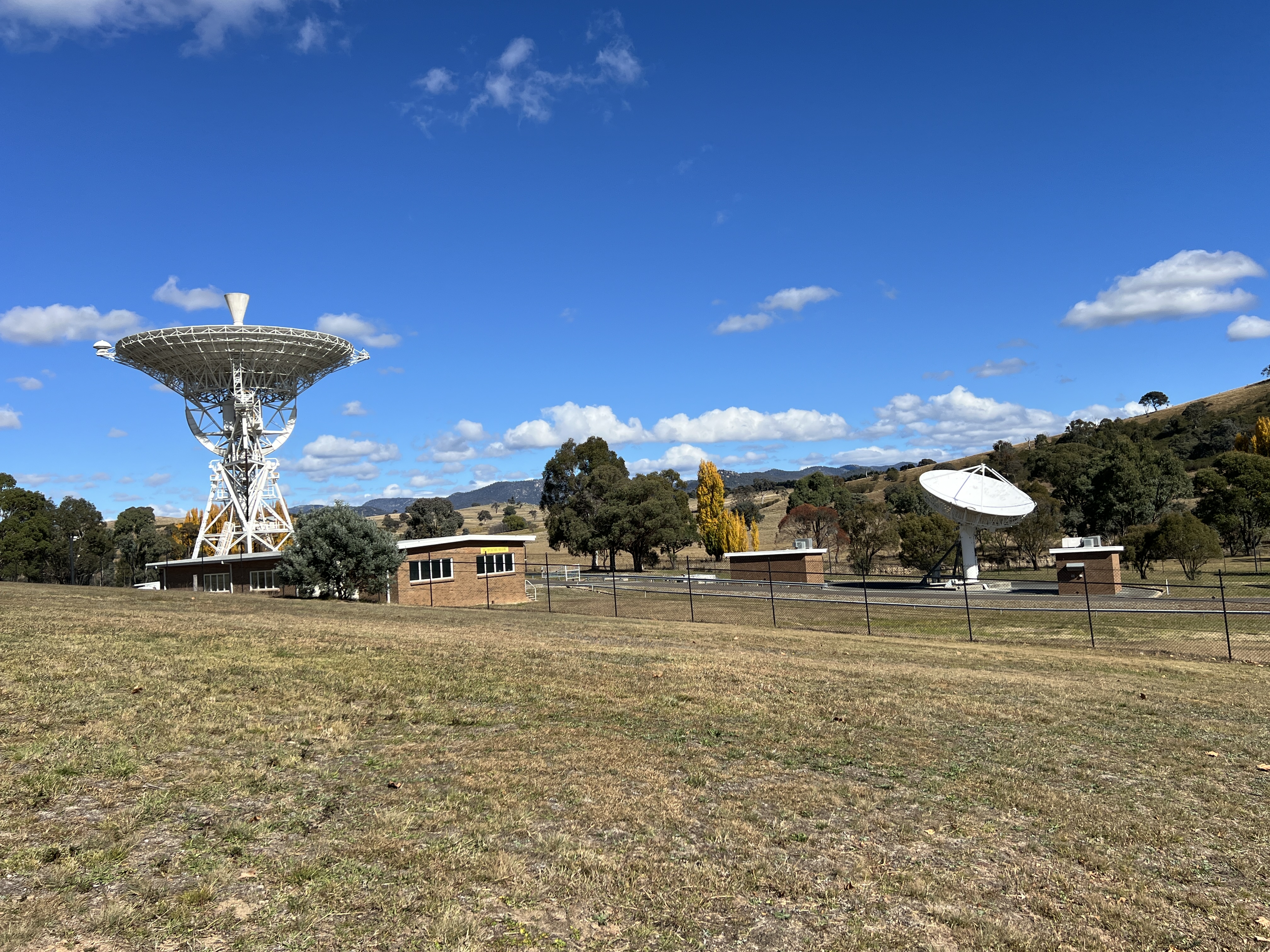
Some readers may recall the Voyager 1 and 2 launches. They had that genetic symbol of humanity on them. Anyway the Voyagers have now exited our solar system and are in inter stellar space. But our tracking station here has a role in keeping in contact with them. A very faint but continuing signal is recorded here, and they ask us to turn off our phones so as not to disturb anything. Makes one feel very small!
So Allthego is taking the hint and turning off this post before he gets to Gundagai!
Namadgi National Park
The Monaro Hwy continues to parallel the Murrumbidgee River away to the west, north of Bredbo, as we make our way to the Park, about 100km on the bitumen. There is a short cut across country but we missed the turnoff. We did this section a couple of days later without the van, lucky as it was pretty rough.
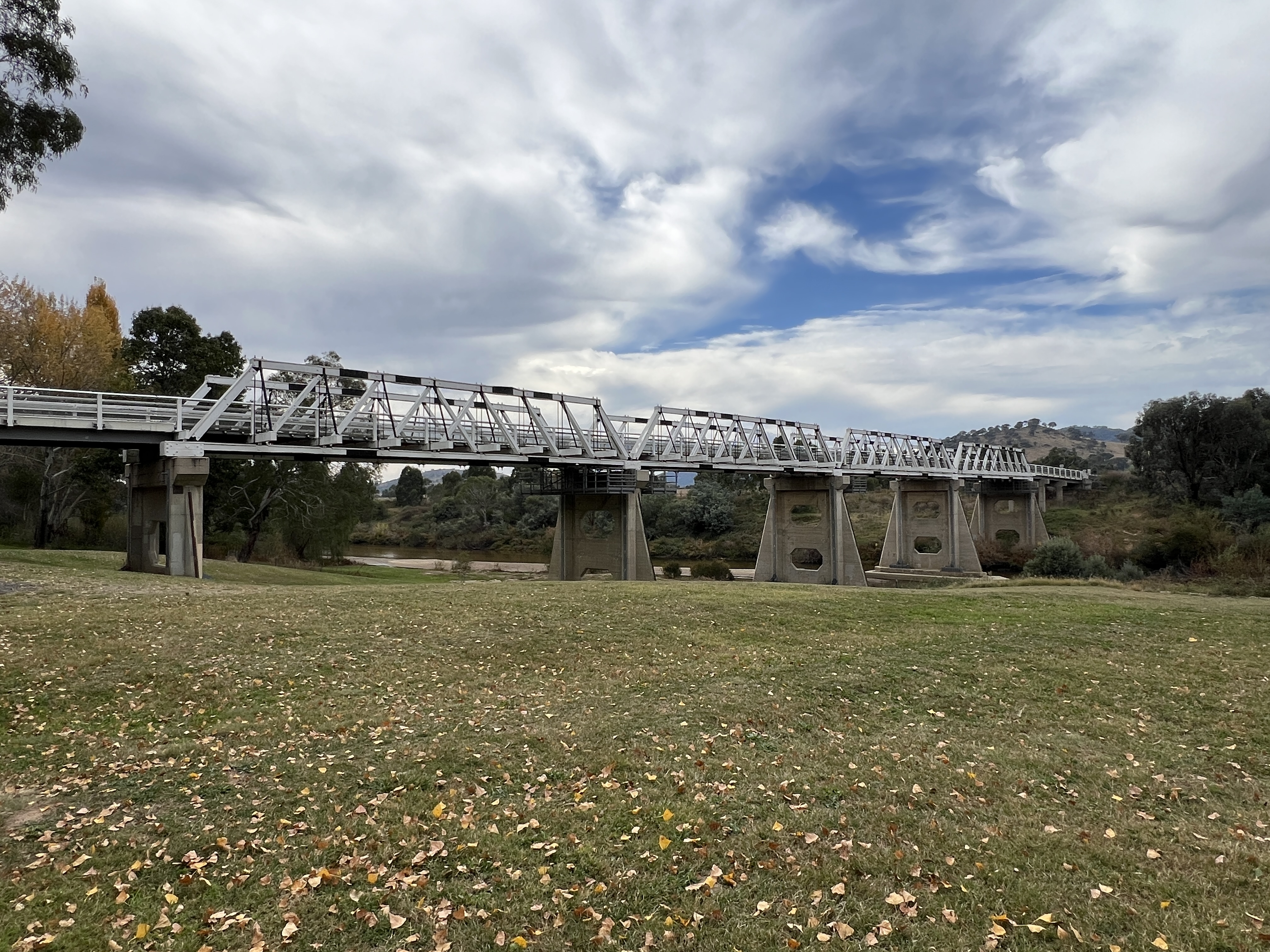
We crossed the Murrumbidgee again at Tharwa on the way to the Park. Impressive bridge here.
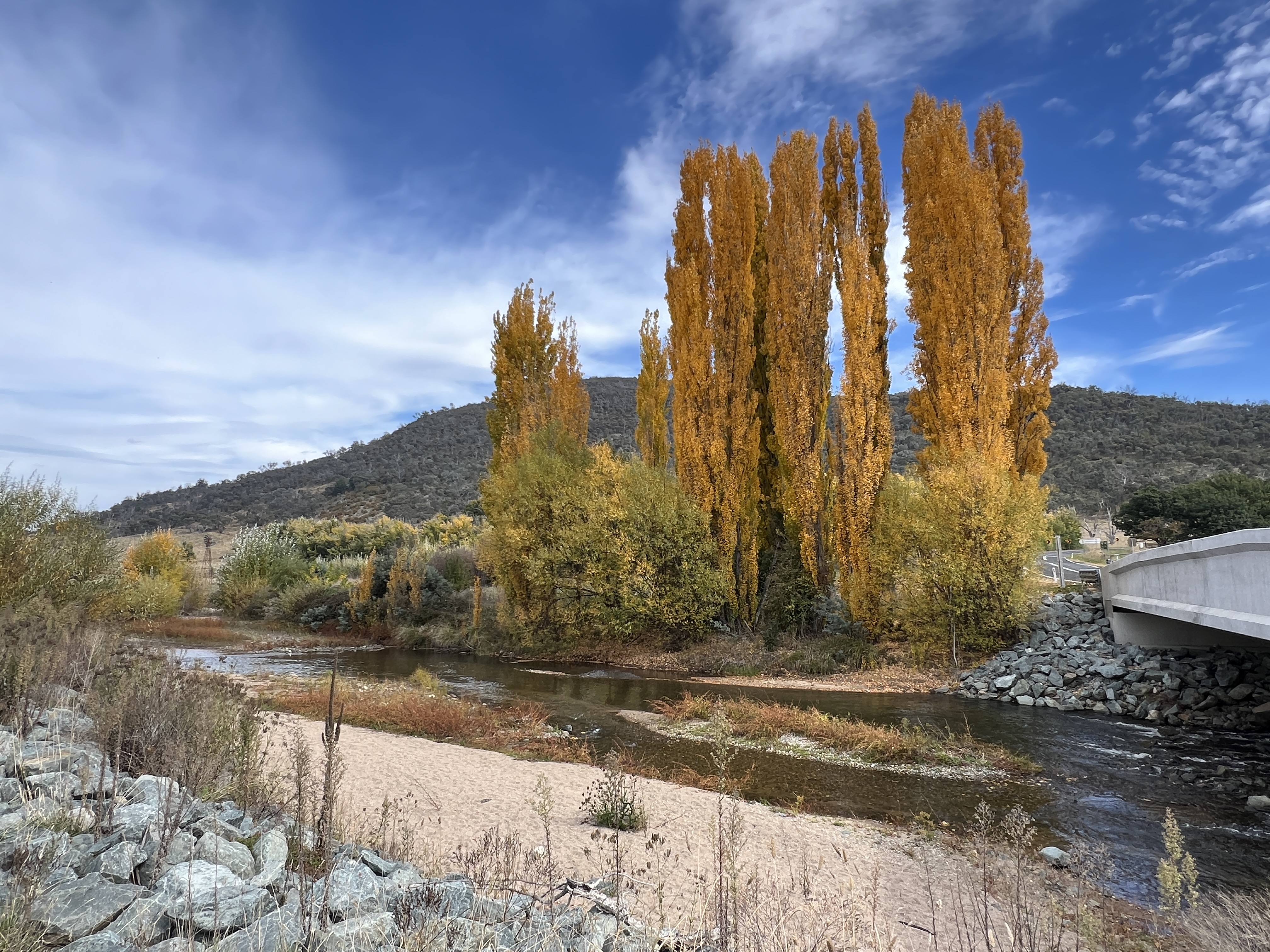
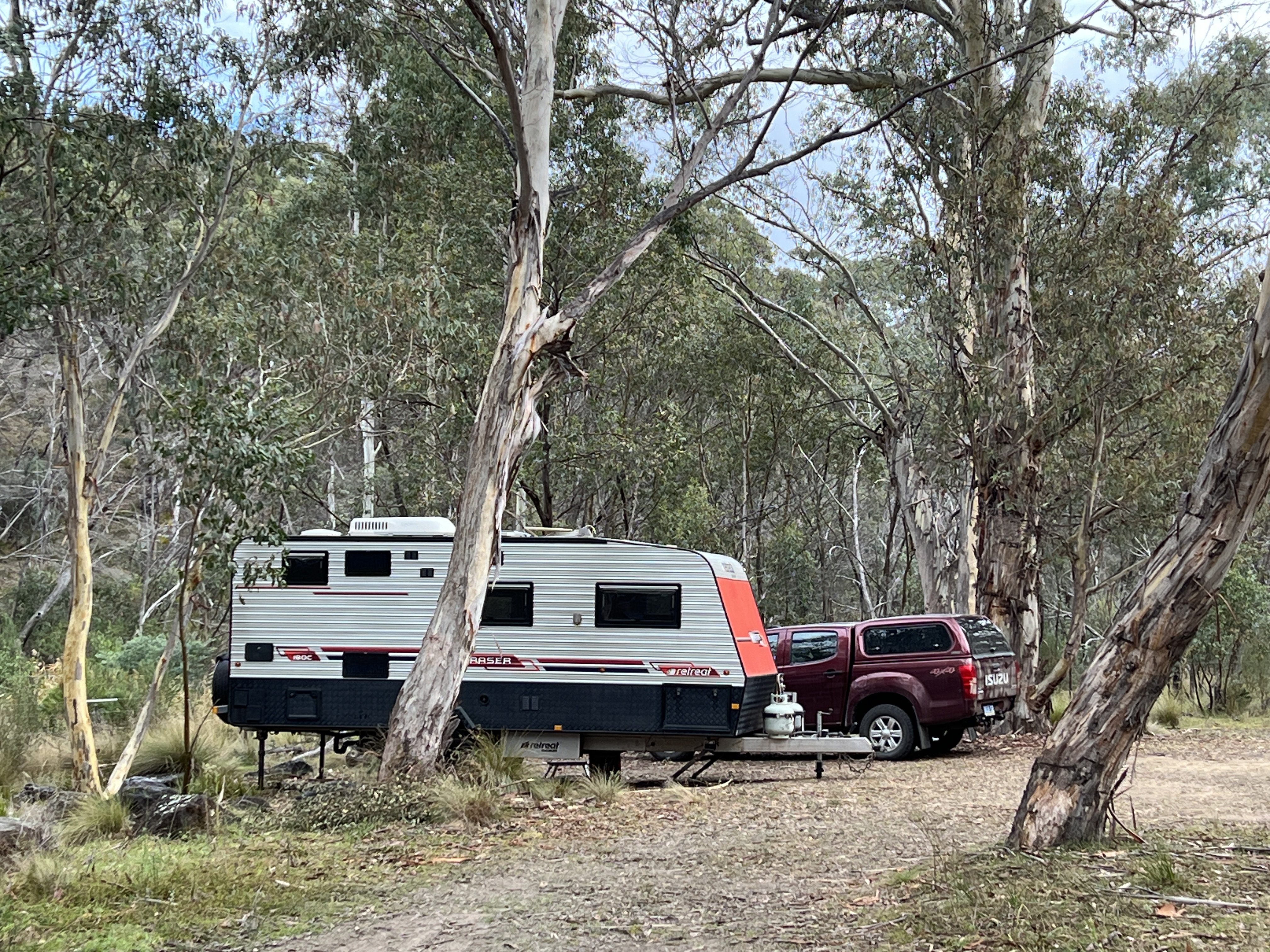
Our site is at the campground in the Orroral Valley, it is a bit remote. It is a well set up camp with some good facilities, recently rebuilt after the fires that ripped through the park a few years back. The Orroral River runs beside the camp.
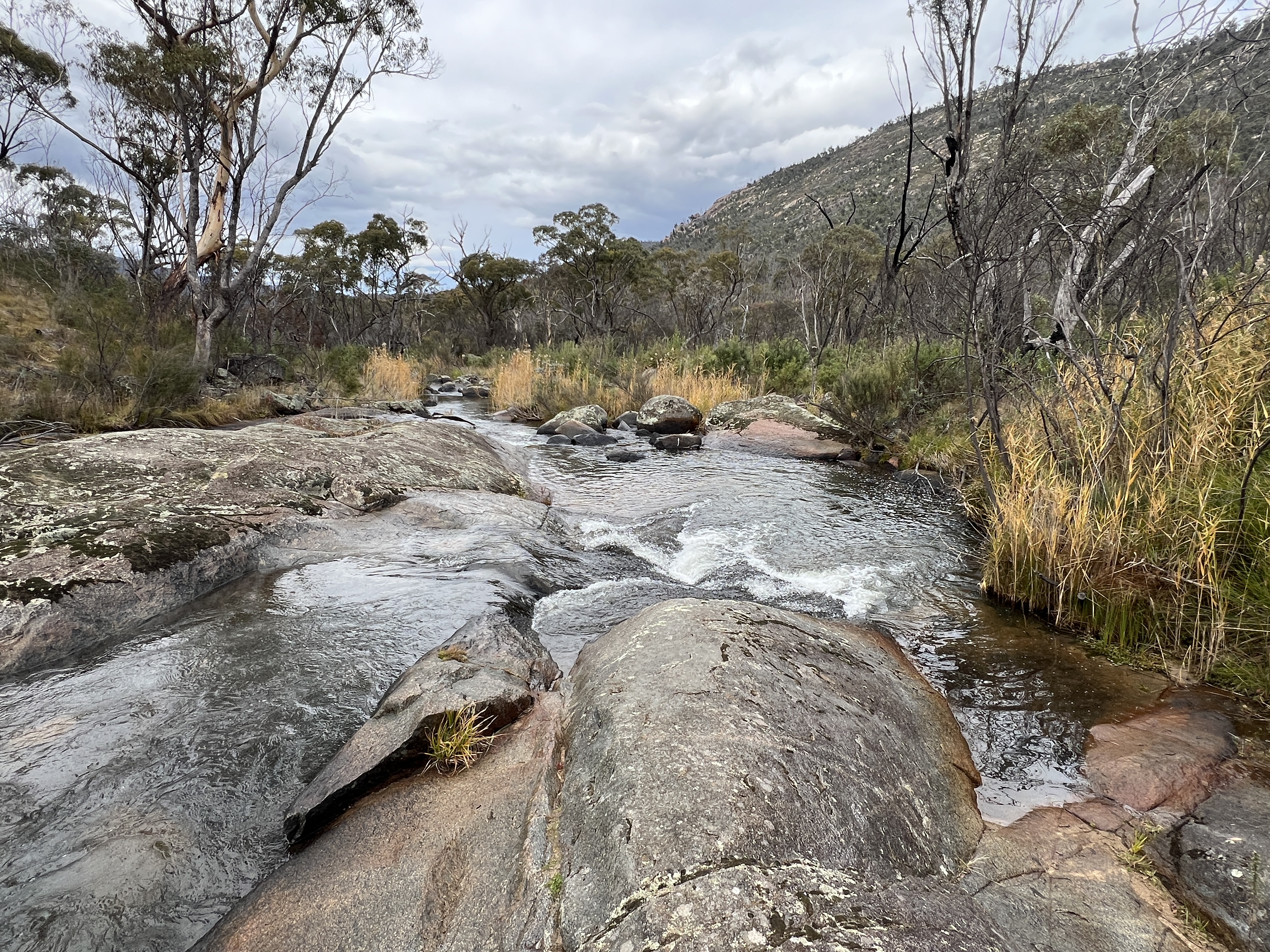
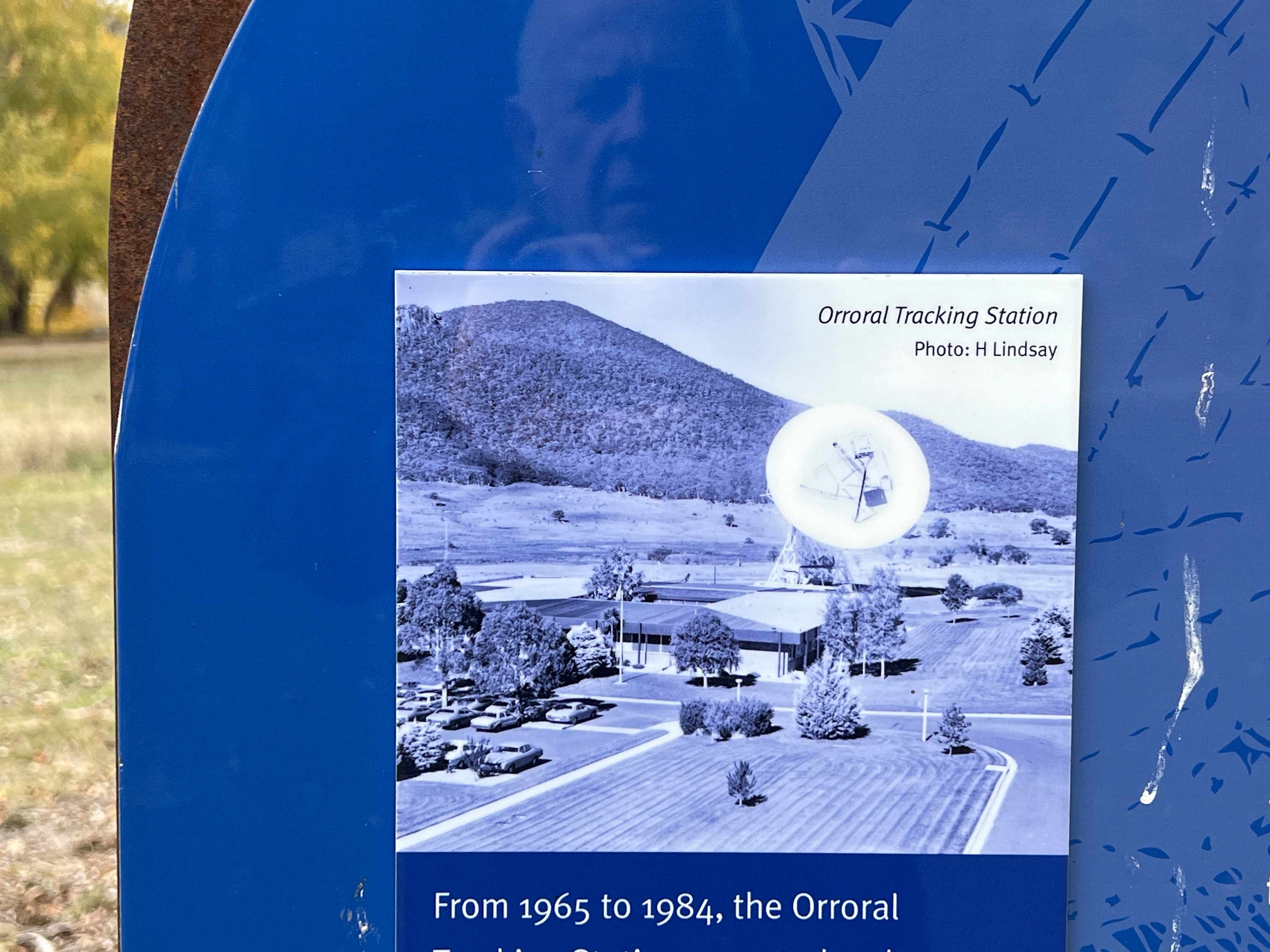
The Orroral Valley is the spot where Australia’s first satellite tracking facility operated from 1965 to 1984. The station performed roles in the early Columbia space shuttle missions and before that the first meeting of Russian and American astronauts. The dish and buildings are now all removed, just a big concrete slab with some info boards remain.
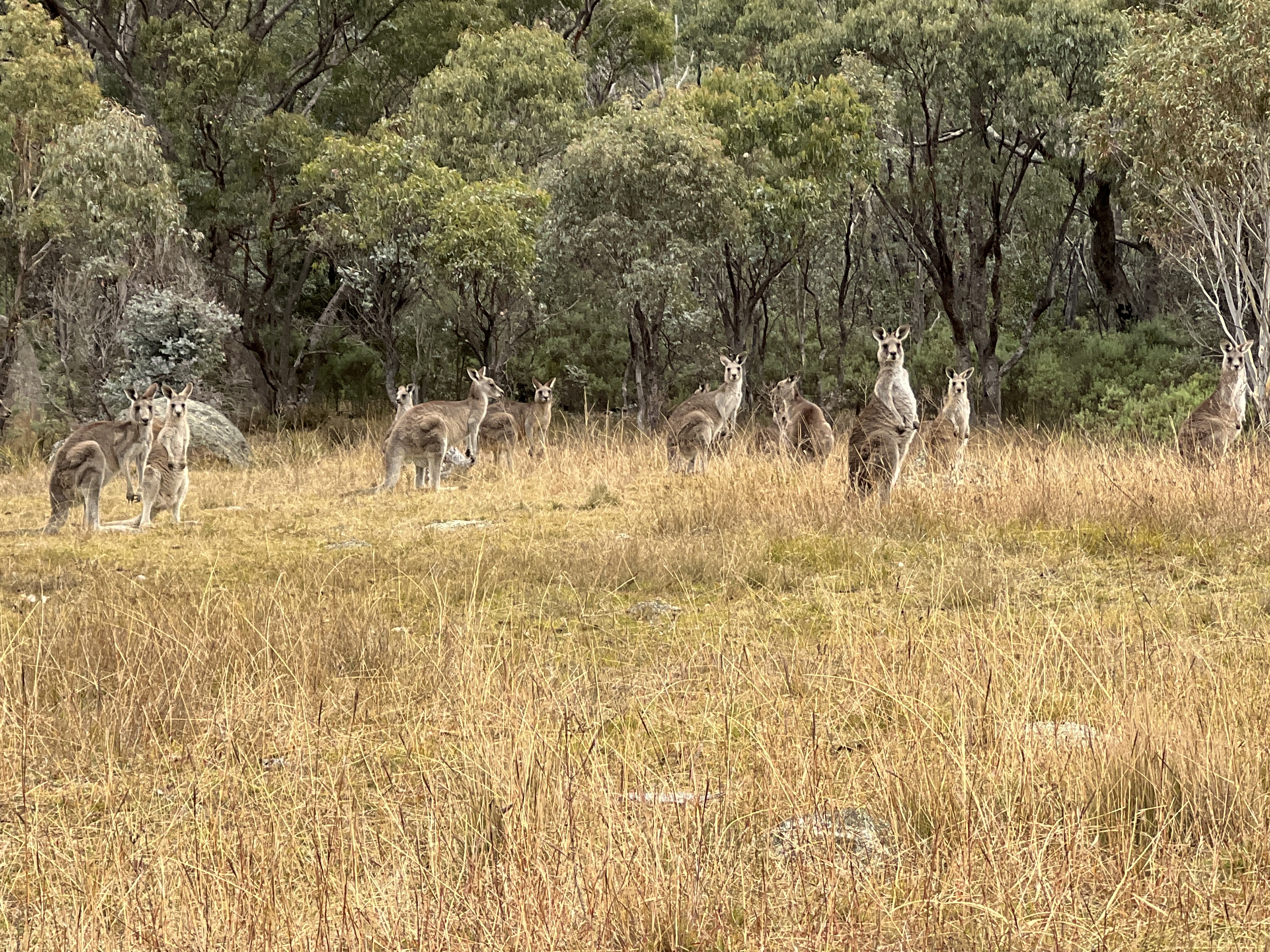
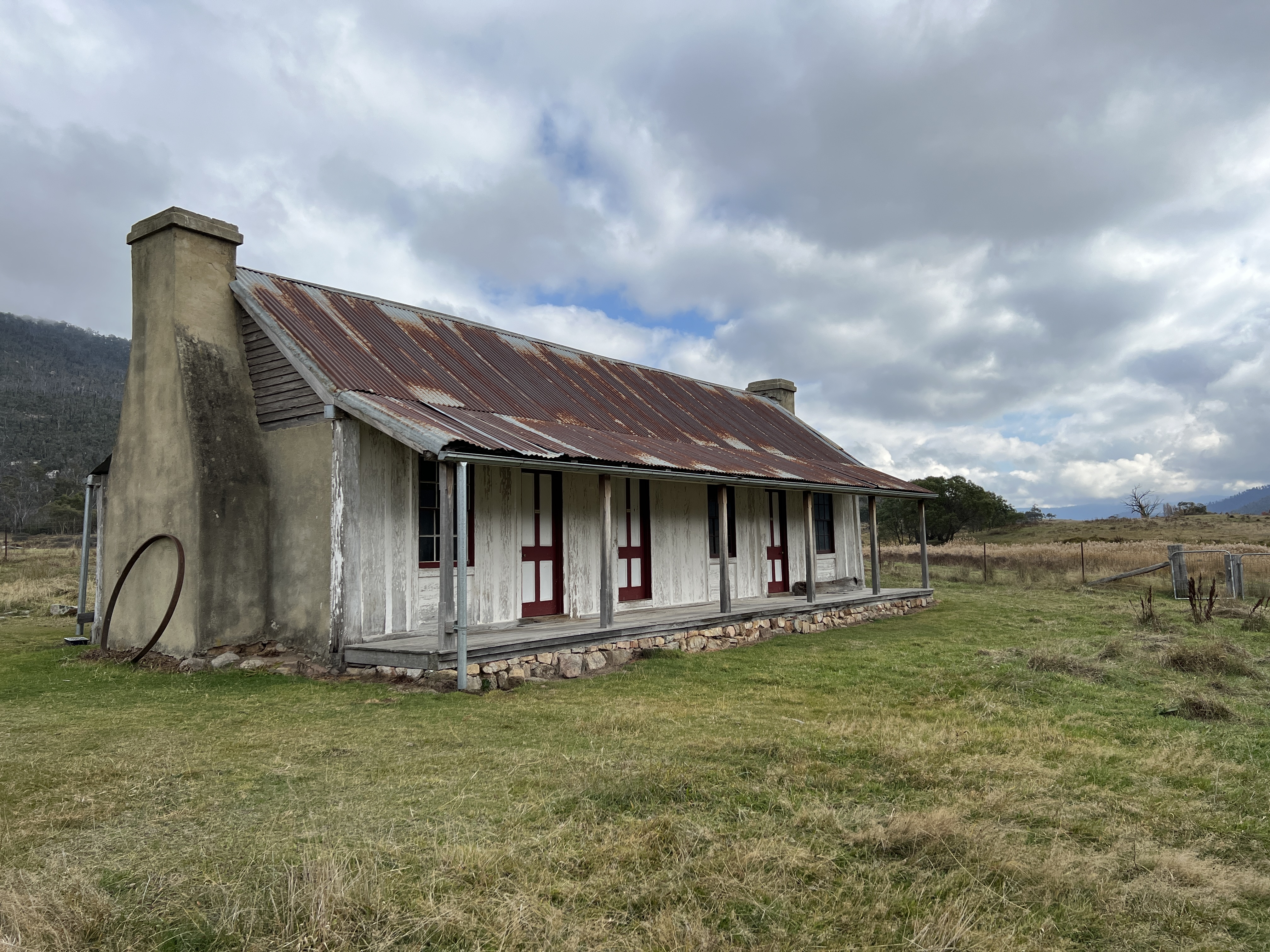
The Orroral Homestead is perched on a high spot looking down the valley. It was built in the late 1860s and passed through a number of owners of the property. It has been preserved with a new roof over the original shingle roof but is otherwise the same as the original. Bare rooms inside. The old woolshed is also nearby. It would have been a lonely spot out here in the middle of winter.
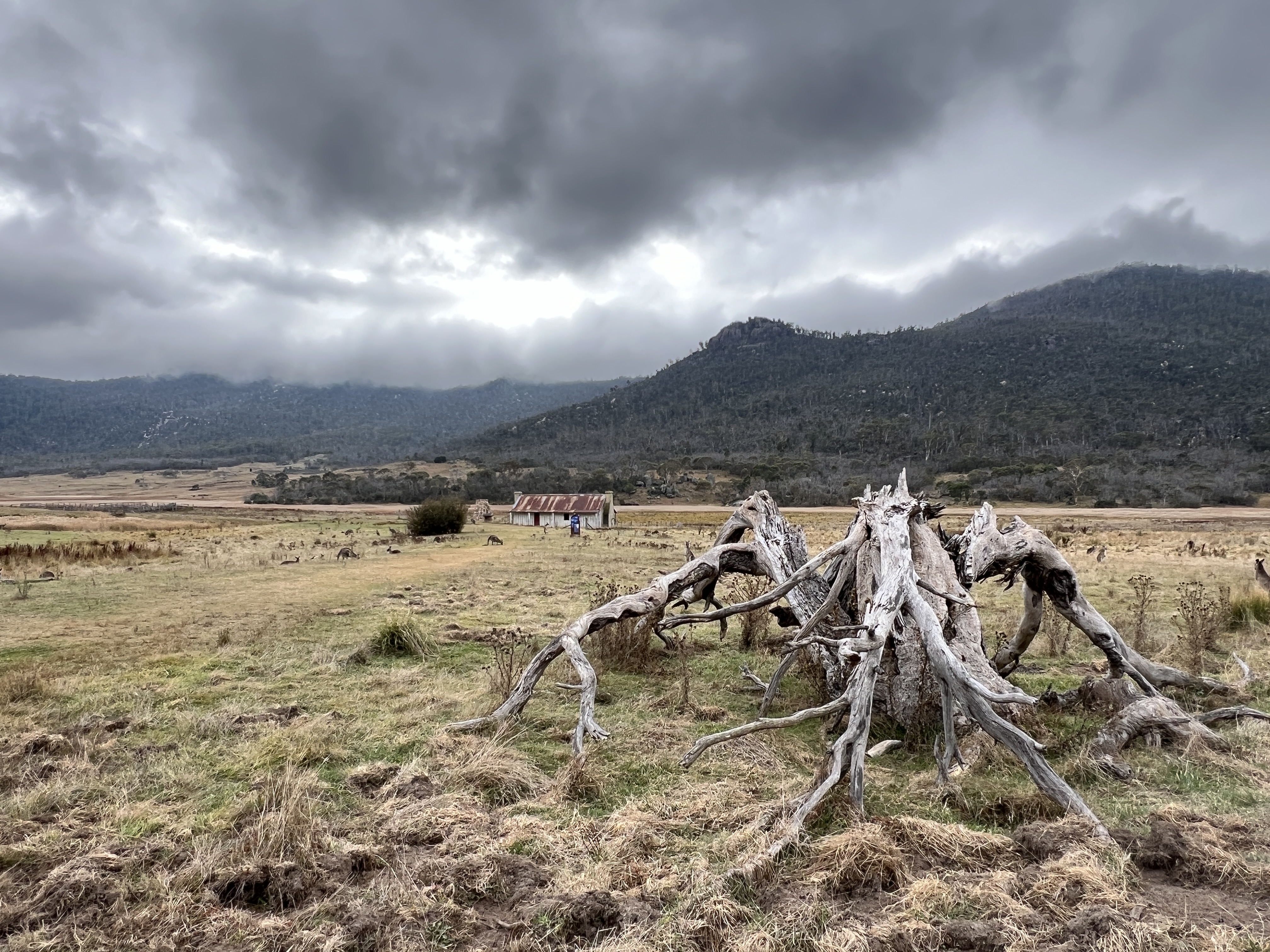
We have used Namadgi as our base to explore the lower section of the Murrumbidgee that runs through the ACT, to the south and west of Canberra. The entire length of the river through the ACT is protected in what is known as the Murrumbidgee Corridor.
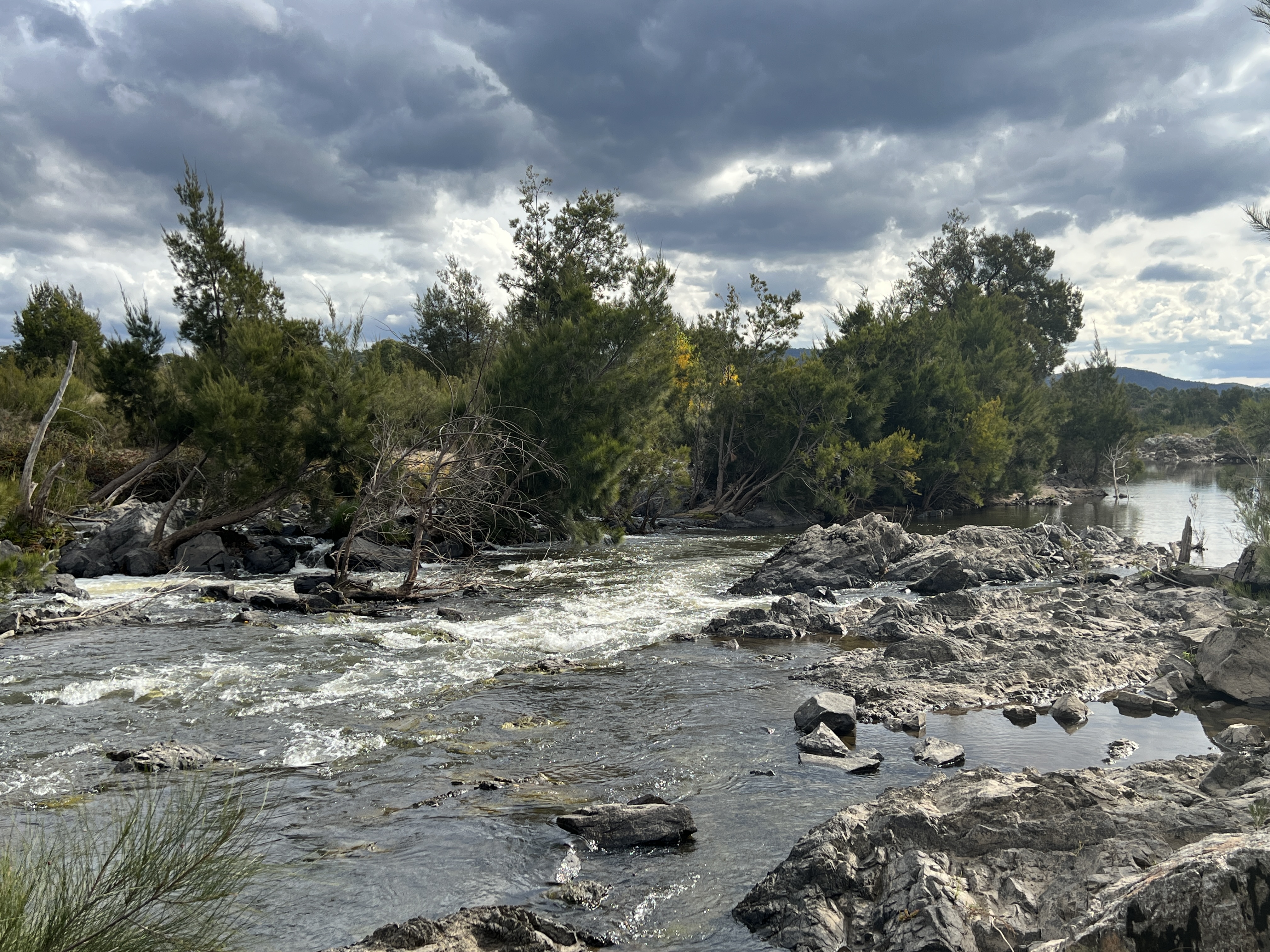
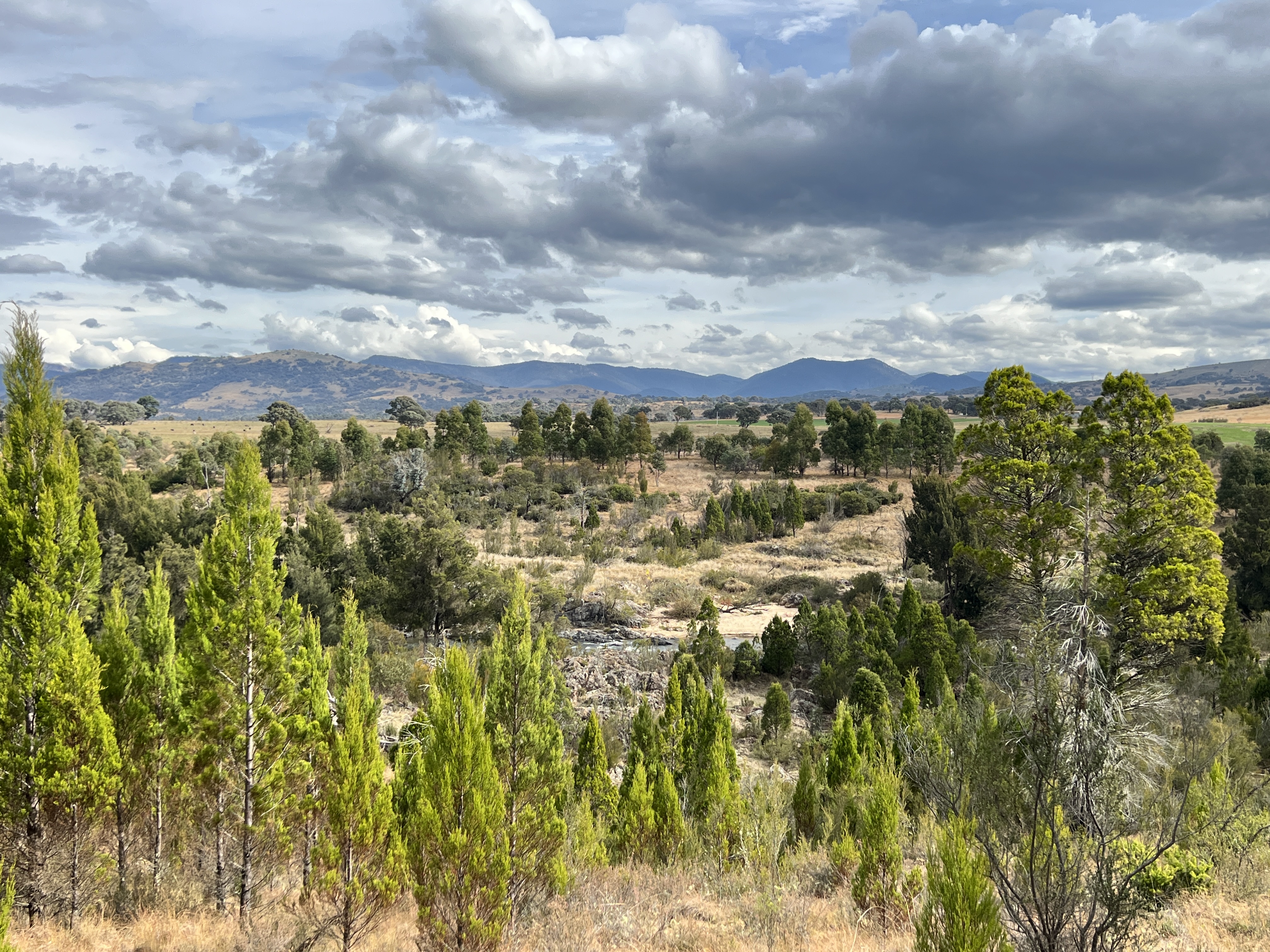
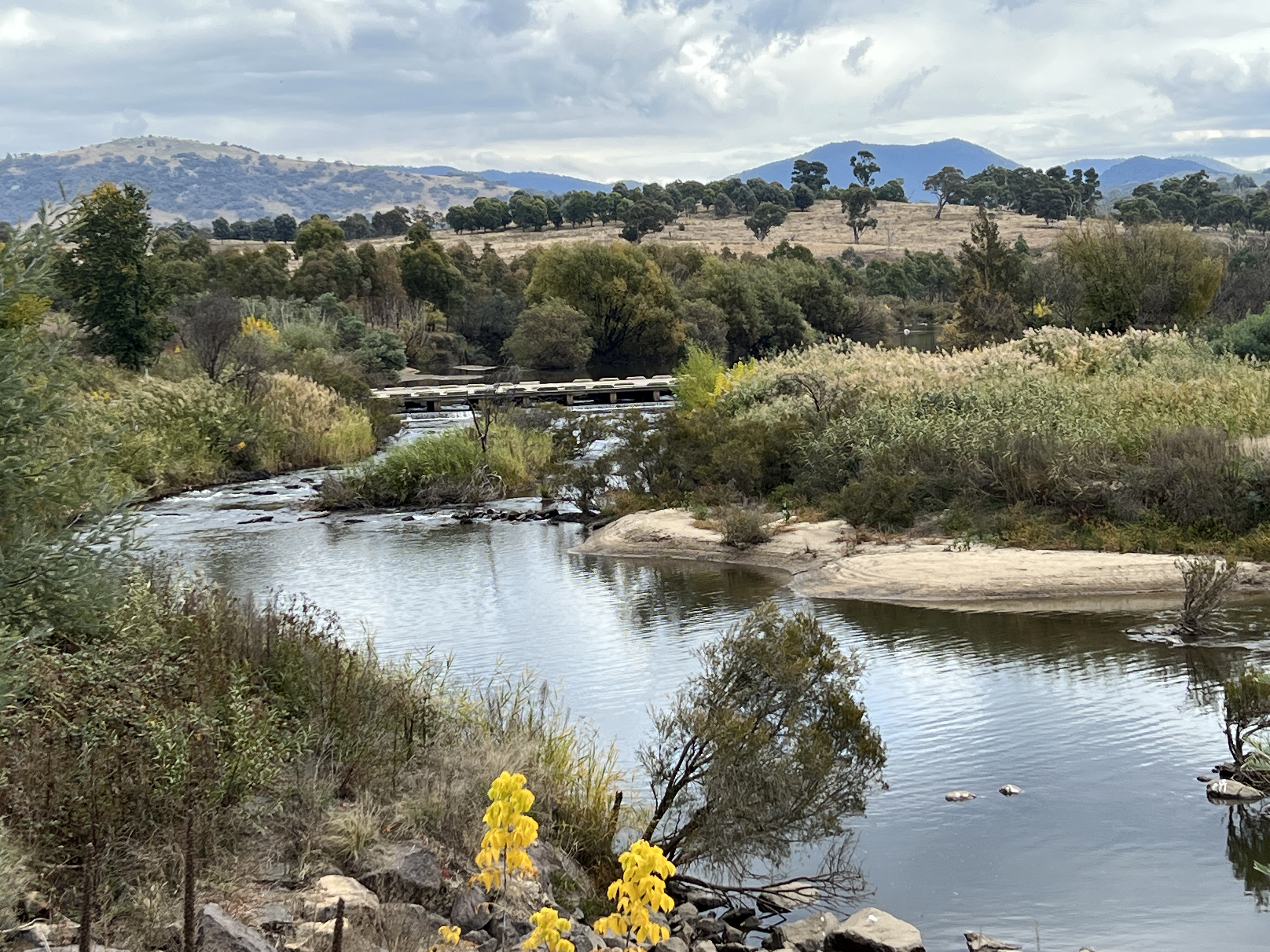
A walk goes the entire length, Allthego though did a small section of two and half km between Point Hut Crossing and Pine Island. Quite picturesque with views across the river flats and farm land to the mountains beyond.
On our way back to the campground we took the shortcut referred to at the start of this post. A rough road with a couple of steep sections descended down to the Murrumbidgee where the causeway had shallow water running across it, no worries here an easy crossing.
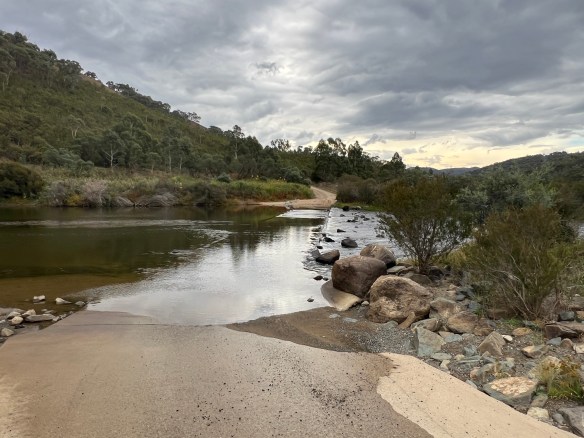
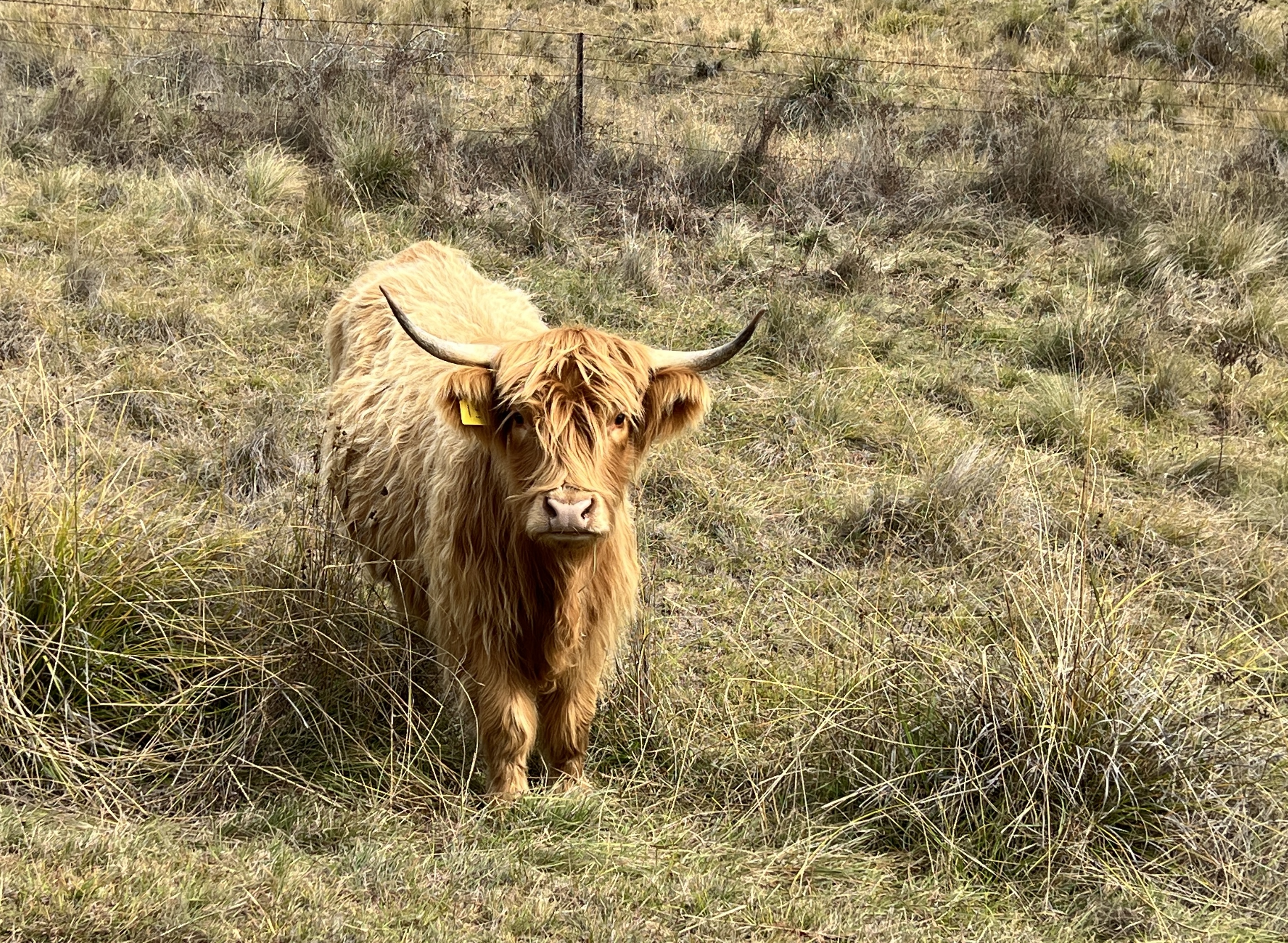
The road on the other side was much better and we were quickly back at the campground, passing our friend the Highland coo again.
In Search of the Murrumbidgee
We are now in Adaminaby at the Alpine Caravan Park for a couple of nights. It is on the edge of the small town. First thing done was to fill the fuel tank, 69 litres. Just made it, anlmost empty. The odd thing about Adaminaby was that there was no dump point in town for the onboard loo, now full. Closest one was 35 km away in Cooma! So it might have to wait another day or two.

Our objective here in Adaminaby was to seek out the Murrumbidgee as close to its source that we were able to access. In this search we have been frustrated by the National Parks people who have closed the northern section of Kosciusko NP to undertake a big feral animal cull, aimed mostly at wild horses, pigs and foxes. The horses, which number in their thousands, are very destructive of the fragile environment but are also much loved by some of the local horse brigade. The brumbies have that Man from Snowy River nostalgia.
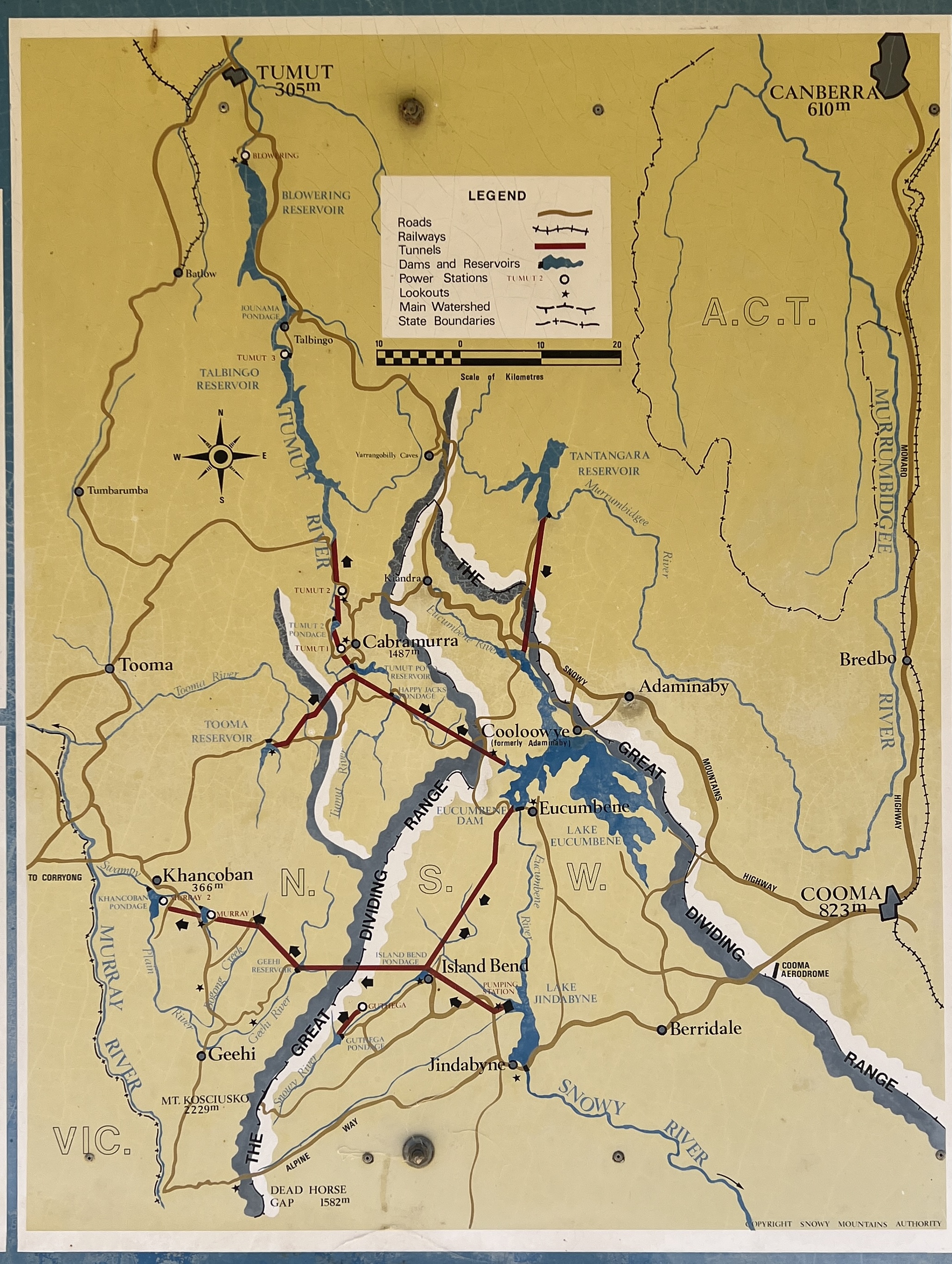
The Murrumbidgee is Australia’s second longest river and flows 1,488 km from its source about 50 km north of Kiandra to join the Murray River near Boundary Bend, not far from Swan Hill. The actual bog where the river starts is on the ground below Peppercorn Hill, accessible for keen walkers. We were going to camp at a spot not far from there and then drive a short distance to make our first sighting before the river flows into Tantangara Reservoir, a large proportion of this dam’s water is diverted into Lake Eucumbene. What comes out of the dam for the Murrumbidgee system is a fraction of what it was pre dam. But plenty is then added as the river flows south through inaccessible valleys and then farmland towards Cooma. It seems that the road from Adaminaby to Yaouk fits the bill and we head out for a drive of about 20km along gently undulating grazing country. We find the river crossing near a group of homesteads below Tantangara dam at Yaouk, an aboriginal word, not sure what it means. Pretty spot as the river bubbles away downstream.
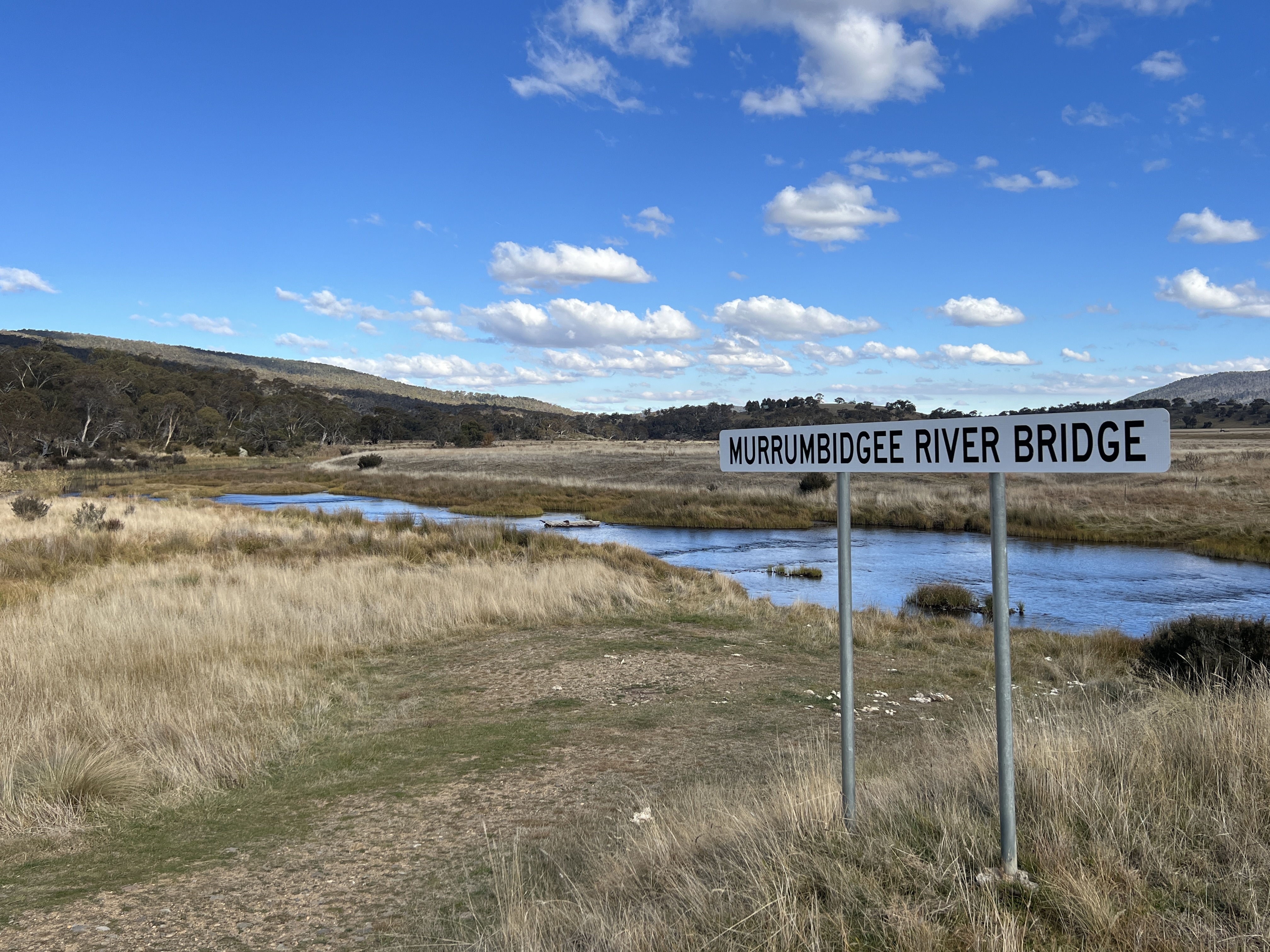
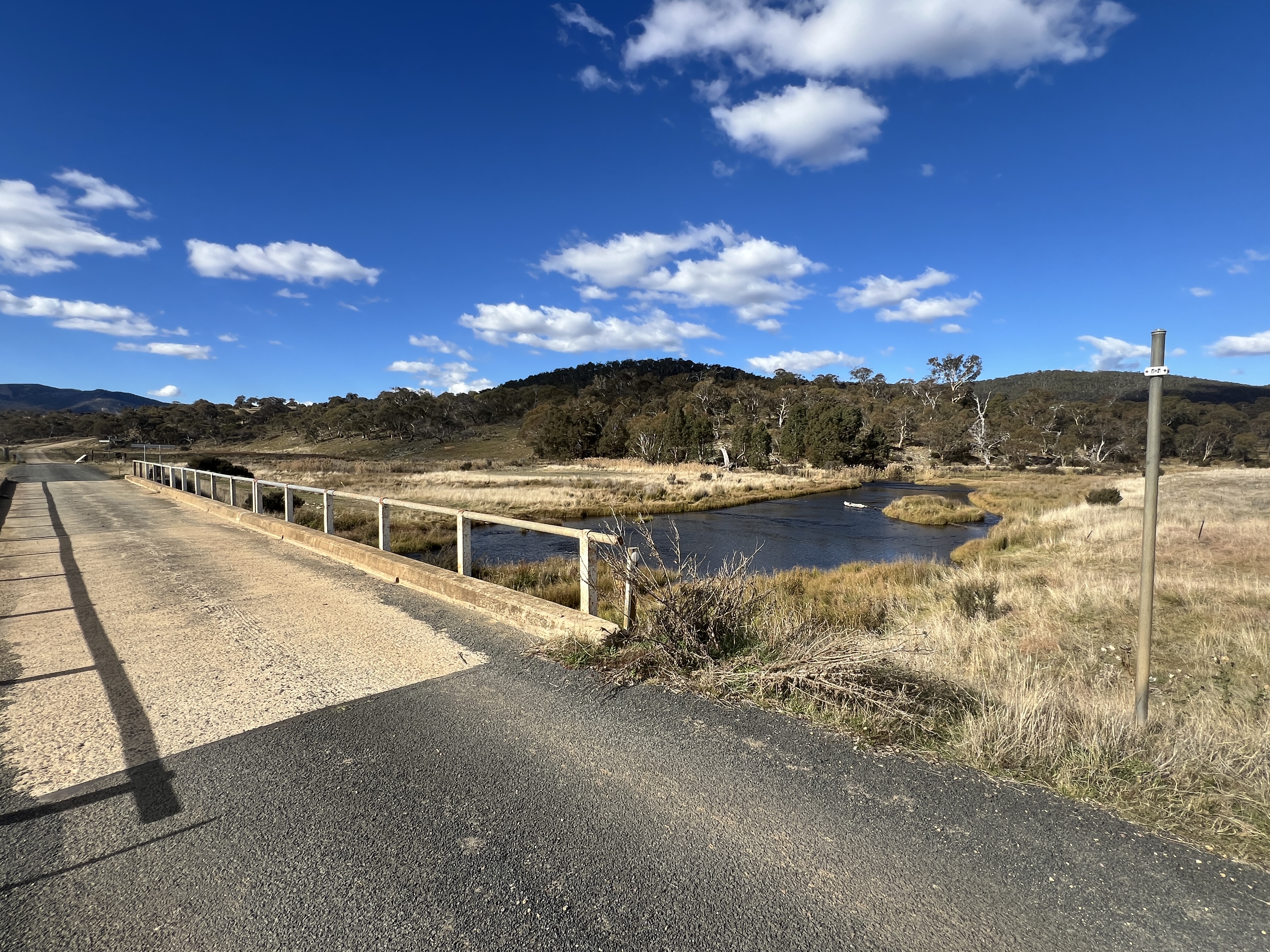
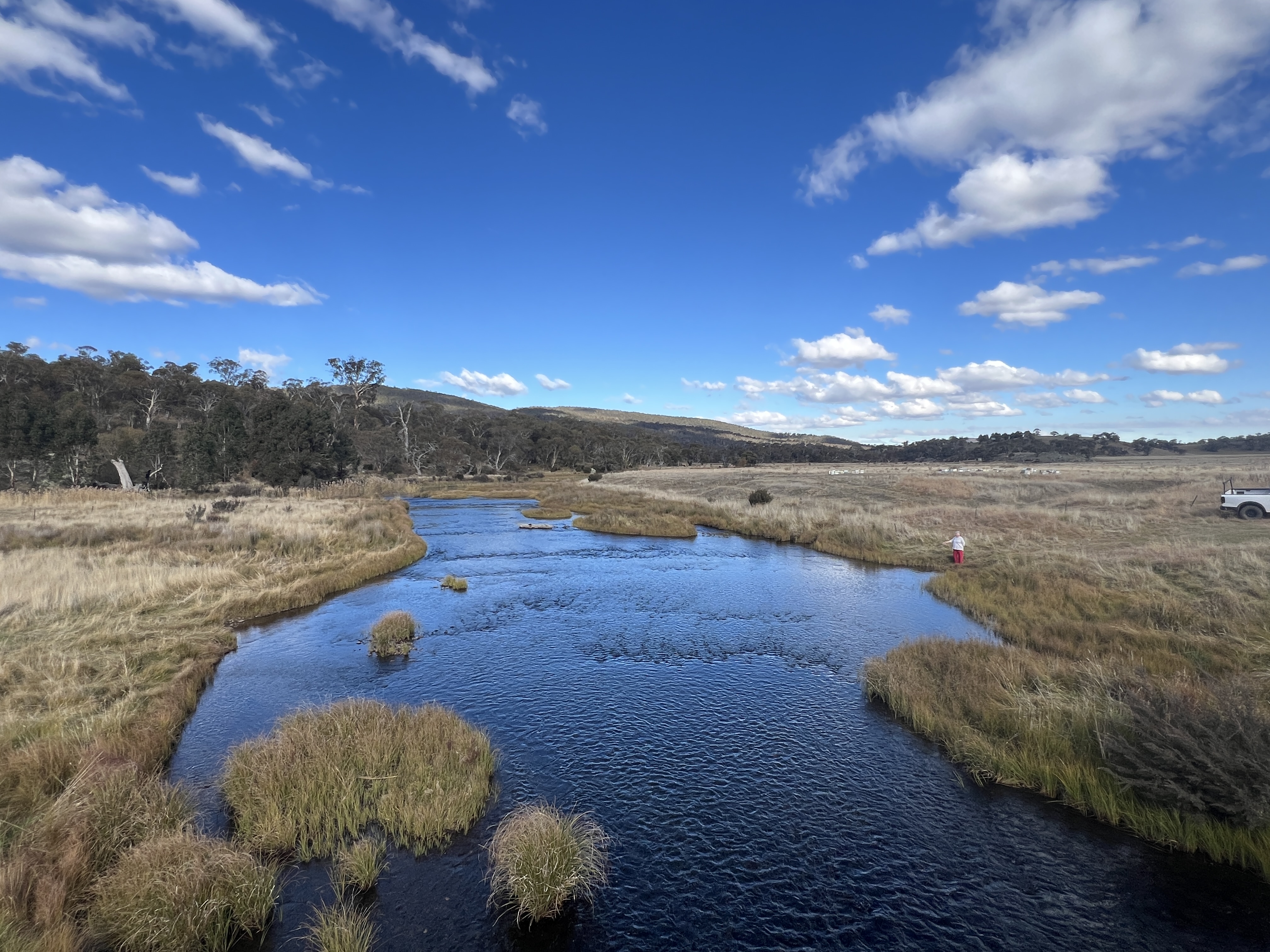
The road loops through grazing land on its way back to Adaminaby, passing through the small settlement of Shannon’s Flat.
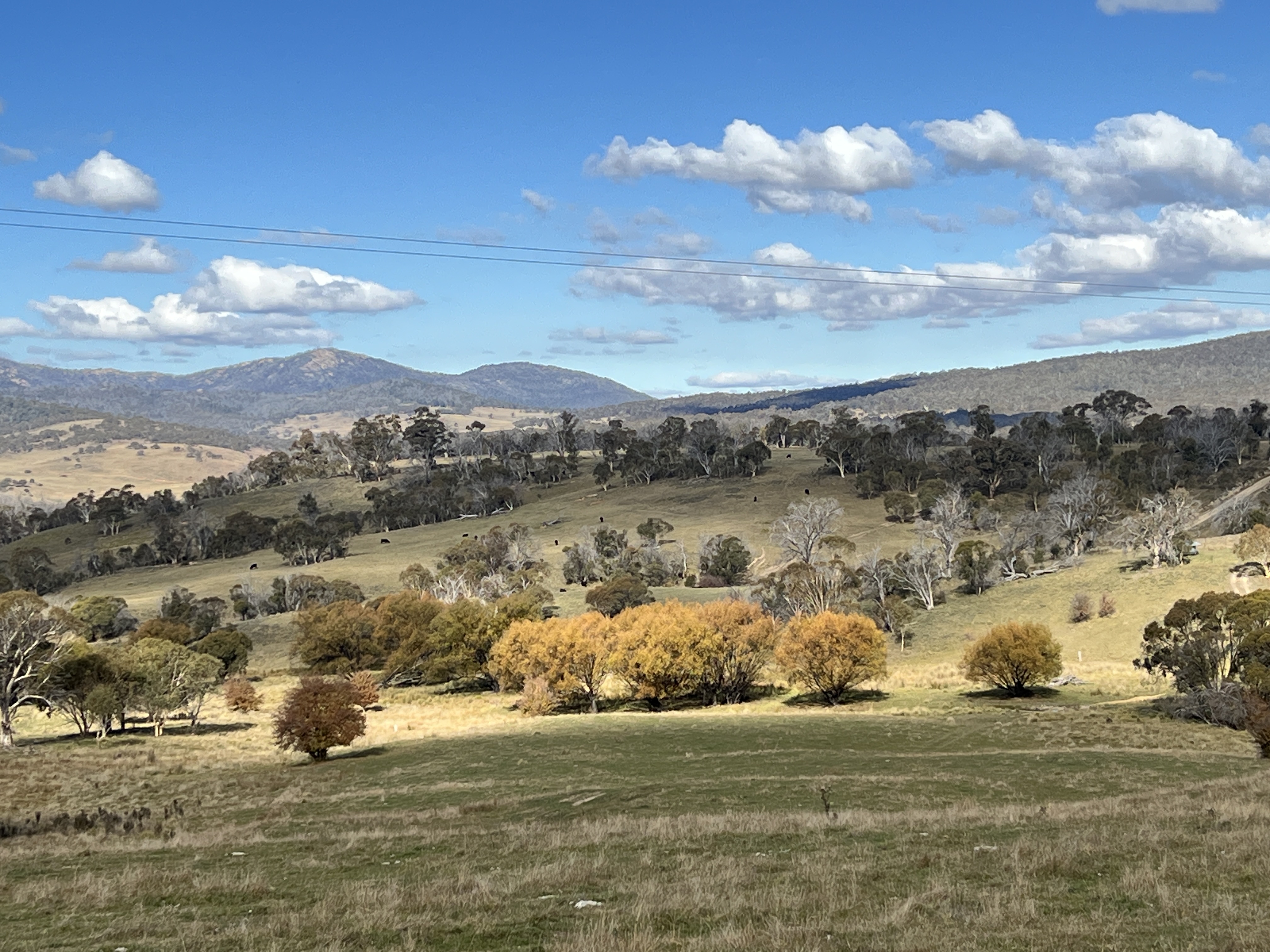
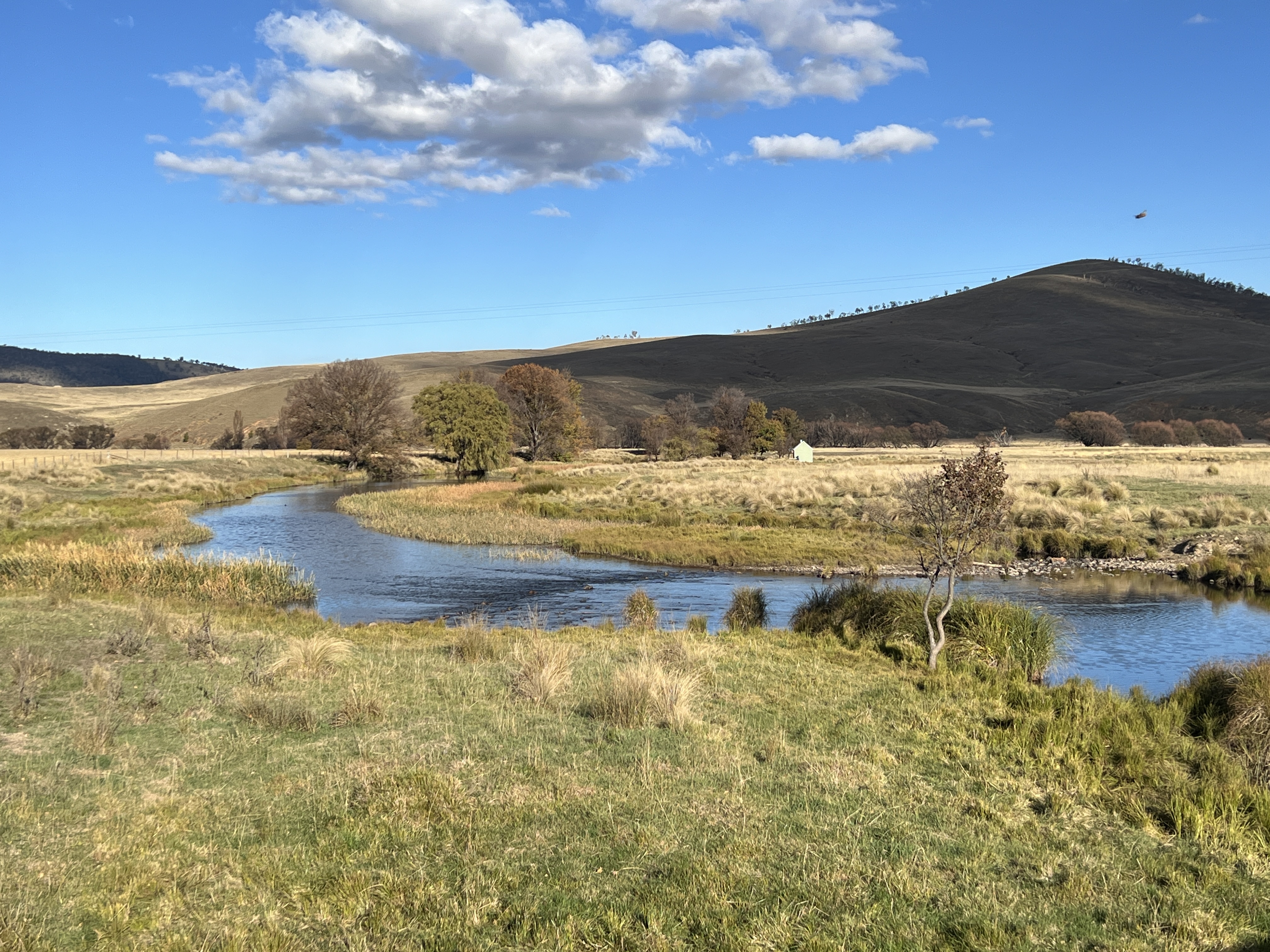
Great views of the countryside. Just outside Adaminaby on the other side of town we again cross the Murrumbidgee, another pretty spot, bubbling along its way.
Adaminaby is also an ideal spot to stay to check out the old gold mining district of Kiandra. Not much of the old town is left today. It is the spot where skiing first started in Australia, 160 years or so ago. It fell by the wayside following the development of places like Thredbo and Perisher in the late 1950s and 60s. We strolled off on a 3 km loop walk to take in the alpine scenery.
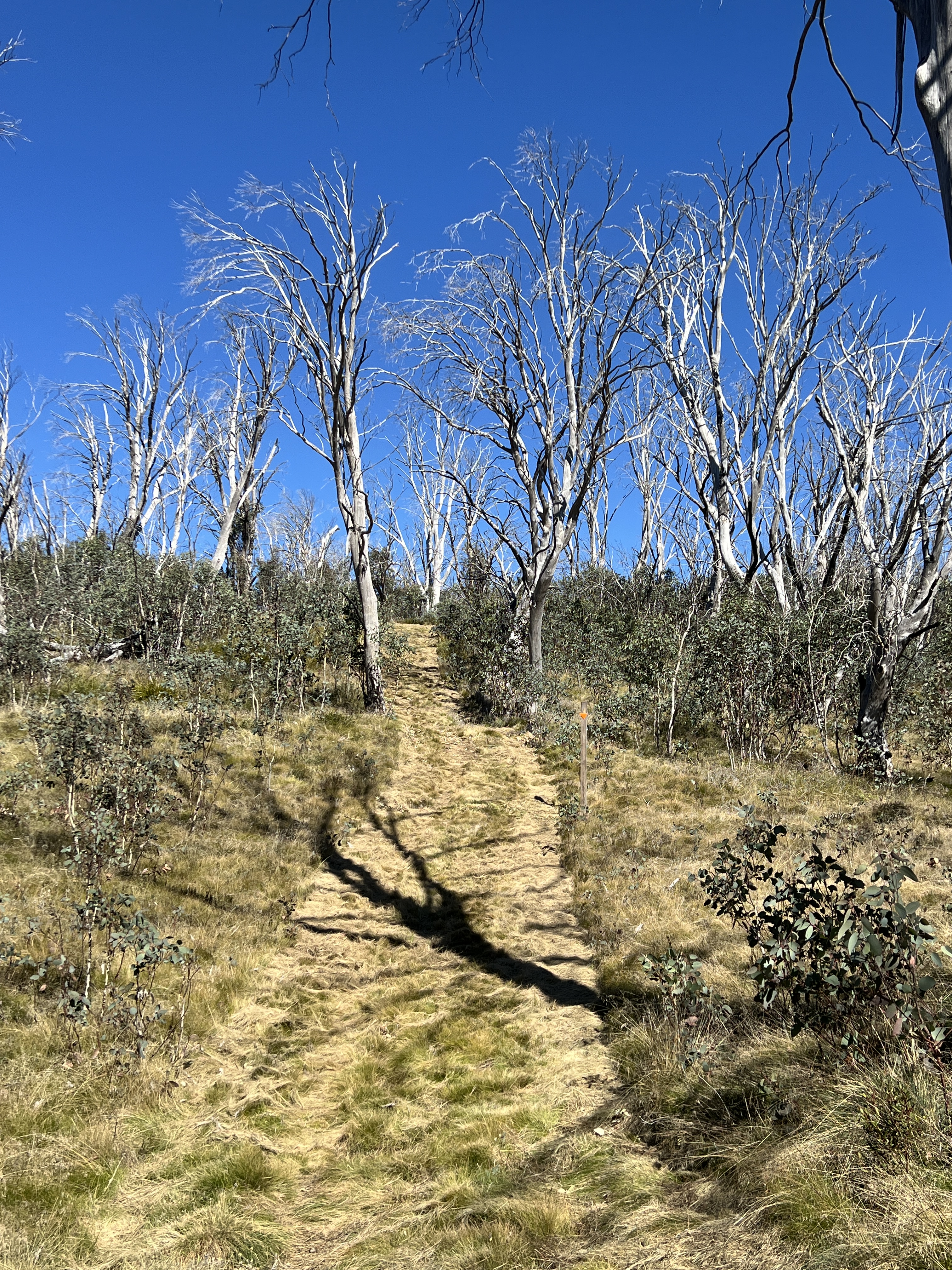
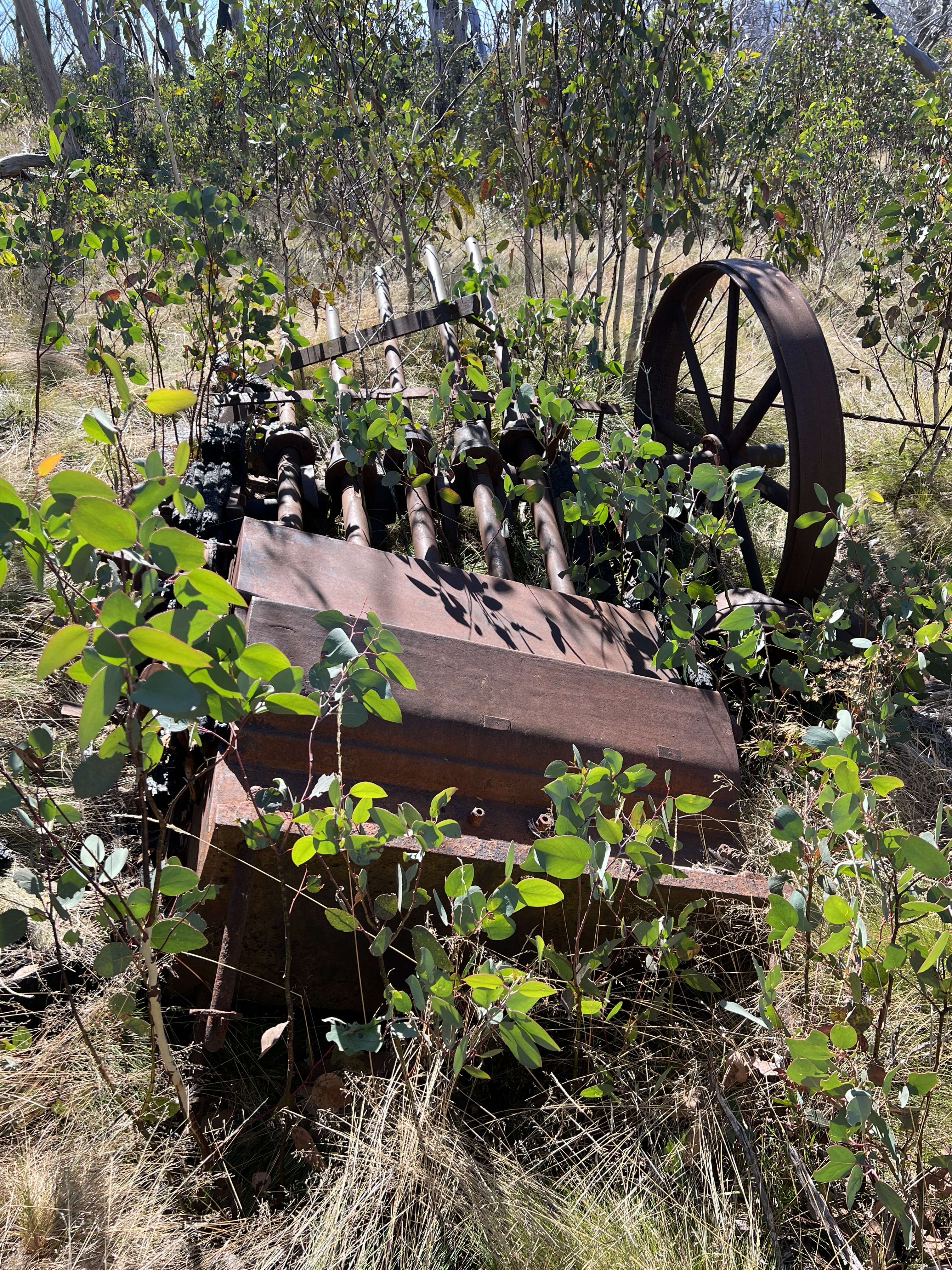
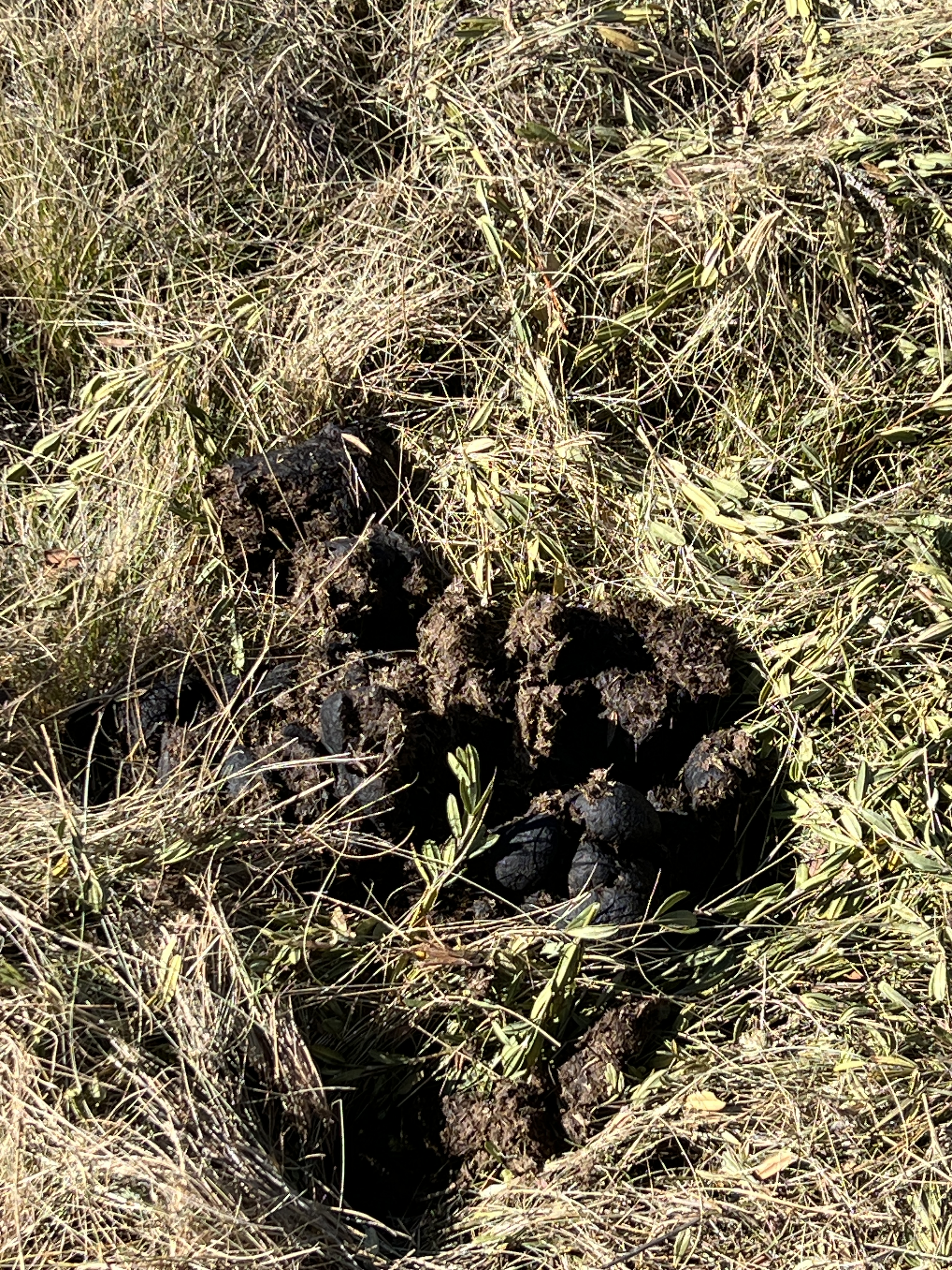
Little more demanding than we anticipated along a well manicured track, that doubles as a cross country ski route in winter. A few relics from the gold mining days were passed as well as a sighting of some brumbies and their plentiful tell tale calling cards left behind on the track.
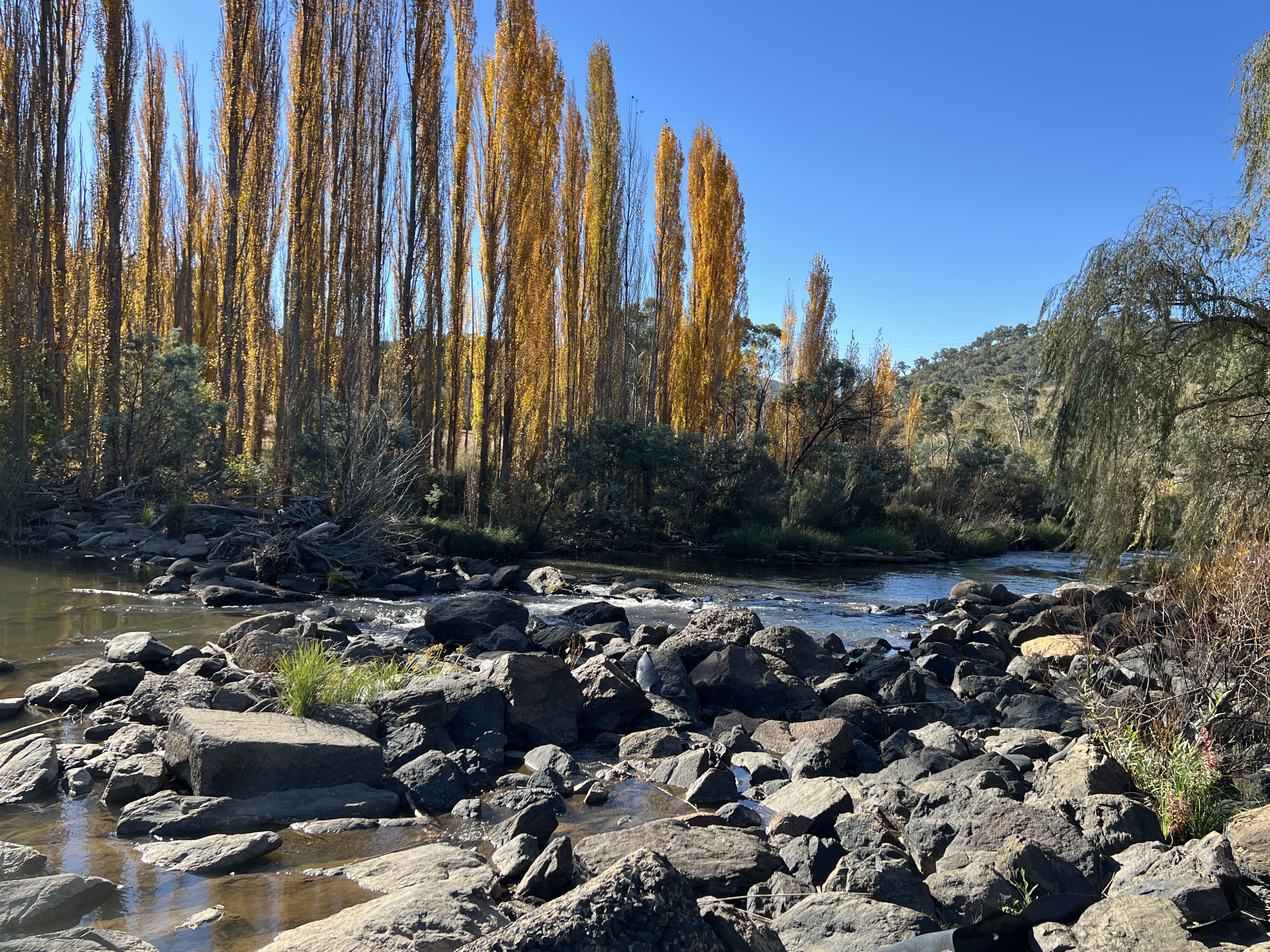
The journey continues from Adaminaby further south to Cooma where we encounter the Murrumbidgee again about 15 km out of town. It is here that the river does a big U turn, cutting its course through a gap in the Clear Ranges, and heads back north towards Canberra.
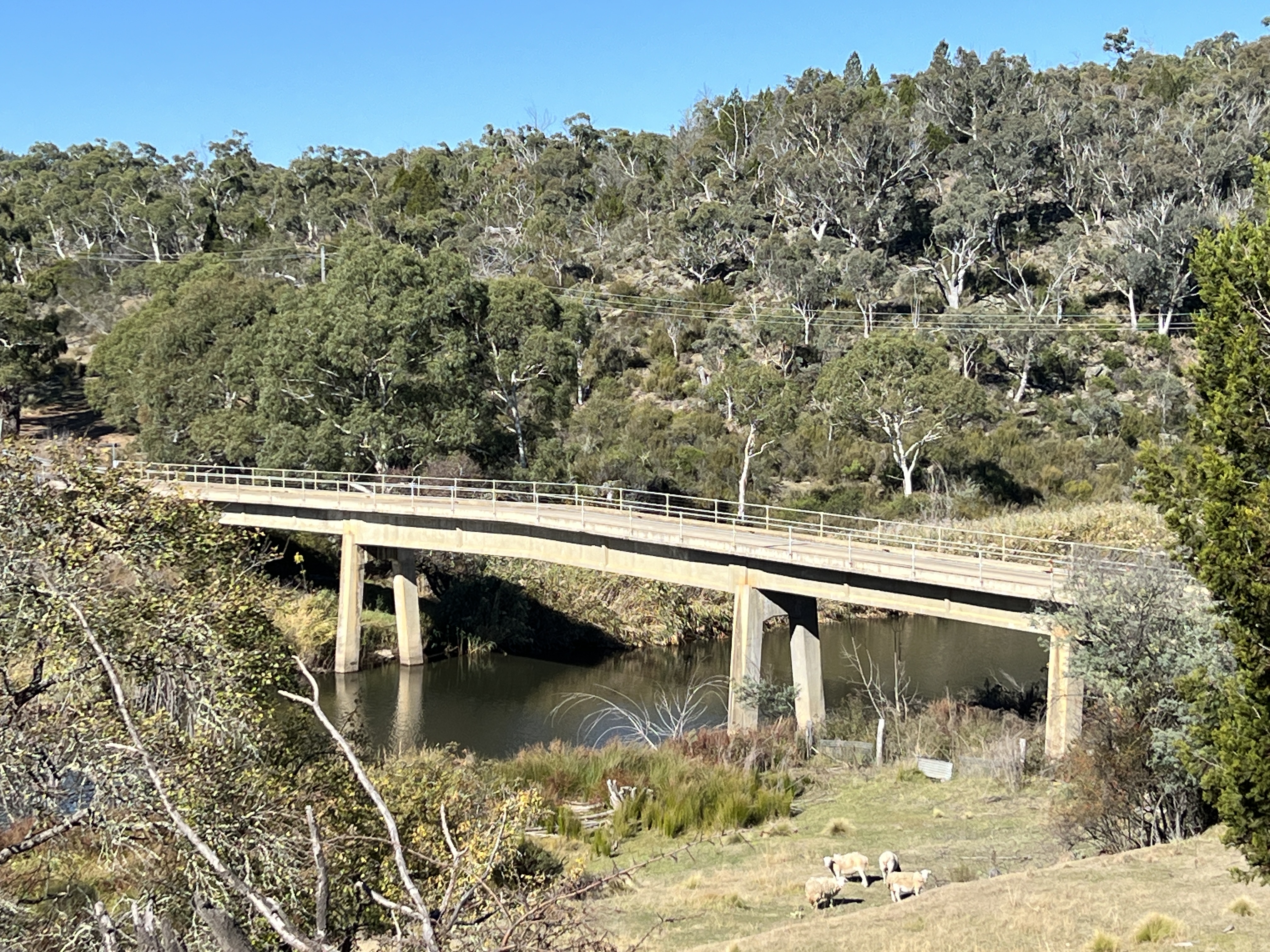
We join the Monaro Highway out of Cooma and head north. The road parallels the course of the river away to the west in the shadow of the Clear Ranges. It is largely inaccessible due to the surrounding grazing and farm land. We plan to stop the night in Bredbo, free camping behind the old Bredbo Inn. ‘Free camping’ is bit of a loose phrase in this case because there is the expectation that one dines in the pub. Which we did, rather good steak. Homealone, enjoyed a plate of flathead fillets. Chips of course too.
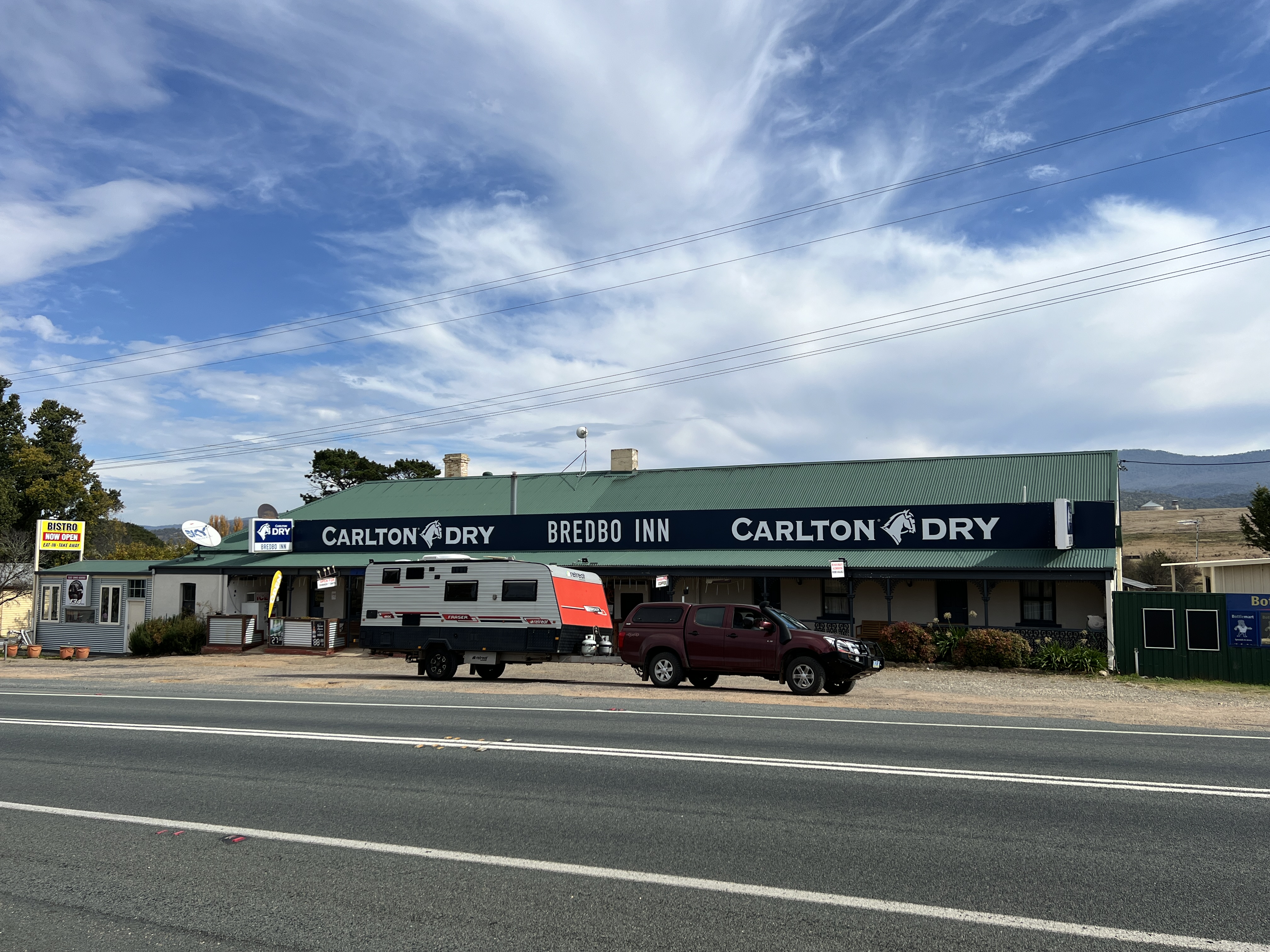
The Bredbo Inn was built in 1830s and has been operating ever since. There is much memorabilia on its walls. It is also claimed to have links to the Man from Snowy River story with Banjo Patterson reportedly a guest. The original Clancy of the Overflow may also have been an employee at the time. And as for the ‘Man’, a local identity may well be a candidate for the mantle, but who knows. Anyway this chap is said to have died in the Inn after falling from his horse crossing the bridge on a frosty morning. Something to talk about at the bar.
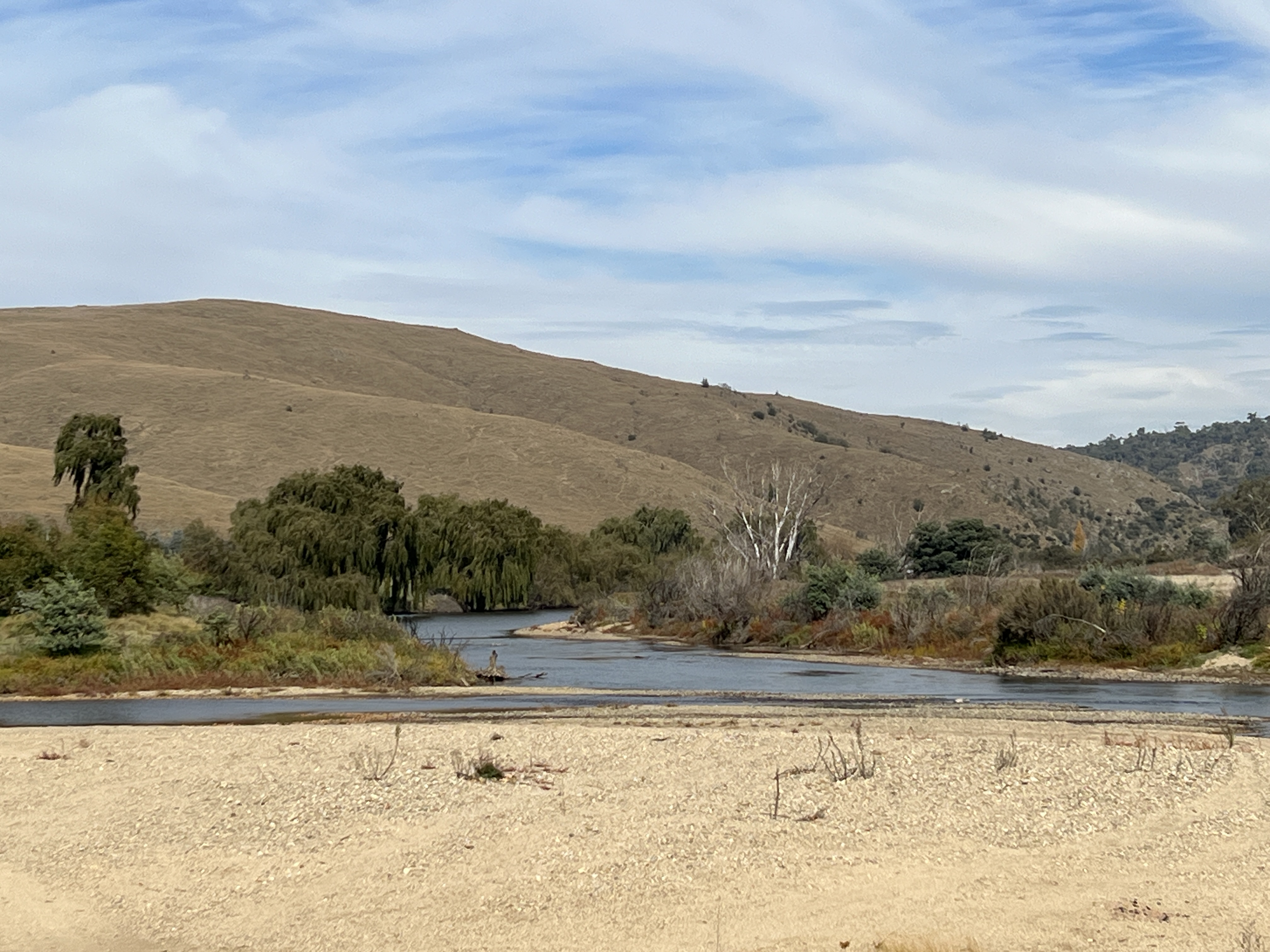
Nearby the Inn are two spots to see the river again. The prettier one is where it is joined by the Bredbo River.
Our next stop will be at the Namadgi NP for a couple of nights.
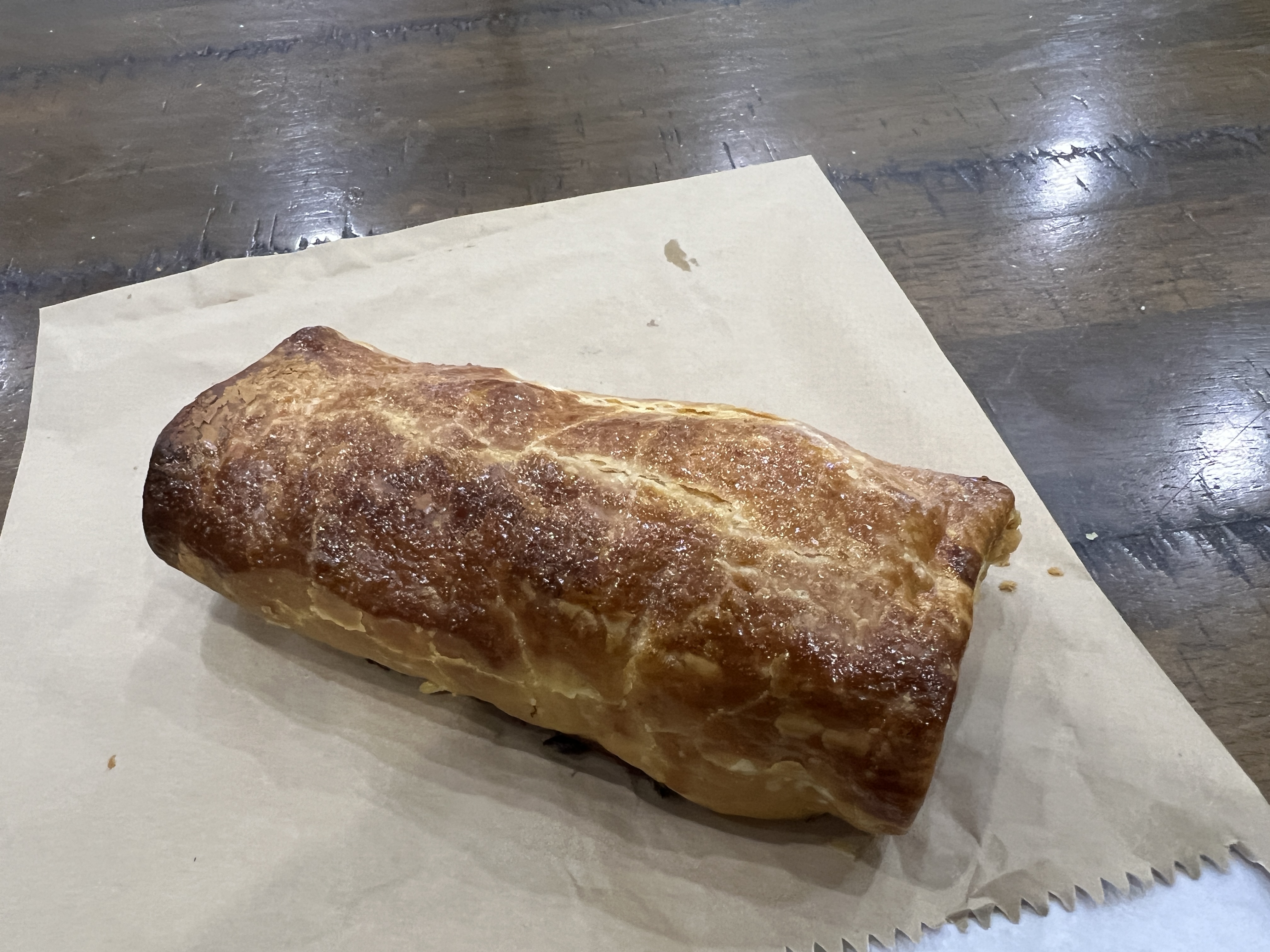
Before leaving Bredbo we indulged in the best sausage rolls so far at the Bredbo Bakery and picked up a couple of their famous frozen pies for a meal one night along the way.
Yarrangobilly Village
Despite planning a trip well there are times Allthego has found where you just get things wrong and you end up in a place that is not what you thought it was going to be like. In this post Yarrangobilly Village is shortened to YV to save the fingers. YV is a few kilometres from Yarrangobilly Caves, YC. Now, YC was our objective for this stop and we had planned a three night stopover here at YV to visit the caves and do a little exploring.
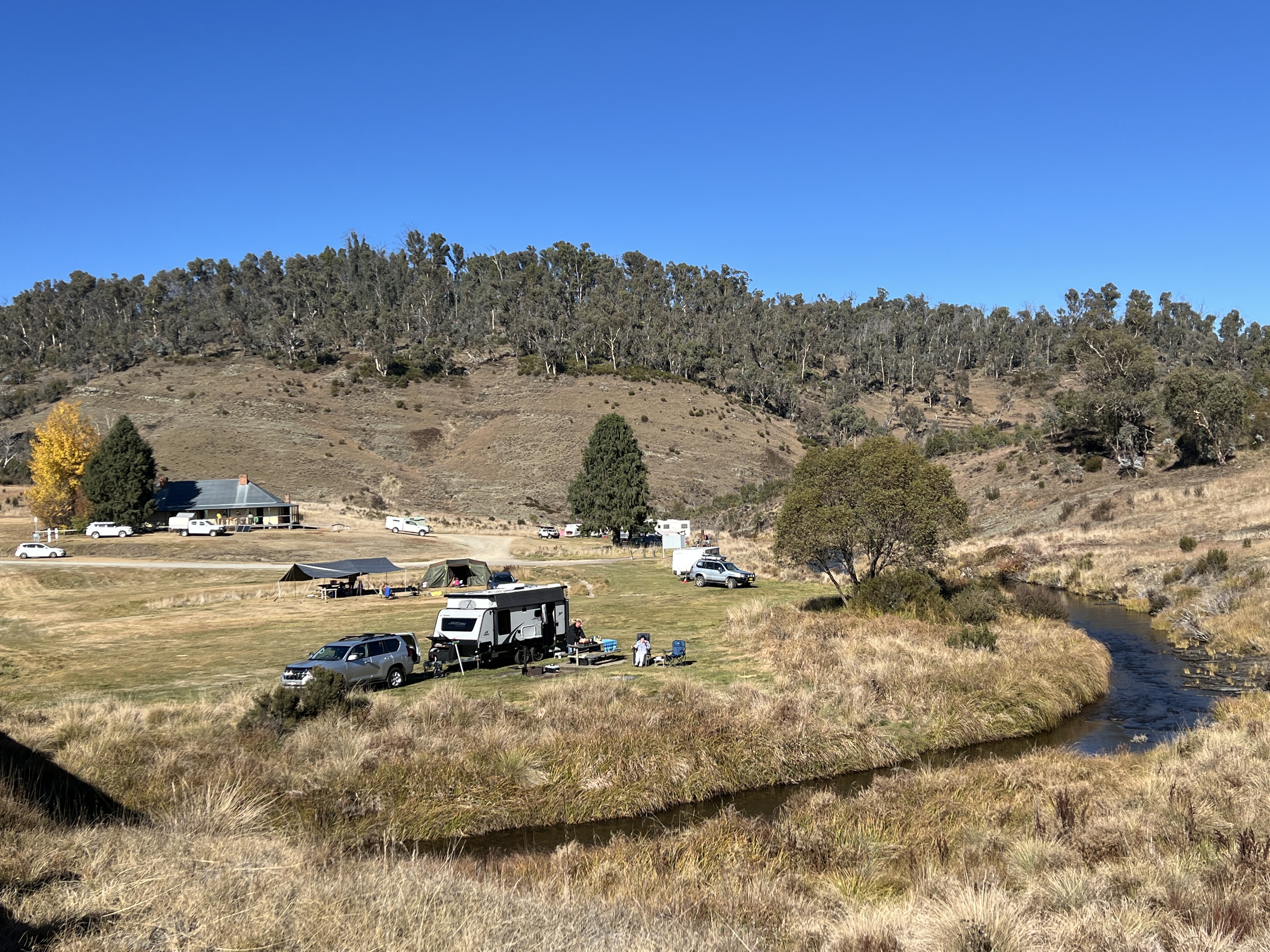
For some reason Allthego had thought YV was a caravan park with power, water a dump point and fuel. I suppose it was the word ‘village’ that put him on this track. Well there was a village here back in the 1860s, the surrounding countryside was grazed, timber, gold mined at Kiandra etc. But over the next hundred years fortunes rose and fell, population declined and in 1969 the Post Office closed and the area became a national park. YV also spread across the river flats on the other side of the road.
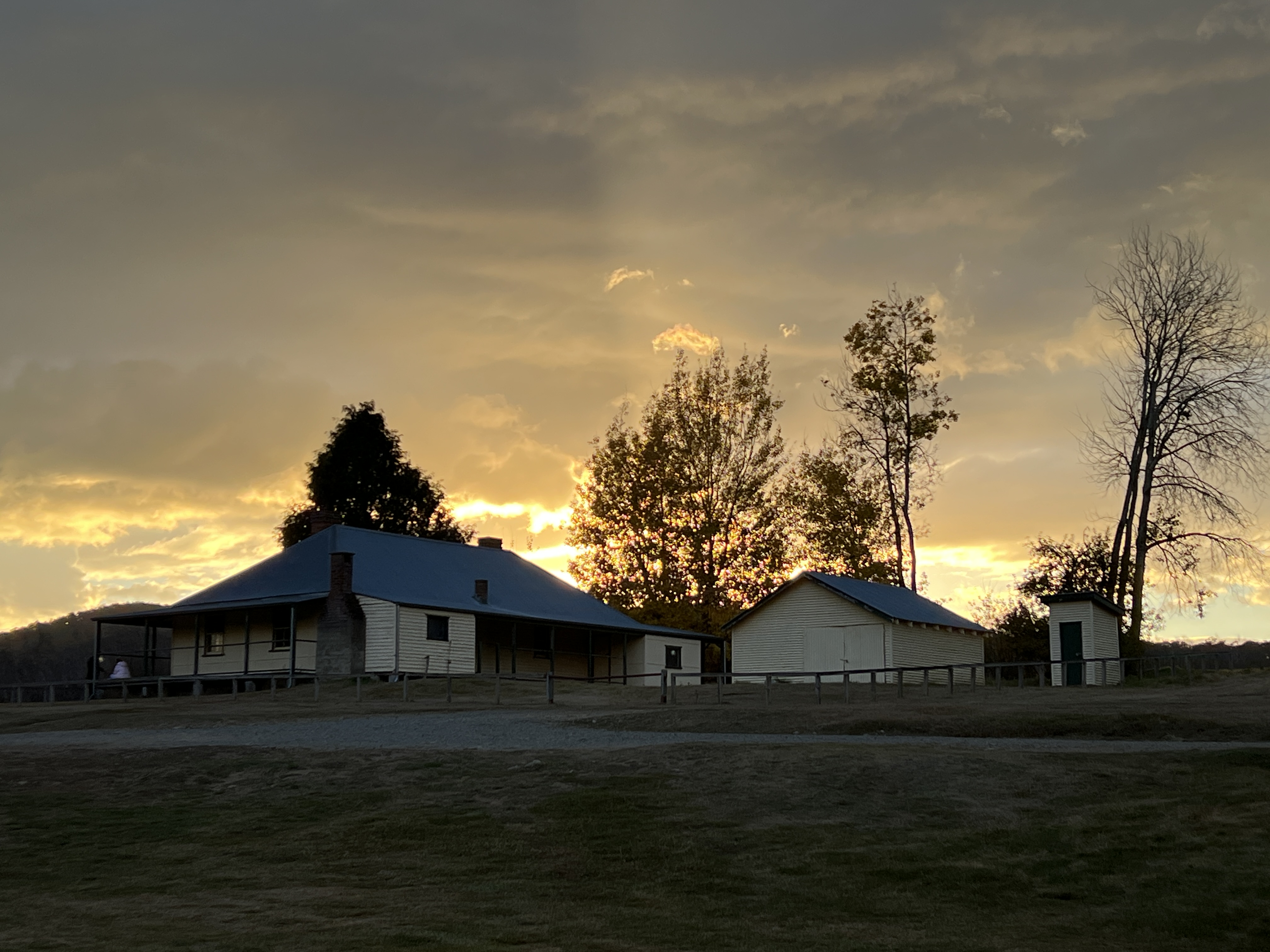
Today, nothing remains except one house (can be rented from National Parks?) built in 1898 (has had some renovation since) overlooking the camping area and Yarrangobilly River, YR. So, we were a little short on the facilities we had anticipated.
Despite the initial negative vibe YV is a great stop over point along the Snowy Mountains Highway, about midway between Tumut and Cooma.
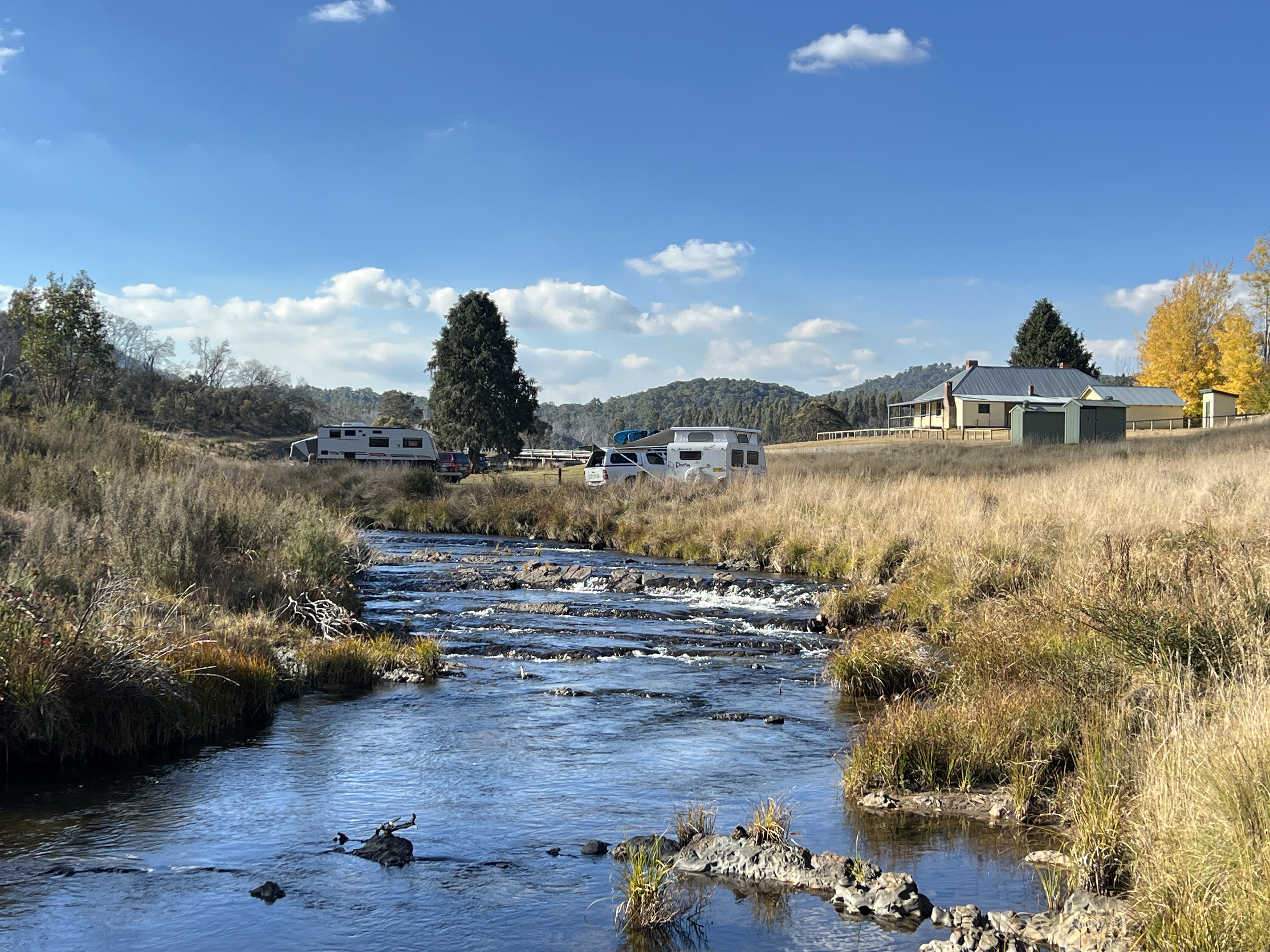
After setting up the site beside YR Allthego thought he would test the Long Drop facility, the onboard loo was nearly full and had to be nursed, along with our water, for the next couple of days to allow those now common early morning in the dark visits. Walking up the hill Allthego noticed a lady emerge from the facility and thought to himself ‘now I know her’. Allthego sauntered across and had a closer look. And said ‘ I know you’, she looked quizzically and I continued ‘Debbie’. She took her sunnies off and also had a closer look, paused a bit and said ‘Russell’. My cousin Debbie! Haven’t seen her for some time.
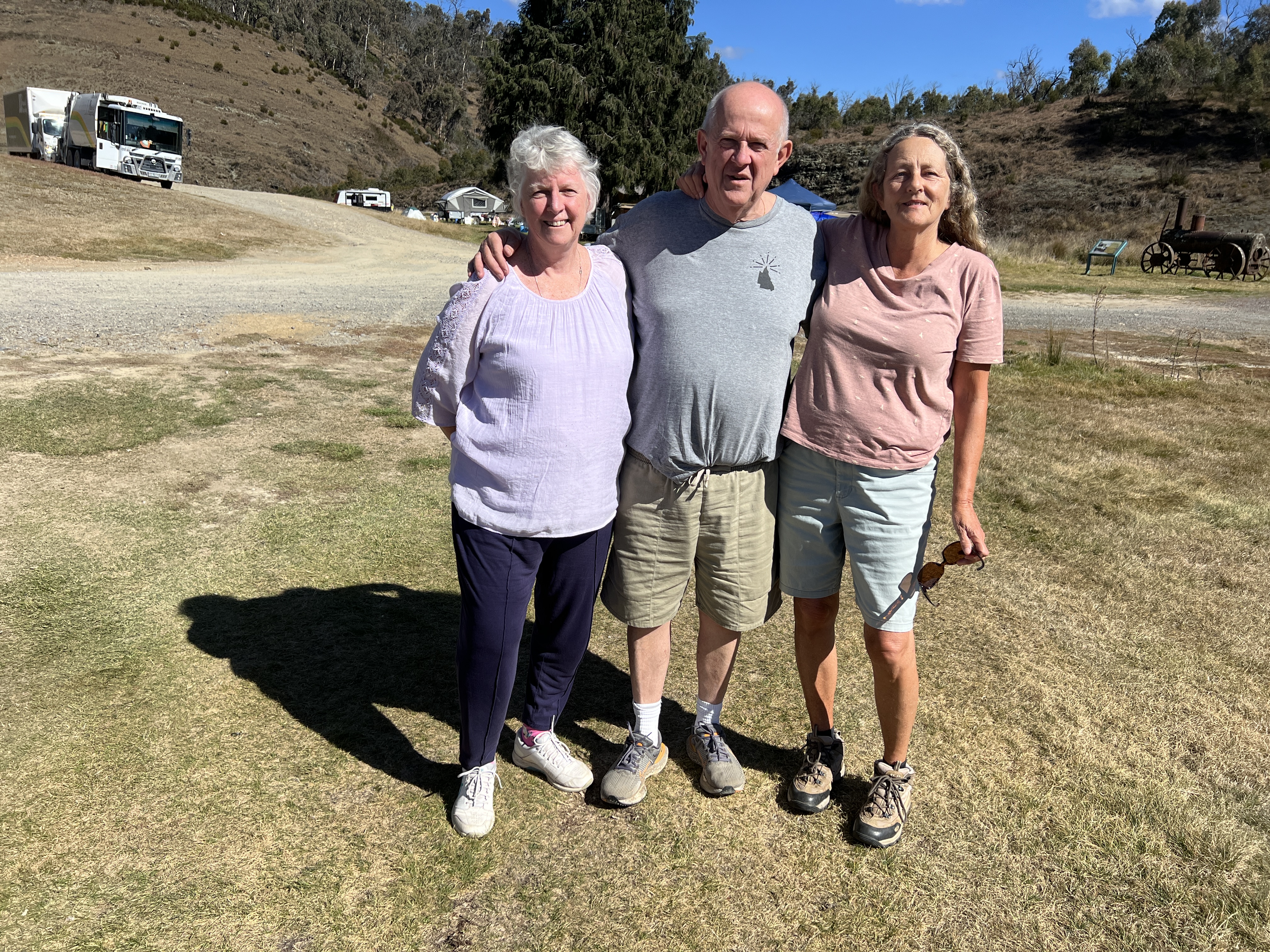
Her mother, my father’s sister, was 100 last September. She had just stopped by to use the loo and was on her way home to Dalgetty, on the Snowy River. We had a chat for a while before she and Ron, her husband, had to head off. One for the road!
The turn off to YC is about a 7 km drive from YV, there is then a one way 6 km one lane road/track to the YC Visitor’s Centre. The track is narrow in places but quite well graded, can’t bring a van down to the bottom.
The caves were first discovered by Europeans in the mid 1800s and became over the years a tourist attraction. The National Park people have set up a system of mostly guided entrance only to the caves. A one way ring road makes a circuit of the popular spots.
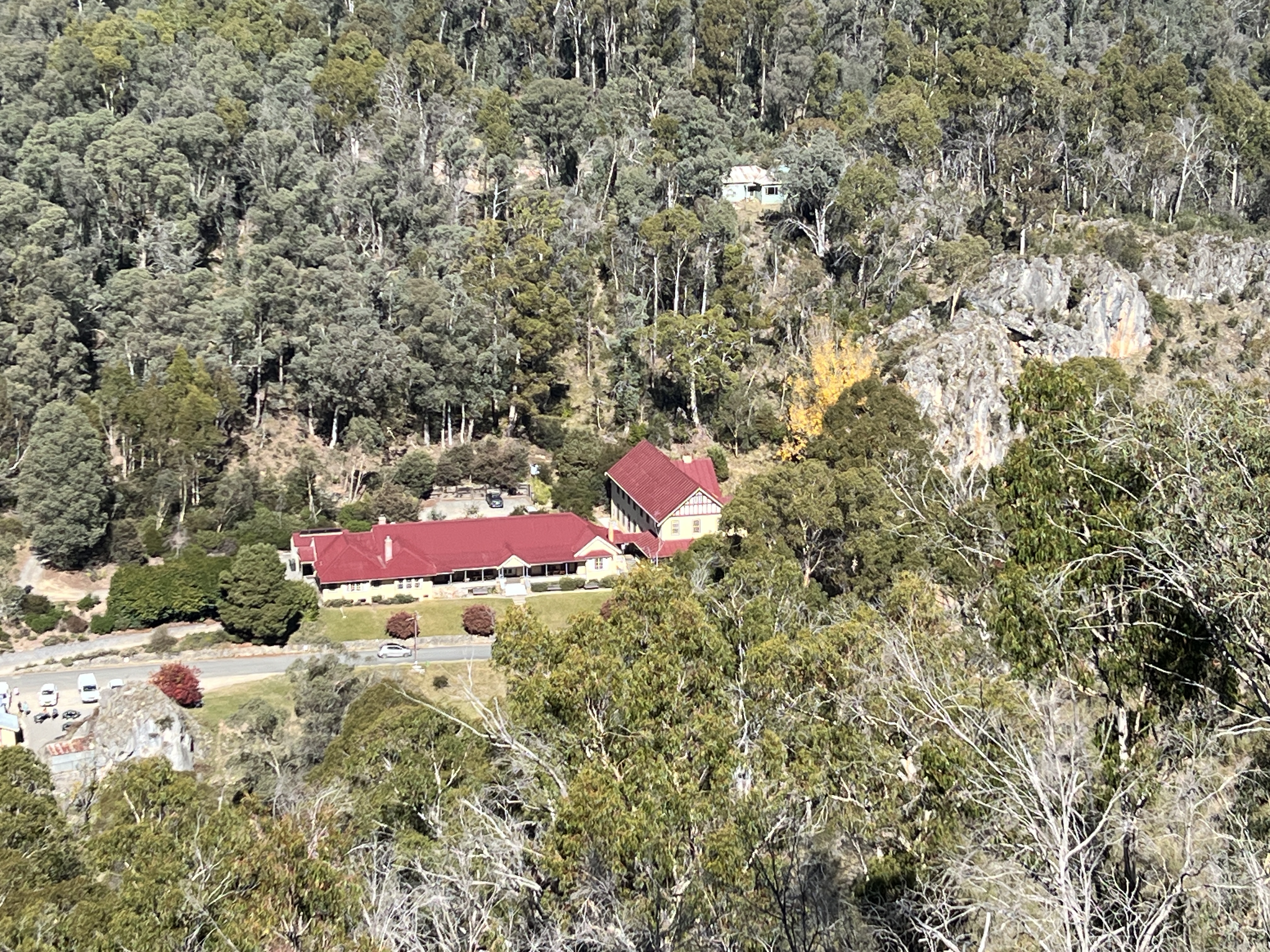
Numerous walks can take you to more remote spots and down into the gorge along the YR. We did a tour of Jillabenan (‘Dark Hole’) cave, which was only found by Europeans in 1910. It is very well preserved and presented, some amazing formations. Great tour.
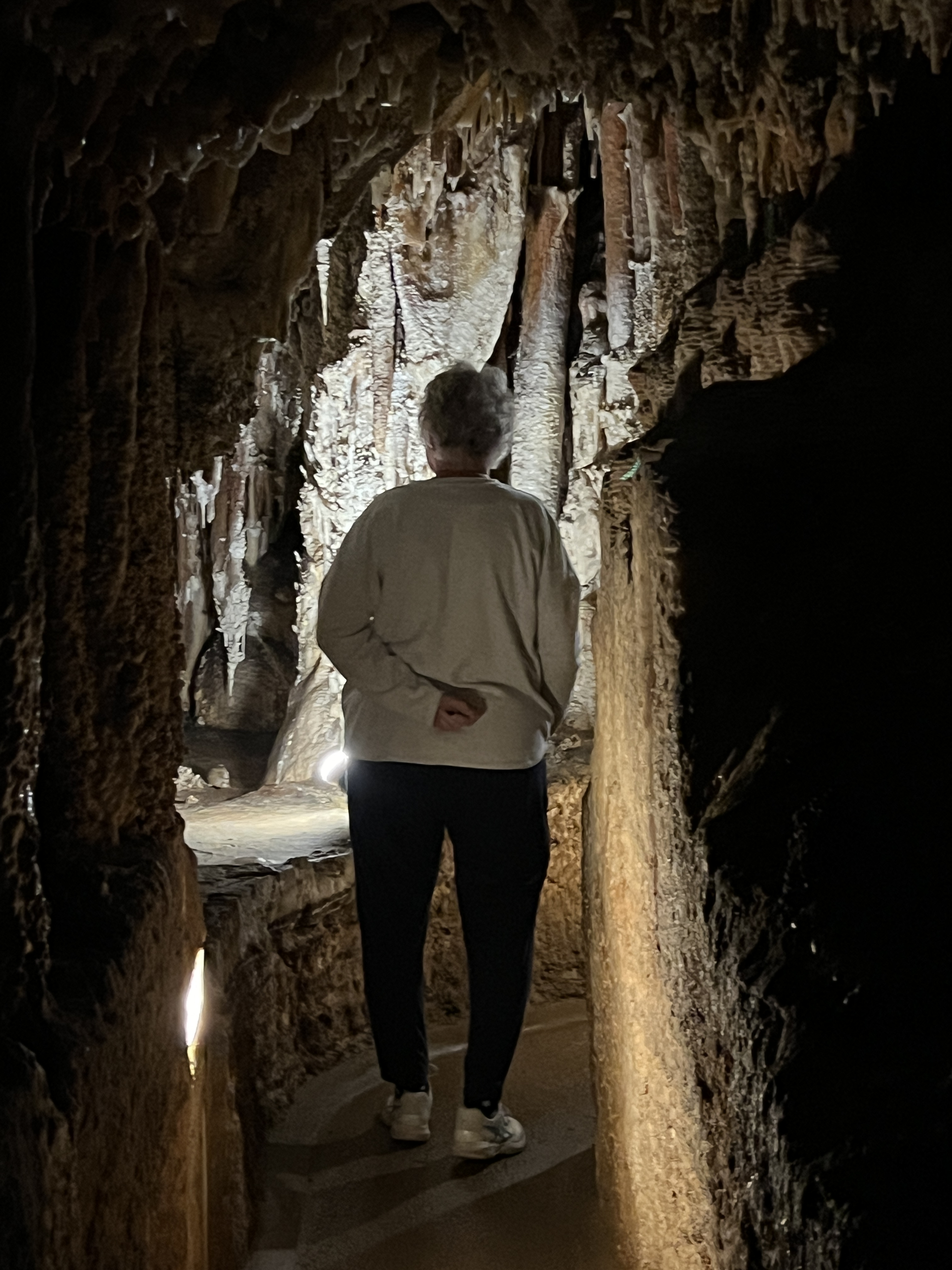
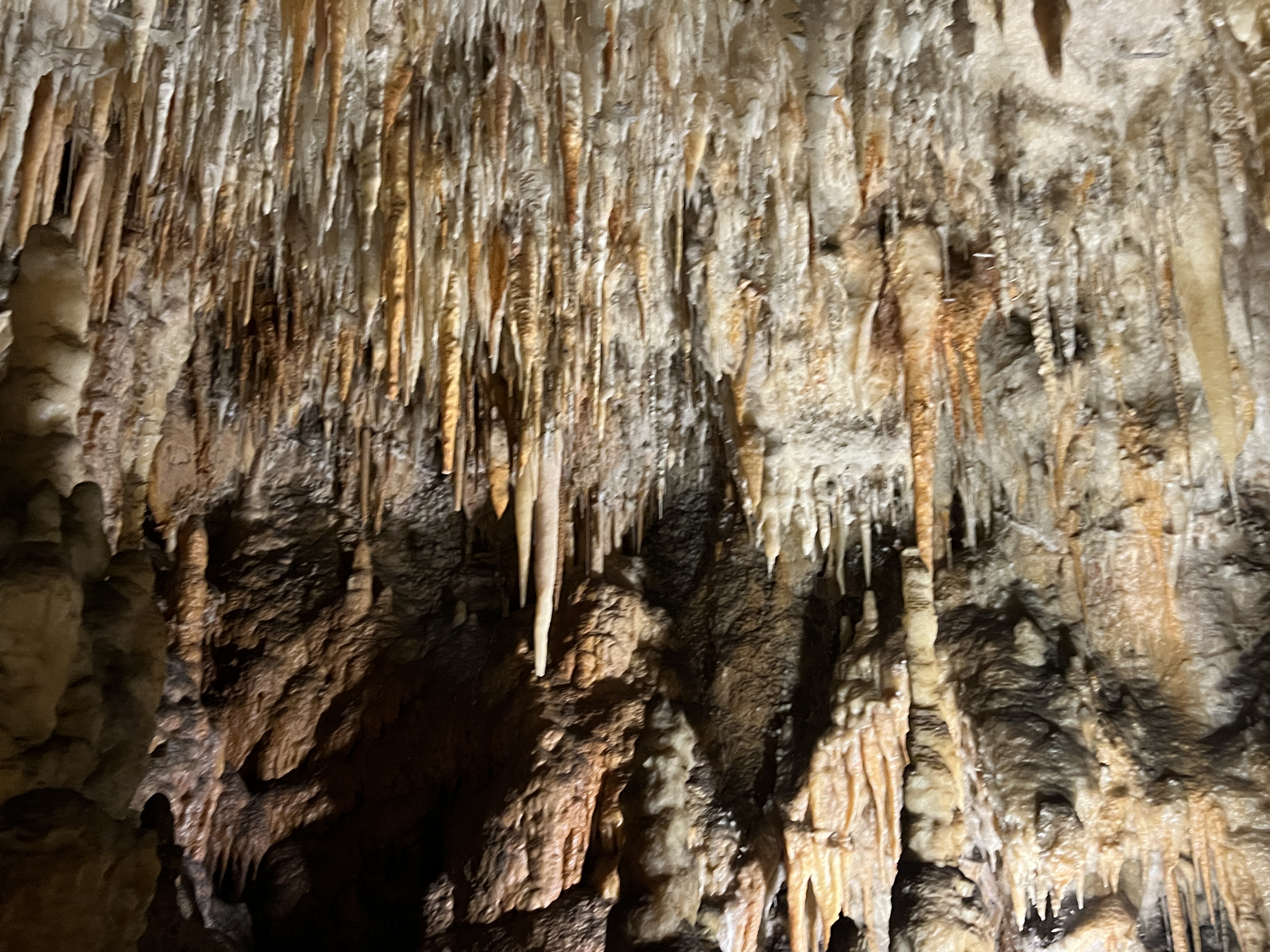
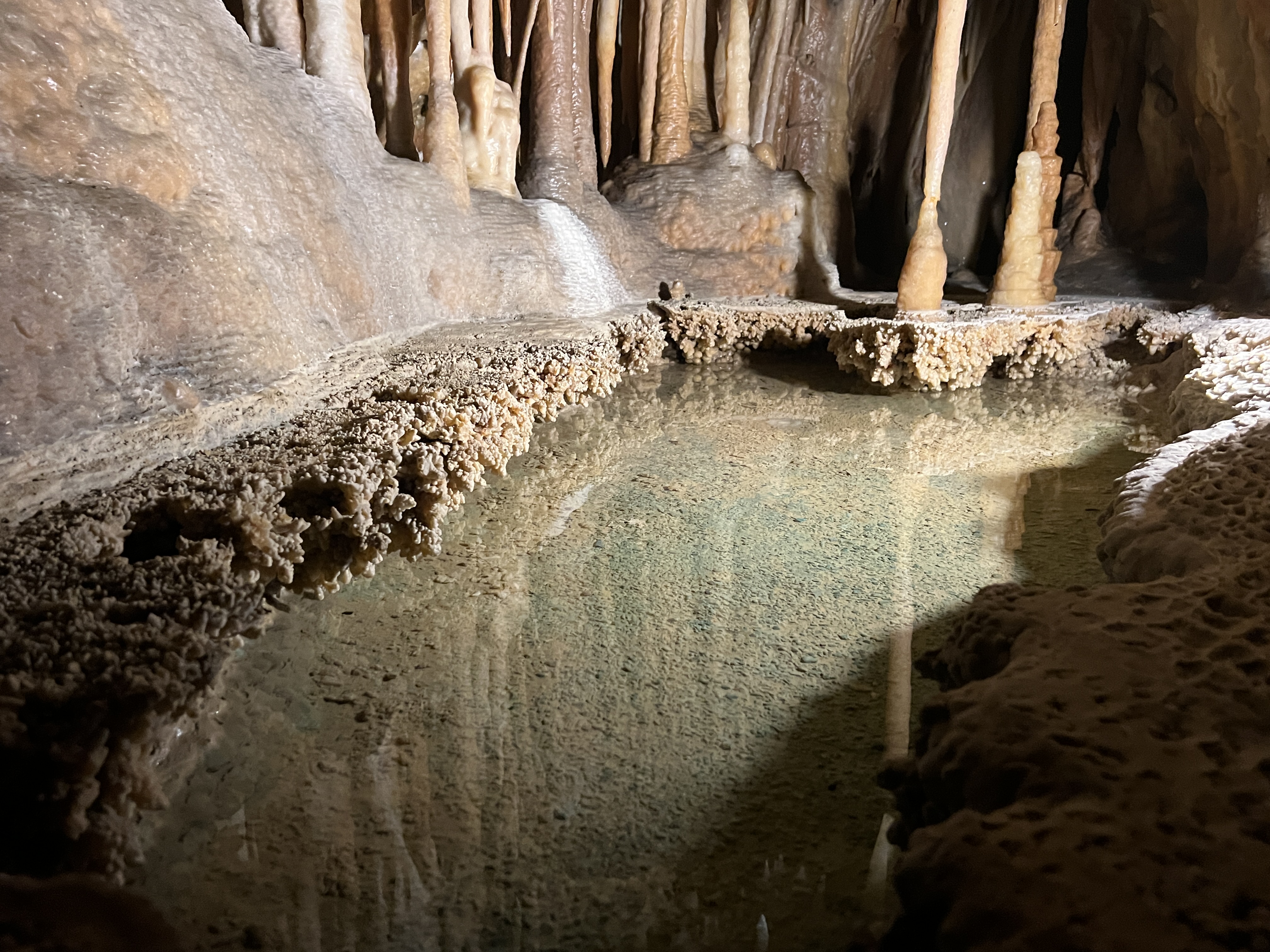
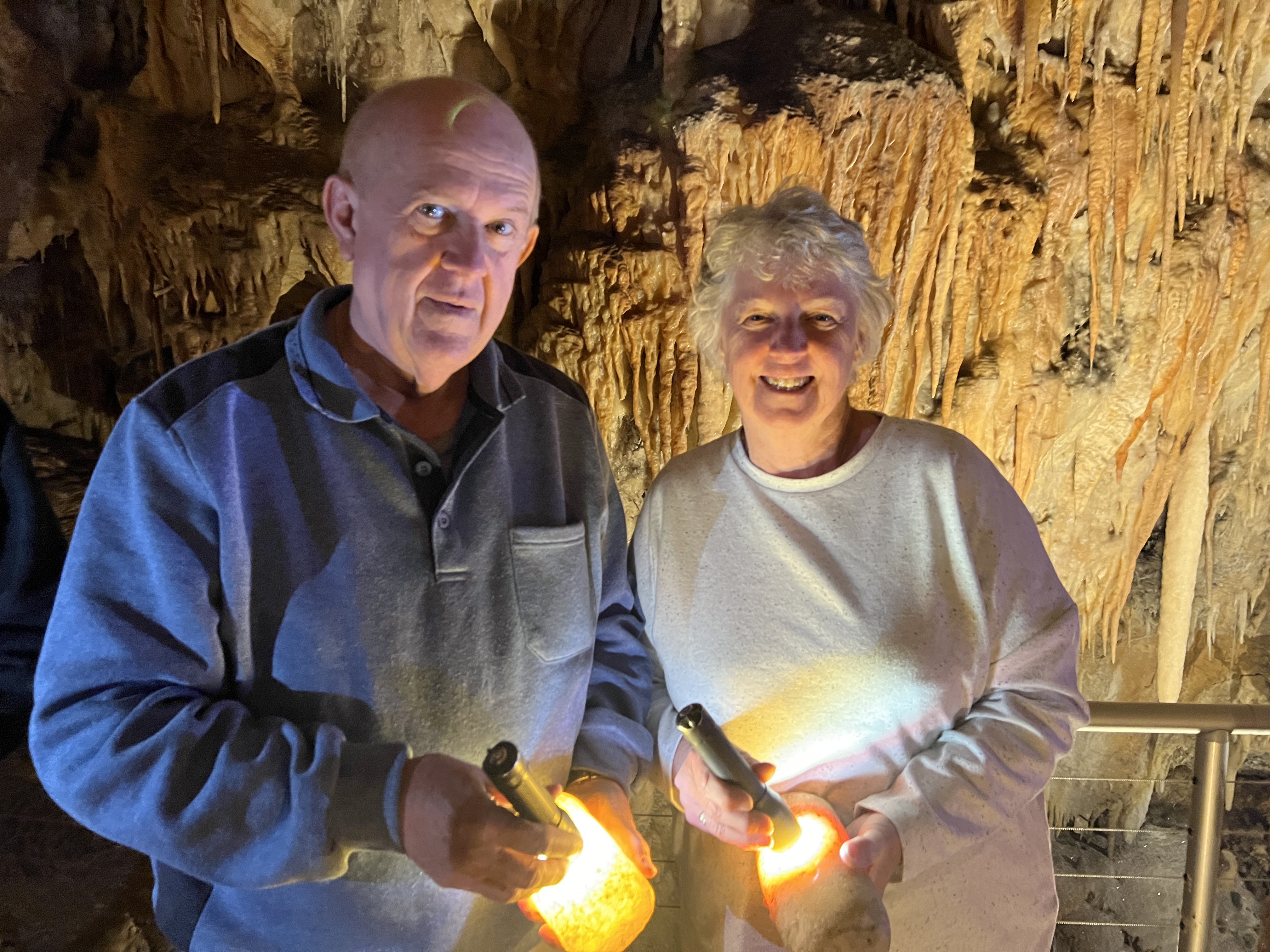
The cave is a ‘perched’ cave sitting high up the ridge above the present course of the river. It is thought to be 2-3 million years old, whereas the caves lower down near the river are only 100,000 years or so old.
Allthego took the rather steep 700 metre path down to the thermal pool beside the river.
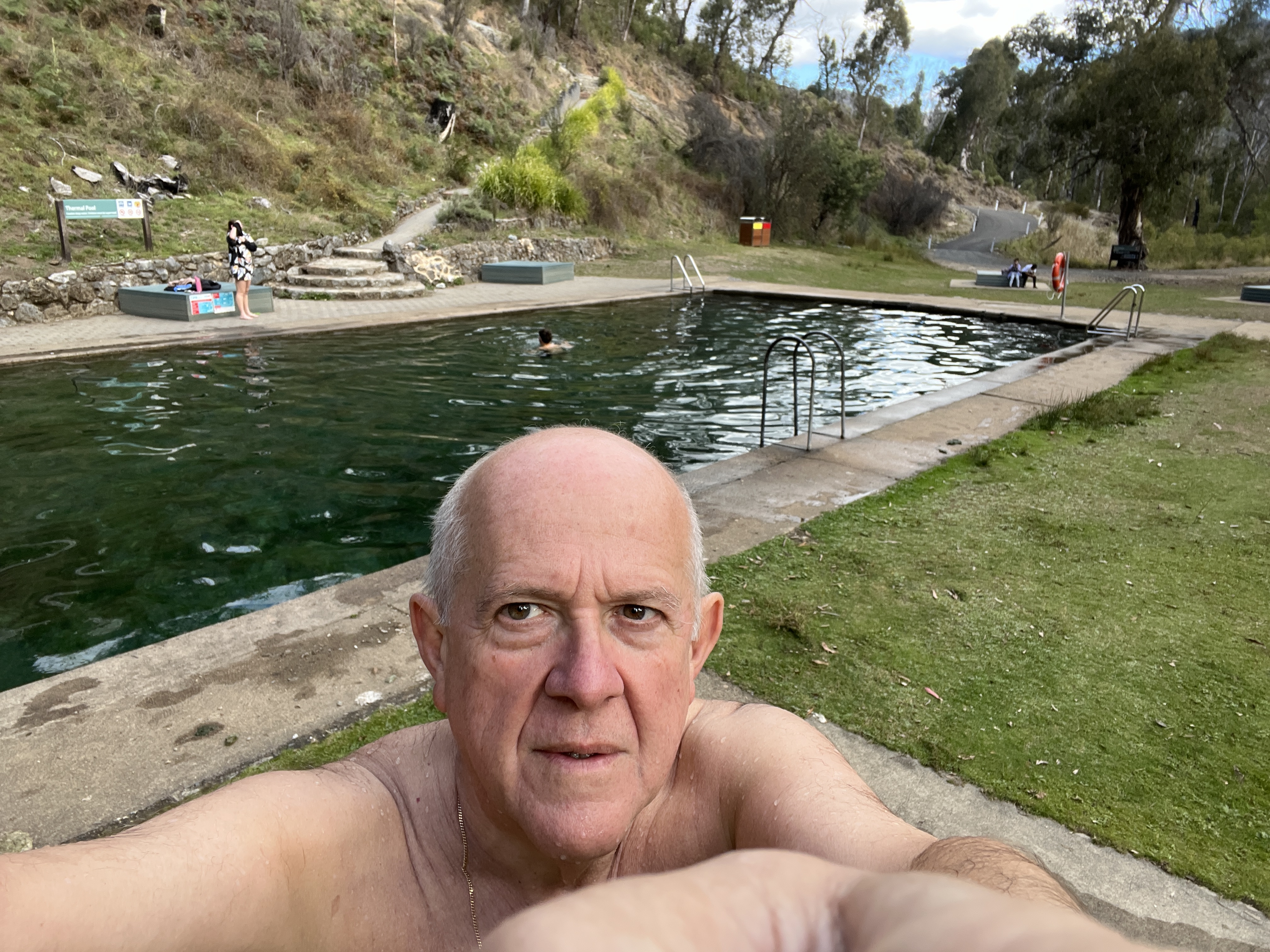

This pool is fed by an underground spring at the rate of 100,000 litres an hour, the water seeps in at the bottom of the pool and then flows out the top and down to the river. It is a pleasant 27 degrees and crystal clear. The walk back up the hill a little testing, but all ok! The road out of the gorge was also one way back to the top.
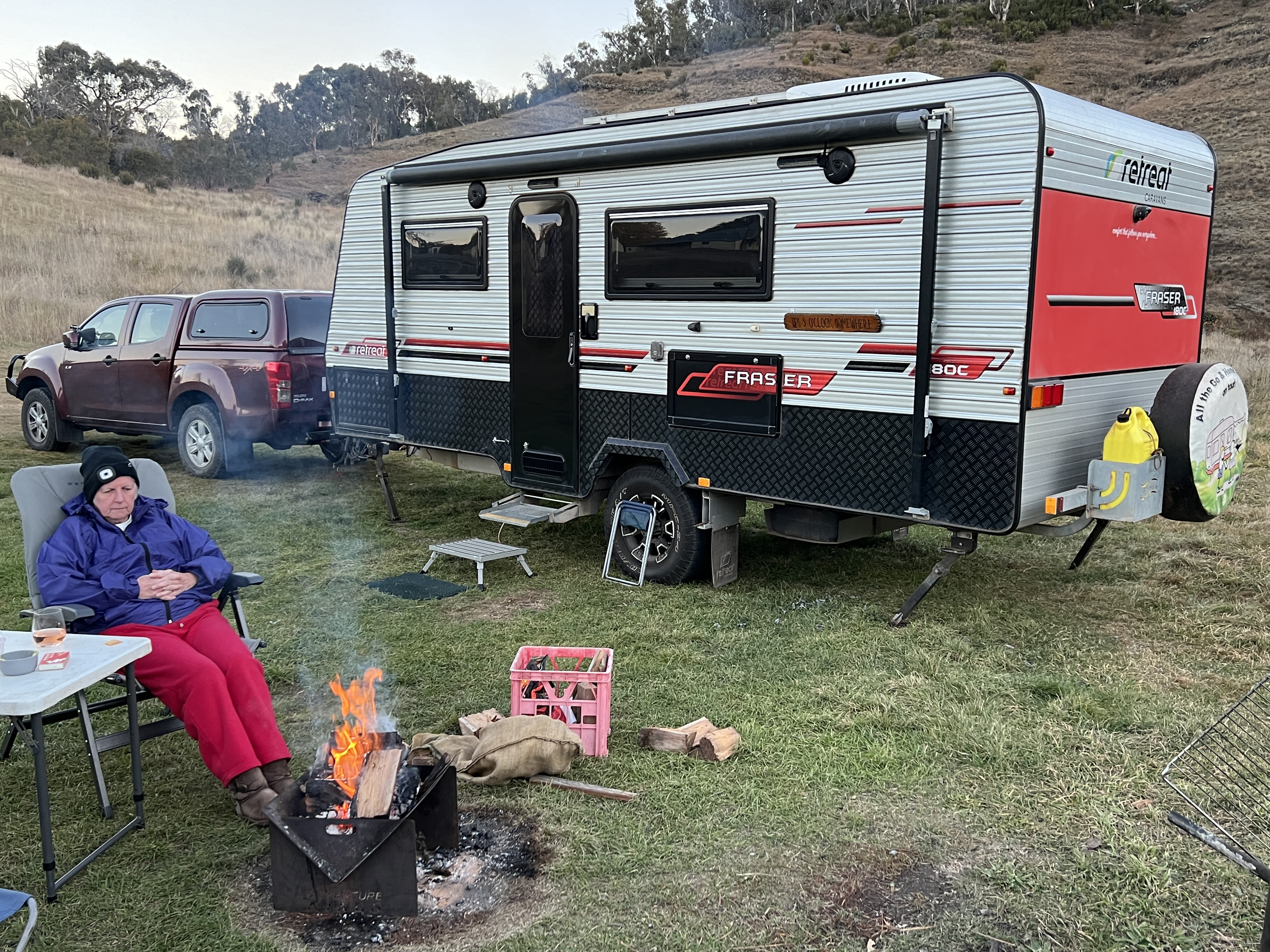
Back at the campsite we enjoyed a nightly fire to keep warm before bed, it hit -1 one morning. Bit chilly!
We now move on to Adaminaby and will need to manage the fuel which has got quite low, it is about 60km.
Made it to Tumut
We have made our way down from Inglewood (a contraction of ‘Ingol’ apparently for ‘cypress pine’ and ‘wood’ for the English ‘clump of trees’) to Tumut, after stopovers in Coonabarabran and Forbes. On the way to Coonabarabran we had a short stop beside the Newell Highway at Kiga Bore, a desolate spot amongst the rock and roadside dirt. The bore is surrounded by wattle trees and what is known as ‘sweet acacia’, a low growing very woody spiny shrub.

It’s the sort of place though that grows on you, some ducks swim around, maybe they use the partially submerged truck tyre as a resting spot. The water is a little grimy around the edges, maybe fertiliser run off from the surrounding cotton fields. But the scene makes a nice photo in the sunshine!
Coonabarabran is a favourite stop over for us, a great no frills campground that is never crowded and with plenty of room.

Moving on the next morning we pass through Dubbo, stopping for a roadside lunch. Between Dubbo and Parkes is Peak Hill which has a long gold mining heritage. We paused here for afternoon tea and took the opportunity to check out the old gold mining complex. Quite a sight looking down into the open pit, with it’s copper blue water lake in the bottom of the pit.

In Forbes we stayed beside the Lachlan River at the Apex Caravan Park, nice park location wise but a little squeezy. We will be back here at Forbes on our way home to Brisbane following the Lachlan River. The Lachlan is the major tributary of the Murrumbidgee, but more of that on the return trip. Homealone’s brother Stuart and wife Maree were coincidentally in Forbes staying with Maree’s father Bob and we had an evening roast lamb dinner with them. Very enjoyable indeed. Timing is everything they say!
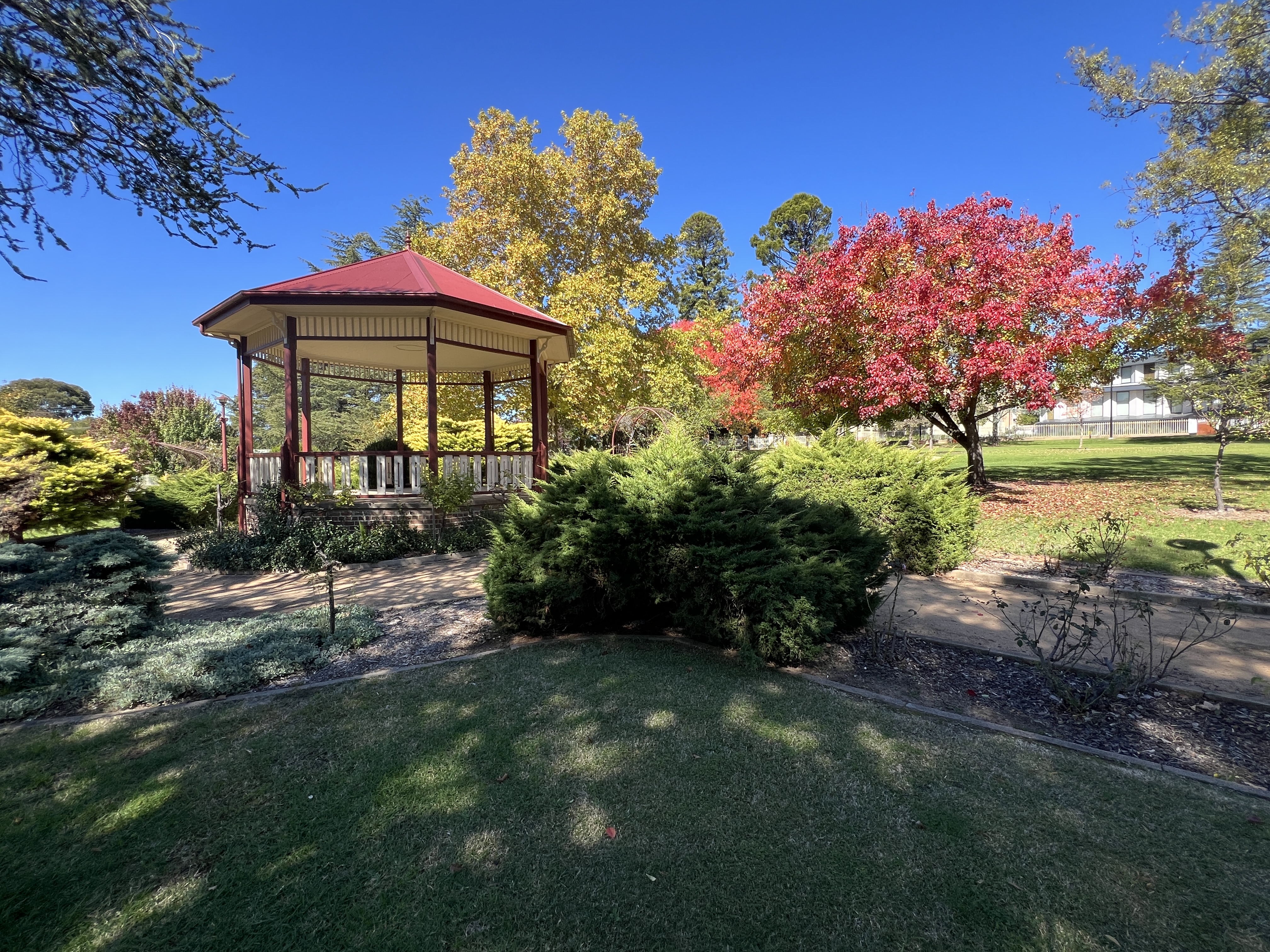
The next morning it was off to Tumut via Grenfell and Young, the NSW cherry capital. Cherries were finished for the season but the autumn foliage was on full show around town.
Tumut is a busy little town and we decided to head further south along the Snowy Mountains Highway to a free campsite beside the Tumut River.

The camp is a few kilometres below the Blowering Reservoir, and the river is a small trickle of what it once would have been. It is known as the mighty Tumut!


Great spot for the night before heading further south to the source of the Murrumbidgee.

