Towards the north and then back south
To the north of Auckland lies what is known as Northland. It becomes increasingly less populated as you travel north, particularly after you reach Whangarei about 160km from Auckland. It is quite large with an urban population of 56,000 and another 50,000 in the surrounding region. From Whangarei it is another 250km or so to Cape Reniga, the tip of the North Island.
We are only going as far as Whangarei on this trip. On the way up we went along the east coast scenic route, avoiding the motorway and tollway up the middle.
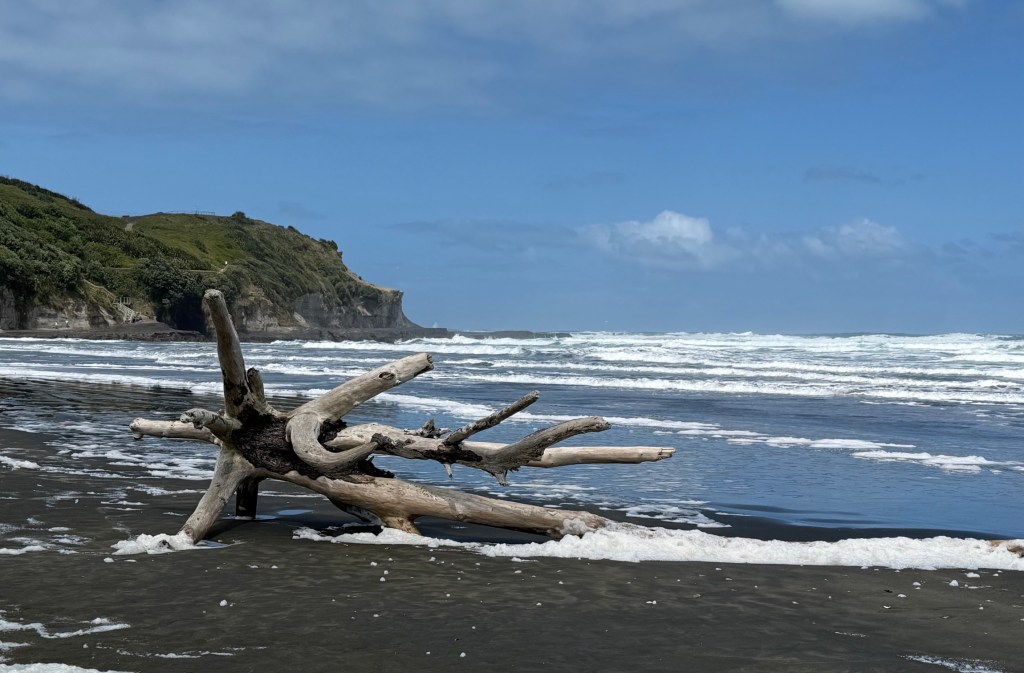
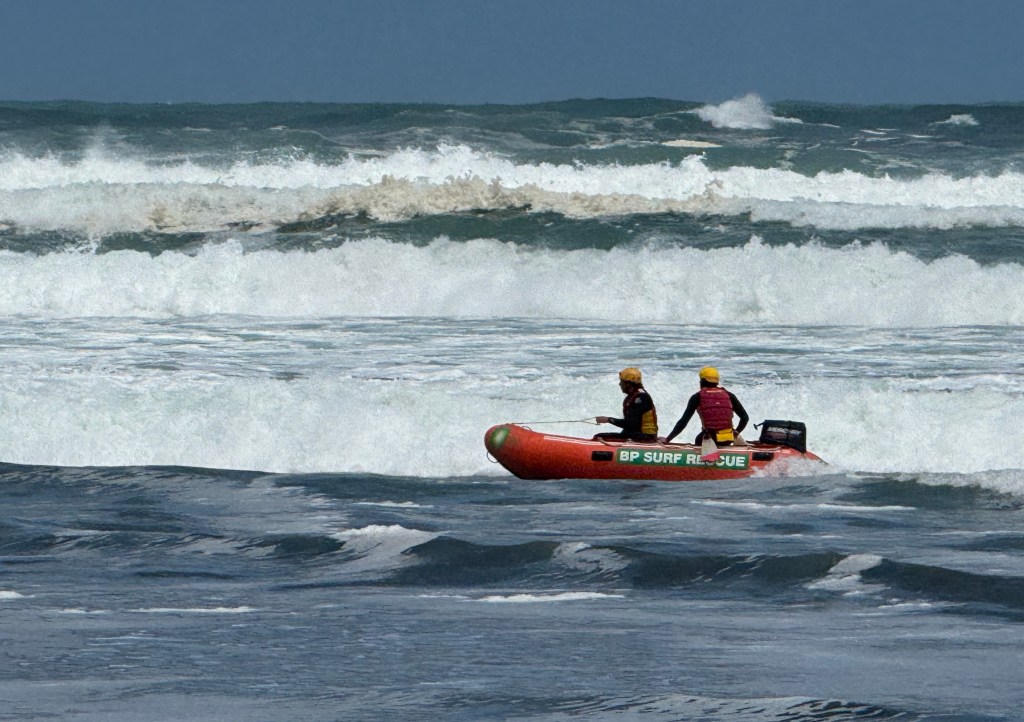
We had a short detour off the main road to Muriwai Beach for a look at a black sand beach. A wild and woolly surf was running, no swimmers but the lifeguards had runs up and down the beach in one of their inflatables. Protecting someone I suppose and of course getting in some wild water practice.
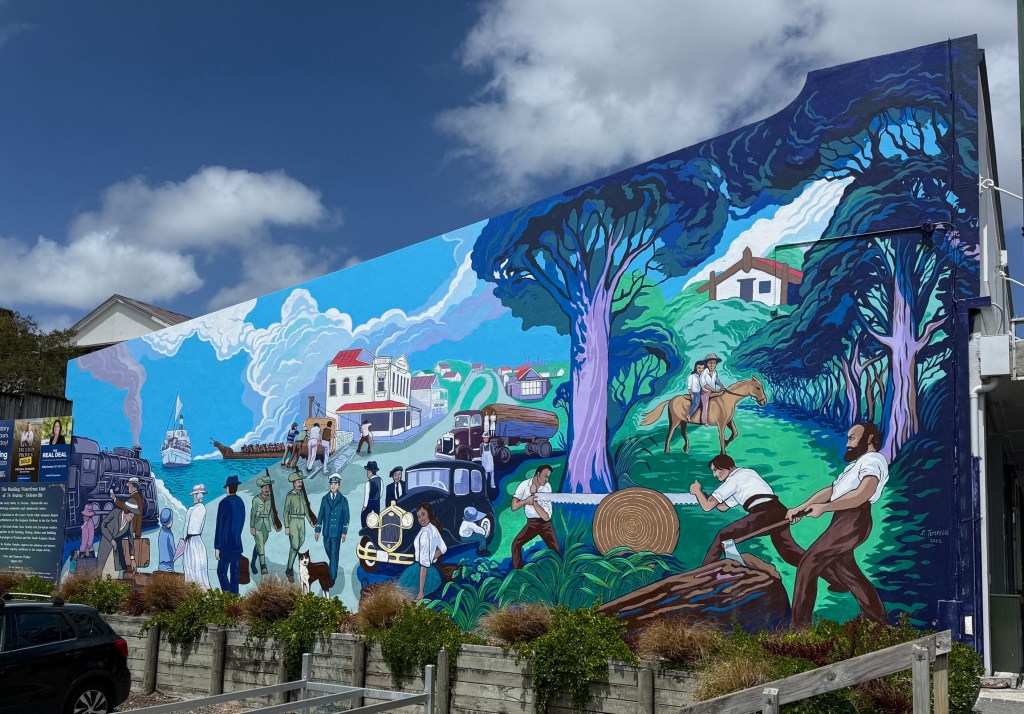
Further north we stopped off at Helensville for a lunch on the run. Helensville was formerly a significant regional trading centre at the bottom of Kaipara Harbour. The harbour is actually a series of interconnected drowned river valleys with a treacherous narrow estuary entrance. Since the decline of forestry operations it is no longer used for shipping.
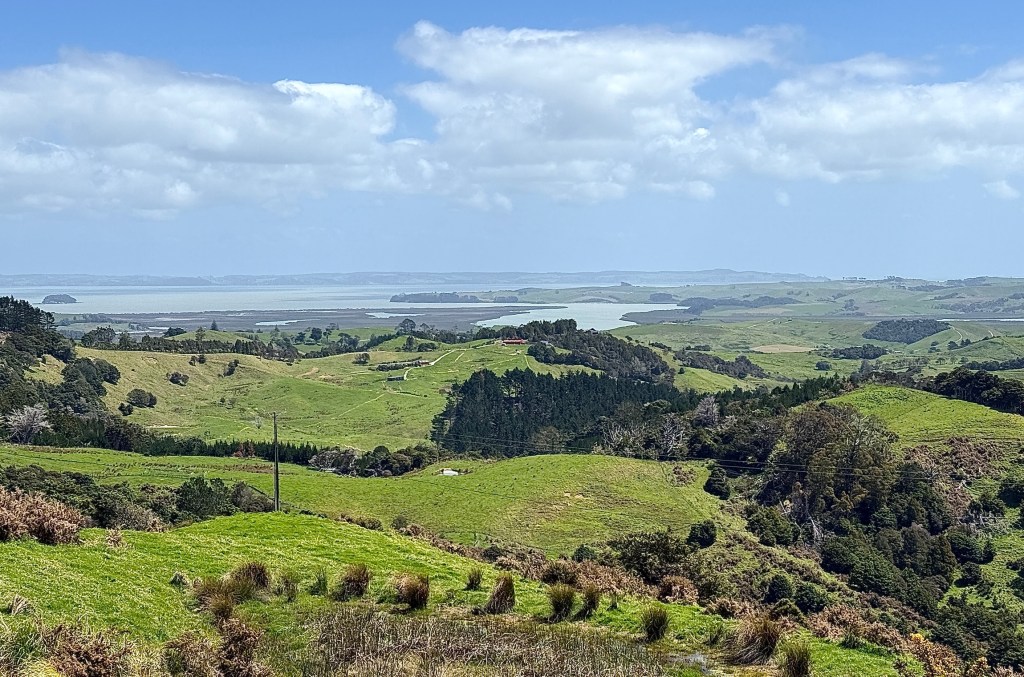
Our route took us further north along the shores of the harbour and across some hills and valleys to eventually arrive in Whangarei on the east coast in the late afternoon.
We only had two nights here and the next day we had to cherry pick from a wide range of exploration opportunities. So much to see!
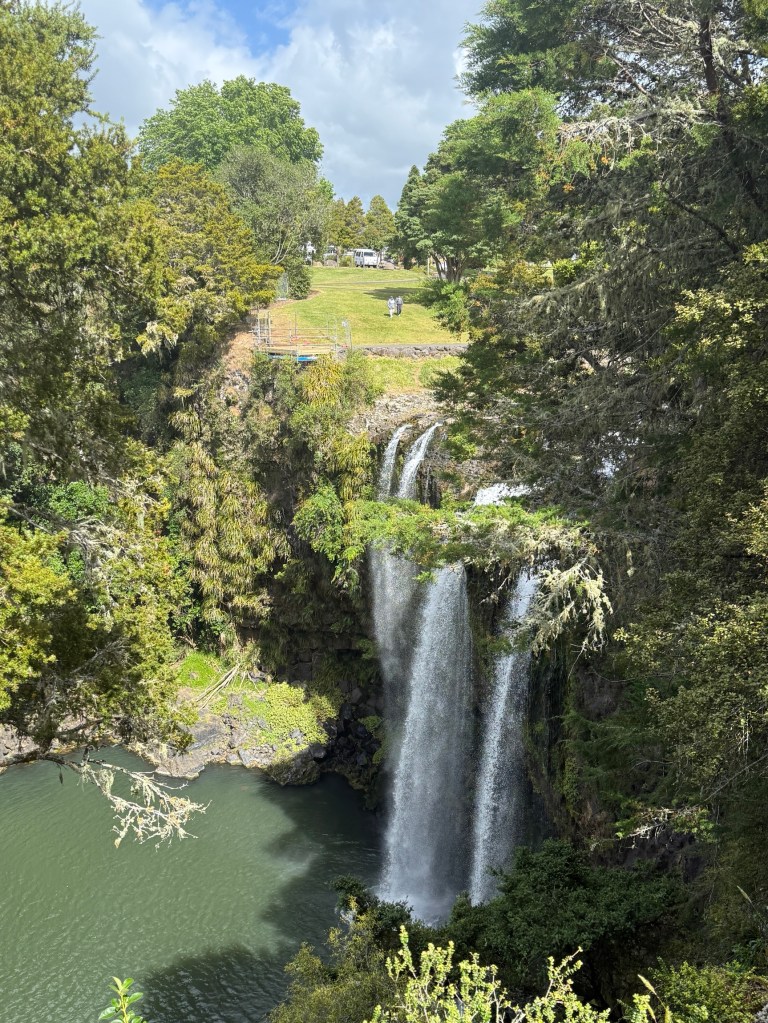
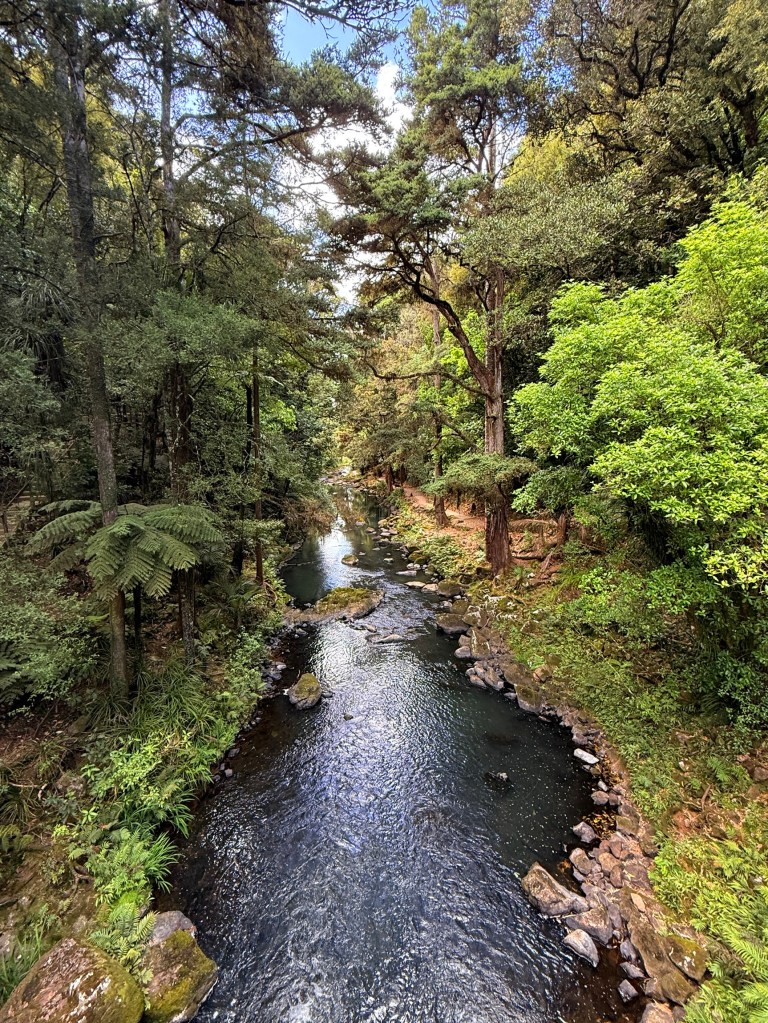
The Whangarei Falls are a must do and after having a look there we drove out to Whangarei Headland.
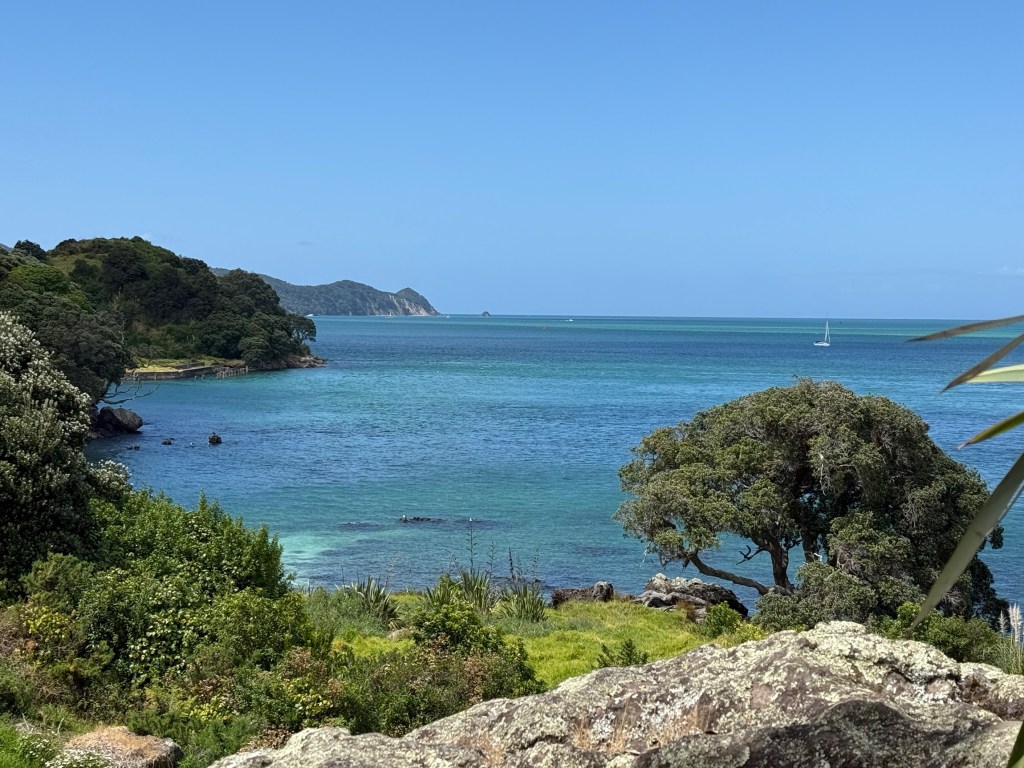
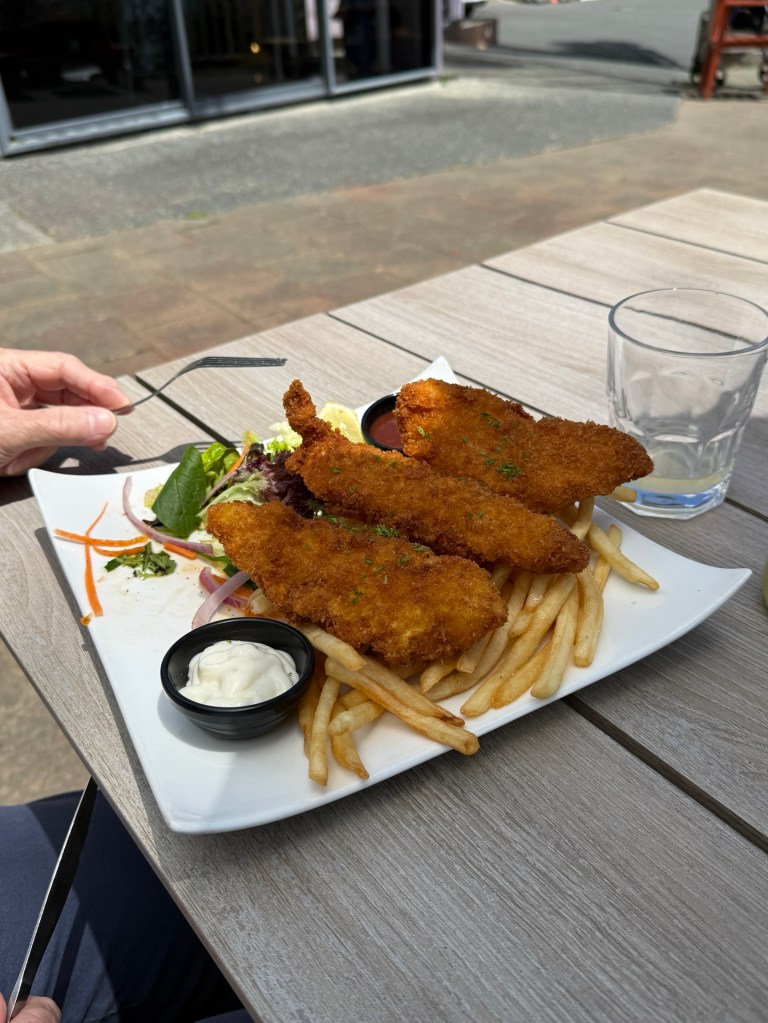
We managed to get lunch in at a cafe at McCloud’s Bay, high on the hill overlooking the water. But it was fush n chups again! Getting boring, this time though it was John Dory, a rather tasty fush. Homealone had hers breadcrumbed and Allthego had them pan fried, no batter!
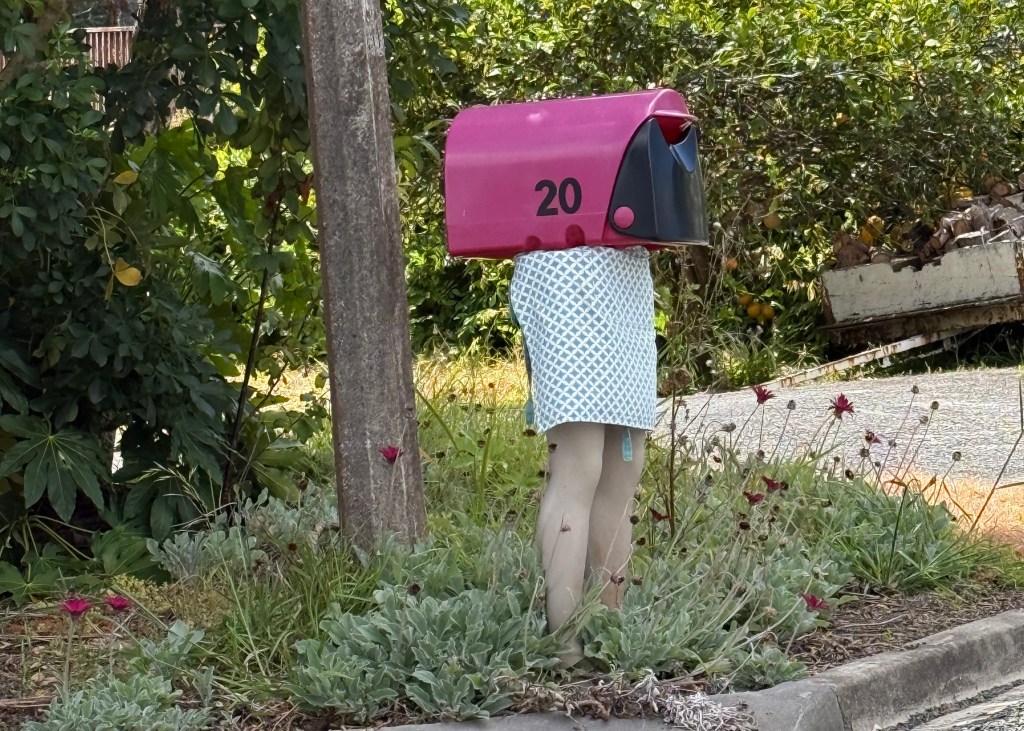
Just around the corner from the cafe we saw a wonderful letterbox, a great idea for Christmas! Who thinks of these sort of things!
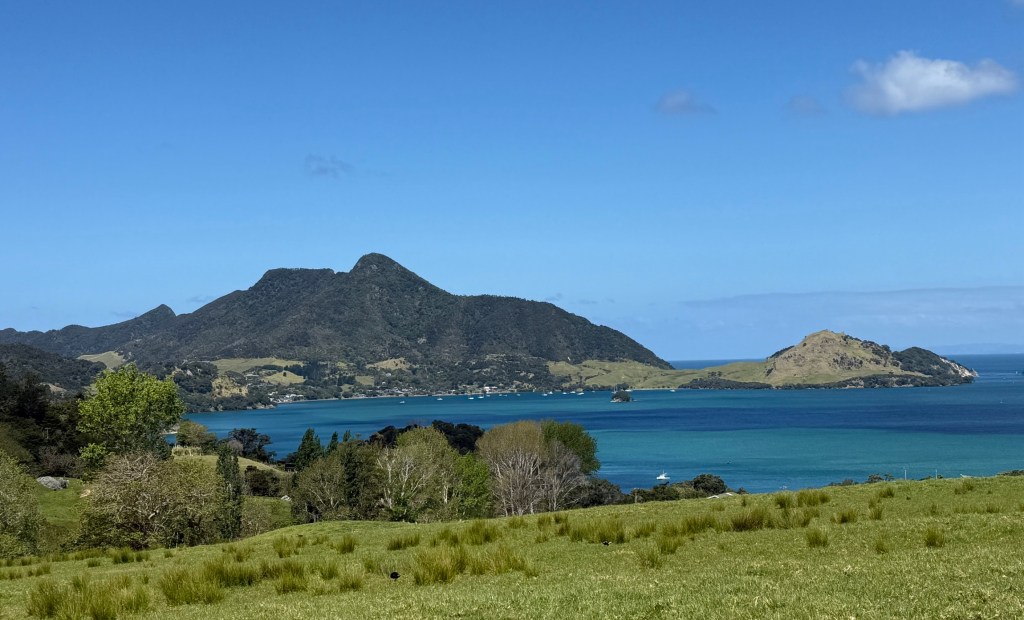
The road took us along the harbour foreshore and the small villages that dotted the route.
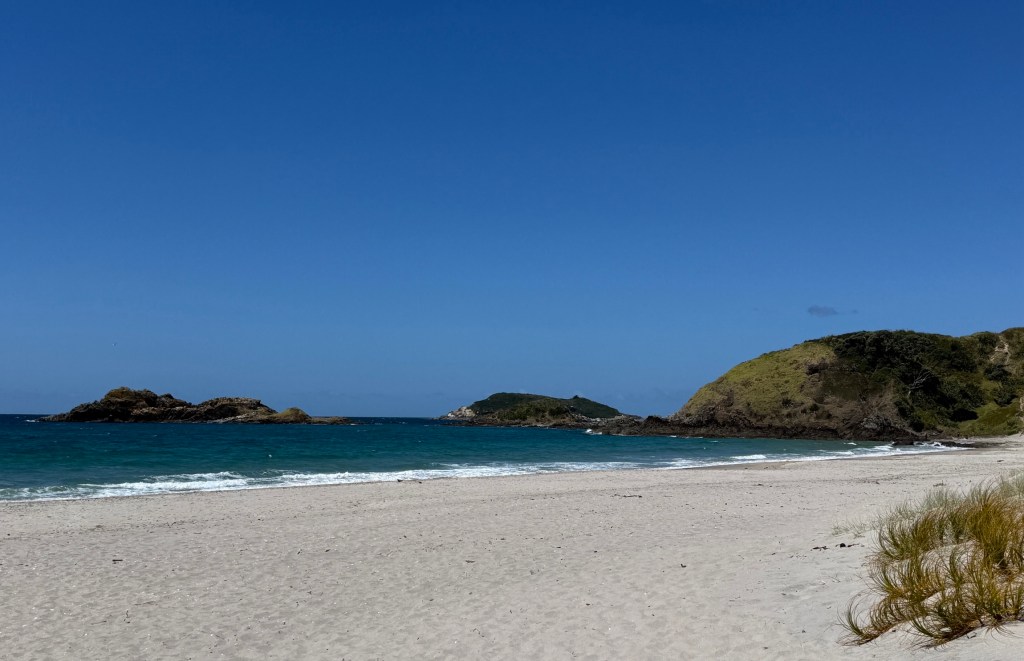
We ended up at Ocean Beach , a magnificent stretch of white sand. A great comparison to the black sand at Muriwai Beach.
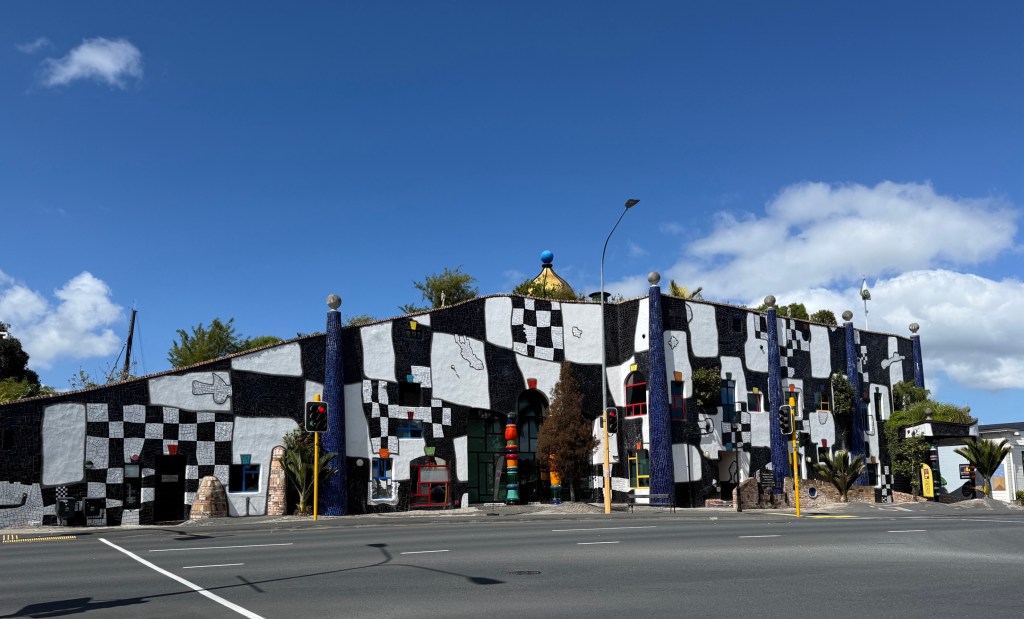
One could spend several days in Whangarei but we had to move on back south. We took sections of the western coastal route south, rather than the motorway. Like the east coast we had great landscapes and scenery to witness.
There were two interesting little towns we dropped into on the way.
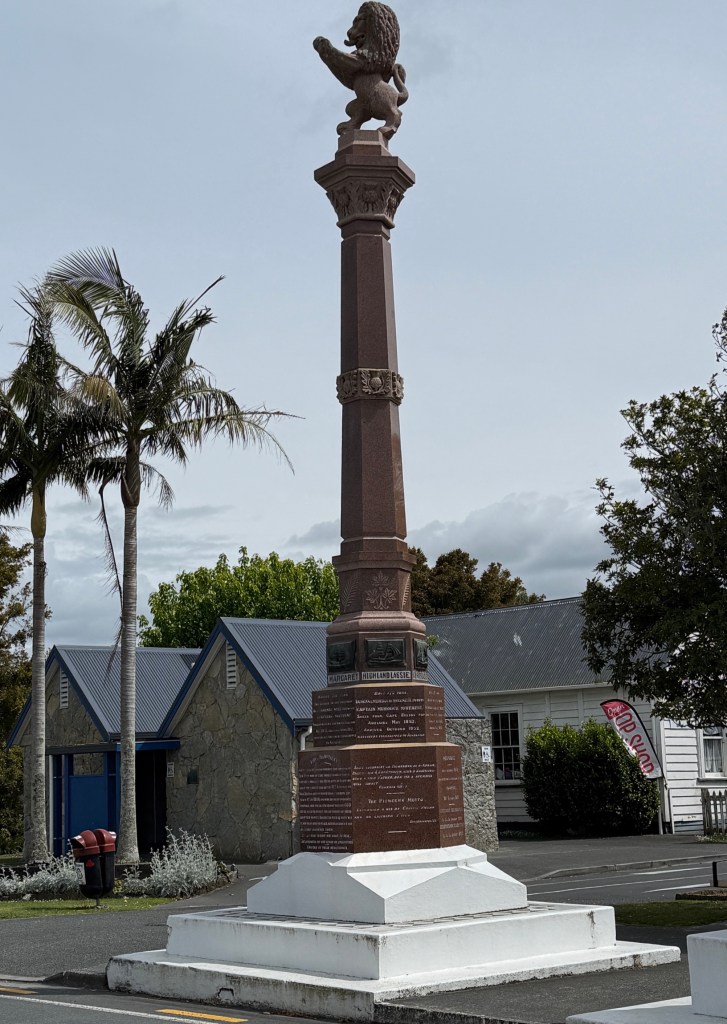
Waipu was founded by a group of Scottish emigrant families in the 1850s. They arrived here from Nova Scotia, in present day Canada, rather than directly from Scotland.
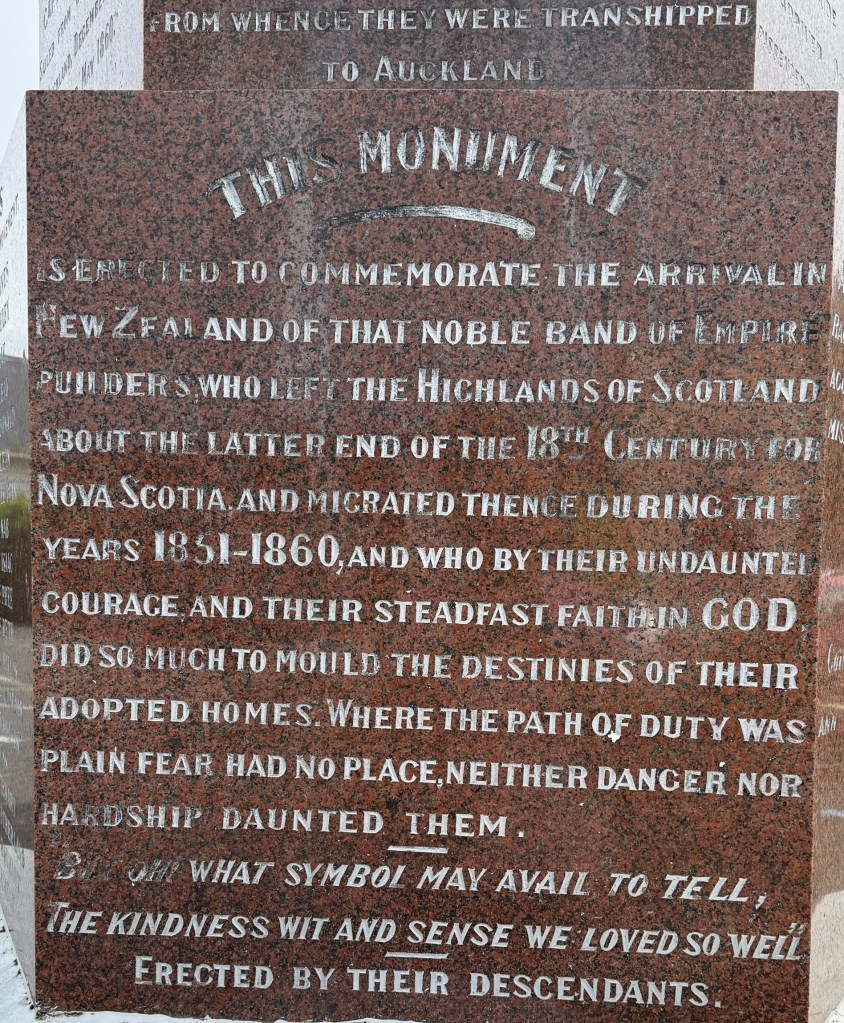
The families had originally migrated to Nova Scotia in the late 1700s during the ‘clearances’ of the Scots people from their land in the Northern Scottish Highlands by the English to expand sheep farming.
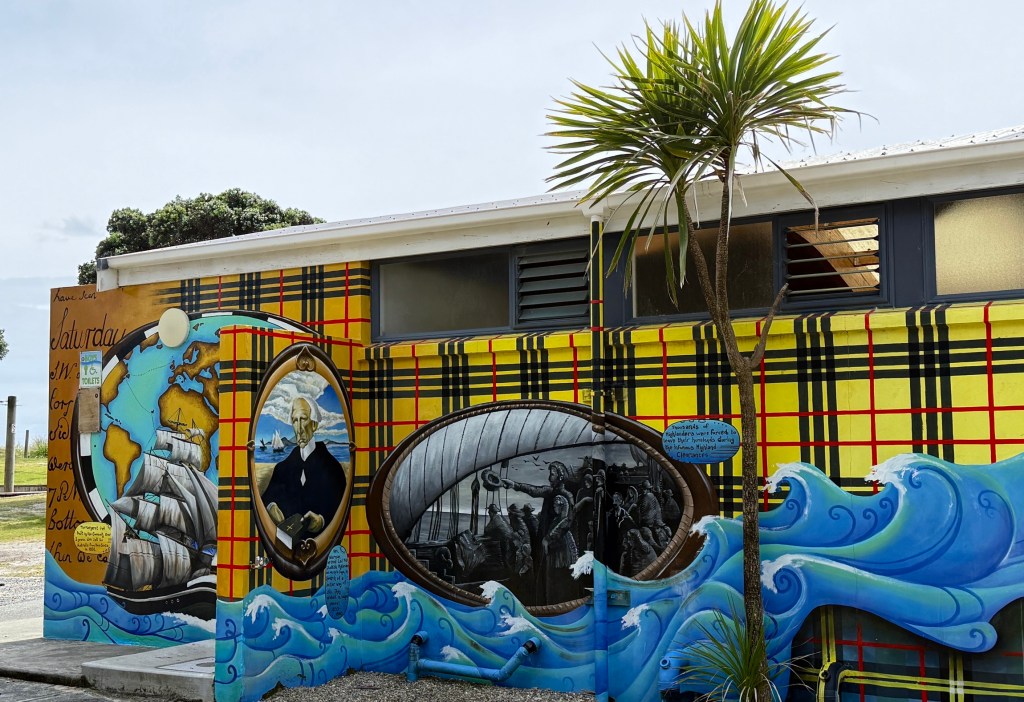
They left Nova Scotia in two ships they had built themselves, during the potato famine, seeking a new start in Australia. They arrived in Adelaide in drought and couldn’t establish themselves, later moved to Melbourne during the gold rushes again failing to get land. Finally, off to Auckland where land was granted in the Waipu area.
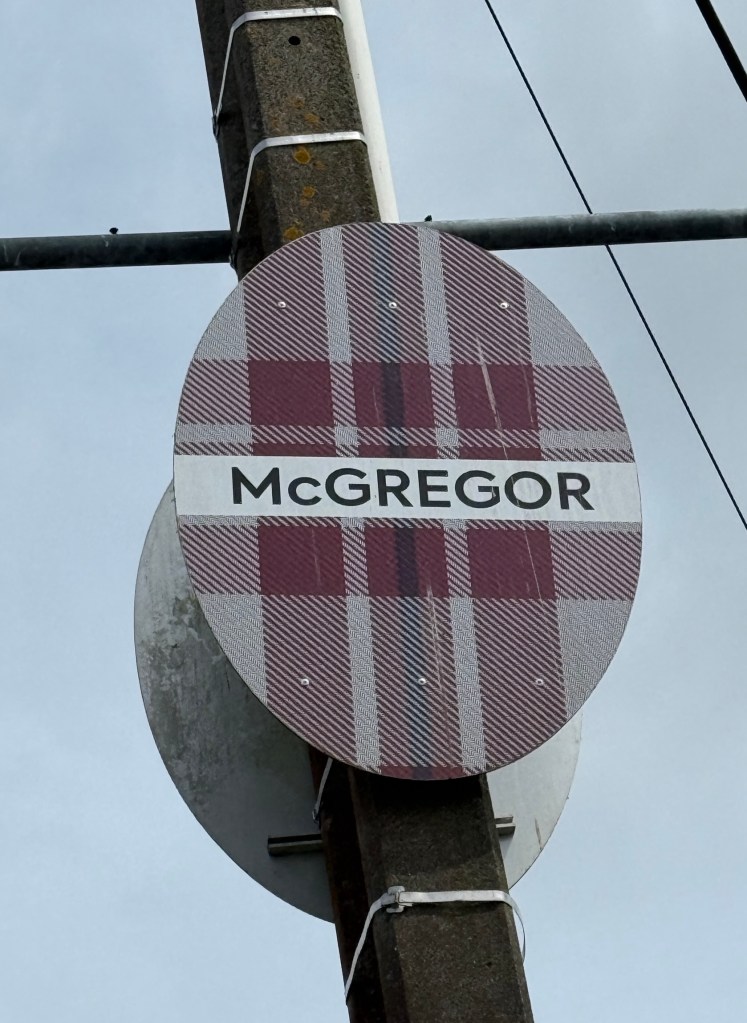
Here they established their community and another four ships arrived. Usual clan names including families of McGregors and Buchanans.
Quite a lot of Scottish memorabilia around the town, they have a 31 December Highland Games celebration. No doubt it decends into a New Year’s eve Hogmaney!
Another historic little town we came across was Puhoi. The town was established in 1863 by a small group of 83 emigrants from the then Bohemia region of central Europe. Today, Bohemia is a major part of the Czech Republic. Like the Scots in Waipu they were after land grants to establish their community.
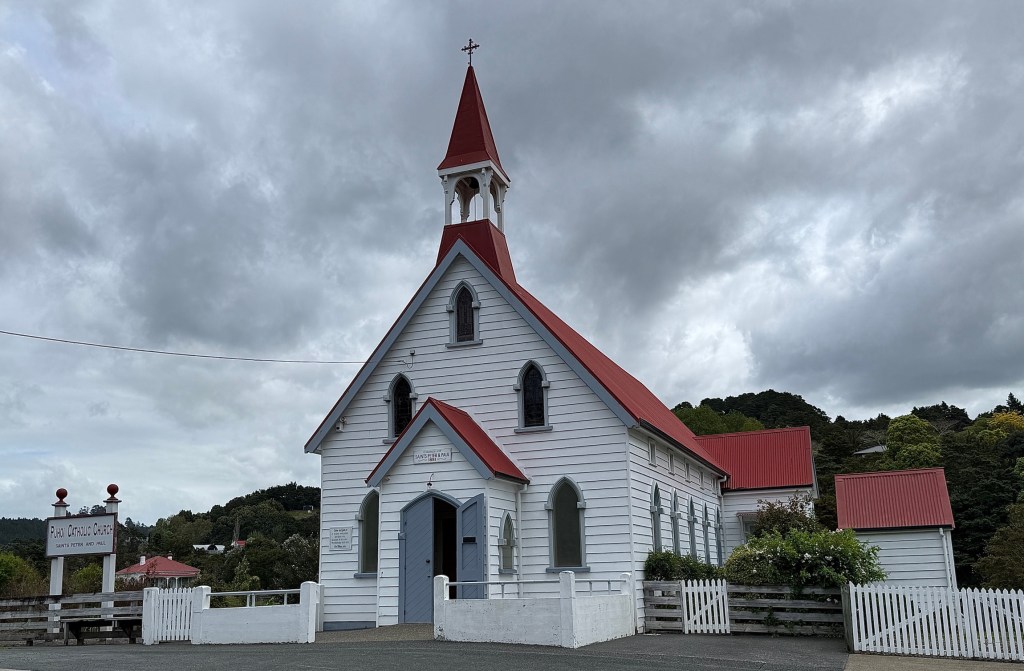
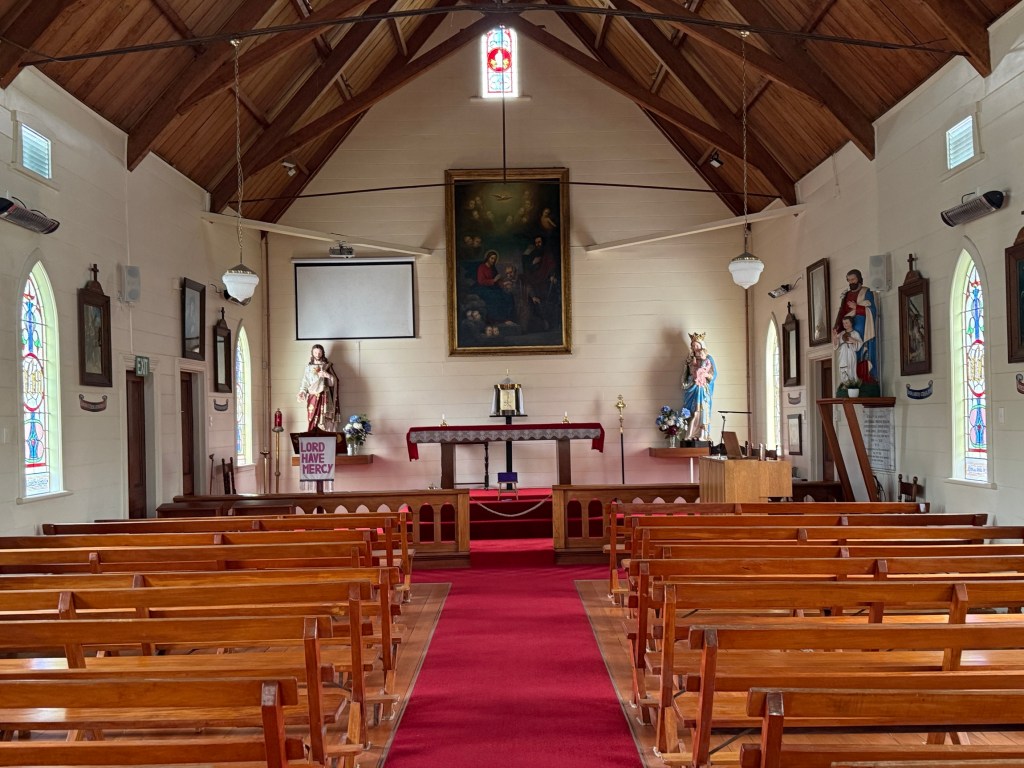
The emigrants were staunch Roman Catholics and did not pursue what we today refer to as a ‘bohemian’ lifestyle! The old wooden church they built in 1881 still stands and is left open.
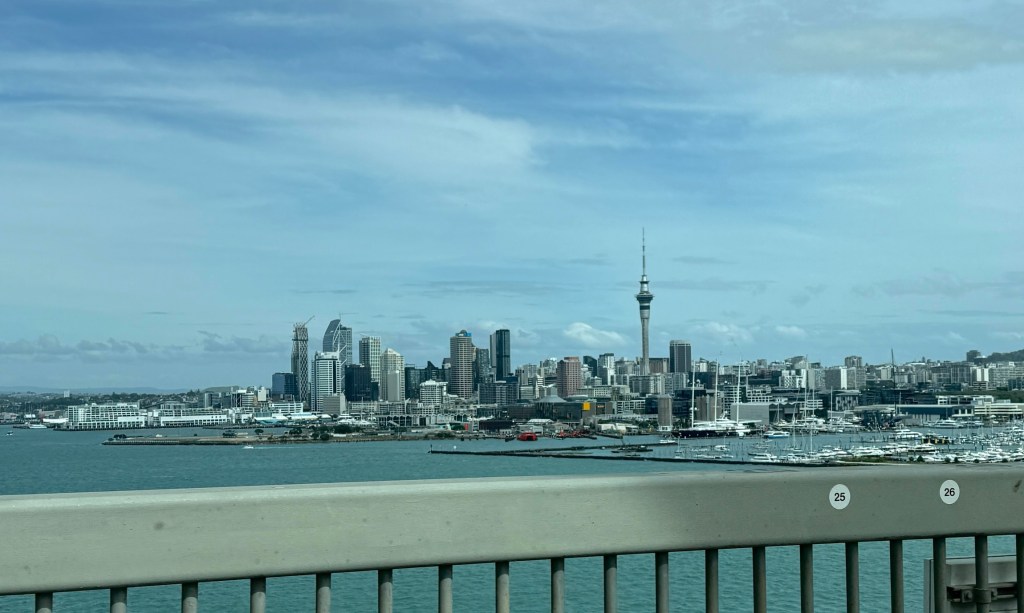
Back on the road we joined the motorway and continued south through Auckland, over the Harbour Bridge, and across to Thames at the bottom of the Coromandel peninsula. We had two nights there and a full day to circle the Coromandel.

Posted on November 5, 2026, in North Island NZ 2026. Bookmark the permalink. Leave a comment.


Leave a comment
Comments 0