Coromandel
It was a long day circling around the Coromandel Peninsula from Thames, it stretches 85 km north from there. We probably missed a few things on the way, but couldn’t miss the great scenery!
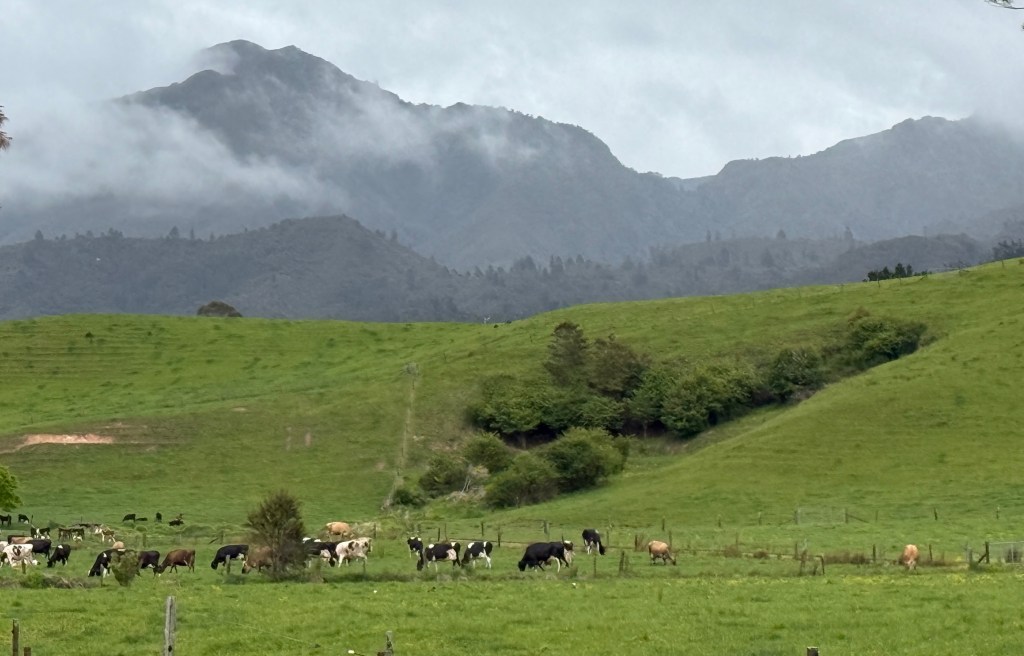
The peninsula forms a barrier between the Pacific Ocean and the islands in the Hauraki Gulf, protecting Auckland Harbour from the worst of nature’s elements. On a clear day you can see the peninsula from Auckland and when we were on Waiheke Island the Coromandel was a smudge on the horizon. Visibility out to sea was not great that day. The peninsula is named after an English ship HMS Coromandel that moored here in 1820 to buy Kauri timber, the ship itself was named after the Coromandel Coast of India.
We had a couple of objectives. The first was to visit Cathedral Cove on the west coast. The second was to complete a ‘train’ ride up the mountains behind Coromandel Town at the northern end.
We went anti clock wise from Thames up the east coast and came back down the west coast. At either end we had to cross some mountainous terrain.
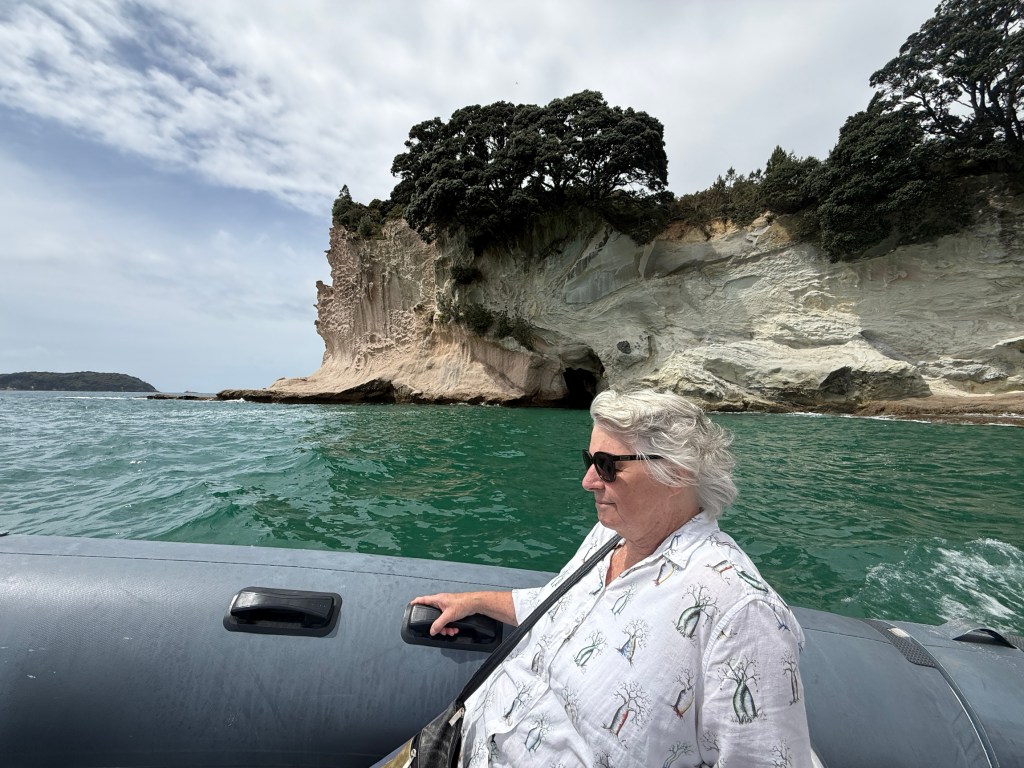
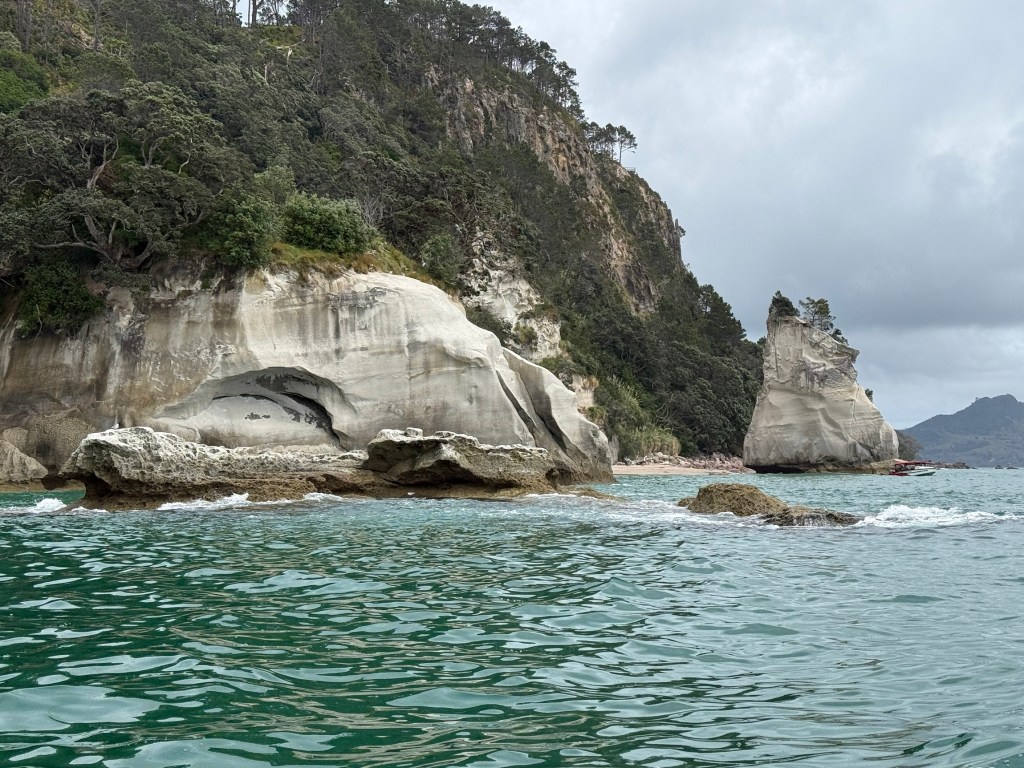
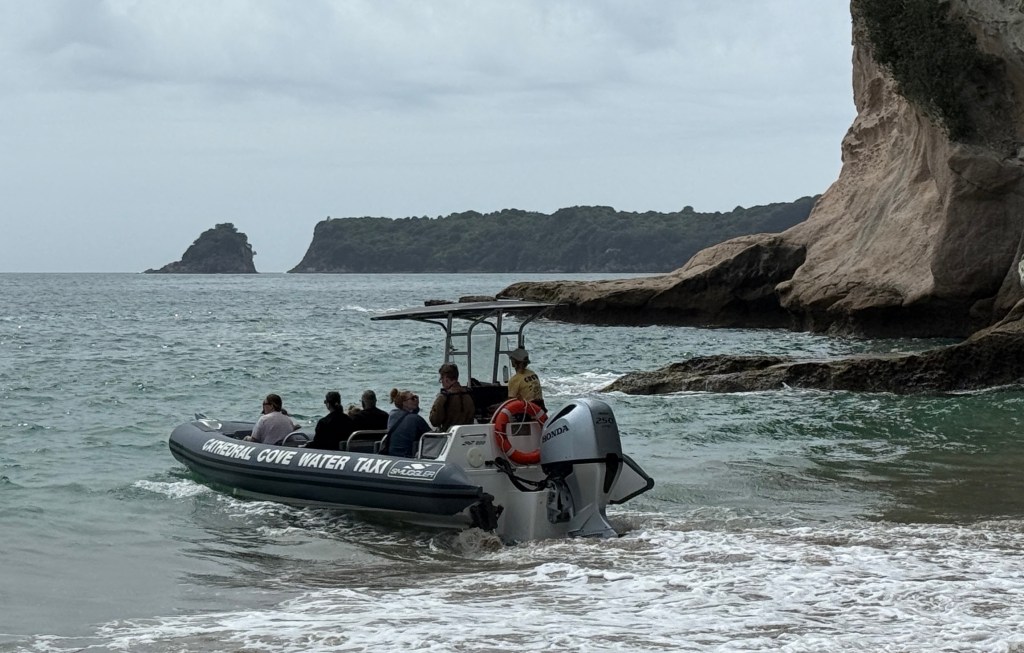
Cathedral Cove is an amazing landform, it is about two thirds the way up the east coast. The ‘Cathedral’ has been carved by the ocean and provides access to the Cove for a few hours either side of low tides. There is a headland walking track in but we were time constrained and caught a water taxi there instead.
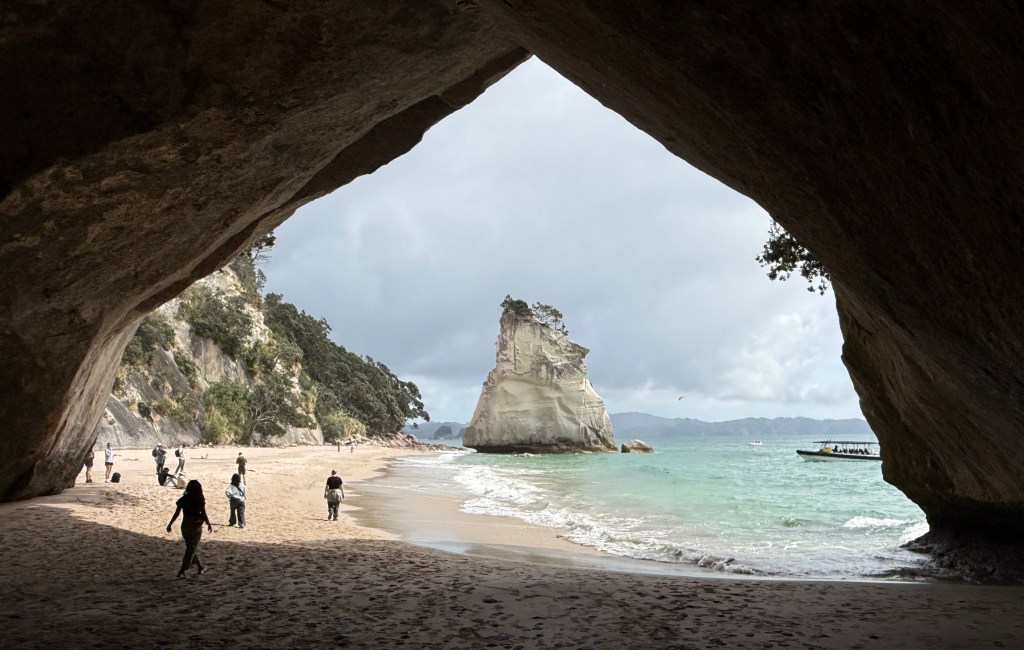
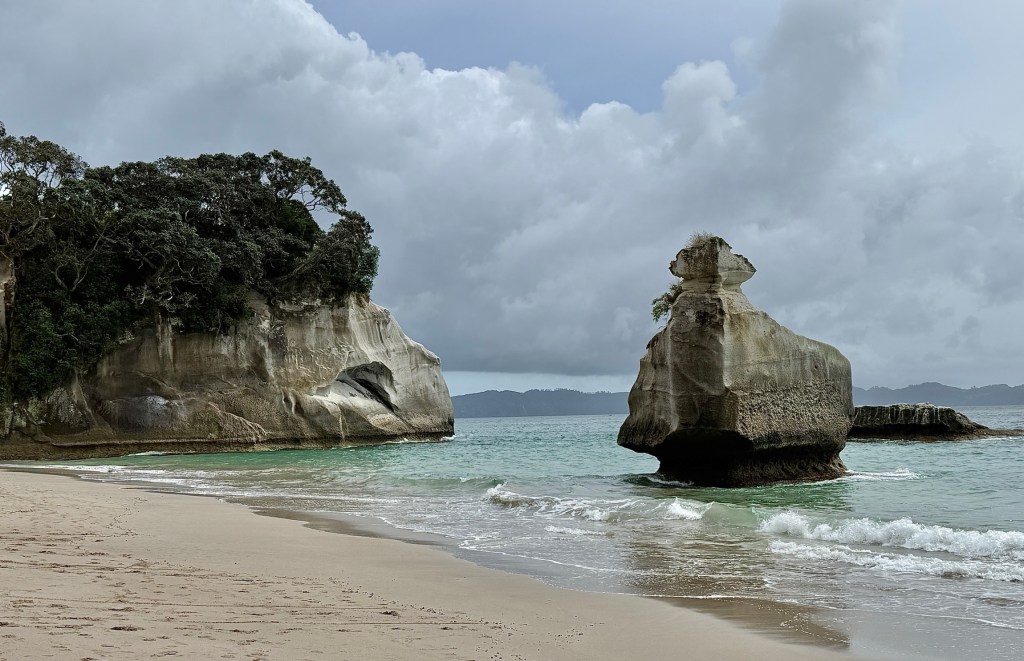
Easy choice and about 10 minutes either way. Nifty little transport, picks you up on the sand and sets you down on the sand. No wet feet!
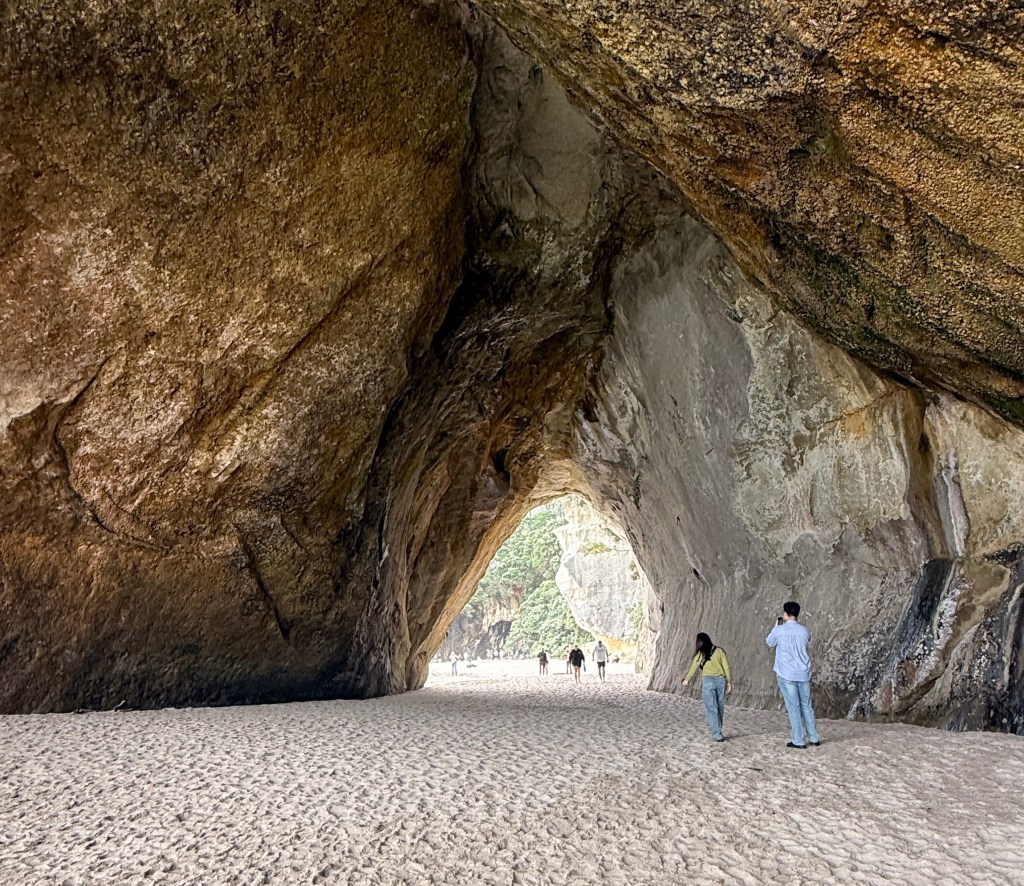
Cathedral Cove is a pretty unique place, the NZ government is I believe going to introduce an international visitor fee to get there sometime in 2027. All under the guise of improving the visitor experience. What ever that means, we like it just the way it is! Free to locals of course!
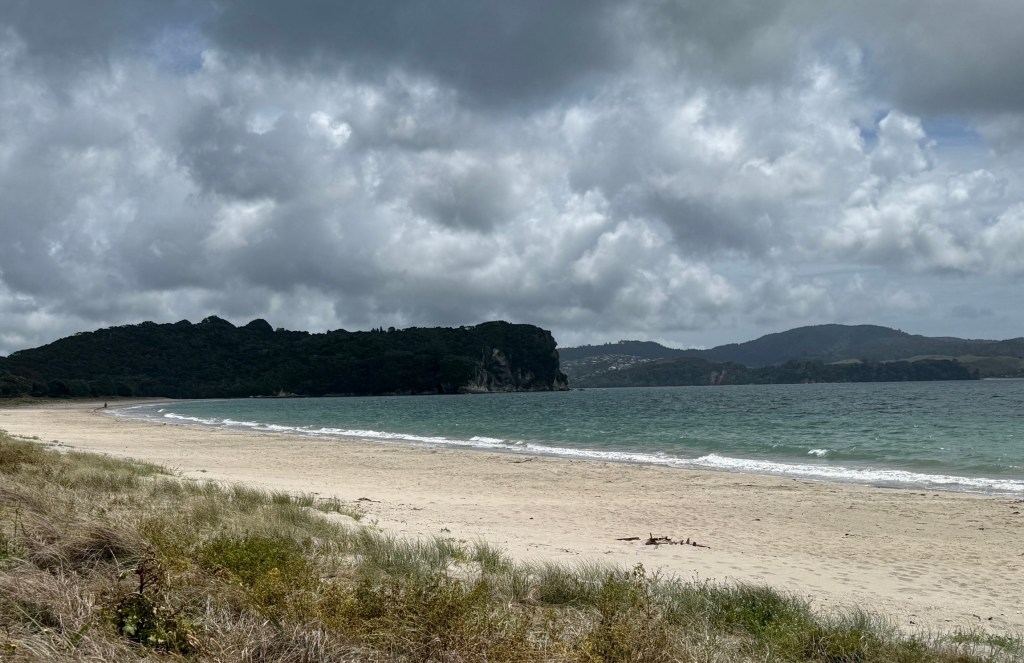
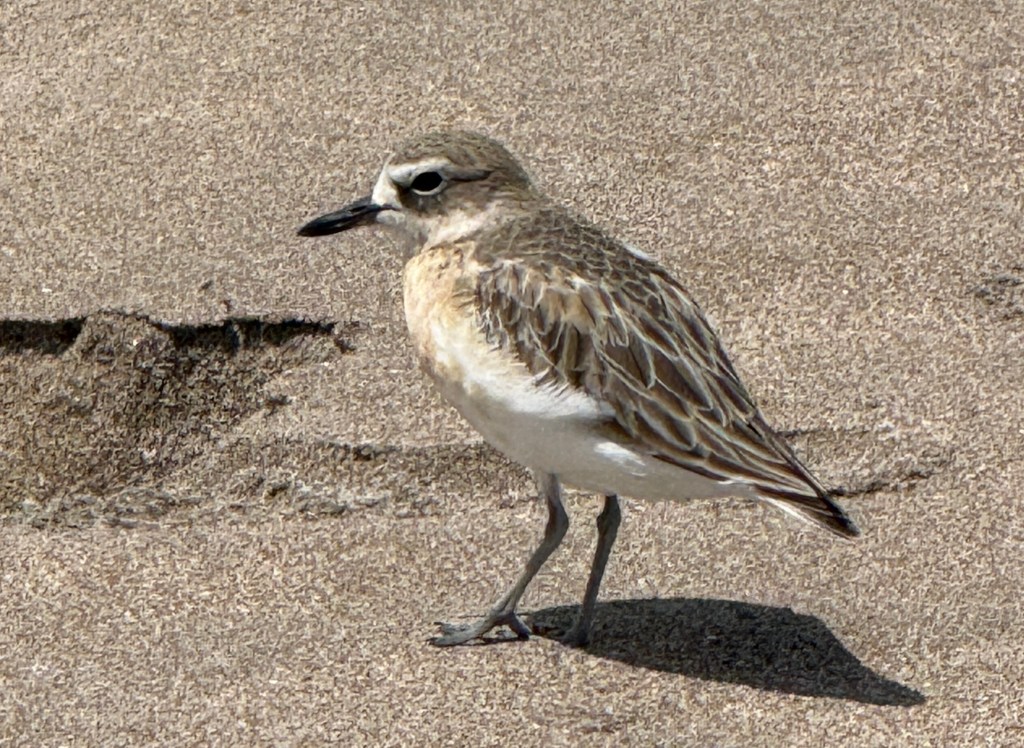
A little further along the coast from Cathedral Cove is Cooks Beach. Cook stopped here in 1769 to record the transit of Mercury across the Sun. The whole area is known as Mercury Bay.
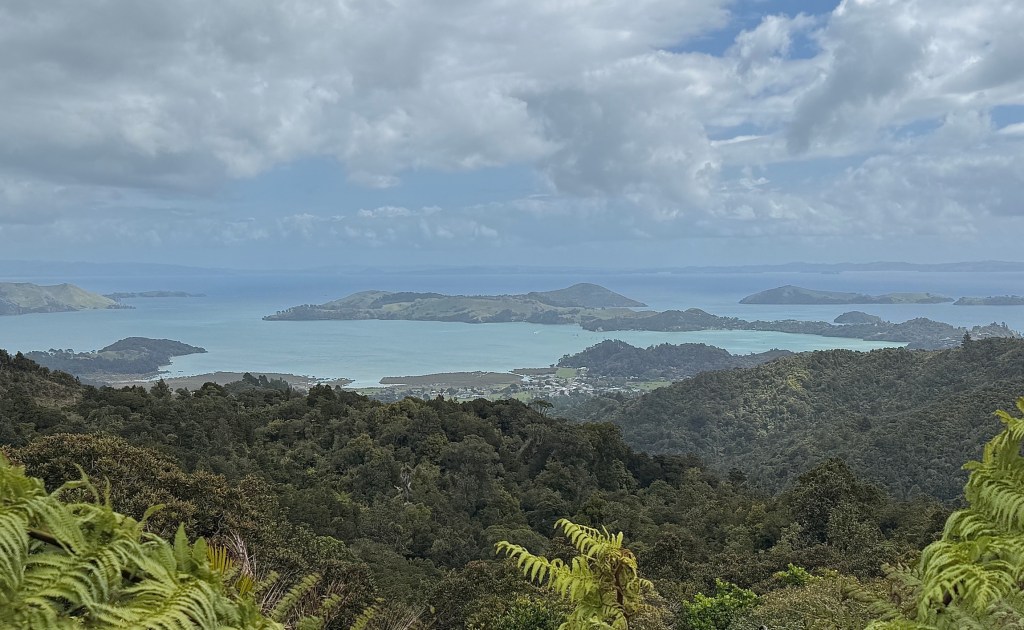
Moving on from Cooks Beach we motored further up the coast crossing over to Coromandel Town near the top of the peninsula. A hilly and in parts steep drive.
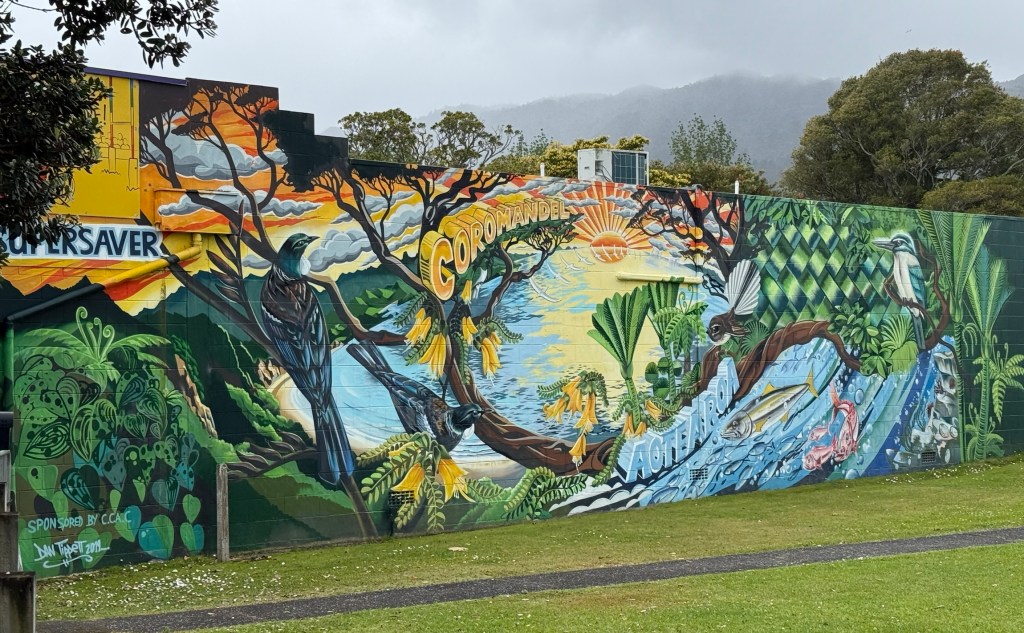
The main attraction up here is a narrow gauge train ride up the mountain behind the town. Built over a period of 20 odd years from 1973 by a local artisan and potter, Barry Brickell. He basically built it all by himself, with bulldozer help on significant areas of the track. initially to transport clay for his potting workshop from higher up the mountain.
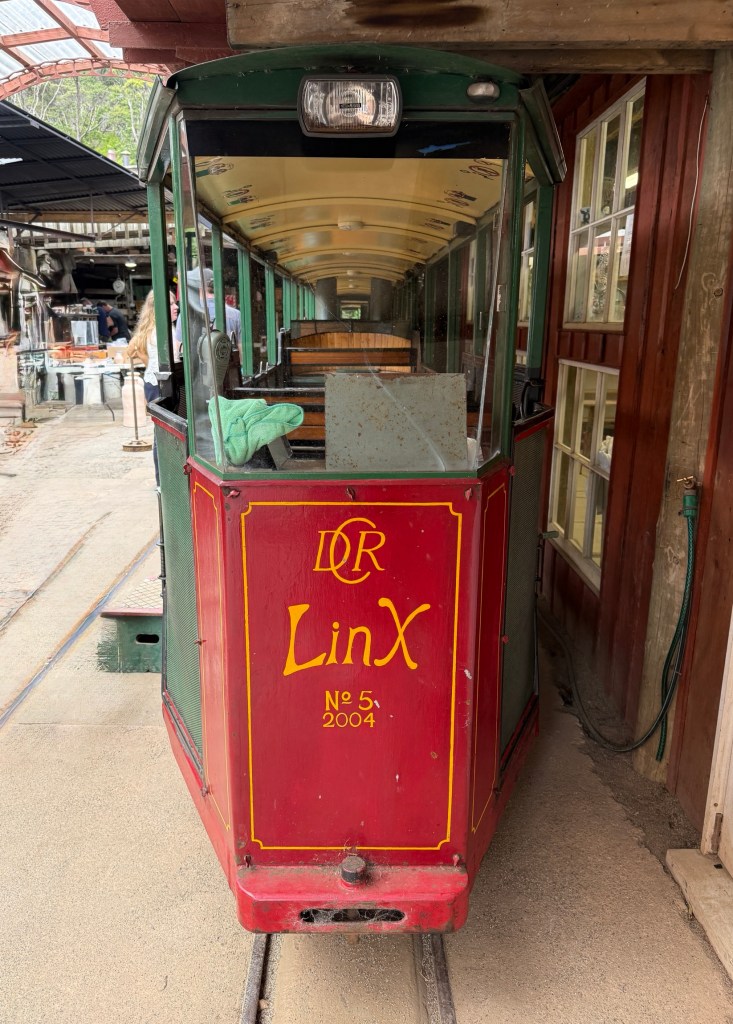
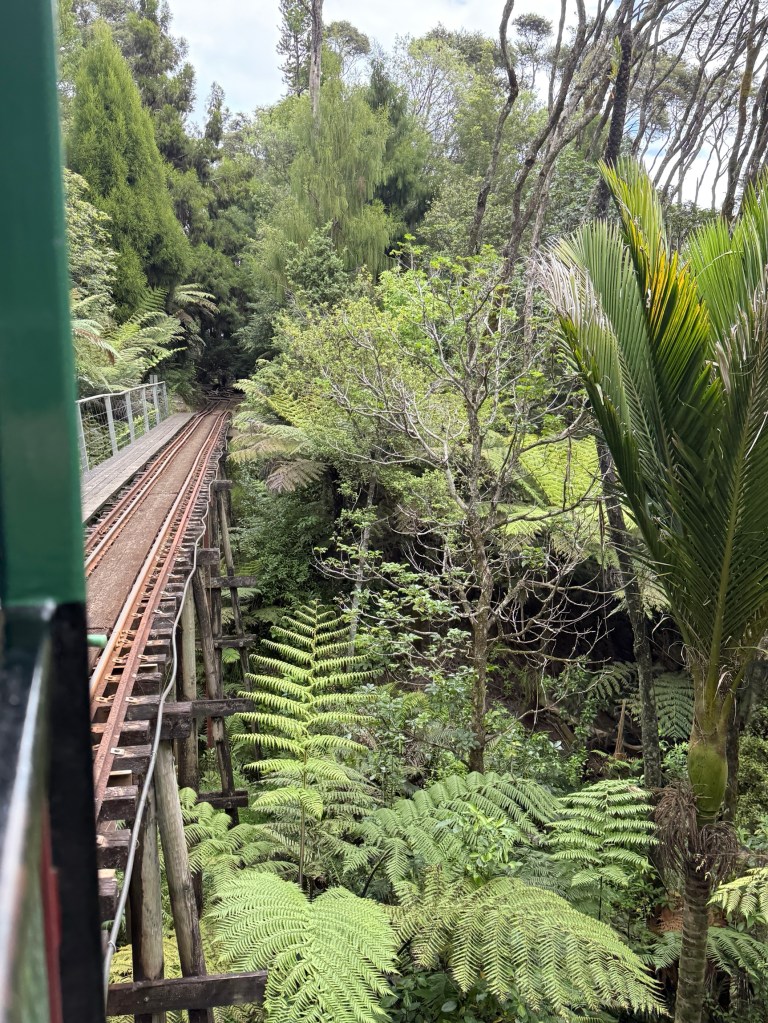
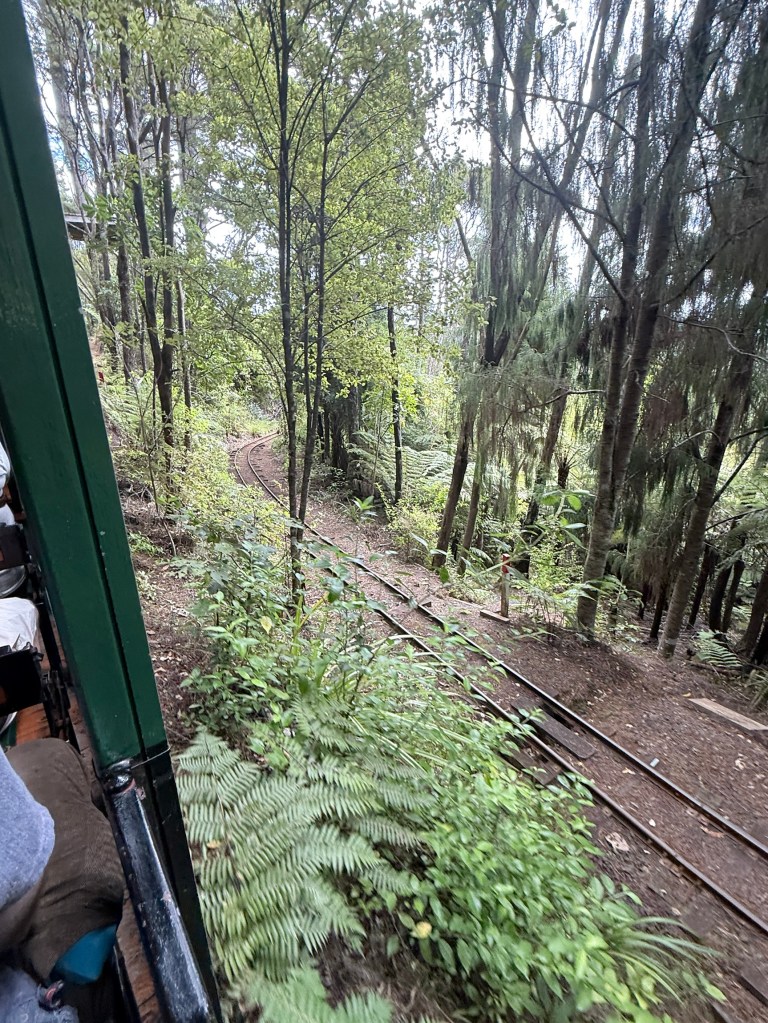
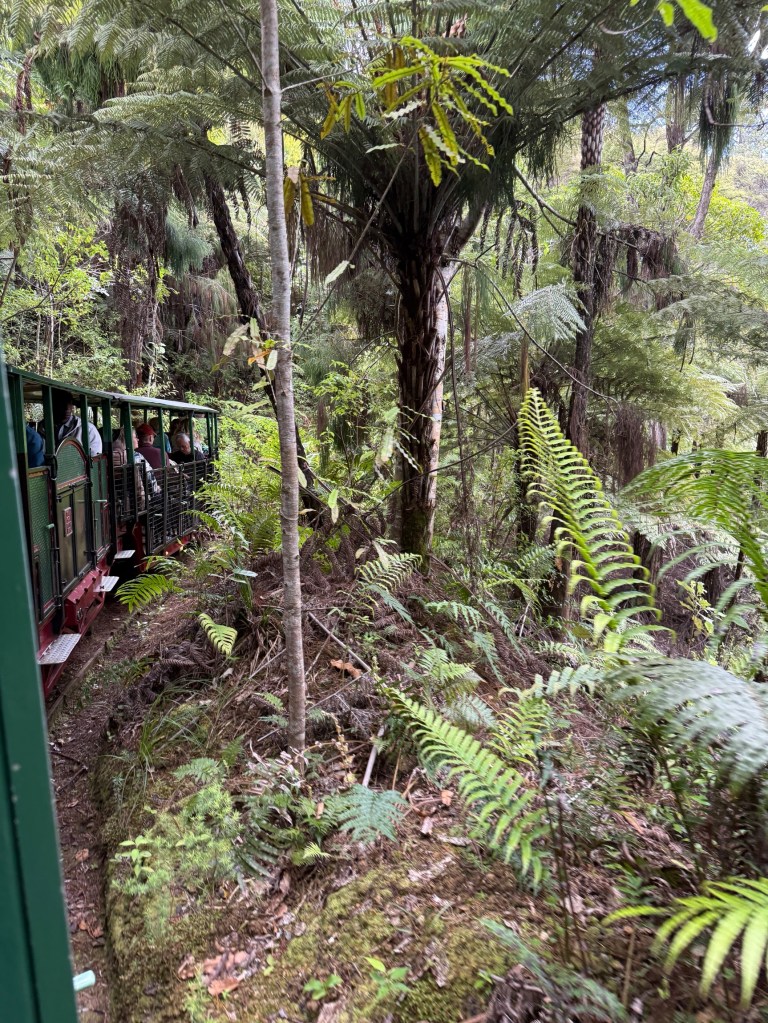
The railway climbs up through a number of tunnels, spiral turns, and switchbacks. It crosses a few bridges, including a double decker one. The bottom level on the way up and the top level on the way down.
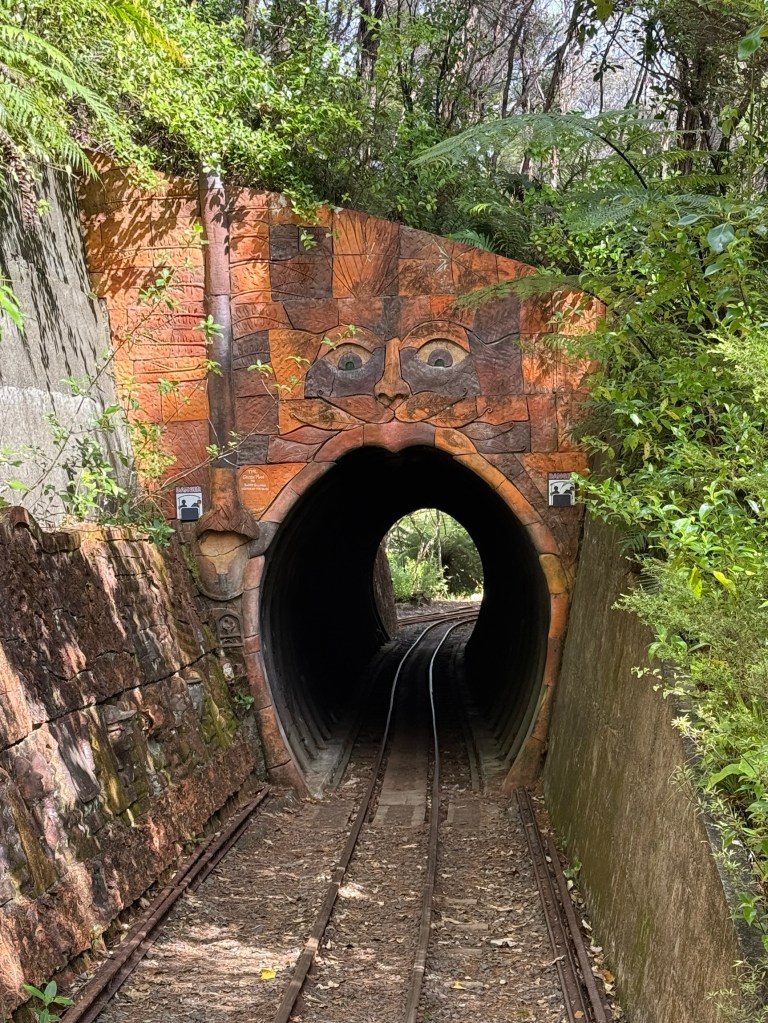
You had to keep heads and hands in going through these, only a few centimetres between the train and the tunnel walls.
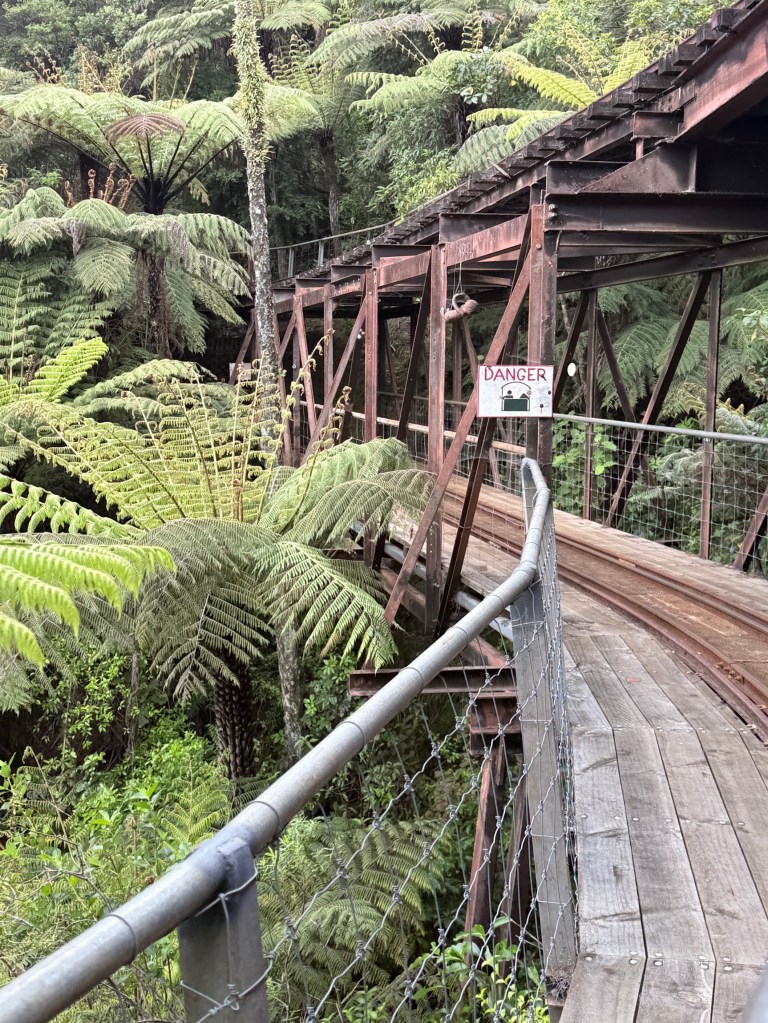
Homealone found this the most exciting section!
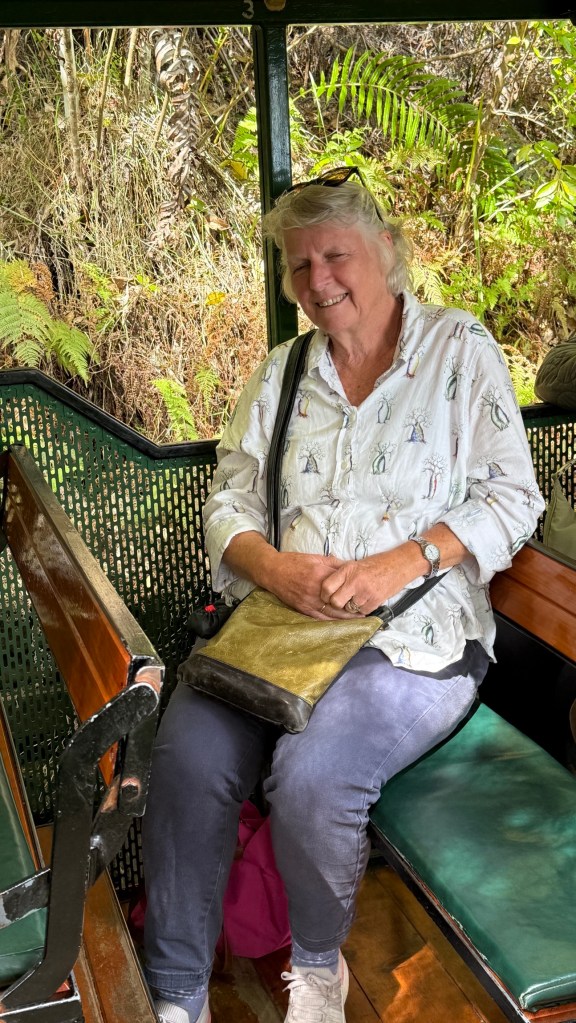
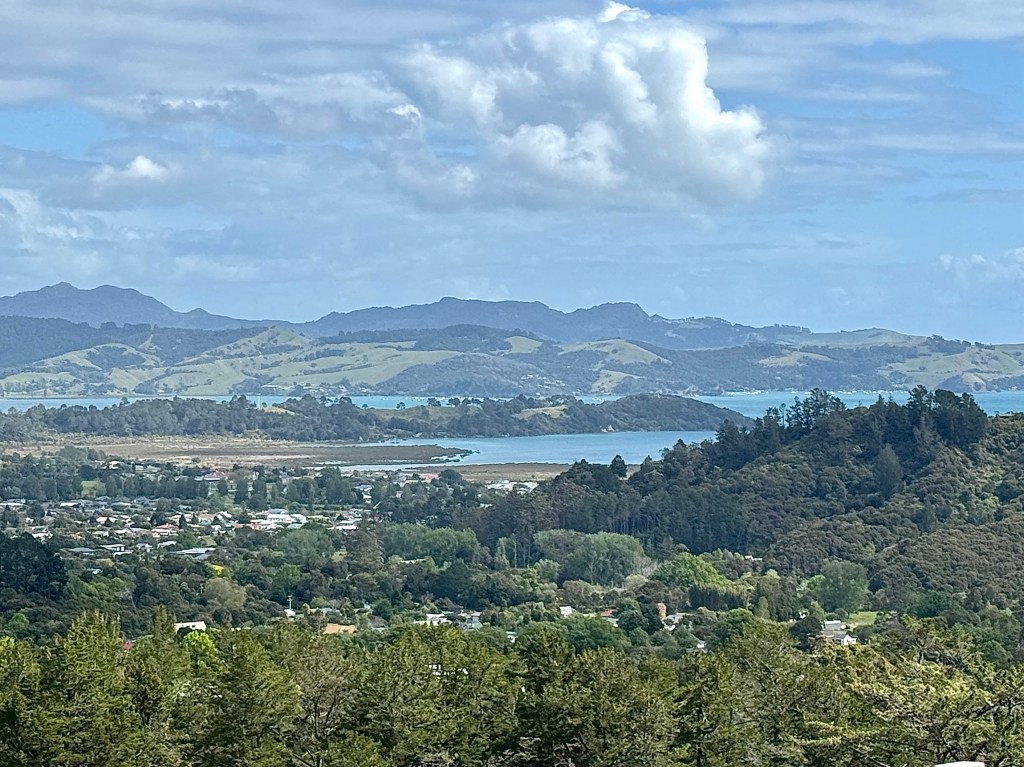
At the time the landscape was far from pristine, damaged by logging and invasive plants and feral animals, particularly possums and stouts. He set about restoring the landscape and removing the feral animals. He died in 2016 and the railway continues as a tourist attraction, as does the pottery operation and an artist’s retreat. An amazing piece of work, great views from the top of course!
A short distance from the railway is a campground and reserve area nestled up against a headland. There is a short walk here up through the sub tropical rain forest to a grove of Kauri trees. Most of them are small ‘saplings’ but one rather large tree remains.
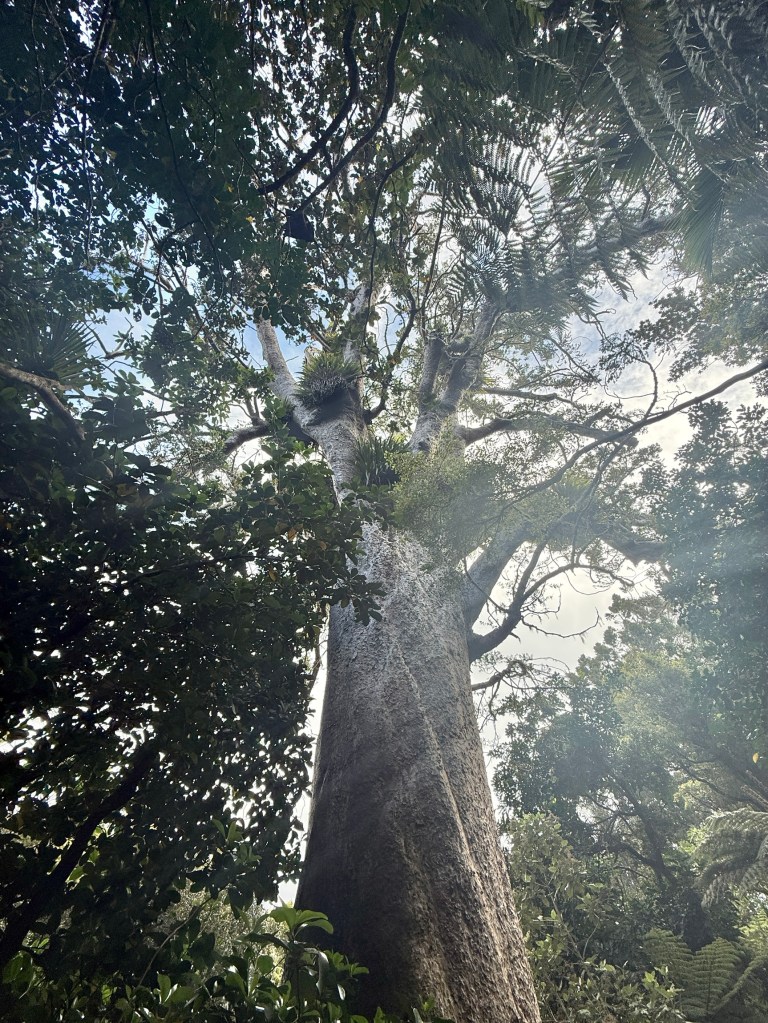
It is estimated to be over 1200 years old, spared from logging probably because of its twisted knotty trunk. Awesome sight in the forest!
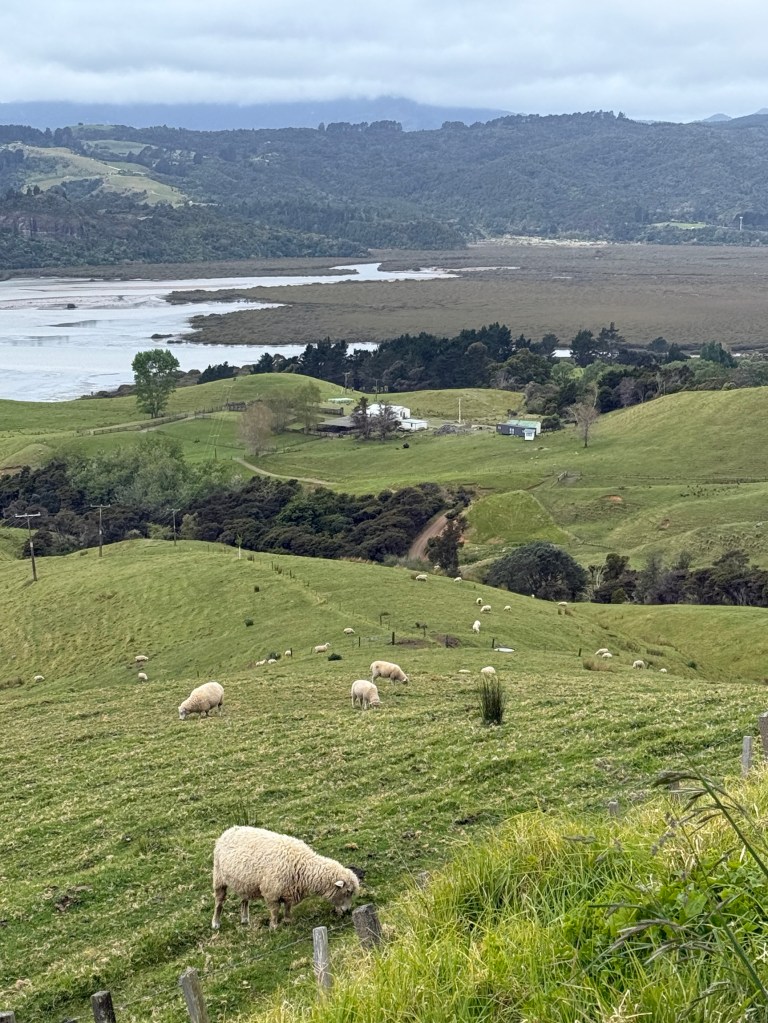
Back on the road we made our way down the east coast back to Thames. More of the hilly up and down narrow road and views of the coastline.

Posted on November 8, 2026, in North Island NZ 2026. Bookmark the permalink. Leave a comment.


Leave a comment
Comments 0