Festival all the go
Saturday May 2 is the day Festival things in Glen Innes start to get going.
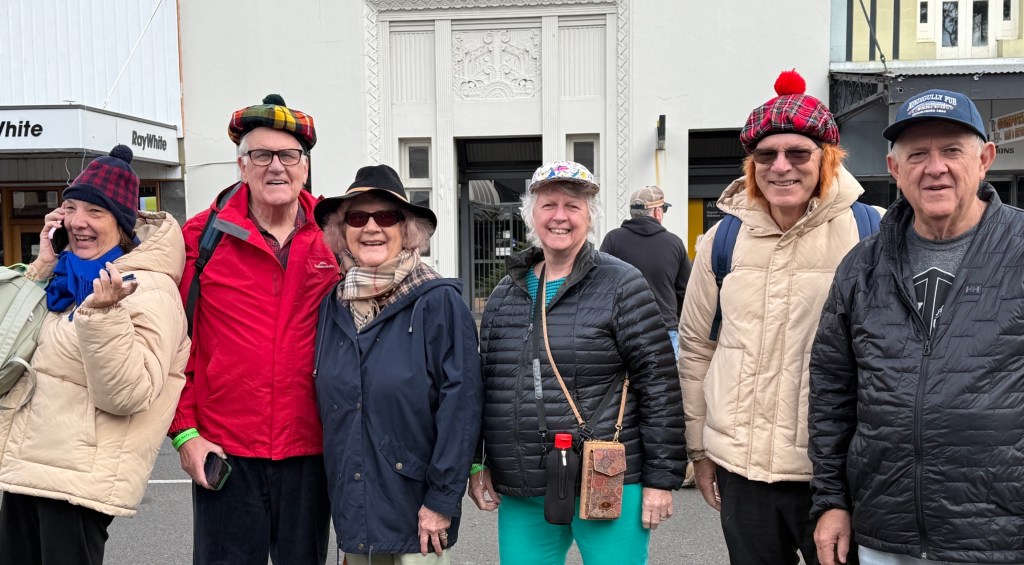
Our little group had got together in Annie’s place, the Air BnB, the day before and enjoyed a pre festival in house dinner in front of the fire. May 2 saw us on our way south to Glen Innes, after early morning tea and coffee, for the 9 am Festival Street Parade and Massed Bands.
We had planned to fit a breakfast in after the Parade before heading by a Festival bus to the site among the Standing Stones, on a hill overlooking Glen Innes.
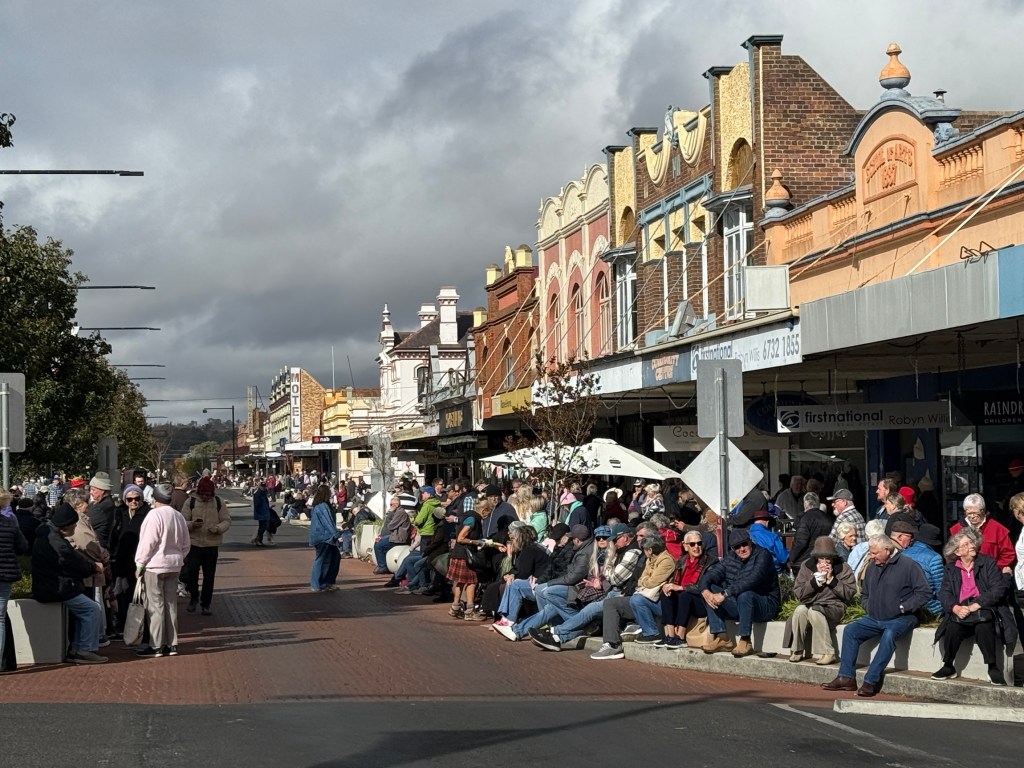
We made it to the Parade site in good time and took up what we thought was a good pozzie near the middle of the Town Square, the road went either side of us so we could see things coming on one side and going on the other side.
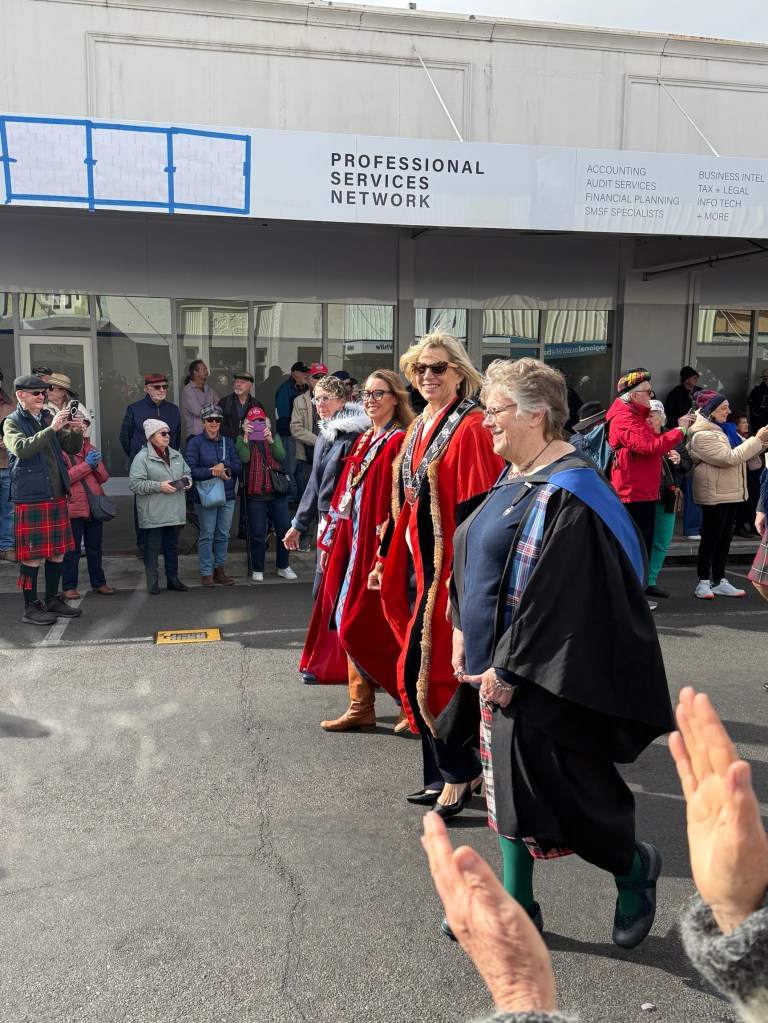
Here are a few pics of the proceedings, which eventually got underway about half an hour later than scheduled.
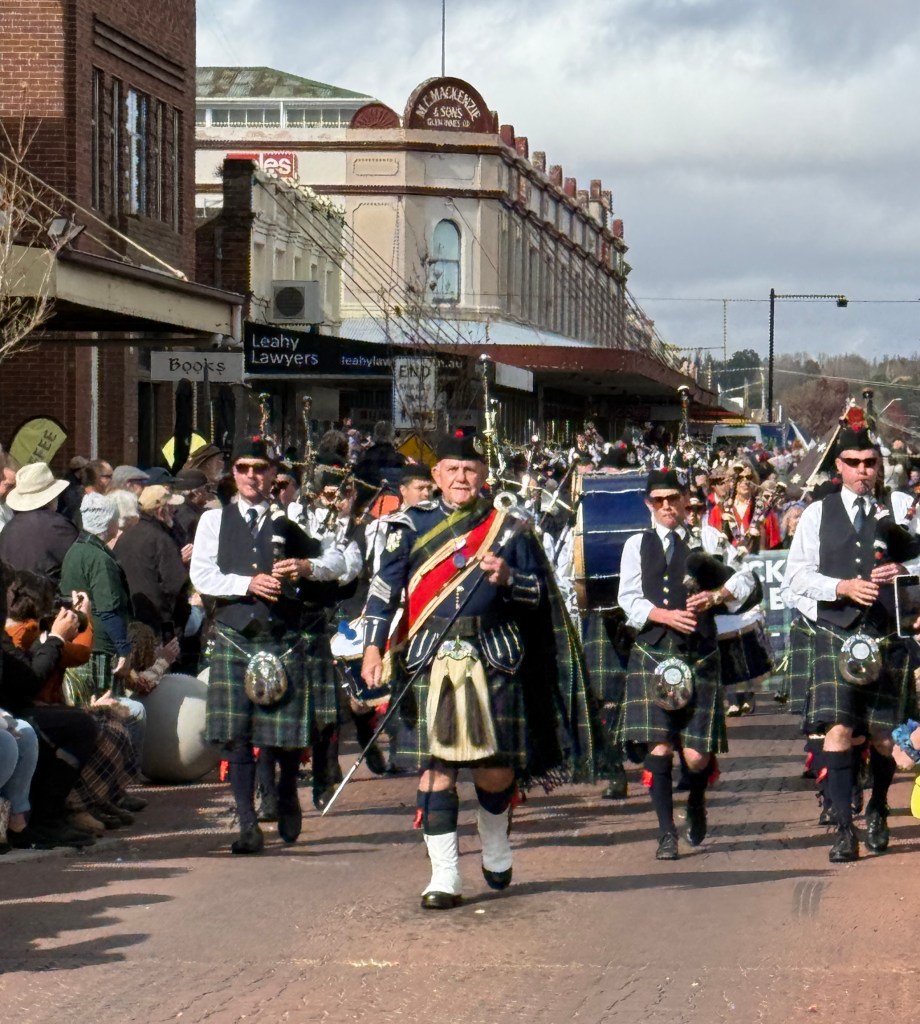
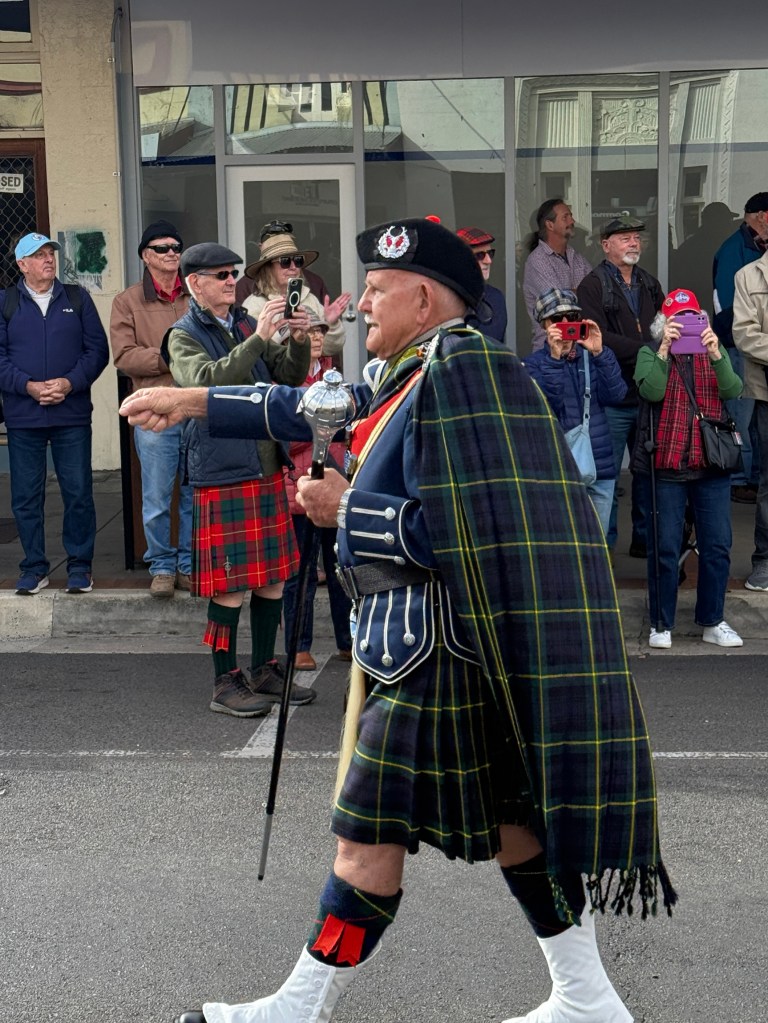
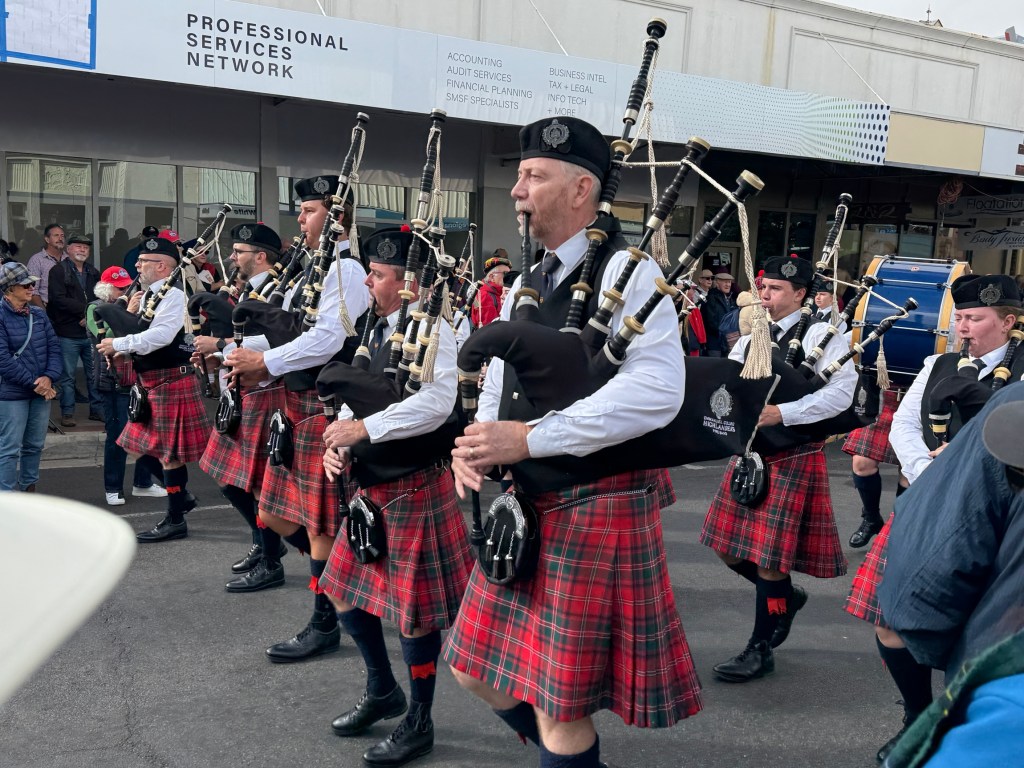
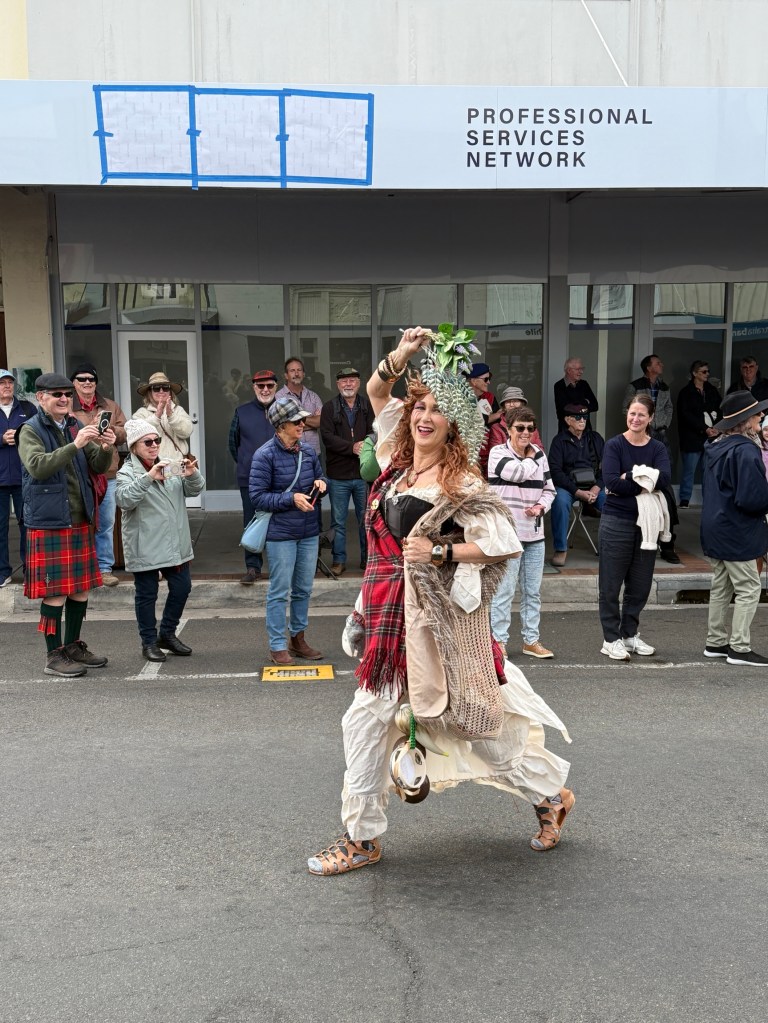
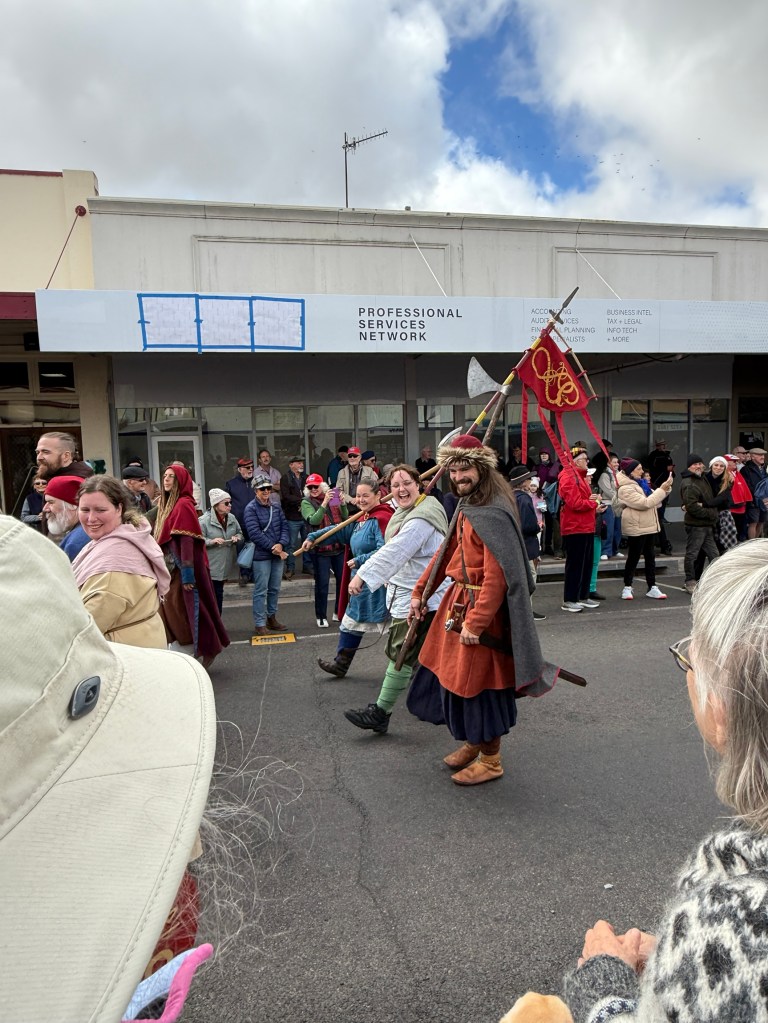
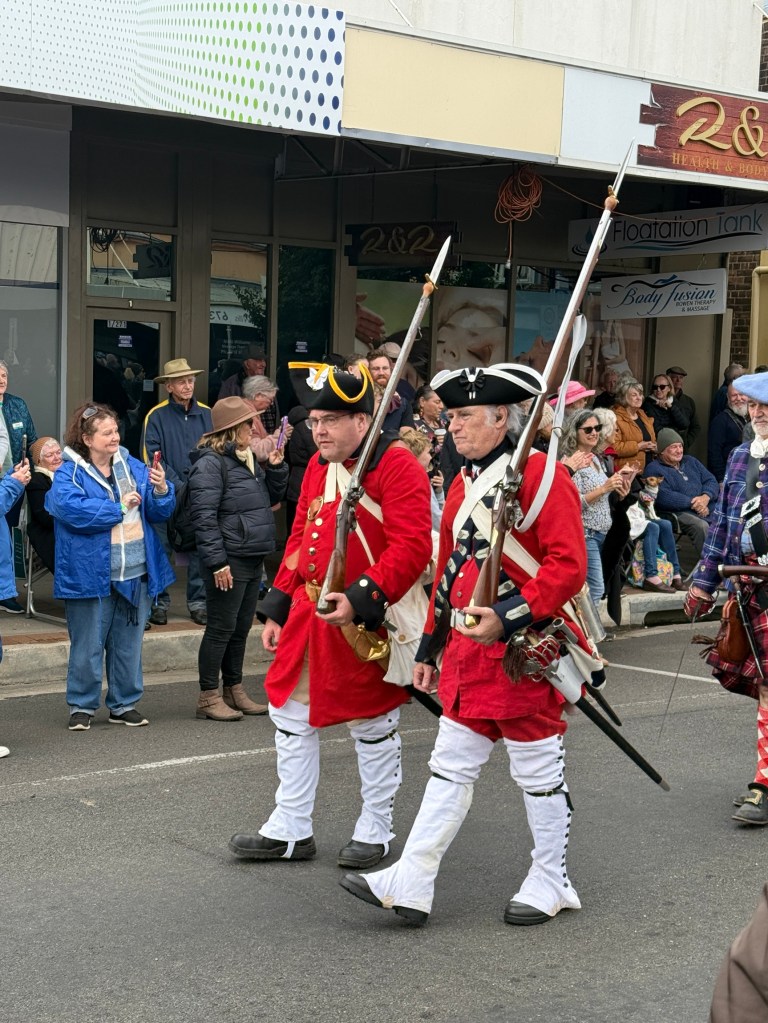
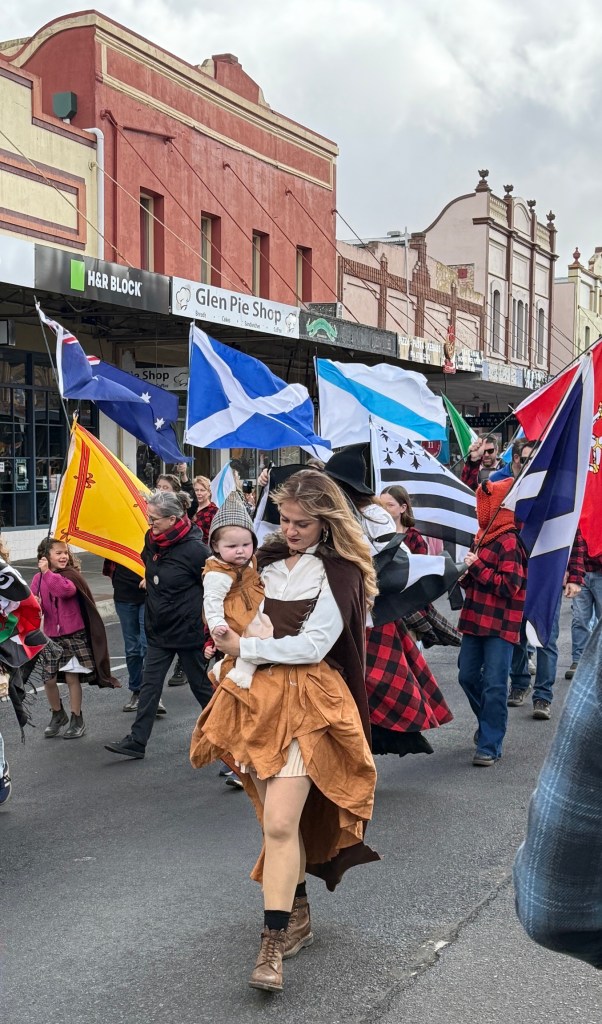
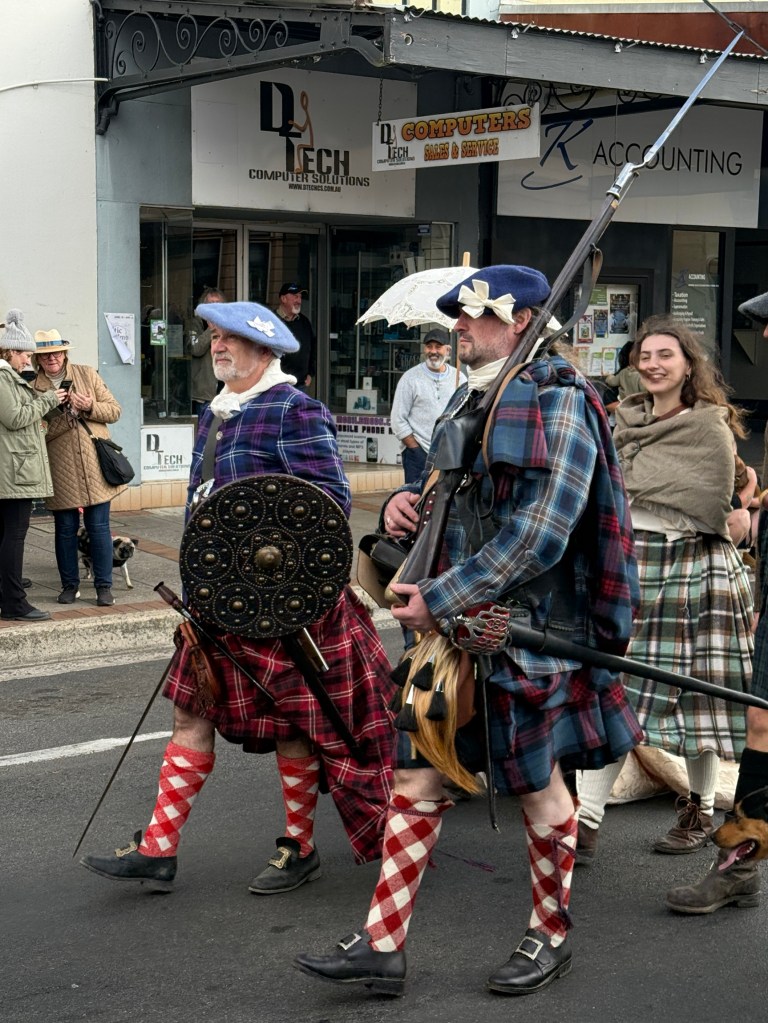
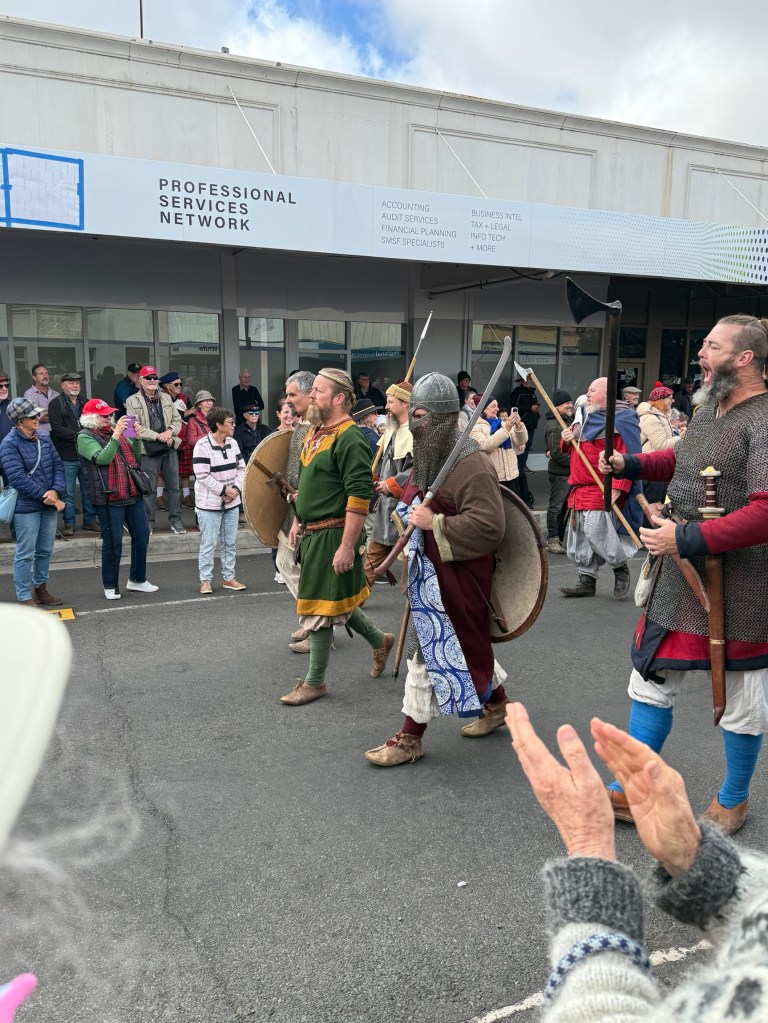
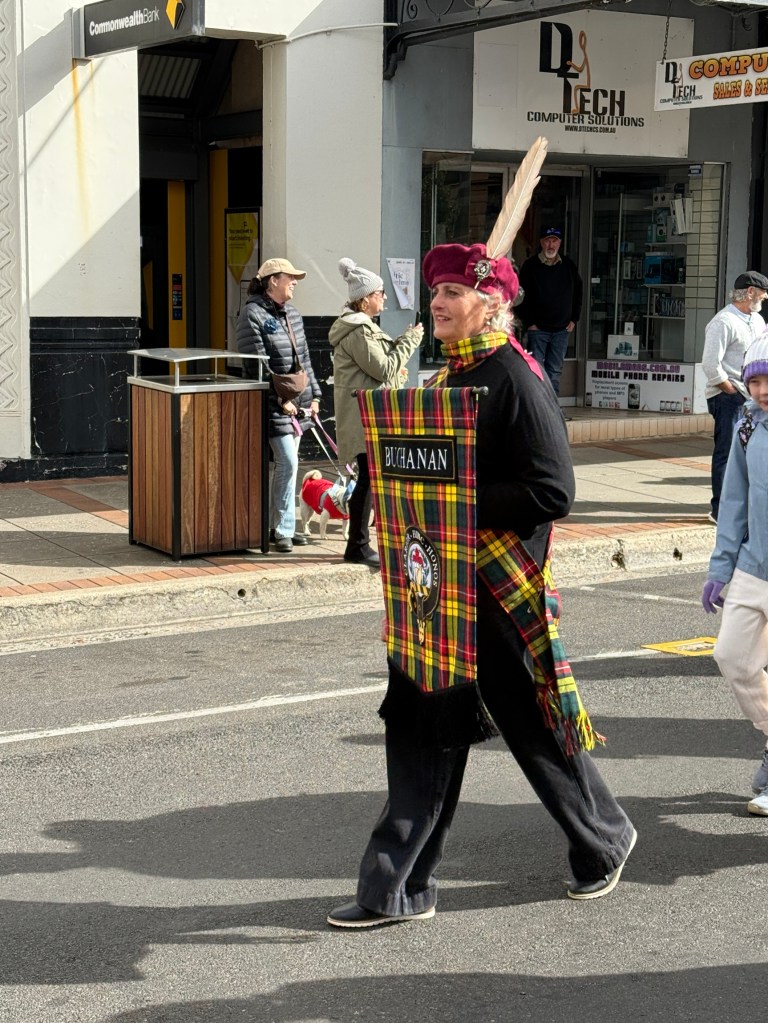
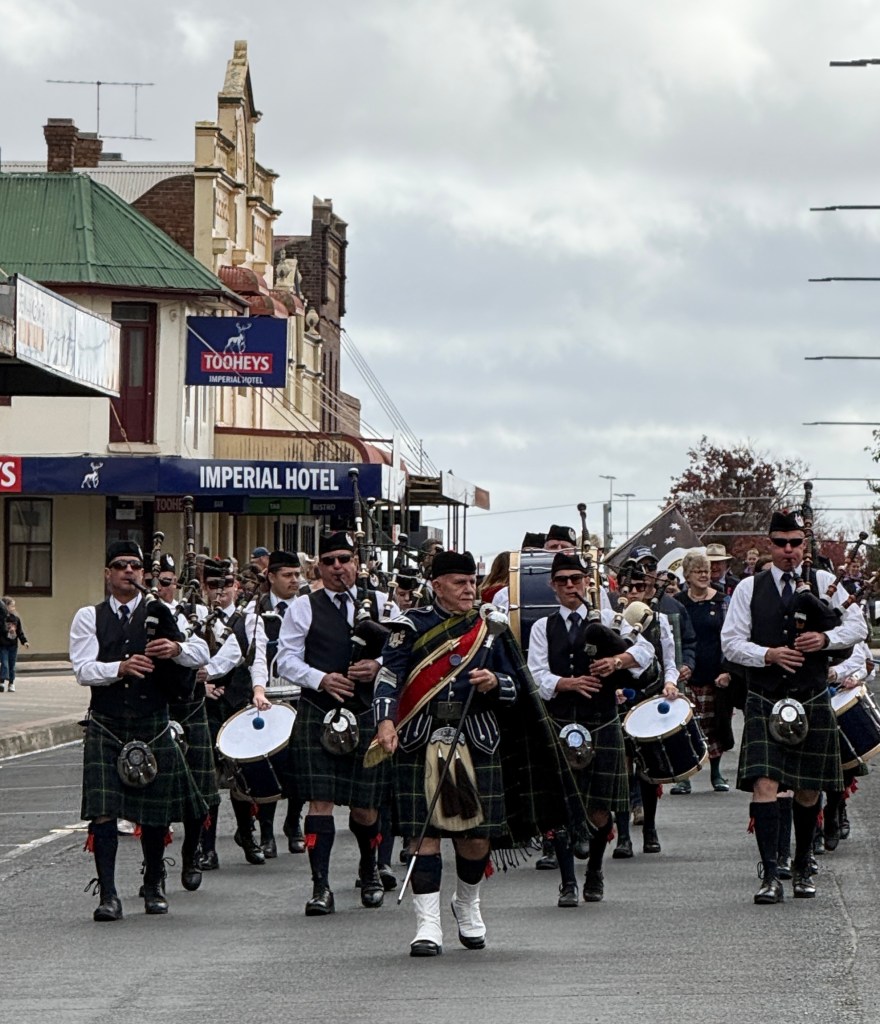
It was a great parade that set the scene for the rest of the weekend. We did have that breakfast and then caught the bus up to the Festival grounds. But more of that next time!
Festival opening ceremony
We made the 90 km trip down to Glen Innes for the opening ceremony on Friday, 1 May.
About 10 km south of Glen Innes is a huge granite rock overlooking the New England Highway. It was named St Swithin’s Bluff in 1842 by a couple of early settlers. It is now referred to more simply as Bluff Rock.
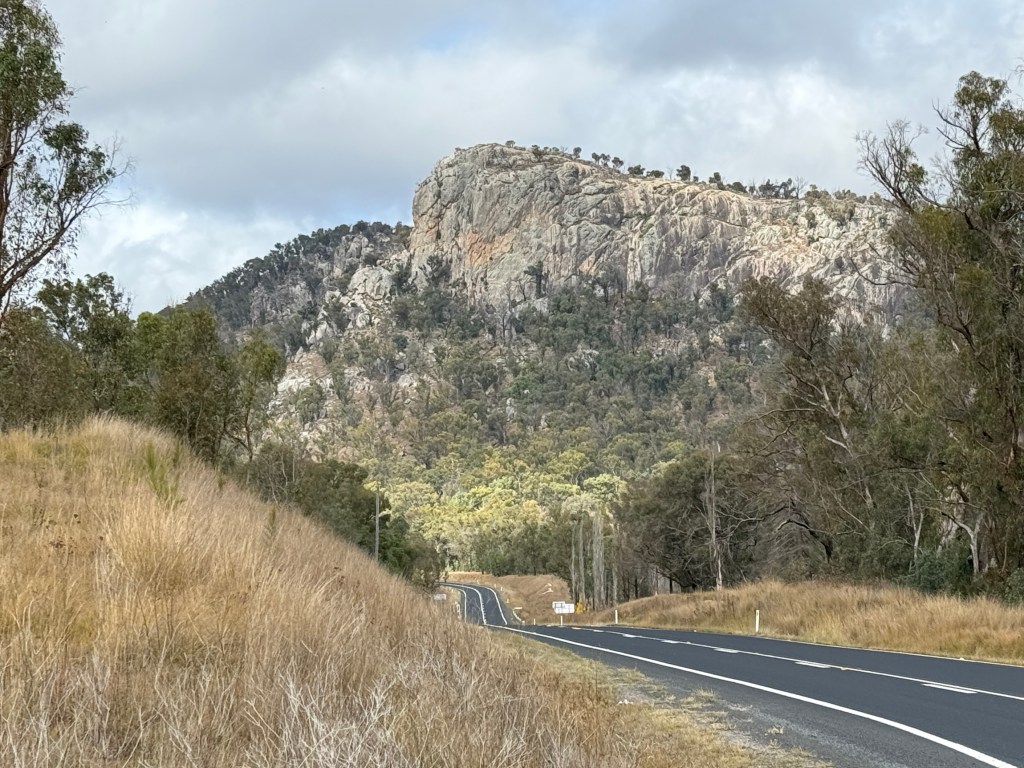
The area surrounding the rock is infamous for a massacre of indigenous people around 175 years ago in retribution for the killing of a shepherd and sheep on a nearby property. The event and evidence is shrouded in time and narrative. But it is said that numerous aboriginal people were either shot or thrown from Bluff Rock. There is a plaque in a park on the roadside telling of the event.
We did not linger long at Bluff Rock, the opening ceremony was scheduled for 11am, but the story continues to add to the quantum of these sorts of places that we have come across during our travels.
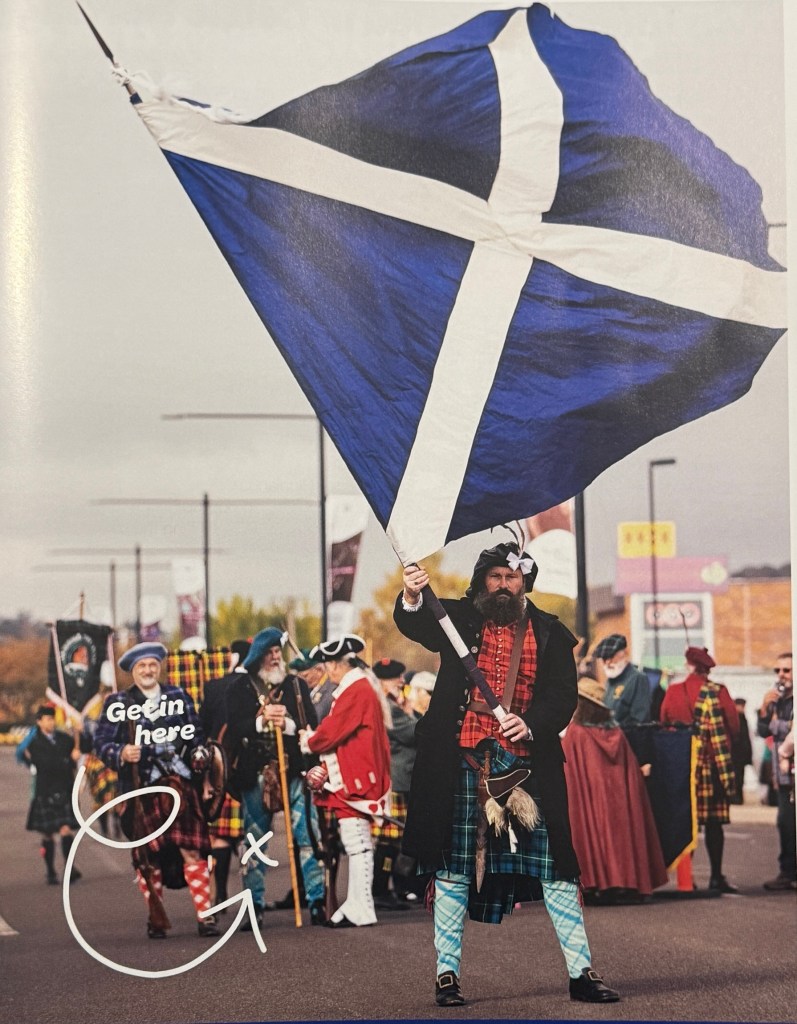
This year the Celtic Festival is dedicated to Scotland, next year it is Ireland and the Isle of Man.
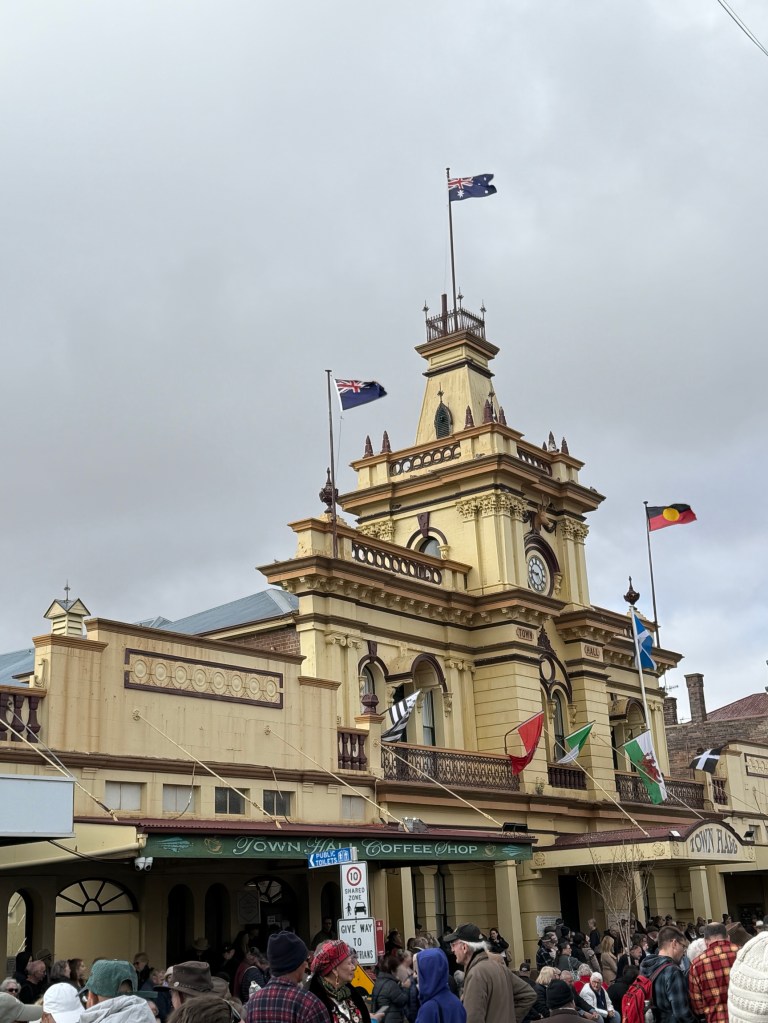
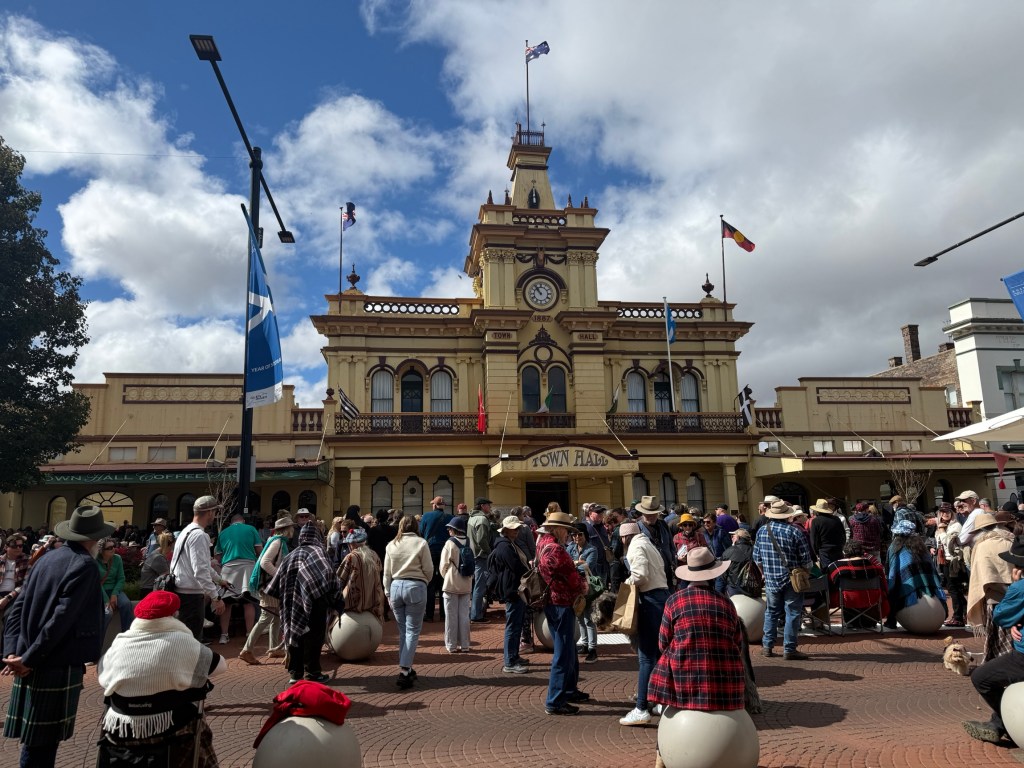
The ceremony took place in the Town Square outside the 1887 Town Hall, flags of all the Celtic Nations flying together with the Australian, Aboriginal and NSW flags. Quite a sight.
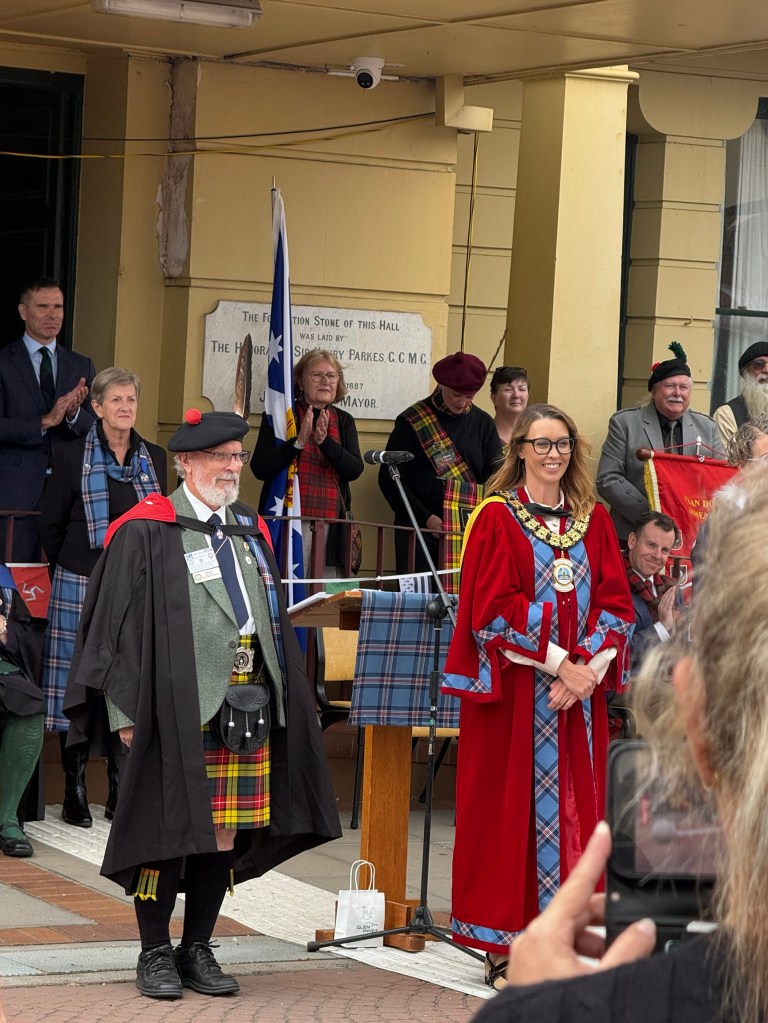
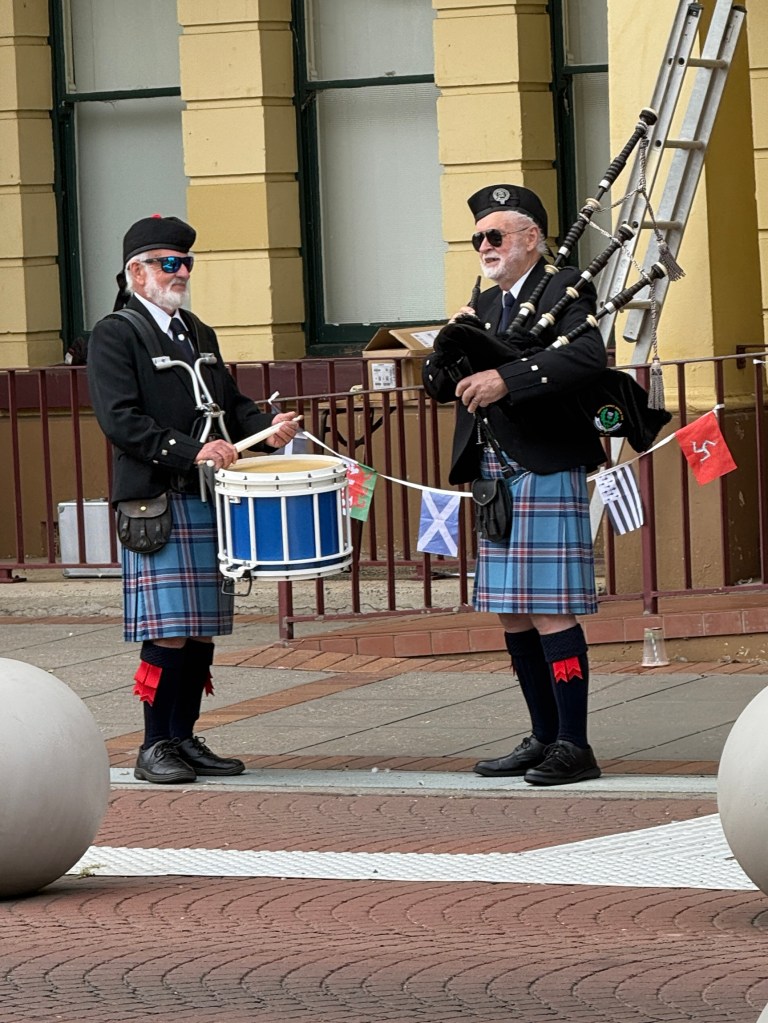
The Lord Mayor and other guests receive the Celtic nations flag bearers, piped in. They were followed by various Clan representatives in full celtic dress with their banners.
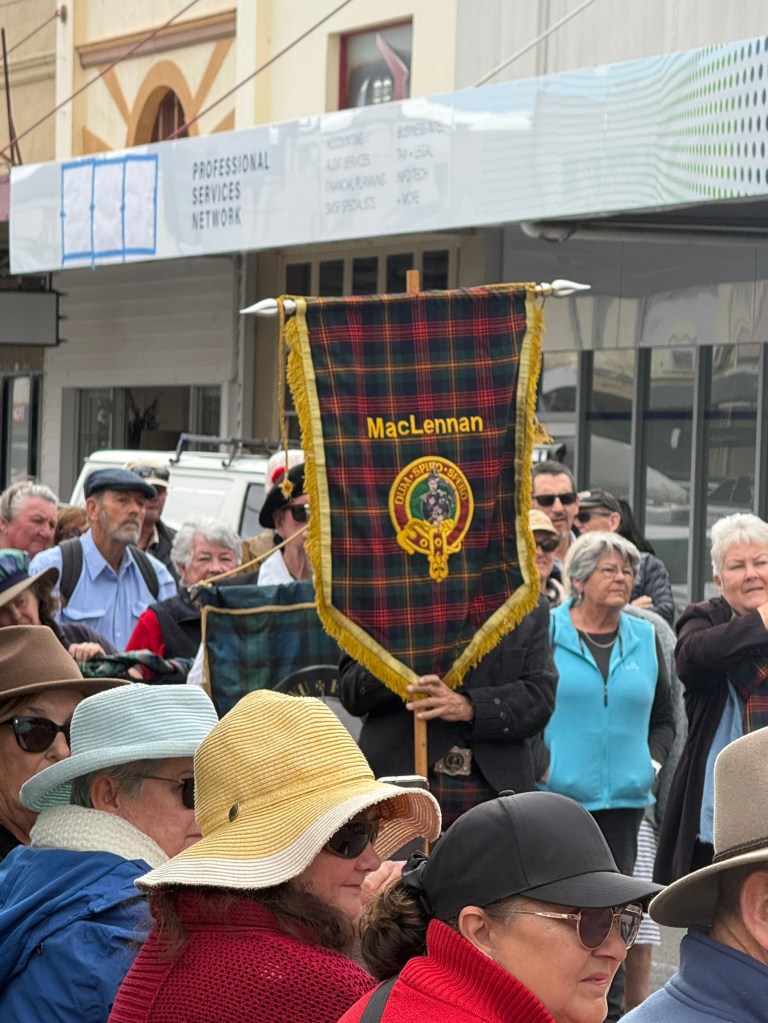
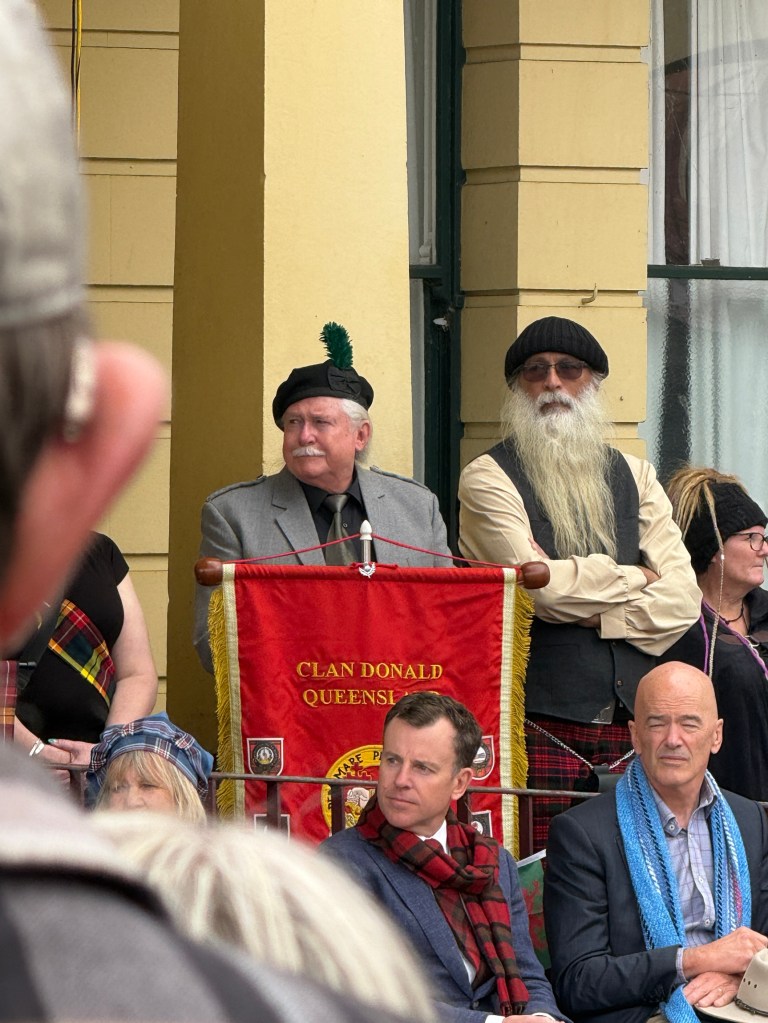
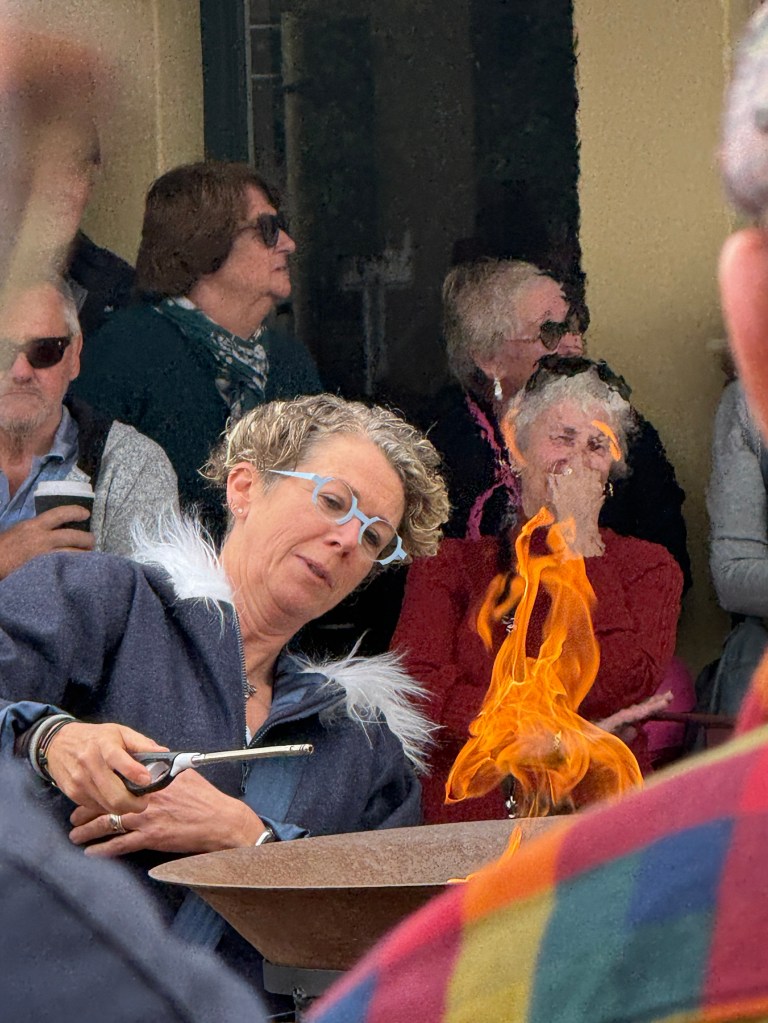
We then had the Australian National Anthem and The Flower of Scotland, performed by Australian Celtic Women.
The crowd dispersed and so did we, headed back to Tenterfield.
We changed lodgings from the Peter Allen Motel to Annie’s Place, an AirBnB. Friends from Brisbane were joining us there for a couple of nights and the Festival on Saturday.
Along the way we called into Deepwater, about halfway between Glen Innes and Tenterfield. Deepwater is a small village, it has a pub at one end and another pub at the other end. So you know when you have arrived and when you have left town, whether you are driving north or south.
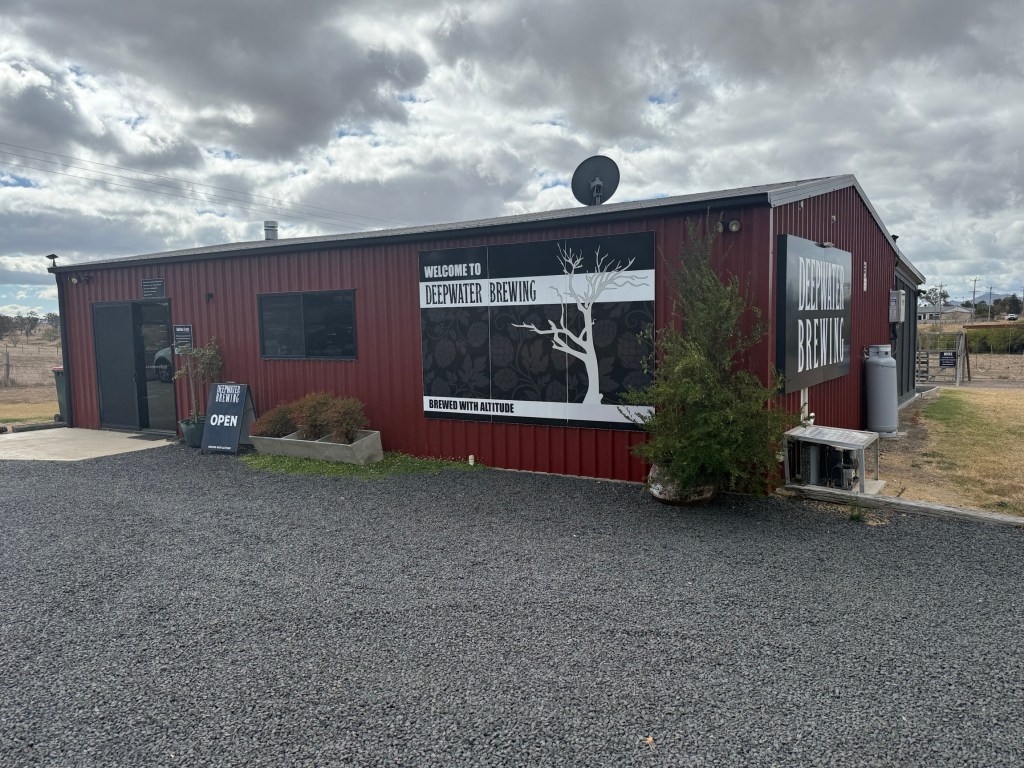
Our target though was not the pubs but the Deepwater Brewing Company on the outskirts of town.
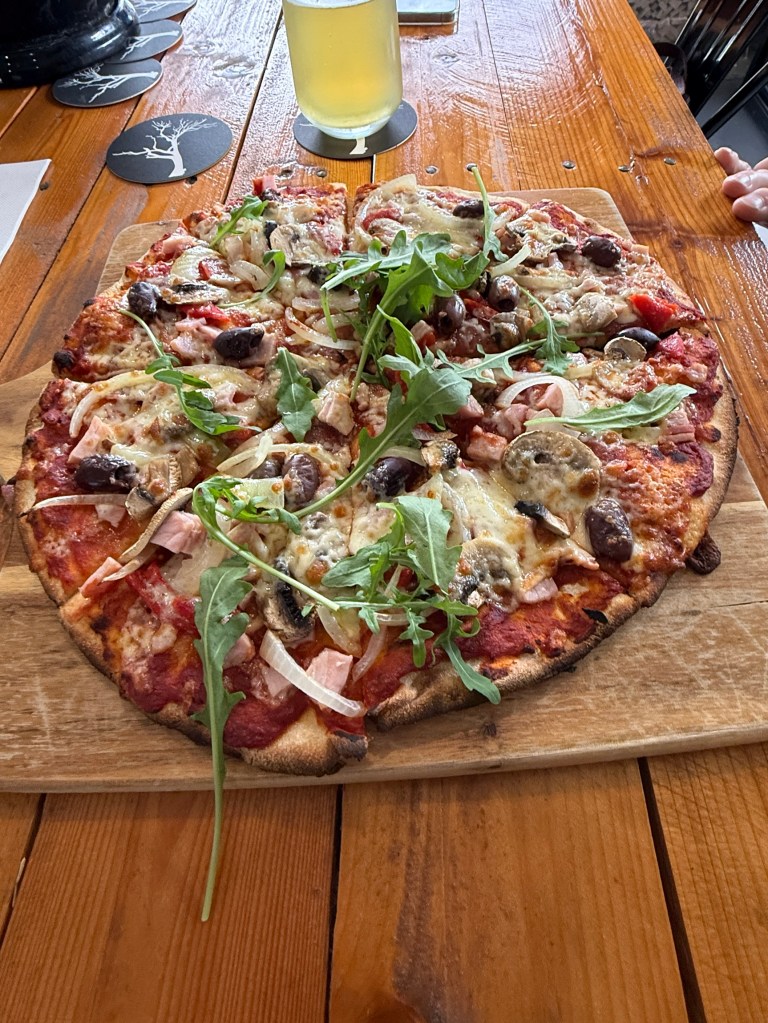
Their craft beer and lunchtime pizza is gaining wide recognition. The beer was ok and the pizza was excellent! While in town we checked out the heritage listed Railway Station.
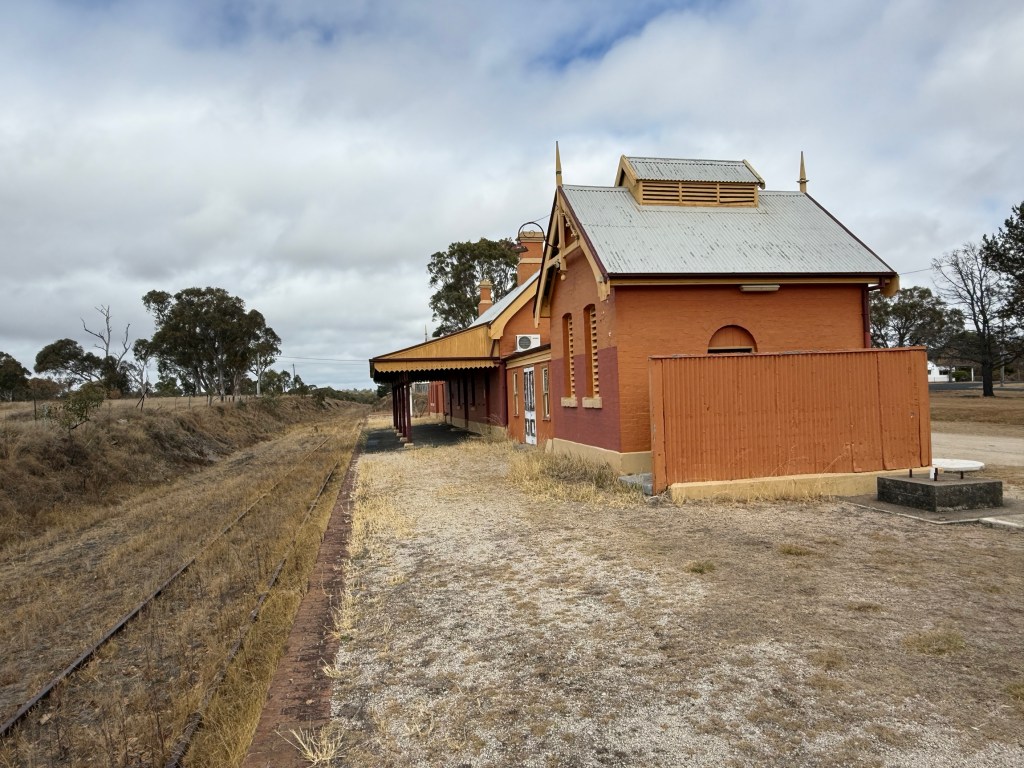
Tenterfield called and on we went to Annie’s Place.
Celtic Festival starts
Or it did four days ago when we had a bus trip from Glen Innes out to a property called Ben’s Falls for a Celtic Festival inspired lunch. This was the first of four drives we made down to Glen Innes from Tenterfield. The festival is now over and we are recovering in Glen Innes for a couple of days. So the next few blogs will be a catch up of what has happened.
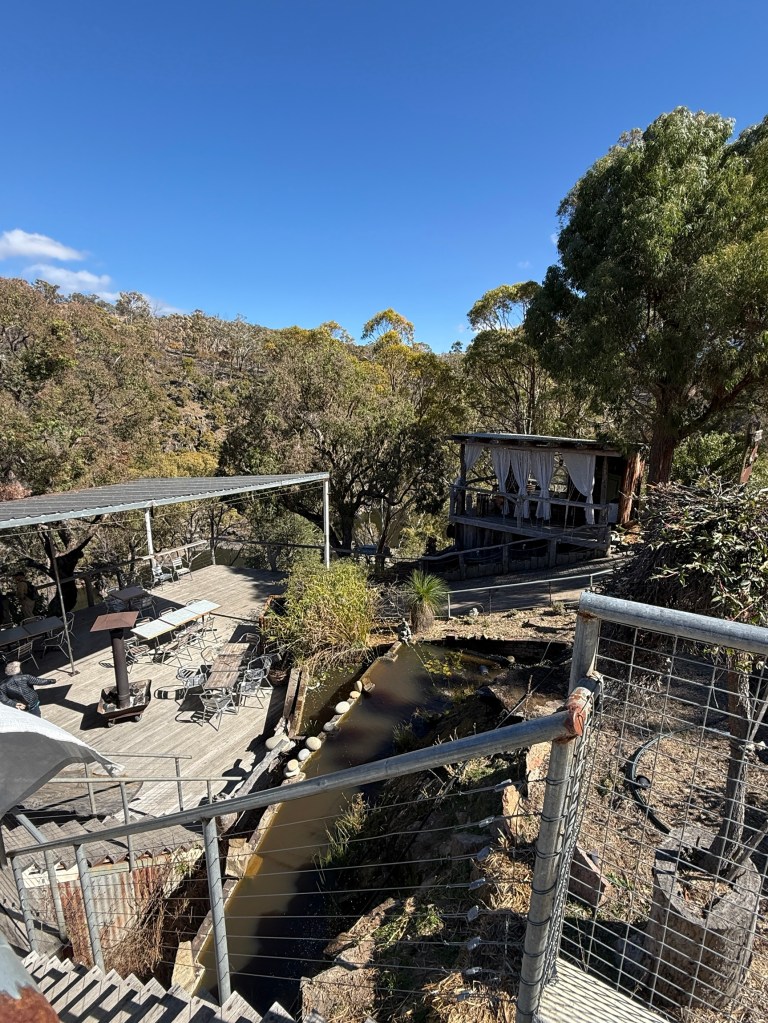
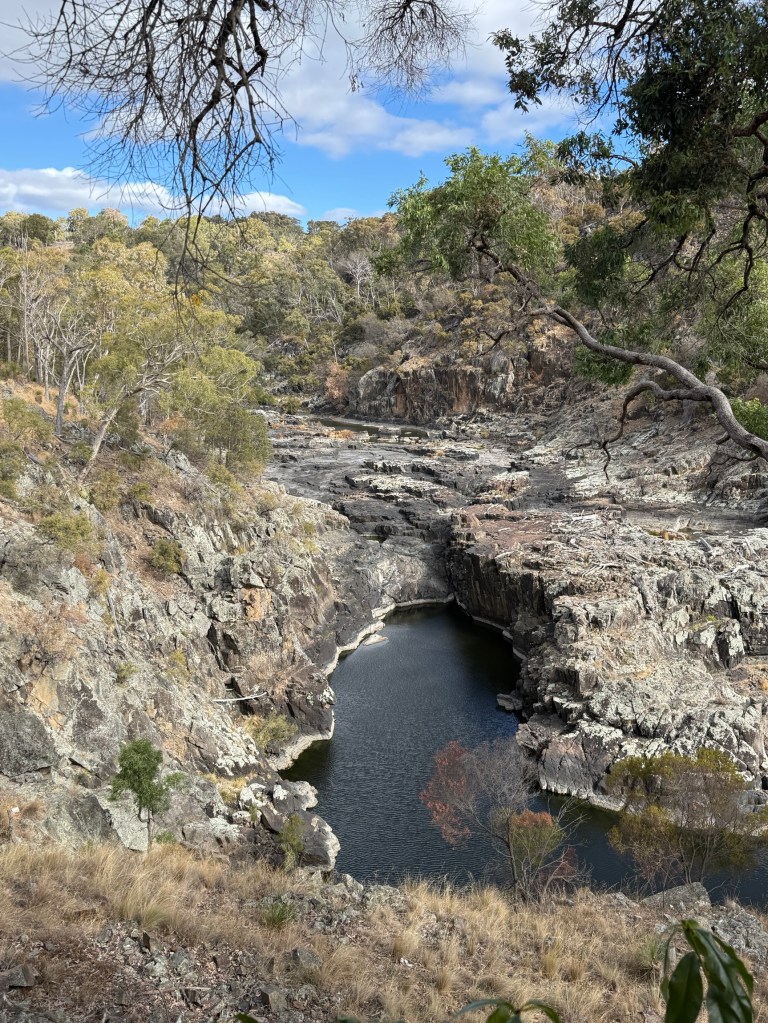
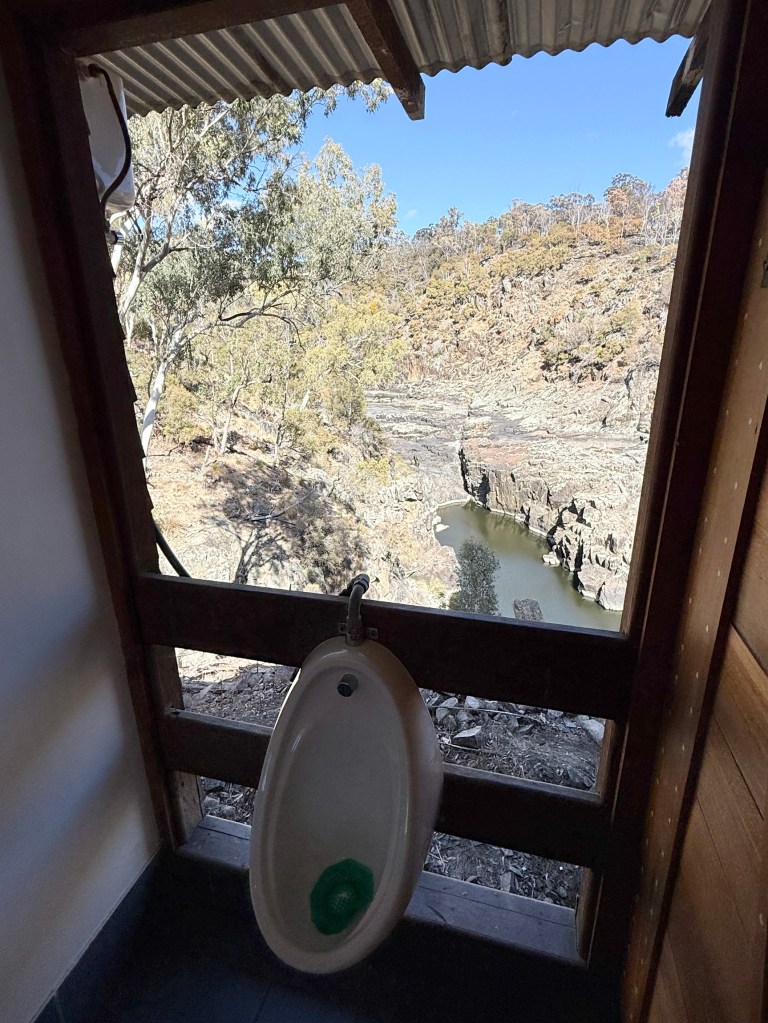
Ben’s Falls is a retreat, wedding function, party type property about an hours drive north west of Glen Innes. A fairly remote spot on the way to the old tin mining town of Emmaville. The property is built on the side of a ravine looking down into a big water hole below some water falls. The falls are dry at the moment, but would be spectacular when the river was flowing.
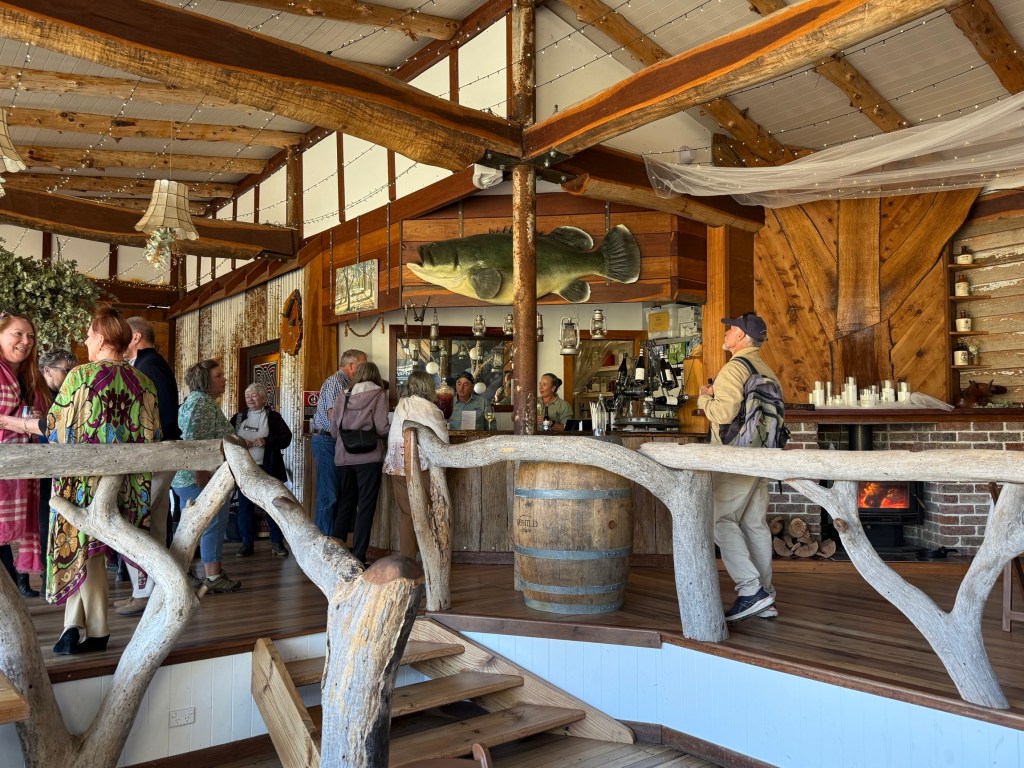
There were about fifty people at the lunch from all parts. It was supposedly a Scottish culinary experience with a modern twist to the food.
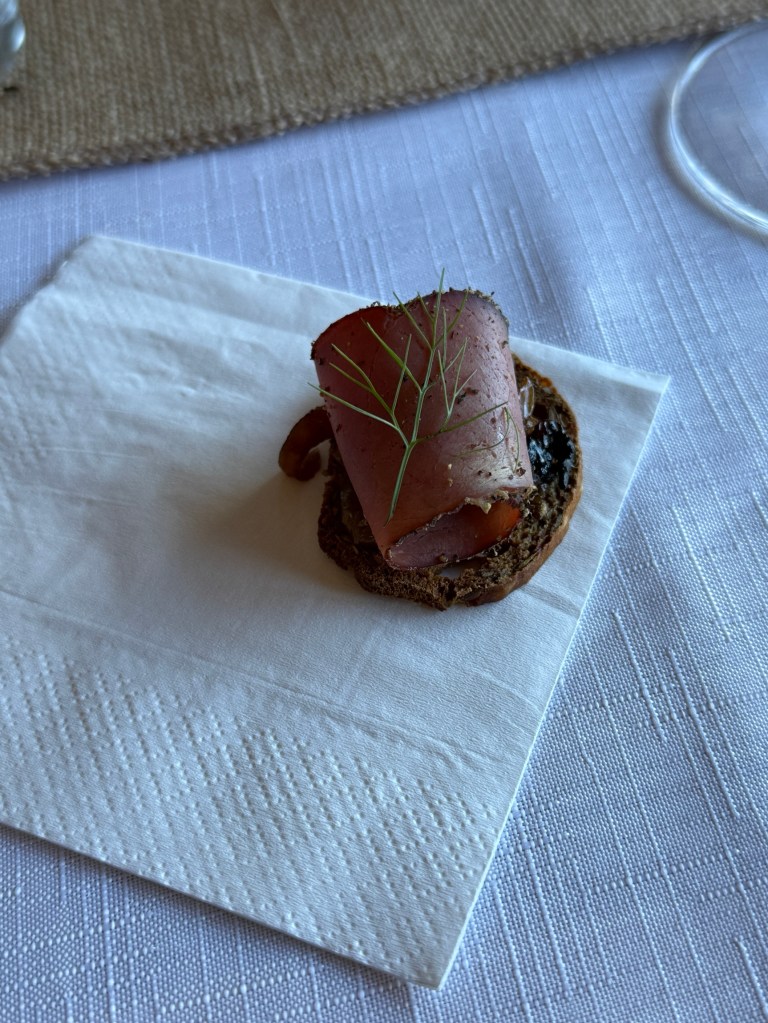
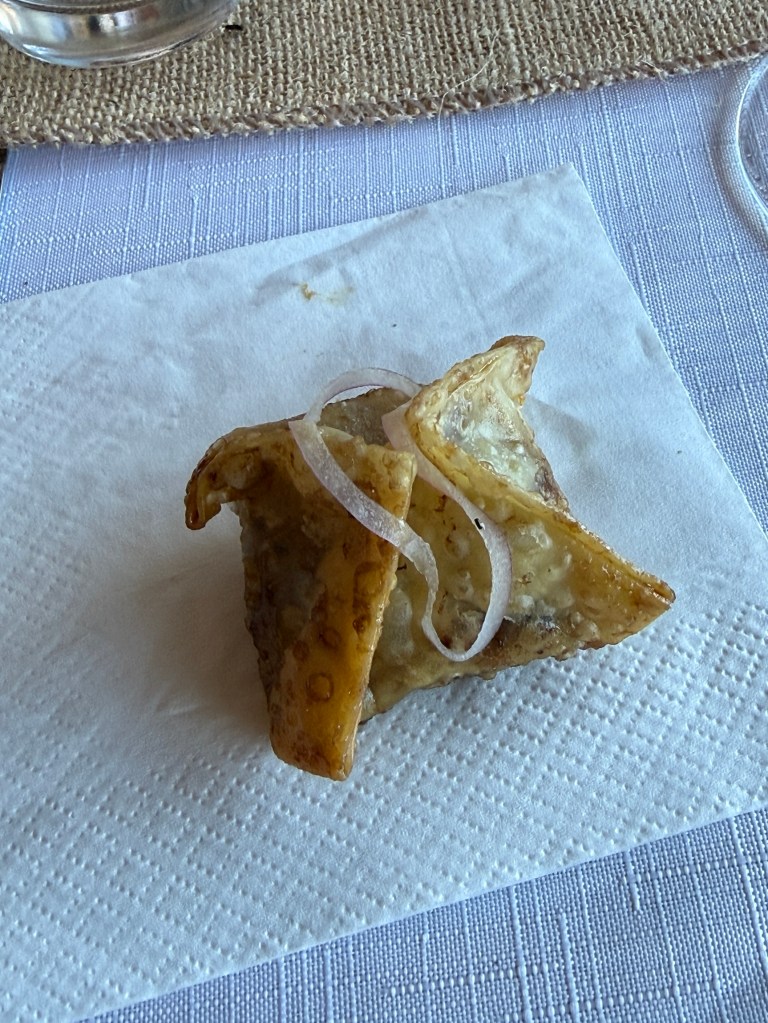
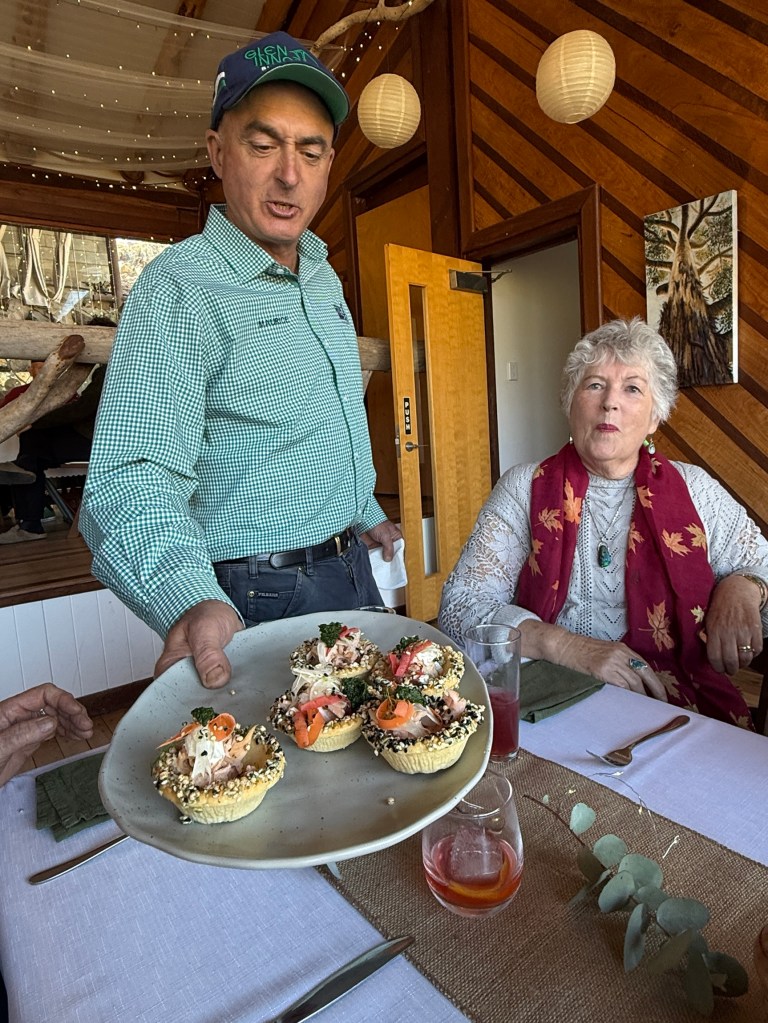
So there were some interesting canapés, a venison with a touch of chutney nibble, steak ‘n ale won ton, then a colourful salmon tartlet.
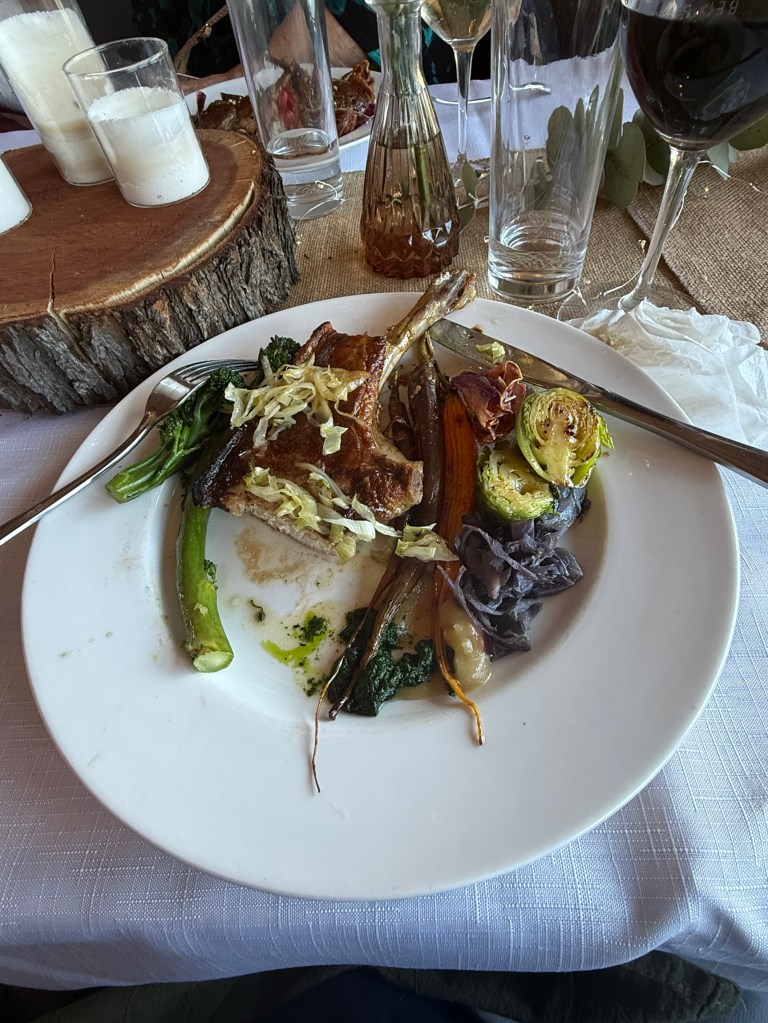
Alternate drops of lamb or pork chops followed with roasted root vegetables, greens and gravy.
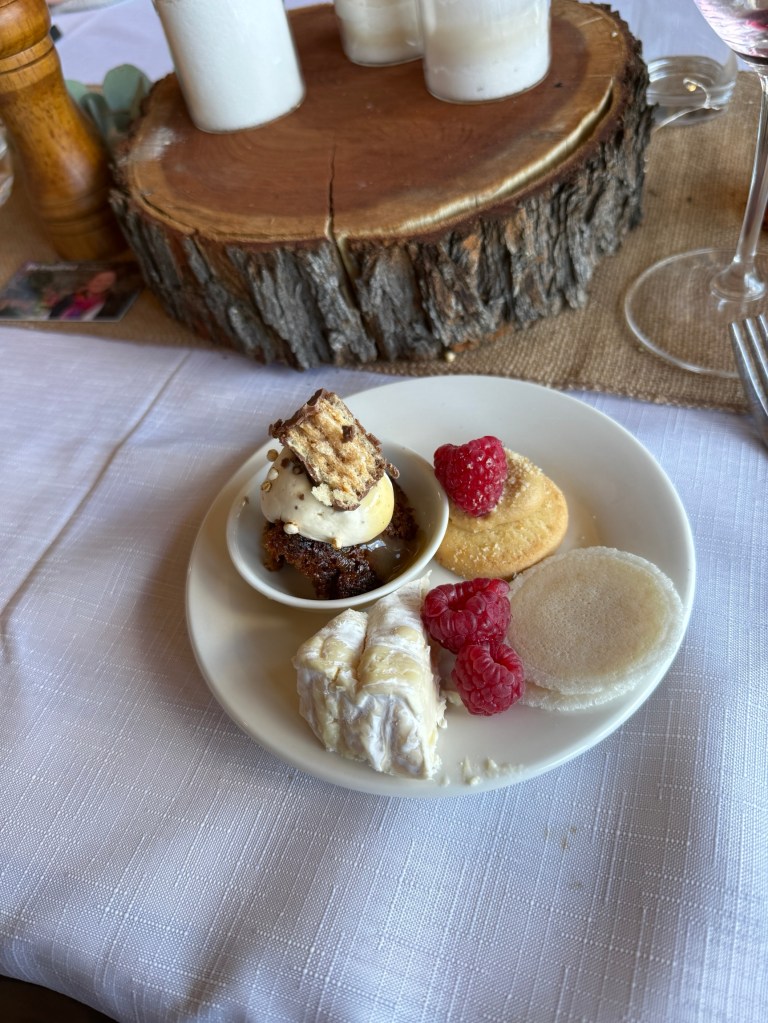
A little cheese and desert bar concluded the food.
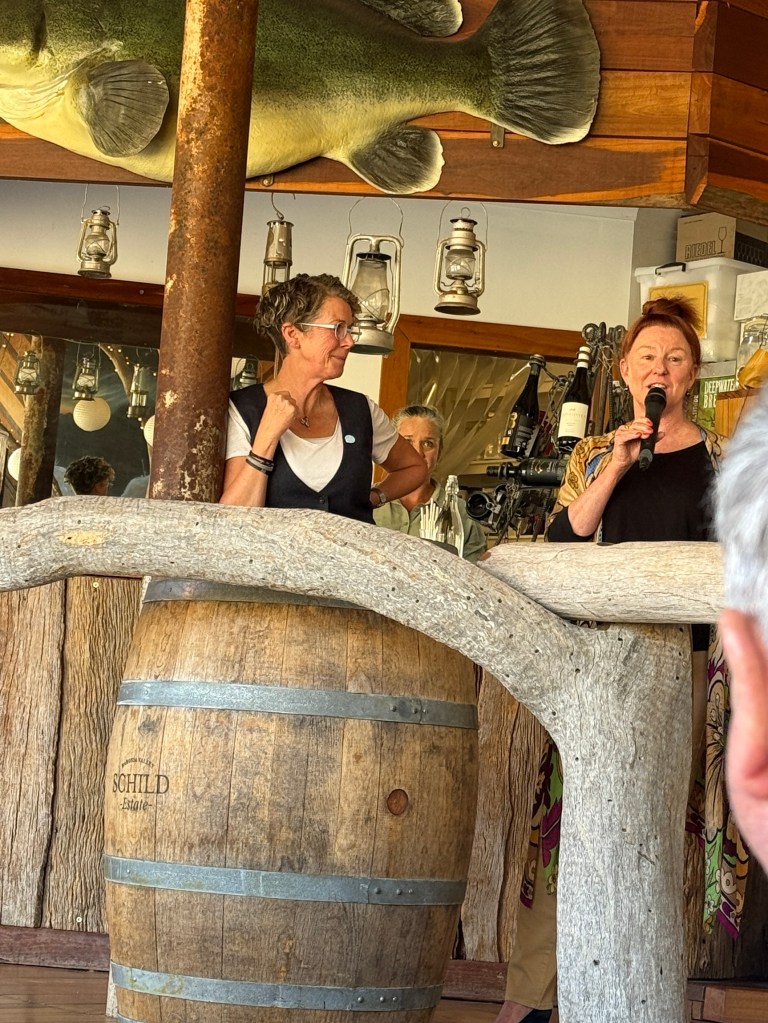
There were a couple of Festival guests in attendance, one was Ali Stoner aka the Rovinghaggis.com she has been a contestant on Masterchef. The other guest was Roberta Muir, another cook. They both gave a chat on modern day Scottish food.
Allthego managed to win one of the lucky draws, Homealone was thrilled to have another Italian (Sardinian) cookbook to put some where.
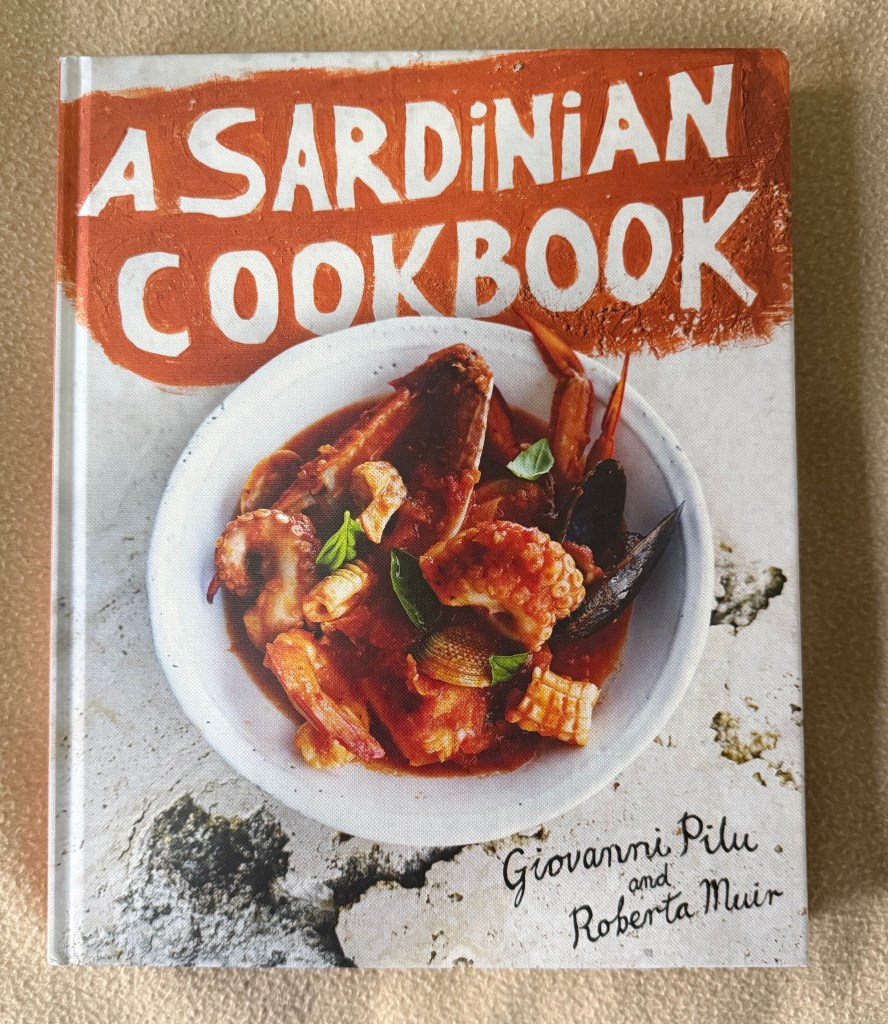
Looks interesting though, and autographed by Roberta Muir with a personal message to me! Very impressive, although I believe unautographed cookbooks are scarcer and more valuable.
It was a great lunch in an impressive location. We made it back to our motel in Tenterfield in time for a late snack for dinner. The next day would be back to Glen Innes for the Official Festival Opening Ceremony in the Town Square.
Tenterfield
We are here in Tenterfield for a few days prior to the start of the Celtic Festival in Glen Innes, about 90km south.
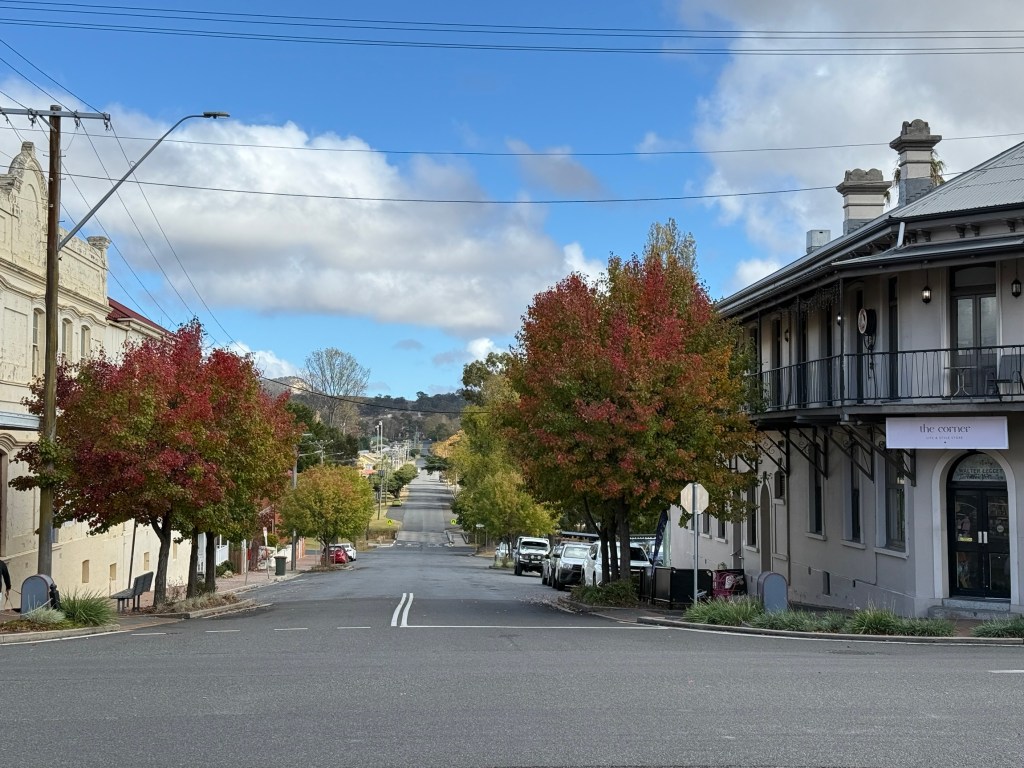
Tenterfield has a few claims to fame, but two standout.
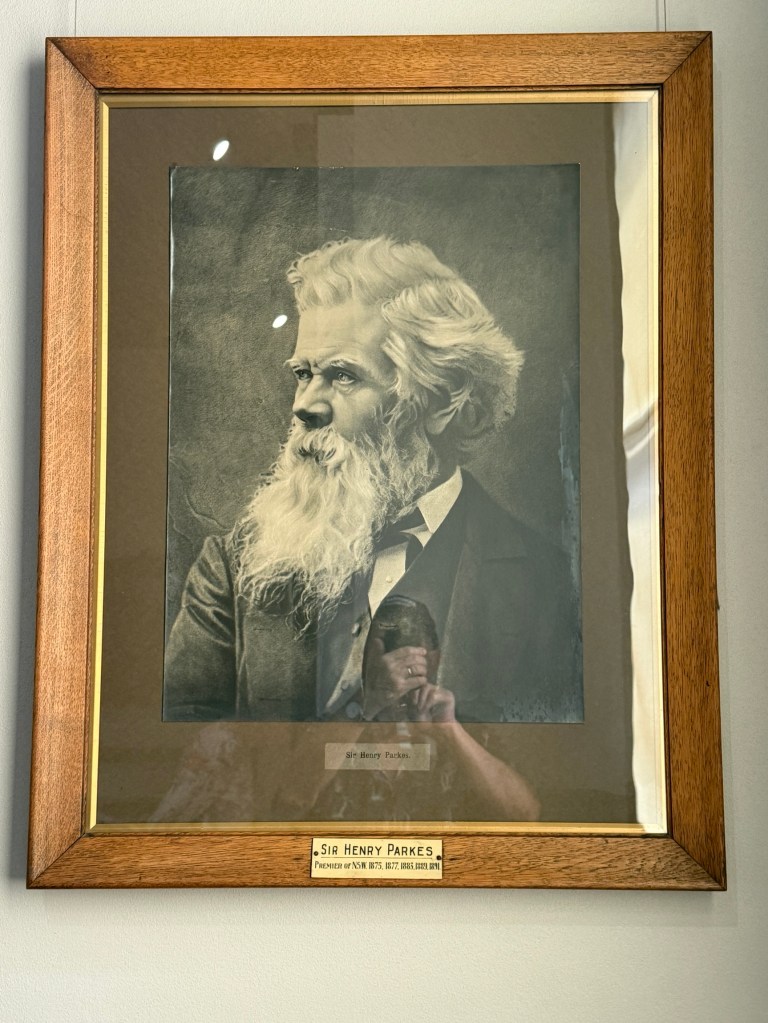
It was here in 1889 that the then Premier of the Colony of NSW gave an impassioned speech (the Tenterfield Oration) for the establishment of the Australian Federation. He is known as the Father of Federation.
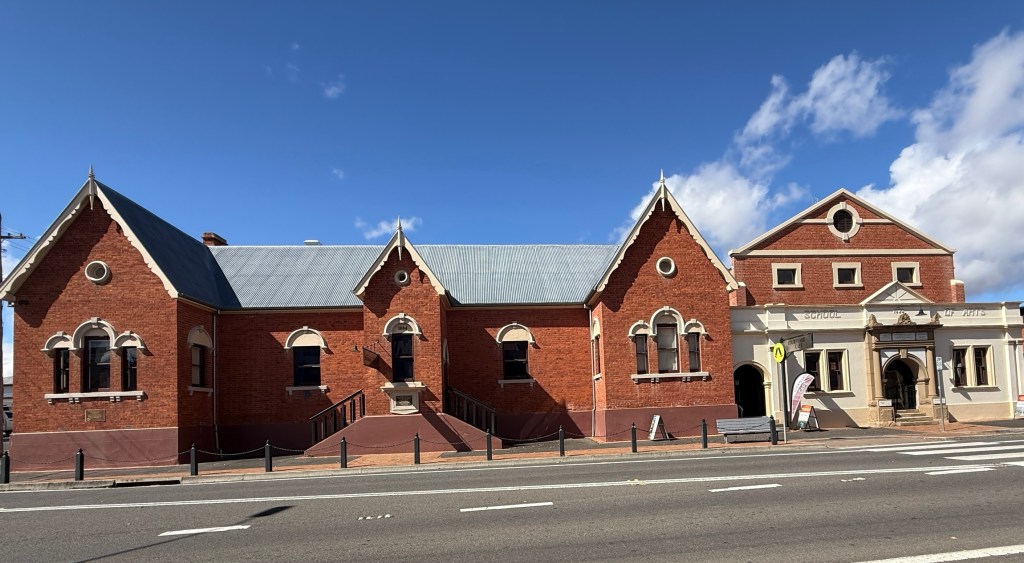
The School of Arts, built from 1876, where the speech was given has been turned over to commemorate Sir Henry and the Federation movement.
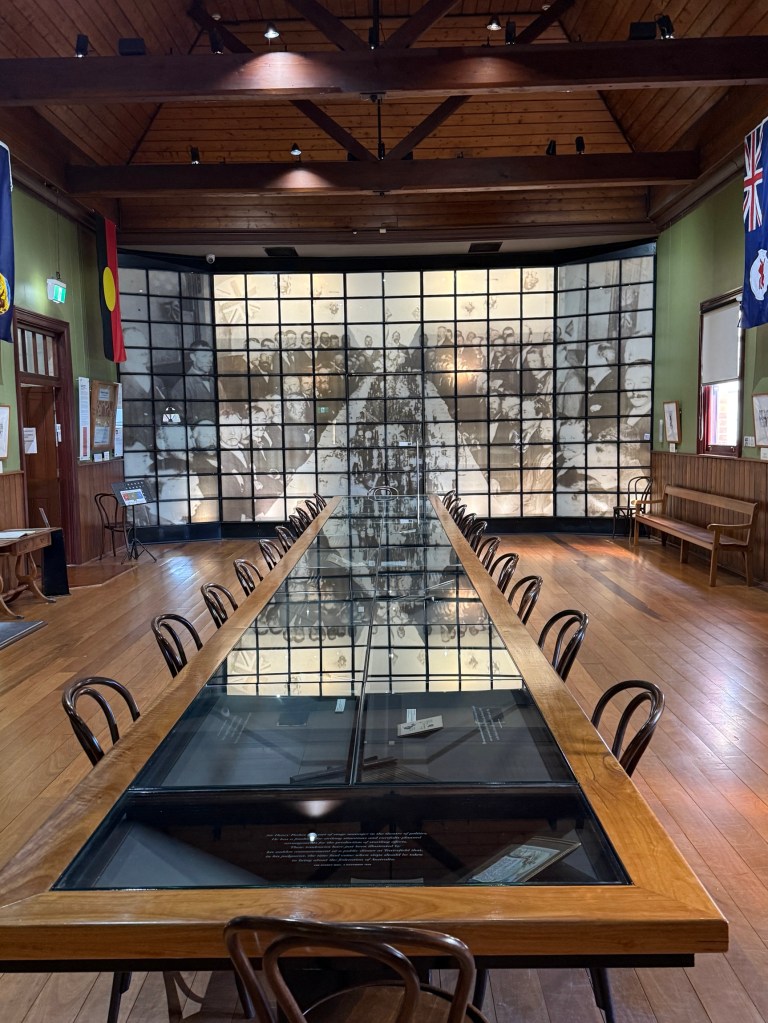
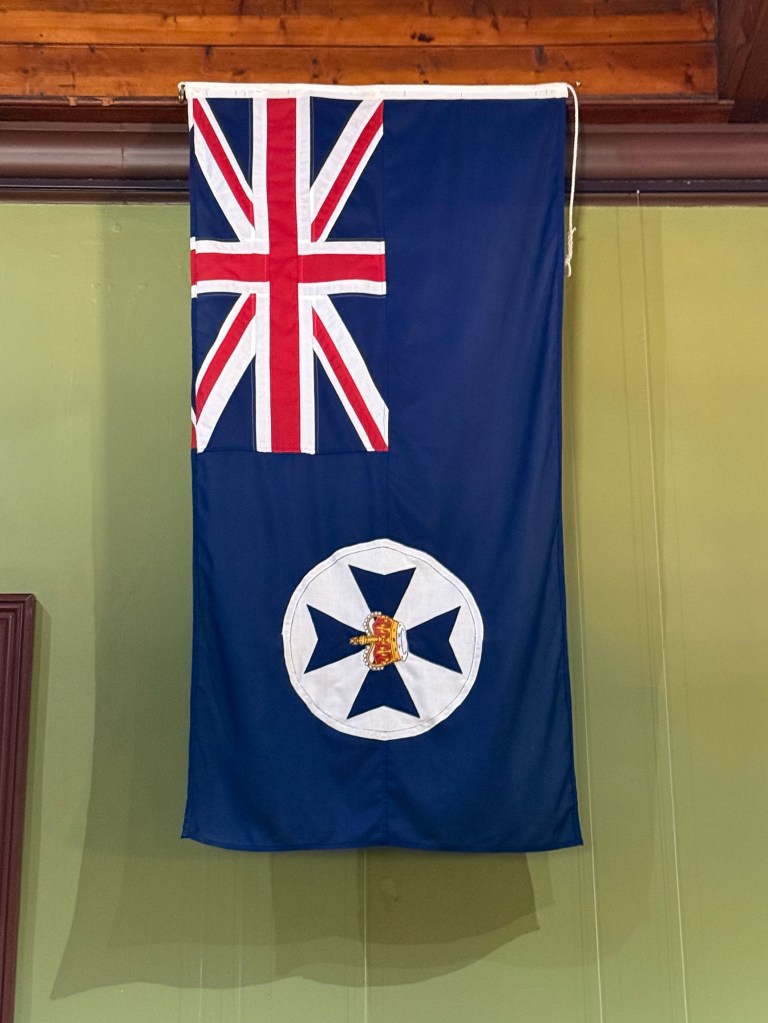
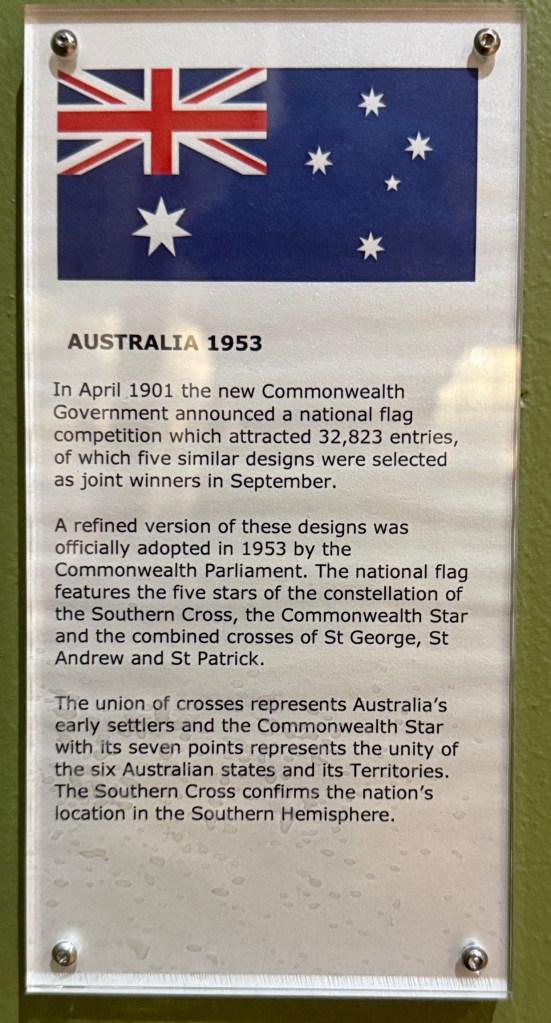
There is an interesting collection of flags inside, each of the colonies through to the Aboriginal flag of today. Tit bits about each of them. Allthego got a surprise in finding out that our current flag was only adopted by the Parliament in 1953. It was the ultimate outcome of a competition that started in 1901! In the 50 years it took it seems we used the Red Ensign as our flag (?) Things back then took their time, why are we surprised that times haven’t changed?
The other claim to fame is that it is the birth place of one of its favourite sons, Peter Allen who died in 1992. Many songs to his credit. Probably, the two best being ‘I Still Call Australia Home’ and ‘The Tenterfield Saddler’. The later being the immortalisation of his grandfather George Woolnough, who was the Tenterfield Saddler for something like 50 years.
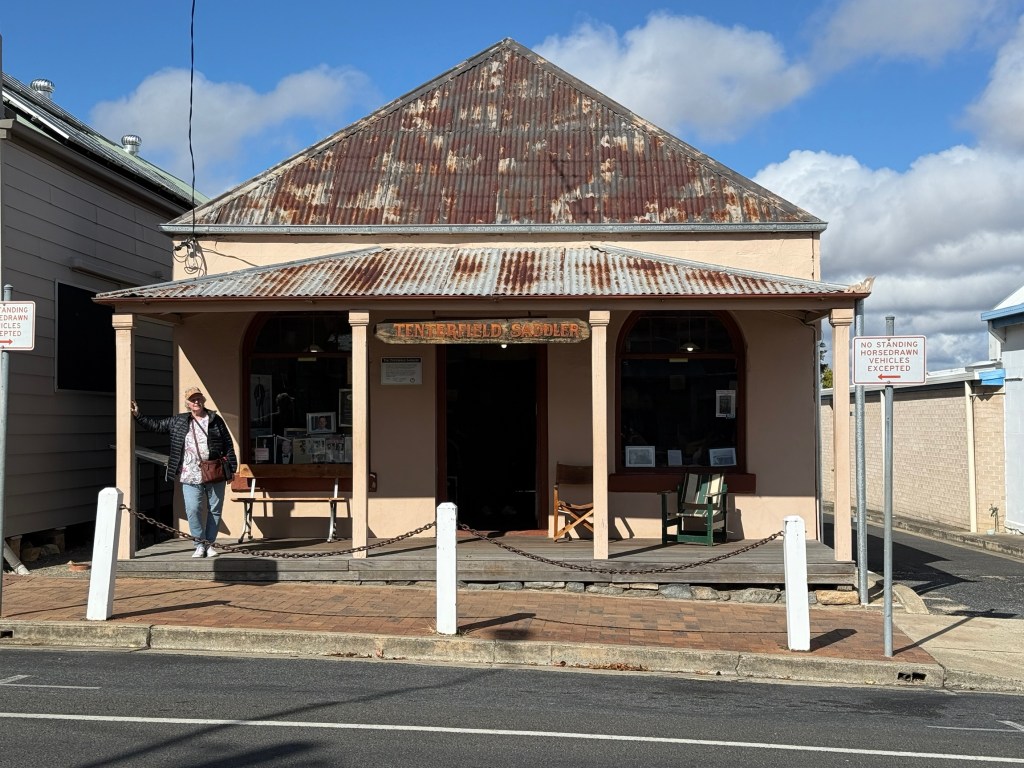
The workshop is still there, classified as an historic building, now a museum.
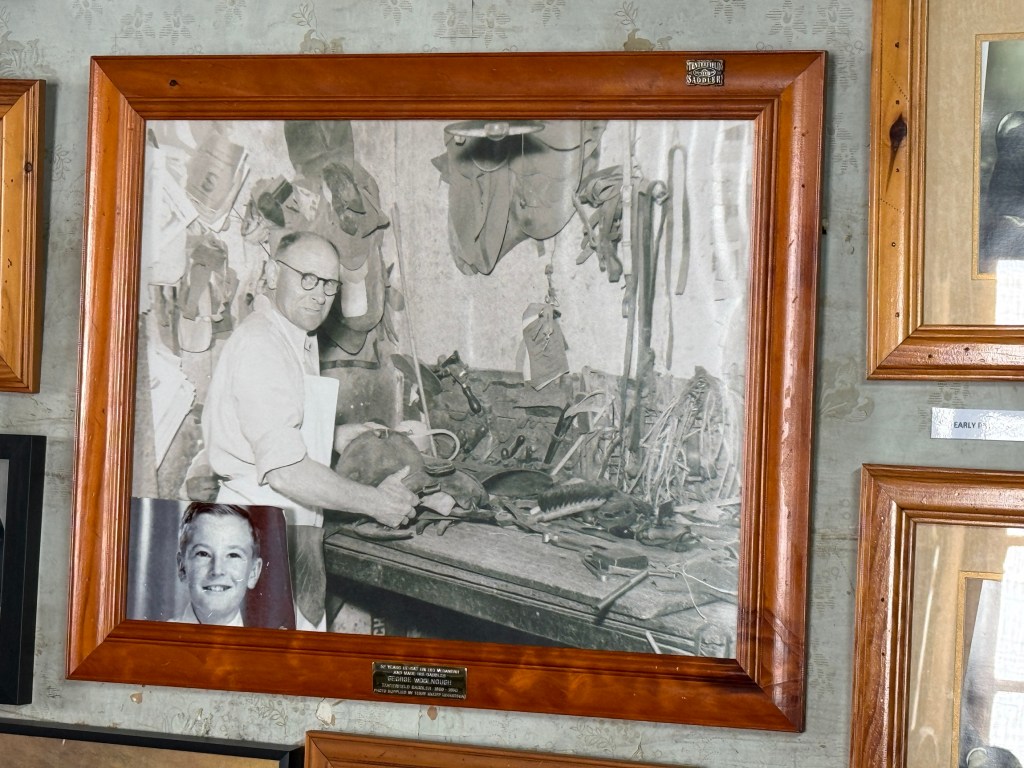
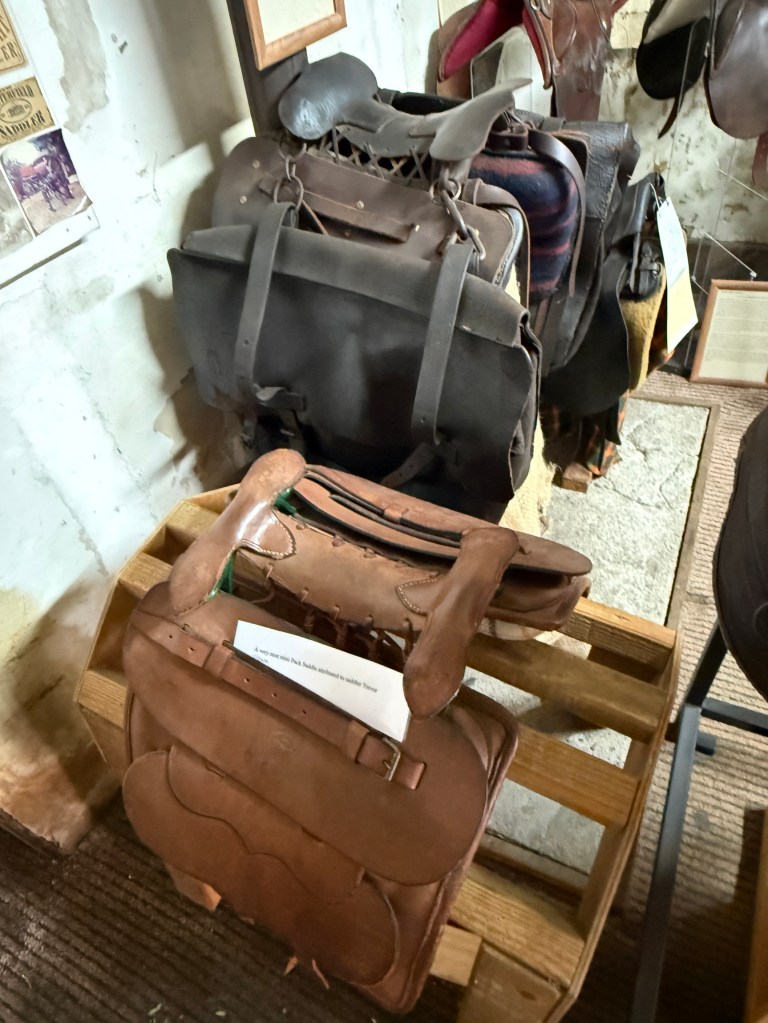
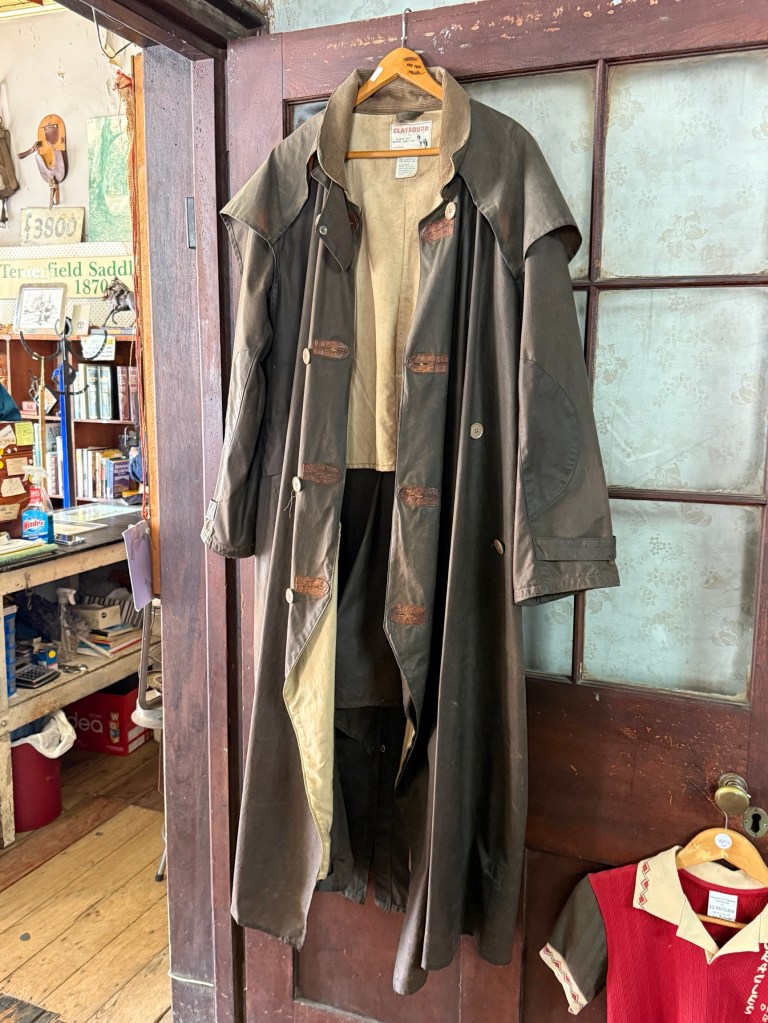
Lots of old saddle and leather stuff and Peter Allen and Tenterfield memorabilia.
A couple of other famous people also feature in the town’s history. Banjo Patterson was married here in 1903, to a local pastoralists daughter. The wedding was in the 1885 built wooden Presbyterian Church.
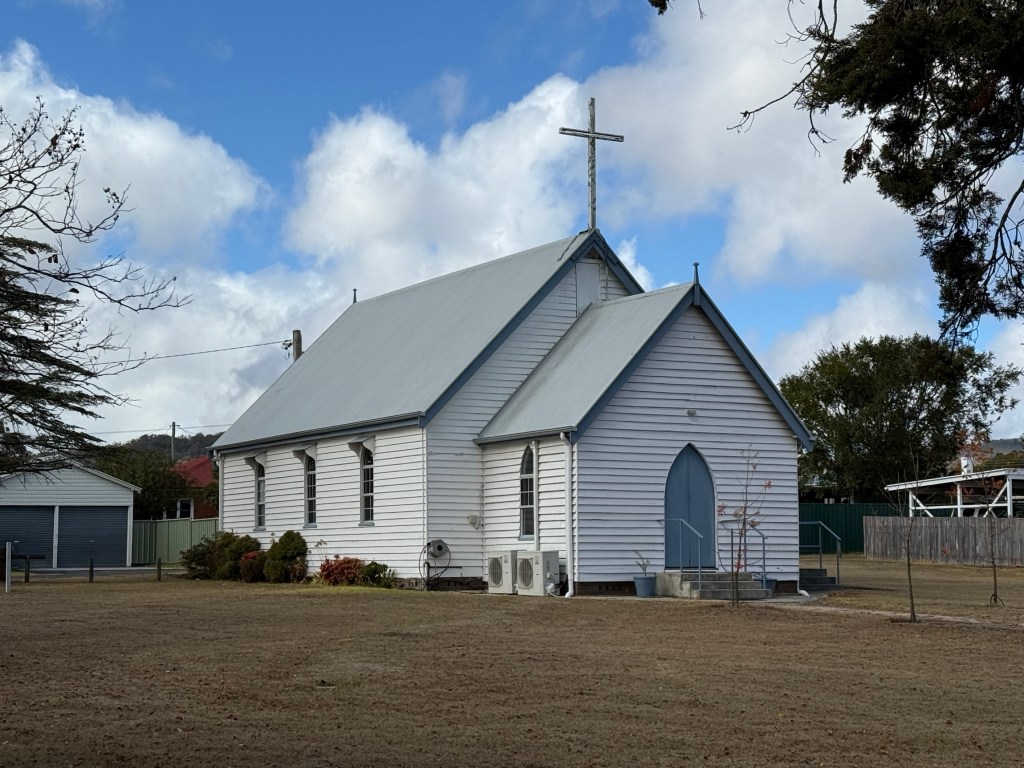
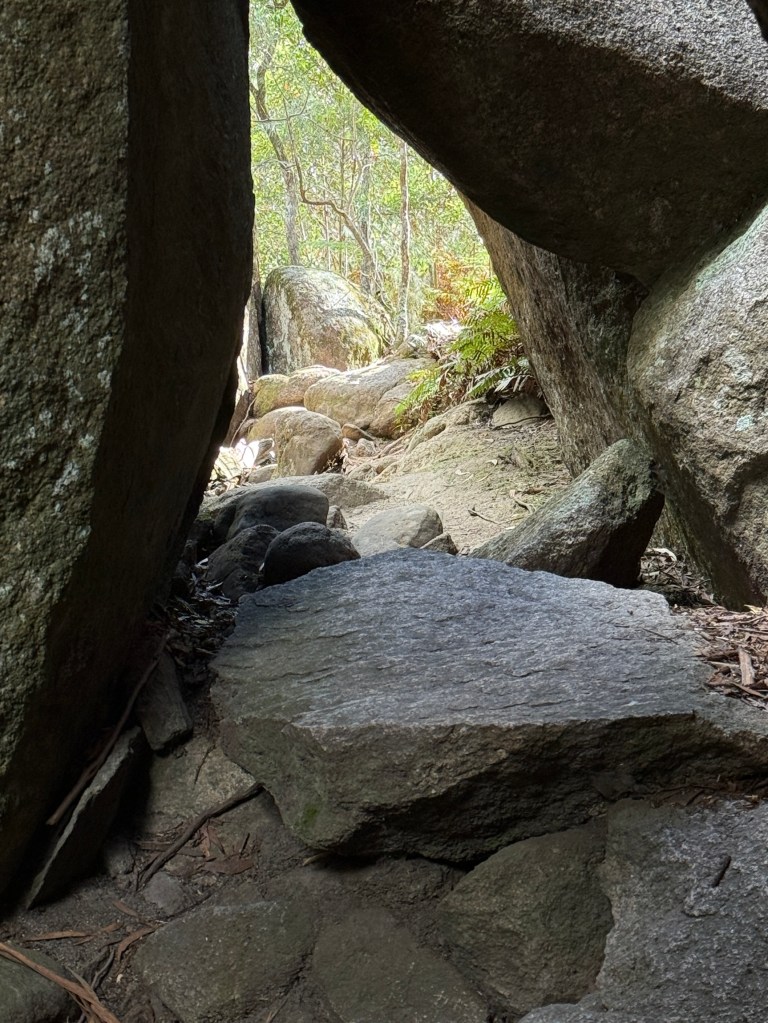
Fred Ward, the bushranger Captain Thunderbolt, wandered around these parts in the mid 1800s. We had a little wander to one of his claimed hideouts among the granite boulders just out of town along the Mt Lindsay Road.
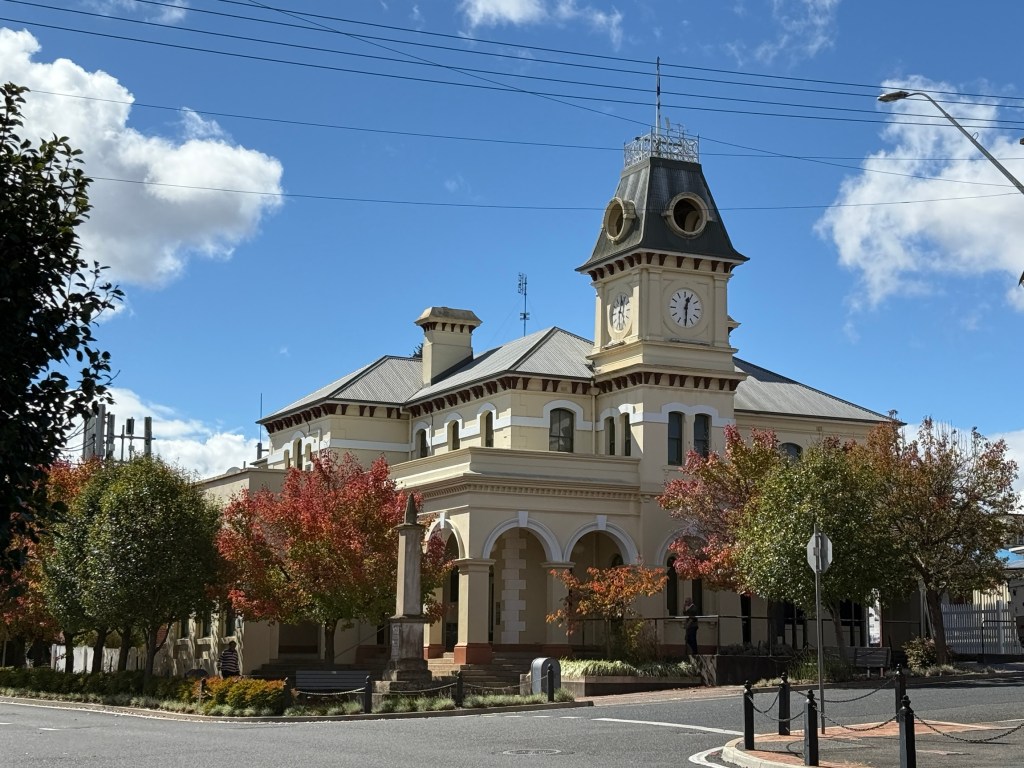
There are many old commercial buildings and homes in the town, generally repurposed but retaining their facades.
Among them is the Royal Tenterfield Hotel, originally built in 1849 as the George Inn. It has been added to and remodelled in various styles over the years.
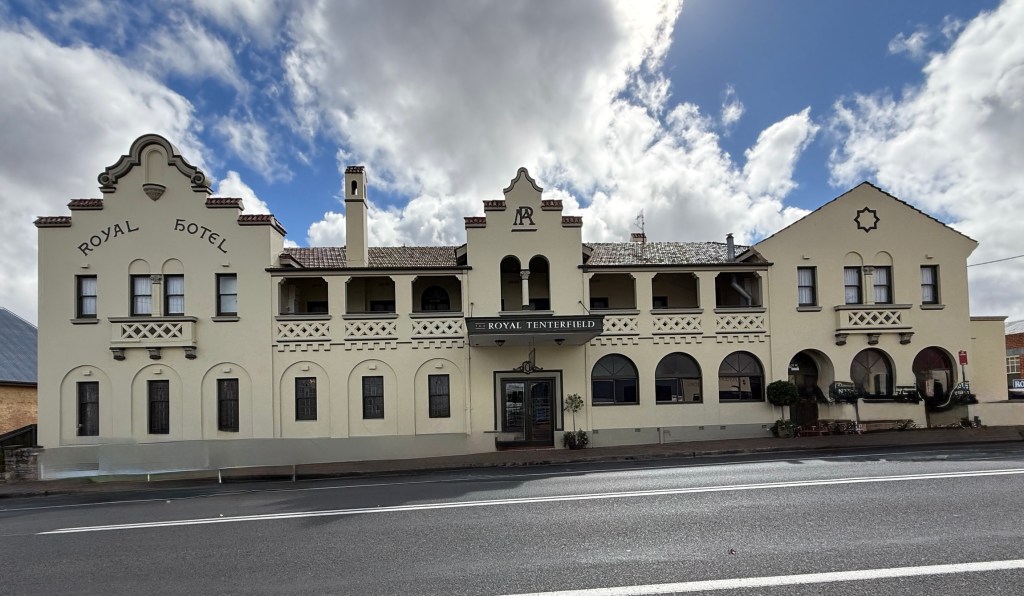
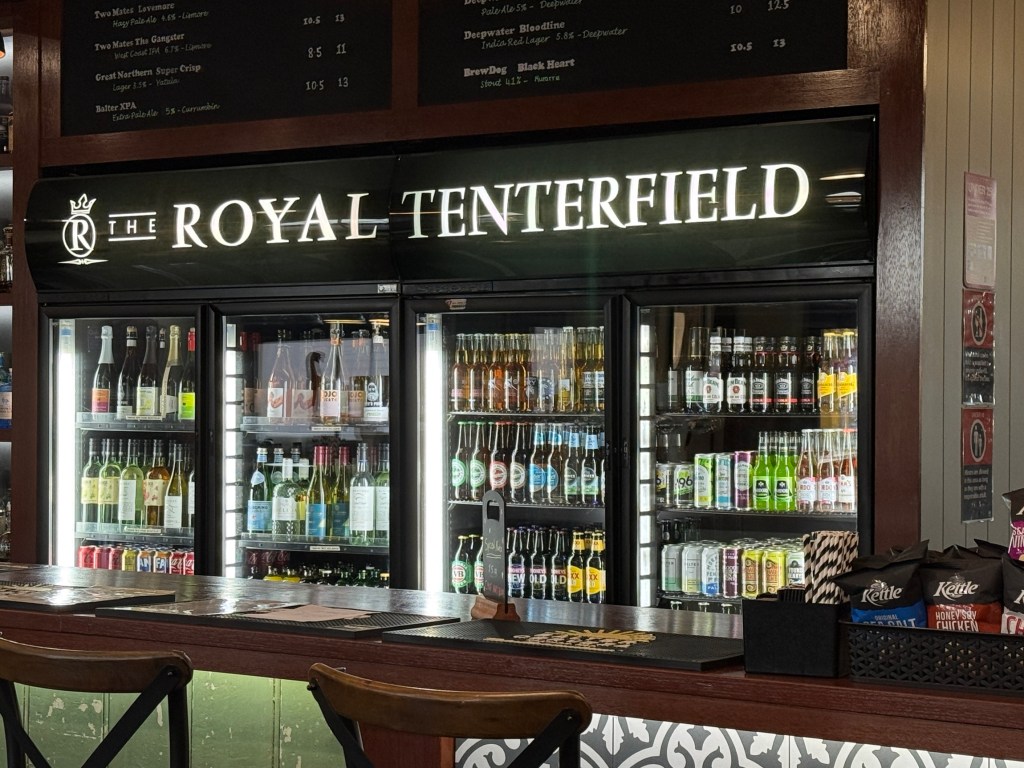
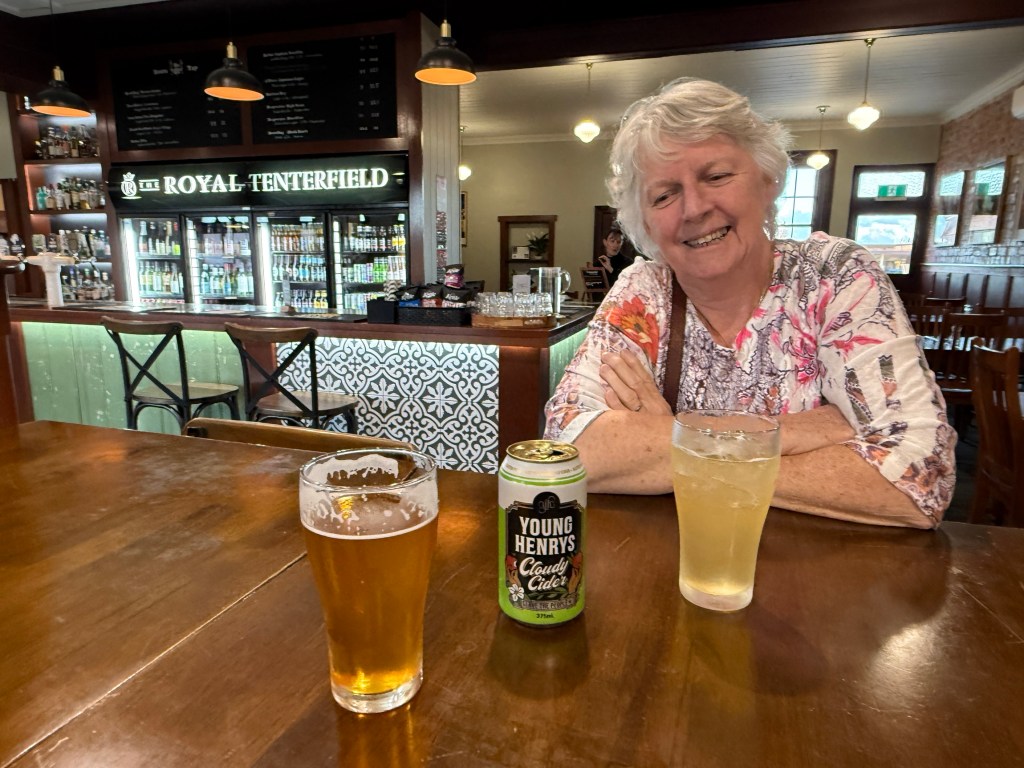
Recently restored with a modern interior twist. We had a pre dinner drink there after walking around the town. Back to the Peter Allen Motel for the evening.
Back from Elvis
We are back from the few days at Rainbow Bay, have had no flack from Rainbow Beach SLSC about not showing up for dinner. We have had a little under two weeks to get ready for our trip down the New England Hwy to Glen Innes for the Celtic Festival.
Besides being a couple for fifty years we have been living in the same house for 41 years. If the walls could talk!
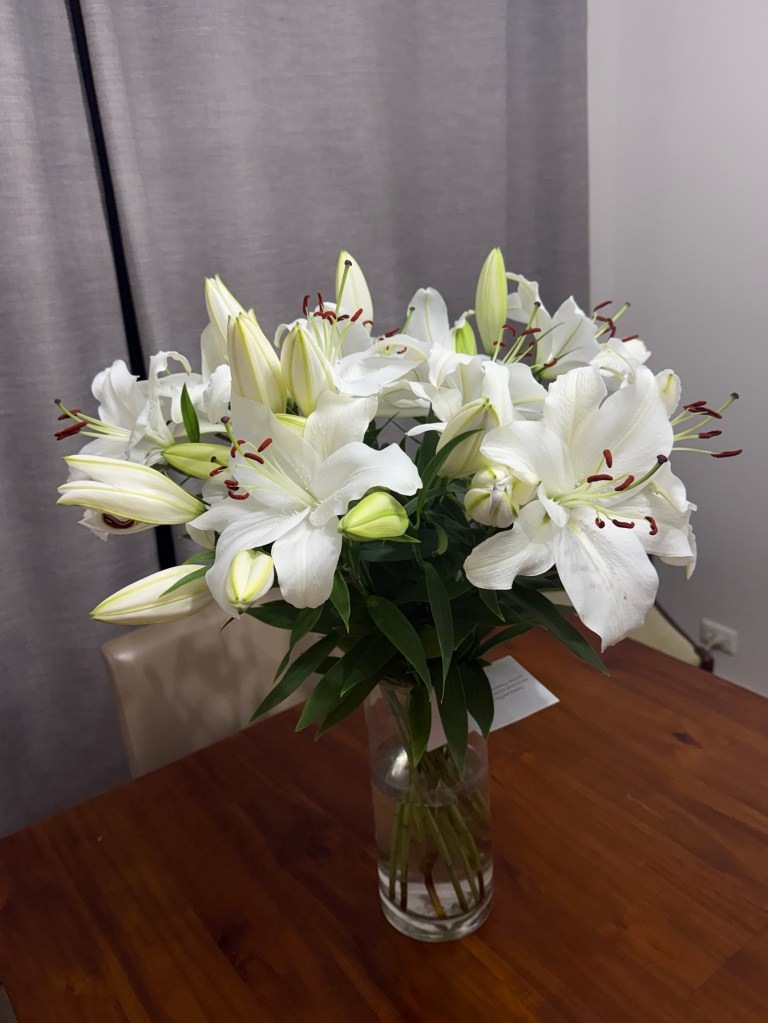
One of the ‘problems’ of being in the same place for so long is that it grows on you. This includes plants and trees. Long ago we planted two Jacaranda and one Poinciana seedlings down the back. They grew and grew, too big! A huge branch came down in the October 25 storm and a neighbour’s tree of similar size also fell and smashed fences.
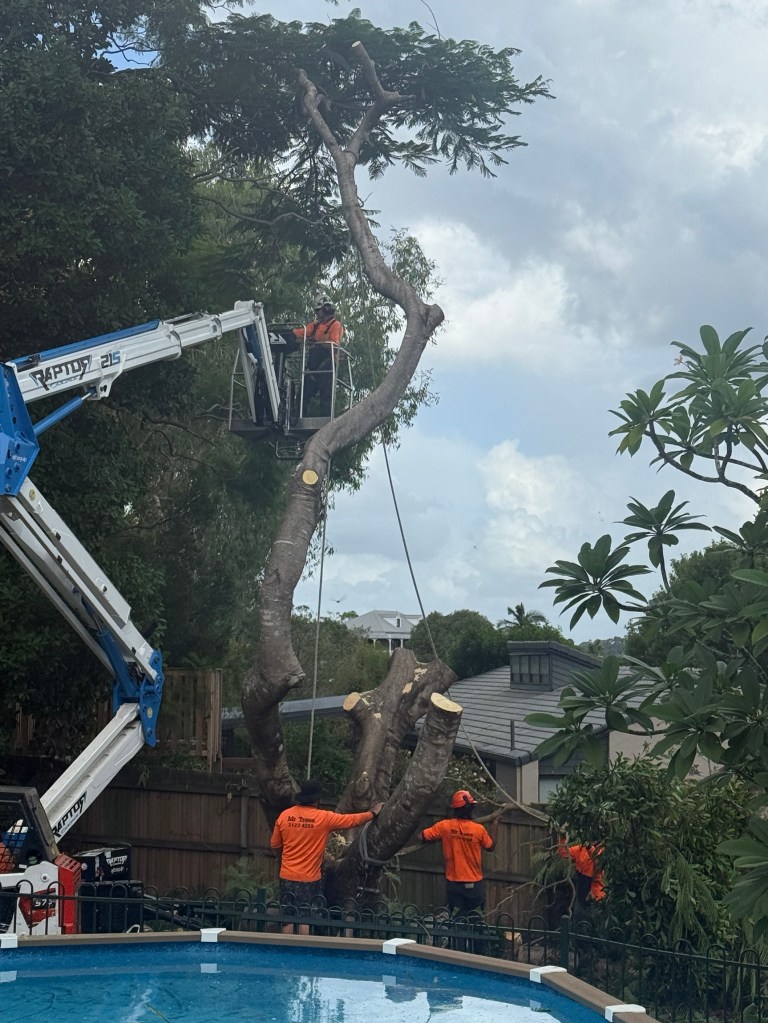
So they all had to come down and the fences replaced. This work was completed just before heading to Rainbow Bay.
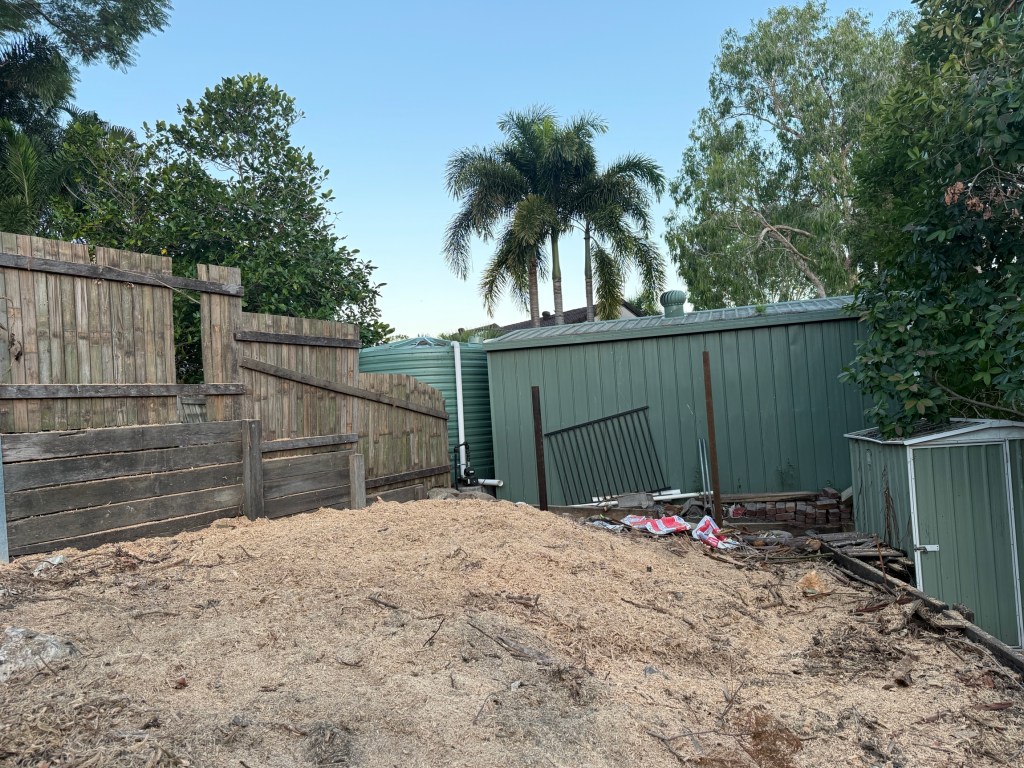
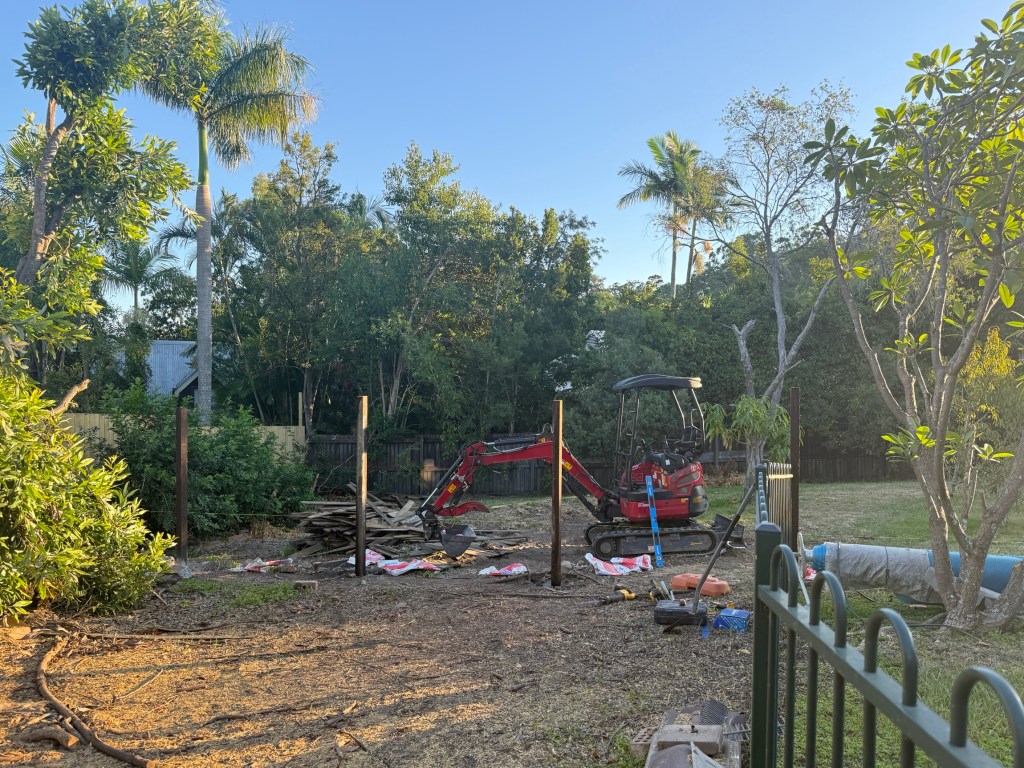
Wood rather than gold seems to be appropriate for a 50th! We now have to get about cleaning up and replanting.
But first that trip to Glen Innes!
In preparation for all things Scottish our travelling party got together for a planning session over a Ploughman’s lunch. There was a bit of planning at the end of the eating.
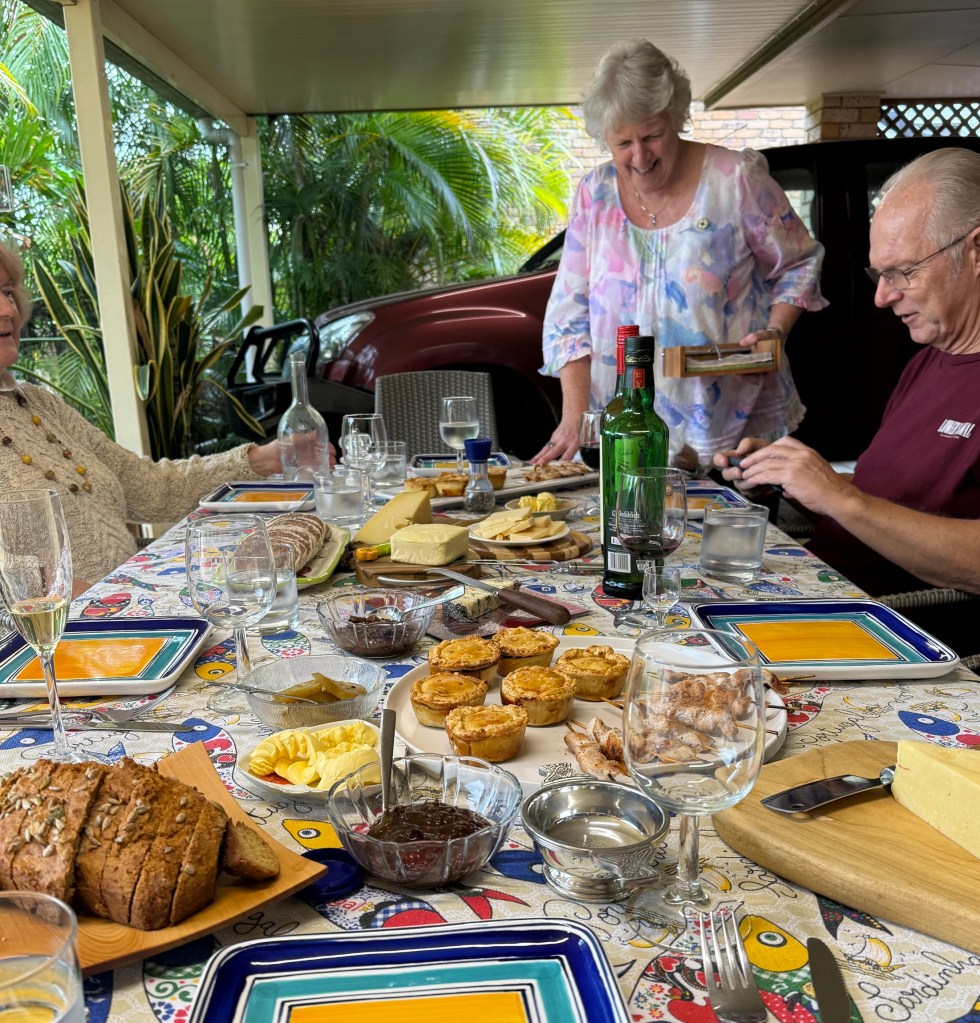
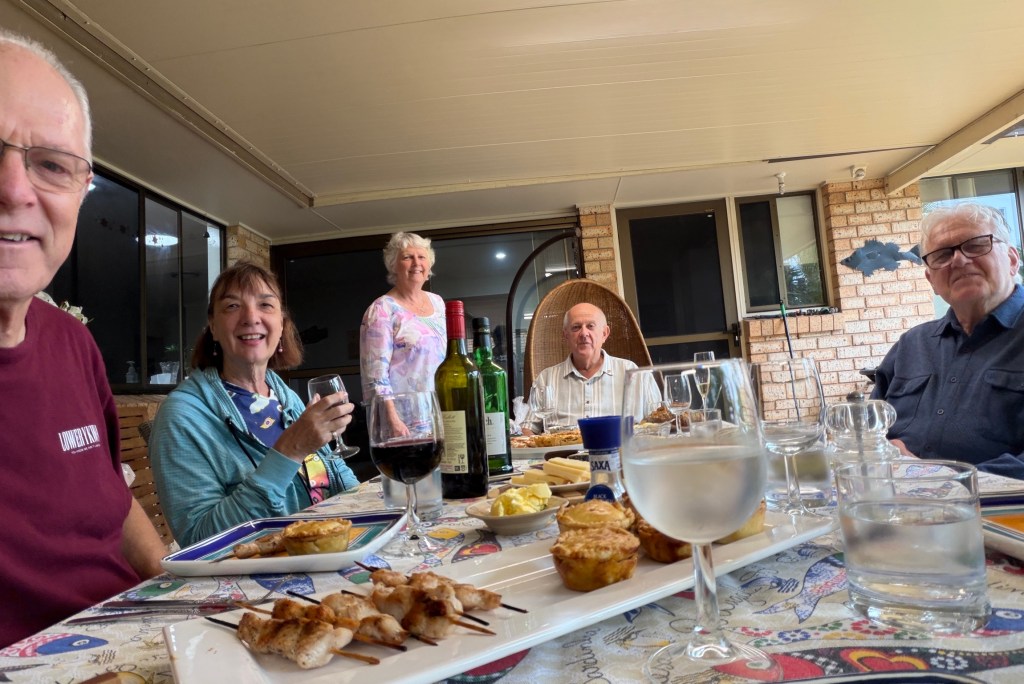
Cullen Skink to start, followed by Aberdeen Sausage, Pembroke pies, Haggis (chicken?) skewers, assorted cheeses and condiments. Ah, why go to Glen Innes?
So, we have headed off to Tenterfield for a few nights ahead of the festival in Glen Innes. We got away early as planned at about 12.30pm for the four hour drive to Tenterfield.
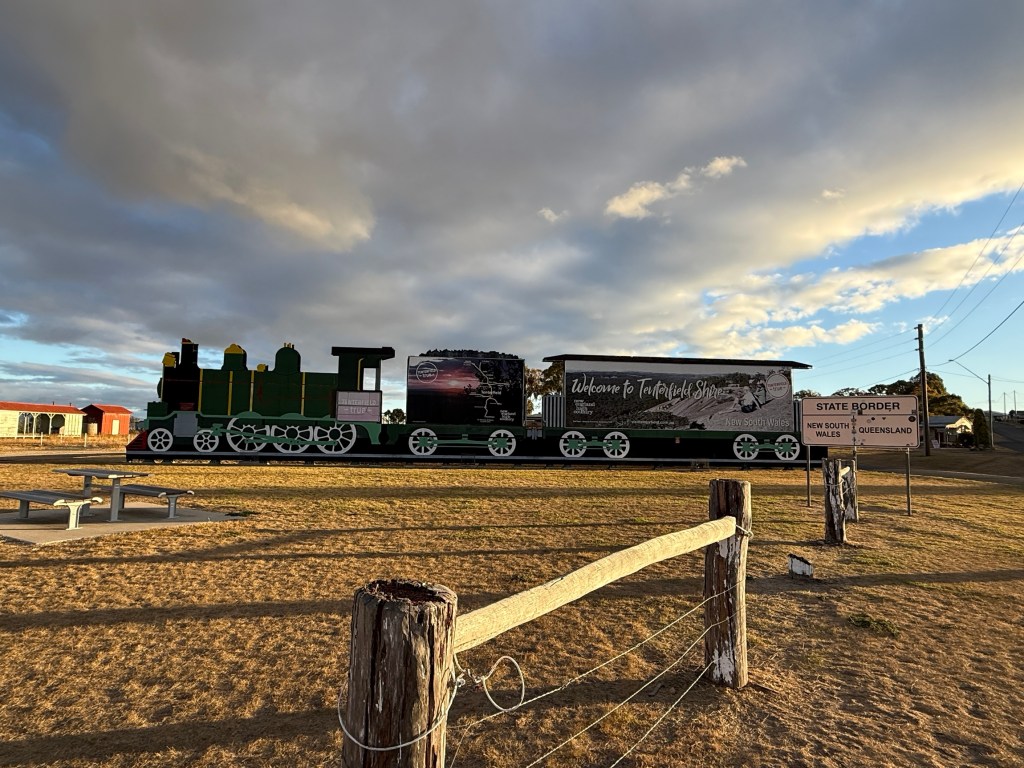
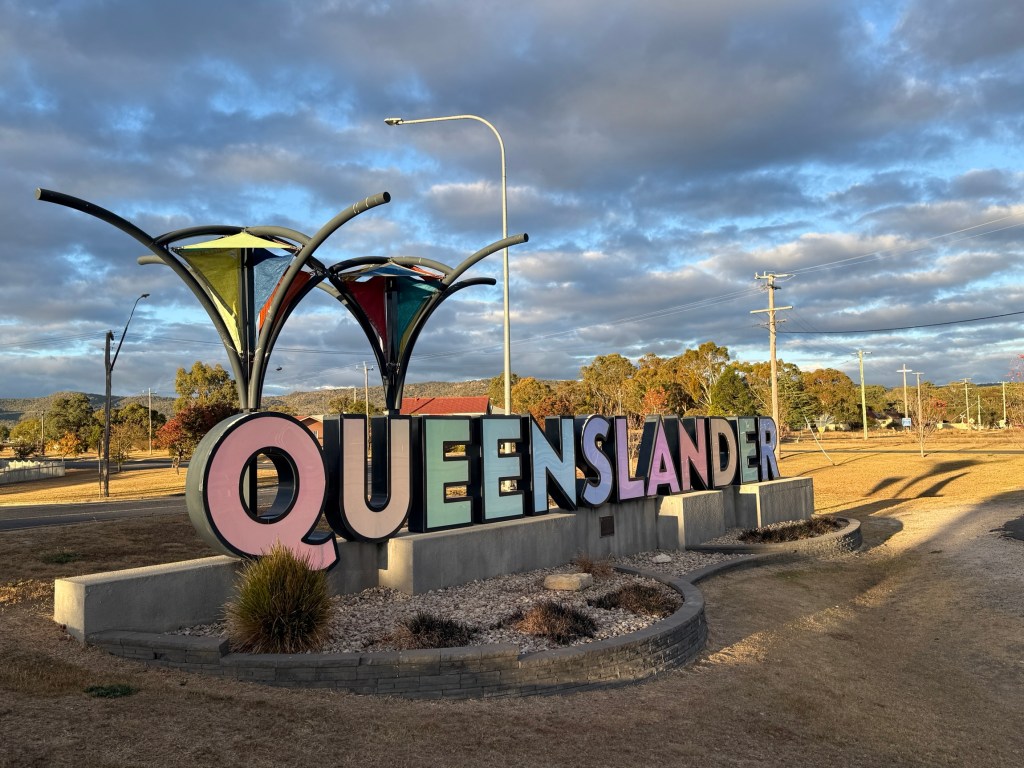
Along the way we stopped at the NSW/QLD border for those compulsory border snaps. Wondering whether you will ever return!
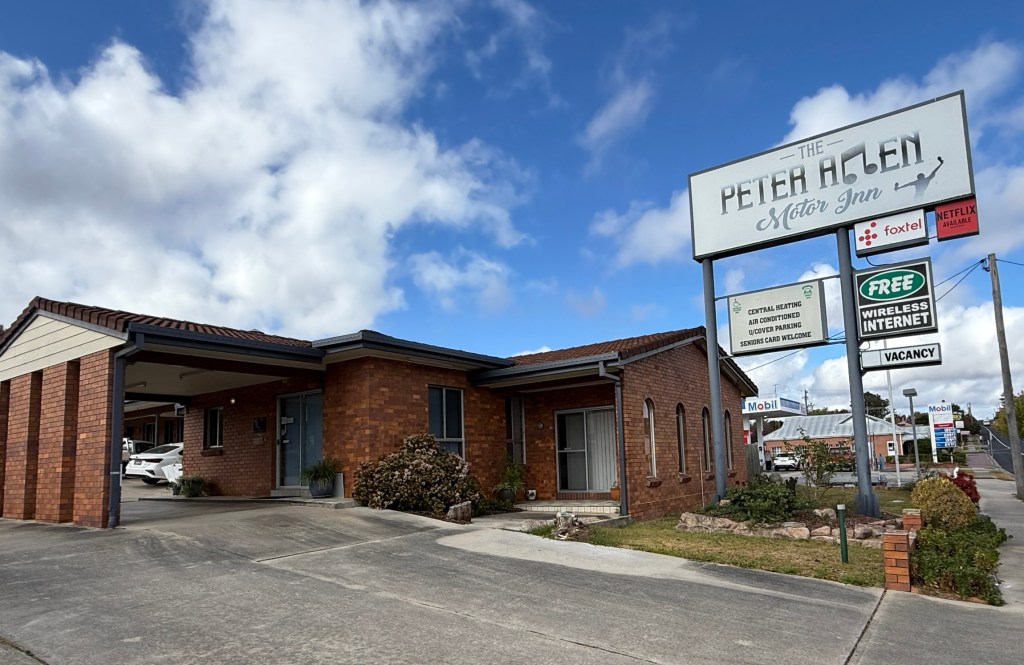
We reached Tenterfield and booked into the Peter Allen Motel. An original name for a motel…….
Elvis is in the house
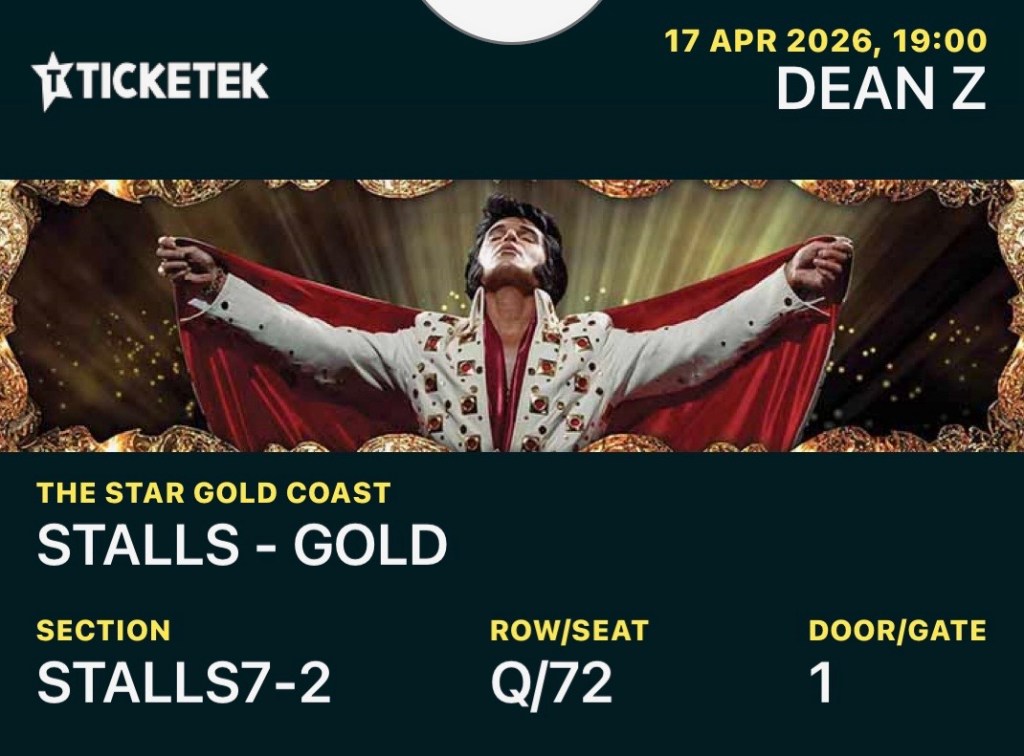
A Big night at the Star Gold Coast was in store, about a forty minute drive from the lodgings at Rainbow Bay. Lots of people in the house. We got there at 6pm in order to try out the Buffet before the Elvis show at 8pm.
You are allowed an hour and half to attack the offerings, had to book to get a seat. Allthego was a little set back on the night when he found it was $100 each, must be something special on offer. But alas not really, the prawns were excellent, mussels too and Allthego tried a couple of oysters (not bad for oysters) and crab legs.
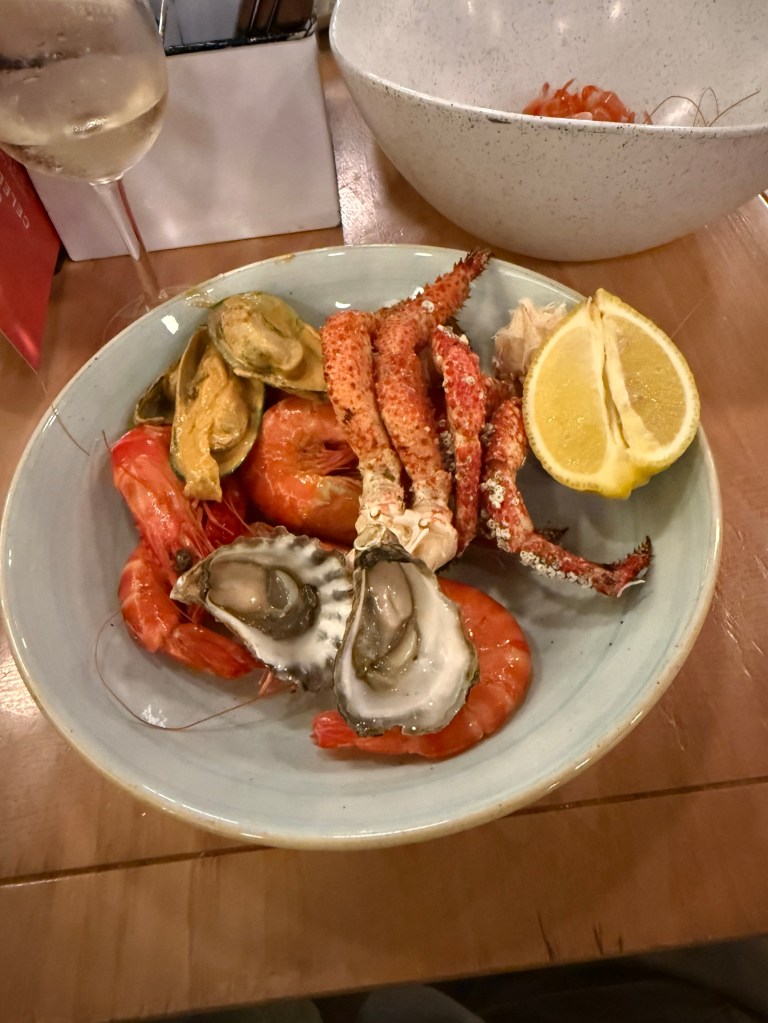
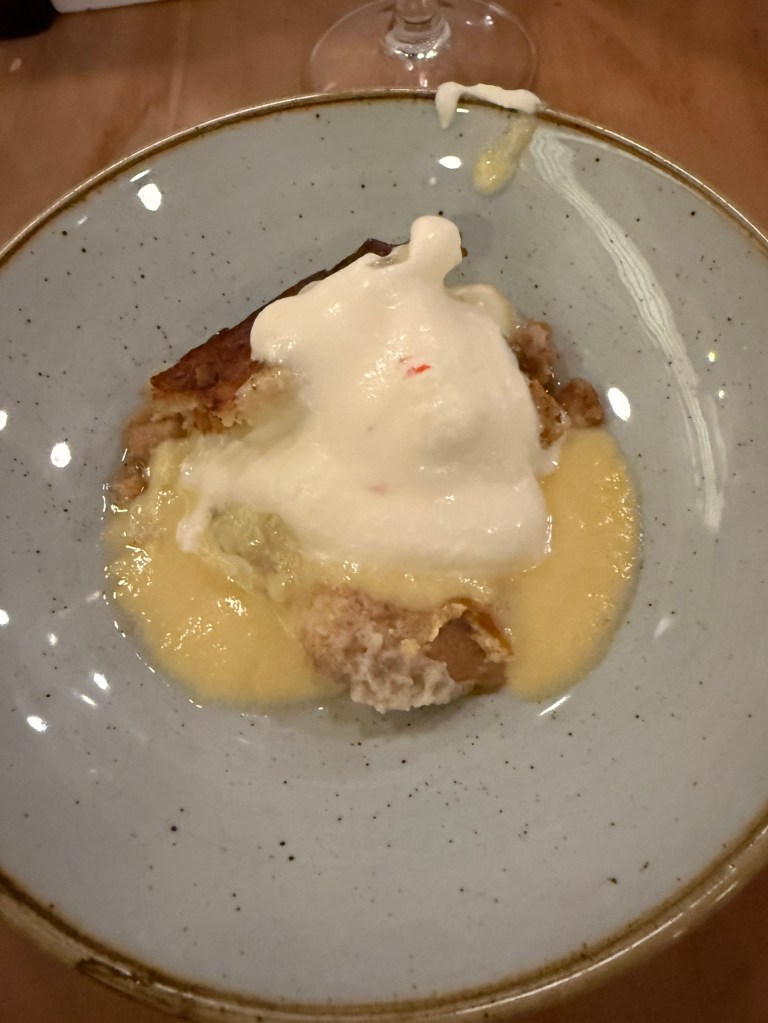
The crab legs were a battle to get into, a bit watery too. No lobster! Homealone focussed on the prawns. Then there was an array of other stuff, seafood chowder good and some nice southern fried chicken wings. Roast lamb. Bread and Butter pudding and custard to finish.
We had our fill, but probably not recommend it to others. Not unlike a big RSL club, but twice the price.
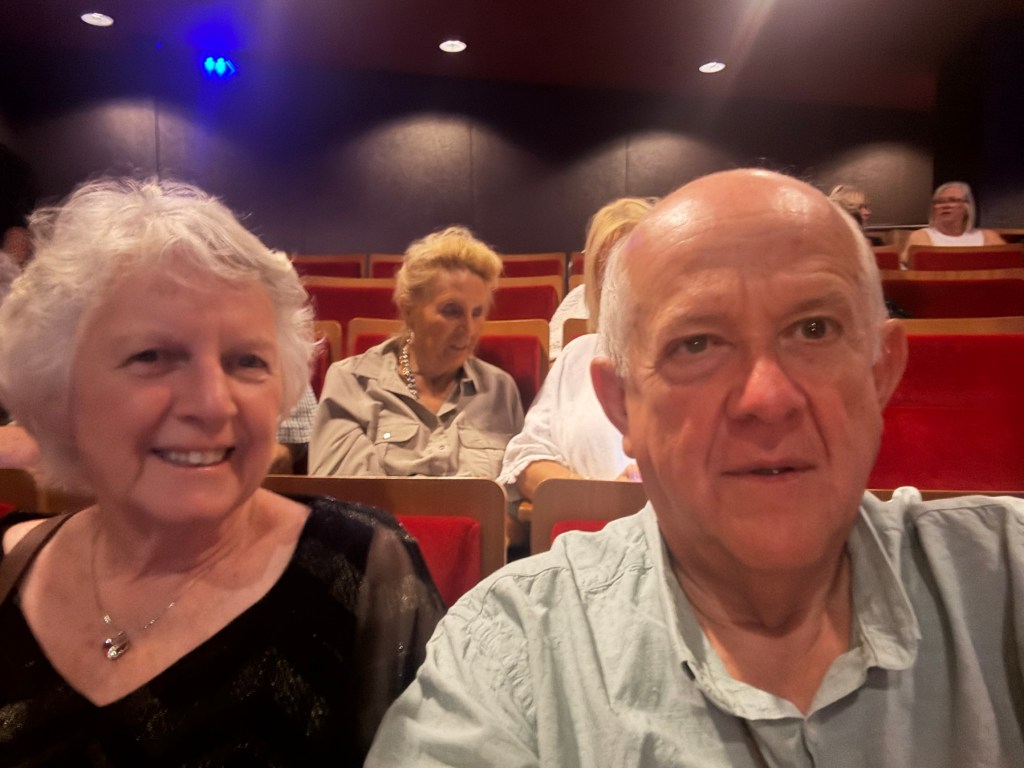
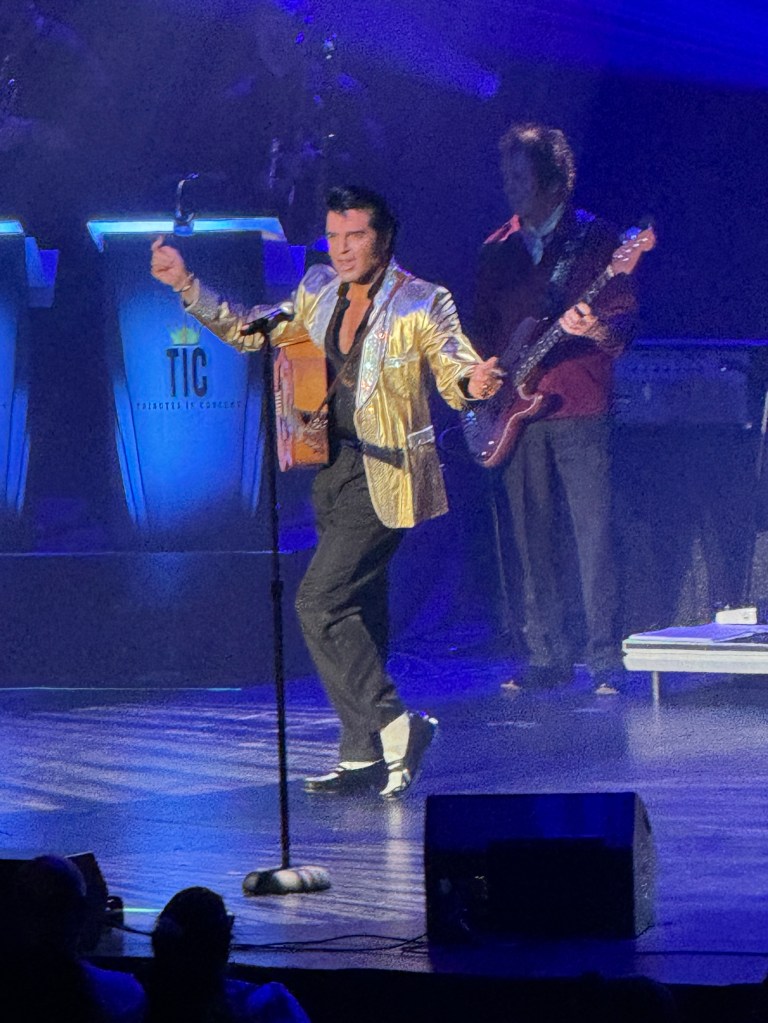
Then off to the show in the Casino’s theatre, it was a full house. Mostly older folks, a late twenties chap jumped up in front of us and said in a loud voice that he was probably the youngest there.
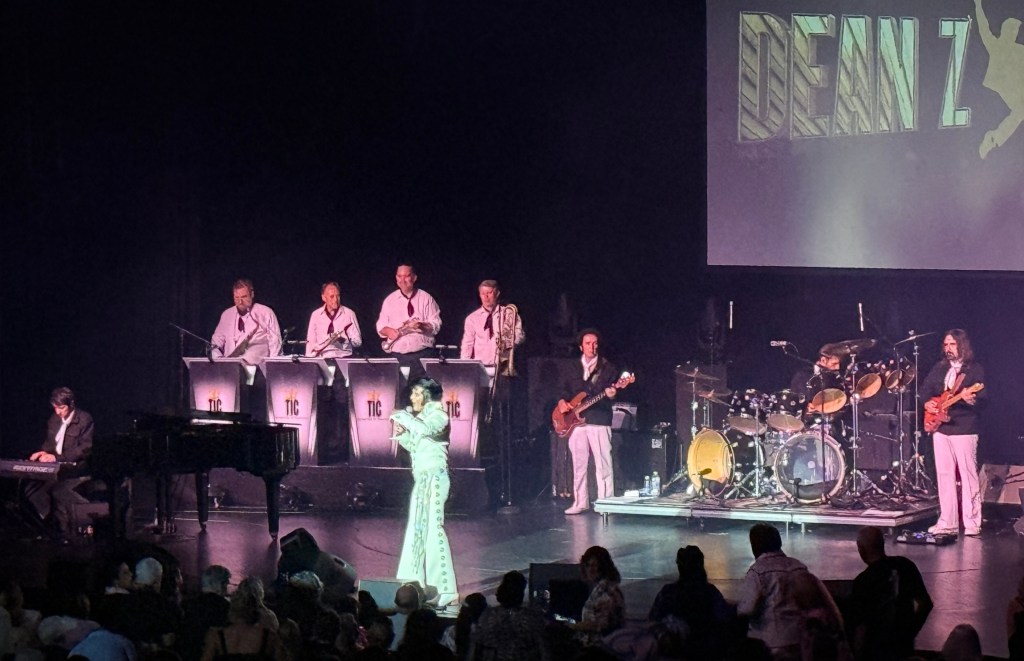
Dean Z was the Elvis tribute performer, had an eight piece big band and four backing singers with him. Announced that this was his 19th Australian tour, has been coming out every year from Missouri to do the circuit. Put on a good show for a couple of hours, the drummer was something to drum for!
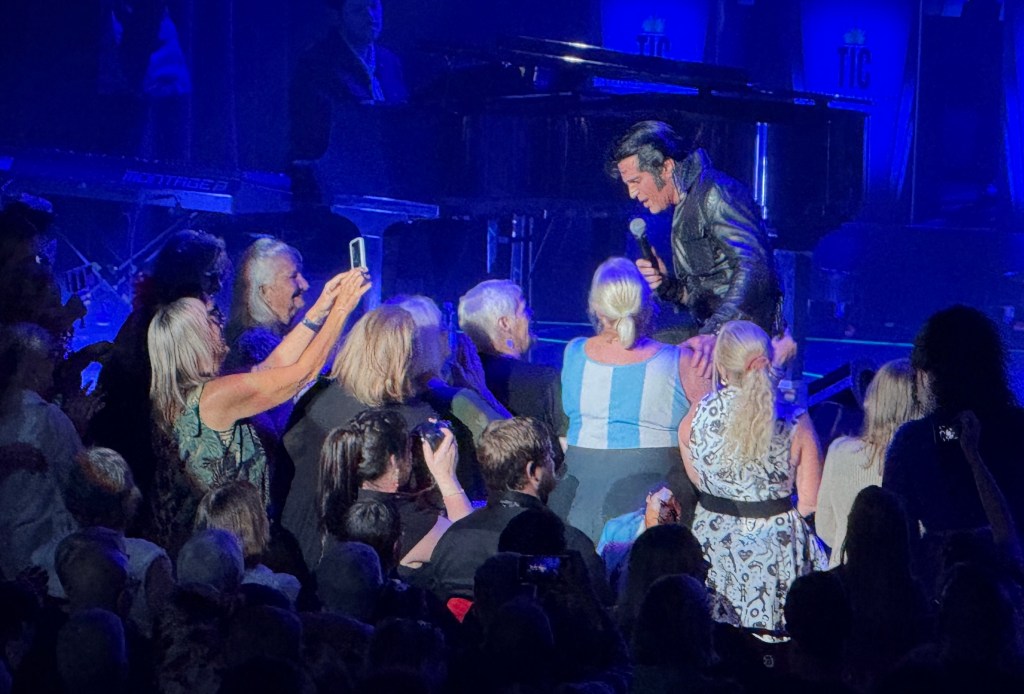
The only thing Dean did that was a bit off was kissing too many ‘girls’ in the front row and also giving away too many sweaty scarves. Overdid it a bit. But some great songs from the Elvis song book.
Got back to Rainbow Bay about 11.30 for our last might on the coast. Headed back to Brisbane the next morning, Rainbow Bay buzzing as we left.
Stopped at the lookout on Greenmount headland. Nice views up and down the coast from there.
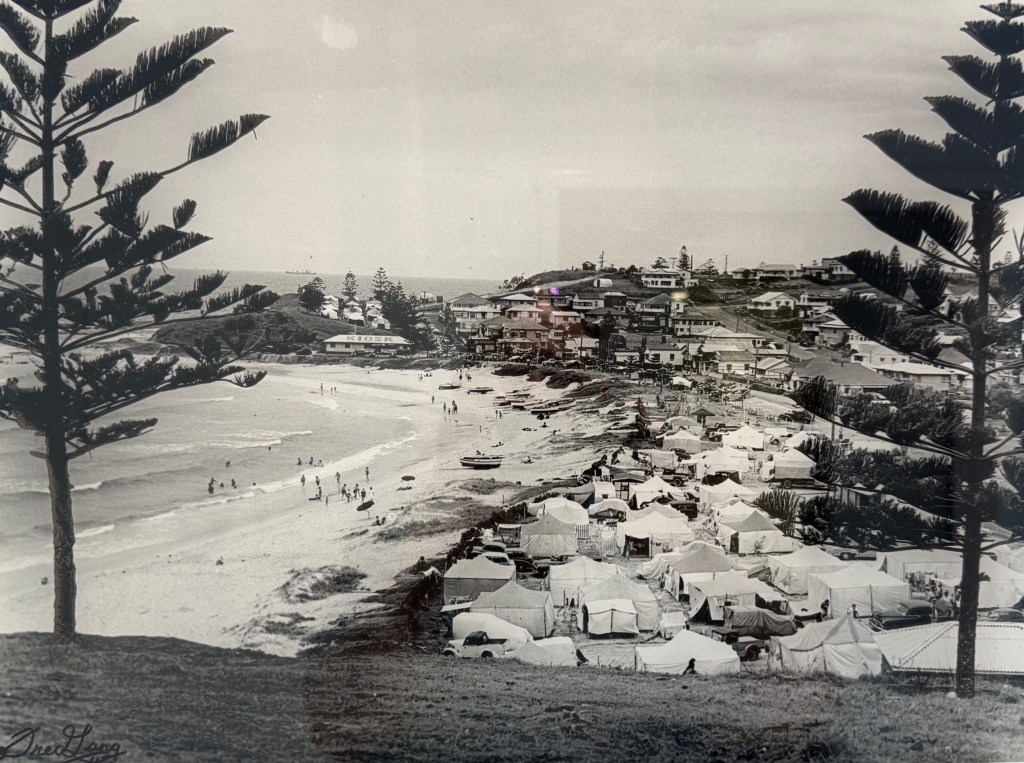
The units we stayed in had a picture on the reception wall of Rainbow Bay in what was probably the late 1940s early 50s, big camping ground with what looked like army surplus tents and basic little trucks and cars. It was taken grom the headland I believe, so I took a comparison photo of the scene today.
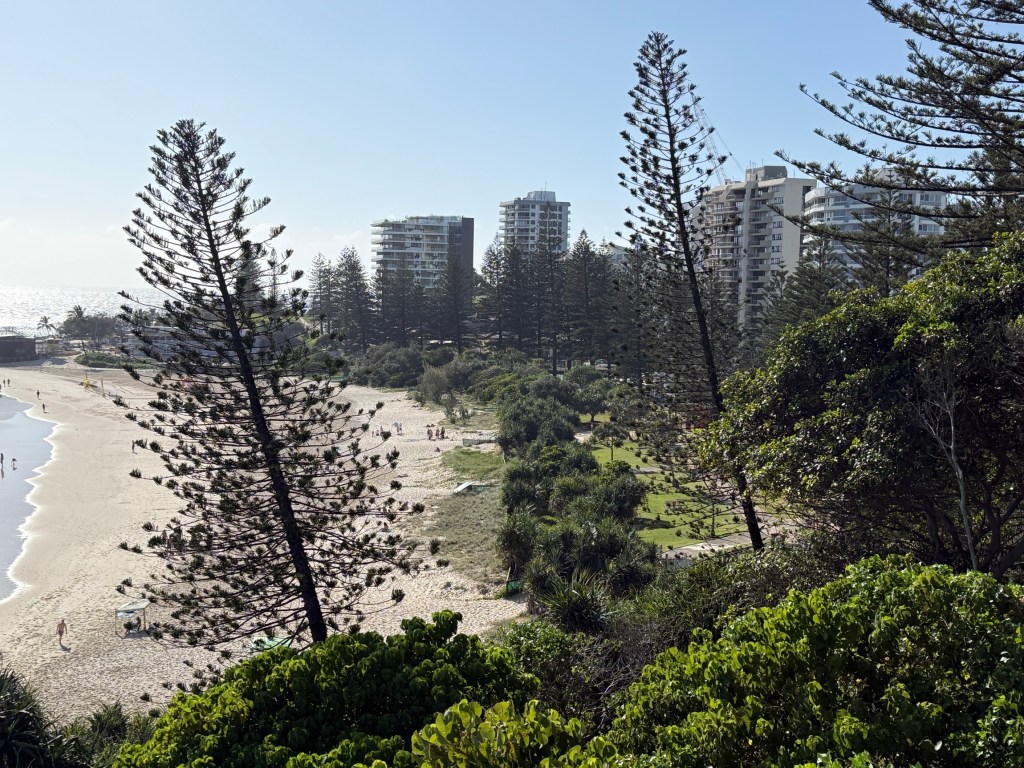
Full view now blocked by trees, camping ground gone of course and plenty of high rise.
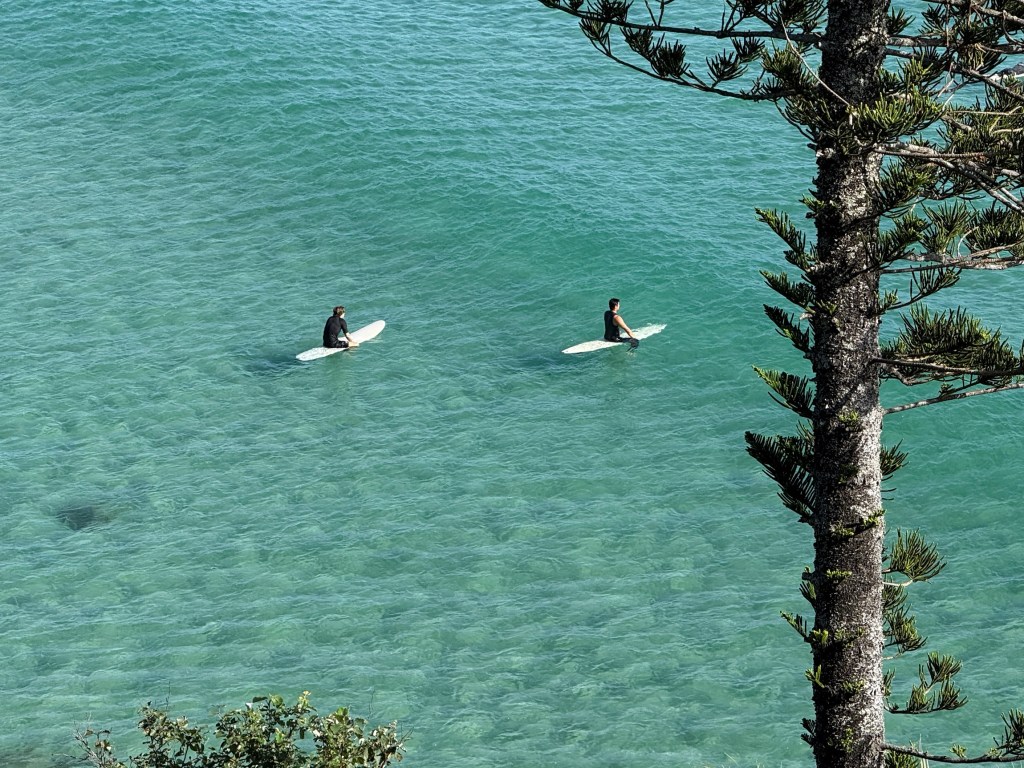
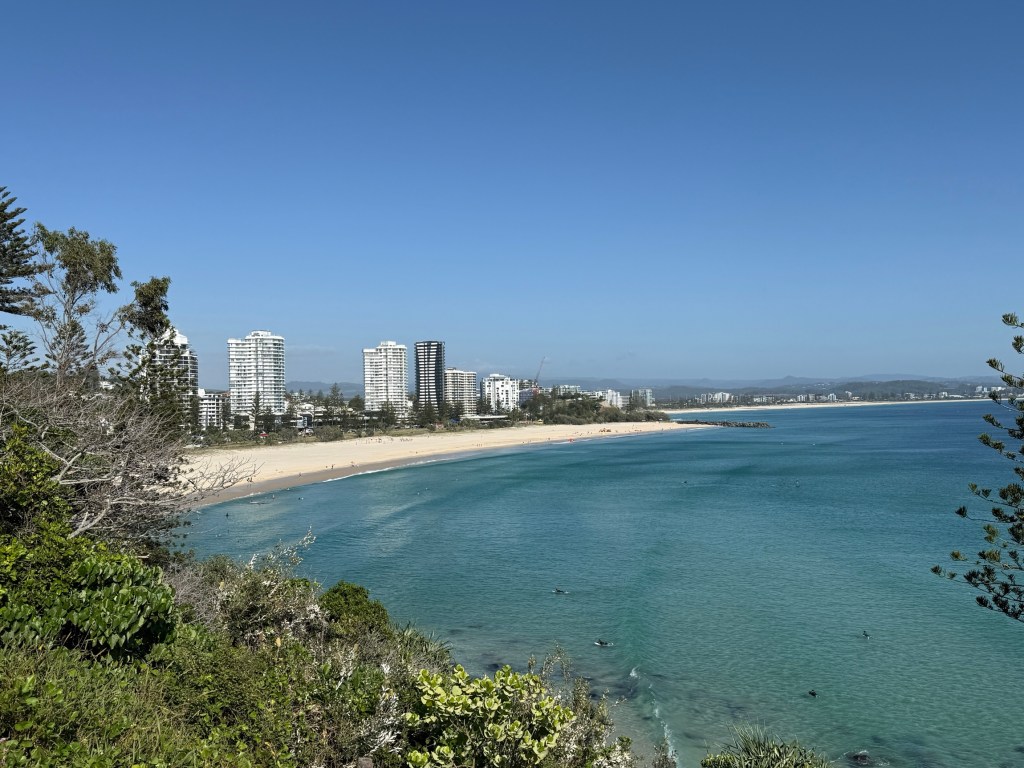
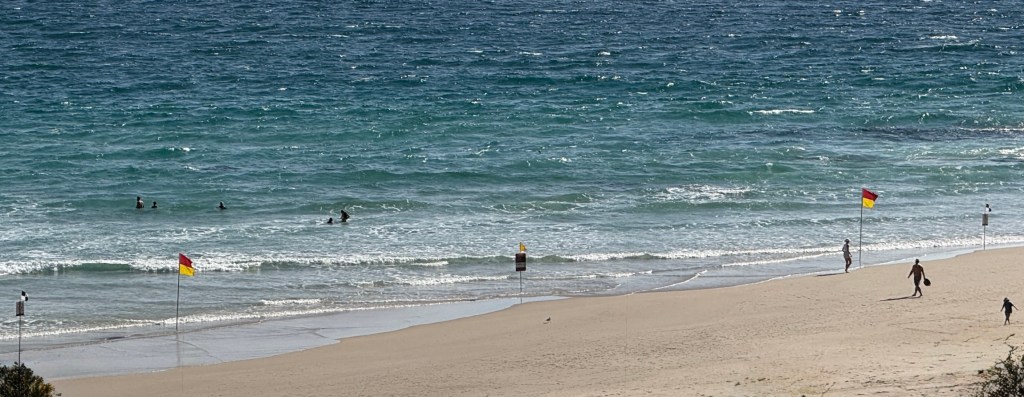
Some crystal clear water and placid seas, great view along the water up to Coolangatta.
Back to Brisbane to await the Eels v Canterbury NRL game on Sunday.

Big unexpected (by some) win for the Eels. Allthego ever confident! It topped off the 50th celebrations nicely, over dinner with the family. Mitchell and Piper though in Houston hoping for a Canterbury win.To no avail!
Rainbow Bay
The weather continues to be great, sunny blue skies, calm seas and a light breeze to help cool things down. It has been a little bit of a food trip this time rather than wandering around looking at things.
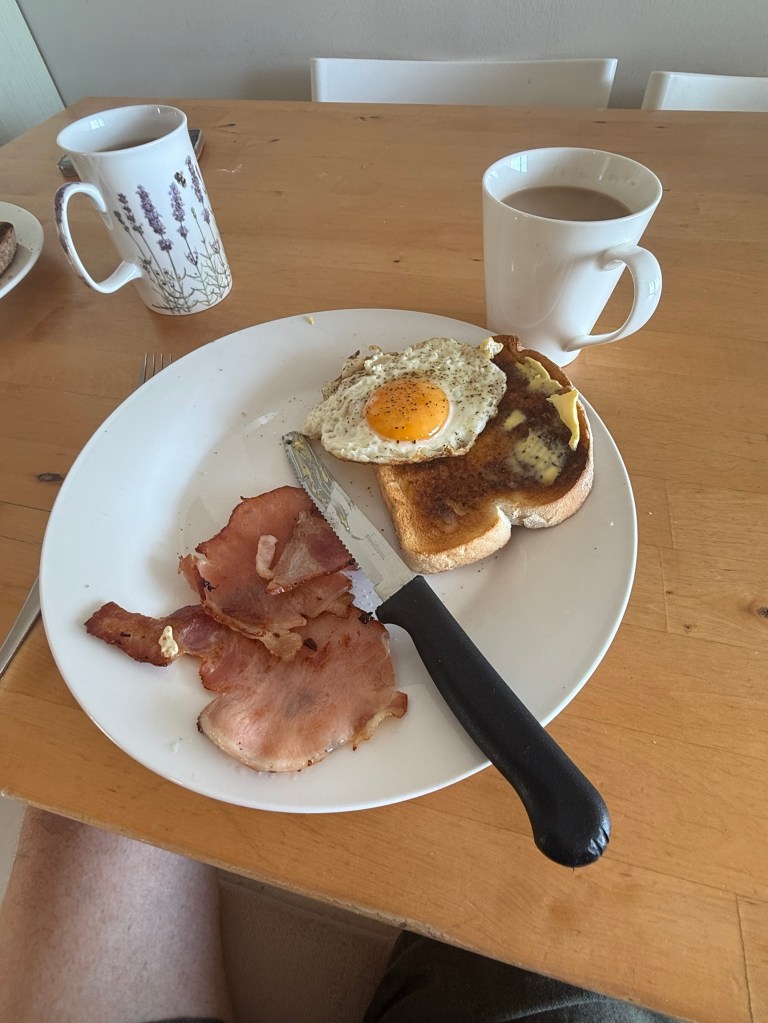
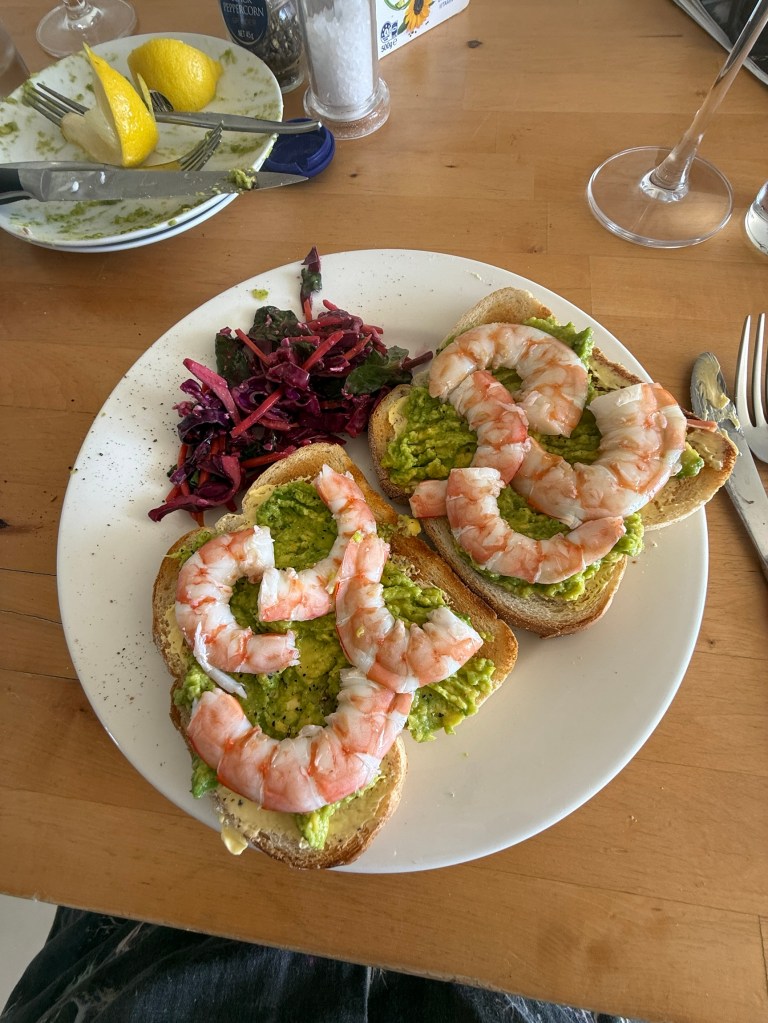
Bacon and eggs for breaky, some left over prawns and avocado for lunch whilst looking out the window at the surf. Tempting to have a swim.
All very restful here after two or three hectic weeks of tree removal and fence building by contractors at the homestead. Now finished. Just have to clean up and re establish some gardens and lawns. Down here at Rainbow Bay this is all far from our minds!
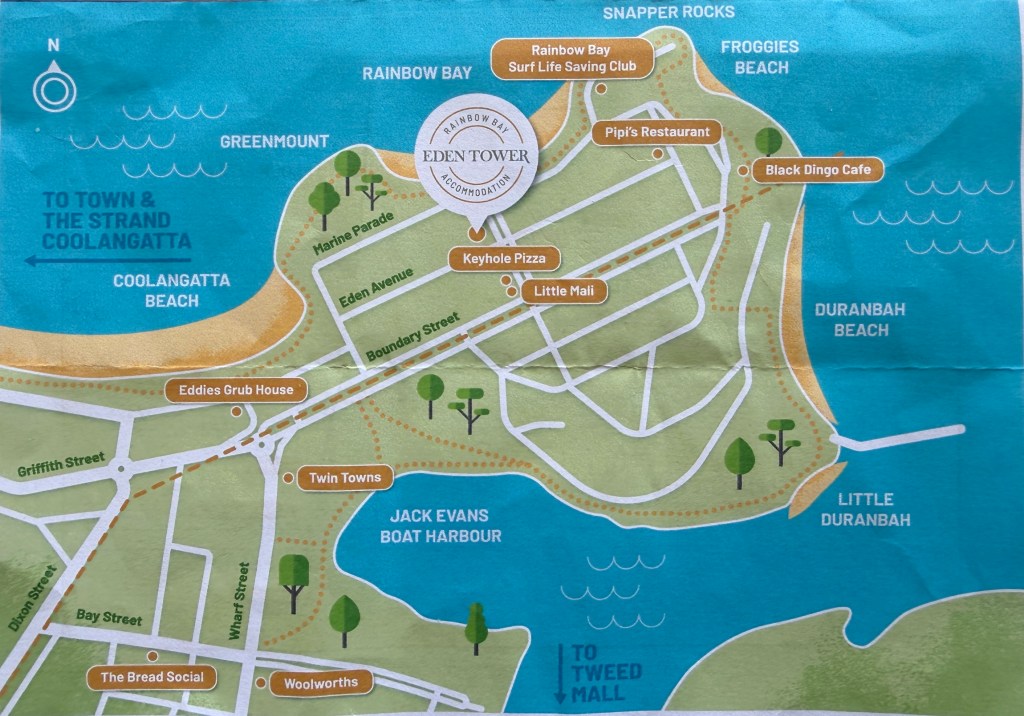
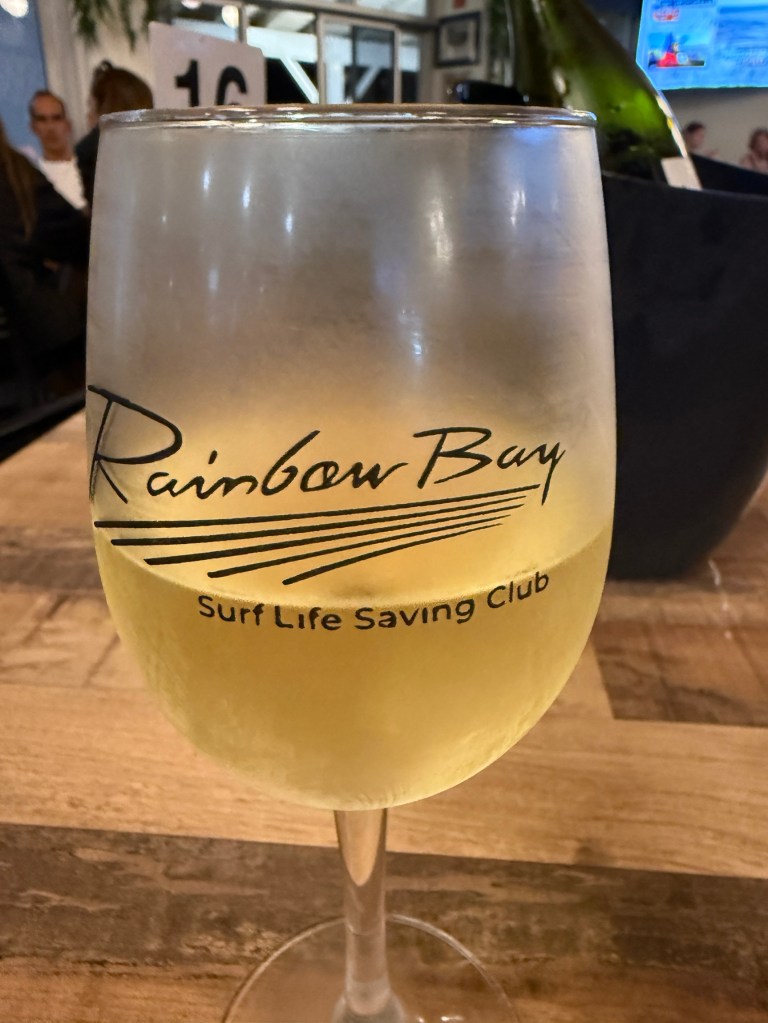
We had planned dinner at the Rainbow Bay Surf Club last night. This is a bit of an institution here and locals are upset about the Council’s redevelopment plans for the site. Redevelopment not only leads to smarter facilities for the Club but also higher rents and then higher prices for the members etc etc. no longer that nice noisy, homely place they all love.
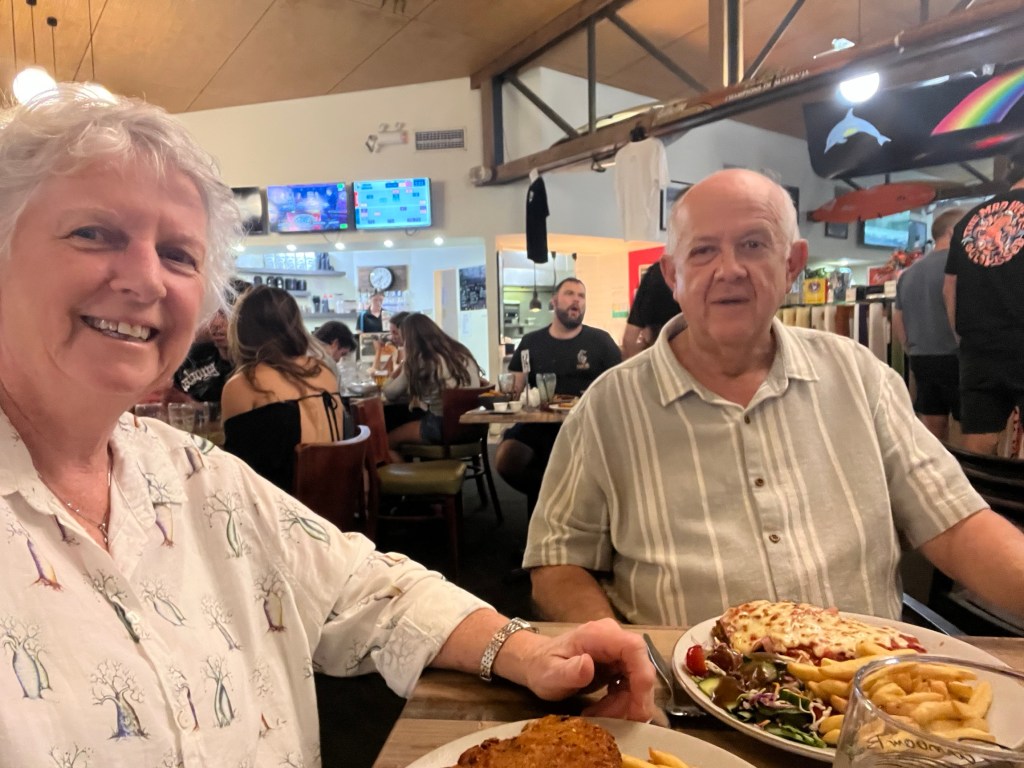
Anyway, we had booked and arrived a little early but eager for our table on the verandah overlooking the beach with the Gold Coast City lights in the background. The young lady advised us though that there was no booking recorded, the place was pretty full. Allthego started to get slightly agitated saying that he had booked by phone the night before. But no, there was no booking in the booking book. We got an inside table instead, which was ok but no view and plenty of noise. At the table Allthego checked his phone for the booking confirmation, found it and went back to the young lady to see if anything could be done for us. She said no and in any case the booking was for the Rainbow BEACH Surf Life Saving Club, which is well north of Noosa. A couple of bystanders thought this confusion was amusing, Allthego slinked sheepishly back to the table. Never done that before…..
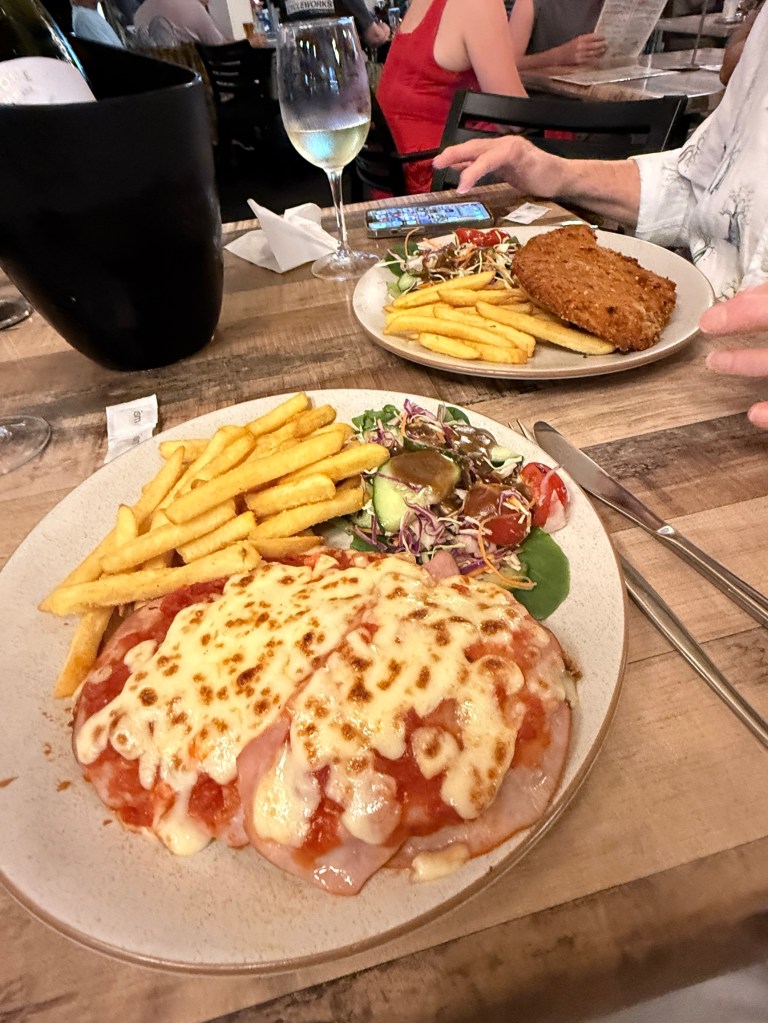
In any case the Rainbow BAY chicken schnitzel and parmi were excellent and it was pleasant evening at the Club.
We awoke the today to another clear sunny day, this was our big day fifty years ago. Thirty degrees promised today. I don’t remember what it was like fifty years ago, but it would certainly have been chillier in Orange. A slow morning before lunch looking out the windows.
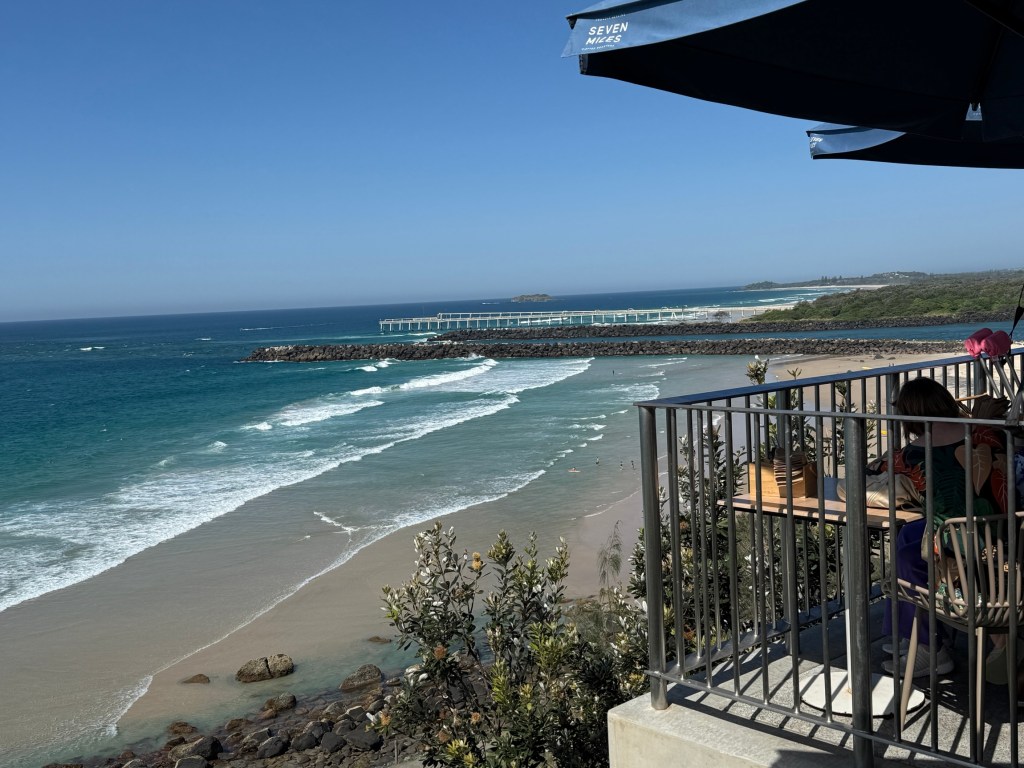
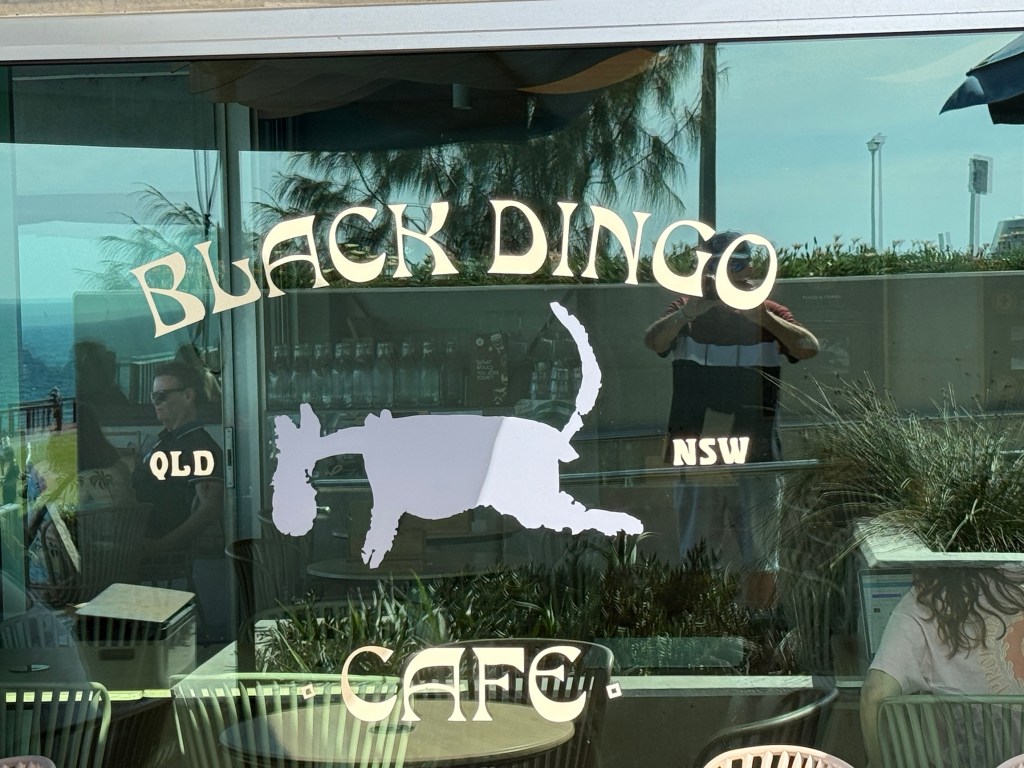
Lunch today was some slow cooked lamb and chicken baguettes at the Black Dingo Cafe on Pt Danger, overlooking Duranbah Beach and the mouth of the Tweed River. Very pretty spot, lots of people enjoying the views.
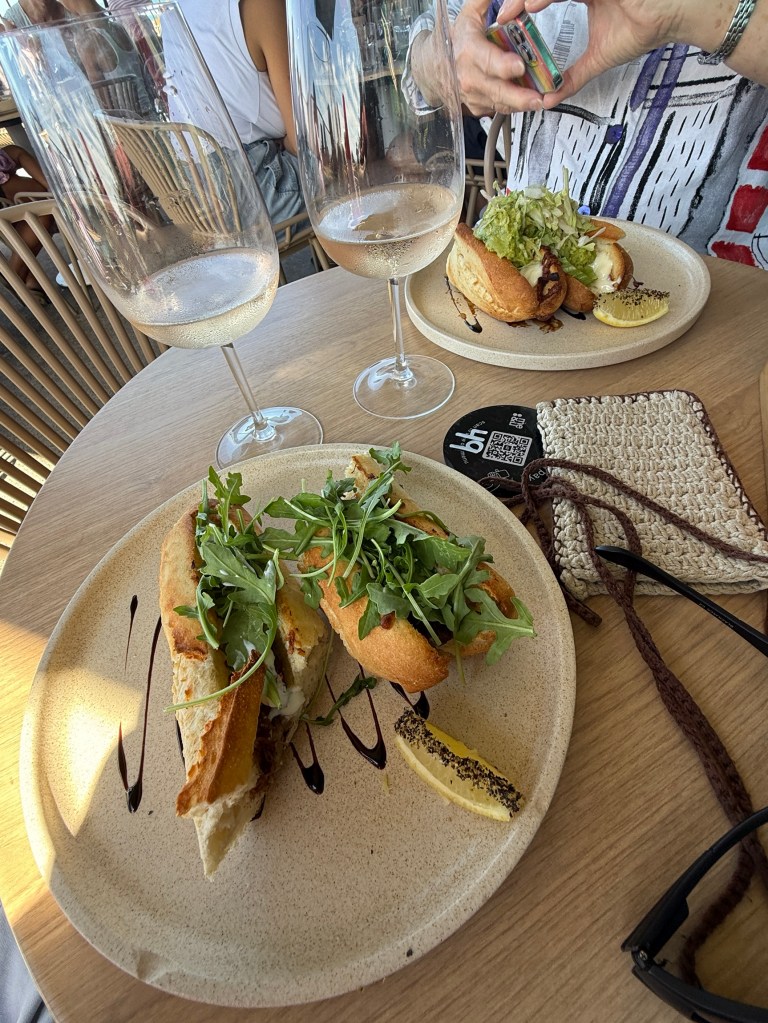
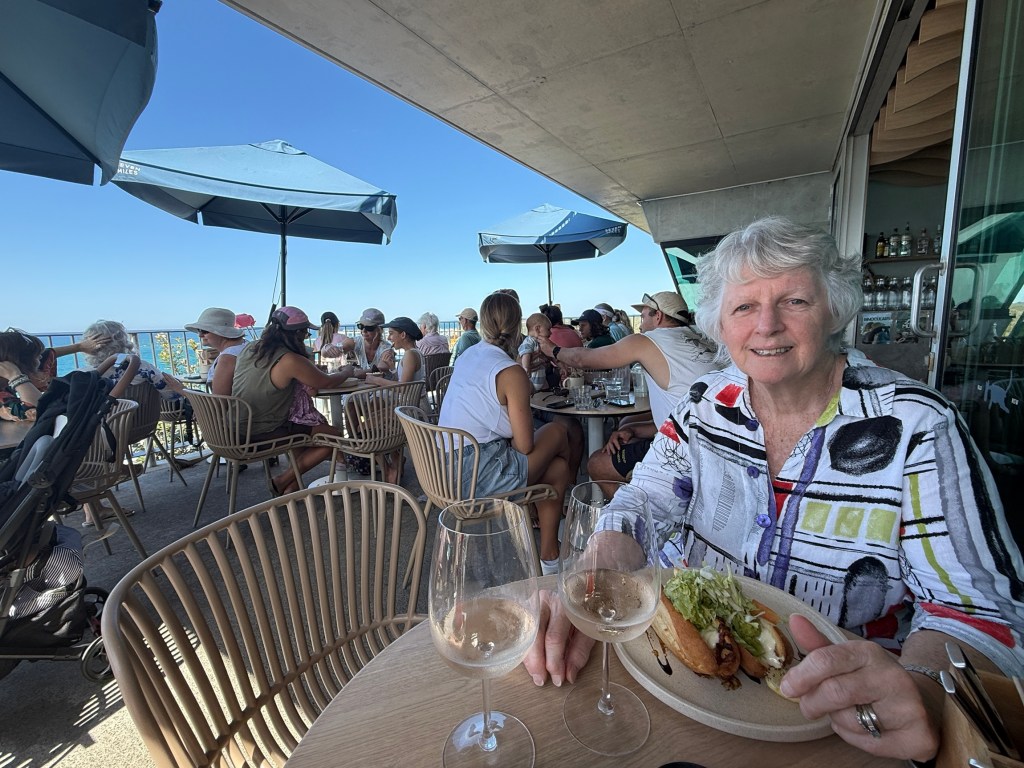
Back to the unit for some more feet up time and afternoon tea. The sea proved irresistible to Allthego and it was off to the beach for a swim. Homealone remained behind to view from the balcony. The water was warm but the surf scrappy with a very strong sweep down the beach. A good time though.
We head off tonight to the Casino for dinner and then an Elvis tribute show in the theatre. Haven’t seen Elvis for a while.
April is a big month
Particularly, this year!
I need to first seek readers’ indulgence for recording some celebratory events we are doing in the midst of this terrible war in the Middle East and the consequential local petrol and diesel dramas. We are also using the blog as a diary to record what is going on over the next few weeks.
Allthego and Homealone have knocked up fifty years of wedded bliss. It only seems like yesterday! A few screen shots follow , not the best…
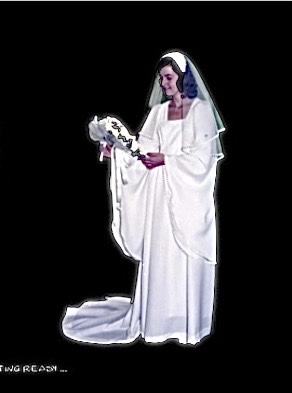
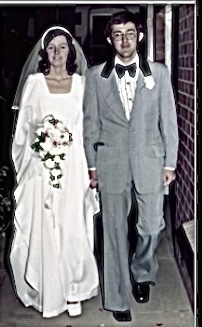
The big event took place in Orange, NSW back in April 1976. Of course most of the older family are no longer with us and the younger ones who were there are mostly in different parts of the country.
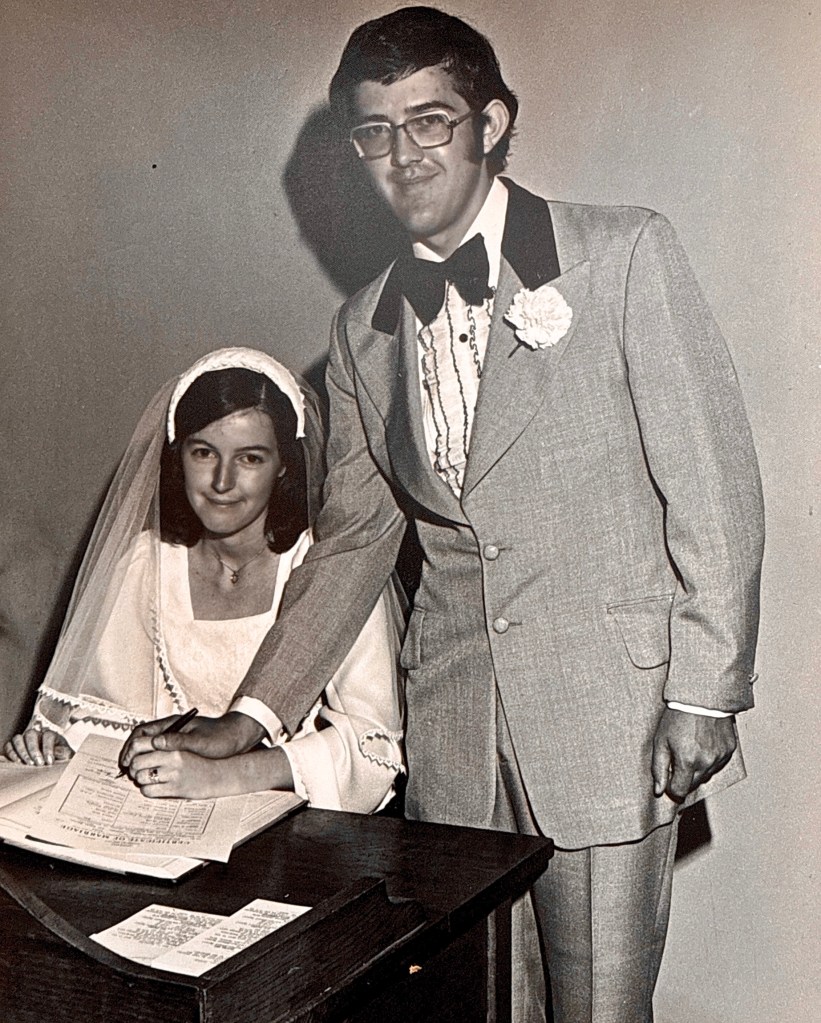
A few weeks back we had planned a van trip down the New England Highway and back to Brisbane on the Pacific Highway to revisit a number of the motels we stayed in on the honeymoon. Still have the accomodation dockets, $10 a night with a $2 breakfast at the Walcha Motel an example. It is still there and looks like not much has been done to it. That trip is now off, the fuel situation makes planning hard and the van is also caput! To be written off due to just discovered hail damage. Now planning doing a mini version in the car.
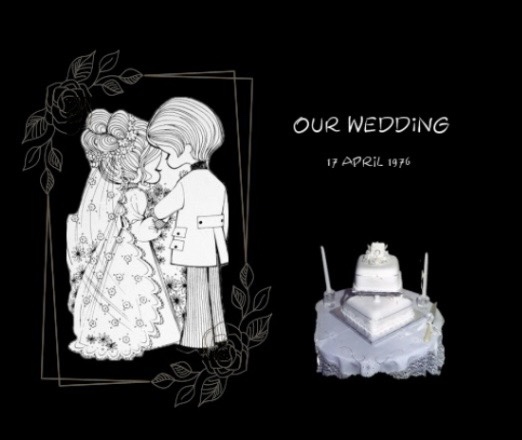
While organising this trip Allthego has produced a wedding photo book, perhaps a bit late. Back in the 70s one mostly stuck photos behind plastic type sheets in a photo album and put them in a box where they gathered dust! Over time they deteriorated. We had some slides of the honeymoon too which also suffered from time and poor storage. We had some restoration work on a few of the wedding photos and Allthego did the best he could with some of the slides. At least the people came up ok! Got to find a box now to put the book in.
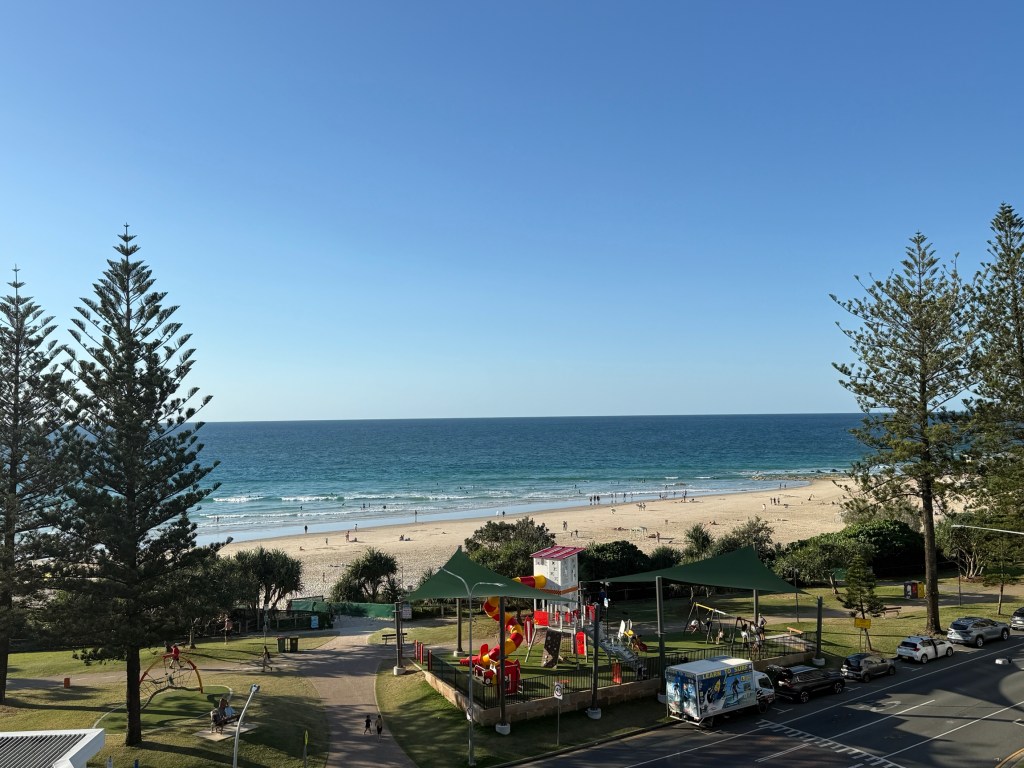
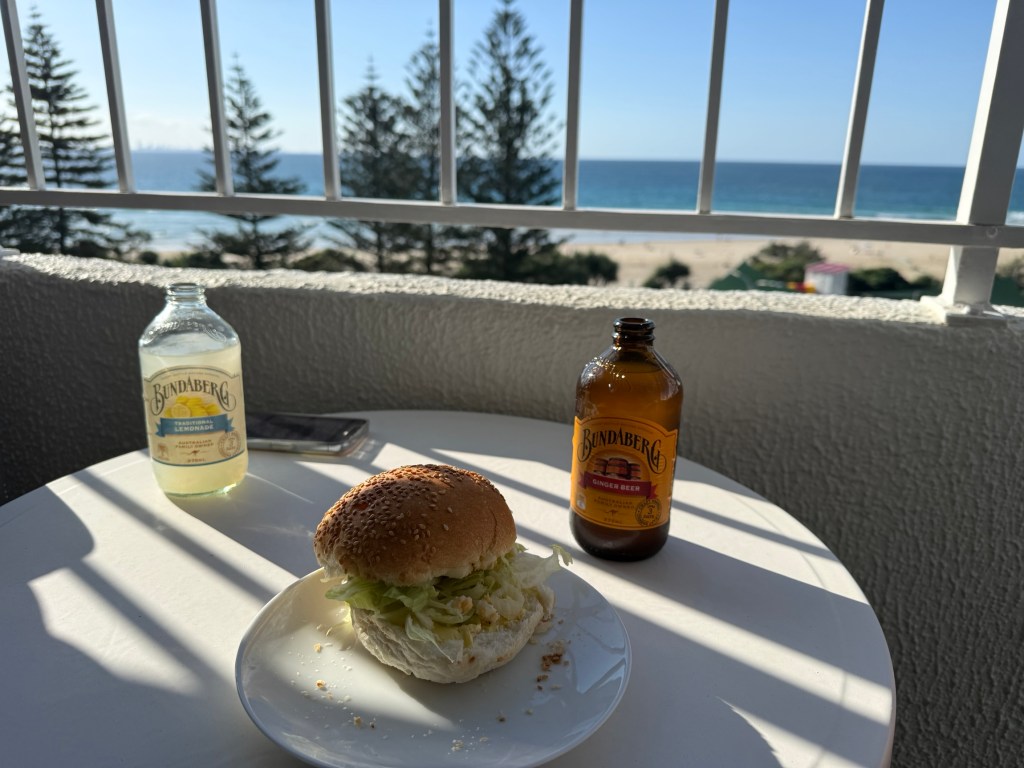
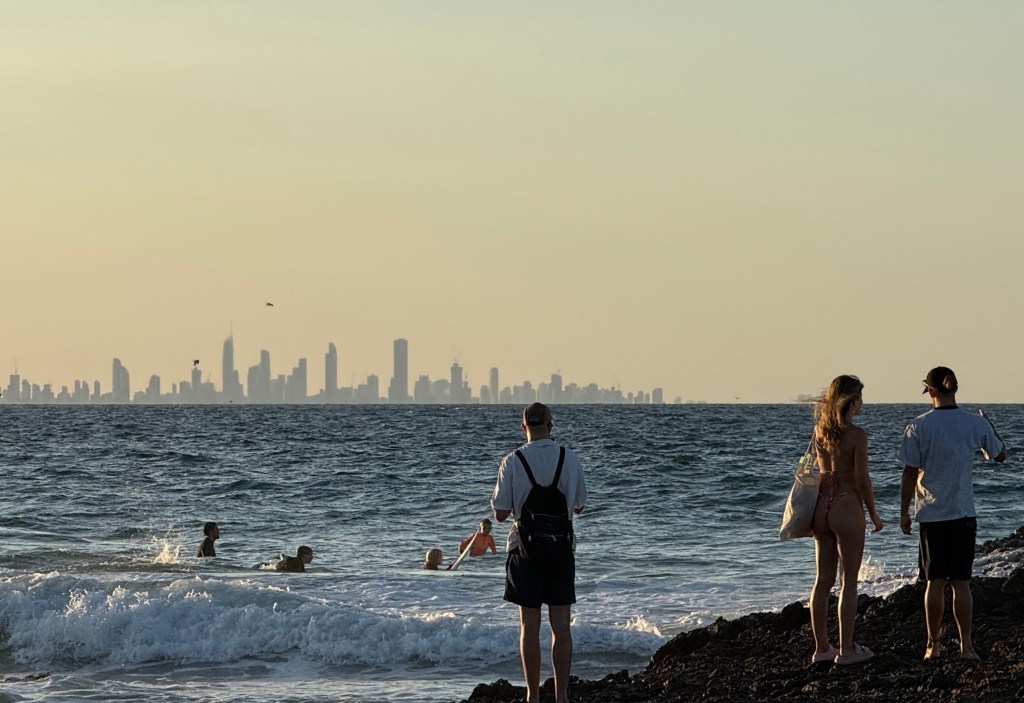
Enough though of the past for the moment. We are currently down at Rainbow Bay, near Coolangatta, for a few days ahead of the big day on April 17. We seem to be staying in a place near where Homealone stayed when she was an eight year old or so. Ah memories. We have stayed around this area before s few times, great little spot.
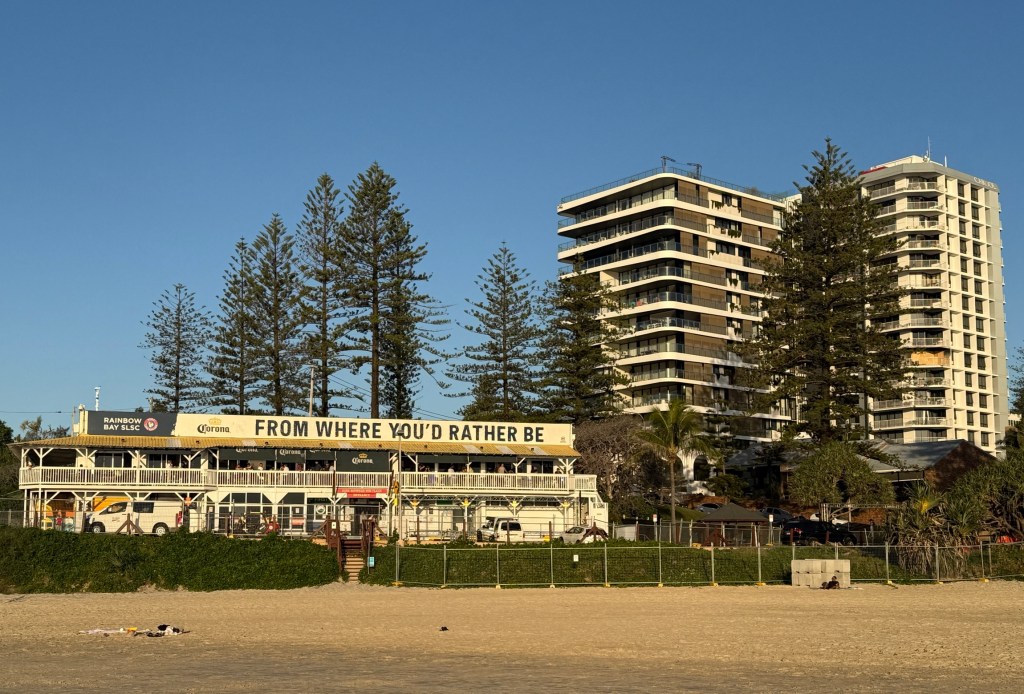
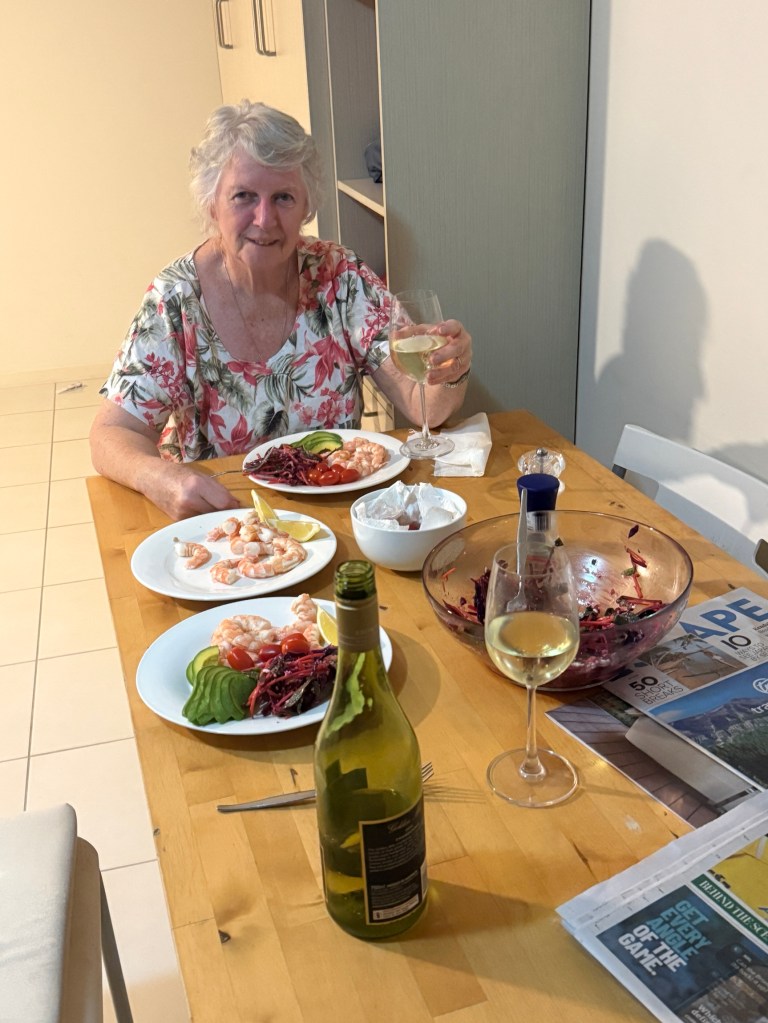
The Rainbow Bay Surf Life Saving Club calls tomorrow night for dinner.
Santiago
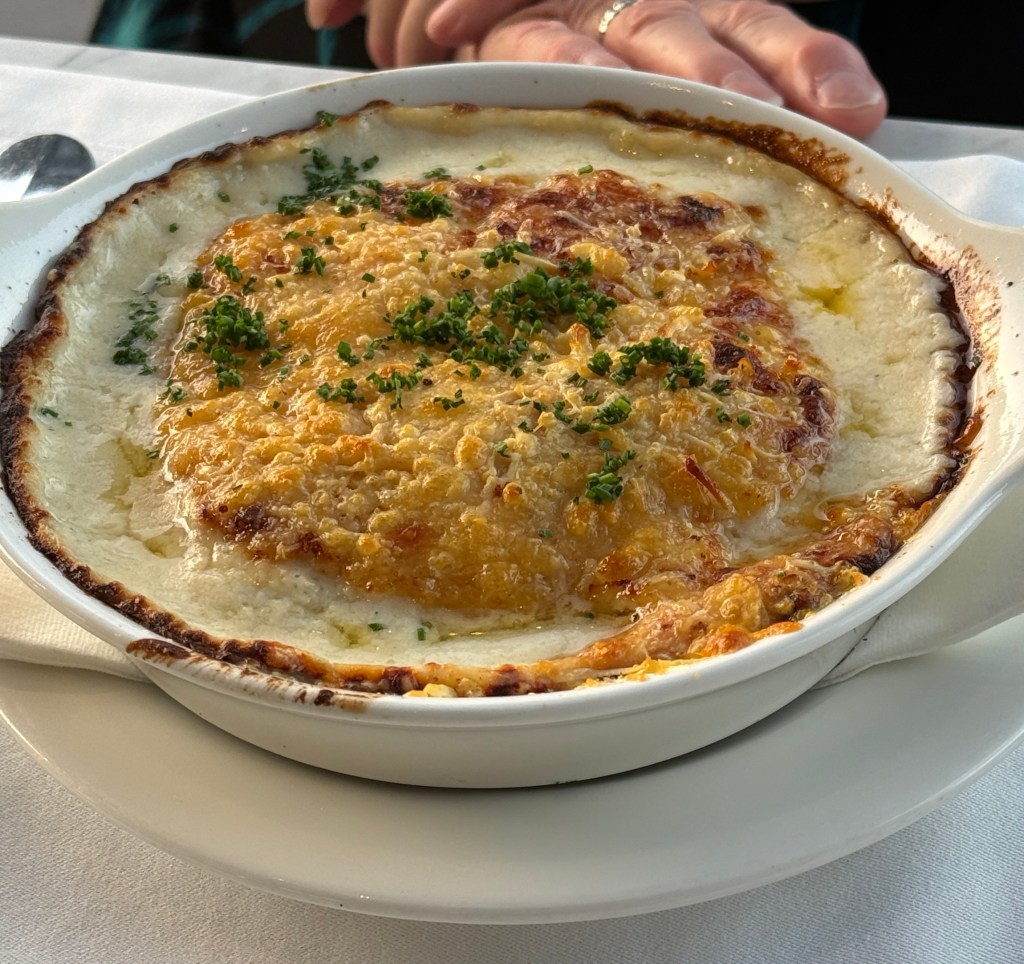
We have had two nights in Santiago after a three and a half hour flight from Peurto Natales, arriving just in time for lunch. More food, we are starting to feel like empanadas.
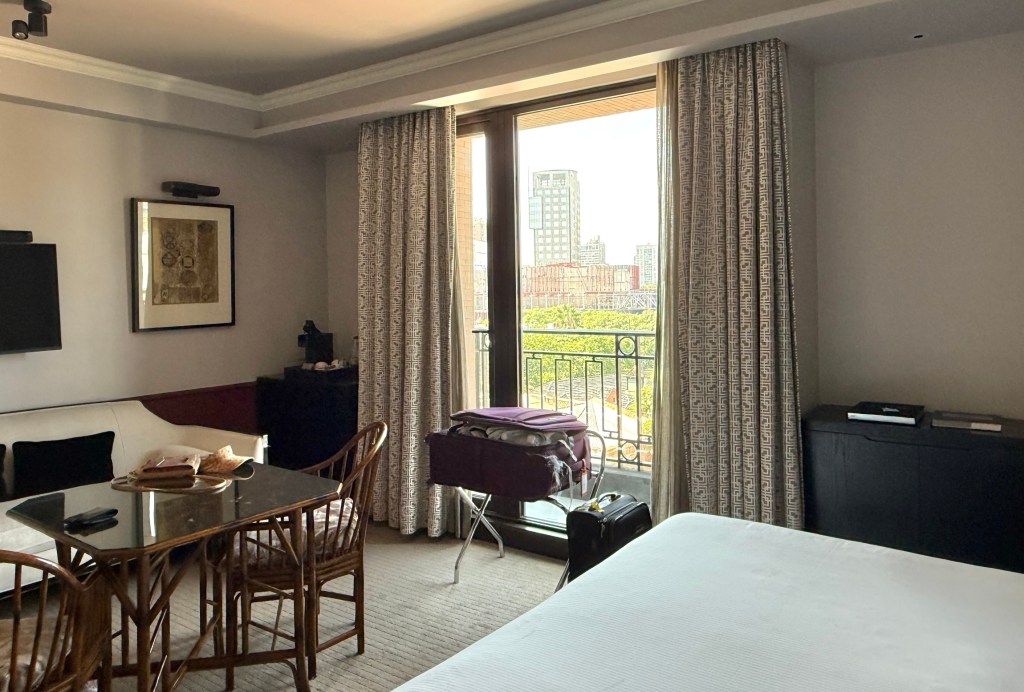
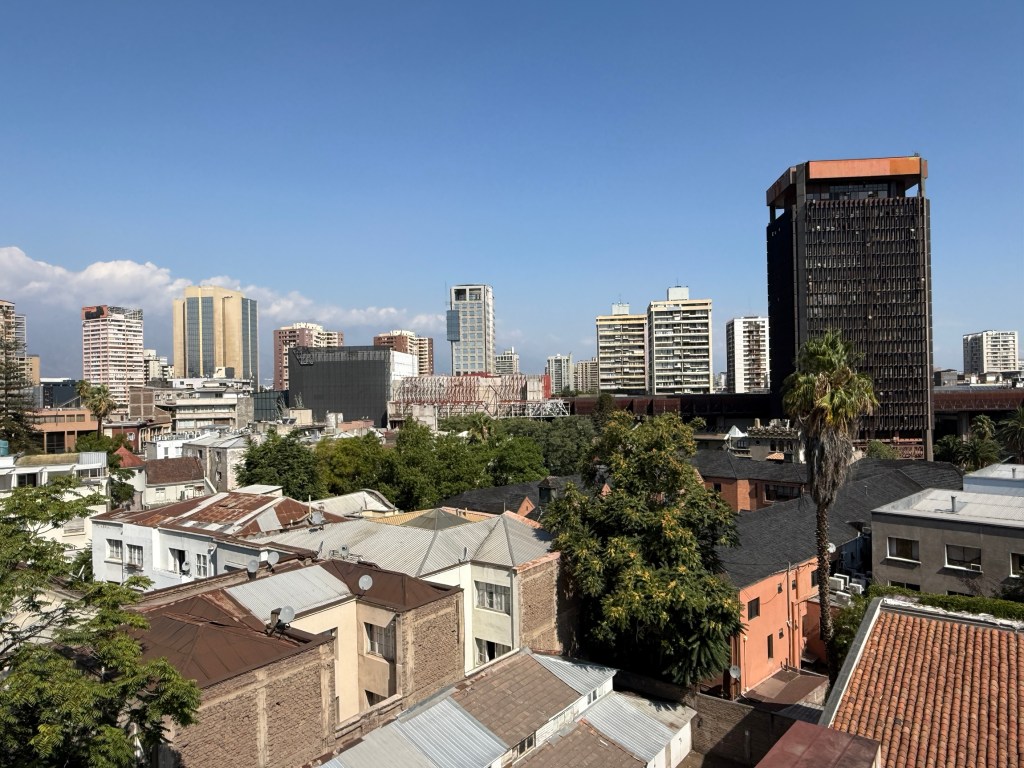
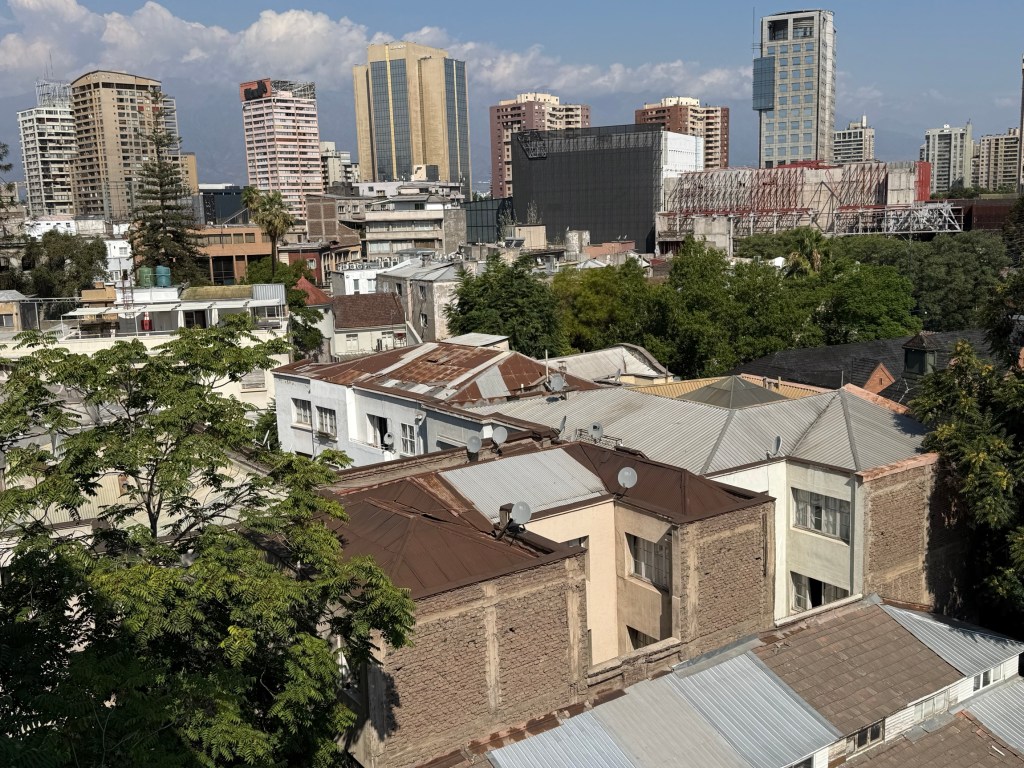
Our hotel is another Singular. Seems to be a group putting together a portfolio of small up market refurbed properties.
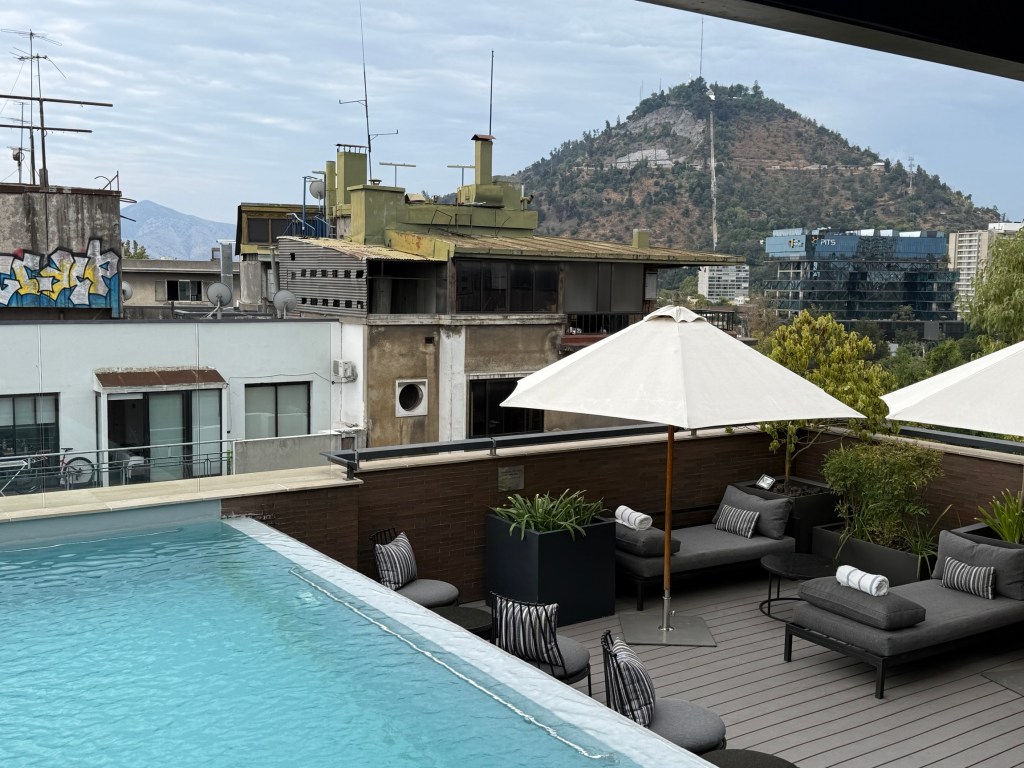
There is a nice roof top bar and restaurant with some views out over the older parts of the city. Eight million people live here, Chile has a population of eighteen million.
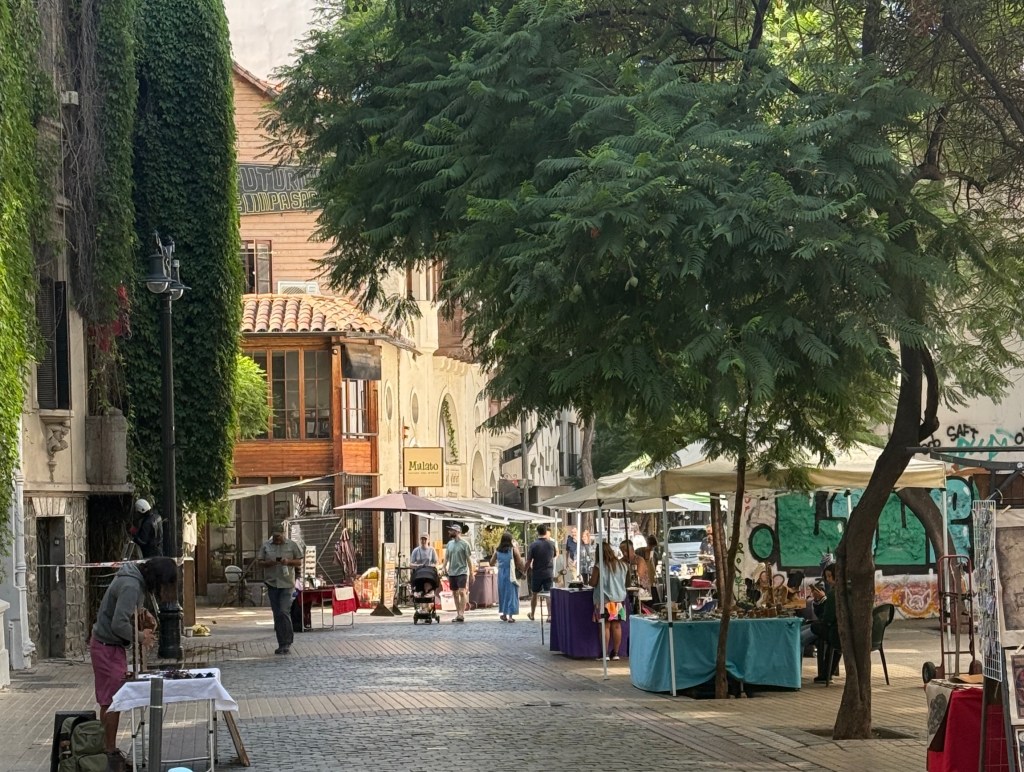
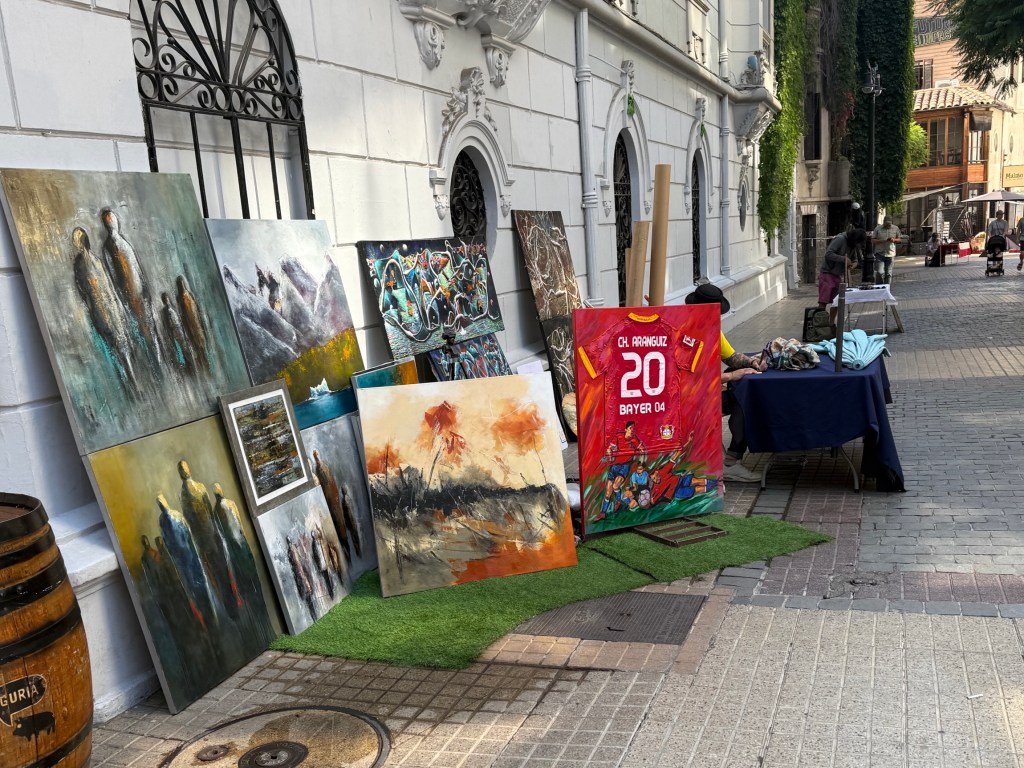
Our stay has been short, to gather our breath before the flight home. The following day we had a brief walk around the near neighbourhood after a sleep in and late breakfast.
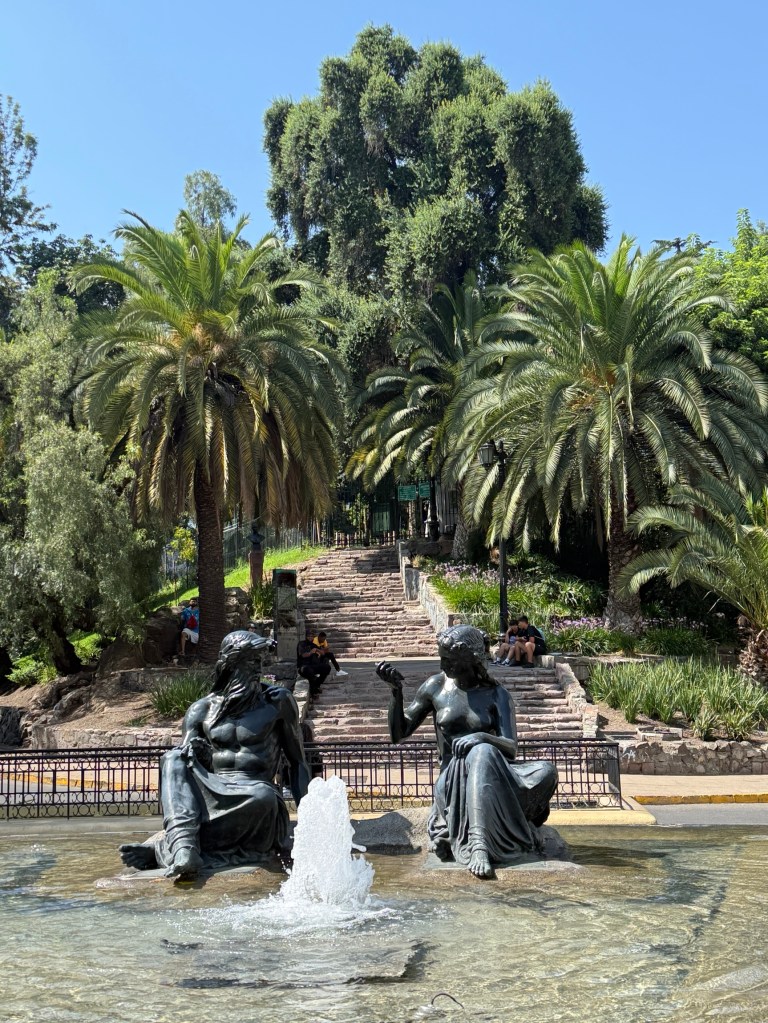
Following the walk we returned to the hotel for more feet up time and to gather strength for a light lunch in one of the local cafes.
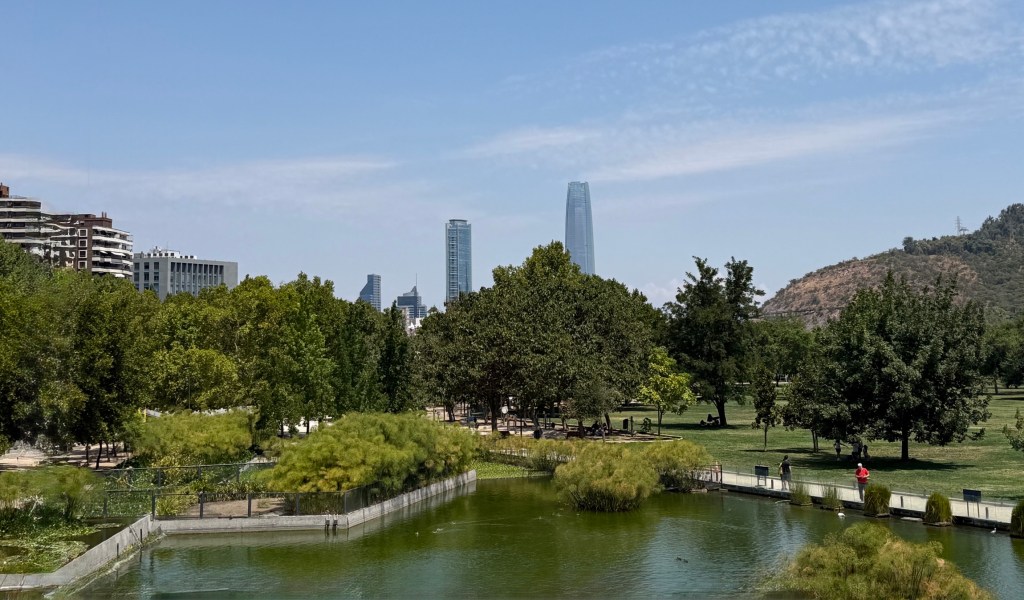
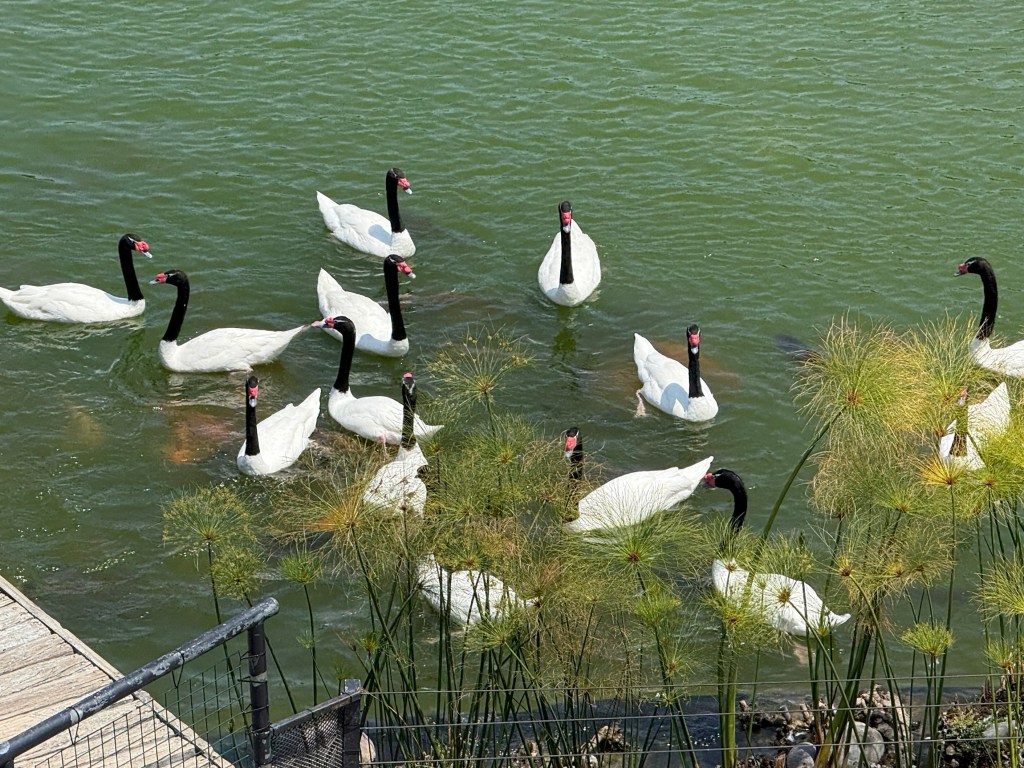
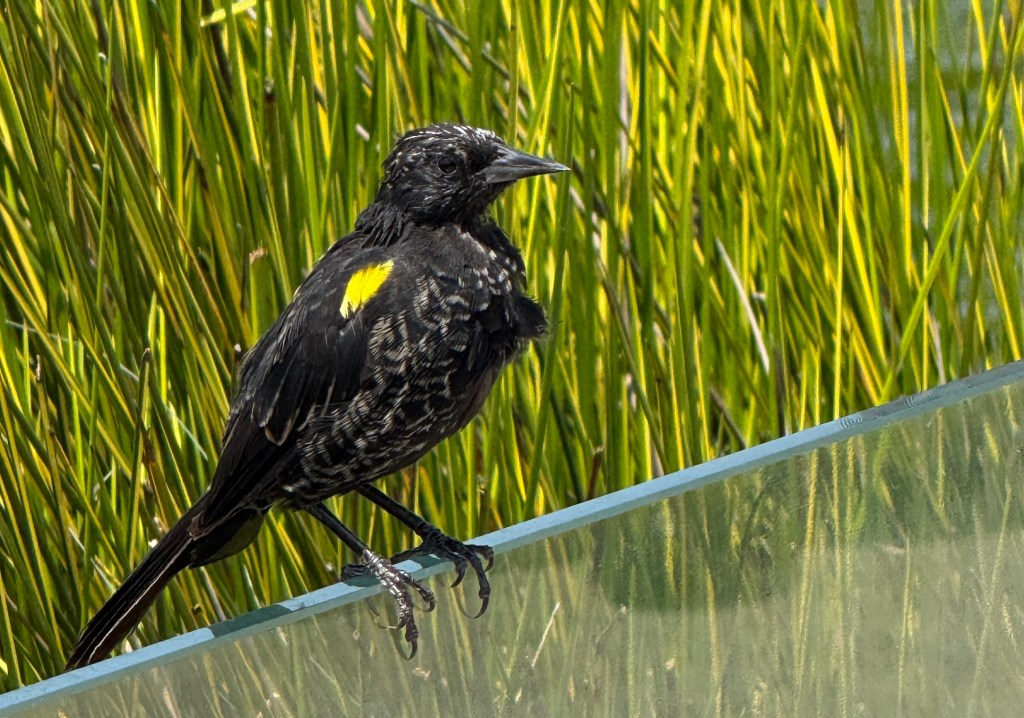
Our last group activity on this trip was the usual city tour. We find these useful to get a quick overview of the major sights and places to return to later. Maybe next time if we are in this part of the world.
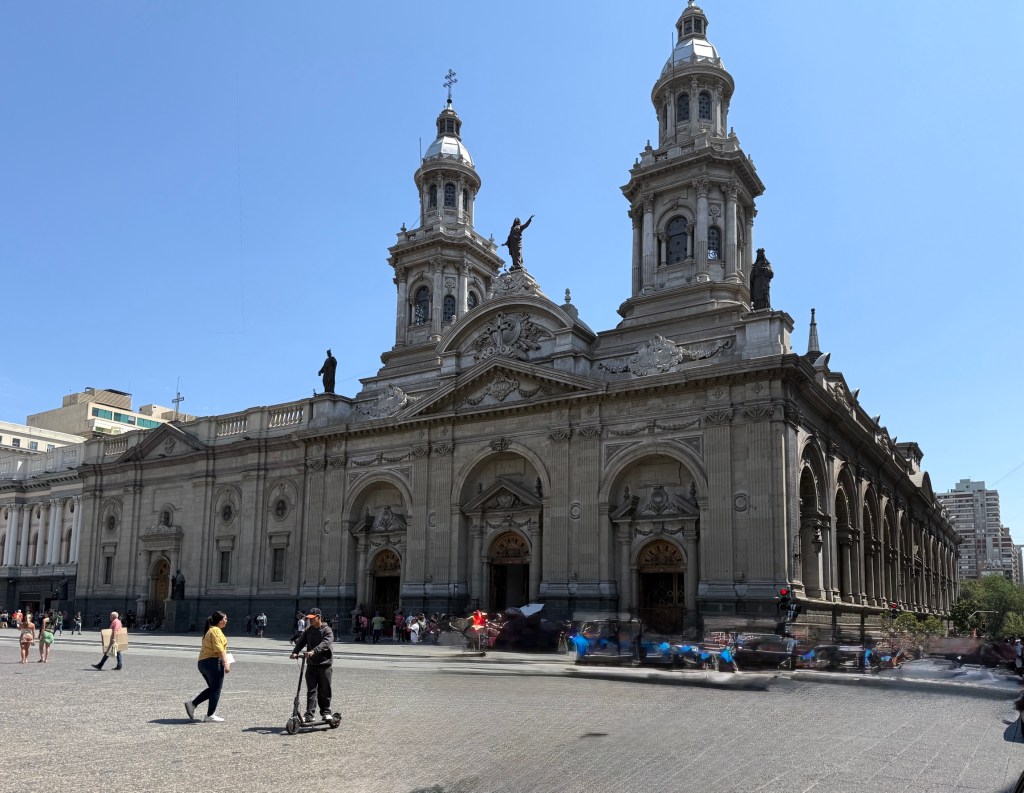
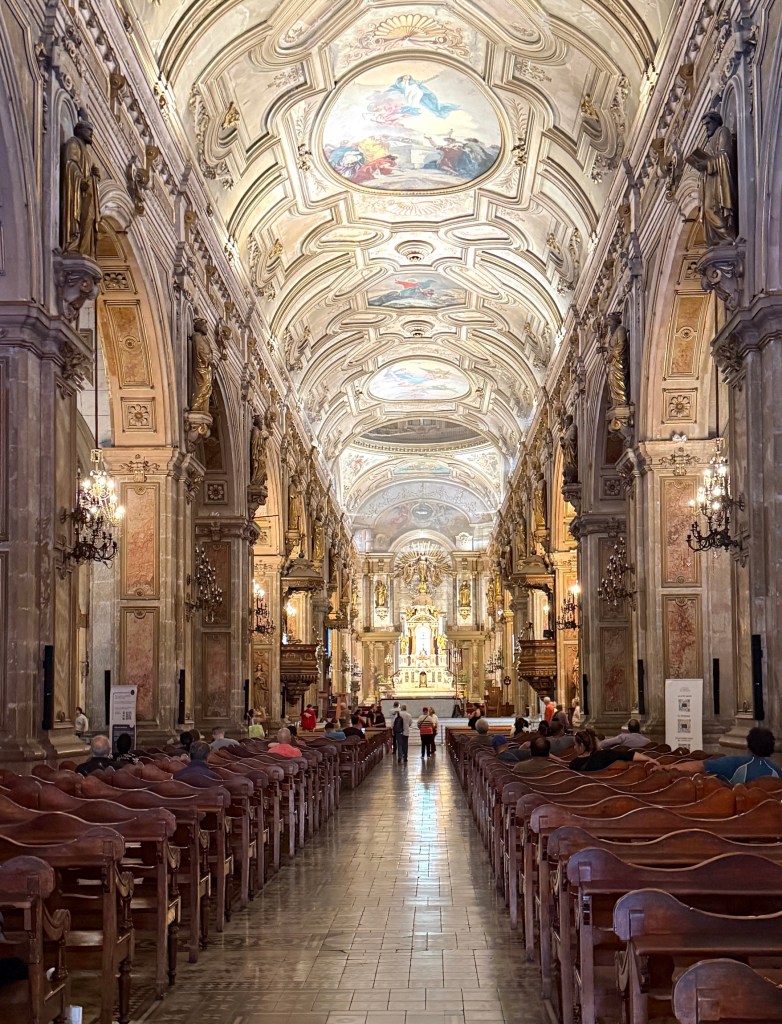
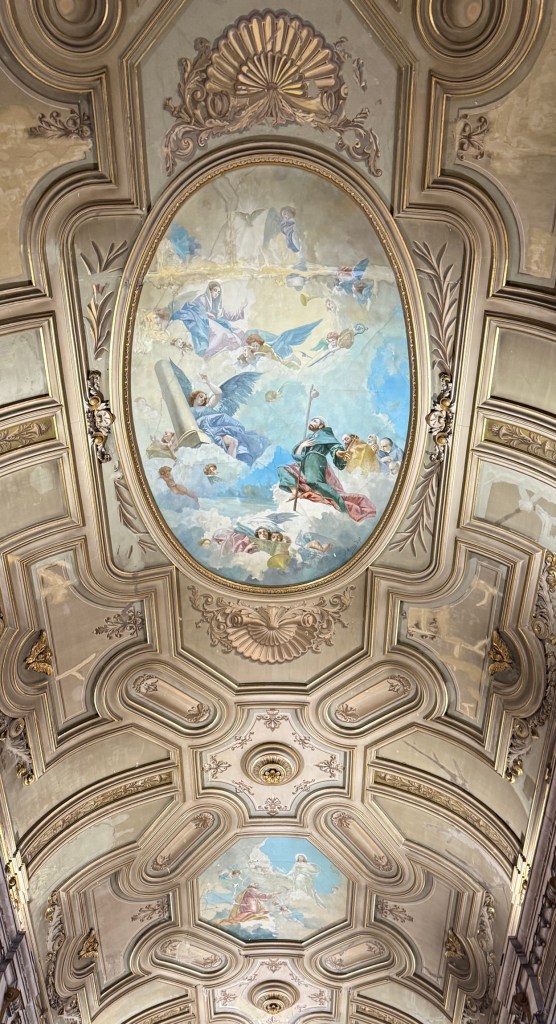
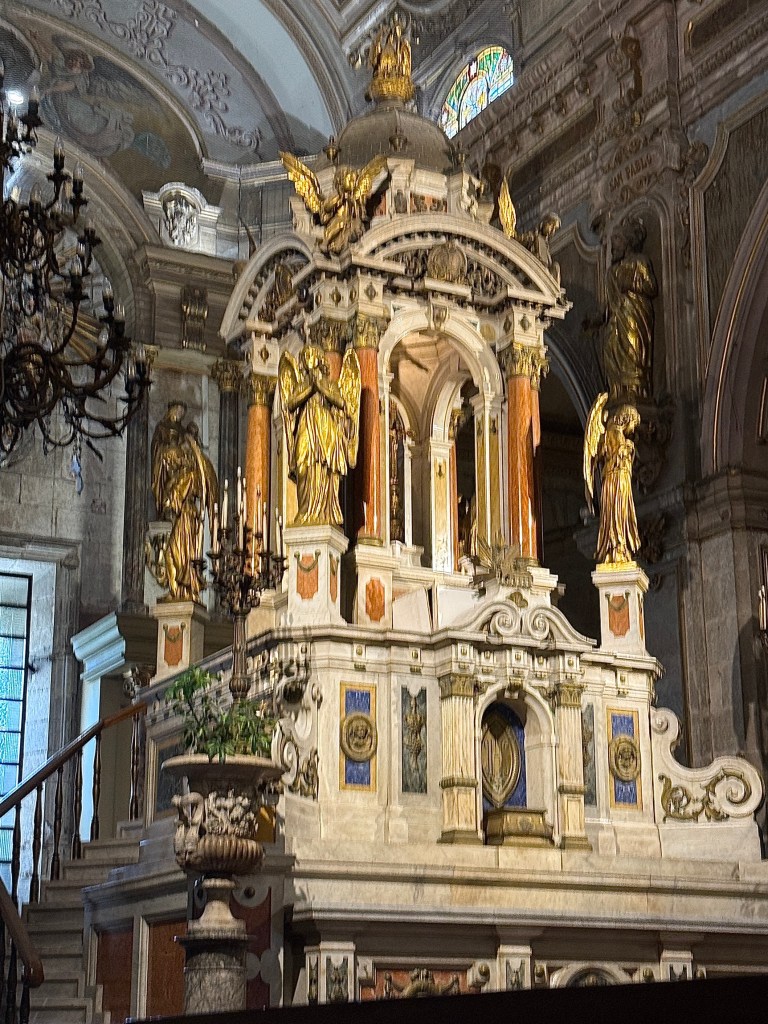
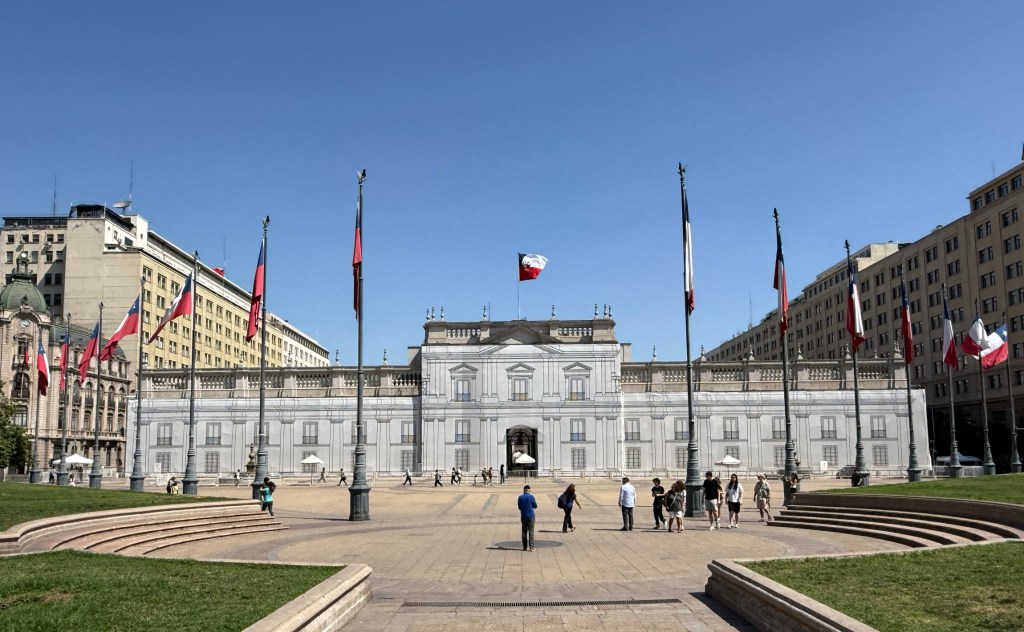
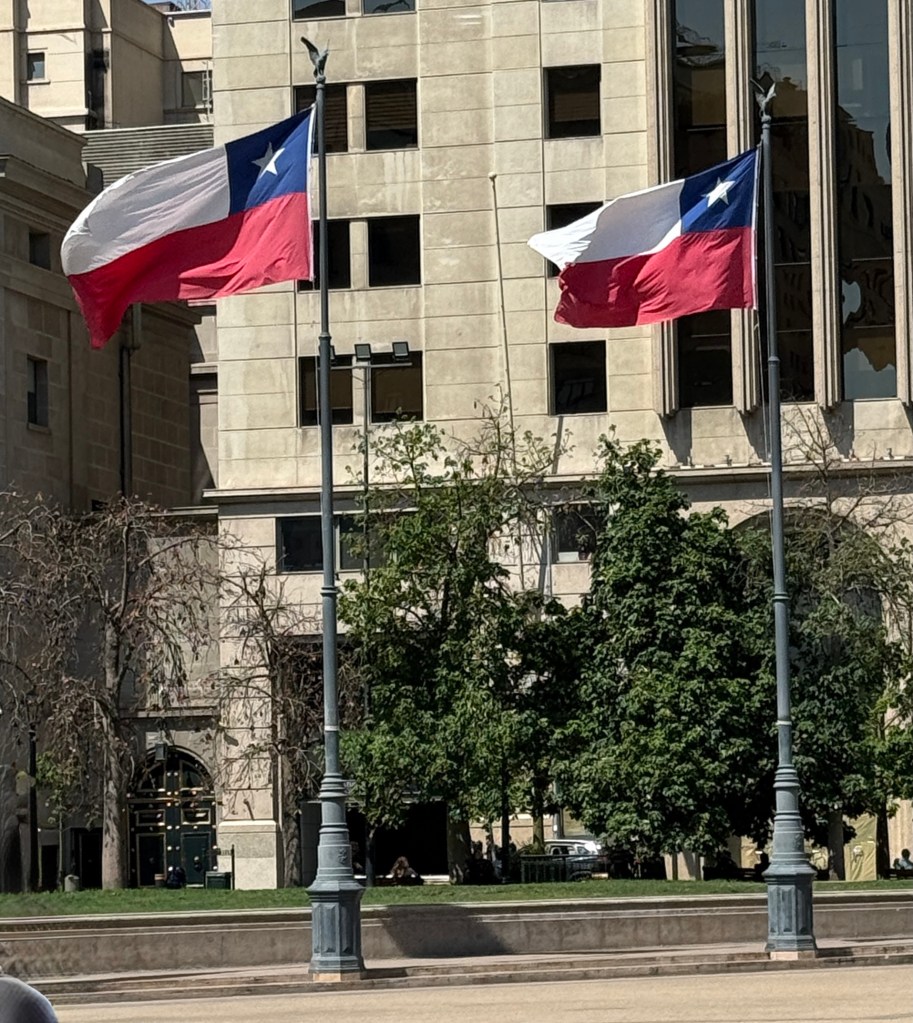
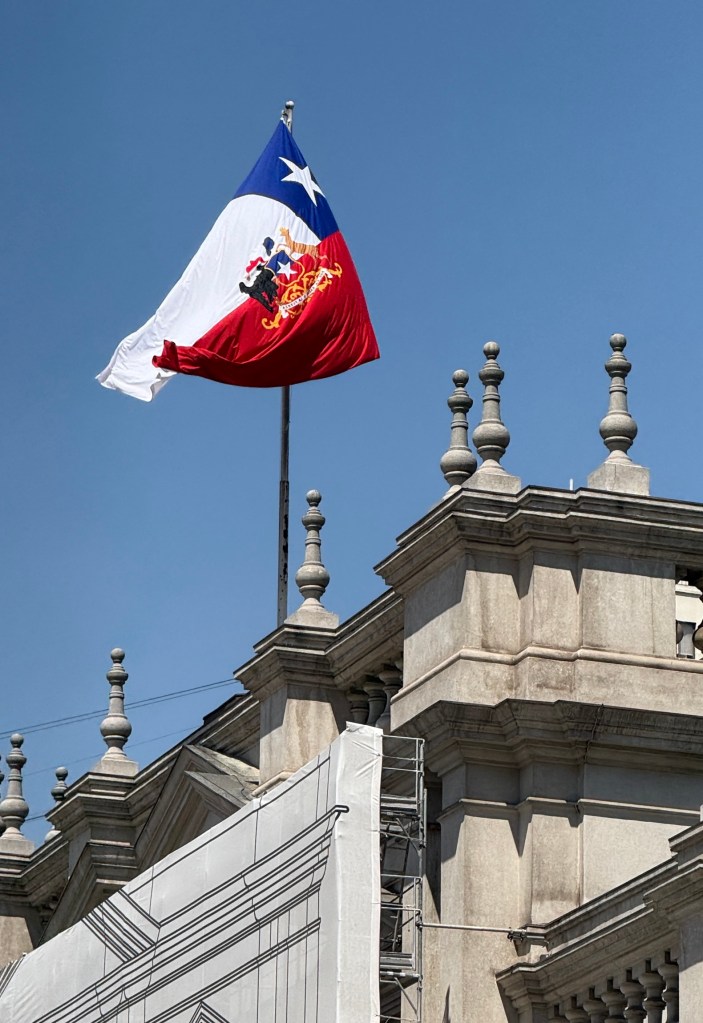
We had stops to wander around Bicentennial Park, the Cathedral and the Presidential Palace Square.
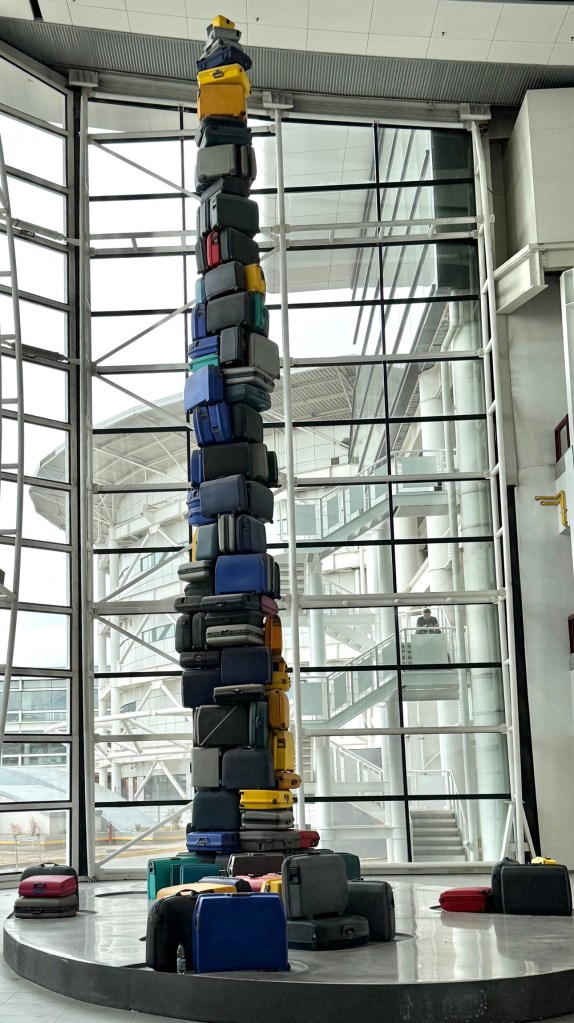
Our time in Santiago has ended and it has been full on for the last three weeks. We have returned to Brisbane, via Sydney, on a Qantas Dreamliner. They do bang on about the ‘Spirit of Australia’ in all their PR.
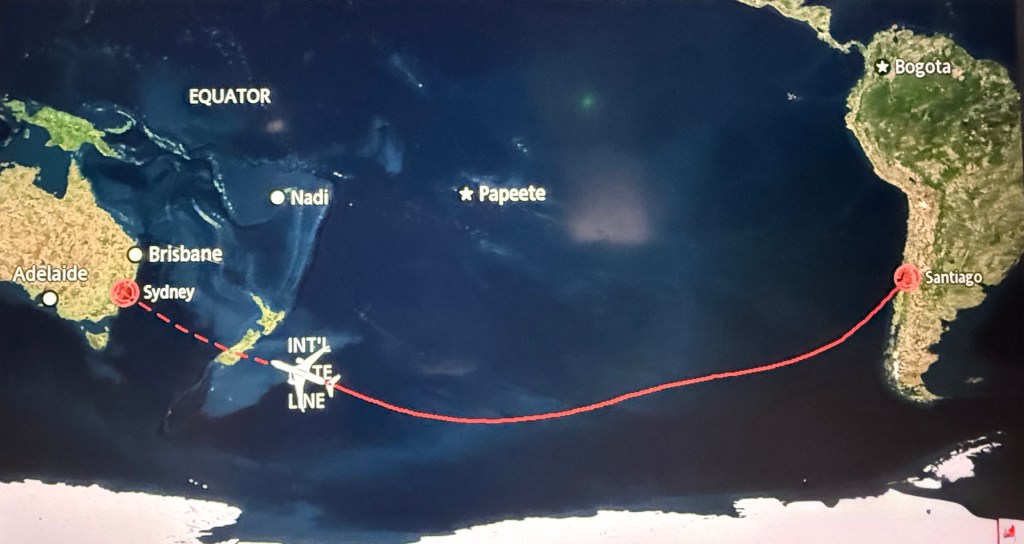
We do though think it is a good airline, despite all its recent troubles. And it is ‘good to be back home again’ as some old country boy sang a few years ago.
Torres Del Paine NP
The NP is about eighty km away from the Singular Hotel and we did the trip in eight seater vans. It is mostly on paved roads, within the park gravel takes over.
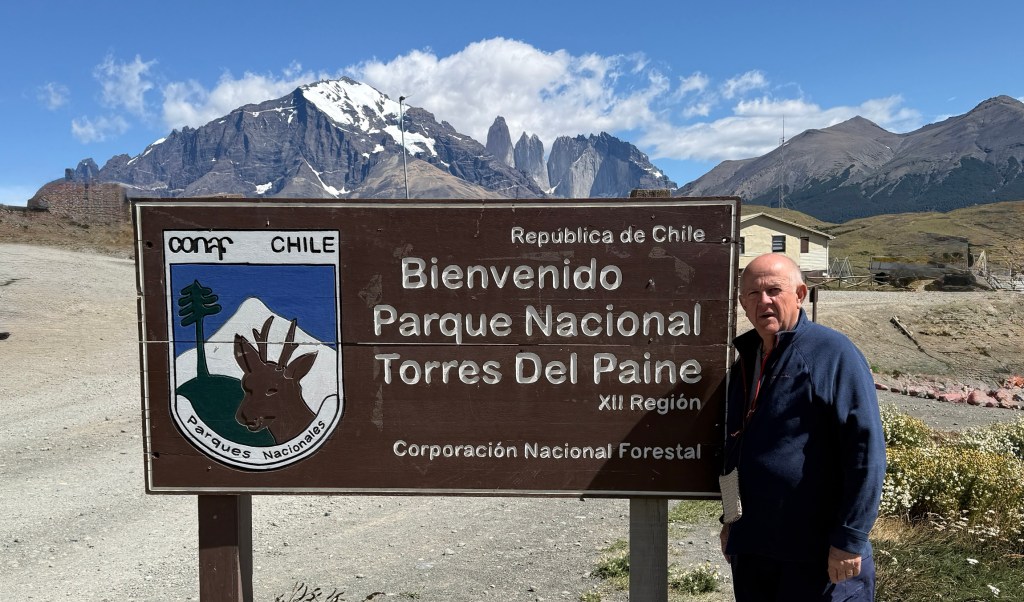
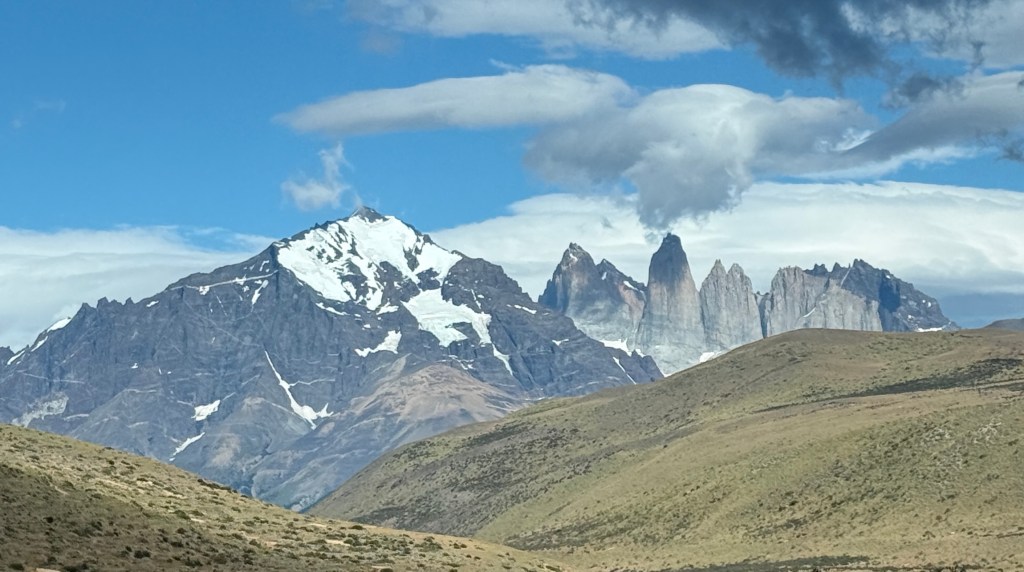
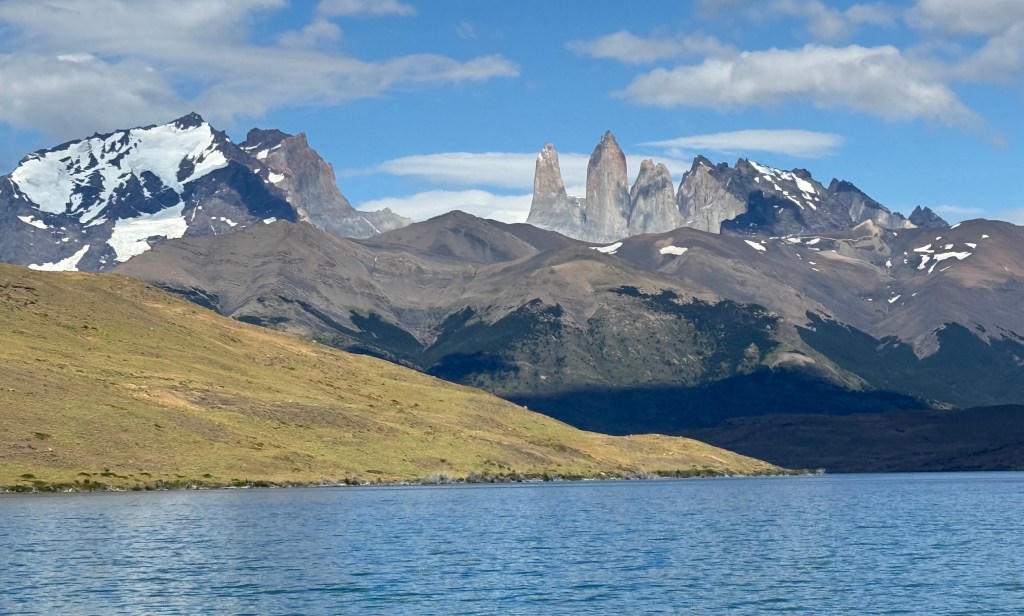
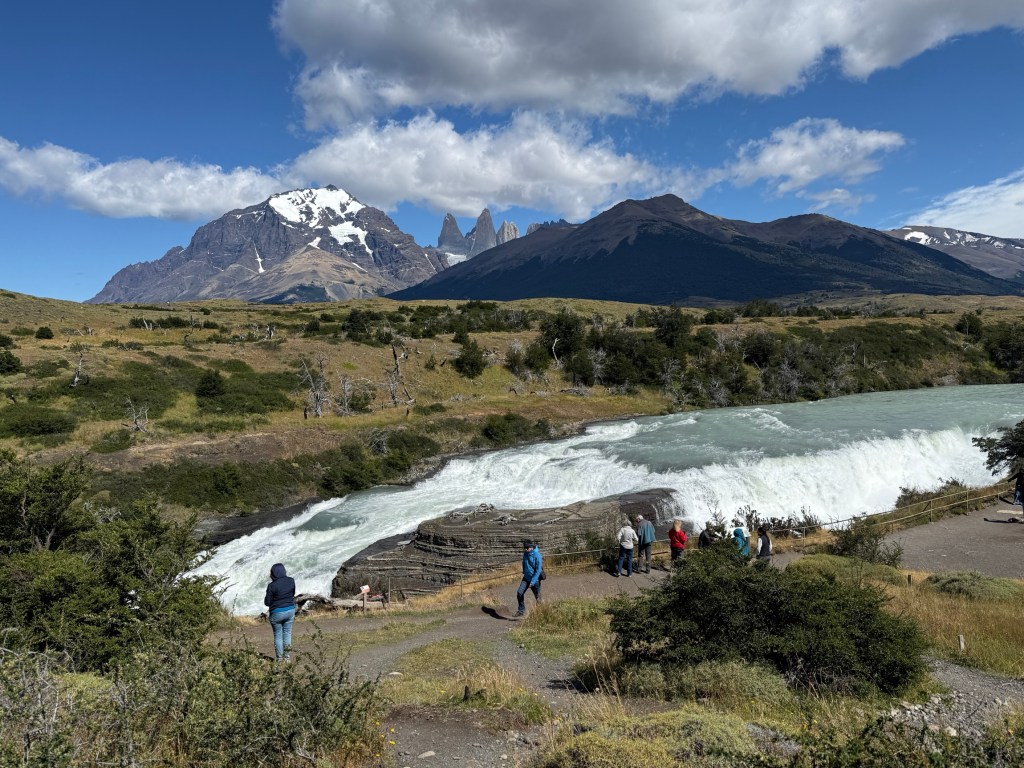
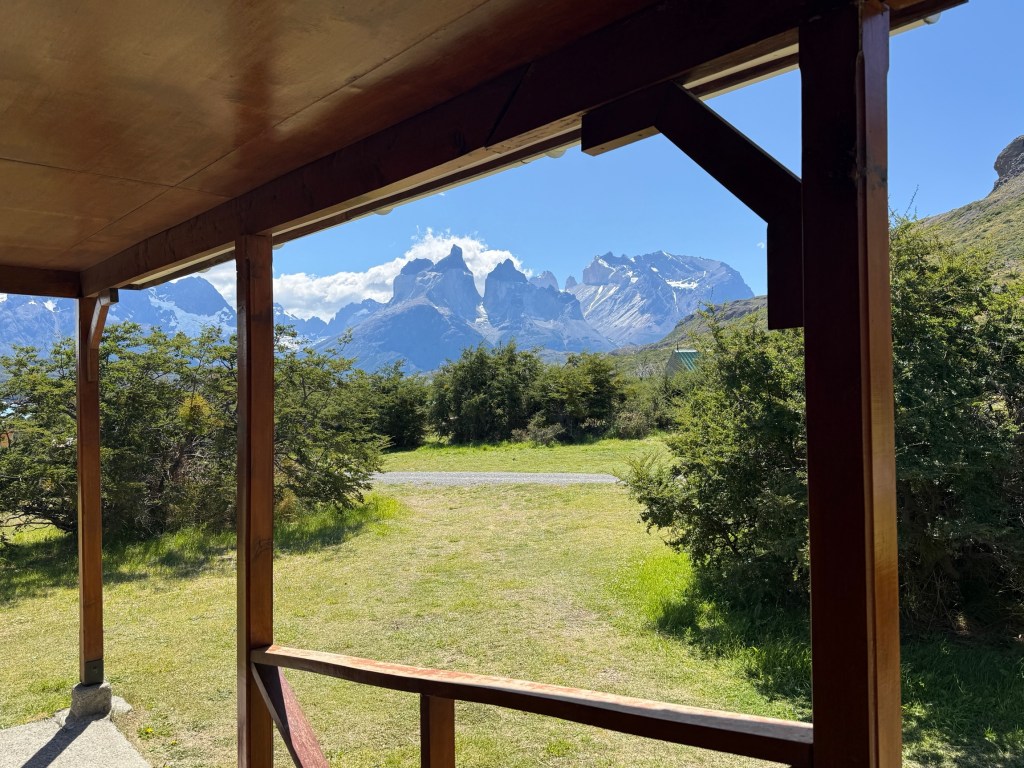
The landscape is dominated by the towering peaks and lakes. Quite a spectacular sight. We saw them from many angles.
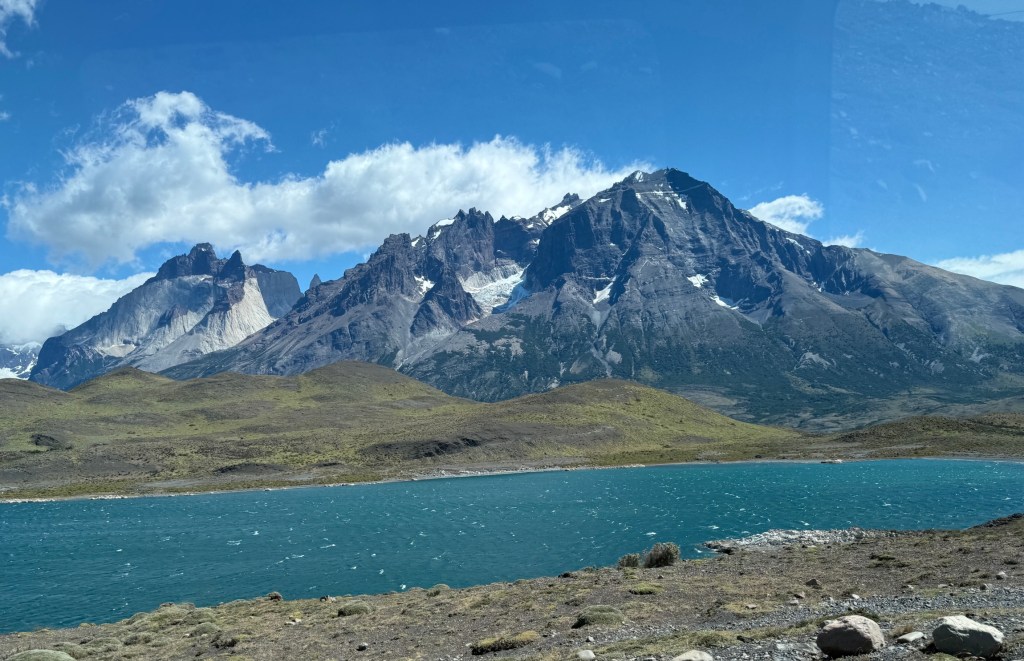
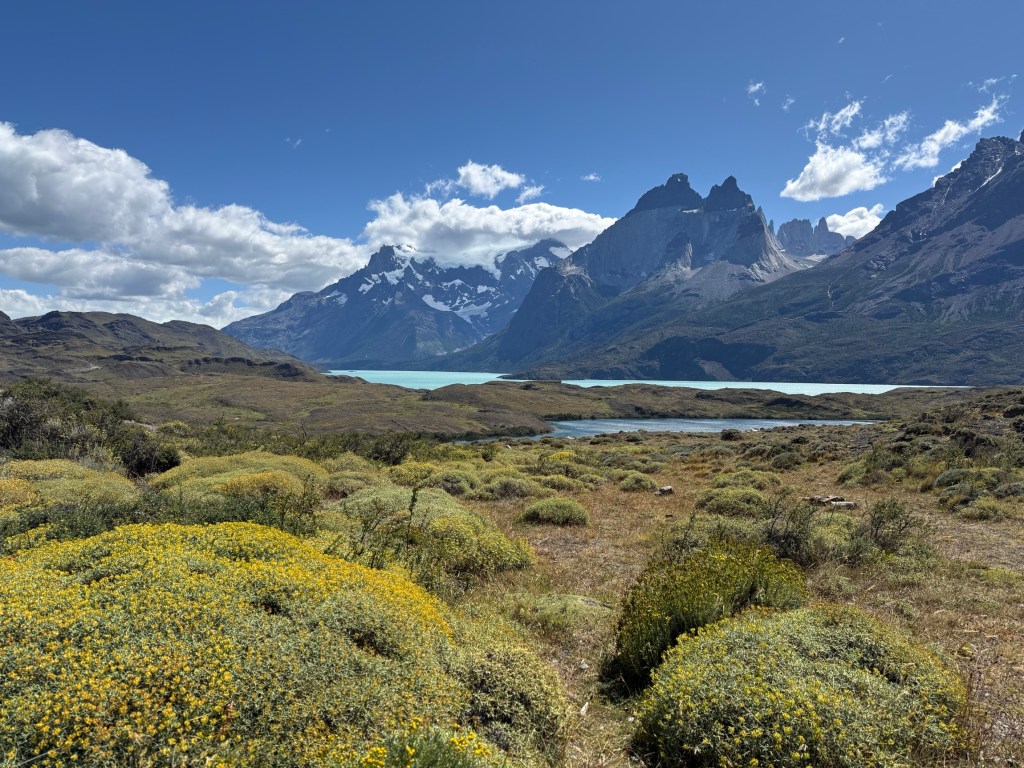
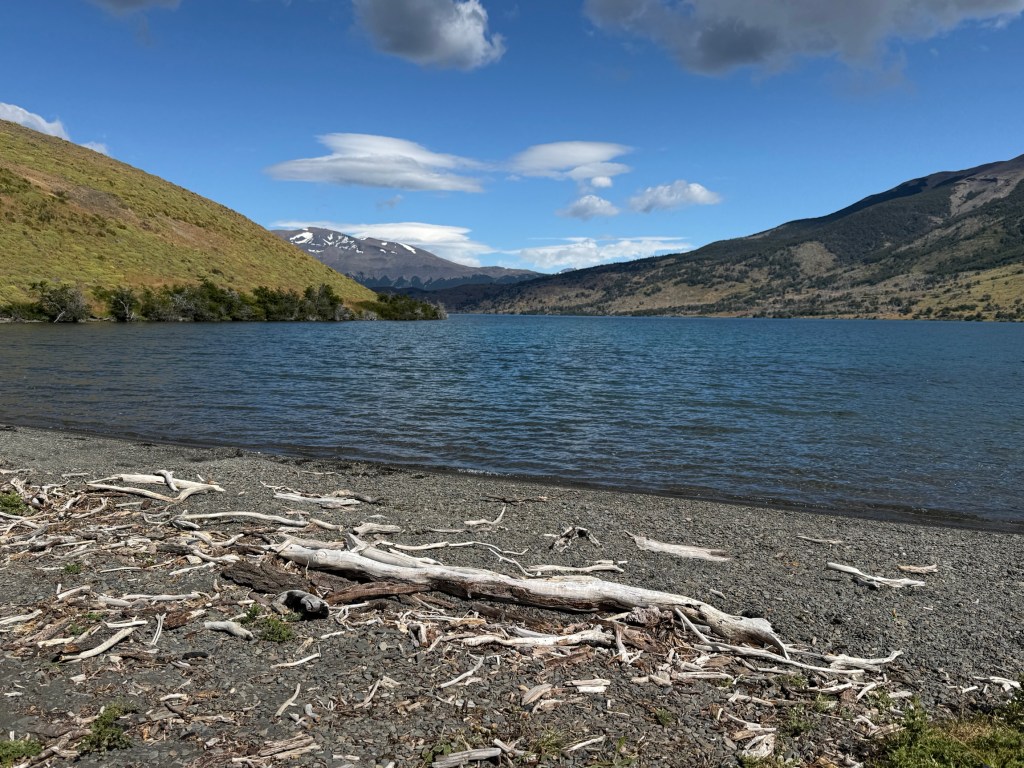
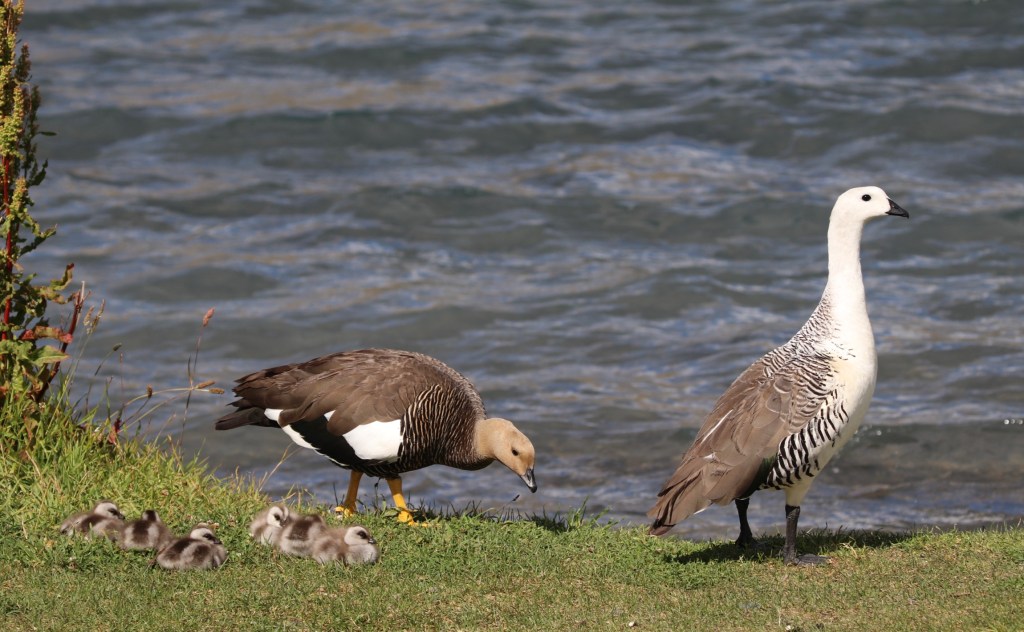
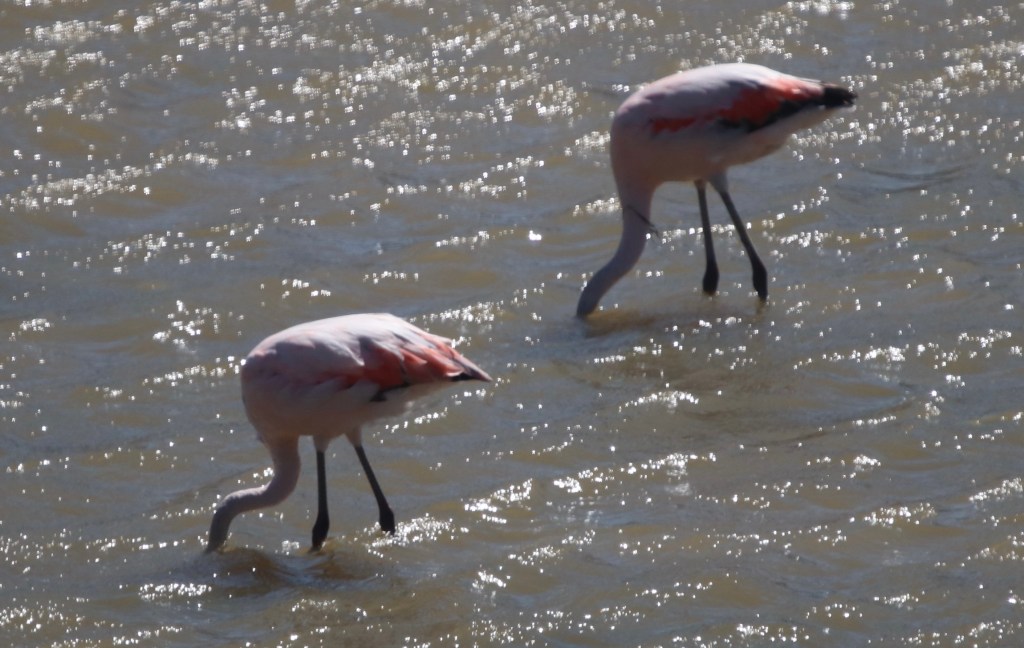
Waterfalls a feature as well. As it is mid summer the wild flowers are starting to die off but they remain plentiful, particularly around the lakes.
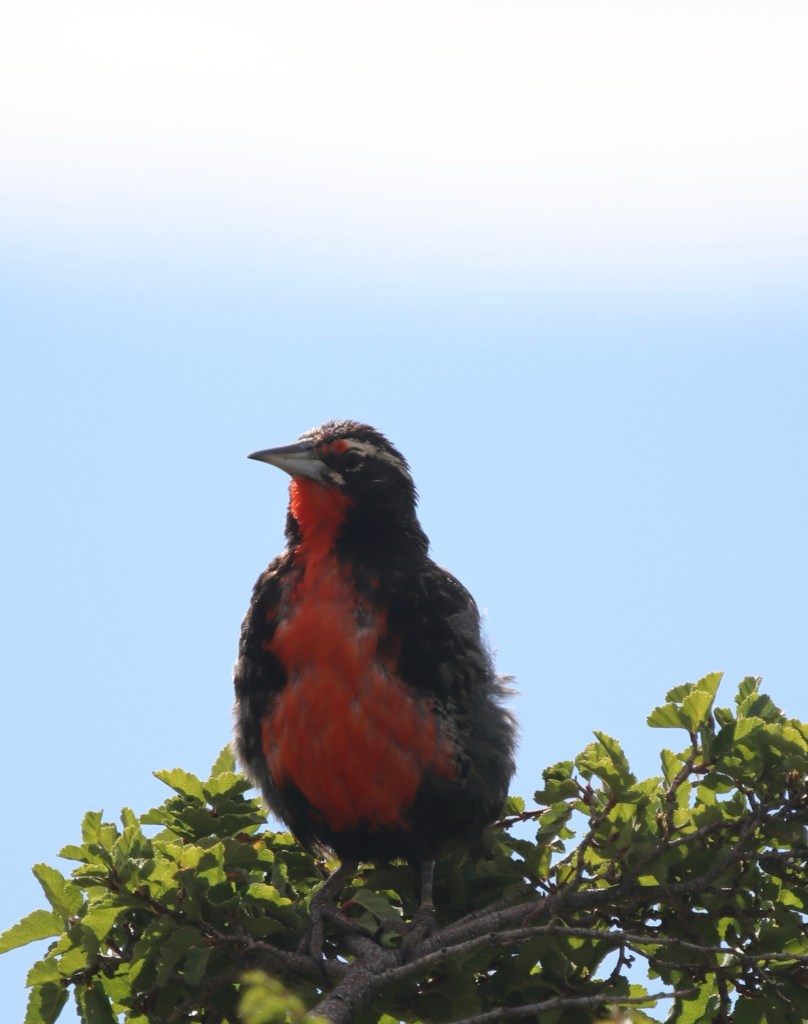
We had numerous sightings of Guanacos and Rheas. Rheas are a flightless bird, Patagonias answer to emus, although smaller.
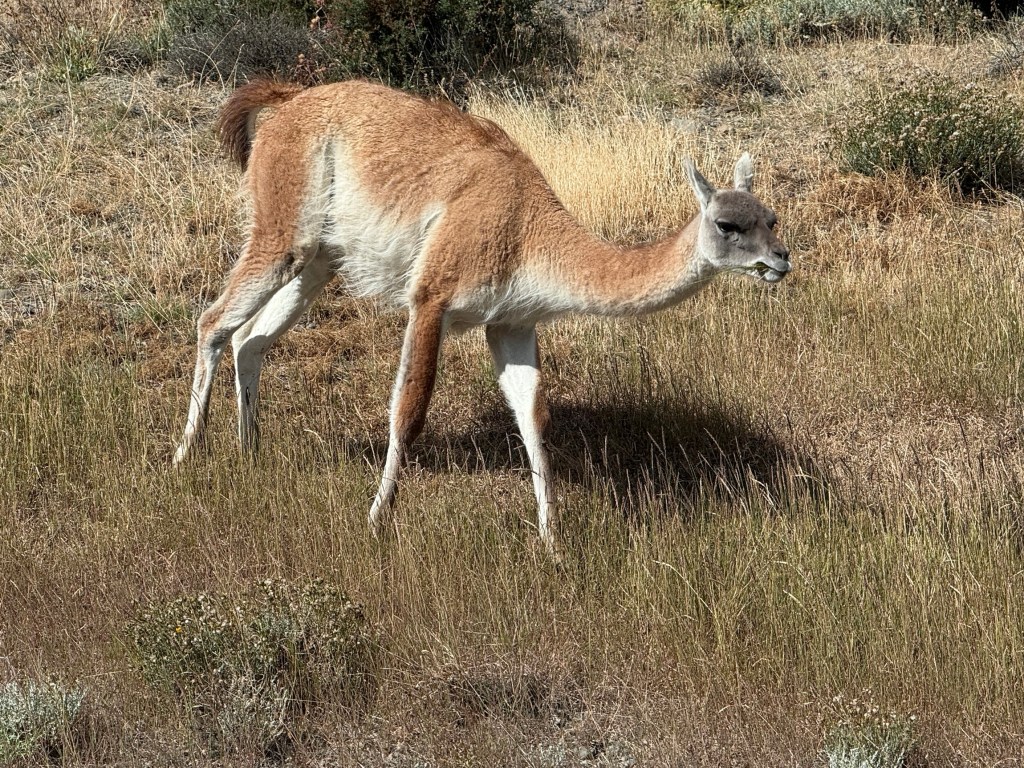
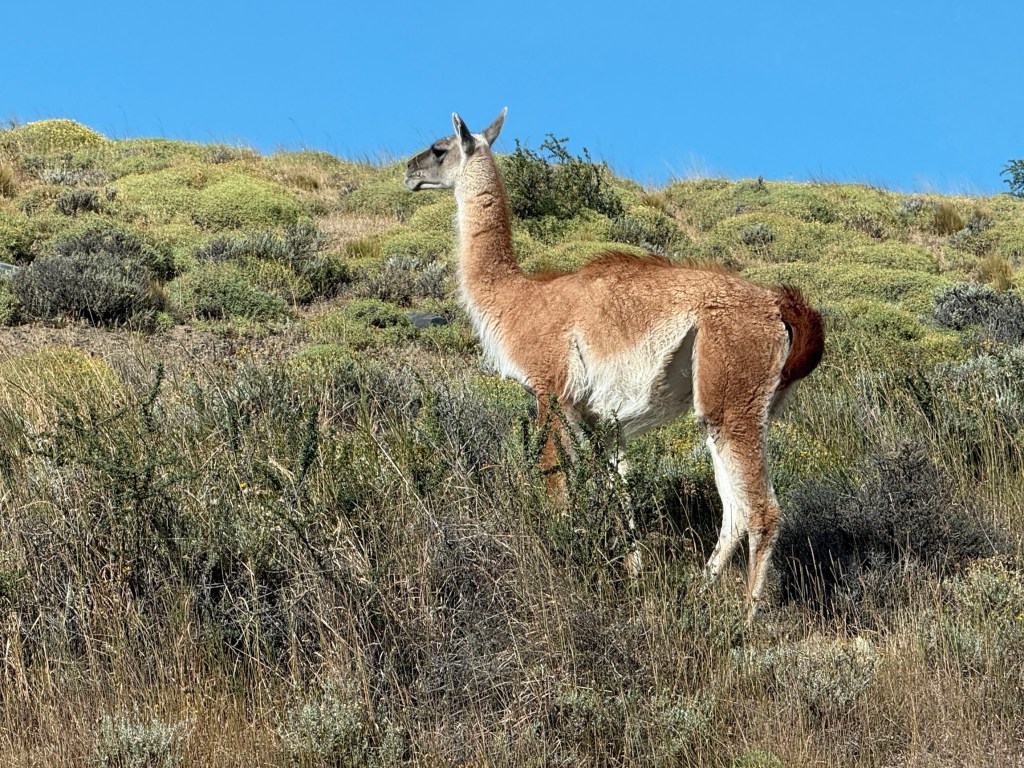
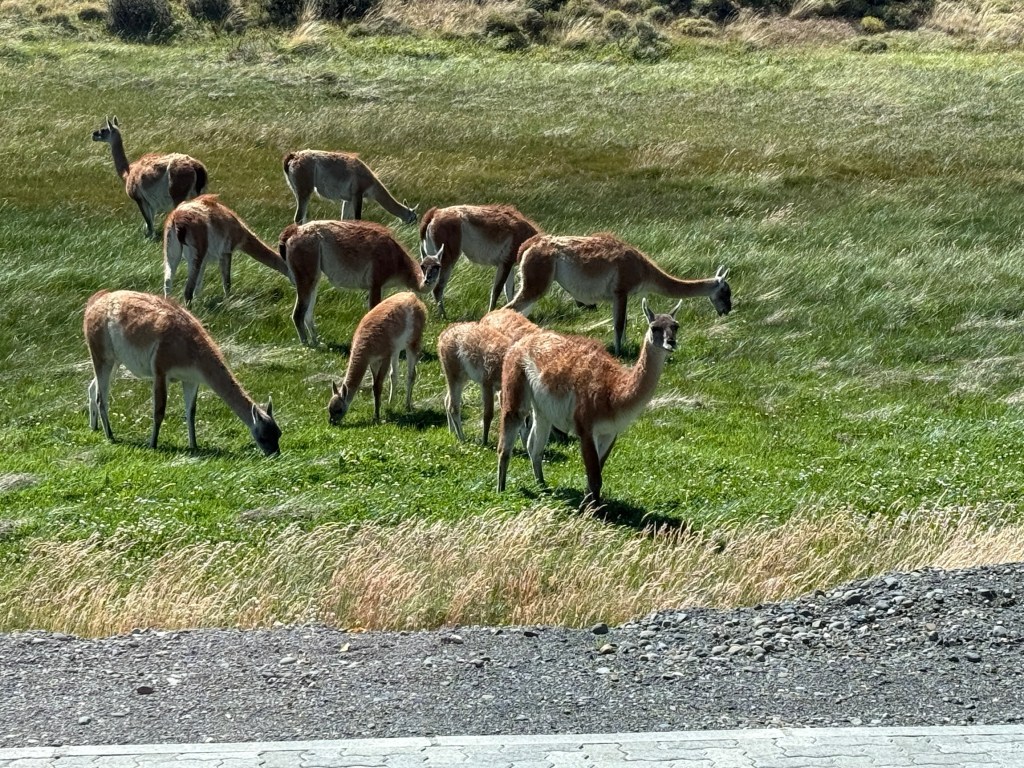
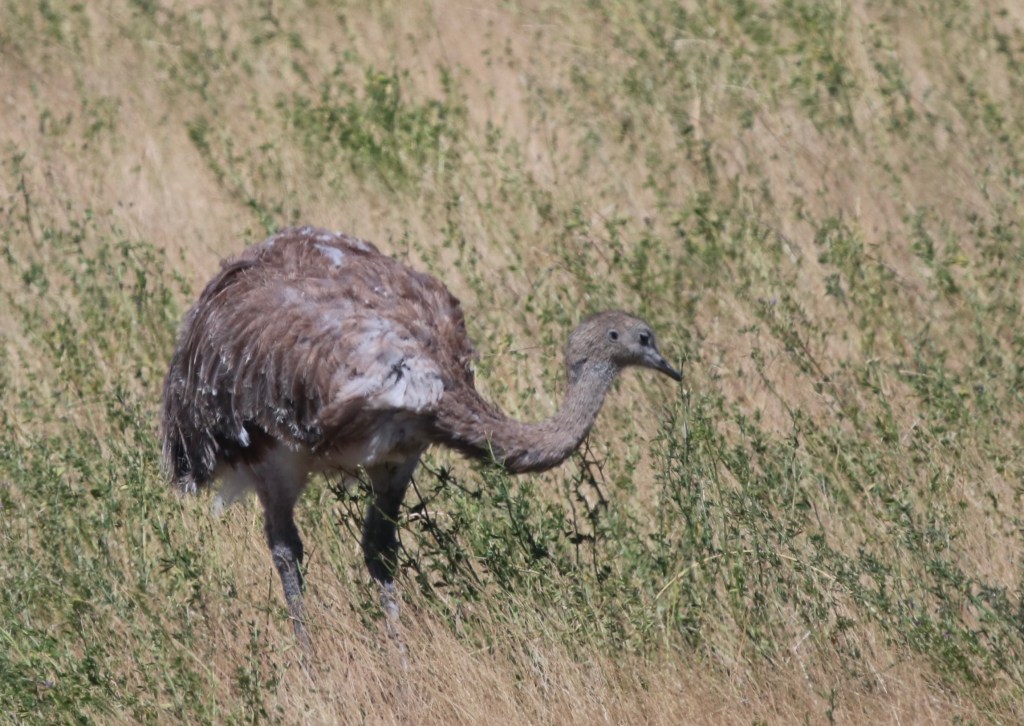
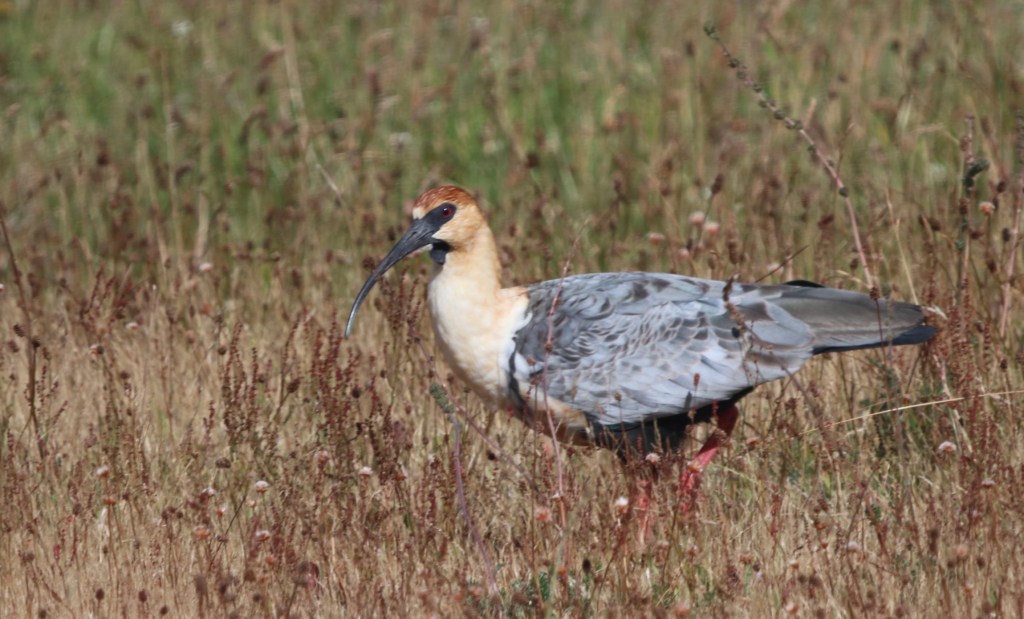
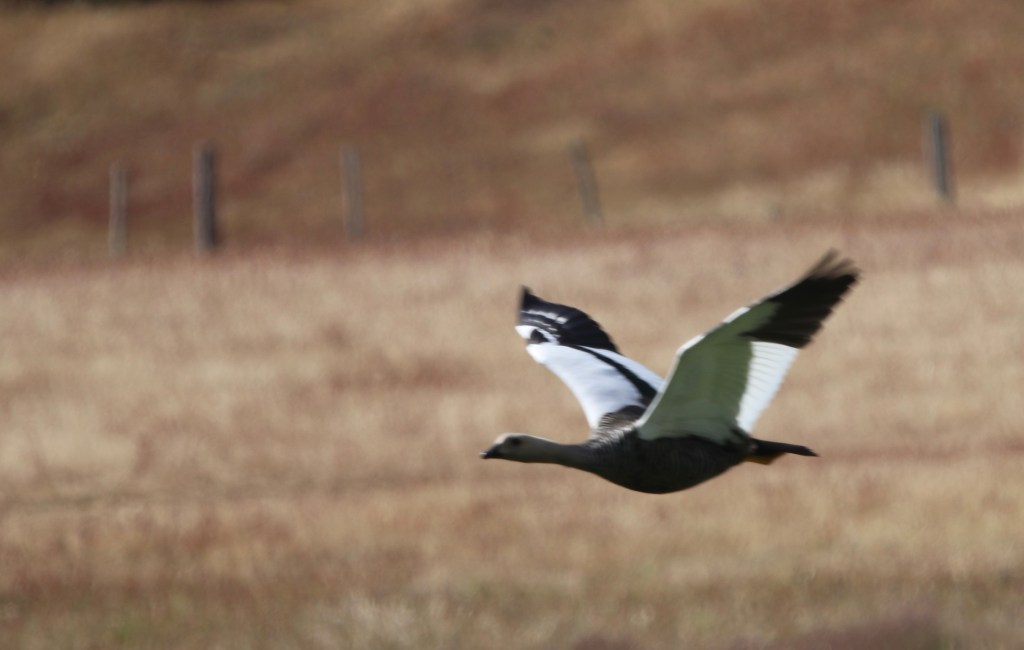
Birds were also common sightings. We had several sightings of condors. But a way off and difficult to photograph from the moving van.
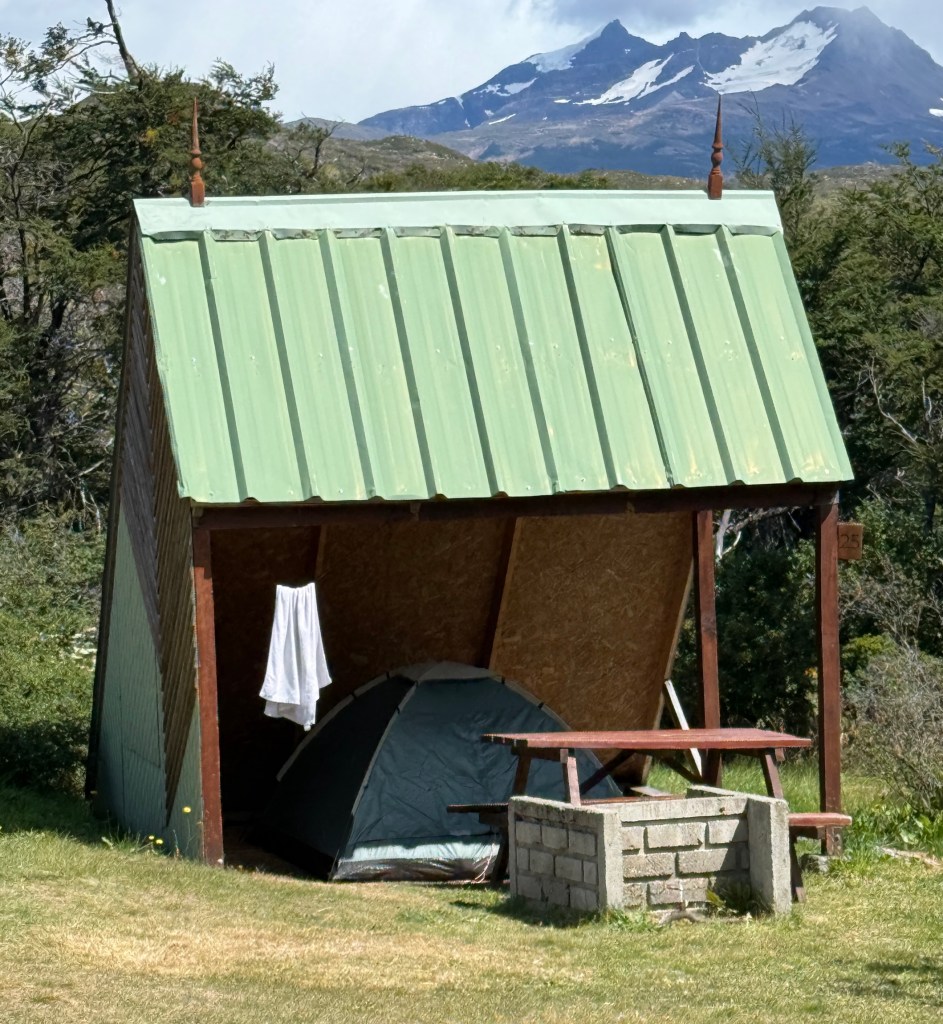
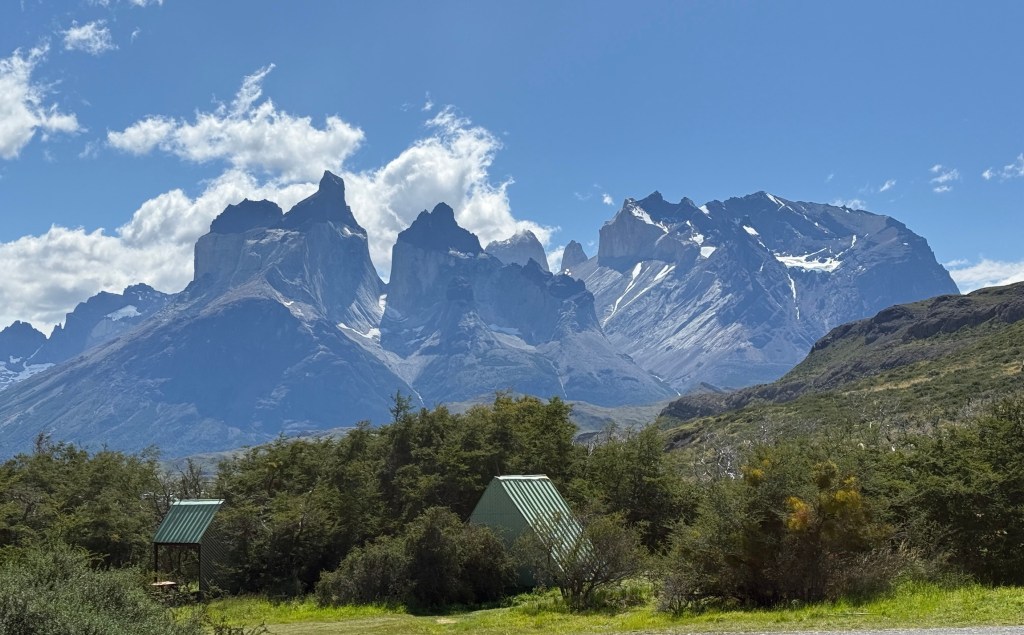
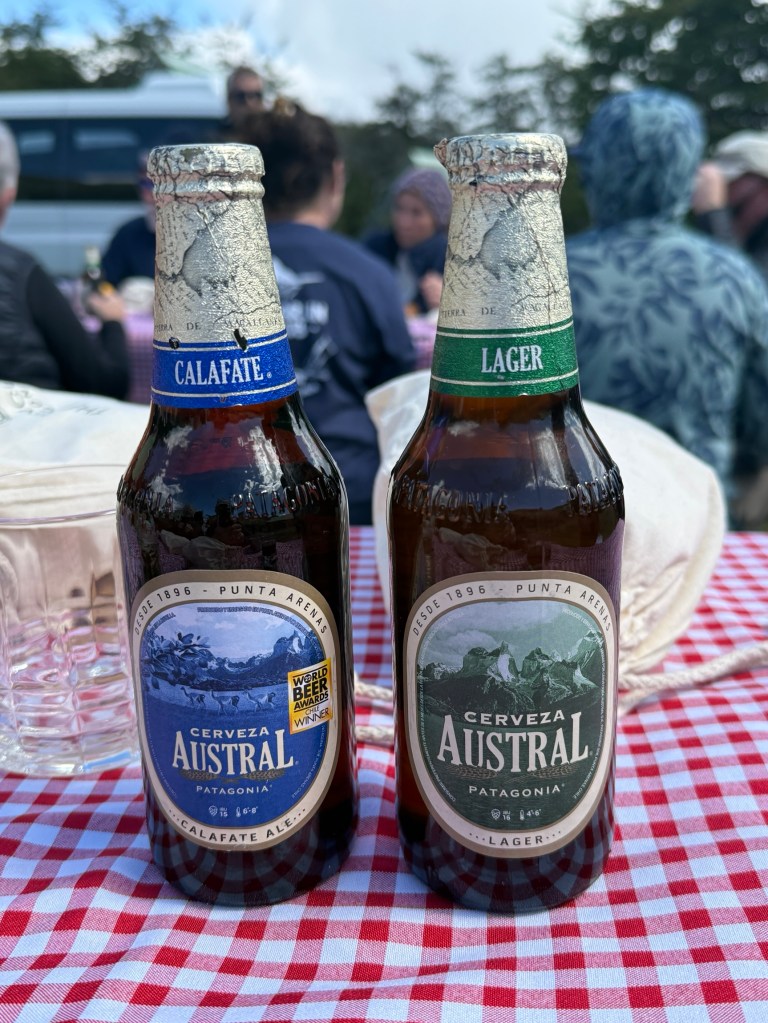
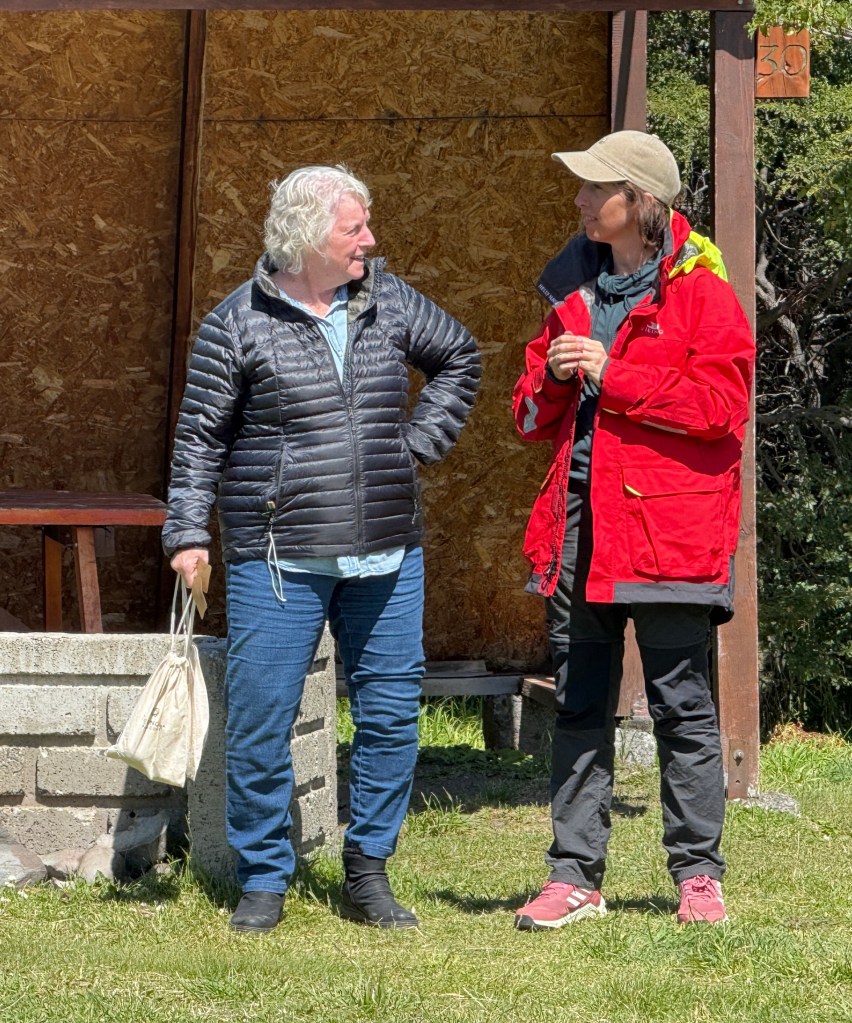
Well appointed camping areas are a feature of the NP, a little chilly at night I suspect, small fires are allowed in the enclosed fire pits adjacent to the covered tent sites. We stopped in one for a picnic lunch with the towers a backdrop.

We took a different route out of the park hoping to catch sight of a puma. But the elusive animal was not to be seen.

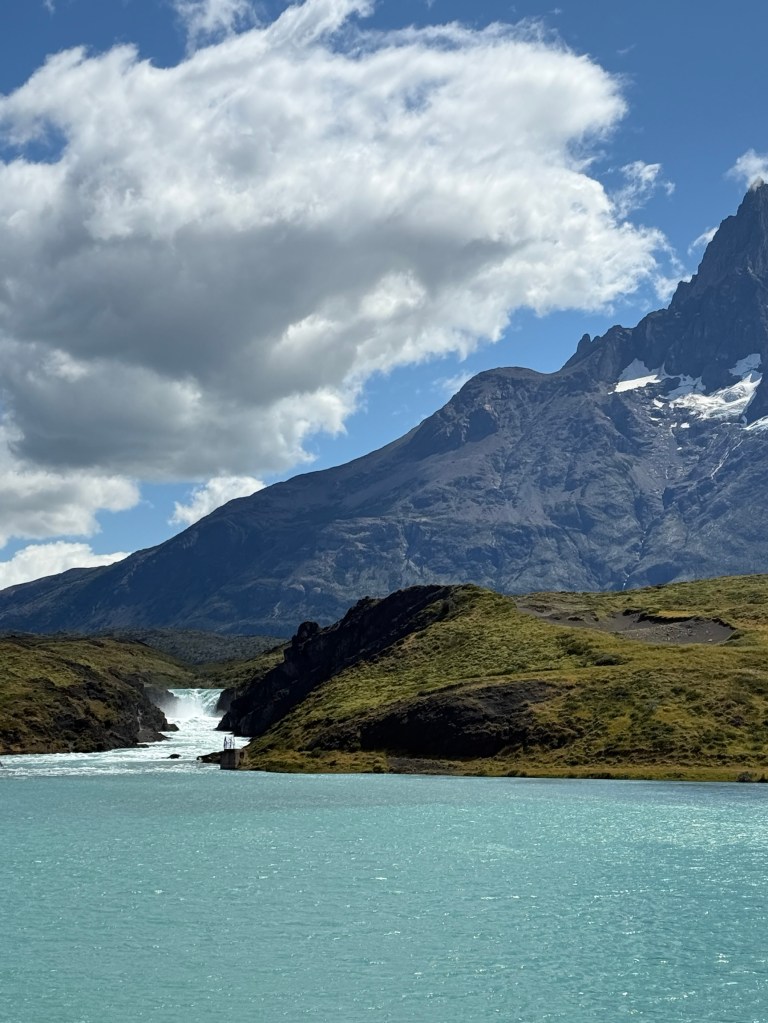
It had been a great day out, little walking but weary non the less. We returned to the Singular for dinner and bed. We are next off by plane to Santiago and the flight home to Brisbane.
Road Trip
It was a long road trip to our base from which we explored in a day a small part of the Torres del Paine National Park. Although a small section of the park it was to be a spectacular experience in high country. Getting there from Calafate was an experience too!
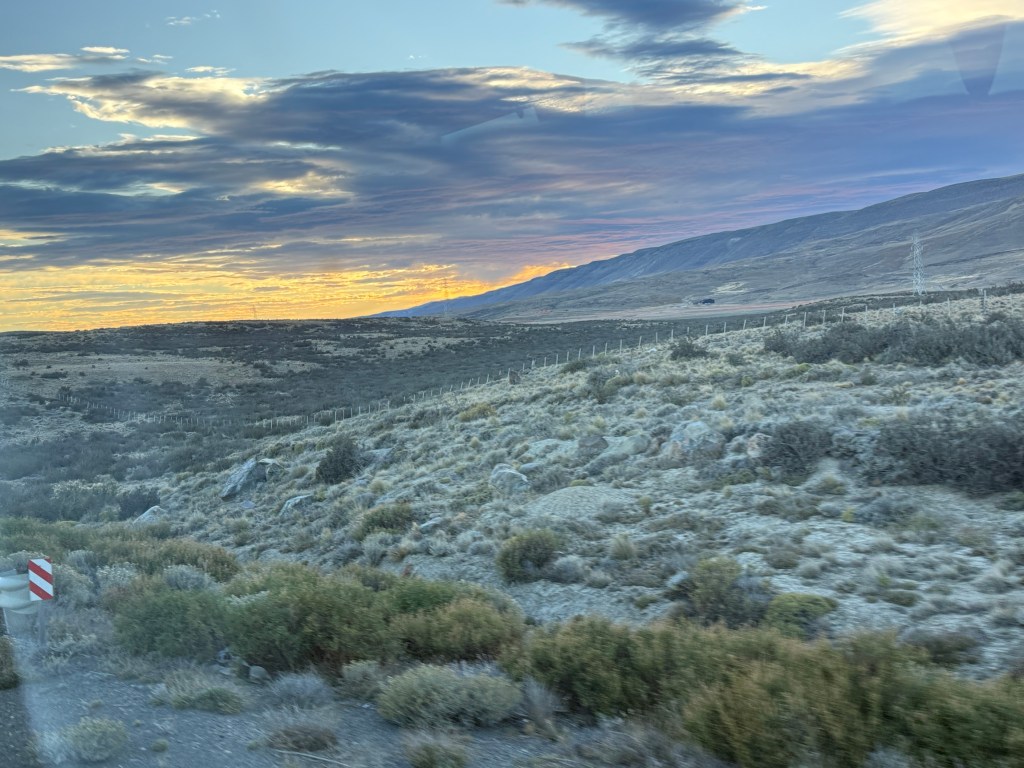
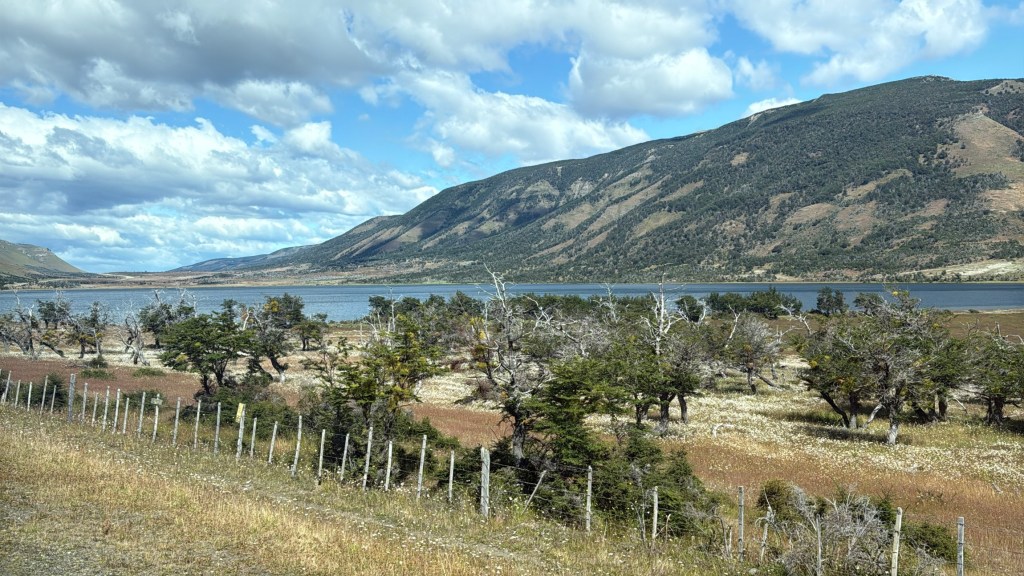
We got away at the appointed hour of 6.45am after an early breakfast. Our destination was the Singular Hotel Patagonia, just outside the town of Puerto Natales. It is located on the shore line overlooking Last Hope Inlet, at the end of a 59km fjord complex. It is called Last Hope because an early explorer worked his way around the fjords trying to find a way through to the Atlantic, so avoiding going around Cape Horn.
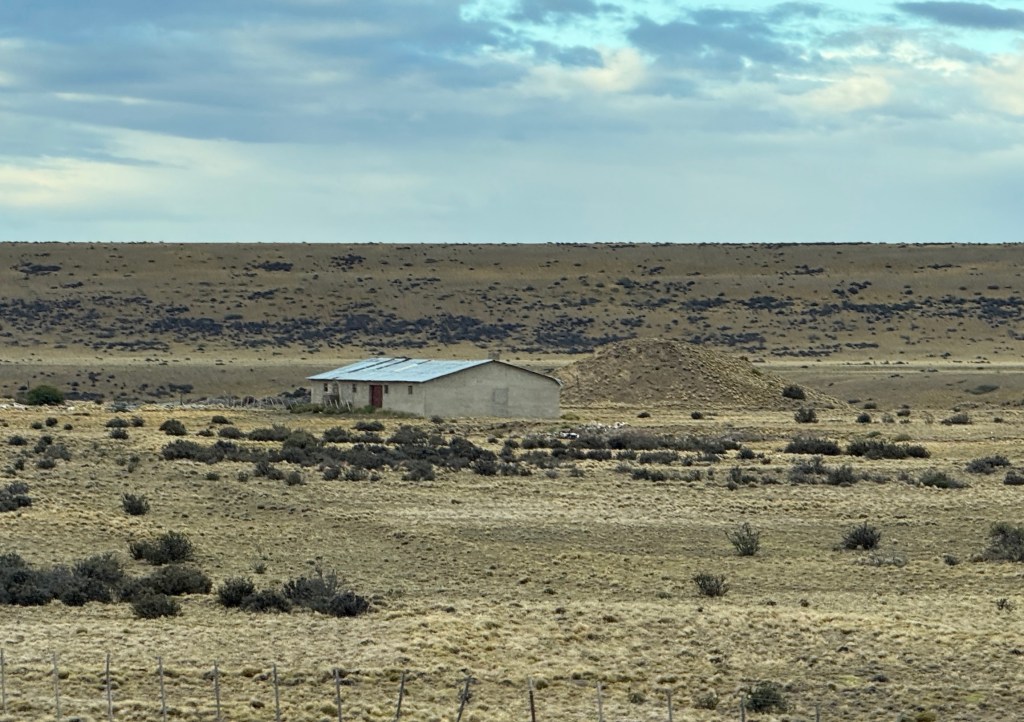
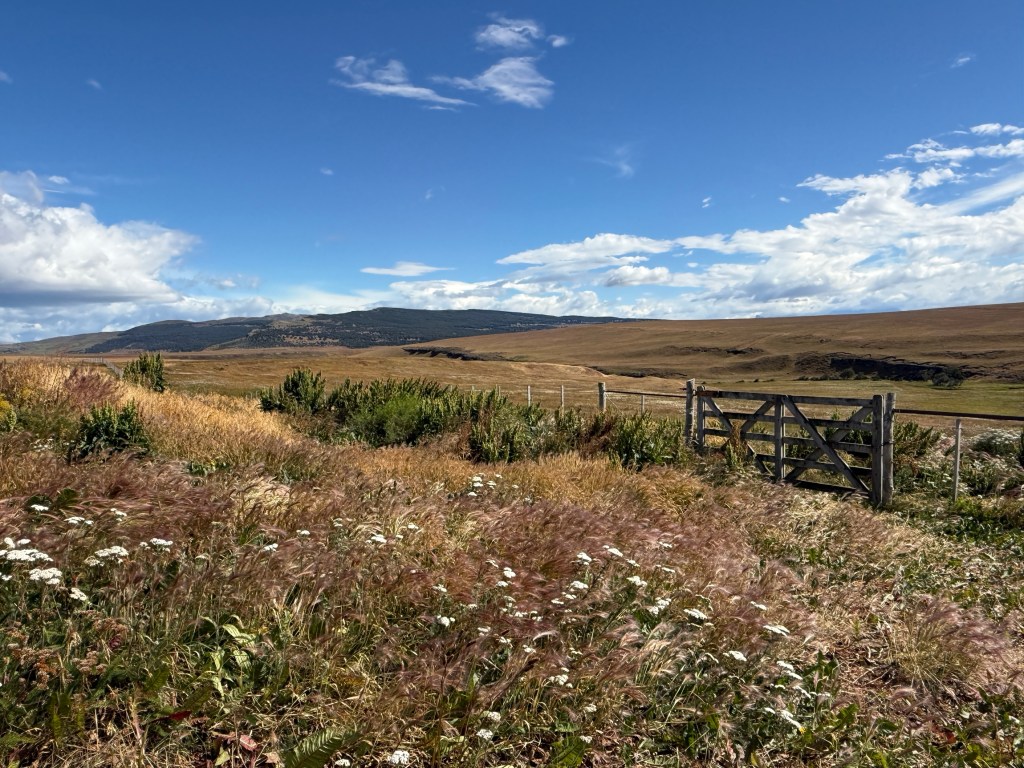
The road trip basically followed the Route 40 markers south west along the southern spine of Argentina. The landscape either side of the road was a little reminiscent of Australia’s outback, without the red colours and replaced by a glaciated landscape. There were long stretches of road with seemingly never ending livestock paddocks.
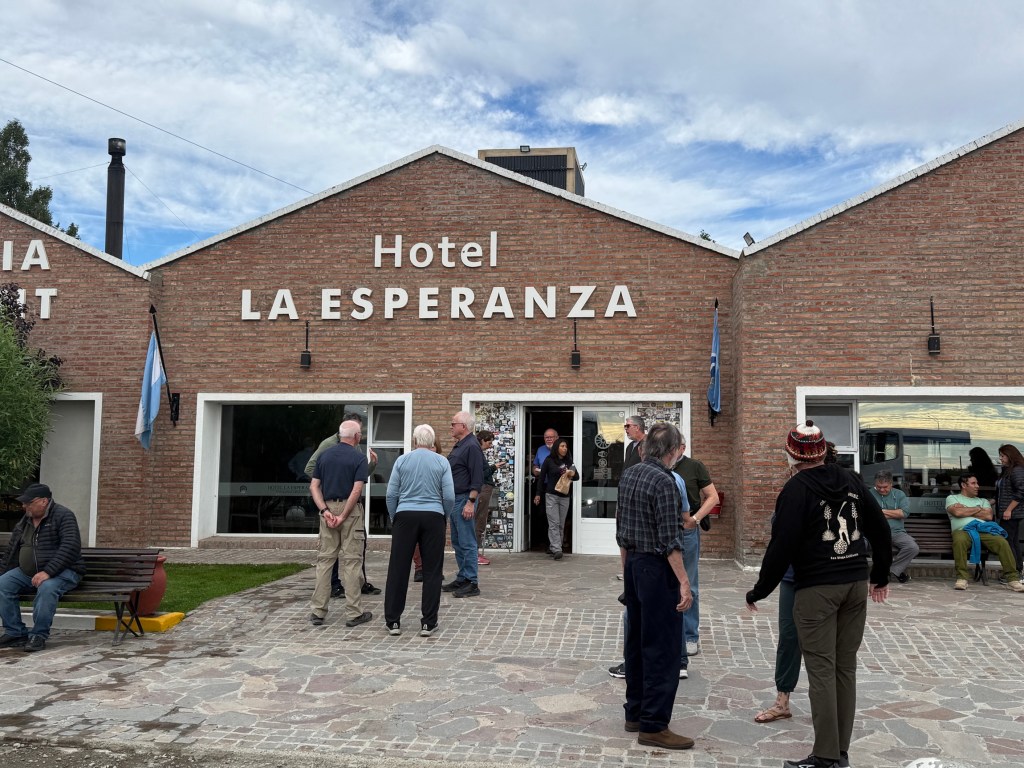
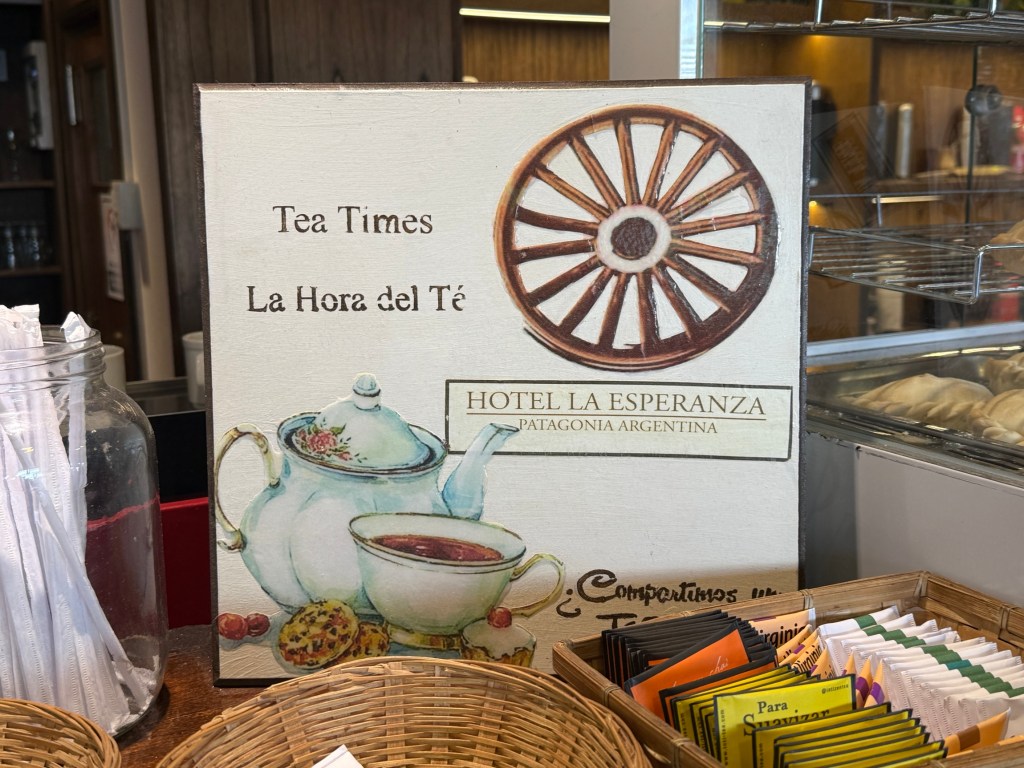
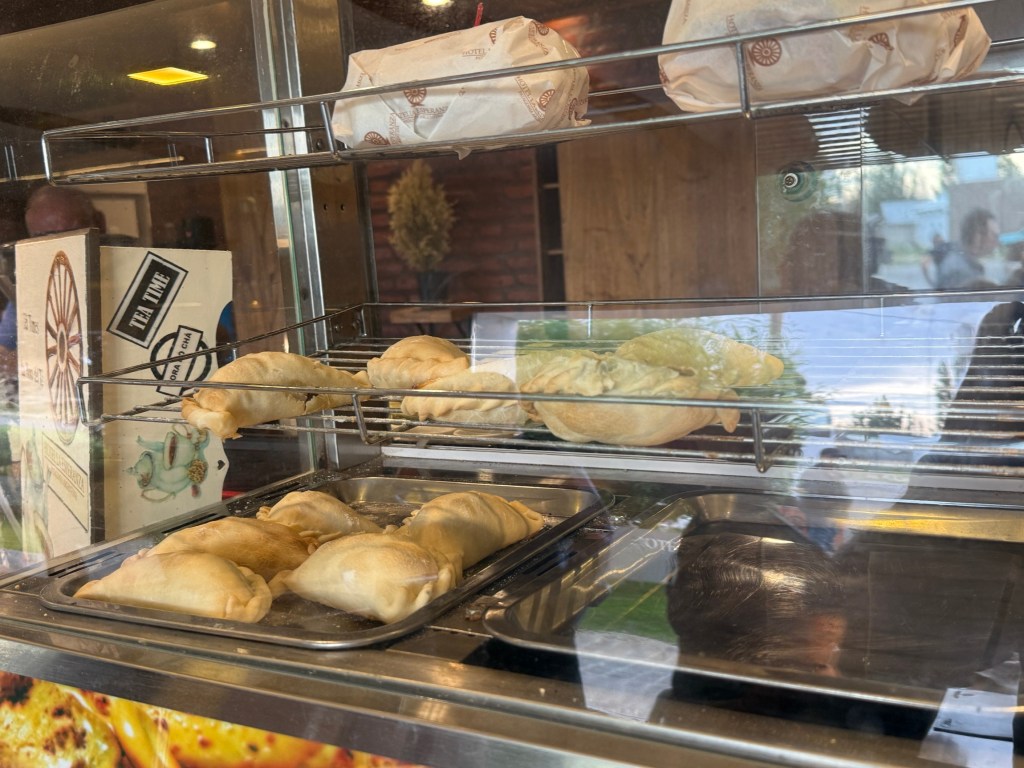
We had a convenience stop at the Hotel La Esperanza. It is in a small town of the same name with about fifty inhabitants, rather tired looking.
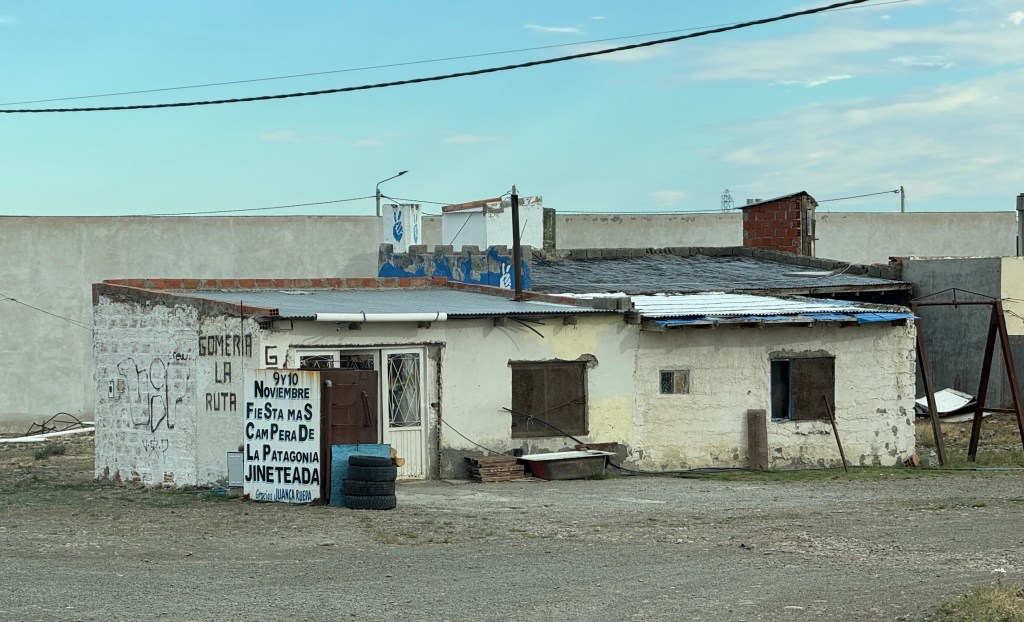
Seems to be in just the right place though for a stop to break the journey.
Further along we needed to stop and cross over into Chile. Joined the queue of buses and cars. It took a little while, it is a small outpost. Can’t photograph the official buildings.
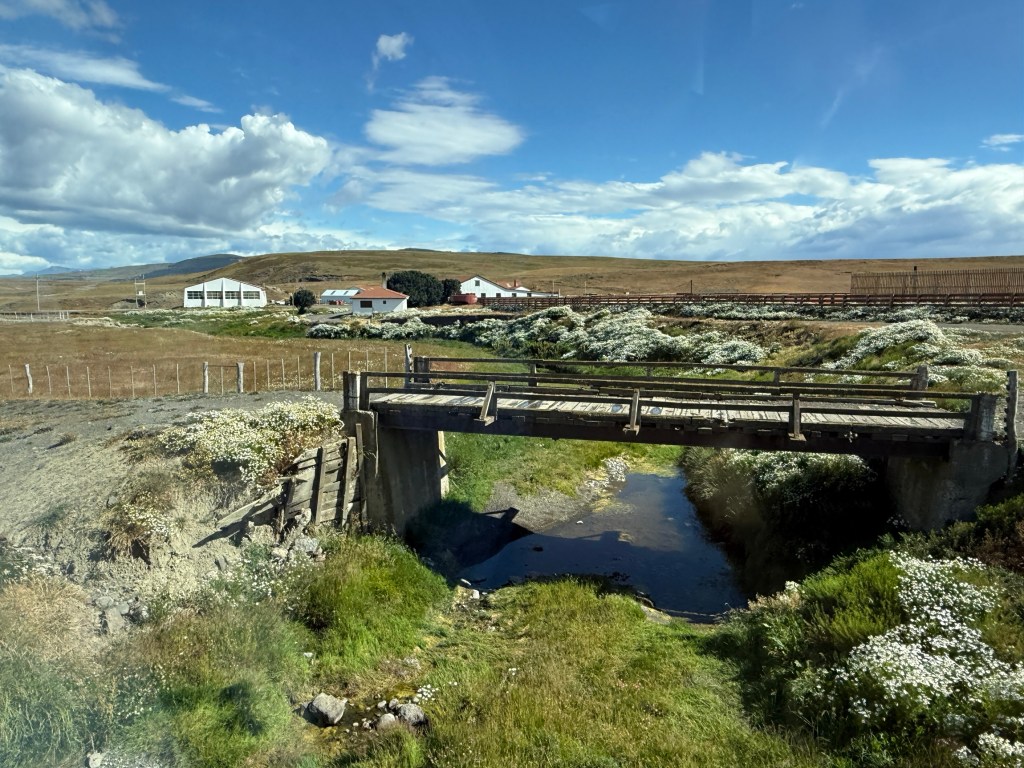
Luckily, as well as humans the border crossing was manned by a dog. The dog sniffed our luggage in the bus hold, otherwise it would have had to be taken off and put through a scanner machine. No problems.
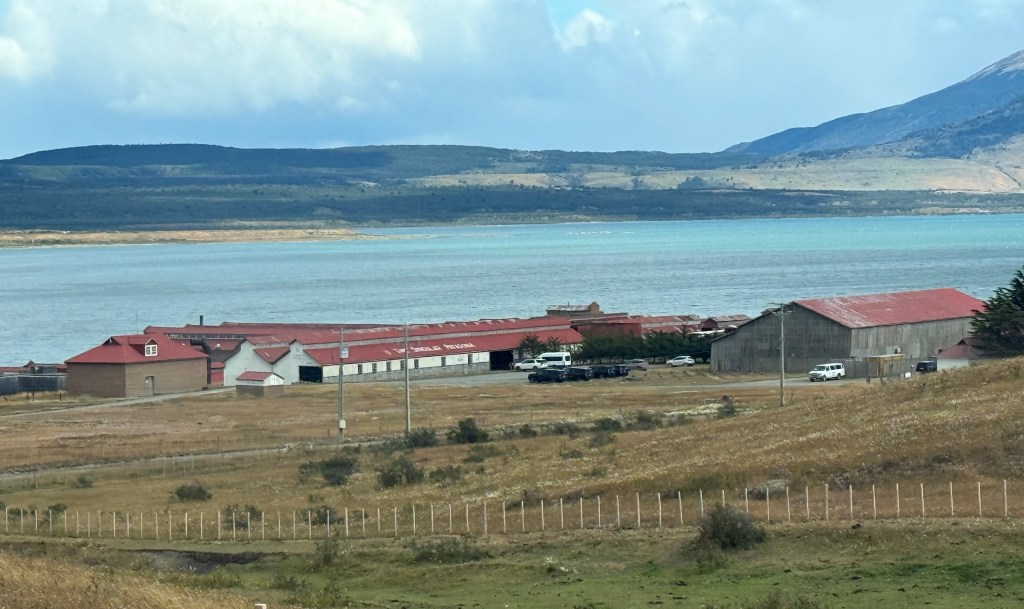
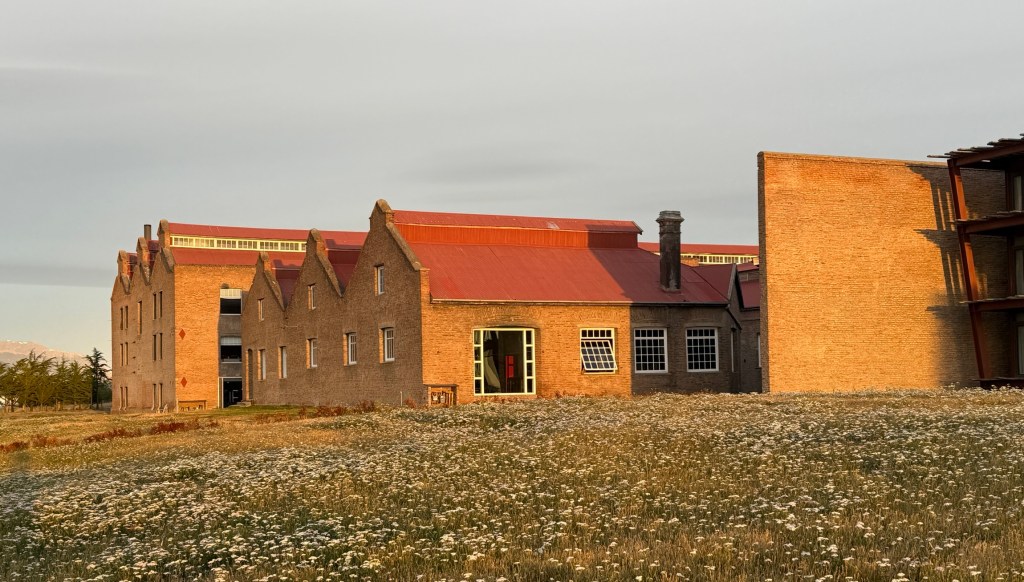
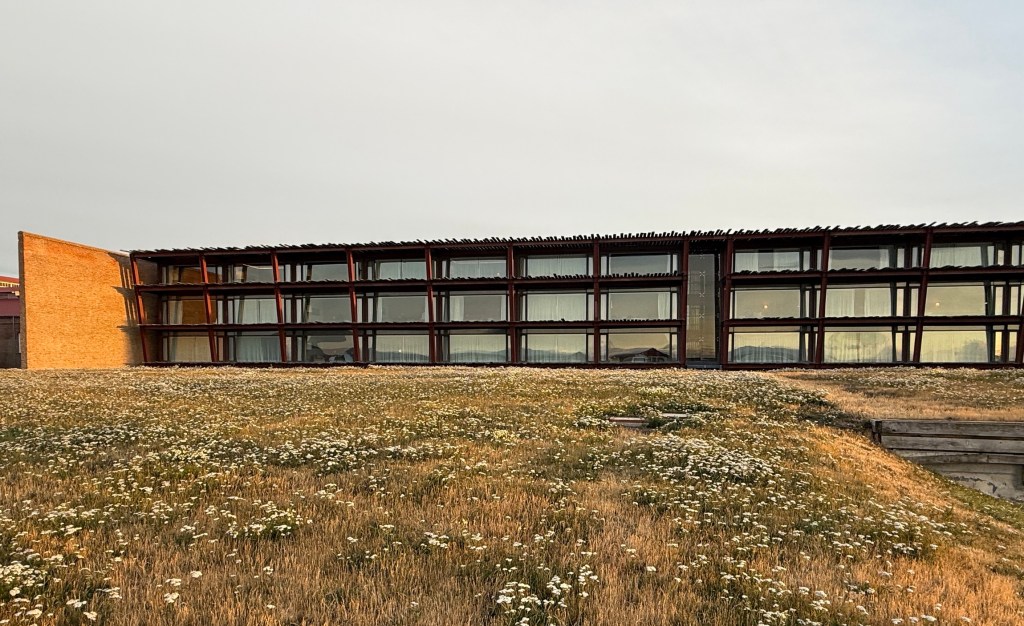
The Singular Hotel is a restored early 1900s sheep processing plant, much of the machinery is still in place as exhibition items. It has been restored to its former Industrial Revolution and early 20th century shining glory.
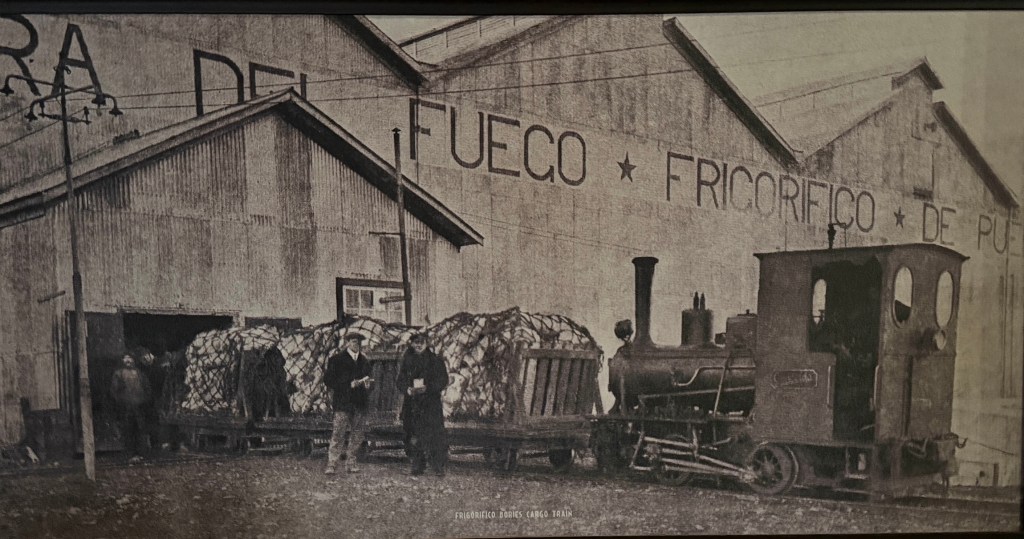
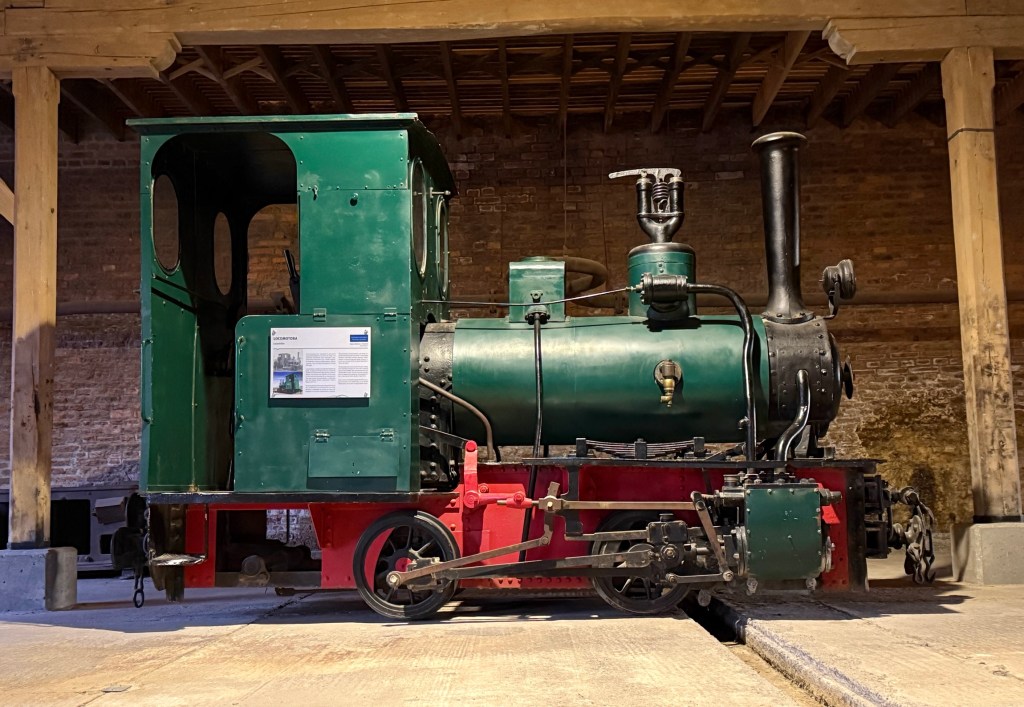
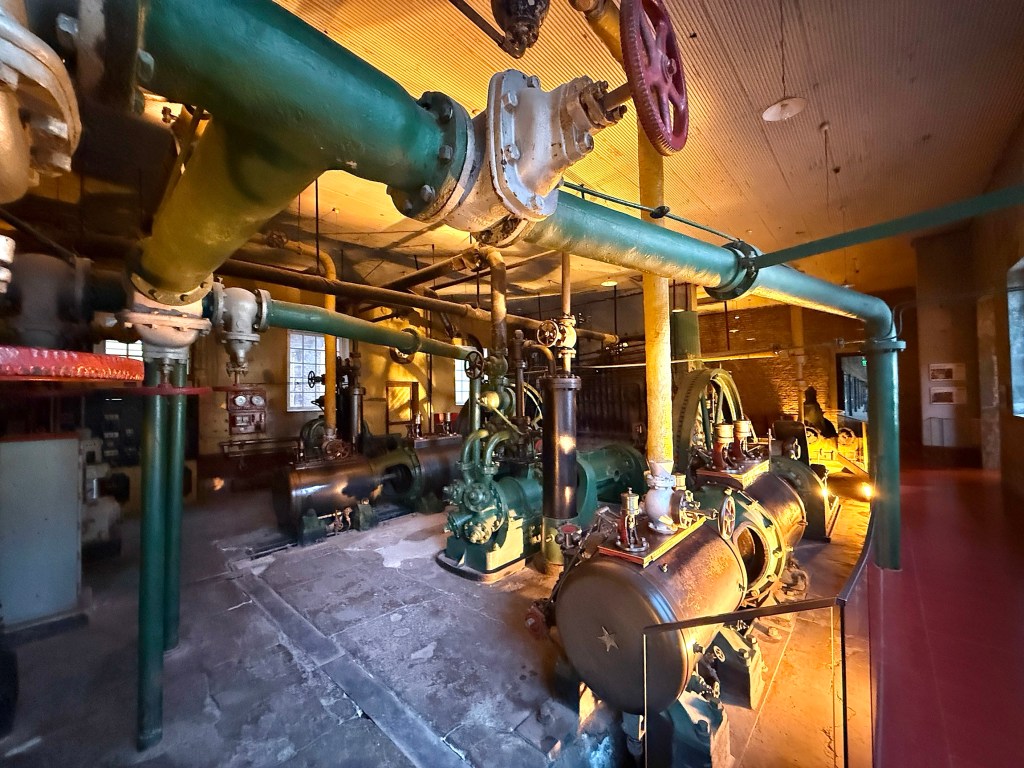
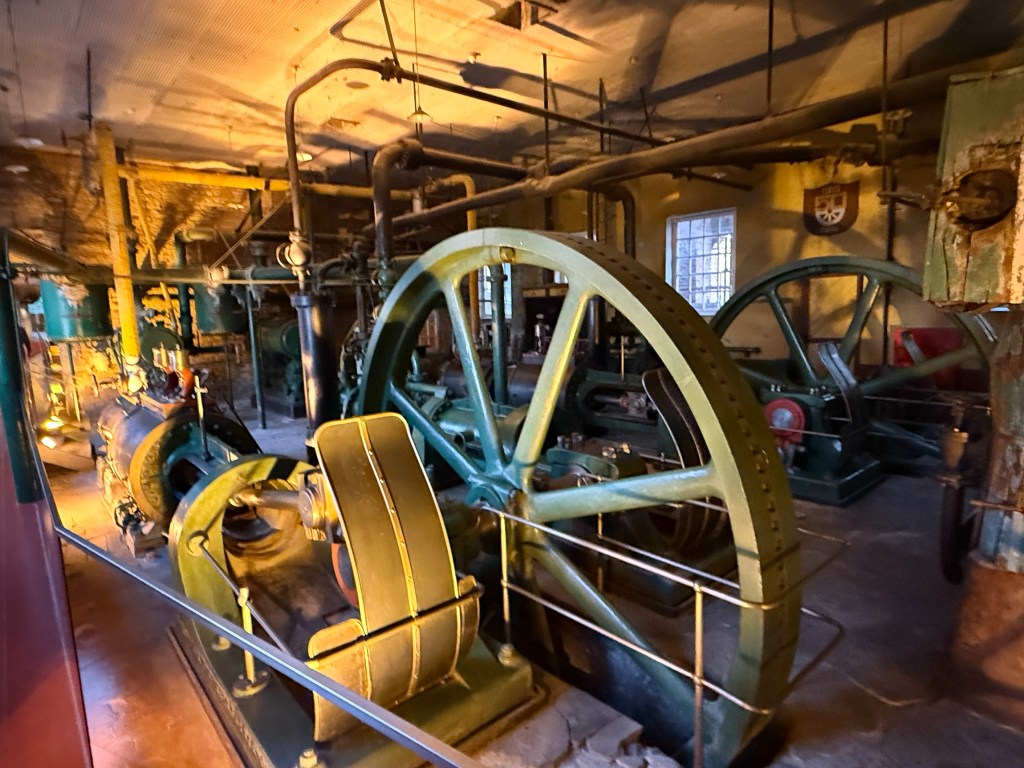
The plant closed in the mid 1950s (I think and will check up). The factory complex was made from bricks imported from England along with much of the machinery.
We were at the Singular for two nights. After a late lunch, we put our feet up and enjoyed the view over the inlet.
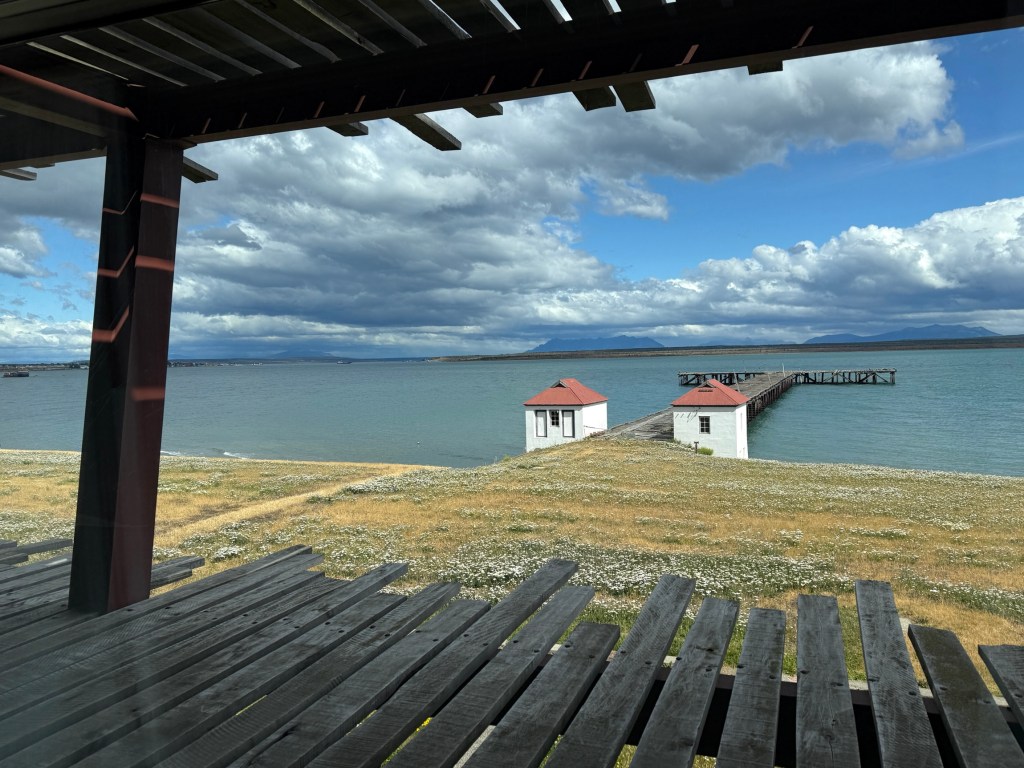
Get away time the next morning was kinder, 8.30 am for the hour or so drive to the National Park.
Perito Moreno Glacier
The glacier is about 80 km south west from El Calafate and our bus takes an hour and a half to get there. It is a big glacier flowing off the Patagonian Ice Field into Lake Argentina. For two or so hundred years up until about 2020 the glacier had been relatively stable, periodically retreating and advancing, but it now appears in full retreat. It is 30km long and the ice formation is over 250 square km.
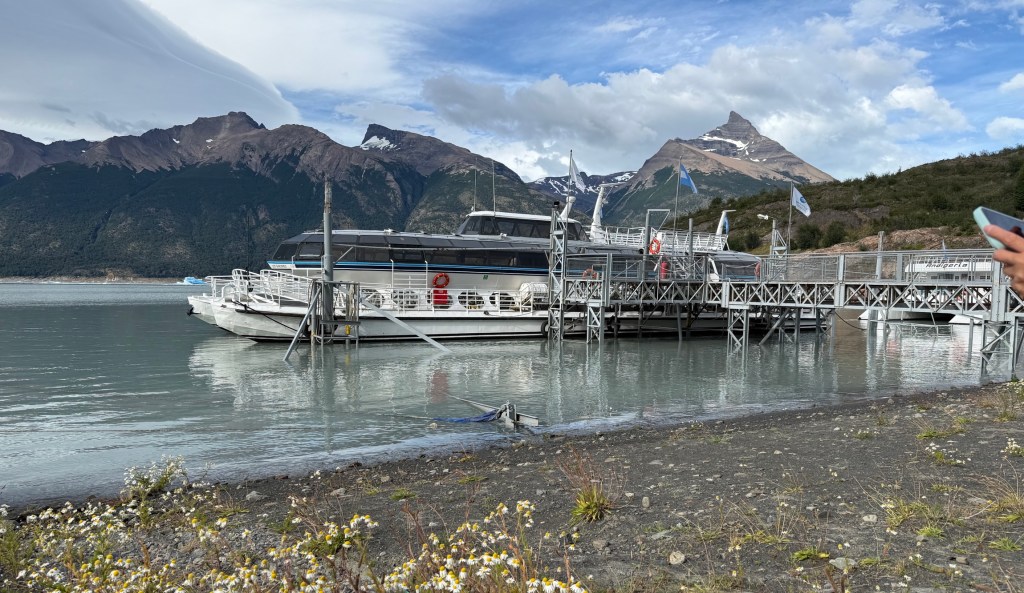
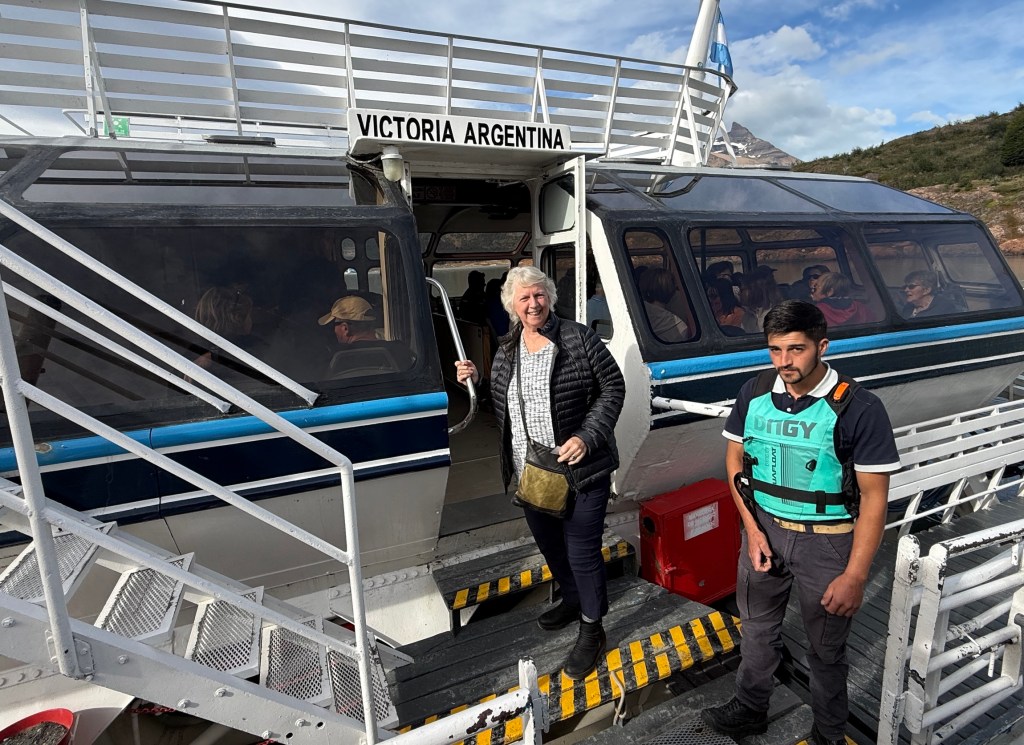
We boarded a catamaran for a cruise back and forth along the face of the glacier, the captain rotated the boat around for some great up close views. A few bergs floating around too that needed avoiding.
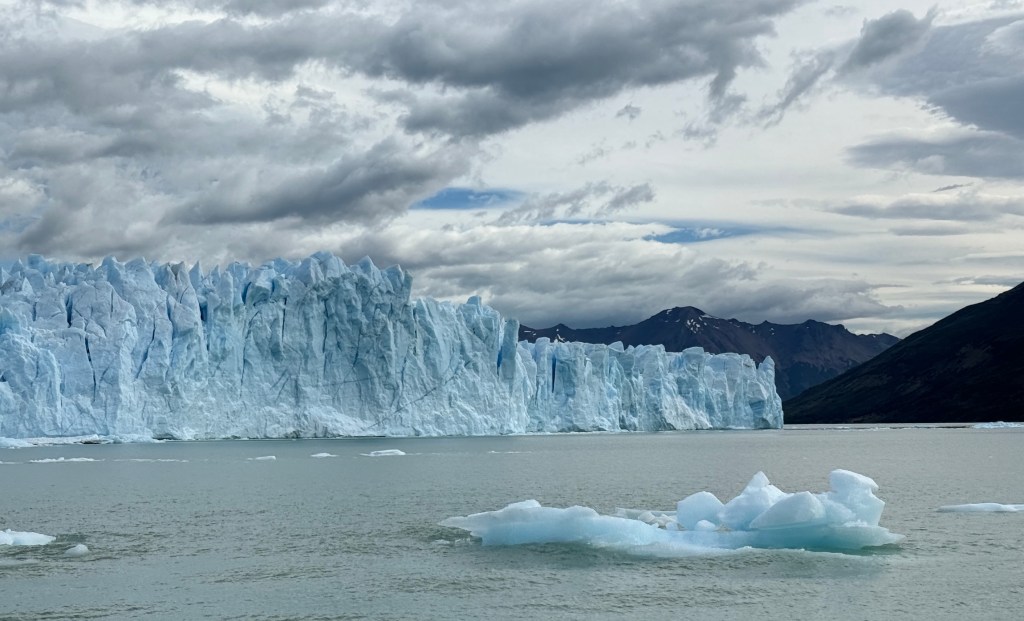
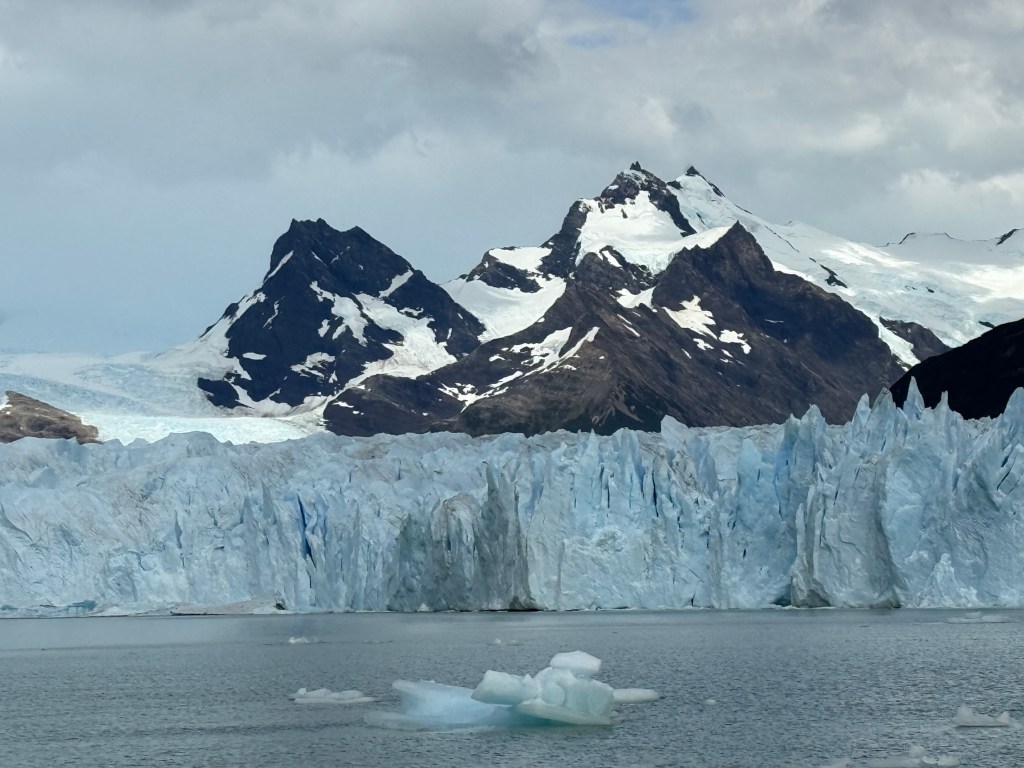
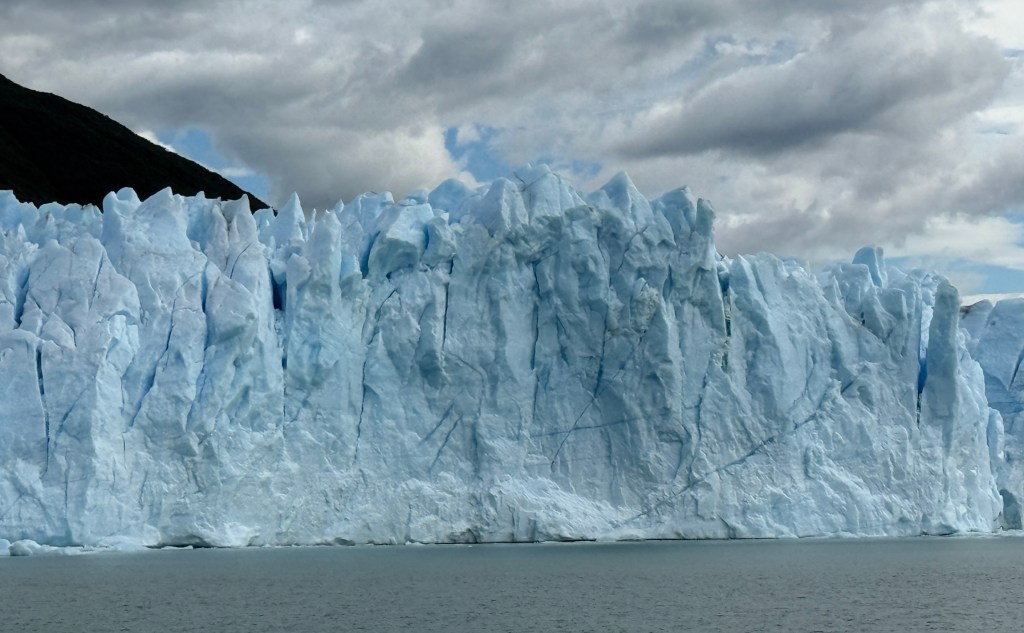
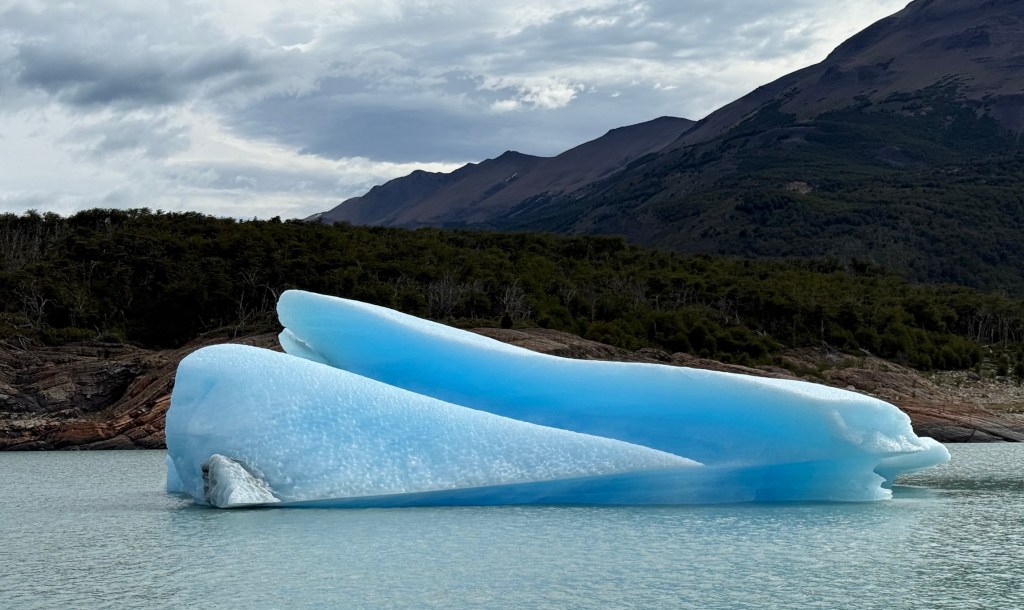
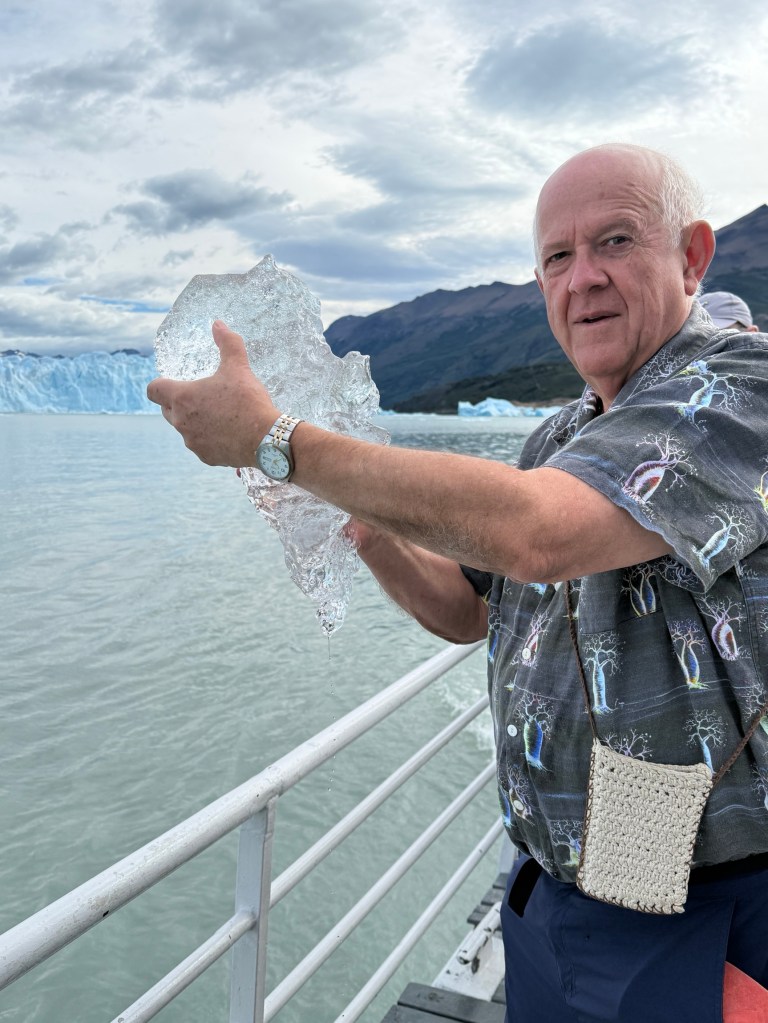
A big lump of nearly clear ice was brought aboard for a close look. No idea how old this would have been!
The face of the glacier is 5km wide and averages a height 74 m above the surface of Lake Argentina.The depth of the glacier is around 170 m and it appears to be moving at about two metres a day.
If one pauses and listens the ice mass ‘groans and grunts’, regularly calving into the lake.
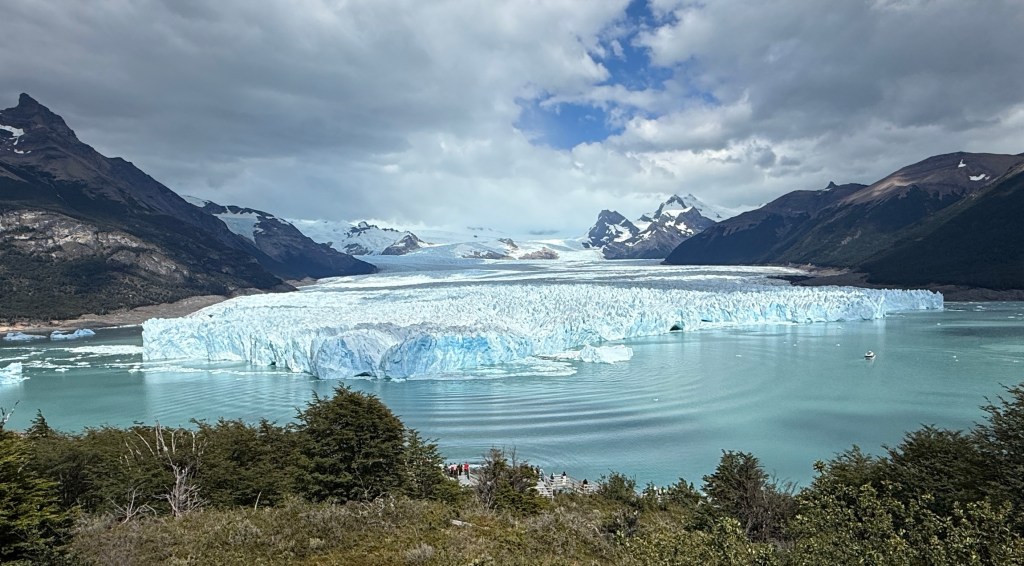
After an hour we returned ashore and ventured into the NP for some free time strolling around the board walks.
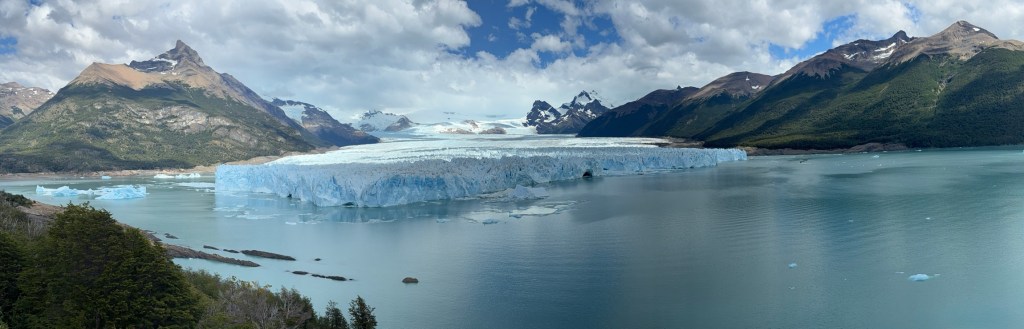
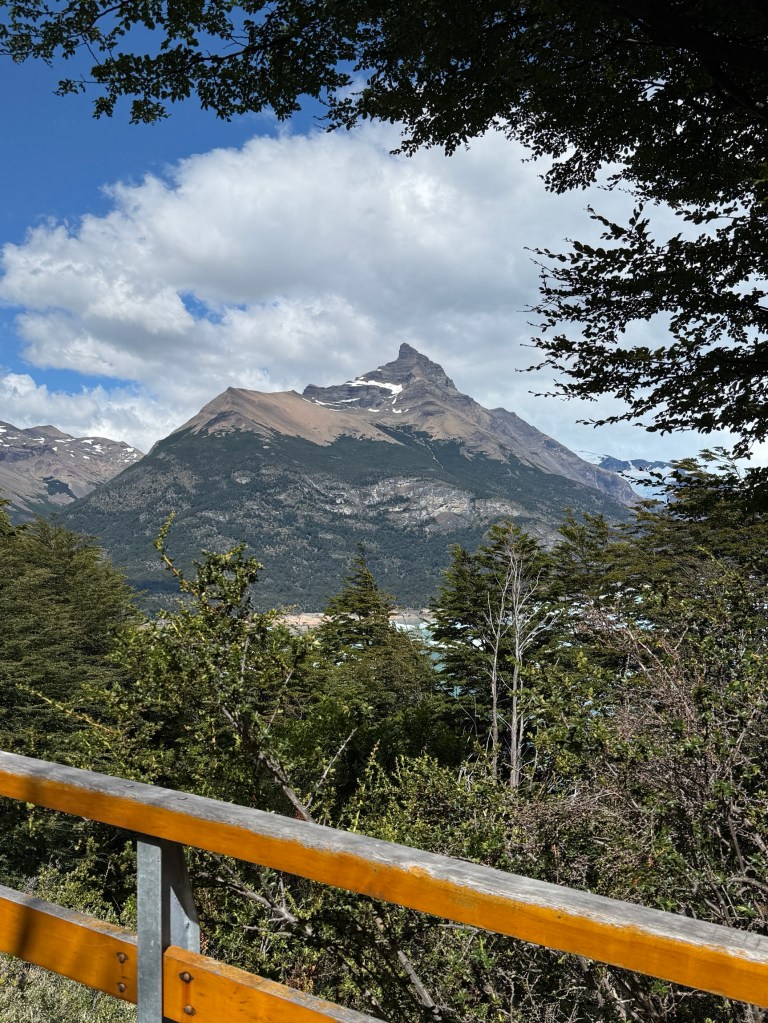
These provided some great views of the top and face of the glacier and the mountains behind.
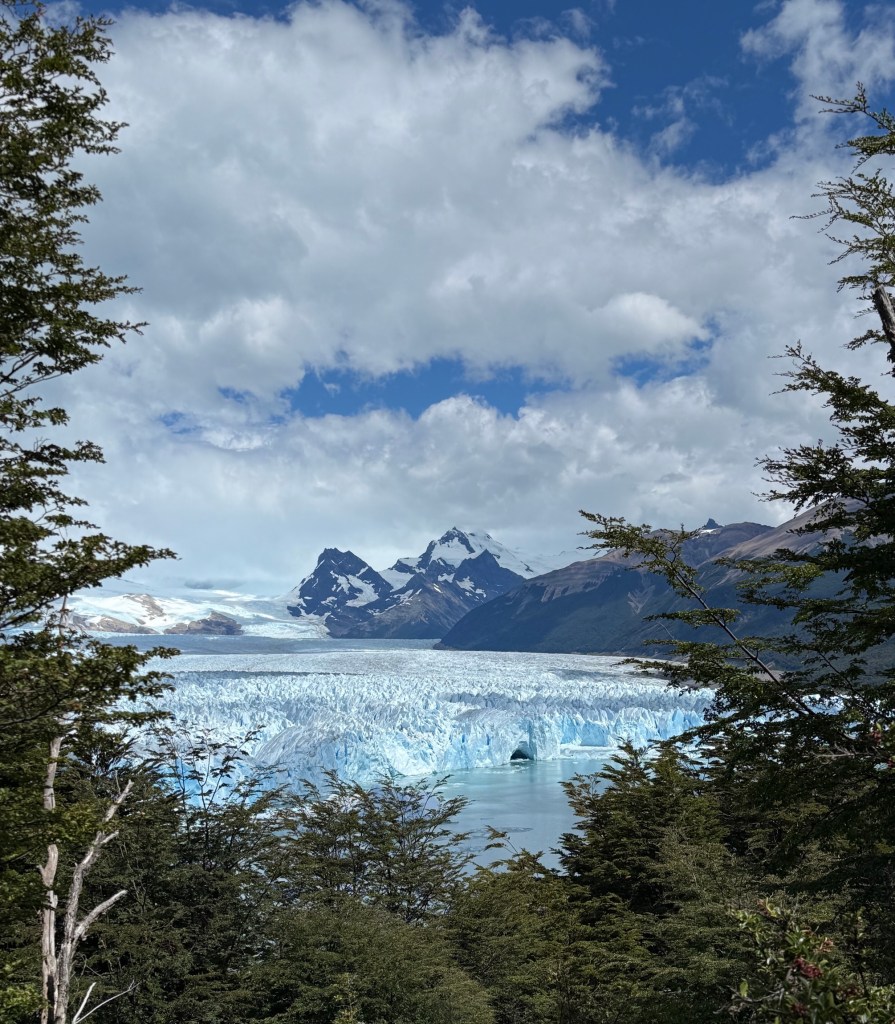
Over the last hundred years or so the glacier has periodically closed the waterway and established an ice dam that has seen water levels rise by over twenty five metres. The dam eventually ruptures and the water level dramatically drops.
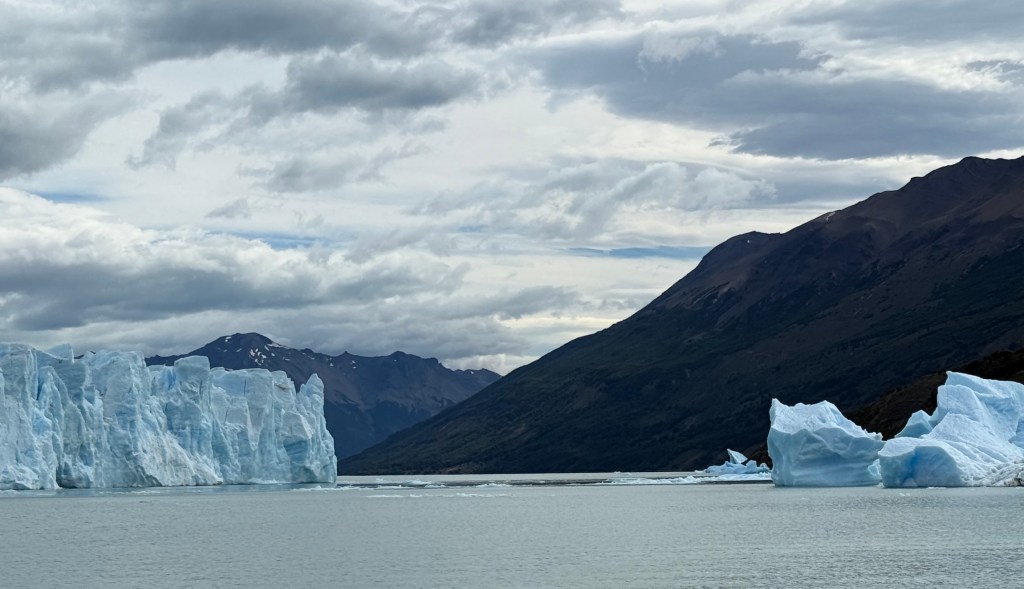
With the glacier now seemingly retreating this is unlikely to occur again in the current glaciation cycle, maybe human induced warming is also playing a role.
Lunch was at the restaurant, looking down on the glacier, and as always it was very tasty. As we left there was an opportunistic special tasting of some sort of whisky with a bit of ice.
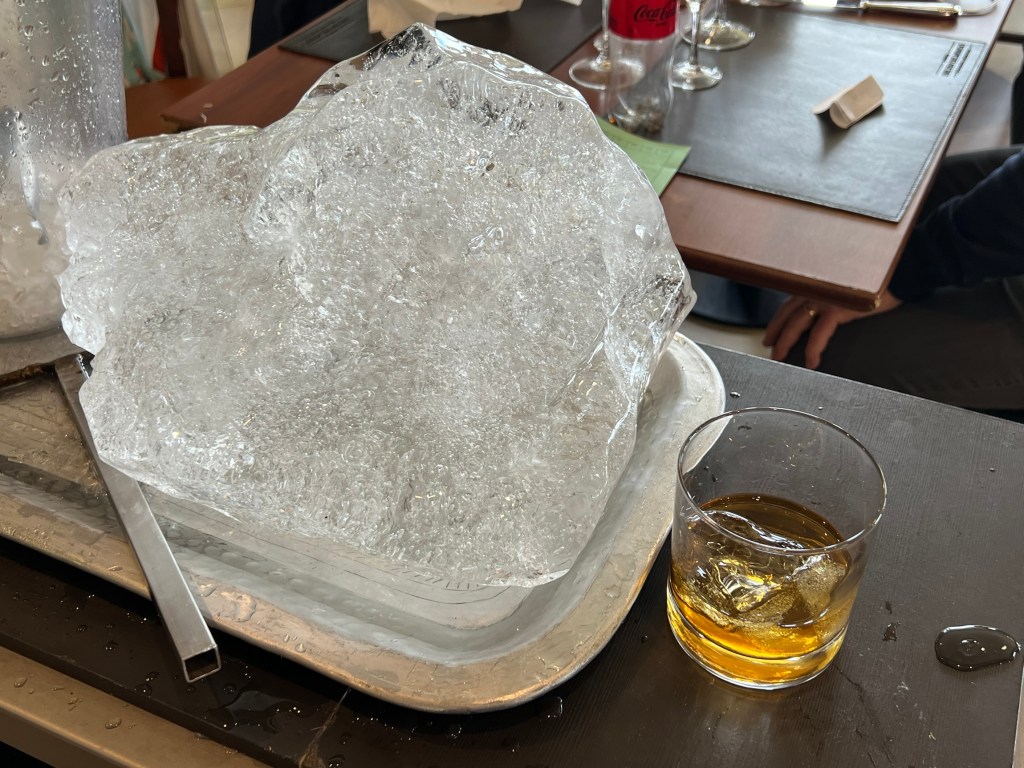
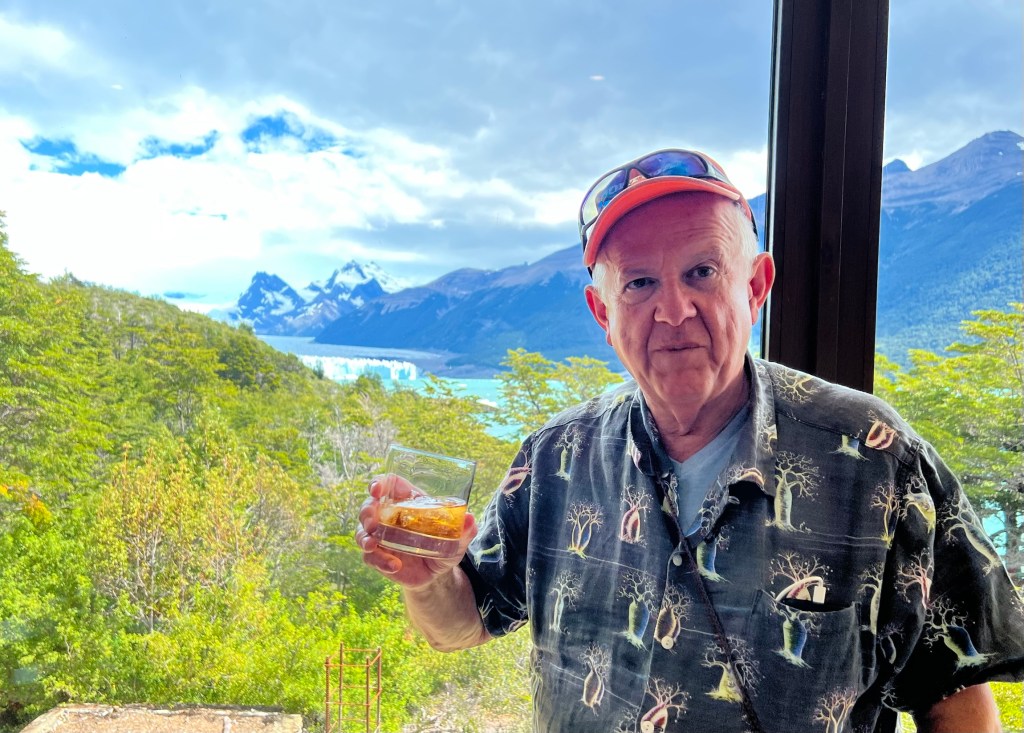
The highlight though was the ice. It was from the glacier. The first time I have had a whisky where the ice was older than the whisky!
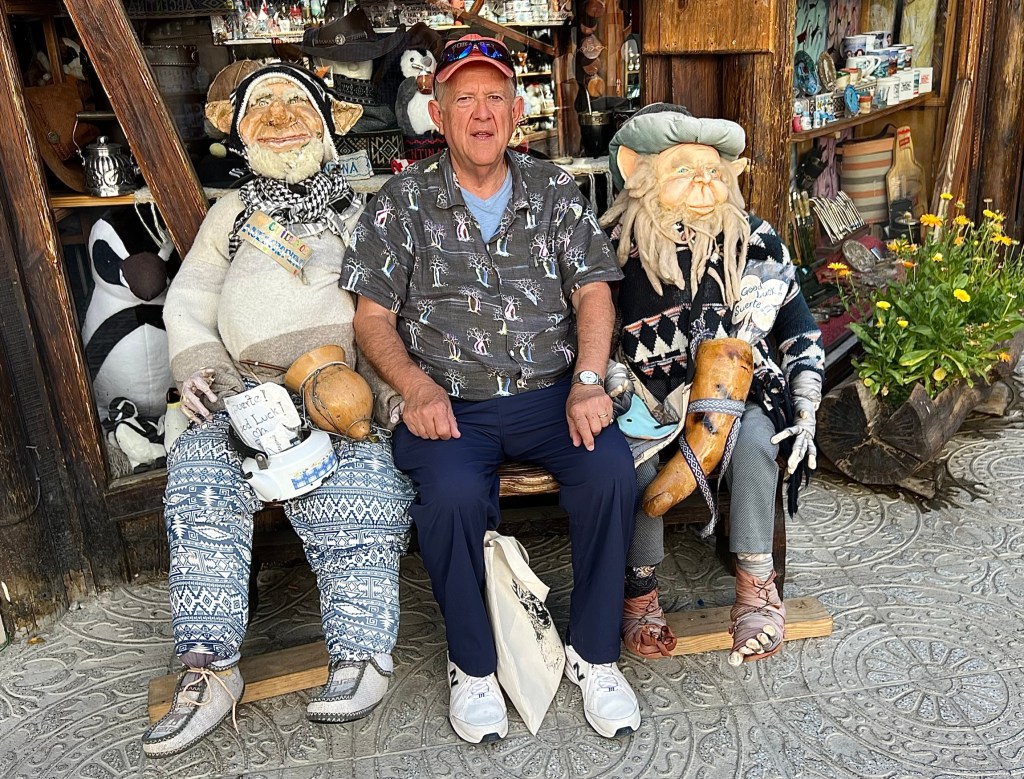
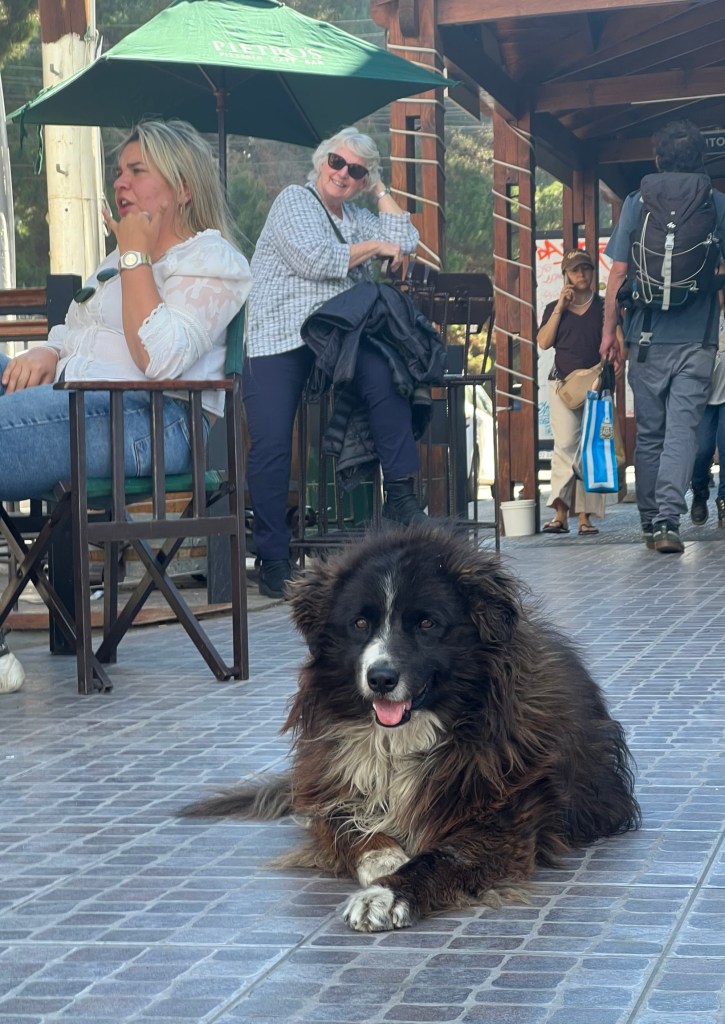
It was then back on the bus to return to El Calafate. We were dropped off in town for a look around and to check out the tourist traps. Of which there were plenty.
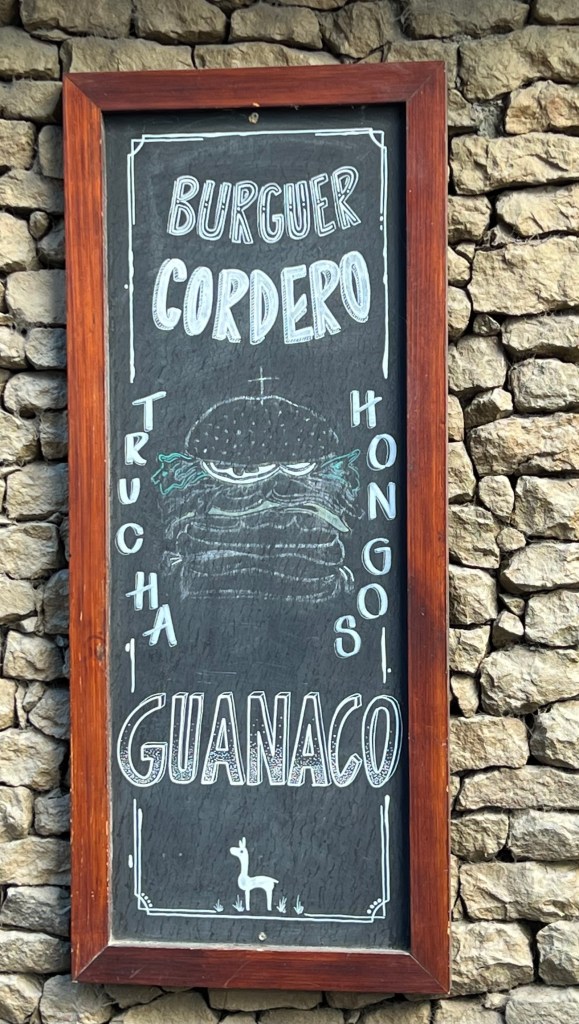
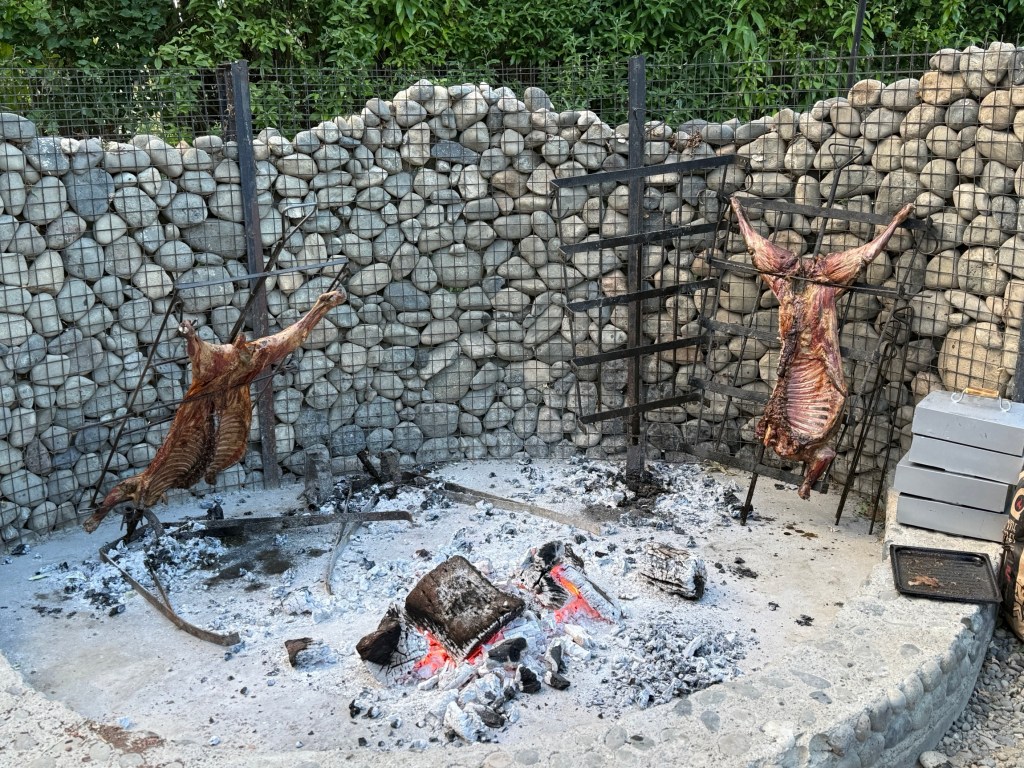
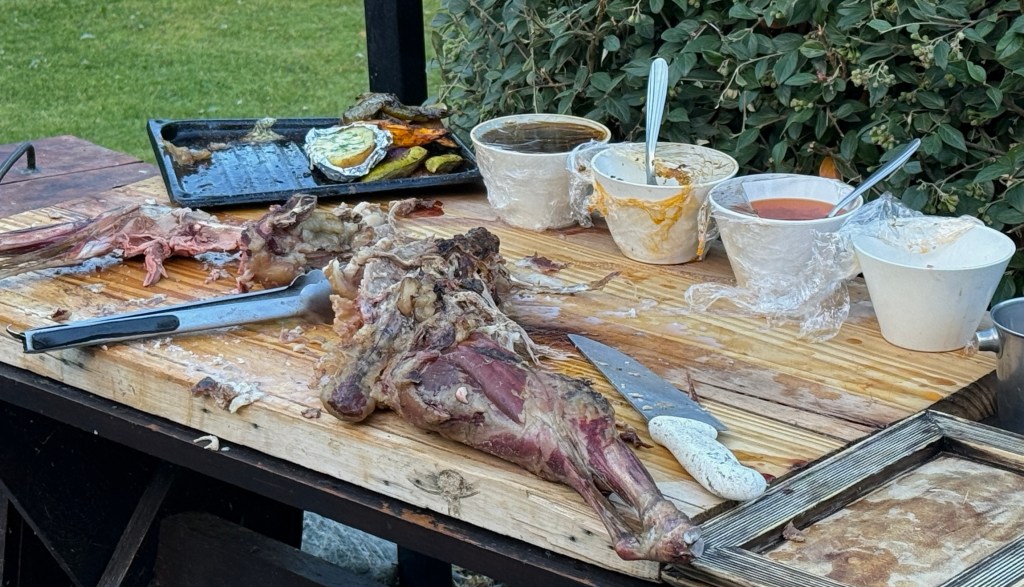
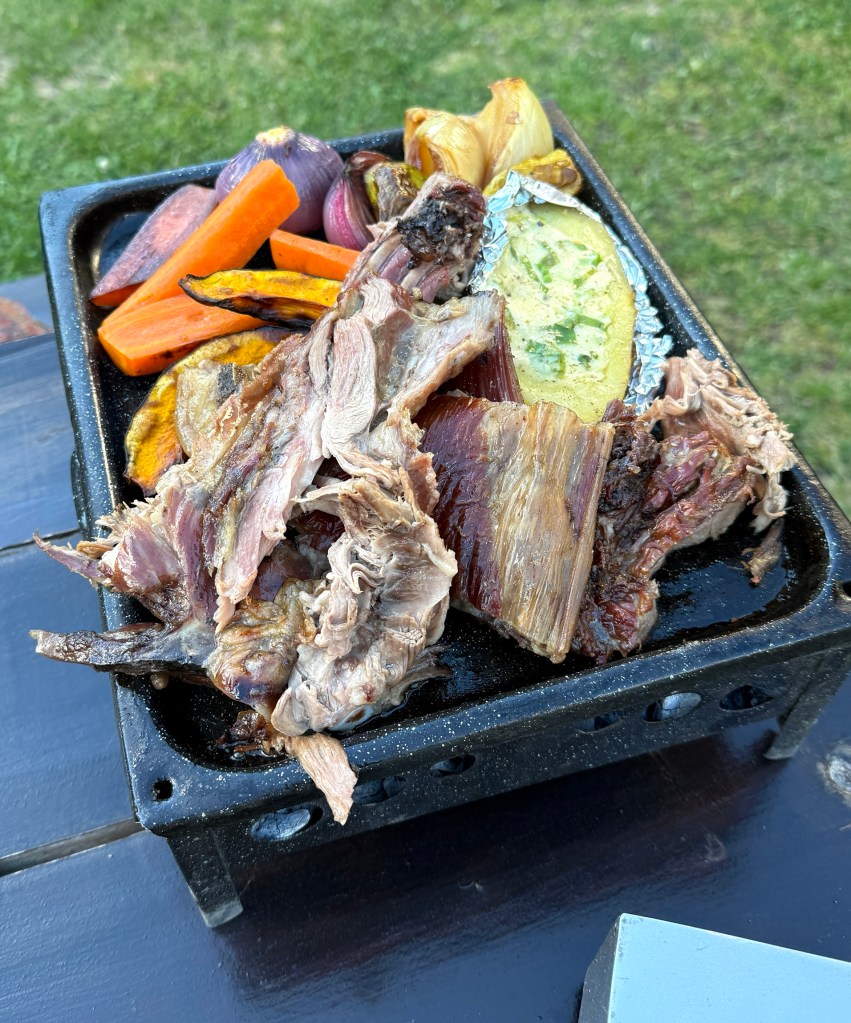
Dinner that evening was a taste of the local delicacy. BBQ lamb and roast veggies, preceded by a couple of empanadas. Quite a process this BBQ, pictures tell the story! Some folk dancing finished the night off.

We left El Calafate the next morning and headed south for the Torres del Paine National Park.
It is a full day road trip of about 370km, on for the most part Route 40, along the spine of Argentina. Will pick the story up in the next post.
Patagonia
We disembarked the Octantis as planned at 8.30am and were to be bussed off to the Ushuaia airport to catch a domestic flight north to El Calafate.
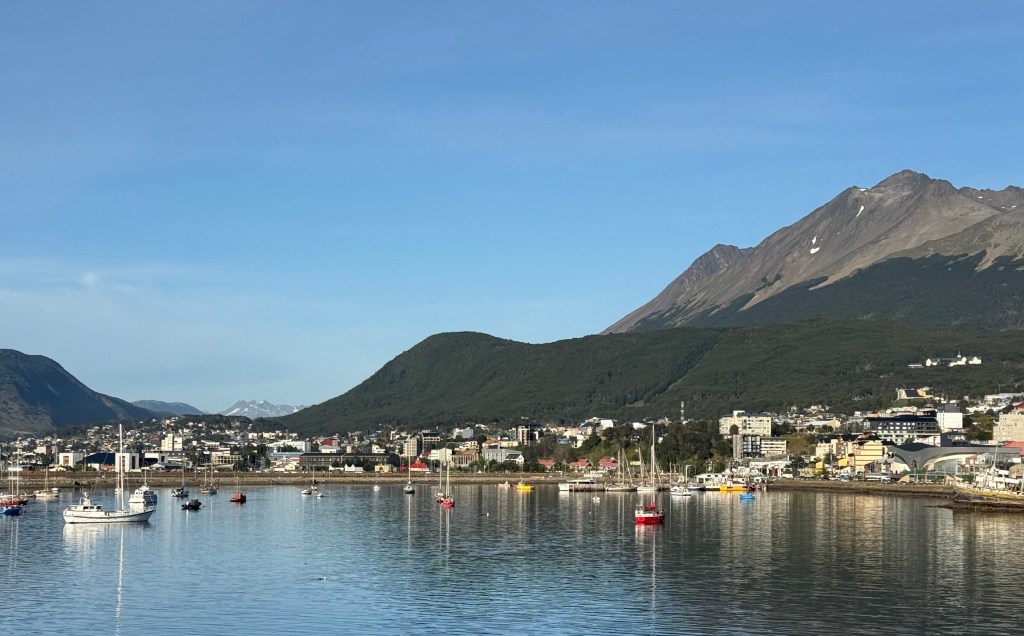

But, first a minor hassle before heading to the airport. One of our bags could not be located. After a few calls around it was eventually found. It had beaten us to the airport and was about to head off to Buenos Aires, not El Calafate. Some intense conversation ensued and the guides made a more concerted effort to prevent it going to Buenos Aires. We were saved by the system and the bag was plucked from the BA cargo and redirected for our collection at the airport when we got there. Which we did! So all was ok in the end. The airport was a nightmare, it took us a bit over two hours to check in and go through security. Apparently, a number of cruise ships were disembarking and cruisers were leaving town but at the same time arrivals were coming to take their place on the ships.
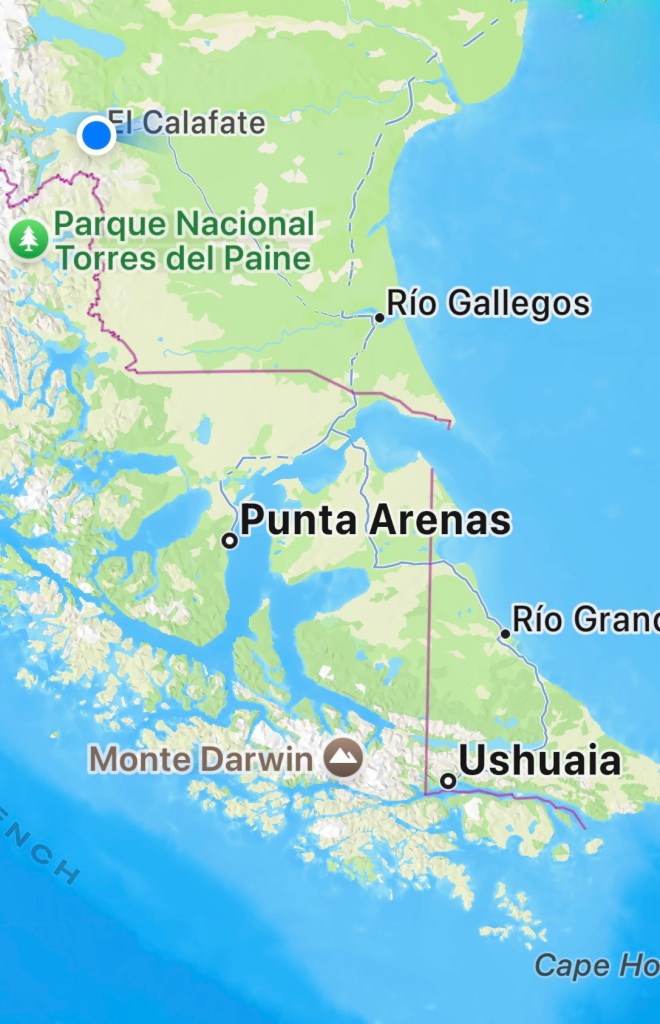
The plane left on time despite all the people and made its way up over the Andes for the one and a half hour flight to El Calafate.
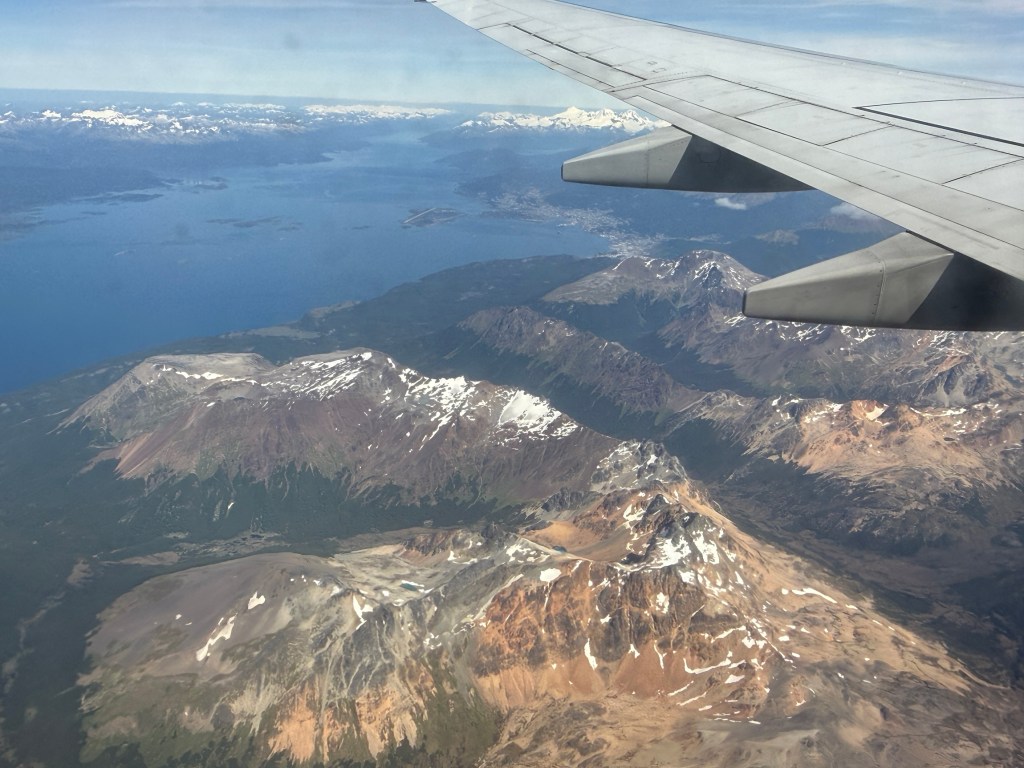
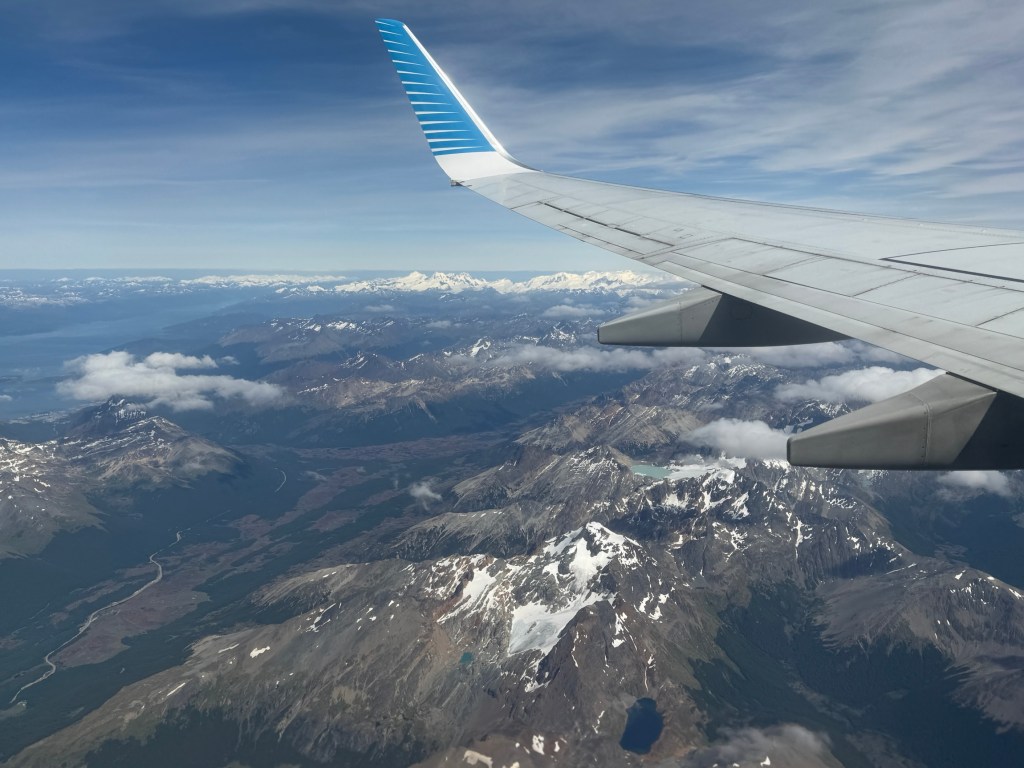
El Califate is located near the edge of the Southern Patagonian Ice Field, third largest after Antartica and Greenland. The city of 30,000 is located on the shores of Lake Argentina, which is fed by the melt from the numerous glaciers flowing down from the ice field. The lake is the largest in Argentina, average depth is around 155m with the deepest point at 720m.
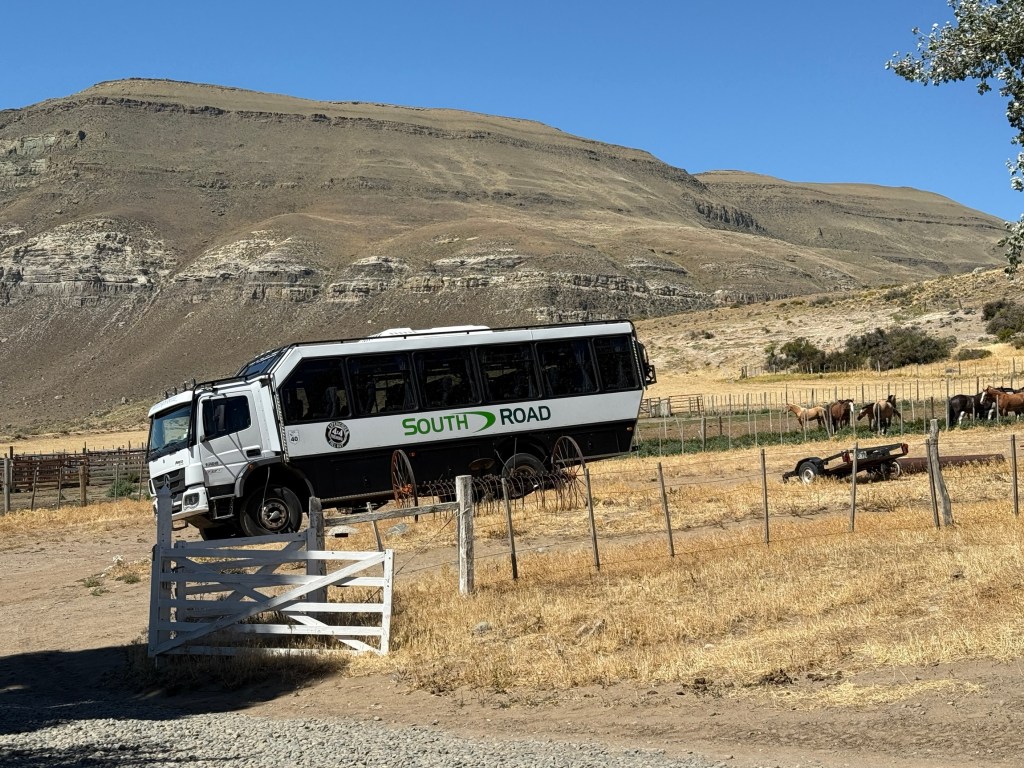
We arrived before being able to check into our hotel. The solution was to take us off in a Mercedes Benz troop carrier with articulated wheels that allowed it to crawl up steep inclines and get to high places. This generally excited Leanne!
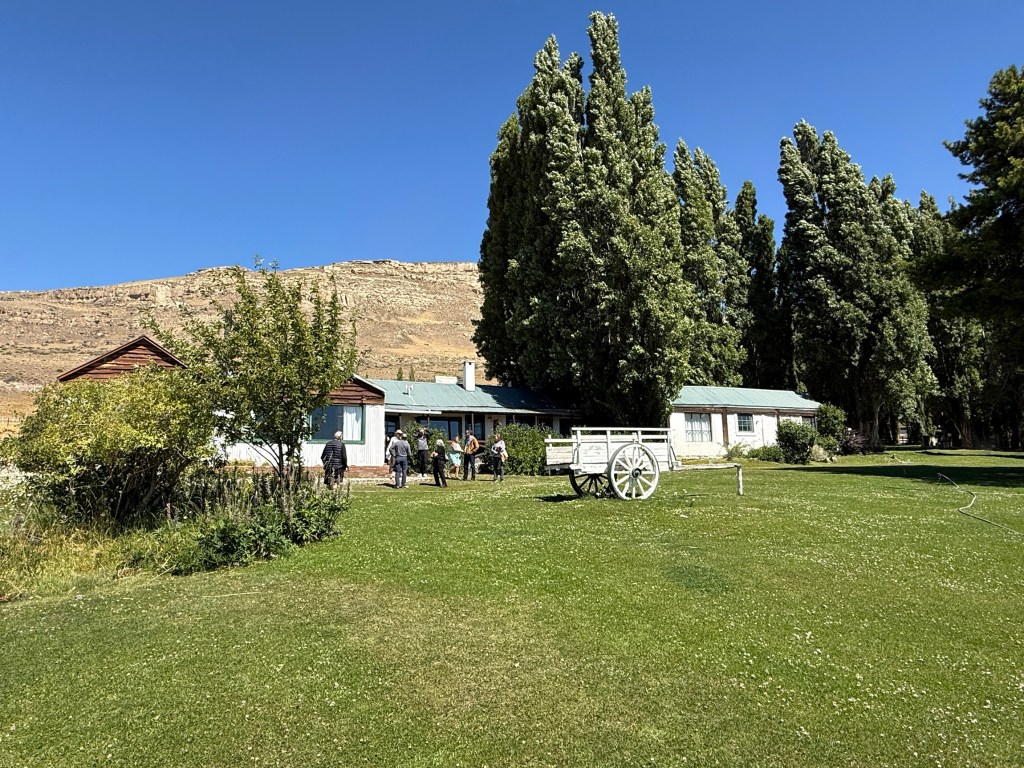
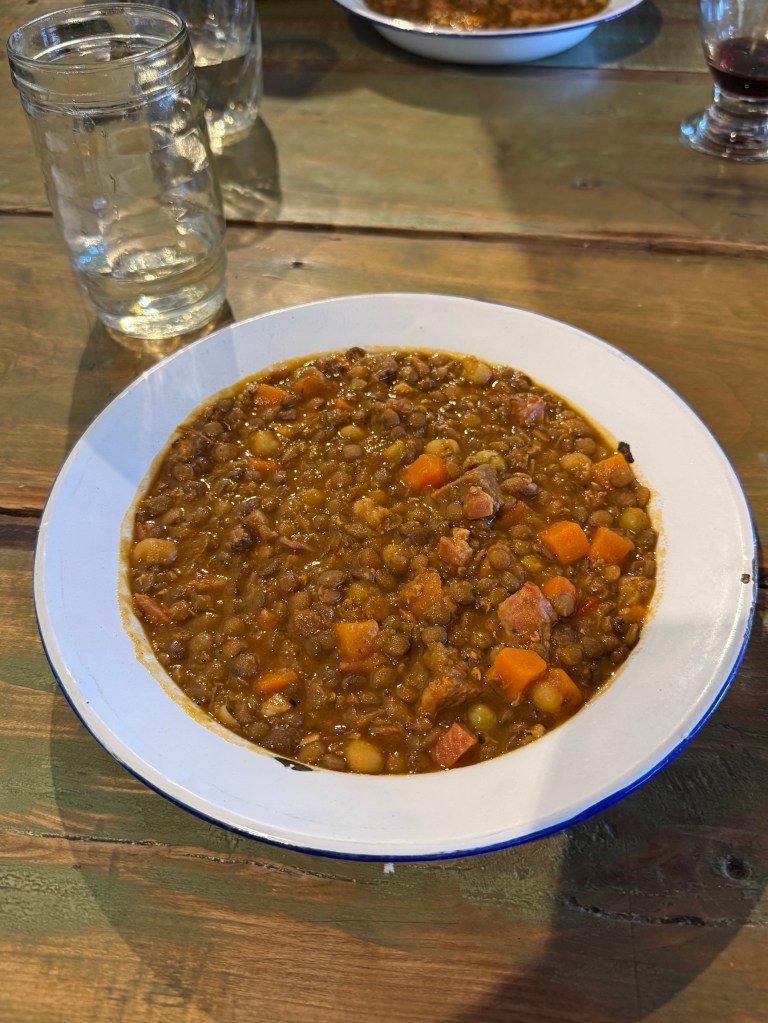
We first had lunch at Huyliches Estancia. An ‘Estancia’ is essentially what we know as a ranch. In these parts ranches were historically big in the sheep meat and wool trade. In the last half of the twentieth century many shifted to cattle. Today this one doesn’t do much ranching, it is quite close to the city and focusses more on tourists. We had some tasty empanadas and a traditional ‘hiker’ stew.
After lunch we returned to the Merc and began the ascent of what is known as the Calafate Balconies. Magnificent views over the city and Lake Argentina, about 700ft up as I recall.
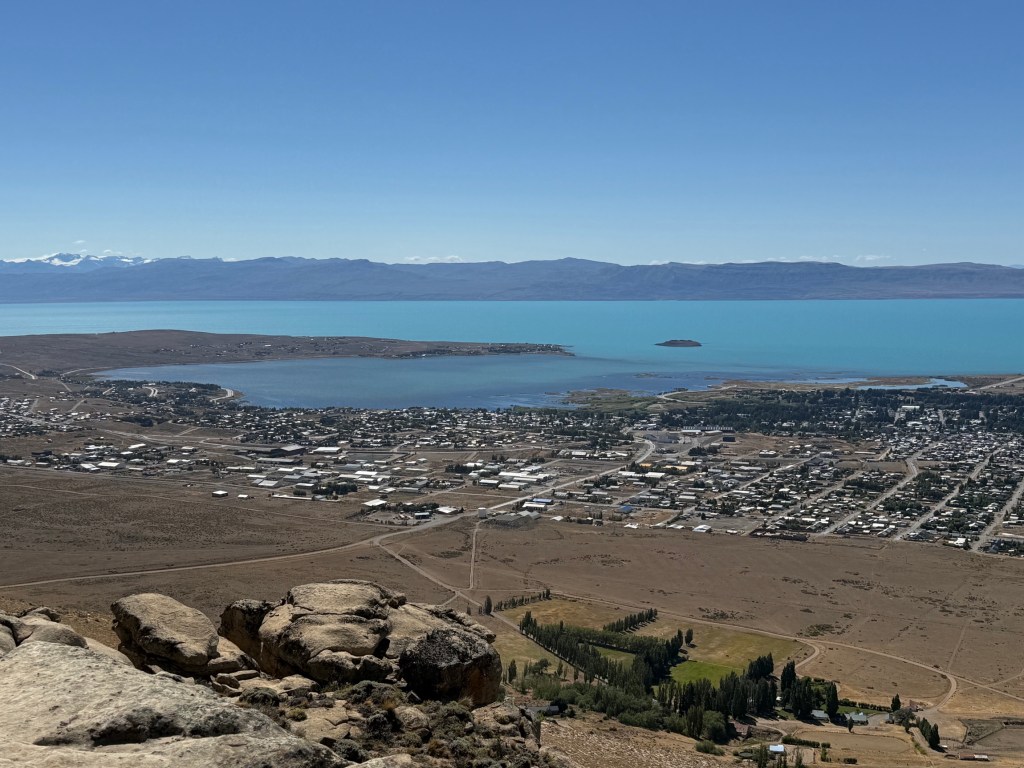
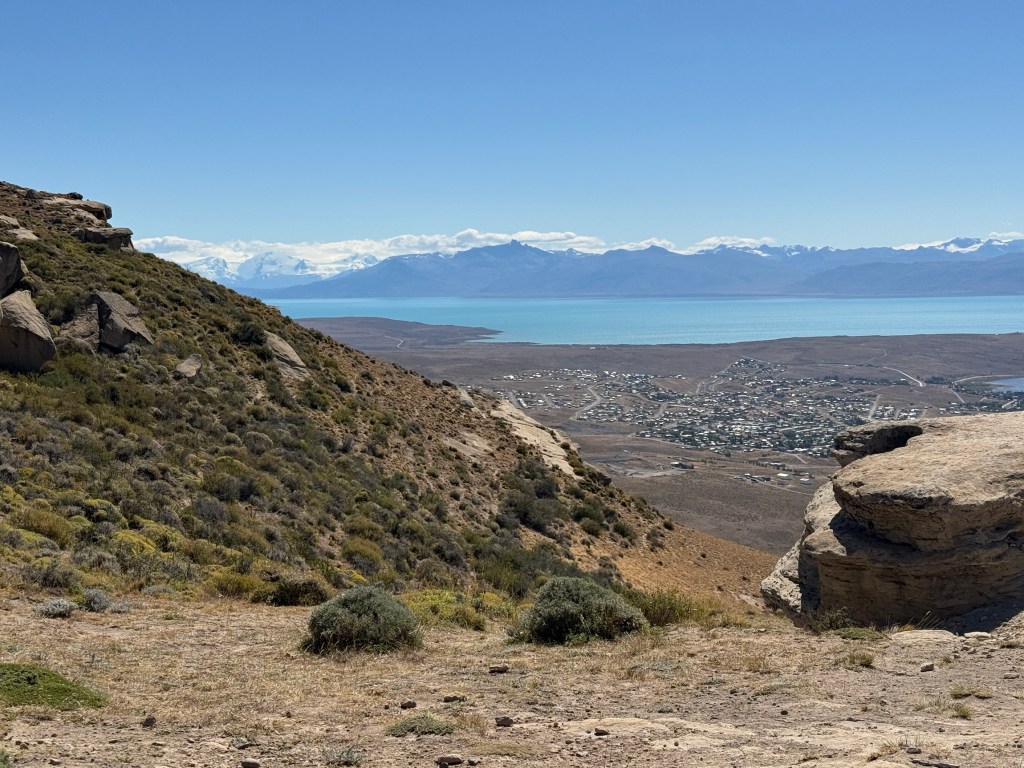
From the Balconies you get a clear view of how the landscape was carved by successive periods of glaciation. It is like a step ladder descending to the current level of the lake, each step being a seperate glaciation event digging the lake lower and lower.
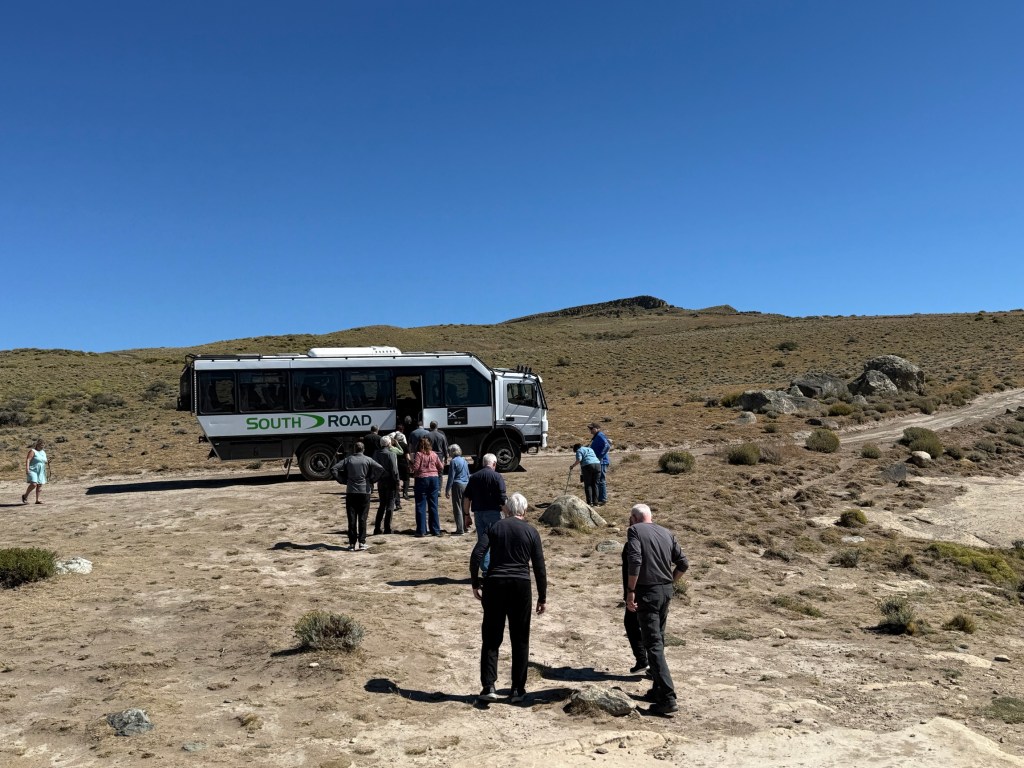
On our way back down we had time for a flat tyre to disrupt things a bit. The driver mucked around with some special stuff trying to reflate the tyre but this didn’t work. So, he eventually managed to raise the flat tyre and wheel up, doing the same on the other side, and we resumed our descent on a single set of wheels on the back and two on the front. Great vehicle!
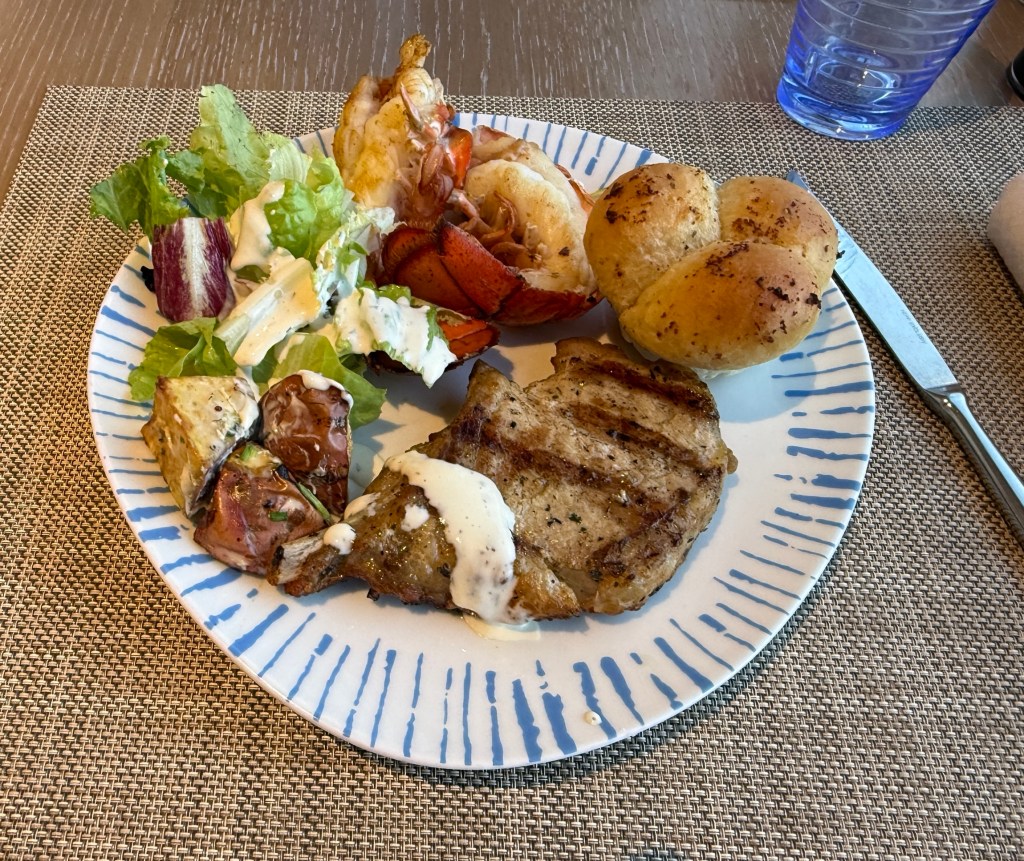
Back at the hotel we settled in over dinner and enjoyed a little Tango exhibition among the tables.
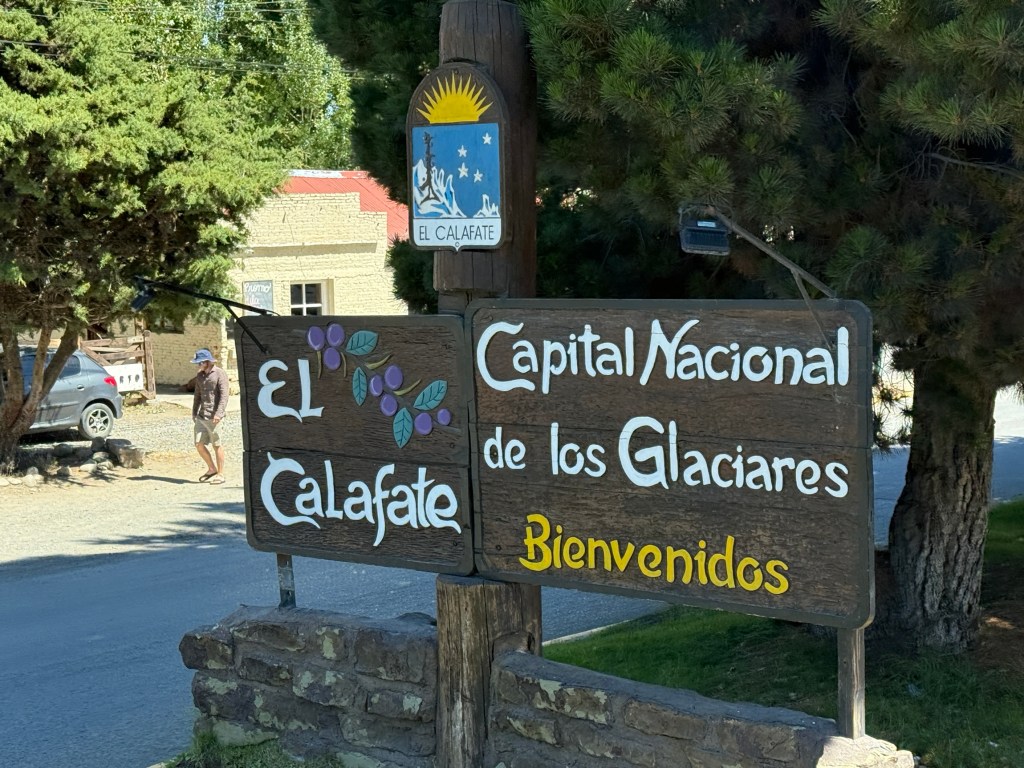
Next day we headed off to Los Glaciaries National Park, an 80km drive, for a viewing of the giant Perito Moreno Glacier. Till then.
The lesser of two weevils.
We are heading back across the Drake Passage over the next two days, the weather is forecast as less than ideal. Some strong winds are whipping up the sea. The original itinerary had us going around the Cape Horn area, but the wind and sea conditions are forecast to make this unpleasant for 21st century cruisers, so we are heading more directly to Ushuaia. Reminds me of that Russell Crow movie ‘Master and Commander’!
Also aiming to keep ahead of the weather to avoid the worst of it. So it is mostly eating!
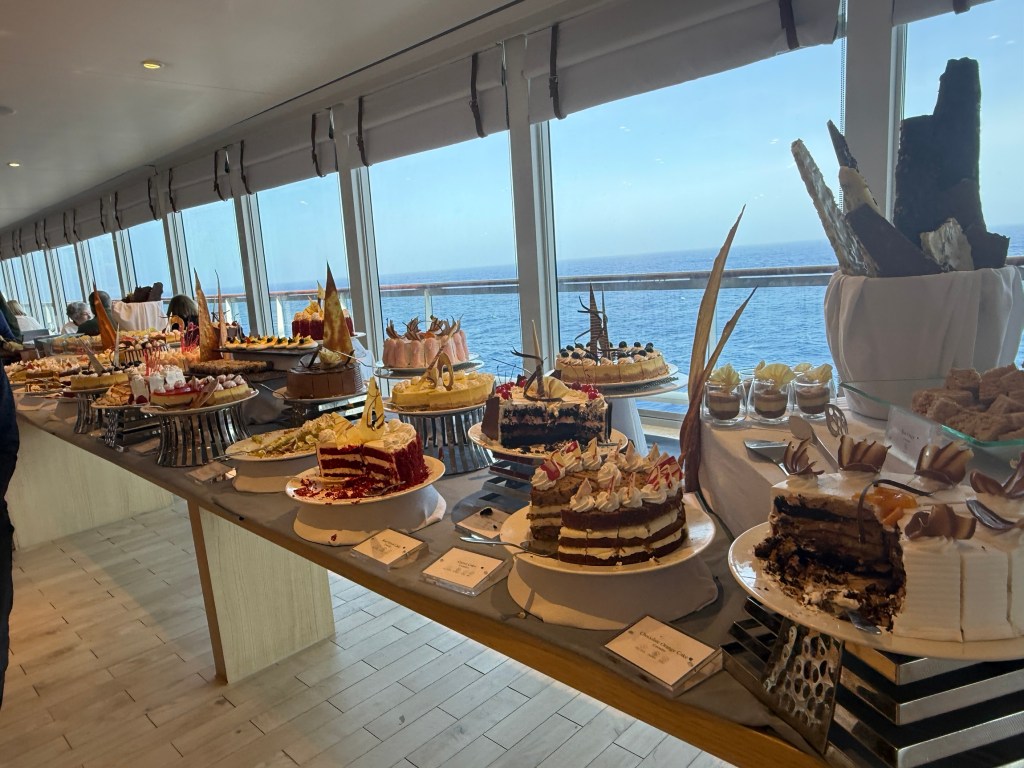
A bit of rock and rolling doesn’t worry us. We are in cabin 3003 which is at the front of the bow. So the swells get us both ways, the bow dipping into the sea and also rolling a bit as the swell comes across our course. Generally, we like being in the middle of a ship, tends to minimise these issues.
Probably 80% of the cruisers on board are Americans, a few Brits and Europeans, Japanese. Then miscellaneous types like Aussies. Australia Day came around snd Allthego talked the contemporary duo into doing Waltzing Matilda at their 9pm slot. They had never heard of it, so Allthego gave a brief rendition for their info, Homealone thought it was a pretty good effort!
It was a good performance and there were a few claps from the onlookers.
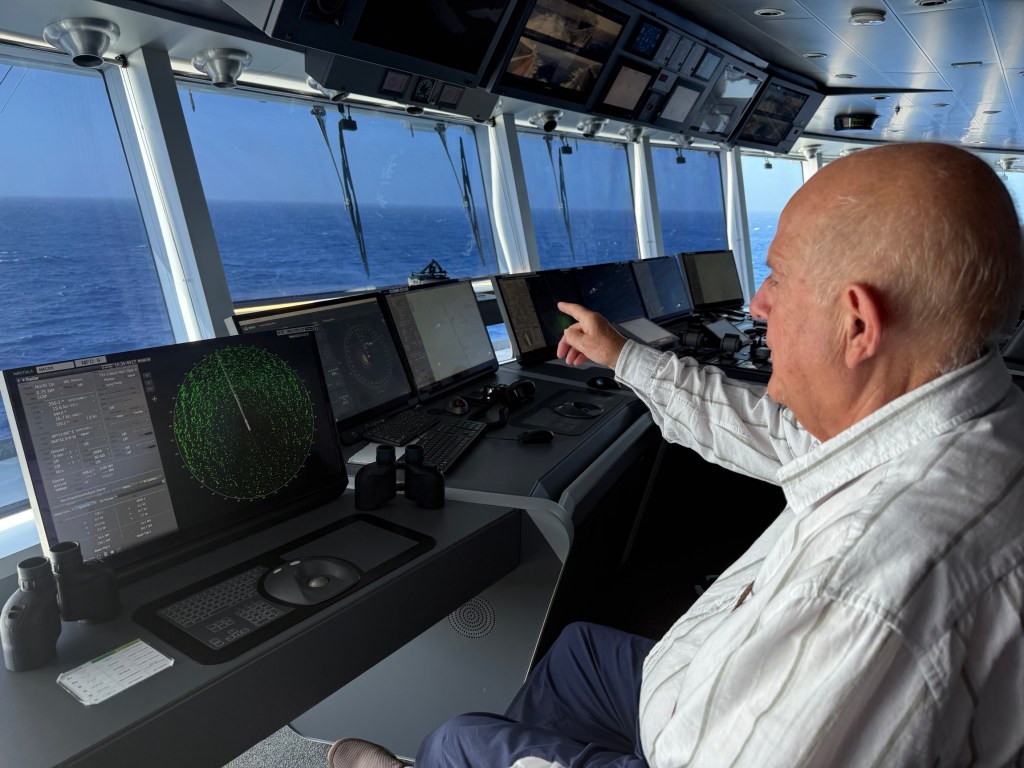
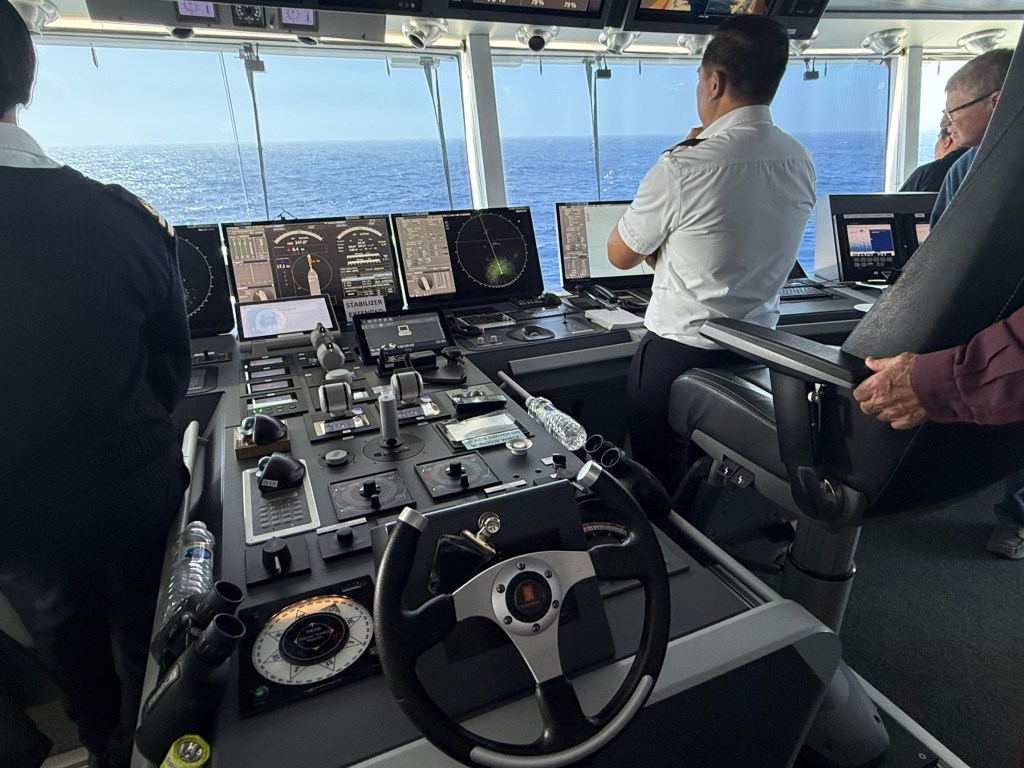
There was also a tour of the bridge, interesting place. Lots of mod cons to keep the ship going the right way. There was still a chap on lookout for anything untoward ahead of us.
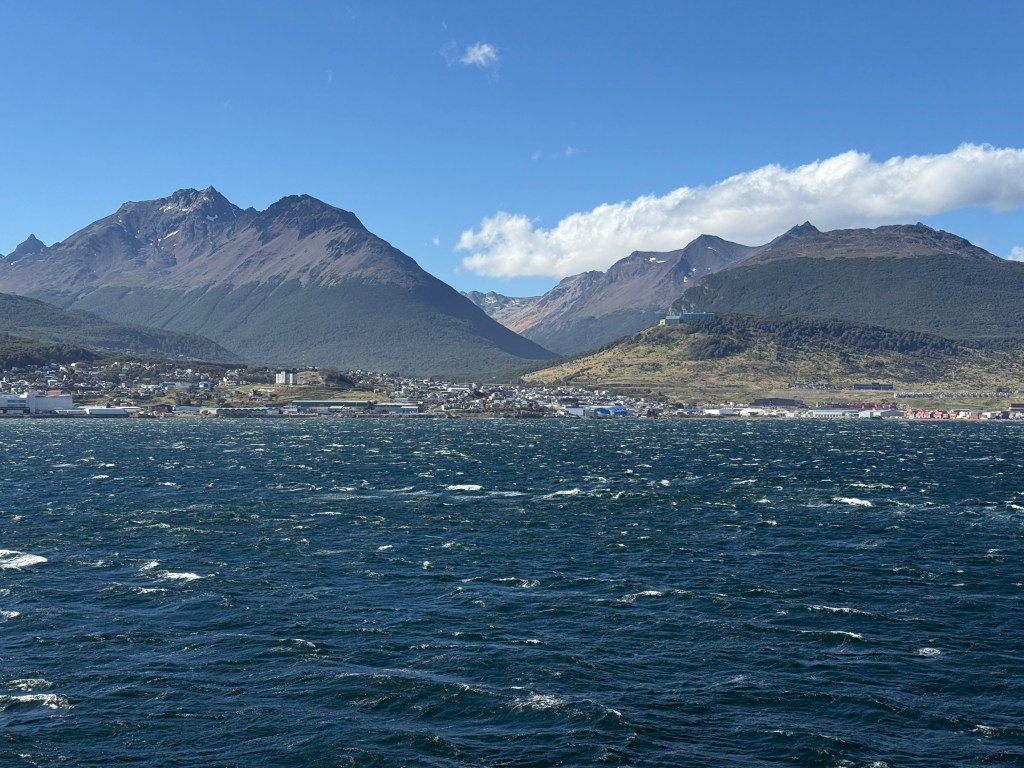
The seas calmed down coming up the Beagle Channel but the wind didn’t and we had to delay docking for over an hour while conditions improved.
It was a sunny early evening waiting in the Channel, some great views.
Come our last morning we are soon to depart the ship and head off on our trip north to Santiago exploring the Patagonia region along the way for a few days.
Last footsteps
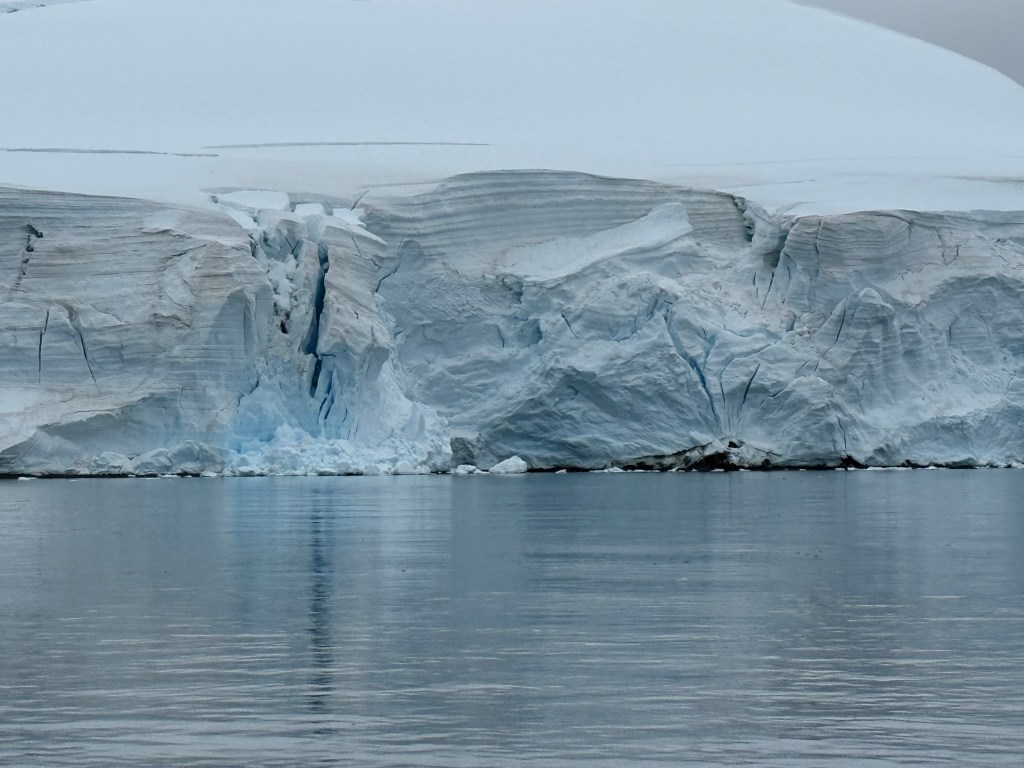
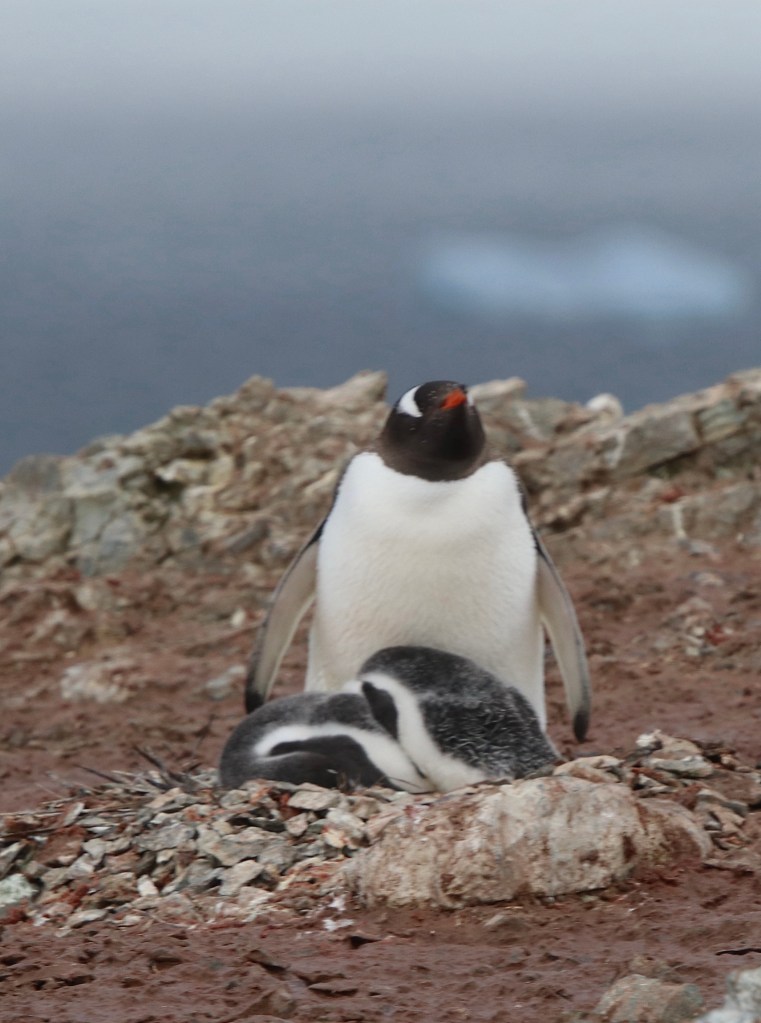
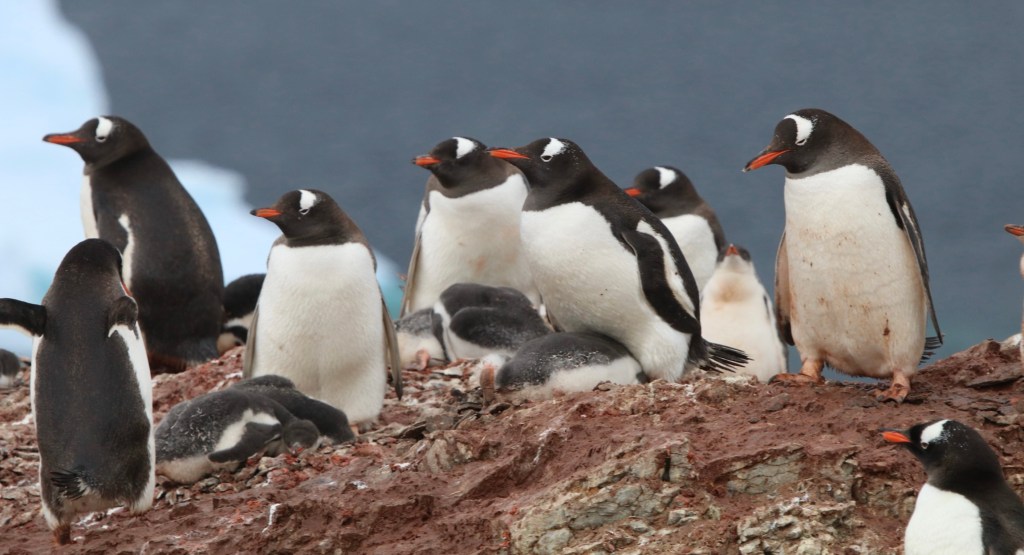
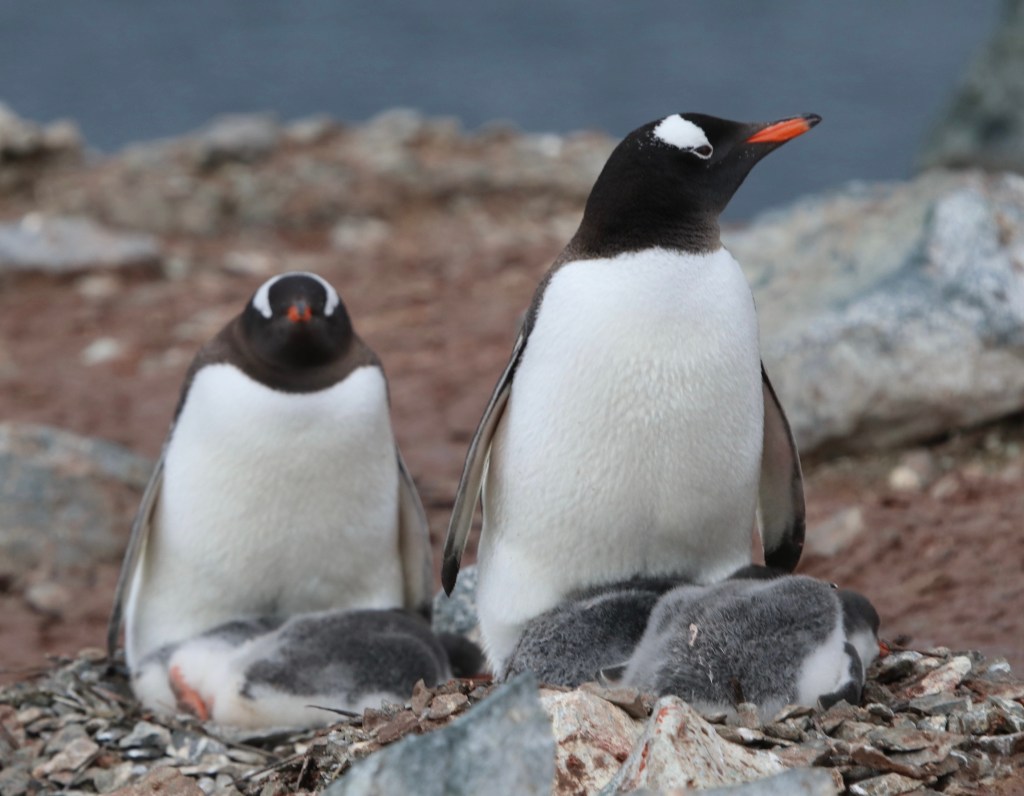
Danco Island is our last stop on the Antartica Peninsula and like the first, just on a week ago, it is on an island with a Gentoo colony. More penguins!

The map shows where we are (7), as well as the previous stops we have made in these parts.
The landing spot has a lot less snow than the others we have stopped at, the path leads uphill from the shore in a series of S bends to get to the Gentoo colony. A bit slippery in spots and some of our group had a couple of falls. Not easy going particularly downhill.
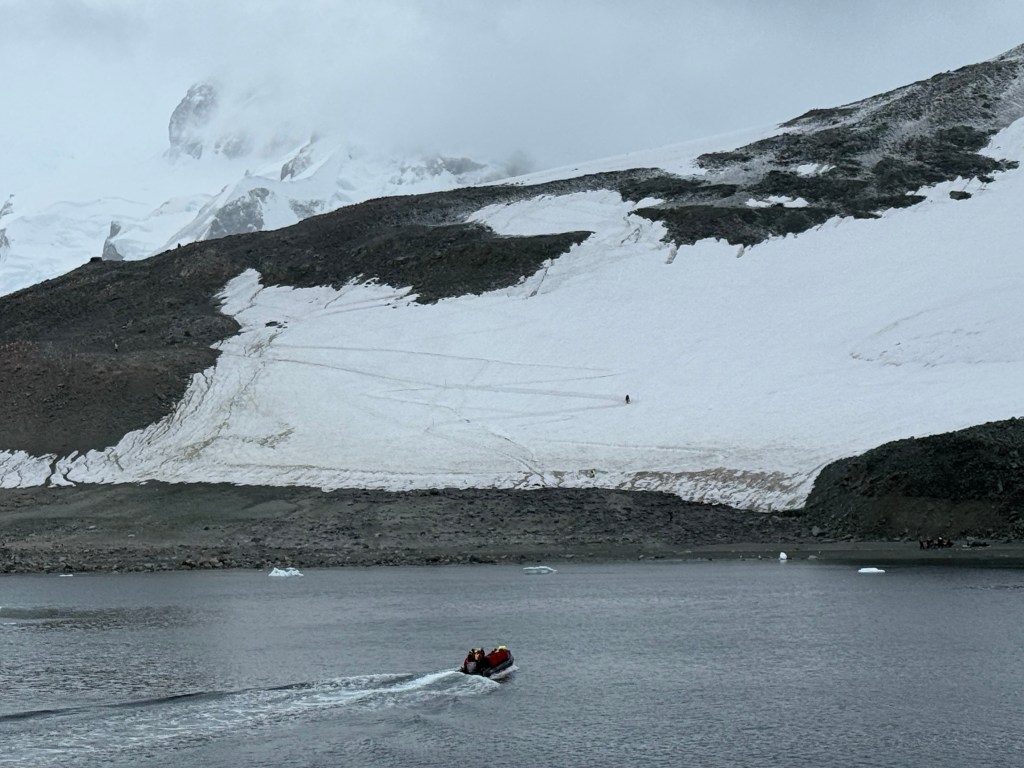
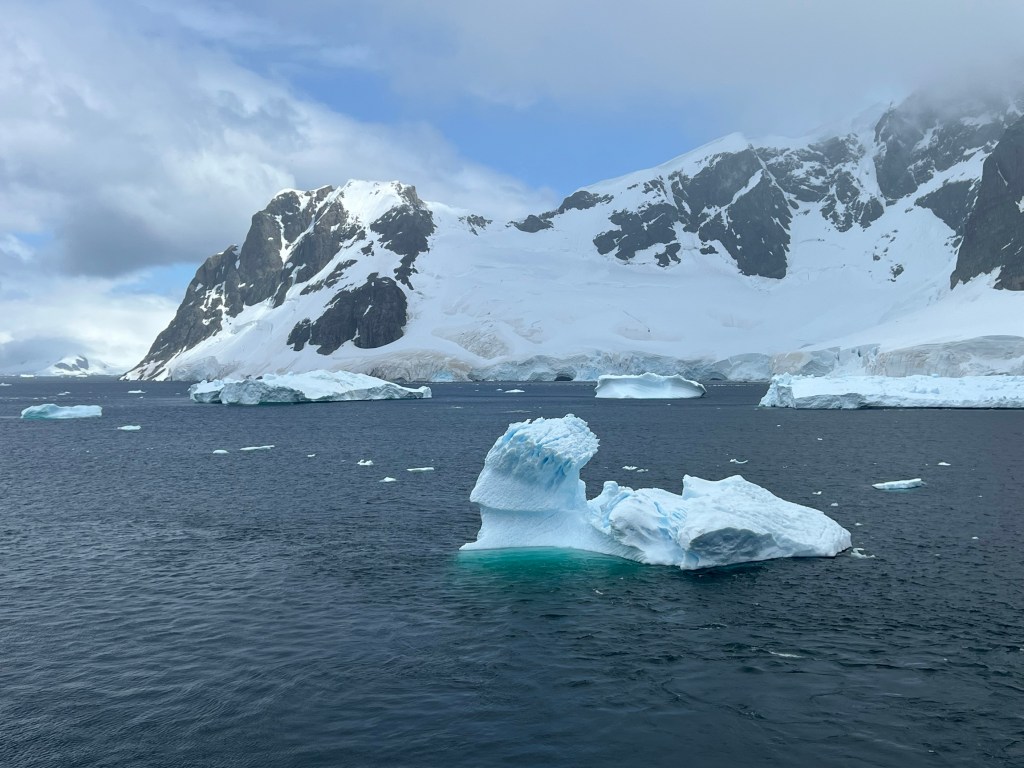
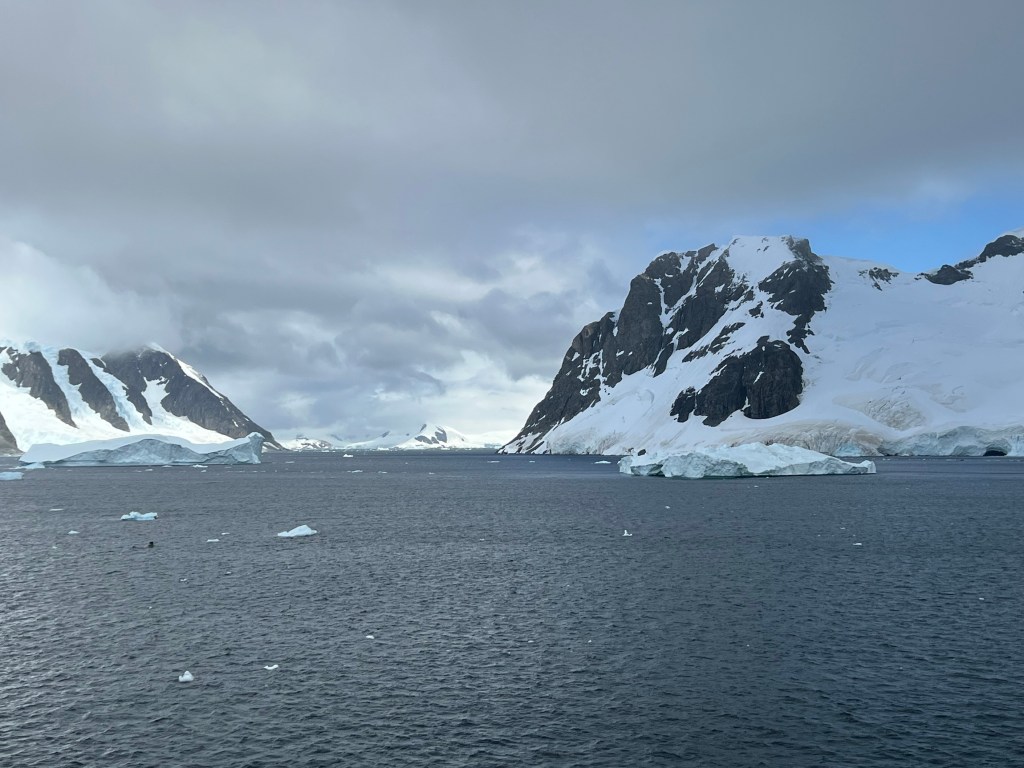
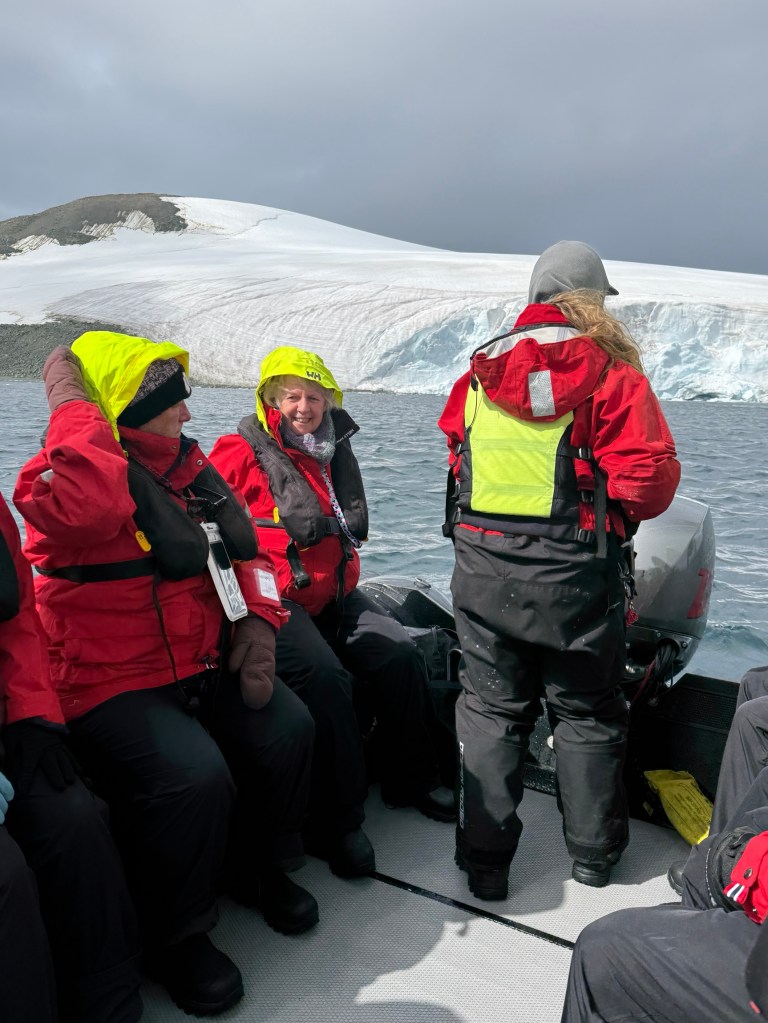
In the morning we had another Special Operations Boat (SOB) outing and took in the sights of the surrounding waters.
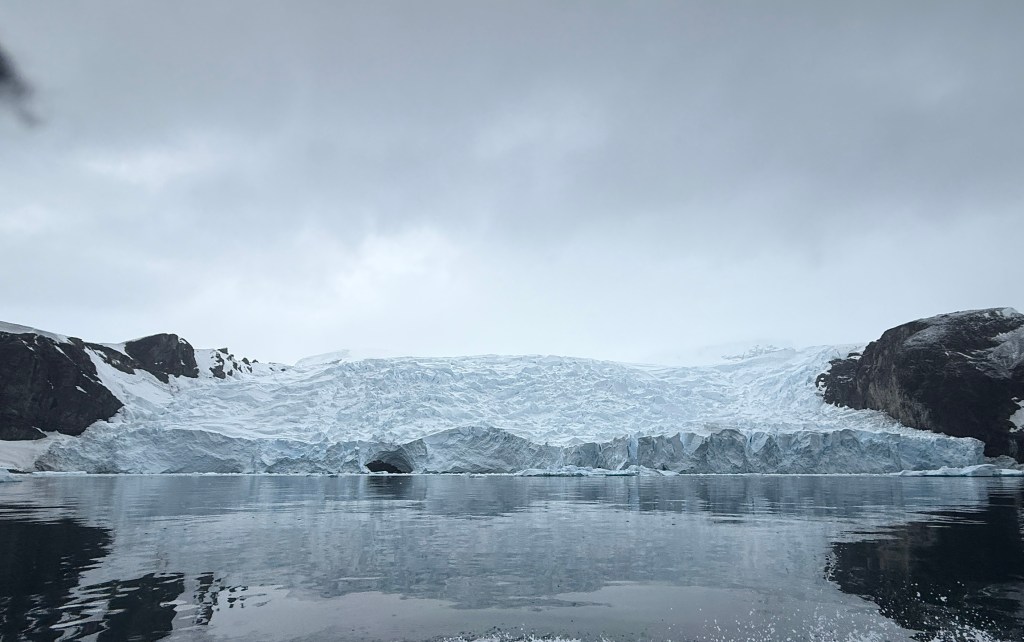
We had some whale encounters and were entertained by a ‘raft’ of penguins beside the SOB. Leanne secured another great video of the show and we got a still shot of one of them in ‘flight’.
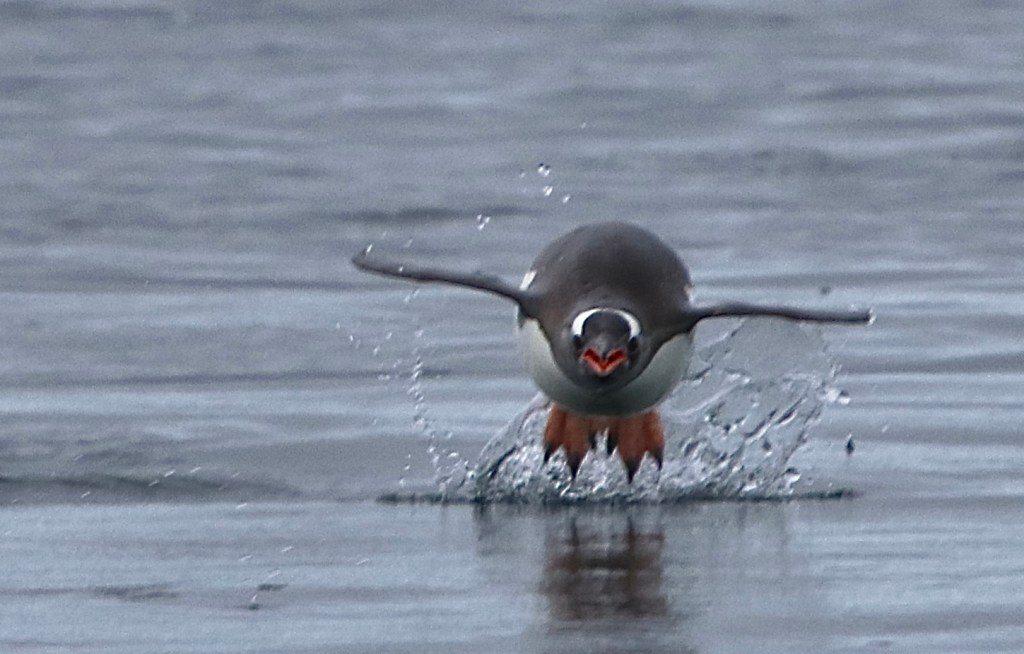
‘Raft’ is the collective noun for a group of penguins in the water, a ‘waddle’ is a group of penguins walking on land, a ‘huddle’ is a group keeping warm together. Rookeries and colonies are where penguins gather to breed and rest.
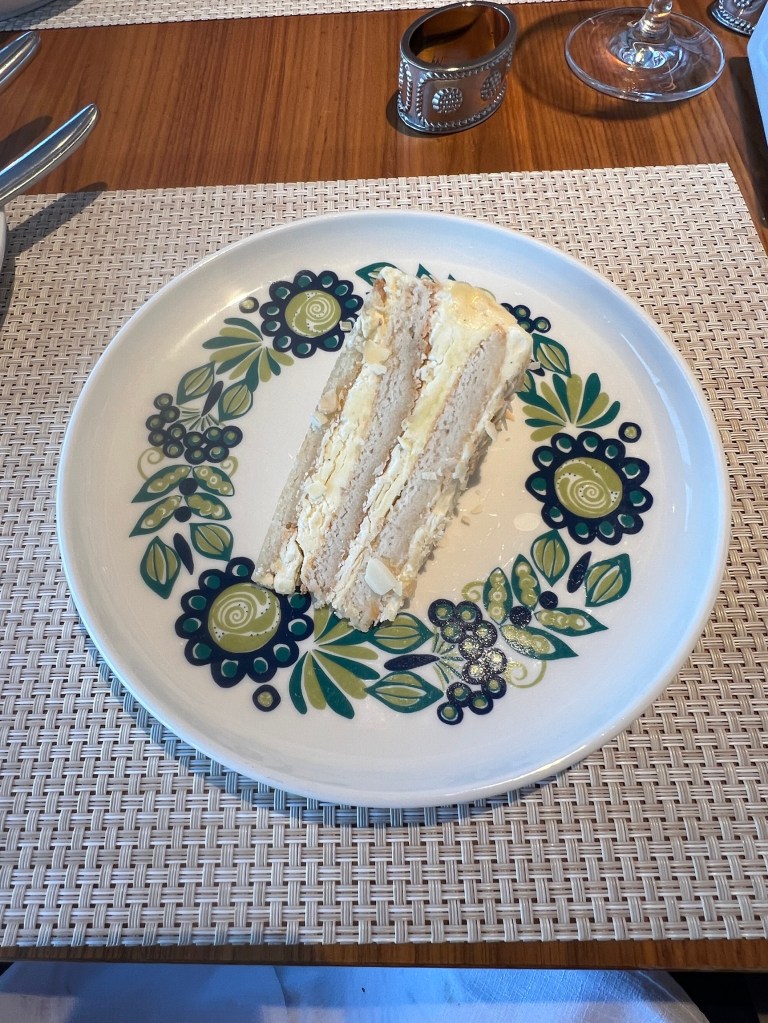
Back on board the Octantis for lunch in Mamsens, the Nordic buffet. They had a rather good split pea soup and a range of open sandwiches.
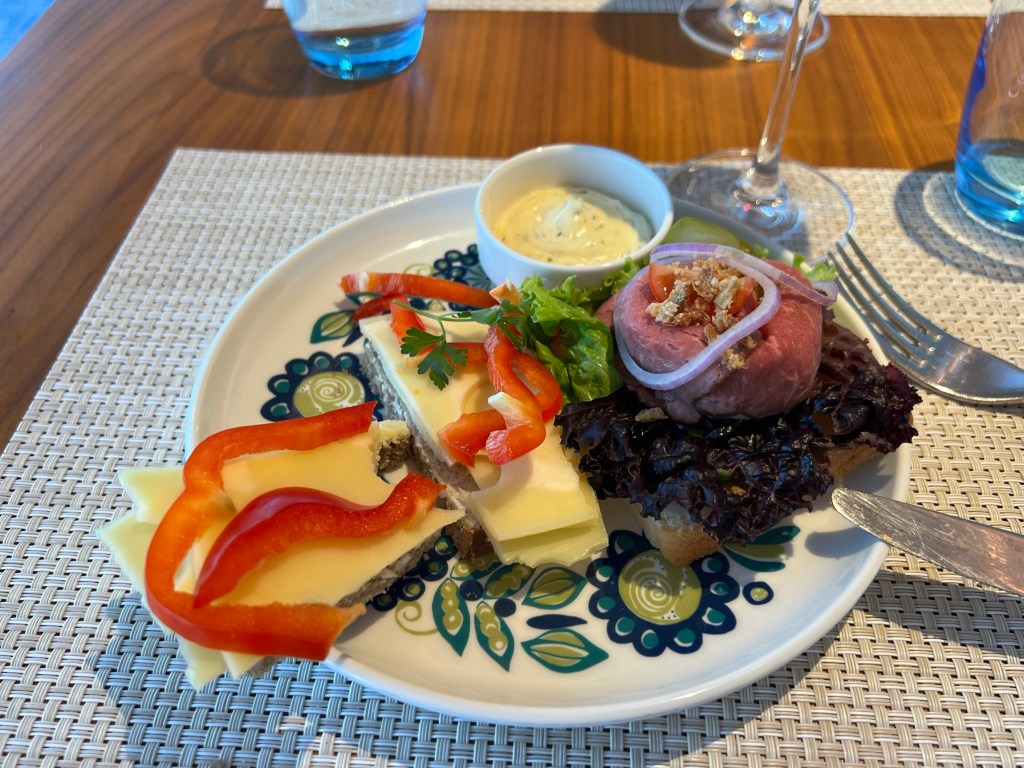
Allthego liked the cheese and capsicum on rye bread as well as the roast beef, red onion, pickles and capers on white bread with a tangy tartare sauce.
After lunch we went ashore on a zodiac to checkout the penguins.
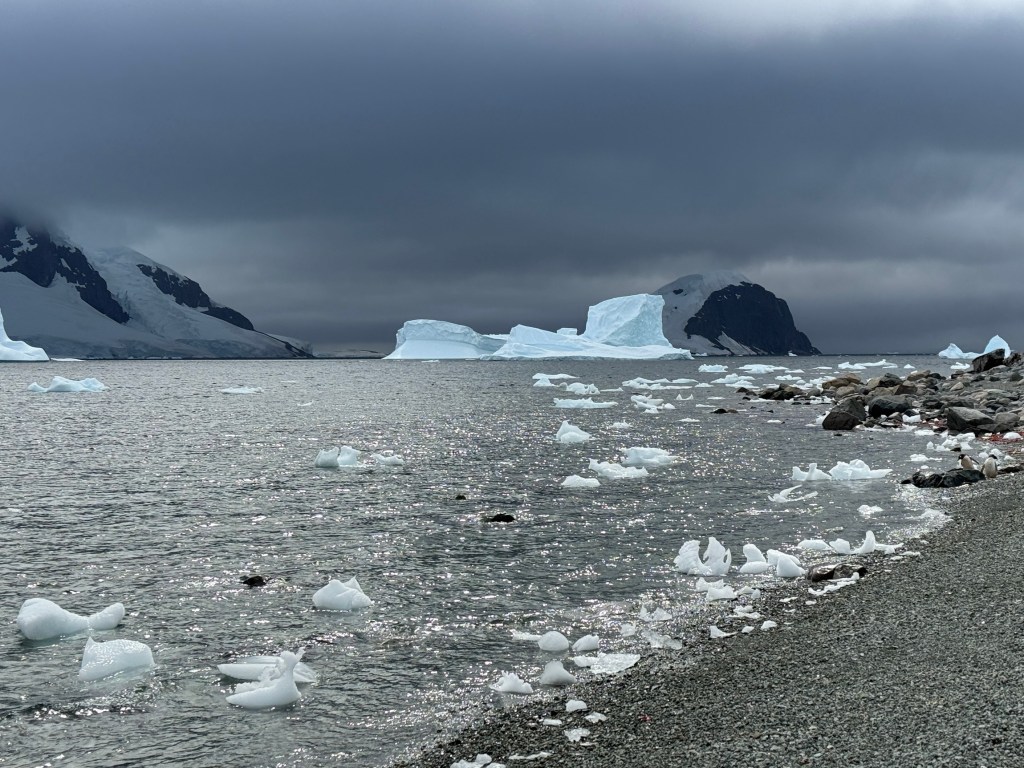
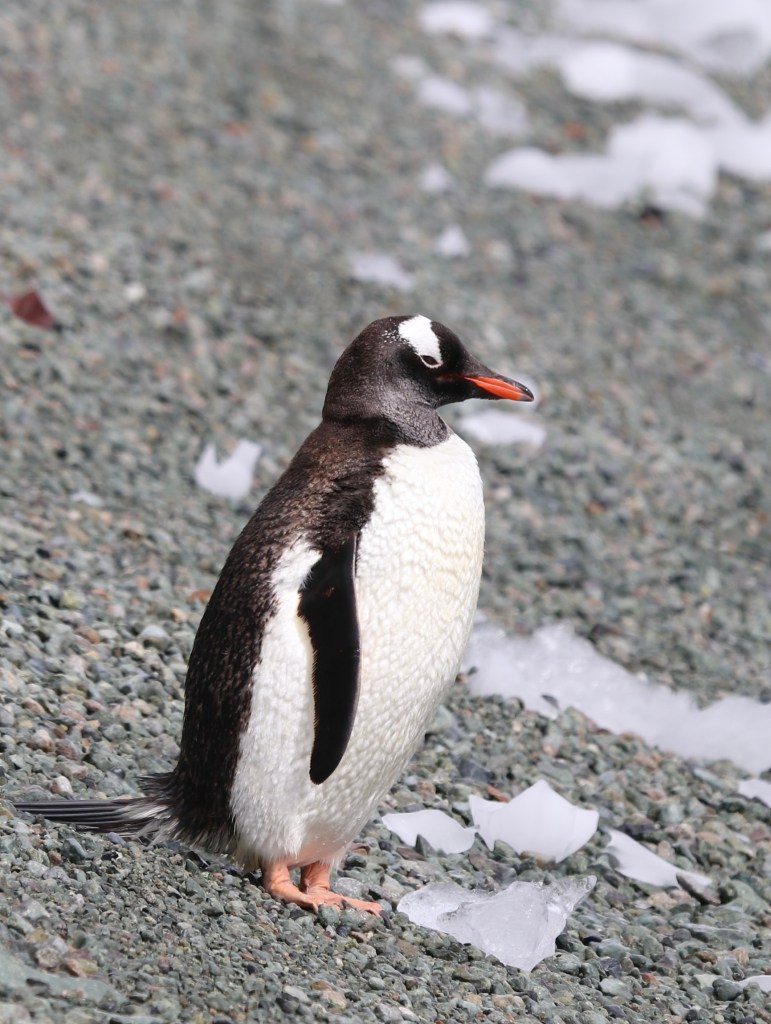
There were a lot of penguin chicks around and the parents were carefully guarding them from dangers. Leanne chose not to do the climb up to the rookery but instead pottered on the shoreline among the penguins coming in and out of the water.
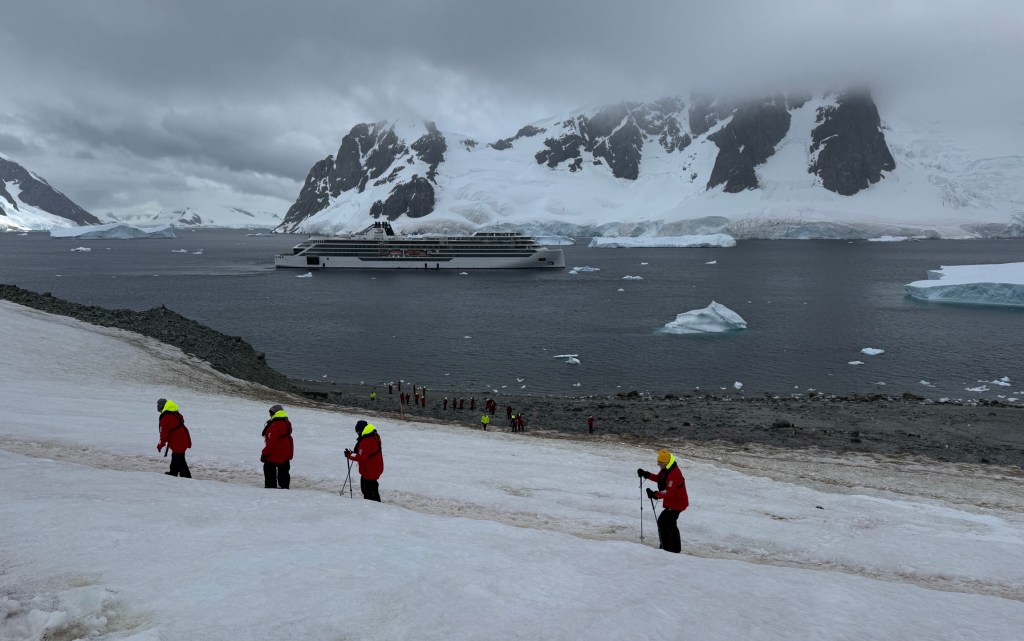
The trek up the snowy path was ok and there were some great views looking back down to fellow trekkers and to the ship offshore.
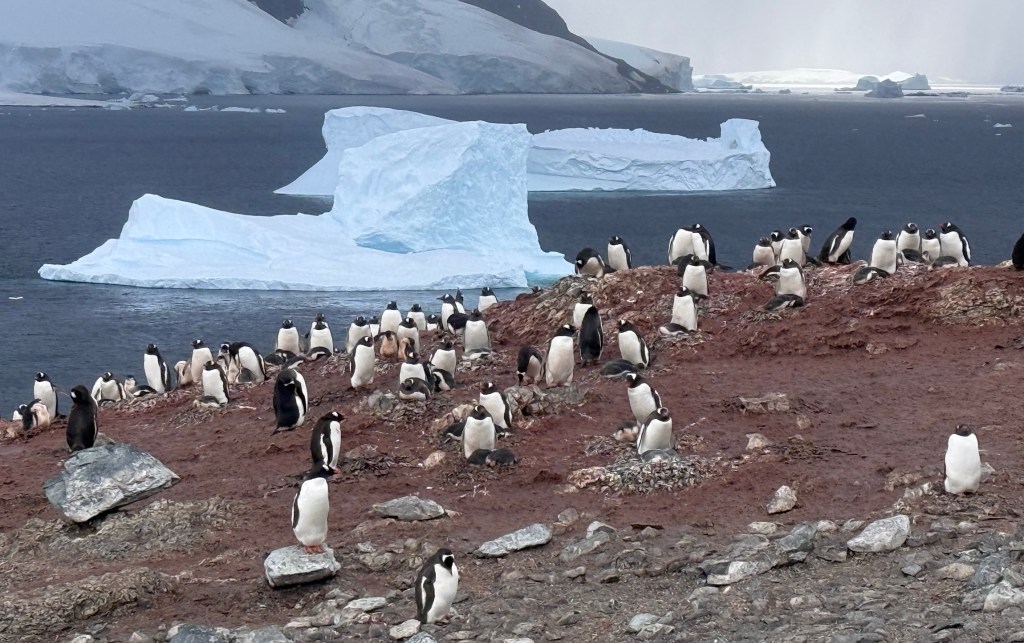
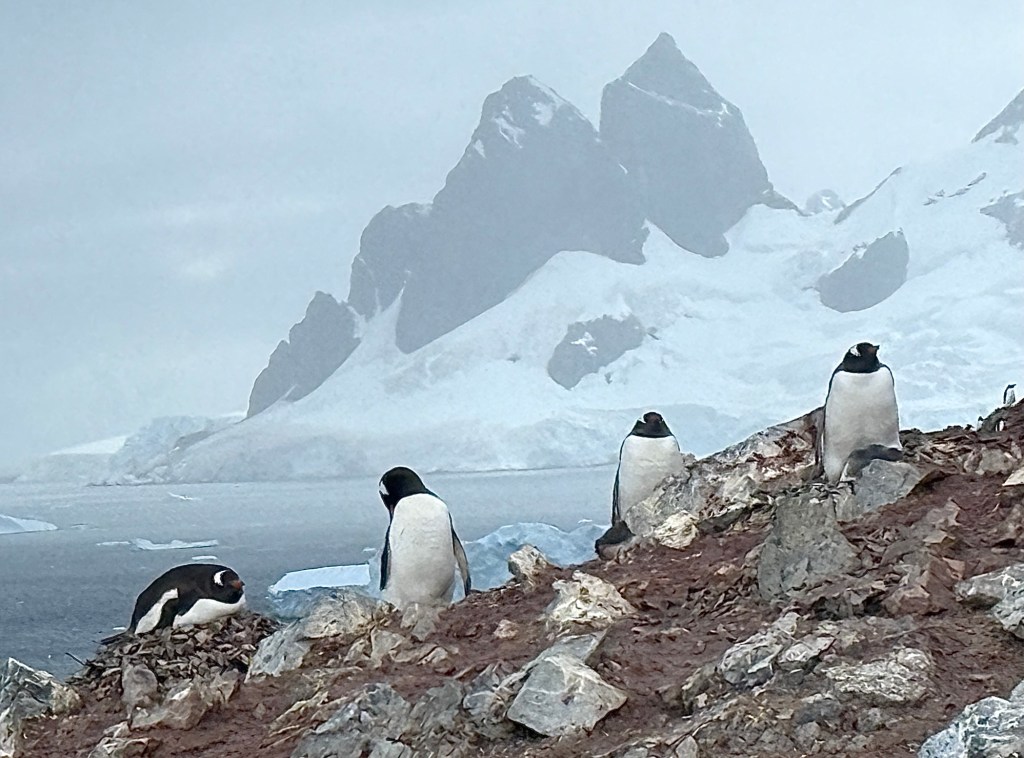
Here are some random shots of the inhabitants.
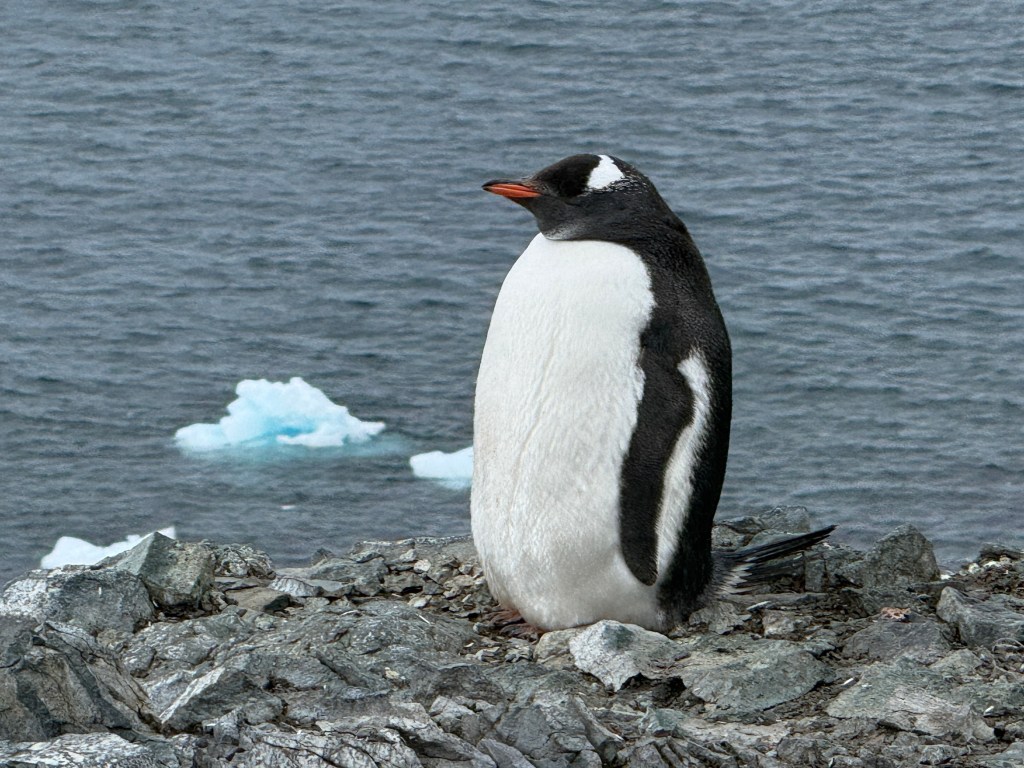
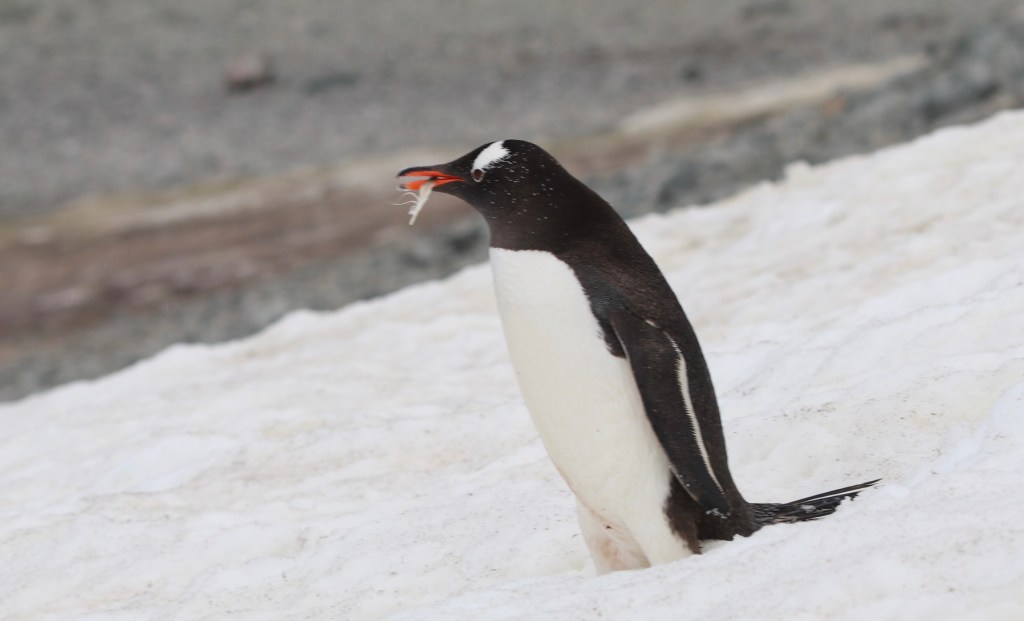
Hard to pull ourselves away and make the zodiac trip back to the ship. We now have two days at sea making it back across the Drake Passage to Ushuaia. The captain has advised we will also encounter some rough seas on the way!

