Stone Country
Before the start of the Celtic Festival we went on a short loop drive in the hinterland of Tenterfield. Stone Country.
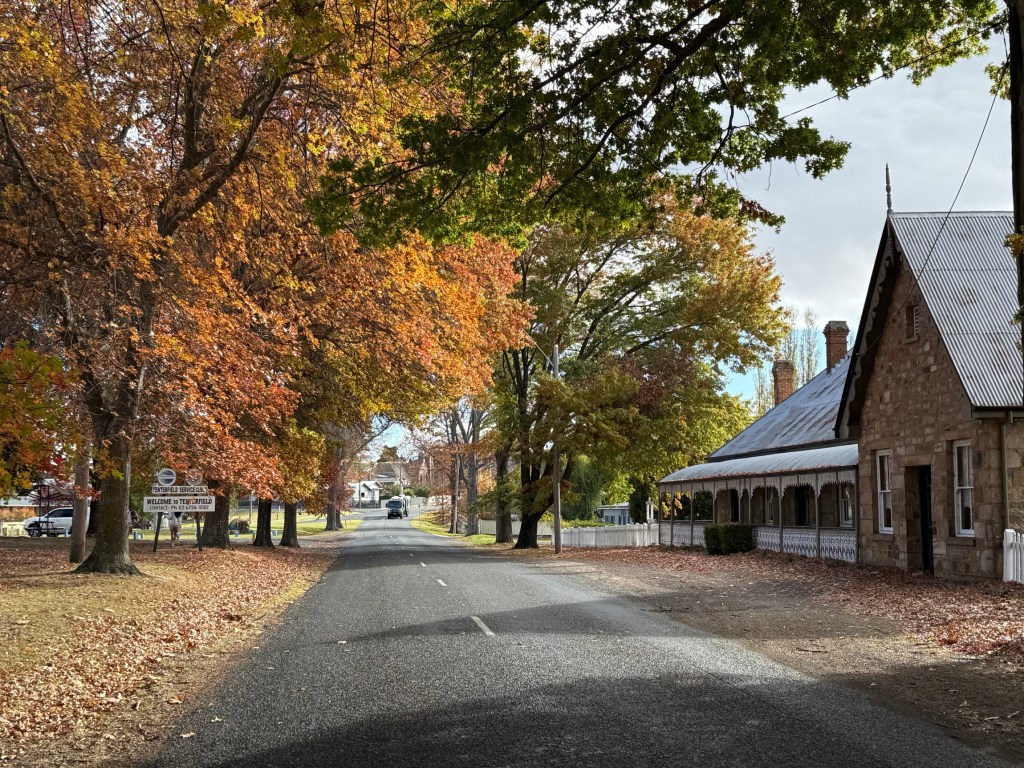
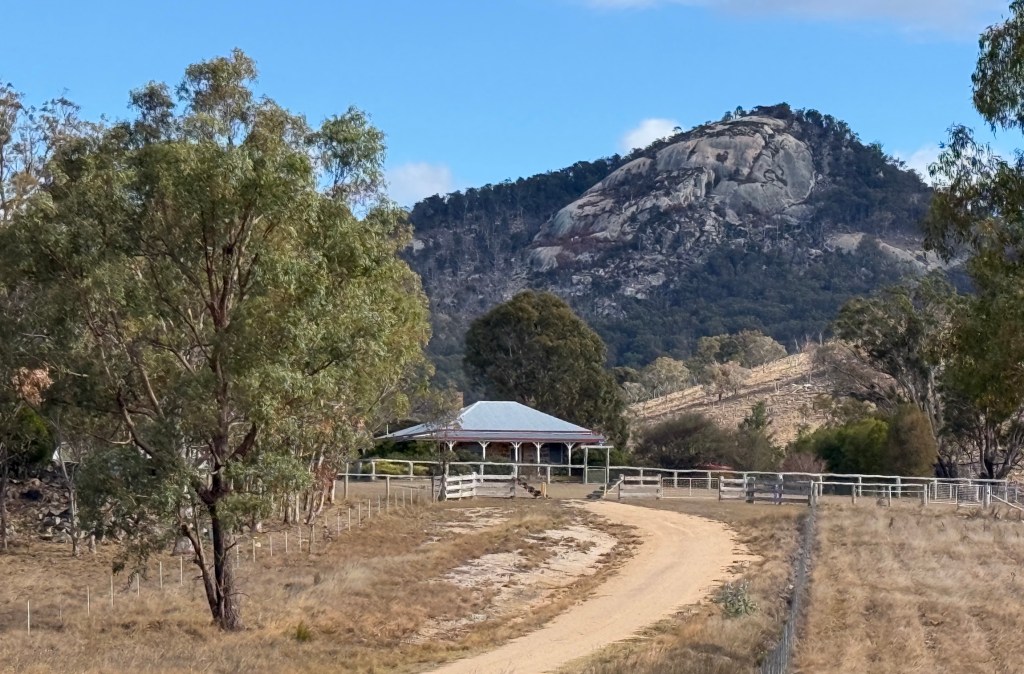
The region is fairly dry. The locals complain of drought conditions, many of the creeks are dry and the paddocks browned off.
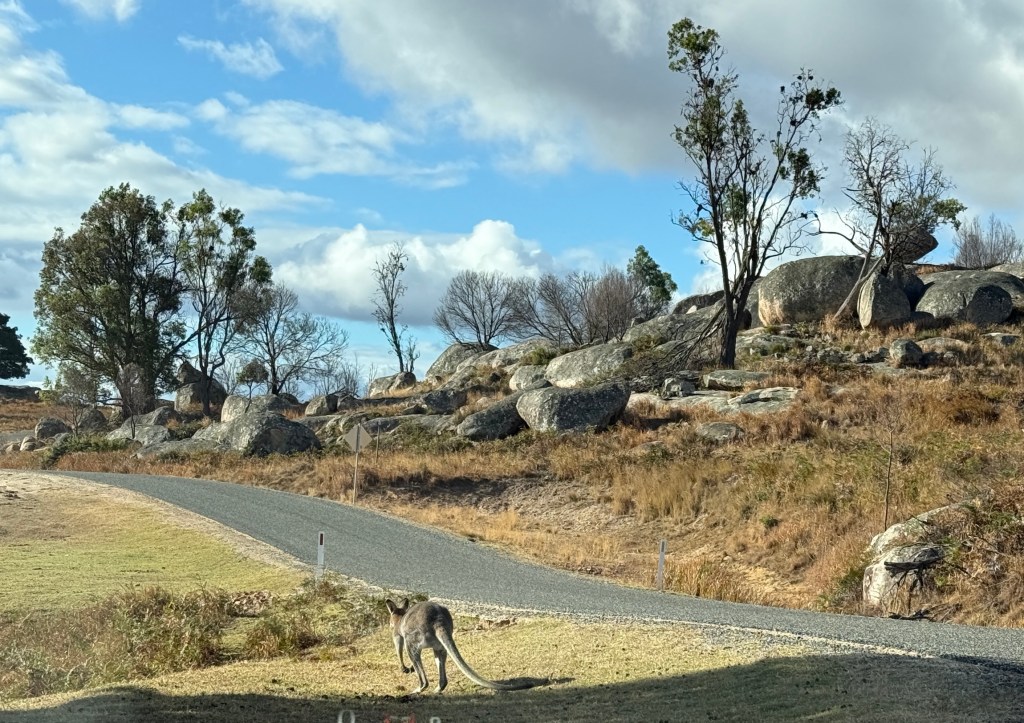
The graziers have their Black Angus (probably) on the roadside verges munching away like lawn mowers on the longer grass. Maybe being fattened up for market!
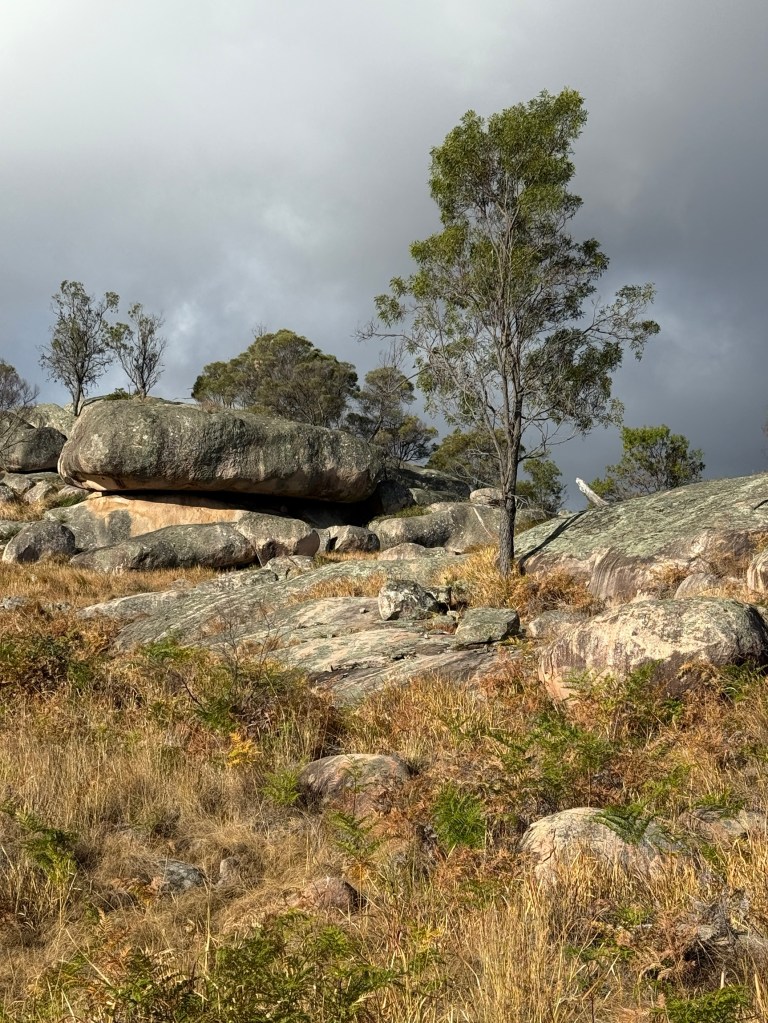
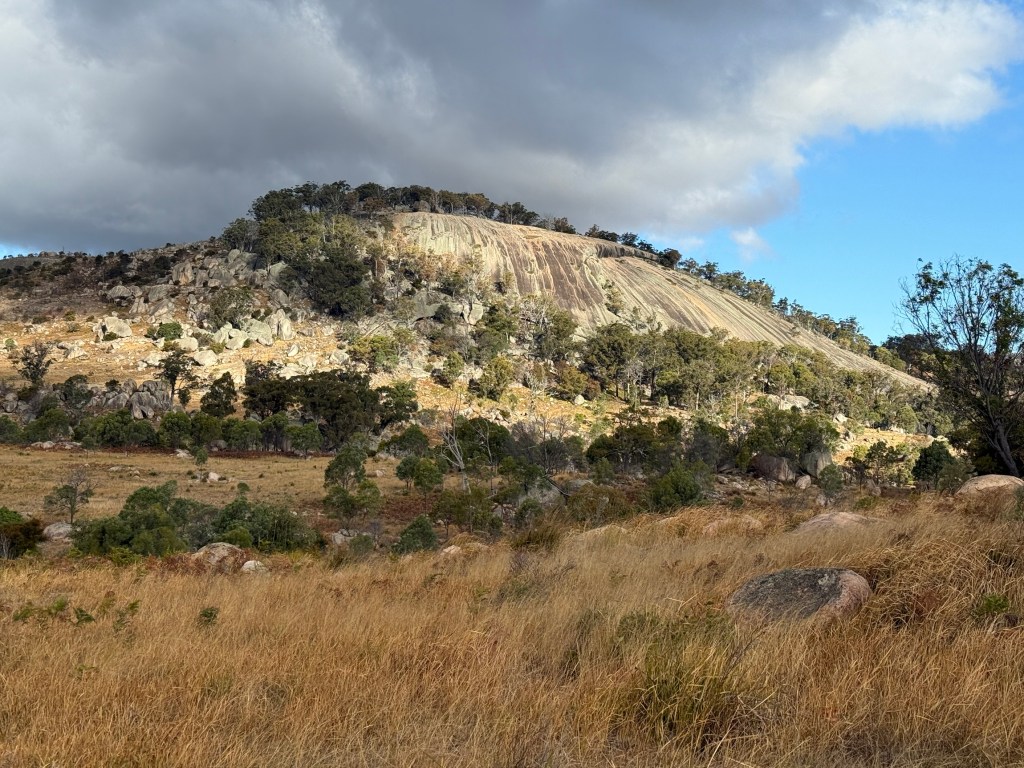
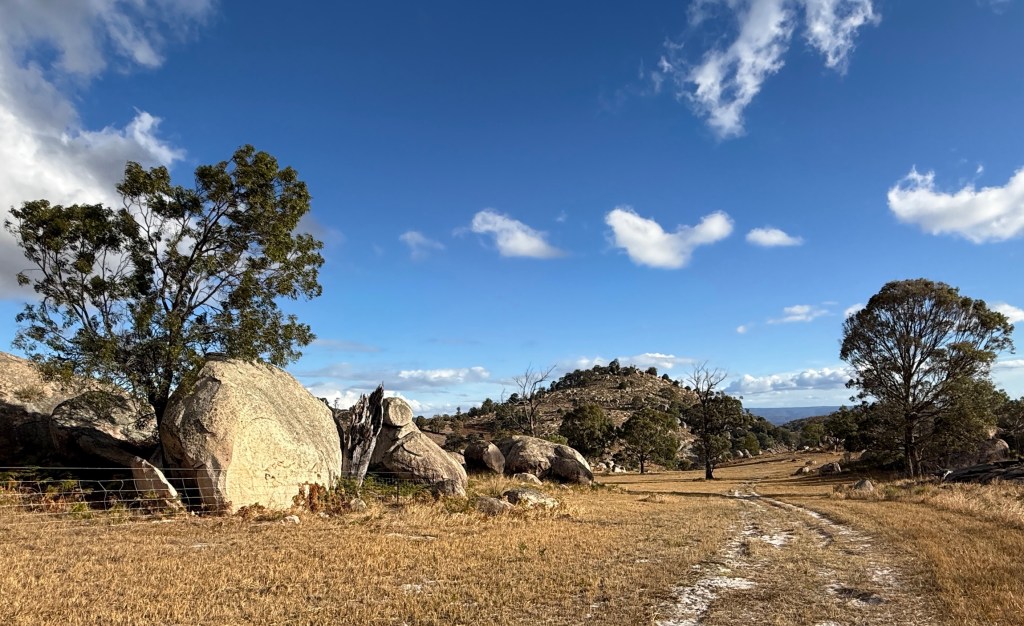
The granite outcrops and boulders are everywhere you look and make this a dramatic landscape. Australia’s standing stones!
The road took us to the top of Mt McKenzie and a lookout over Tenterfield.
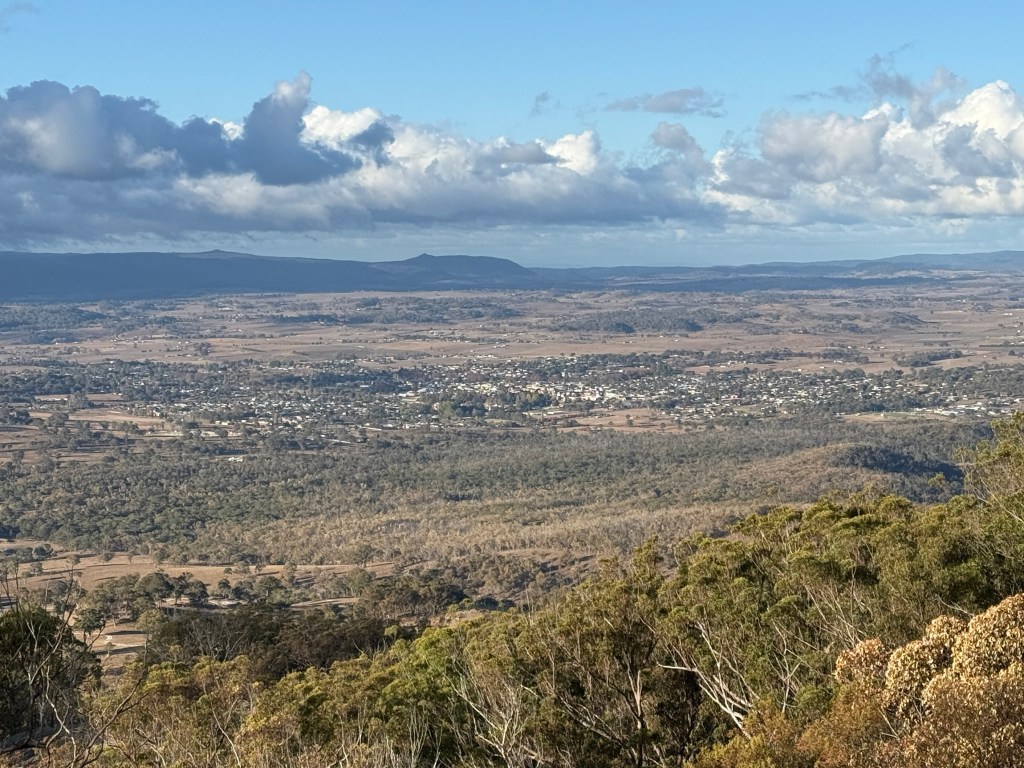
The town seemed a long way away, buildings specks on the landscape.
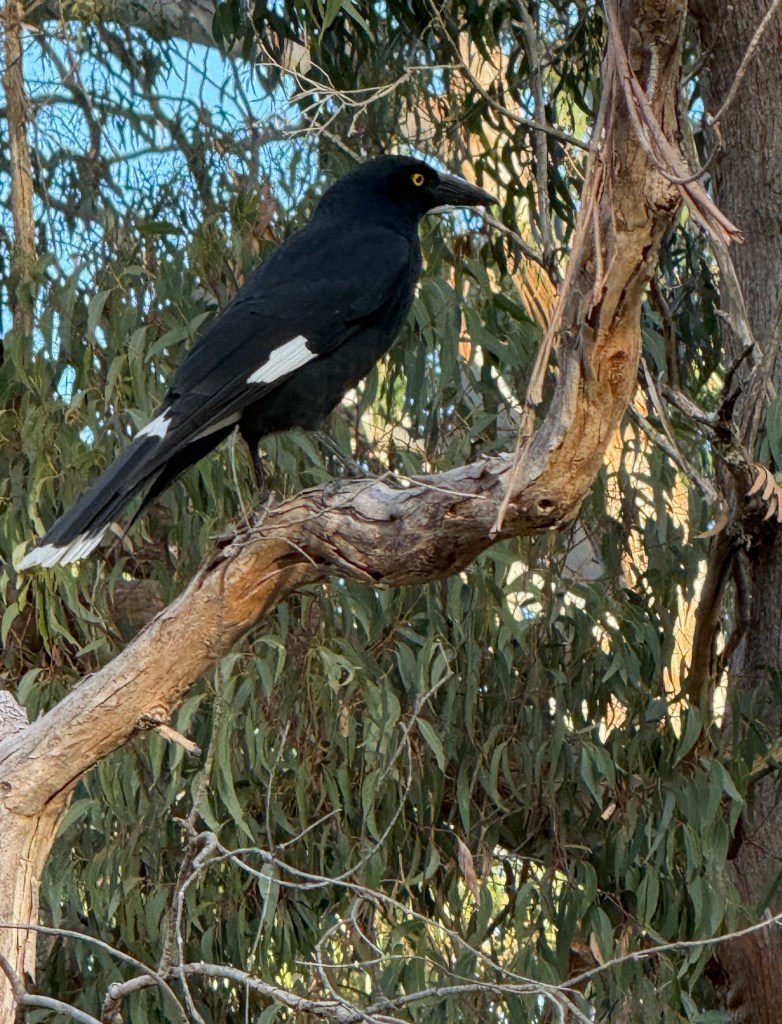
The Currawong was uninterested in the view.
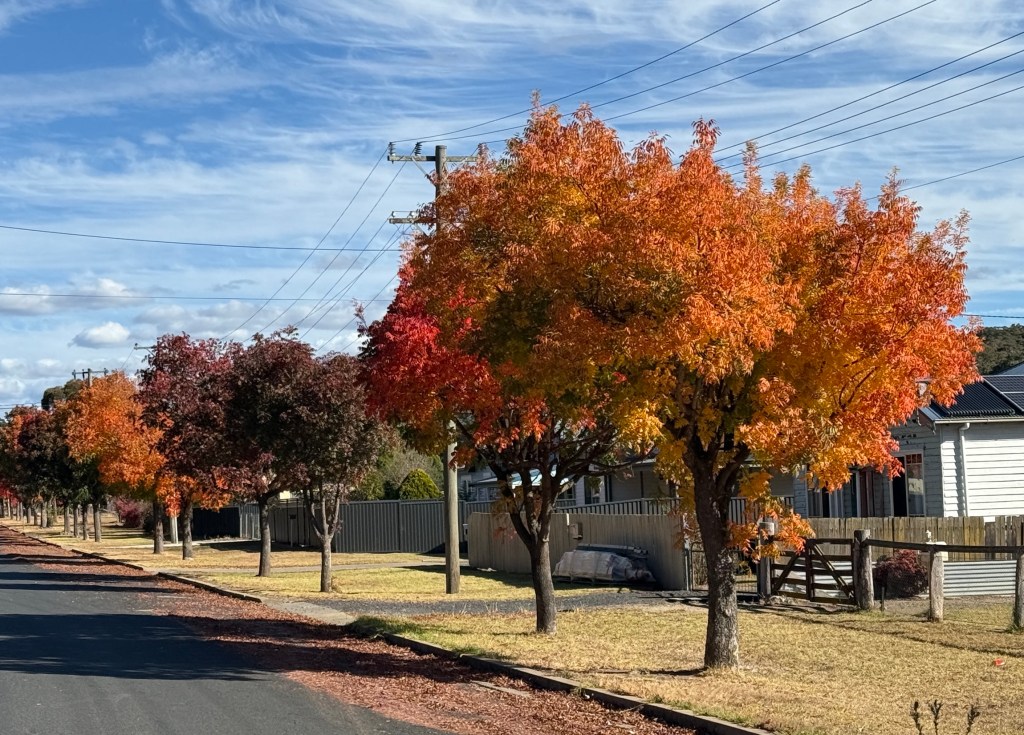
Skipping ahead we are in Glen Innes and the Festival is over for another year. The town, like Tenterfield, is ablaze in Autumn colours.
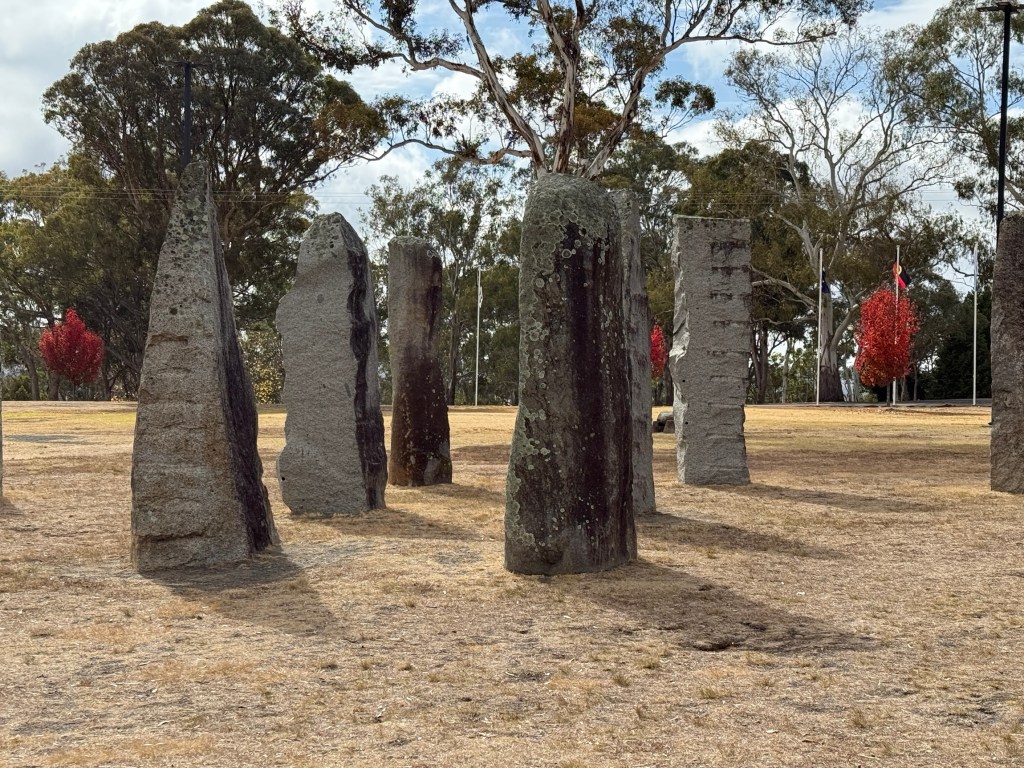
We have made a trip up to the Standing Stones, they are actually referred to as the Australian Standing Stones. All the evidence that a Festival might have been held here is mostly gone, a few remaining bits of the big performance tents are being packed up. In previous blogs I think I have referred to the festival as the Glen Innes Celtic Festival. In fact it is the Australian Celtic Festival.
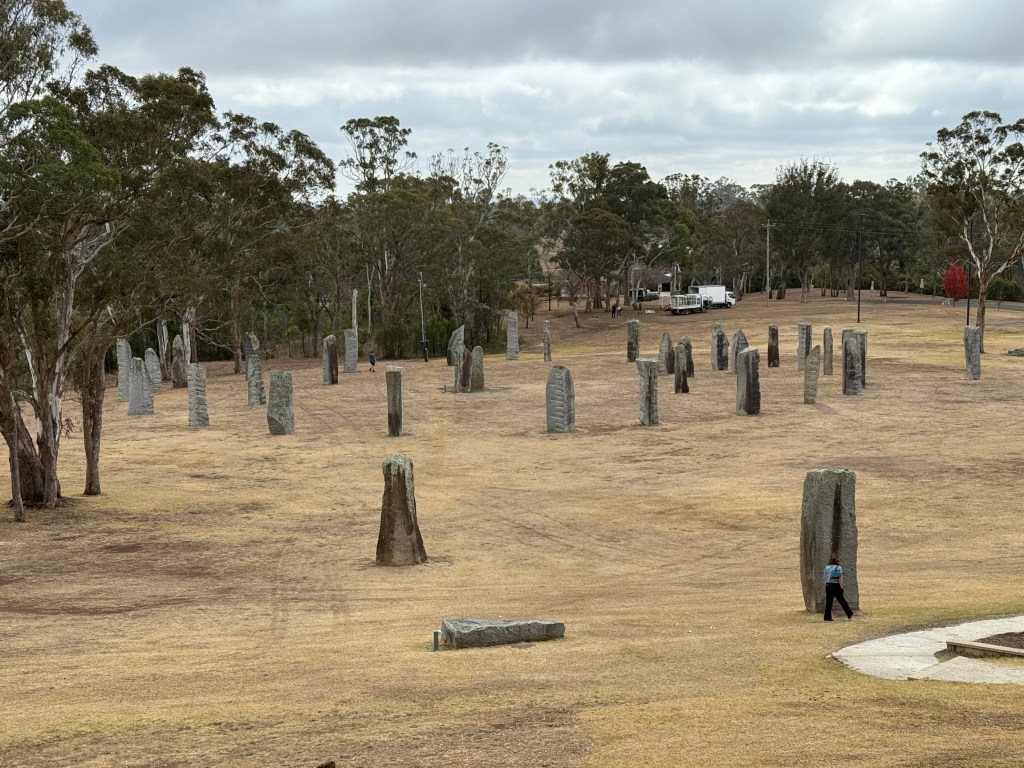
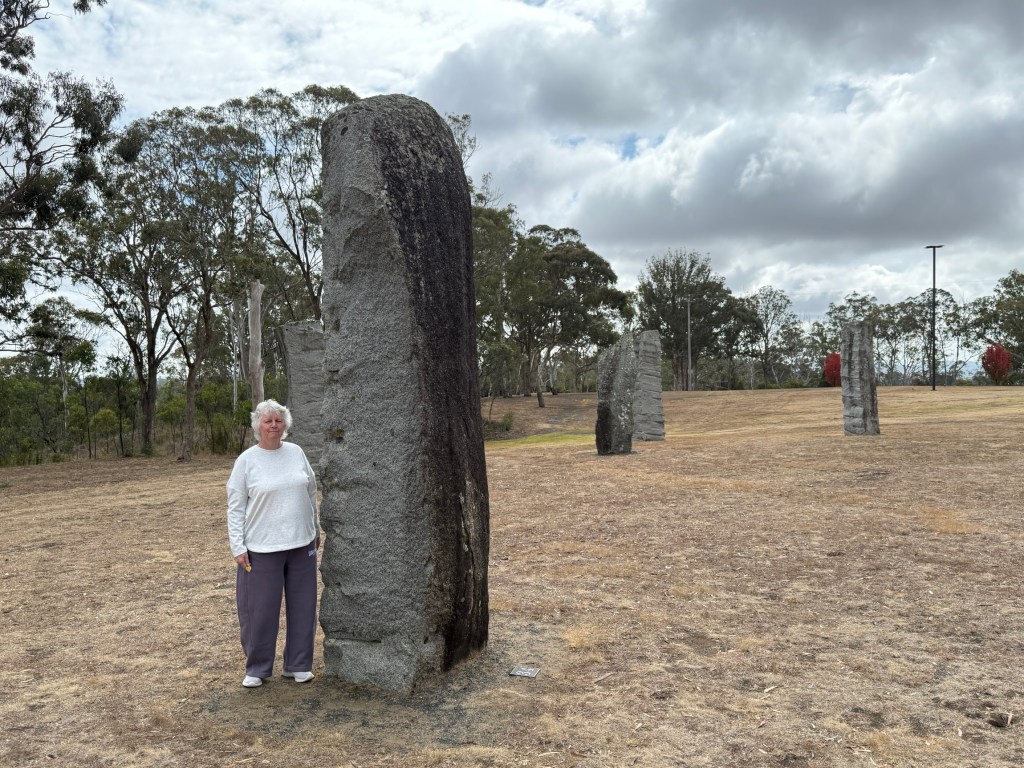
In 1988 Glen Innes won a Bi-Centenary competition to construct the Stones in recognition of the part played by the Celtic peoples in the development of Australia post English colonisation. The Stones were cut from the surrounding granite boulders and laid out in a similar pattern to the Ring of Brodgar in Scotland’s Orkney Islands.
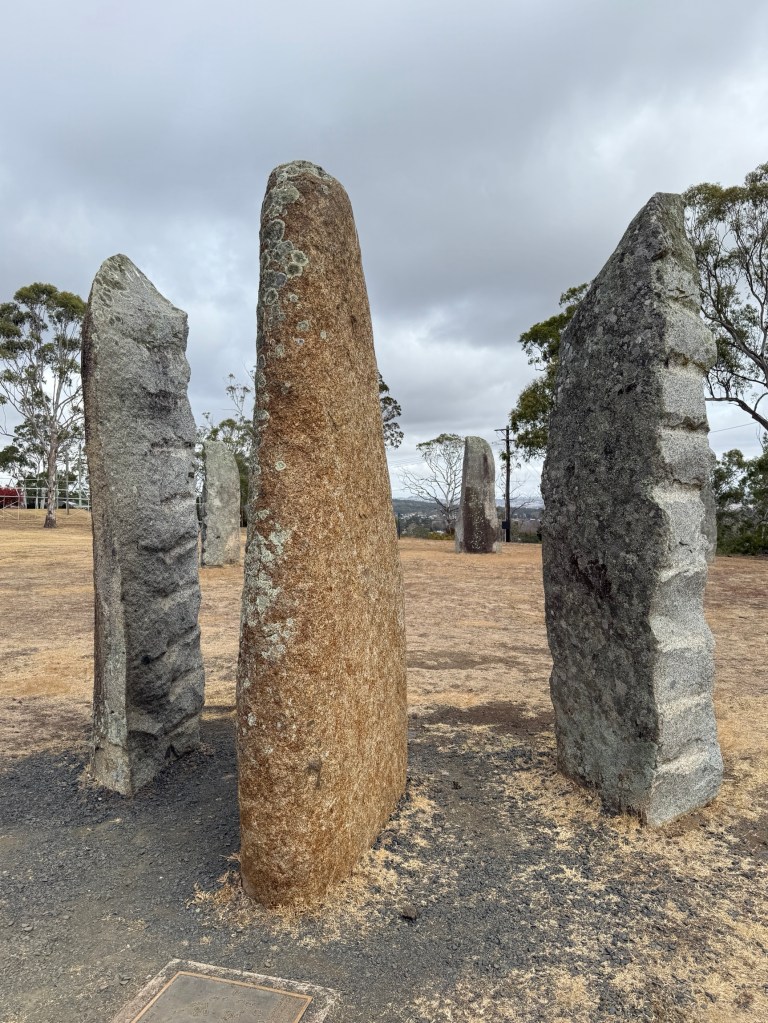
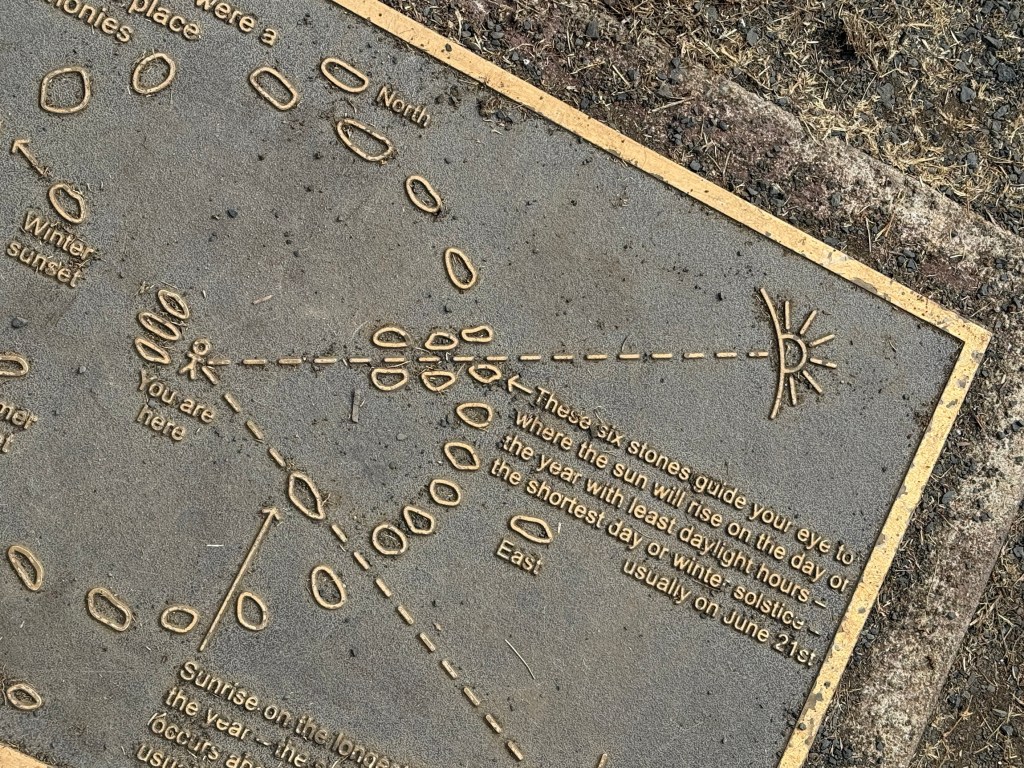
The Stones have the same orientation (varied for the Southern Hemisphere) as the ancient Ring of Brodgar which served as a working calendar for farmers as to when to sow and plant.
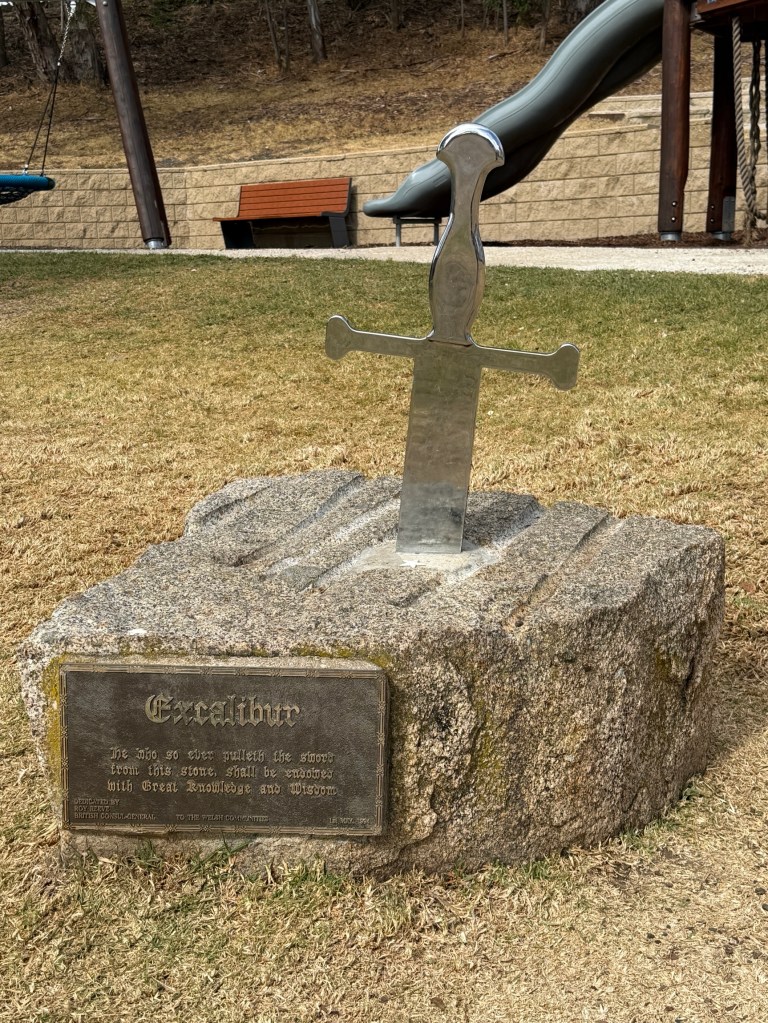
There are a few other random stones around the site, including the Excalibur stone, complete with embedded sword awaiting extraction.
In the Celtic Wall there is a display of small stones contributed by Celts from around Australia and the world.
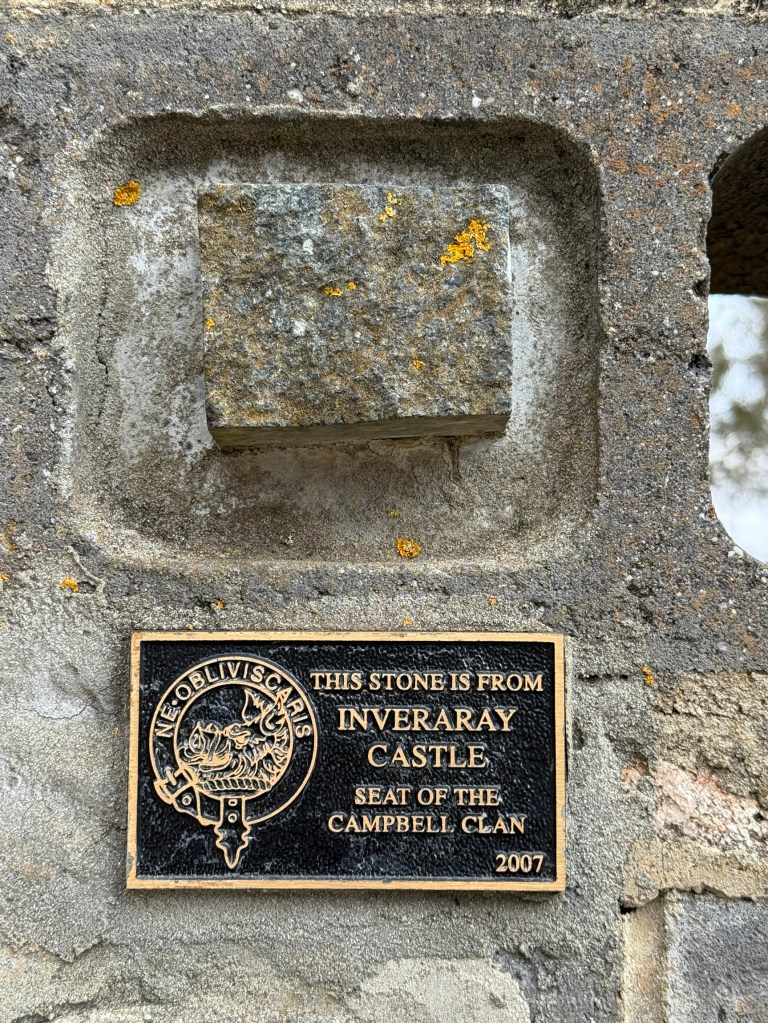
One in particular caught the eye. It was from the ruins of Inveraray Castle beside the Caledonian Canal in central Scotland. We had wandered through these a few years back when boating on the canal.
We are off next time on a short drive around the Glen Innes hinterland.

Posted on May 10, 2026, in The Big 50. Bookmark the permalink. Leave a comment.


Leave a comment
Comments 0