Cultural immersion
The new day brought a change of pace. A day of looking into the lives of the local people rather than the animals.
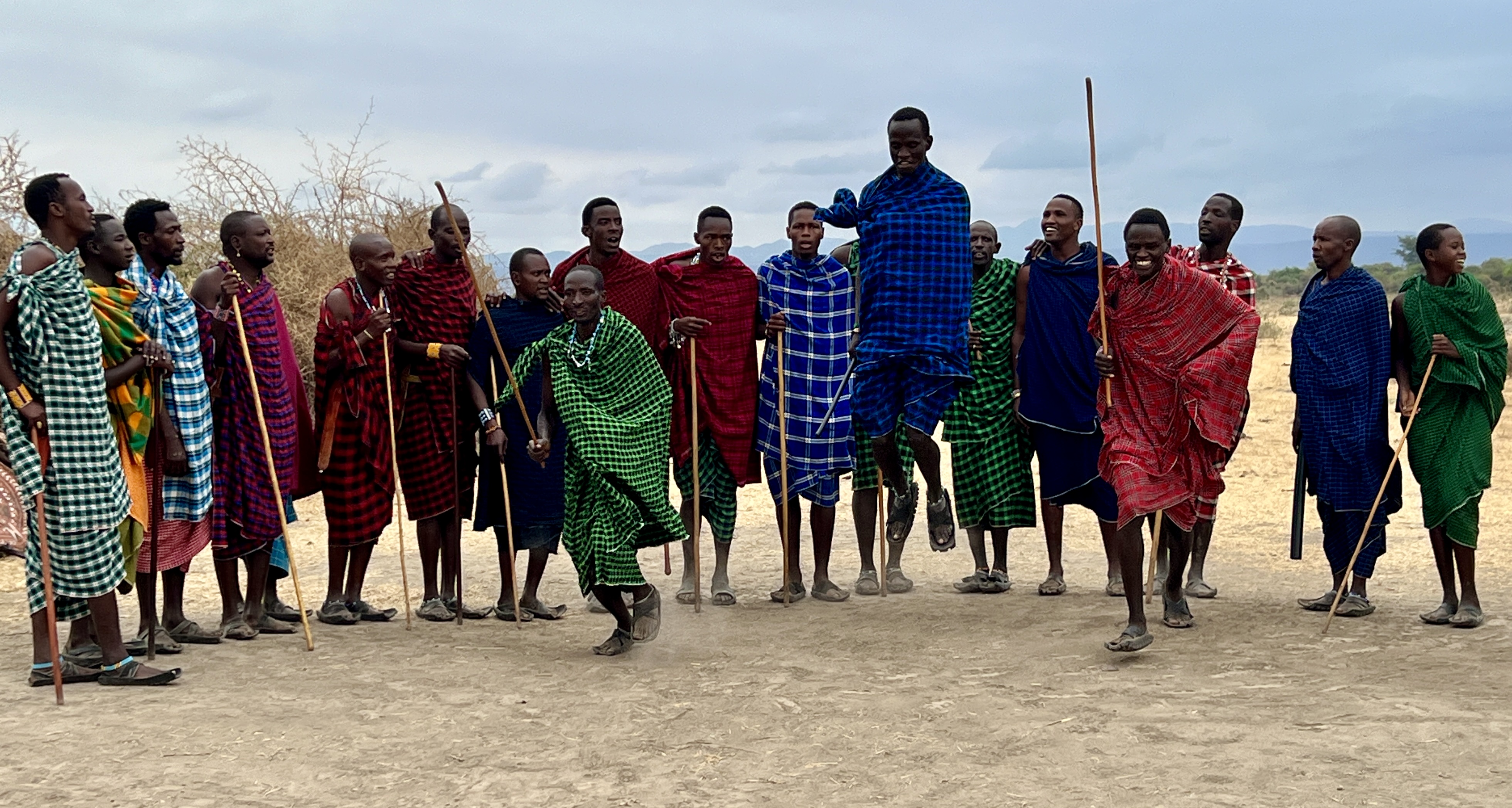
First up was a visit to a Masai village. A bit of an eyeopener into the lives of these nomadic people who are adjusting to a more permanent village lifestyle.
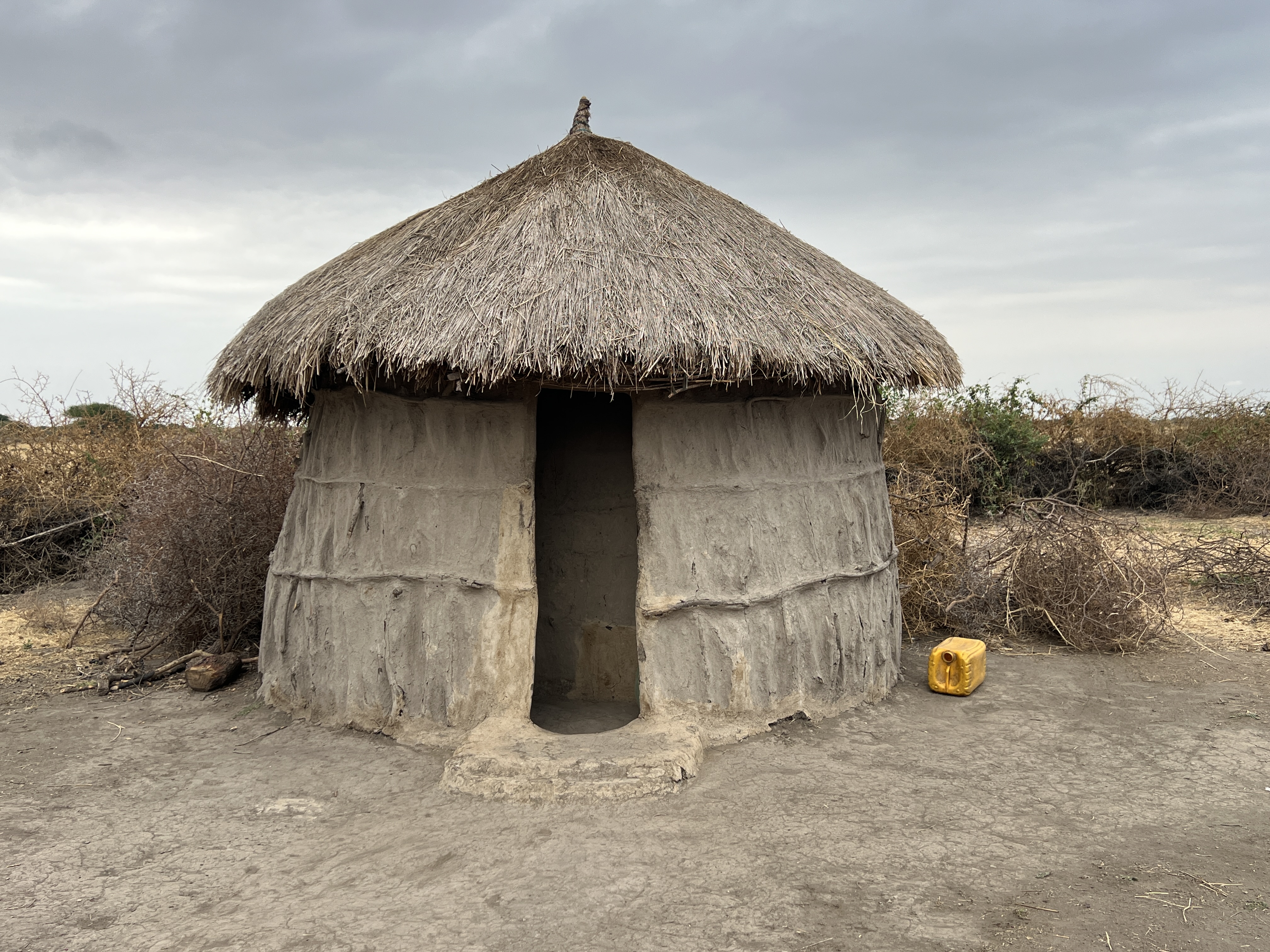
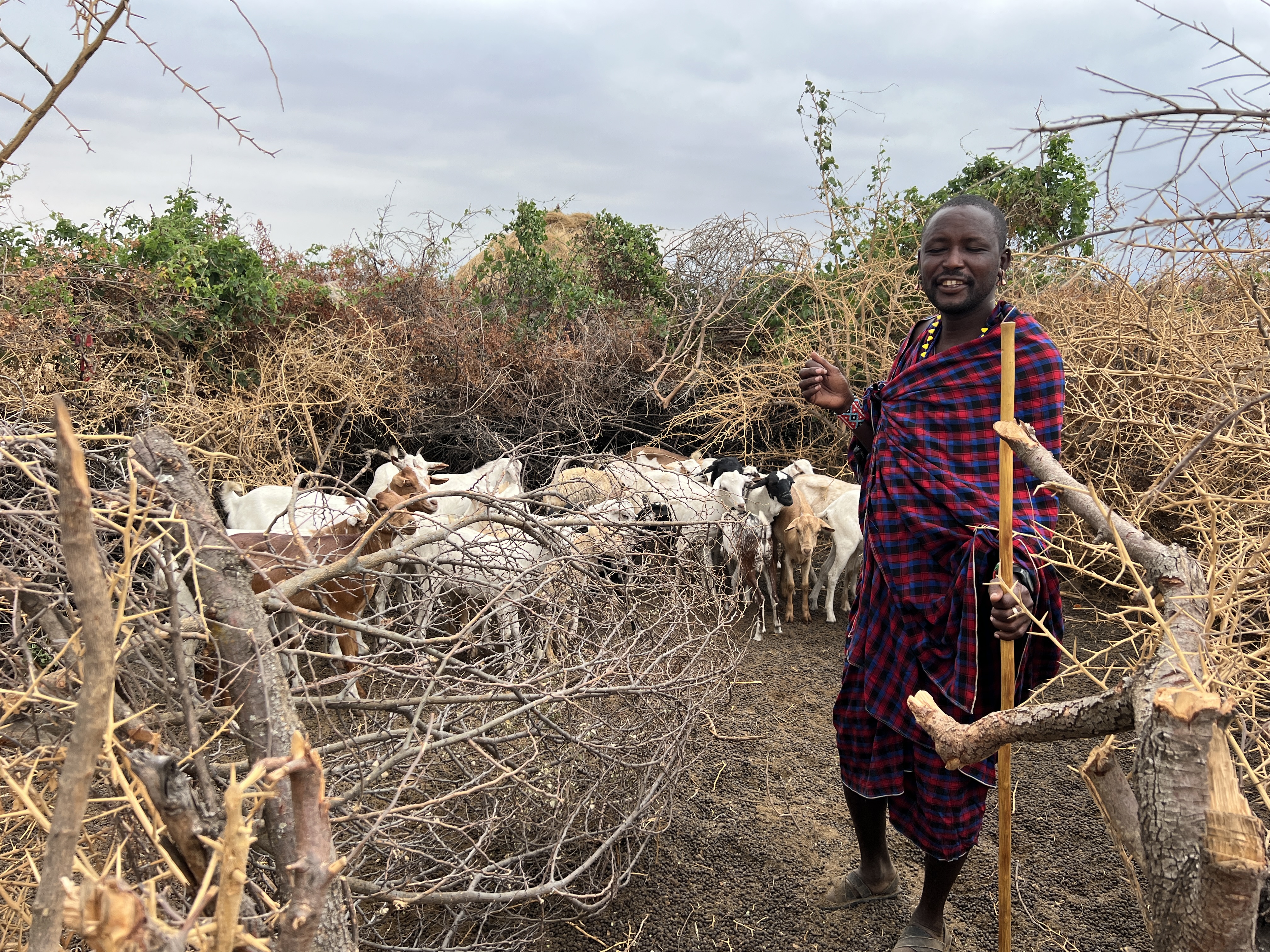
Small round houses around a circular thicket fence line with a central animal enclosure. An interesting chat and visit to a house, two small rooms (just big enough for a bed). One room for Mum and Dad and the other for how ever many kids there were.
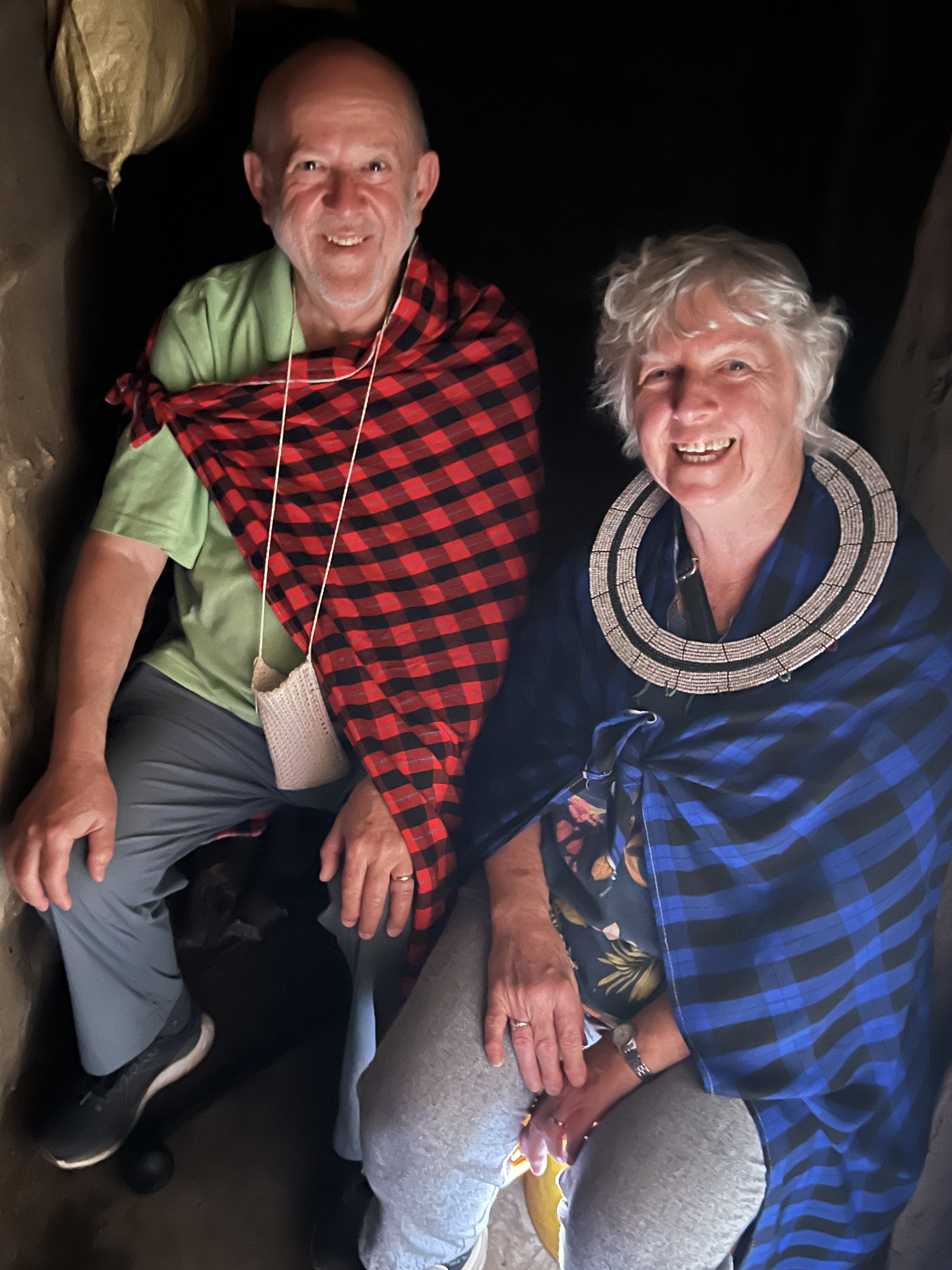
To finish it off there was a small kitchen area with an open fire place. All very squeezy, the loo was some where outside, bathroom not sure. After a wander through the craft stalls it was back in the trucks. Wasn’t allowed to get the 5 ft giraffe for the lounge room.
We then drove to a village and were escorted around the local community and introduced to village life.
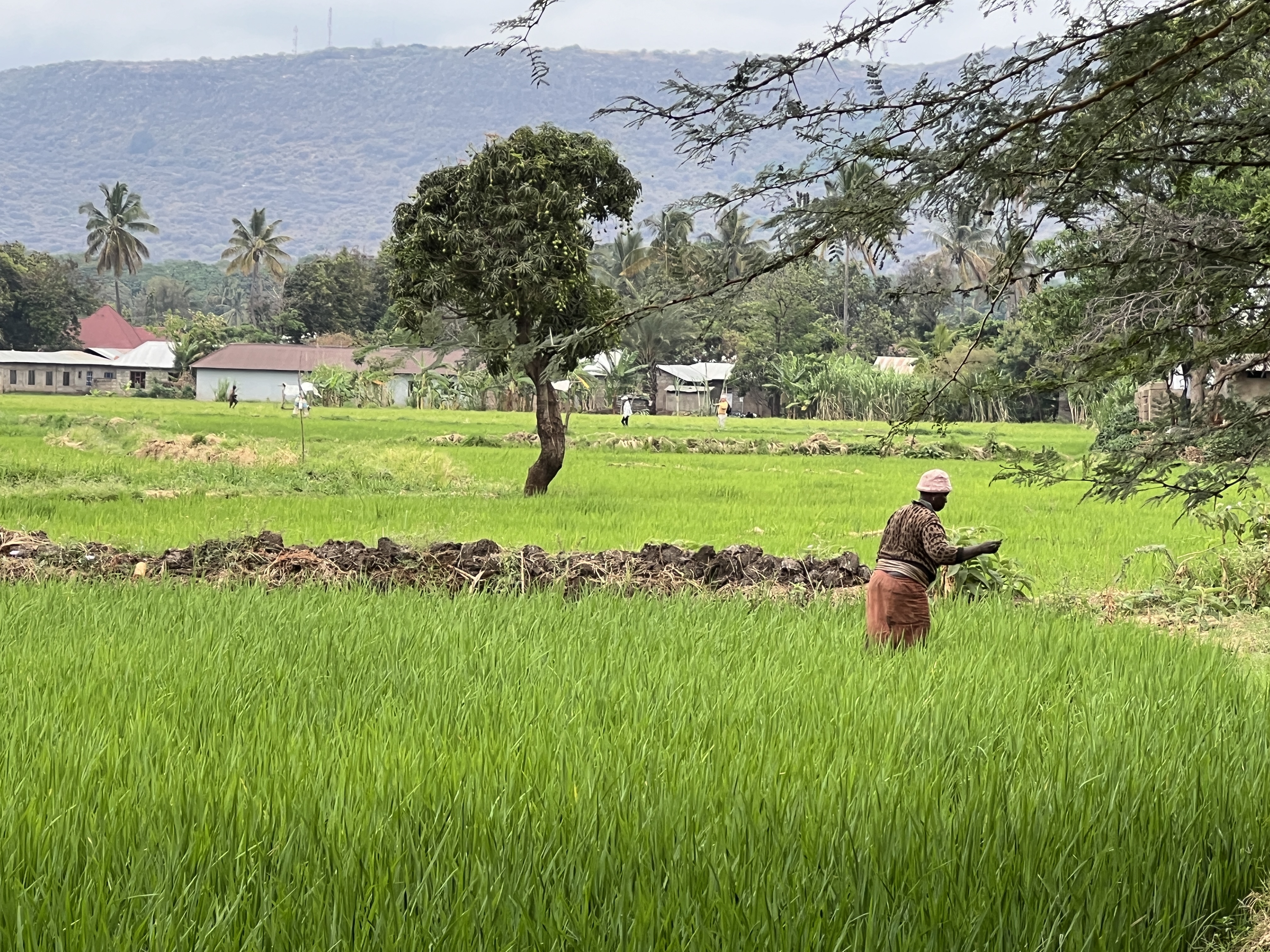
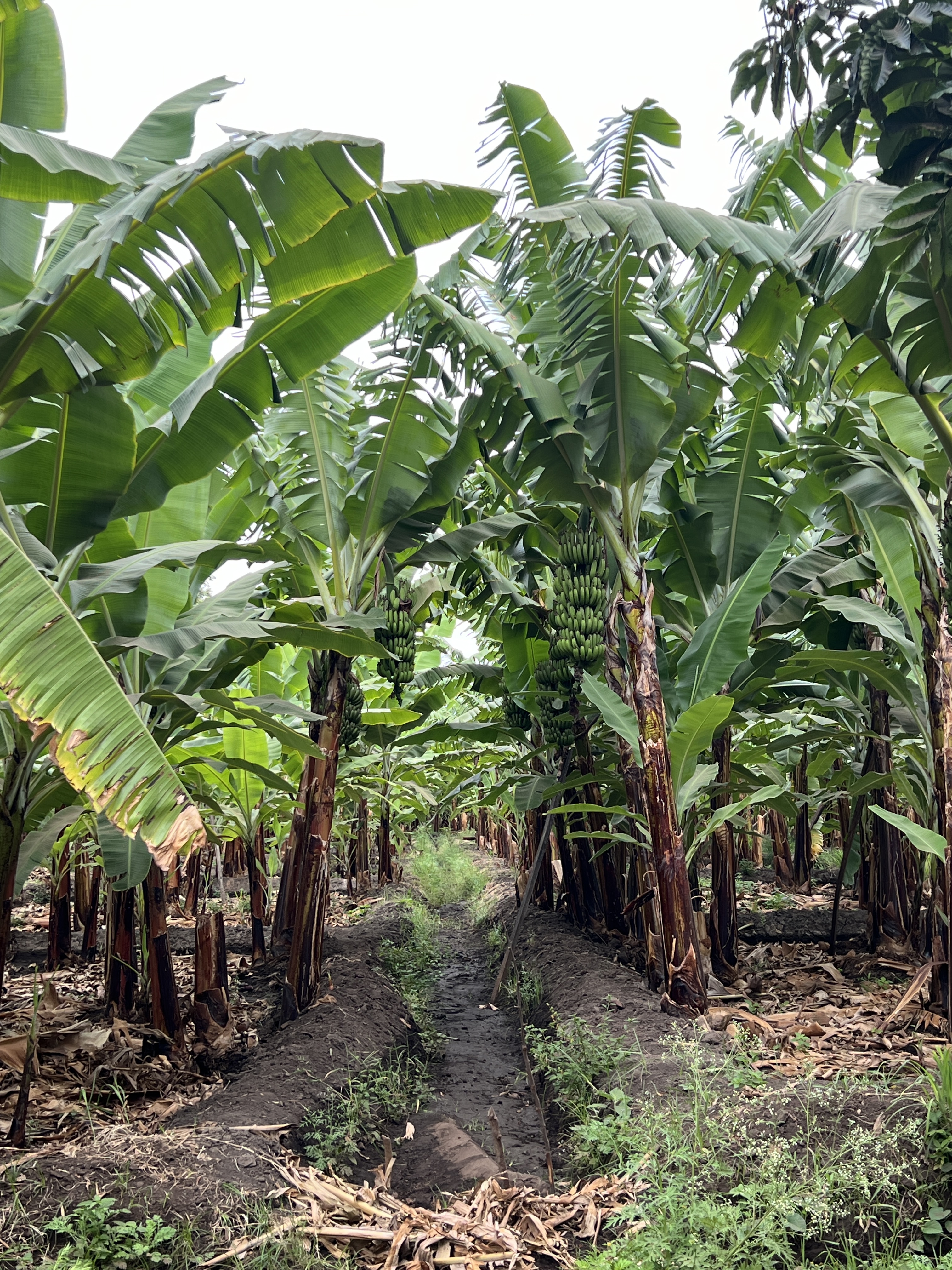
Had a look at rice farming and banana plantations. These are undertaken on landholdings passed down from previous generations, we would call it small lot farming. We paused for a short time to enjoy a cup of locally brewed banana beer, not much can be said about this but the locals do seem to enjoy it.
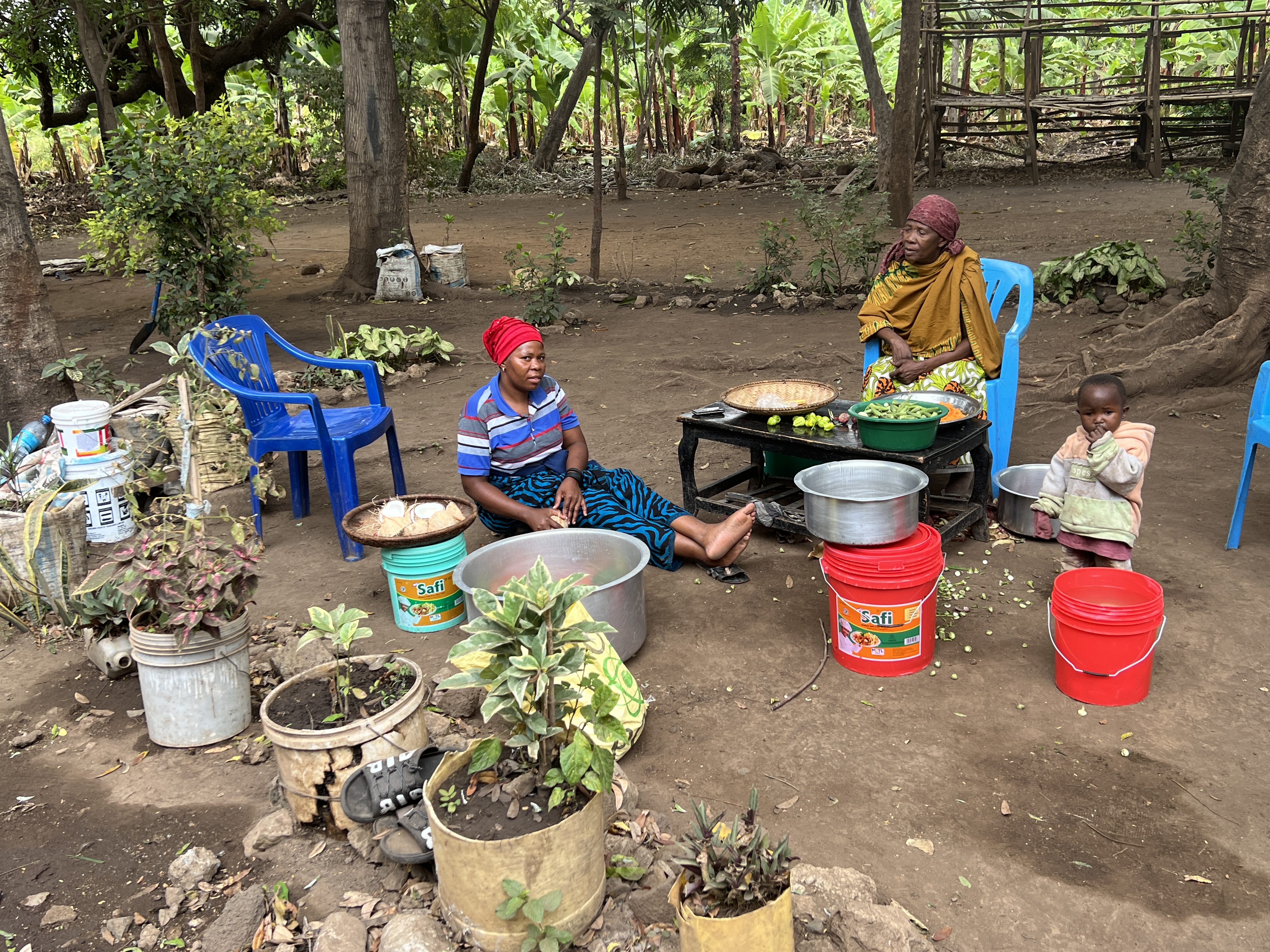
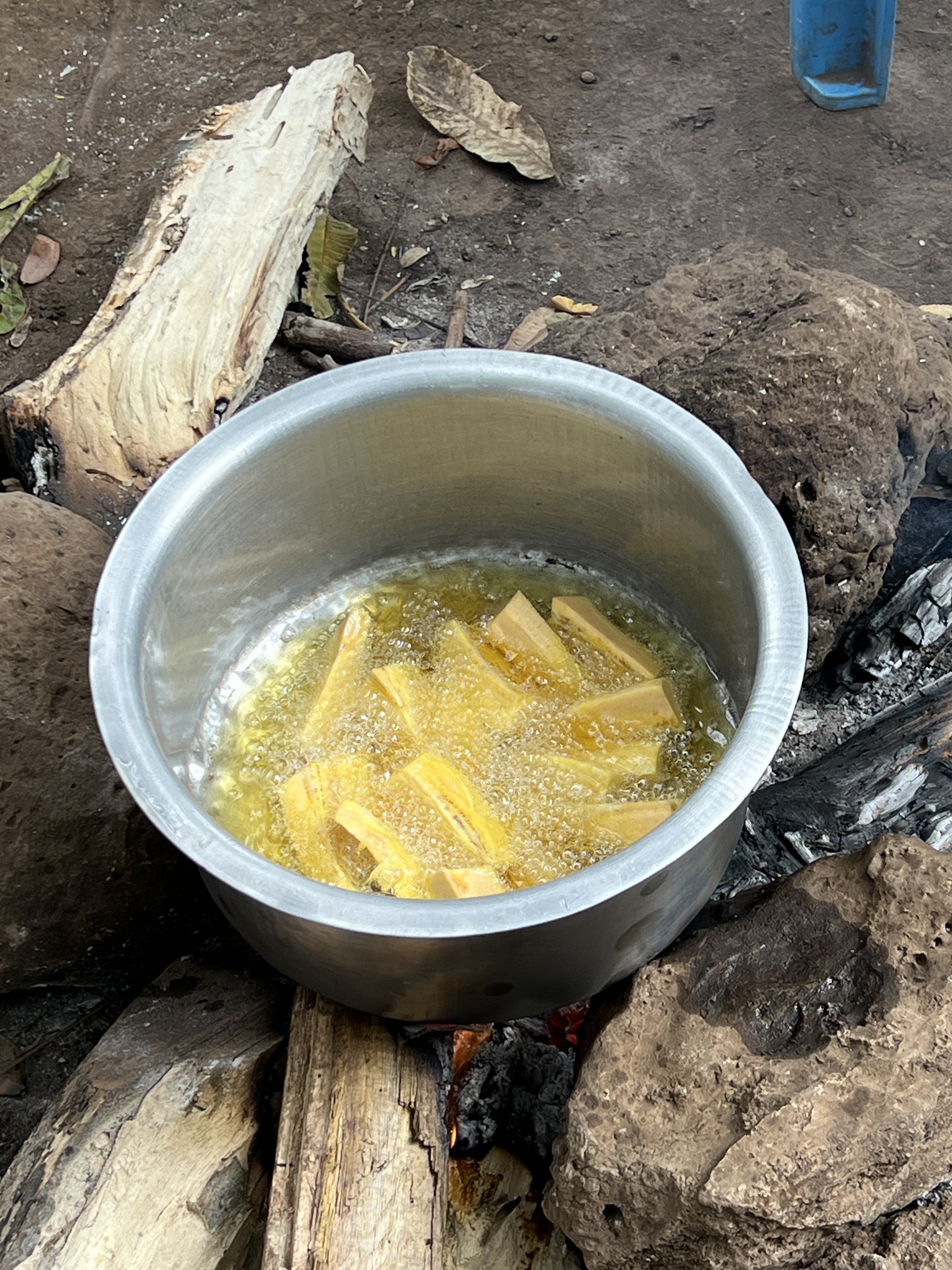
Enjoyed a ‘traditional’ lunch in the village setting. Open hearth cooking of slow cooked meats and vegetables. A bit like our camp oven cooking over open fires.
One interesting feature of the lifestyle was the great number of partly completed block homes. Apparently, families will build a basic shell and will only complete additional rooms as they can fund them. Little borrowing! A variation of the Aussie extension idea. In some cases they will have initially built a mud house and will then move on to a block house.
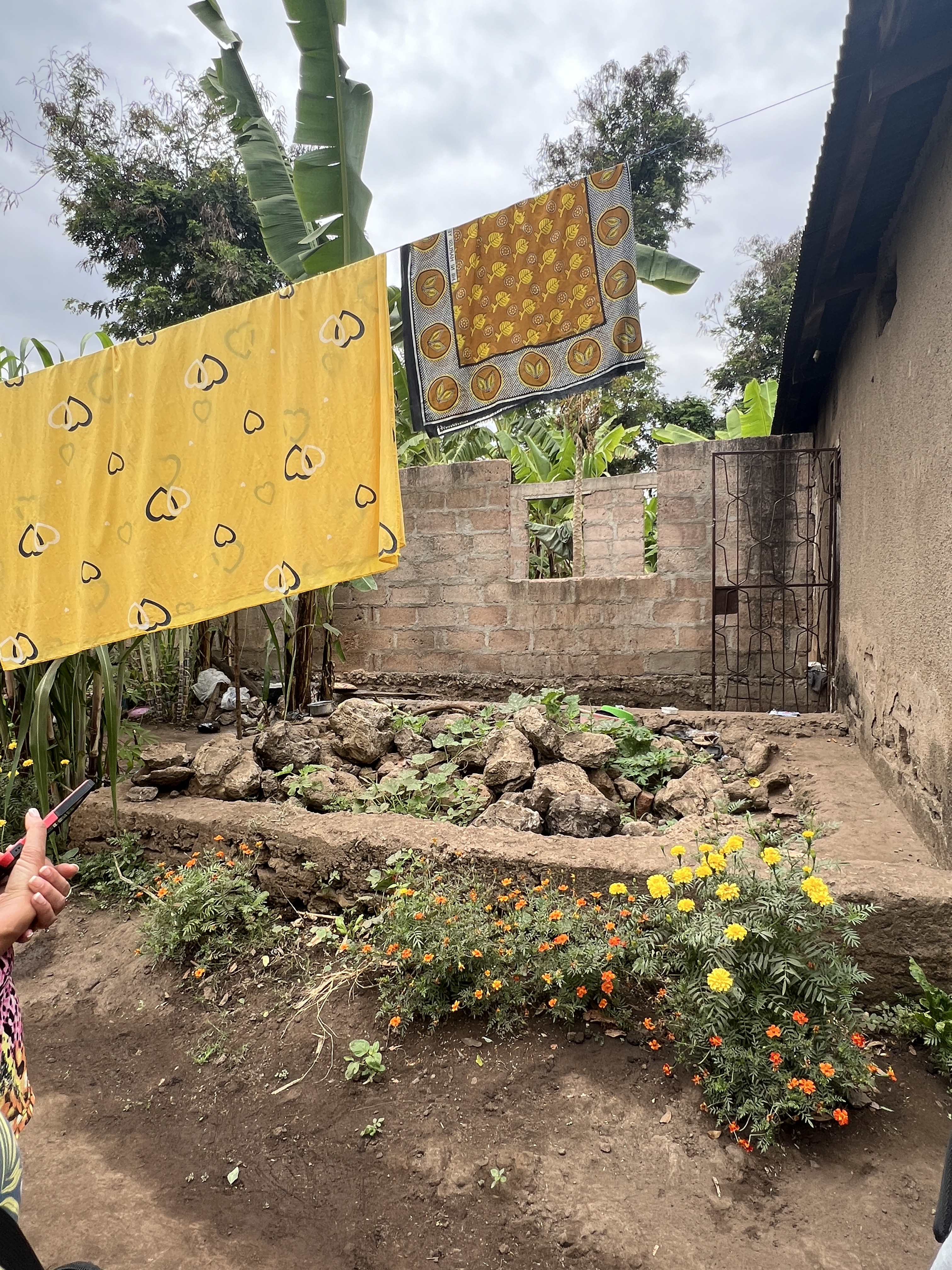
This absorbed an interesting three hours or so of interaction with the locals, who all seem to have a smile and a happy disposition. Very welcoming.
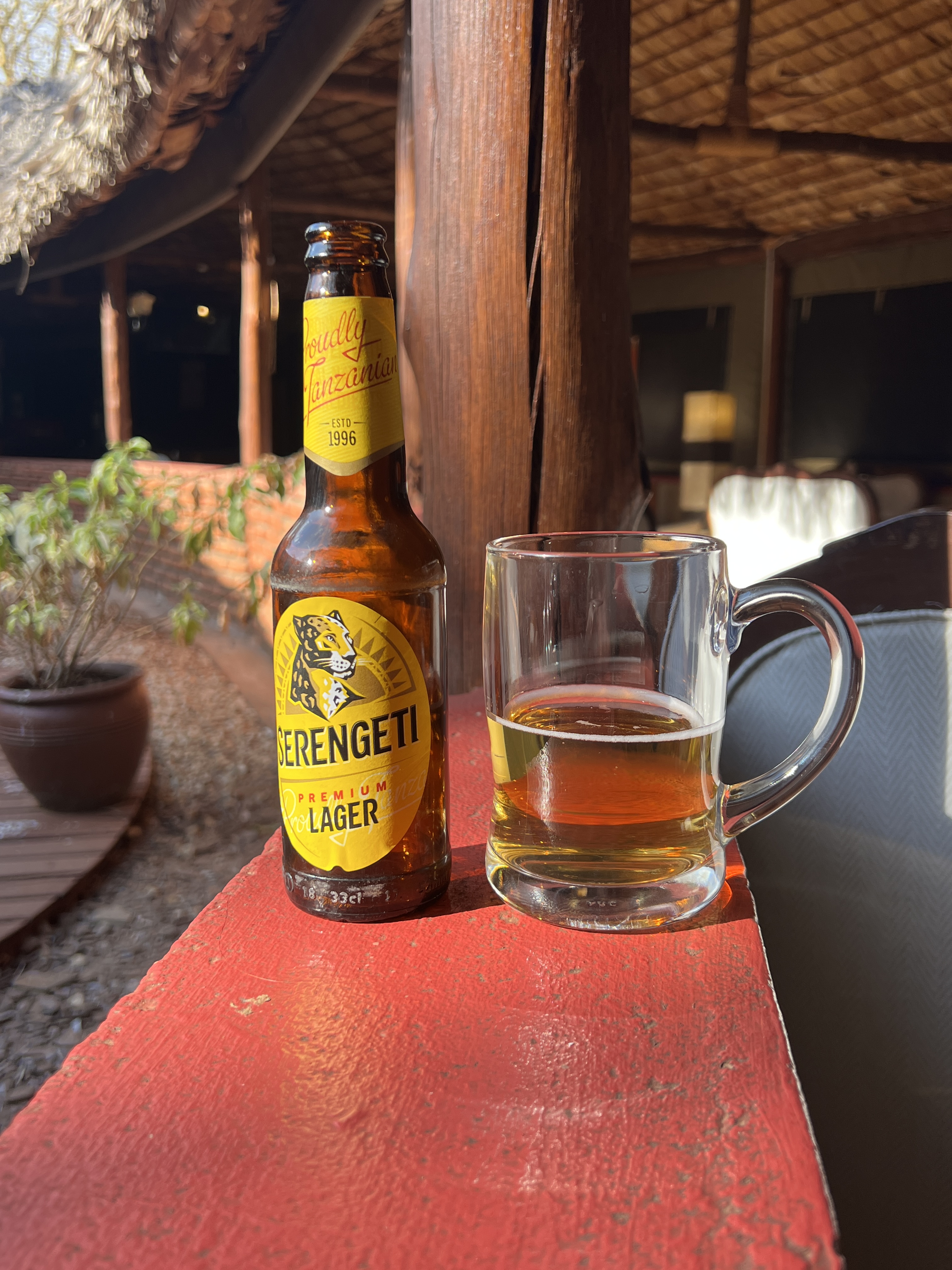
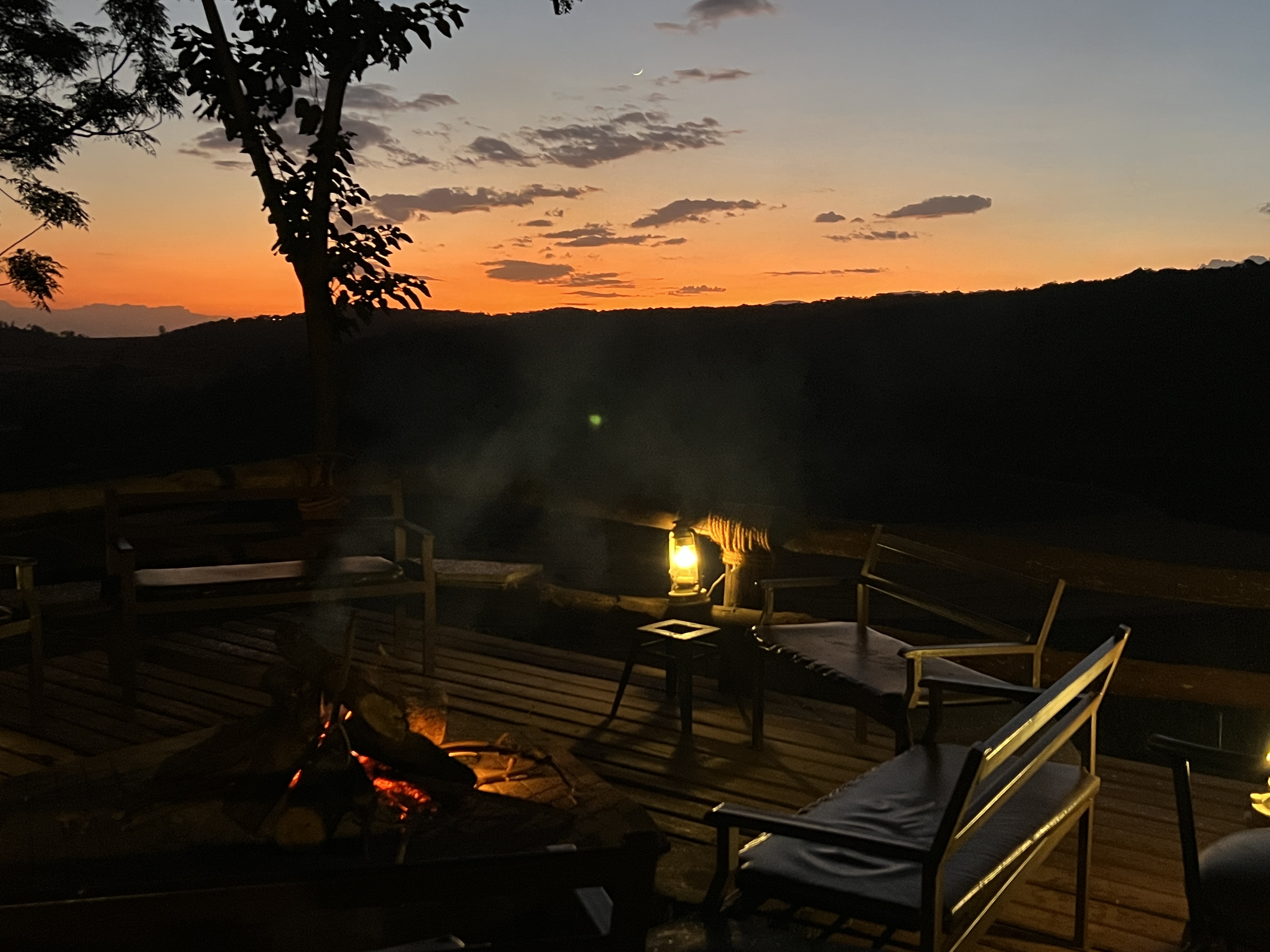
Back at the lodge we had some quiet time ahead of the next leg of the Tanzanian section of the trip taking us through Ngorongoro crater and into the Serengeti.

Posted on October 10, 2024, in Africa 2024. Bookmark the permalink. Leave a comment.


Leave a comment
Comments 0