Ngorongoro Crater
We departed Lake Manyara and set off for the Ngorongoro Crater. The crater is the world’s largest intact volcanic caldera. It is 19 km in diameter and 610 metres deep.
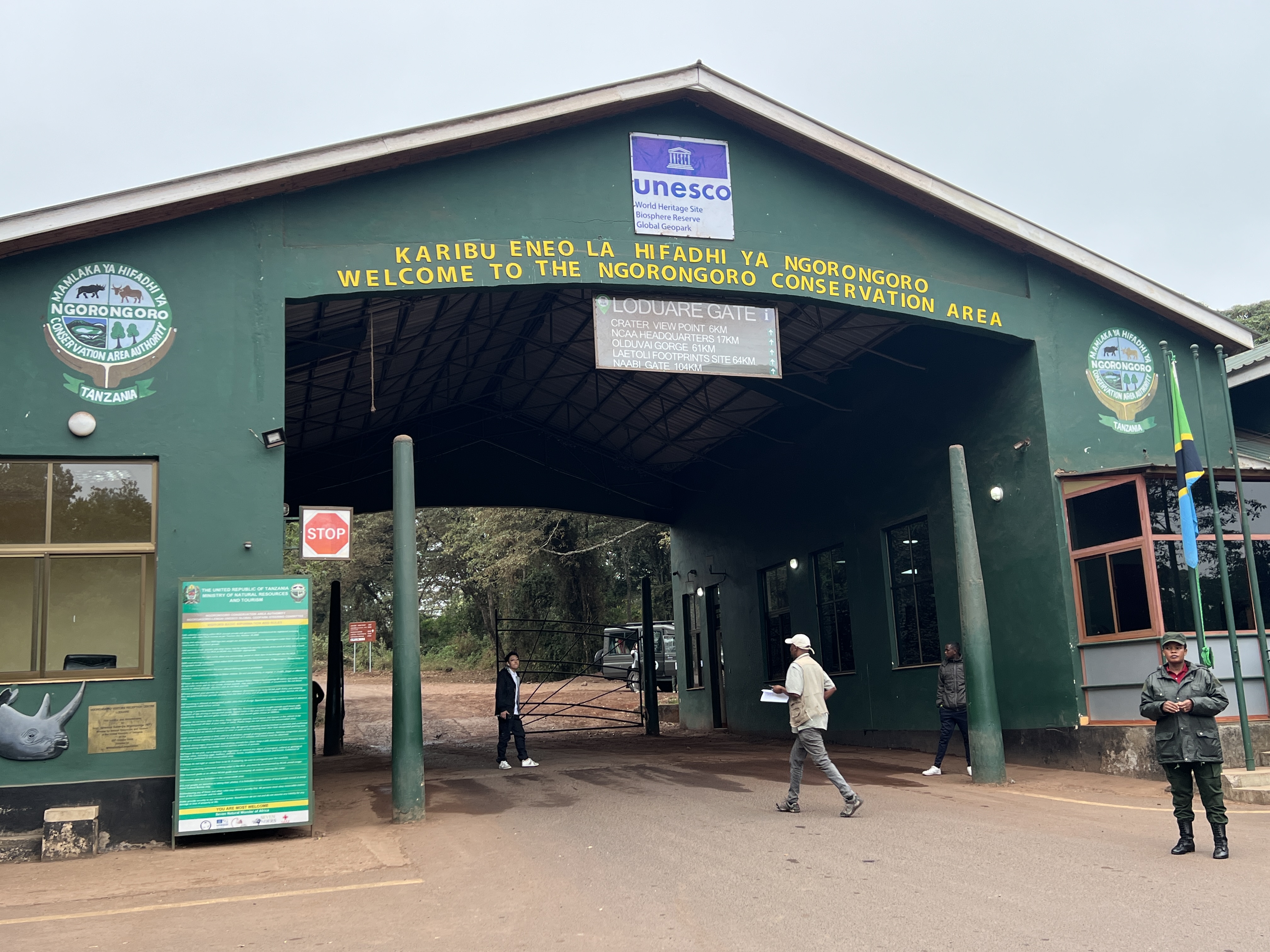
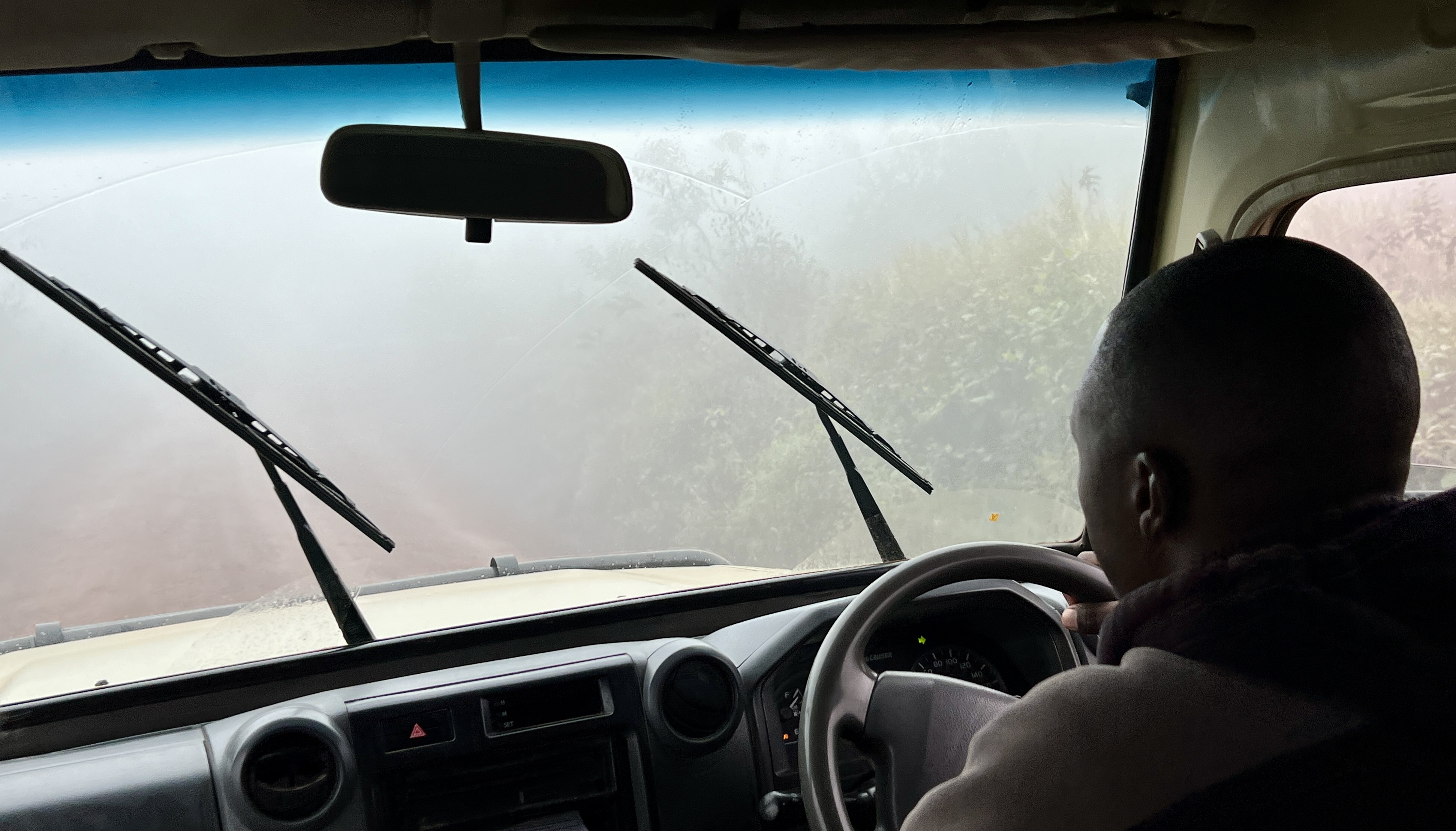
It was an overcast day with heavy cloud and as we climbed the Crater wall along a narrow, steep sided rocky track the weather really closed in. Difficult to see a few metres ahead. Homealone was a bit edgy in places.
When we got out of the trucks at the top and looked down into the crater it was like a pea soup bowl of foggy cloud.
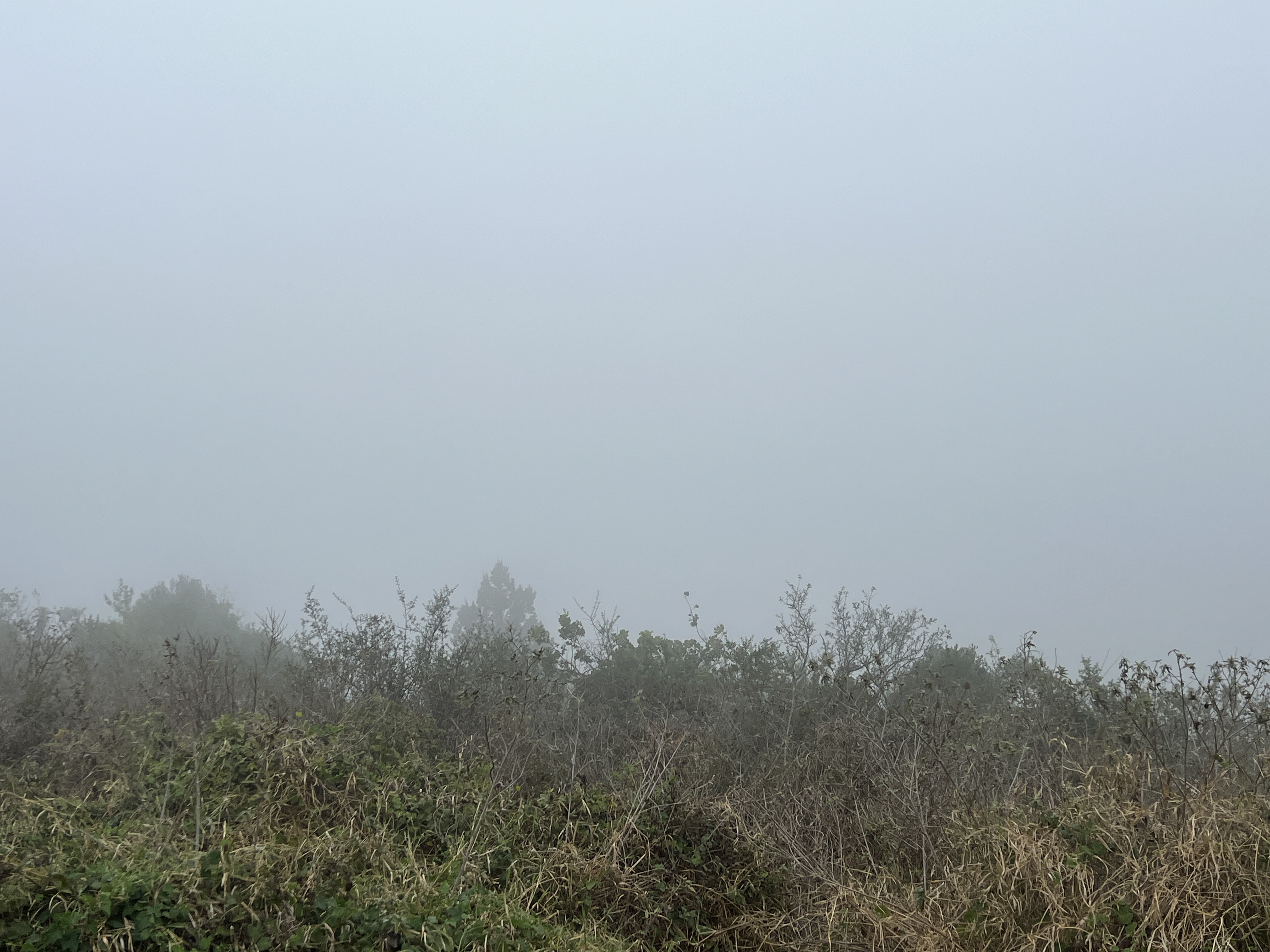
It was a bit of a disappointment because this spot has a magnificent view of the crater lake system and vast plains. Turning back to get into the trucks for the descent into the crater there was a dramatic change, the clouds lifted somewhat and the shimmering lake appeared below.
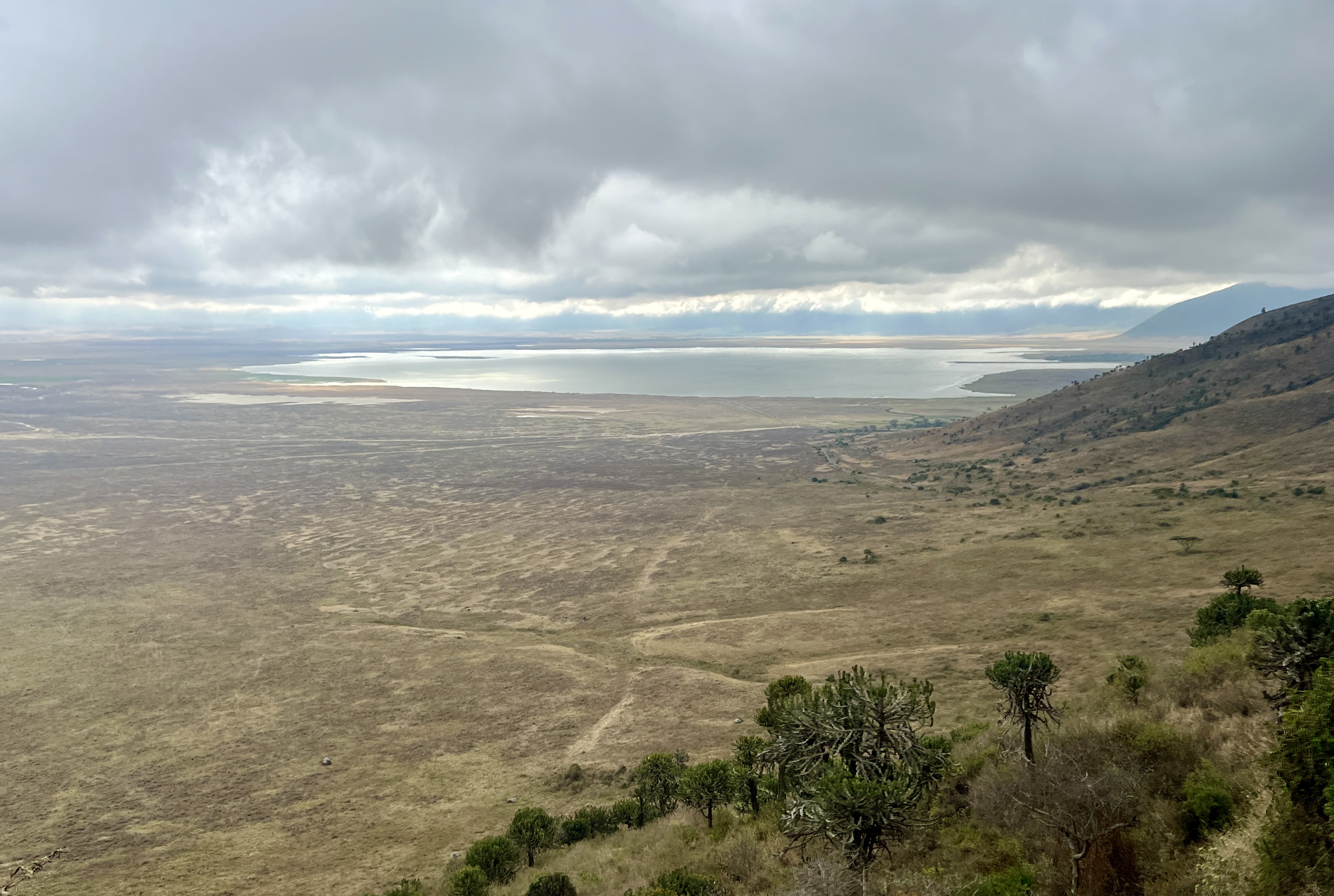
An amazing view. From that point on the weather generally cleared for a great drive through the park.
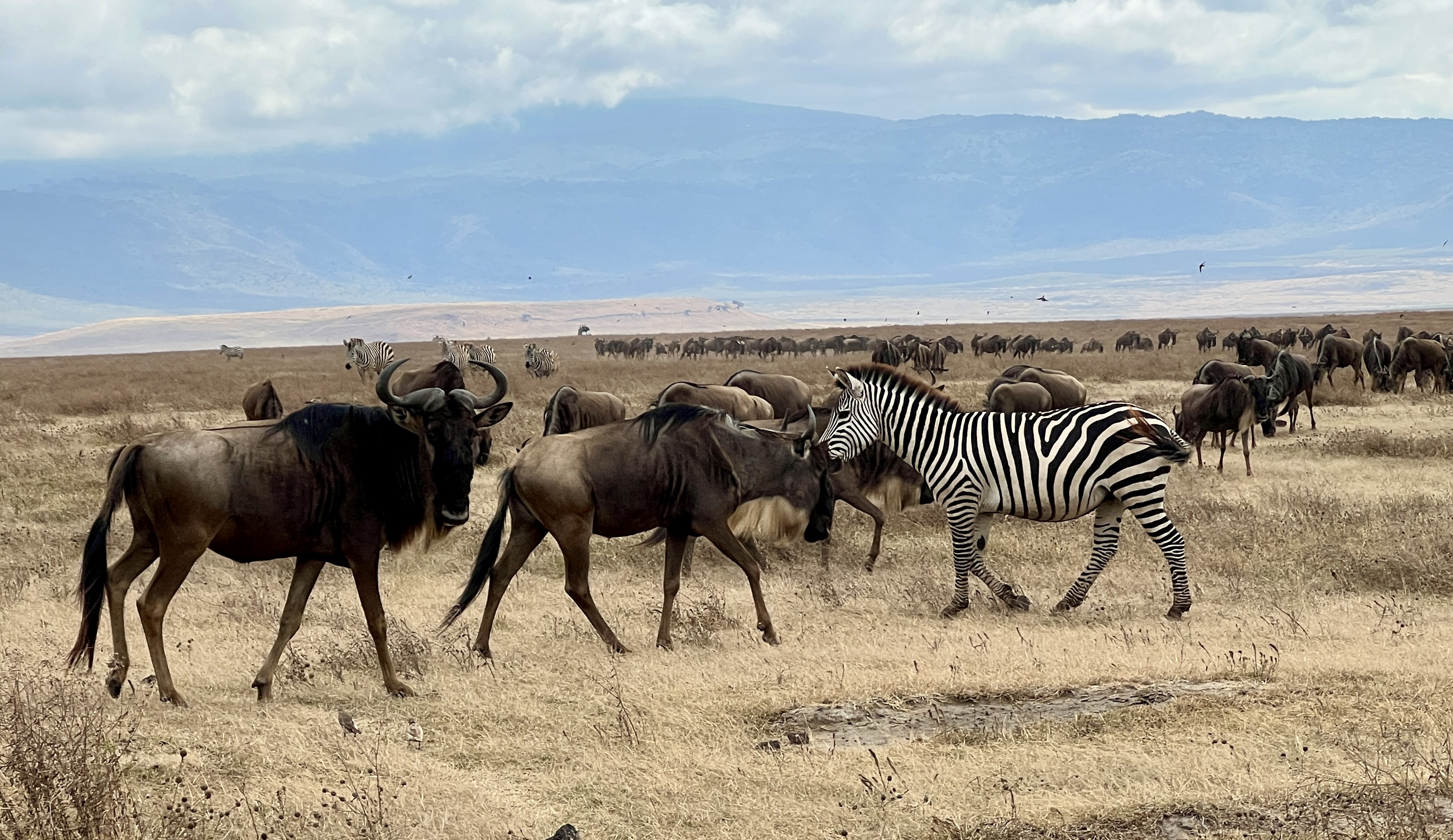
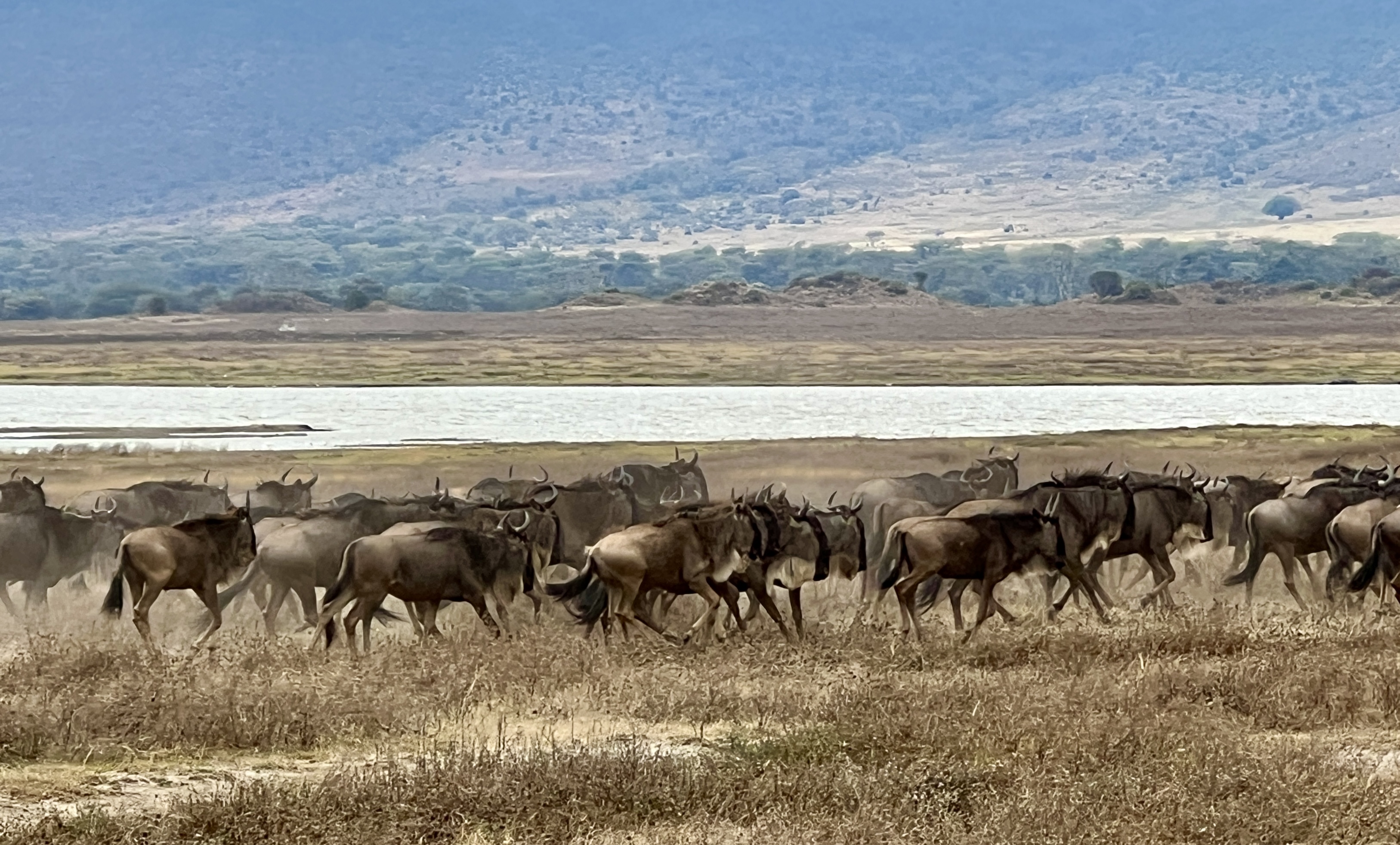
All the usual suspects put in appearances. It was the first time that we had seen herds of wildebeest moving around with their mates the zebras. Apparently, the zebras lead the wildebeest around on their migration. The zebras are the first to munch on the new grass, the wildebeest then follow (they can munch the grass closer to the ground than the zebra, so the zebra go first) any other grazing animals following the pack go last. The order of things.
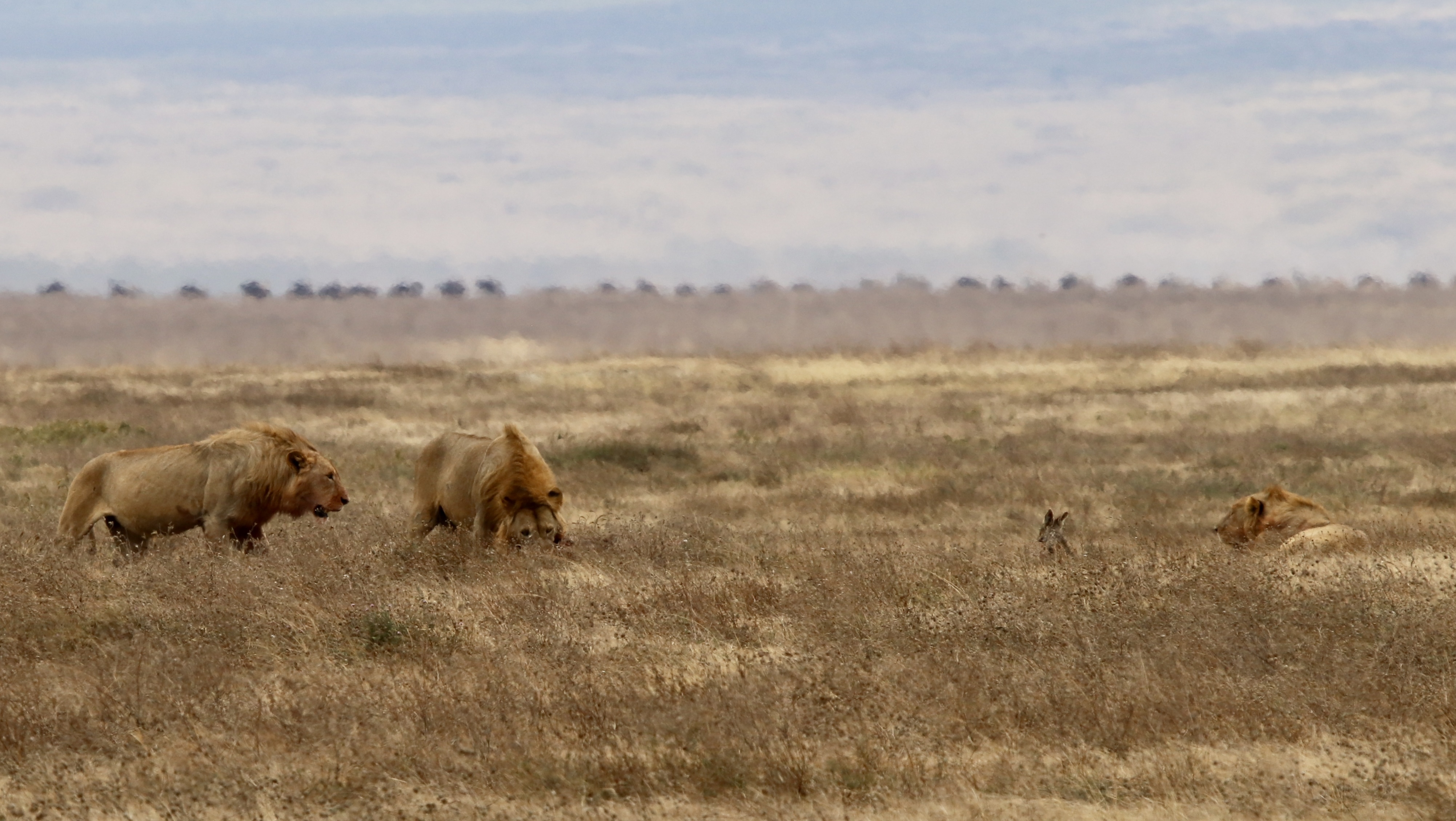
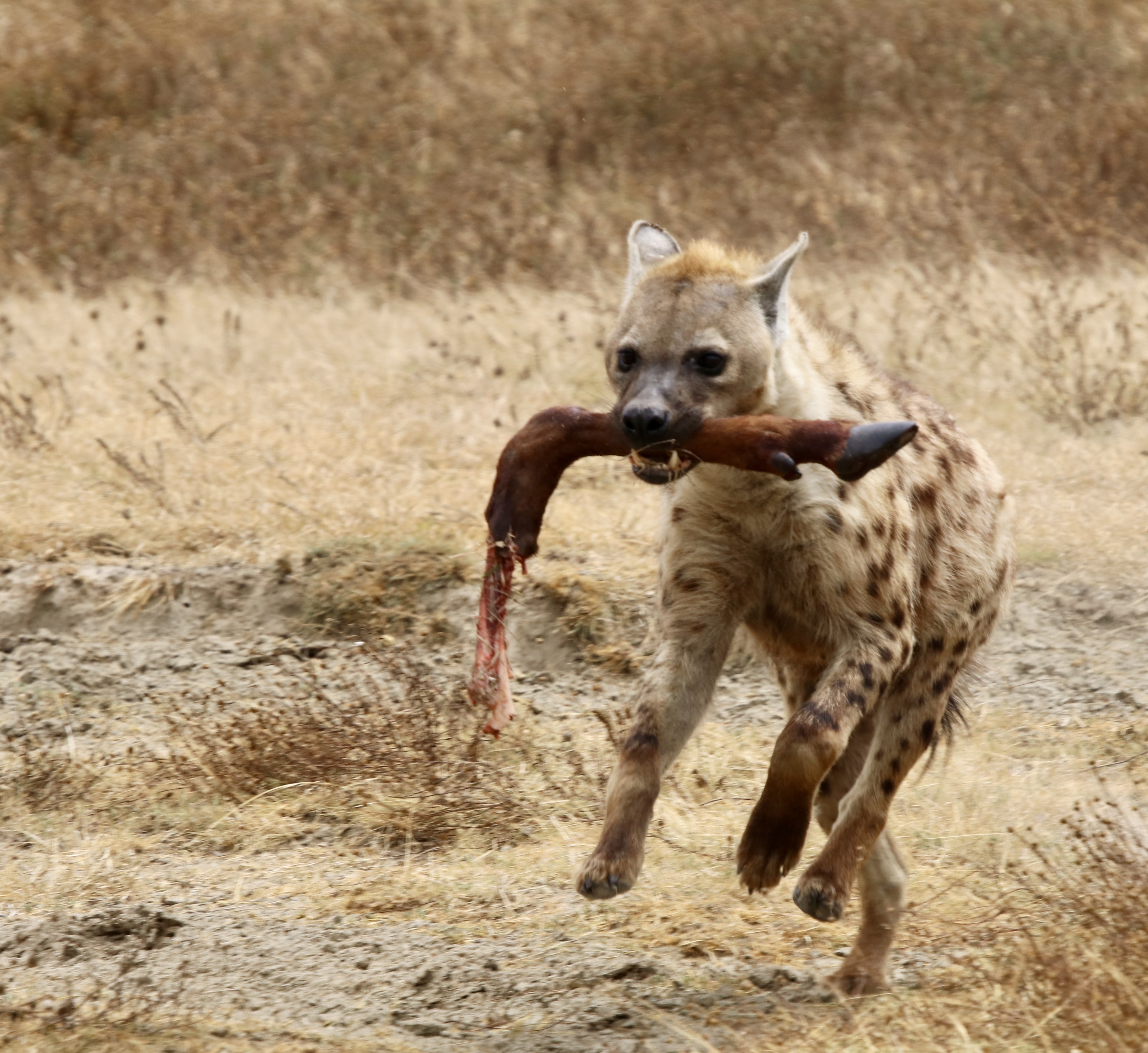
A number of lions were seen lying back in the grass, including this threesome gnawing on a kill. Some hyenas were lurking around waiting for the scraps, but this chap was emboldened and darted into to grab the leg of the kill and then took off straight towards us at a great pace followed by some others. The lions kept gnawing away.
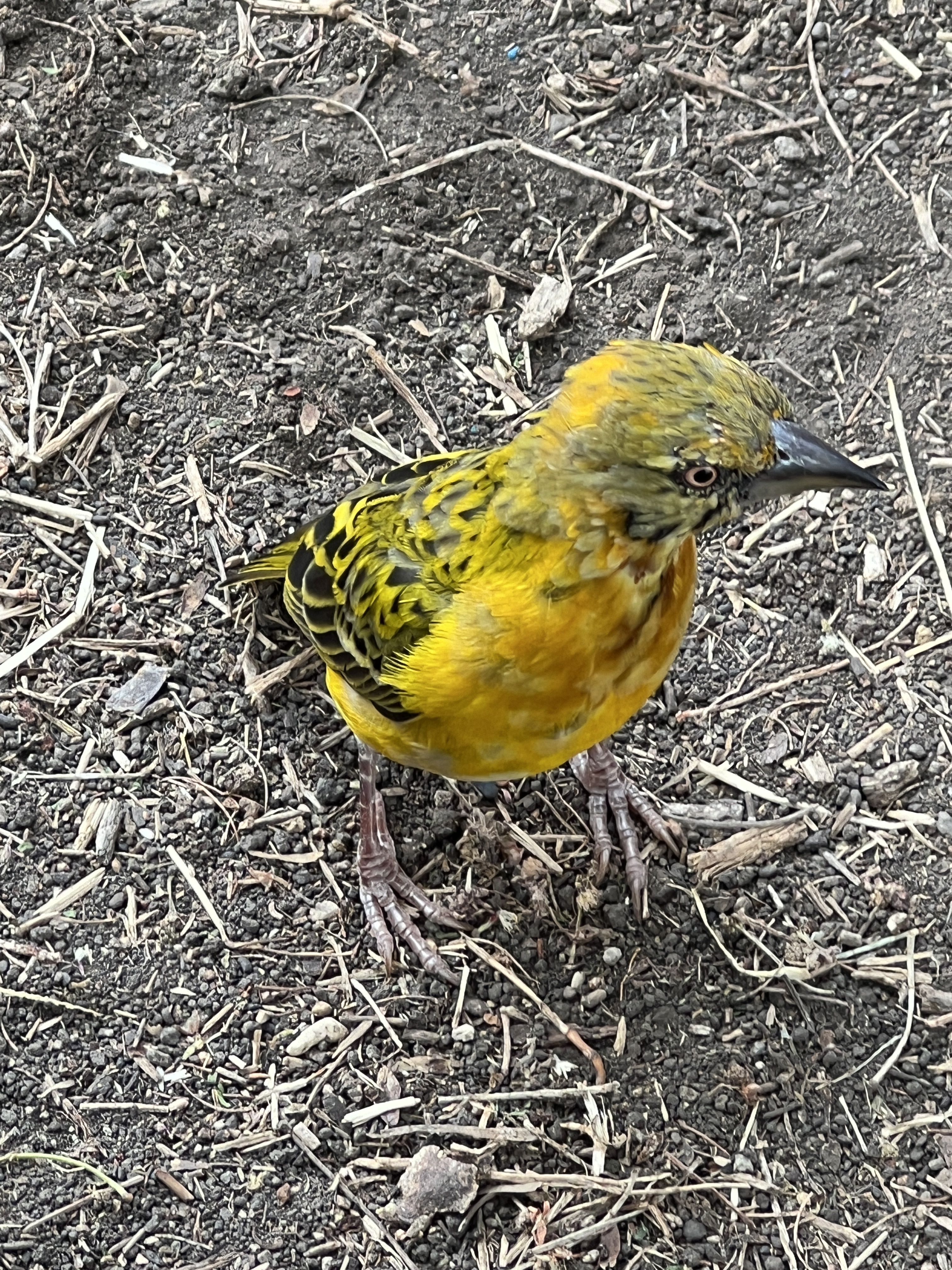
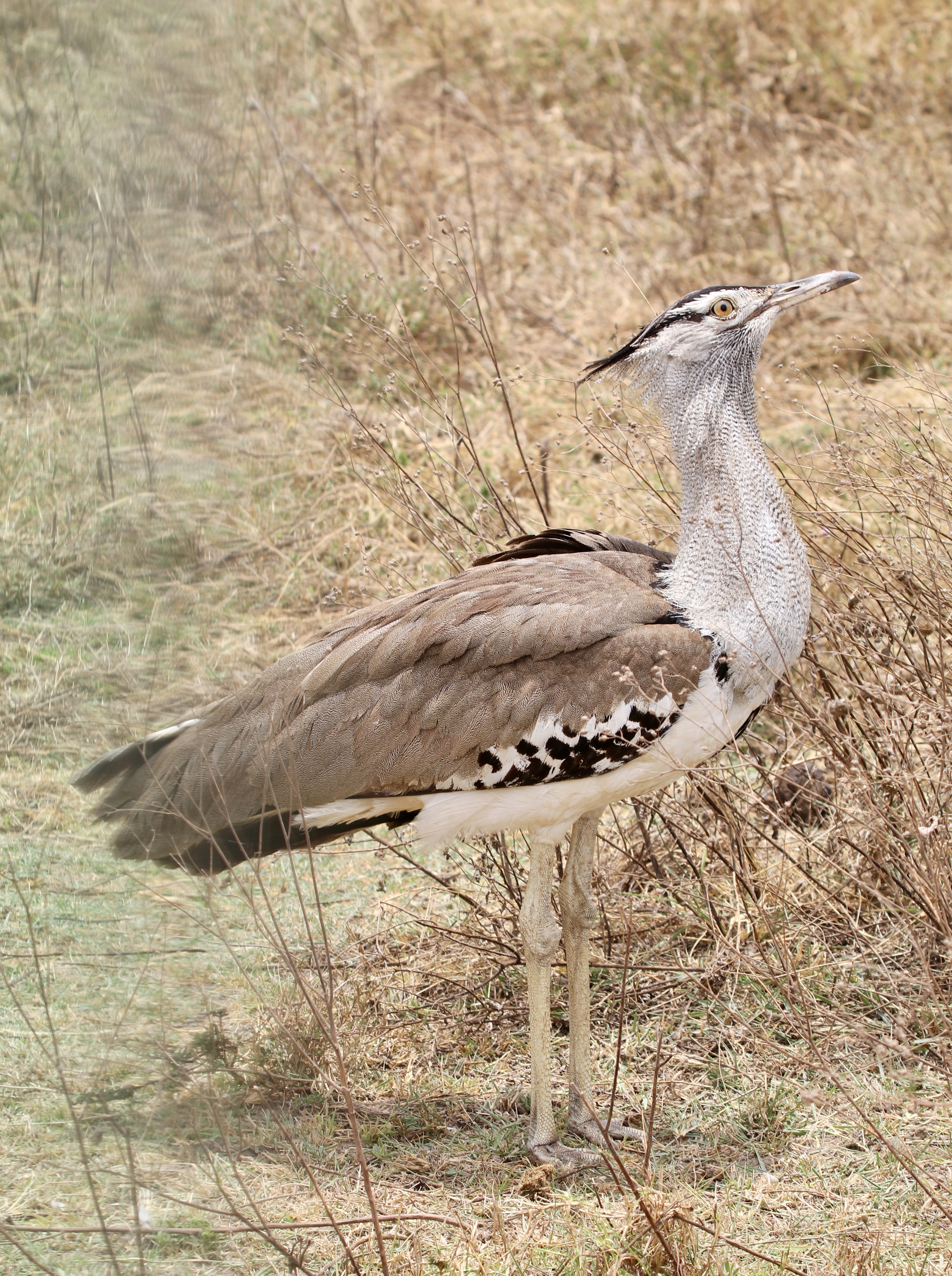
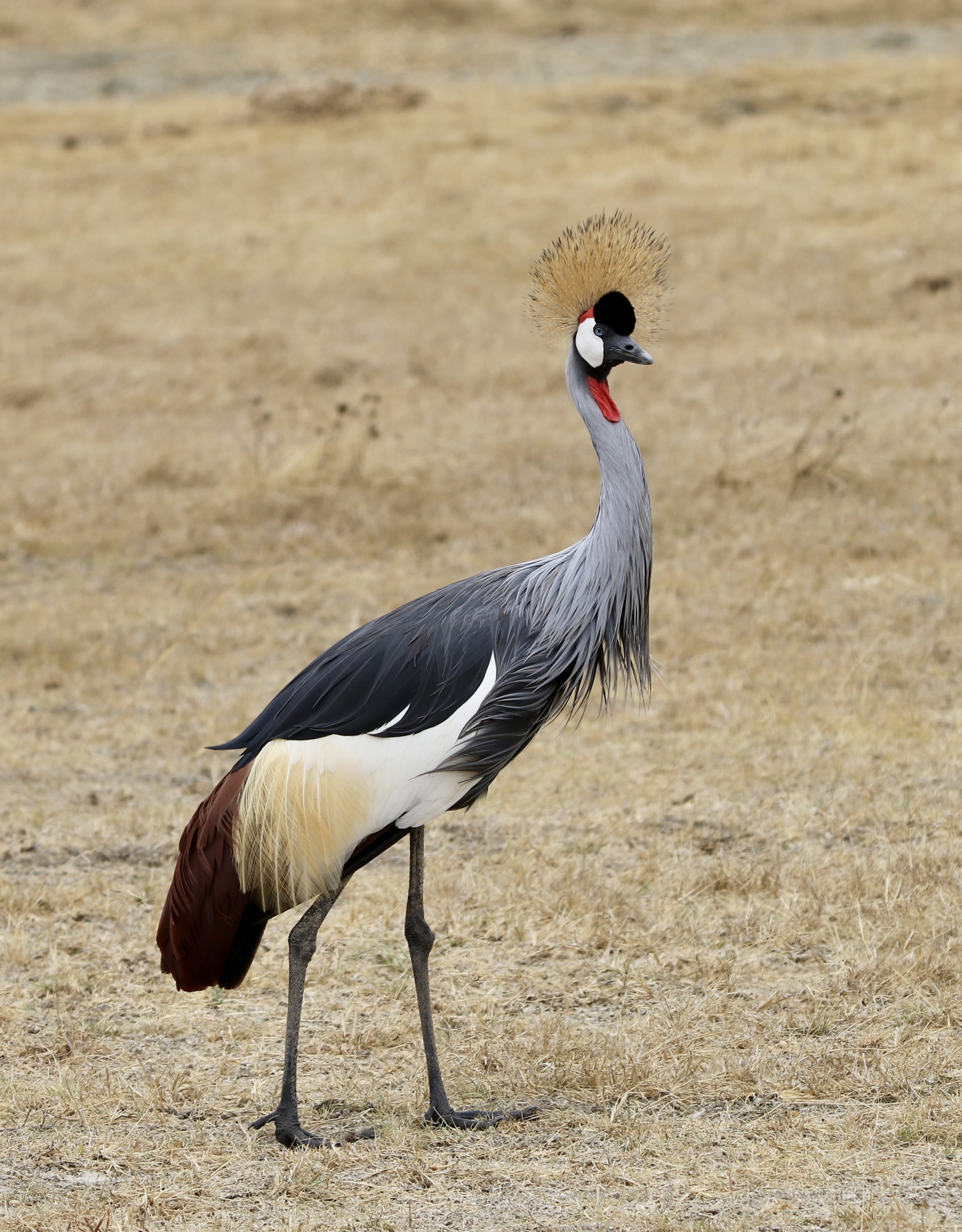
The colourful bird varieties continue to amaze us and rival the animals for attention.

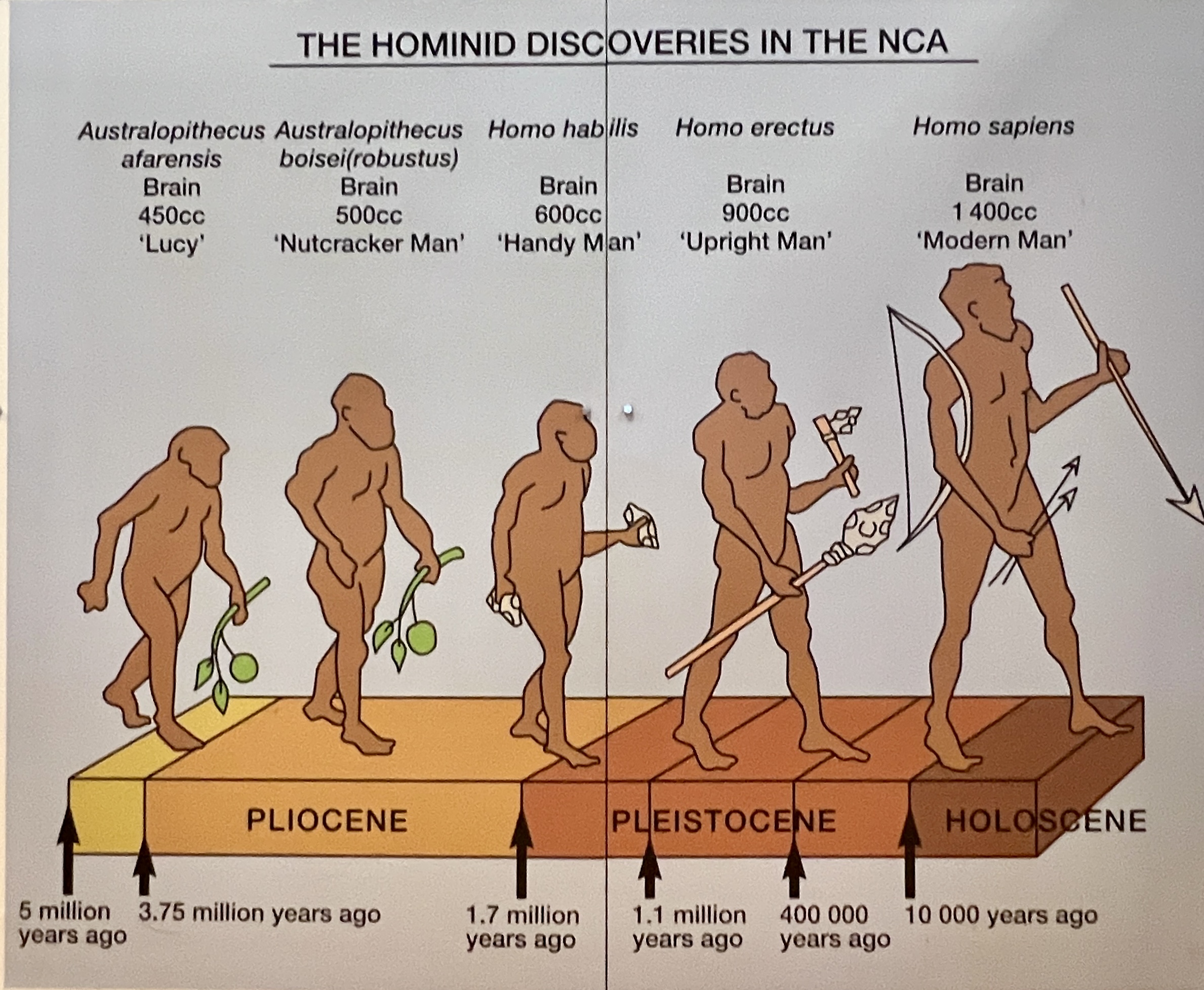
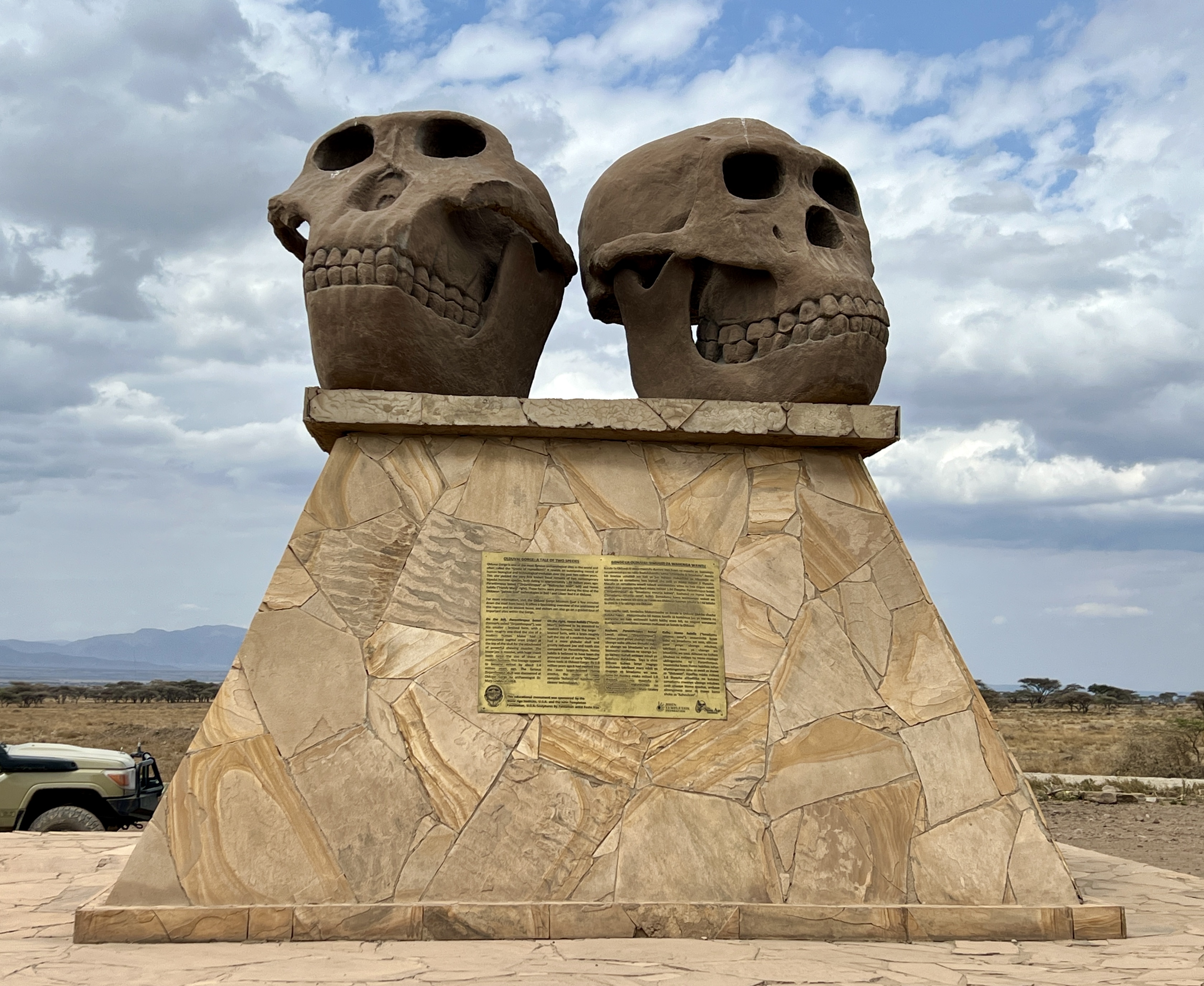
Towards the end of the drive we passed by Oldupai Gorge. Readers may recall from High School Science that this is the general area where ‘The Cradle of Mankind’ is thought to be. Bones were found here in the 1950s that push human evolution back well over 1.5 m years. The little guide sheet we have notes that the different kinds of hominids found here show a gradual increase in brain size and complexity of their stone tools. Here is a sketch of the findings.
We didn’t have the time to go and visit the museum here that is located deep into the gorge. Rather a brief stop at a road side site with two great big heads pointing the way. Impressive!
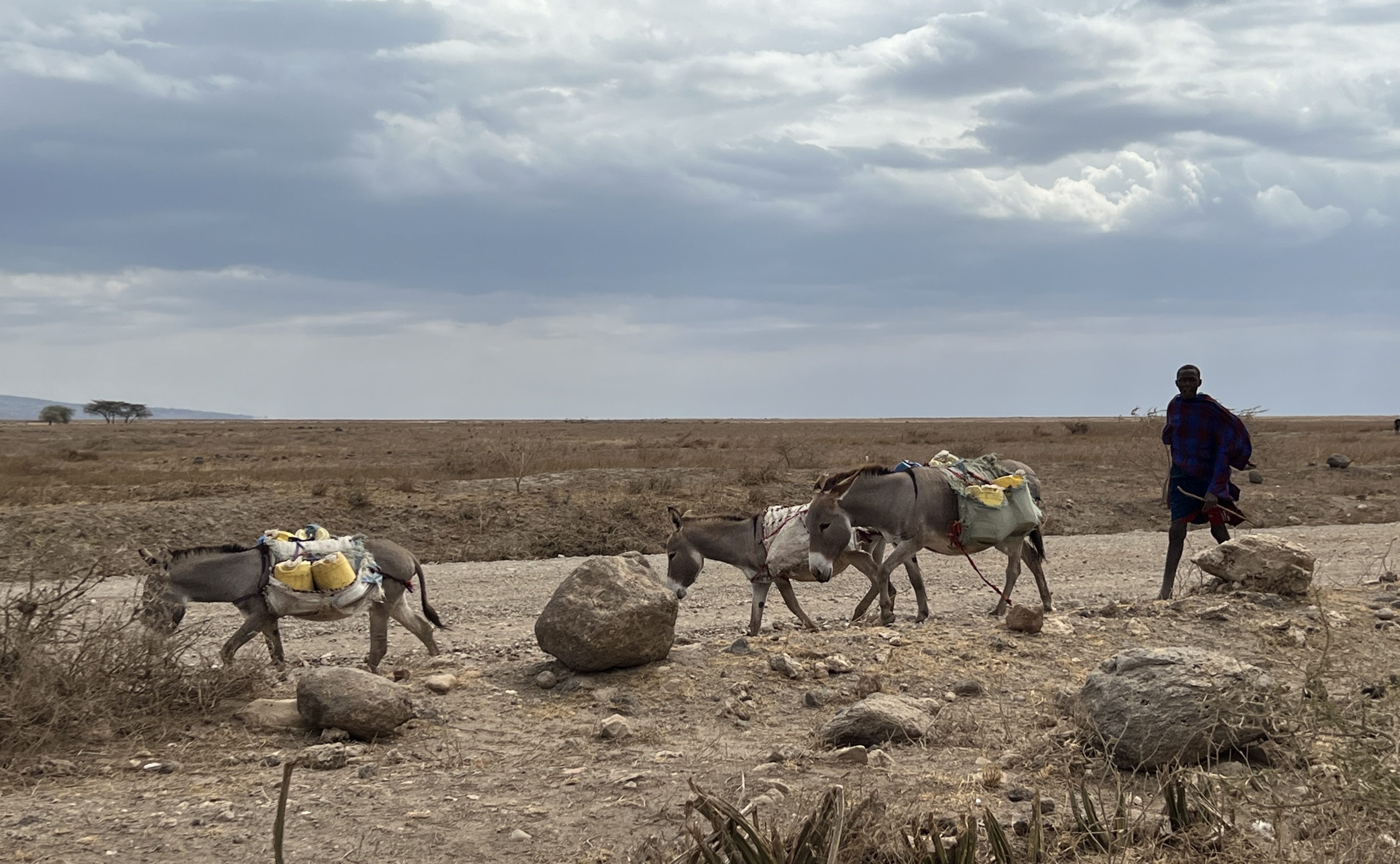
The Masai people roam around parts of the park with their herds of cattle and goats. Seemingly at times in the middle of nowhere, kilometres from their villages.
From there we meandered around the crater and ultimately climbed up the rim and down the other side onto the Serengeti plain. A story for next time.

Posted on October 13, 2024, in Africa 2024. Bookmark the permalink. Leave a comment.
 Allthegobro
Leave a comment
Comments 0