Drifting on the Douro
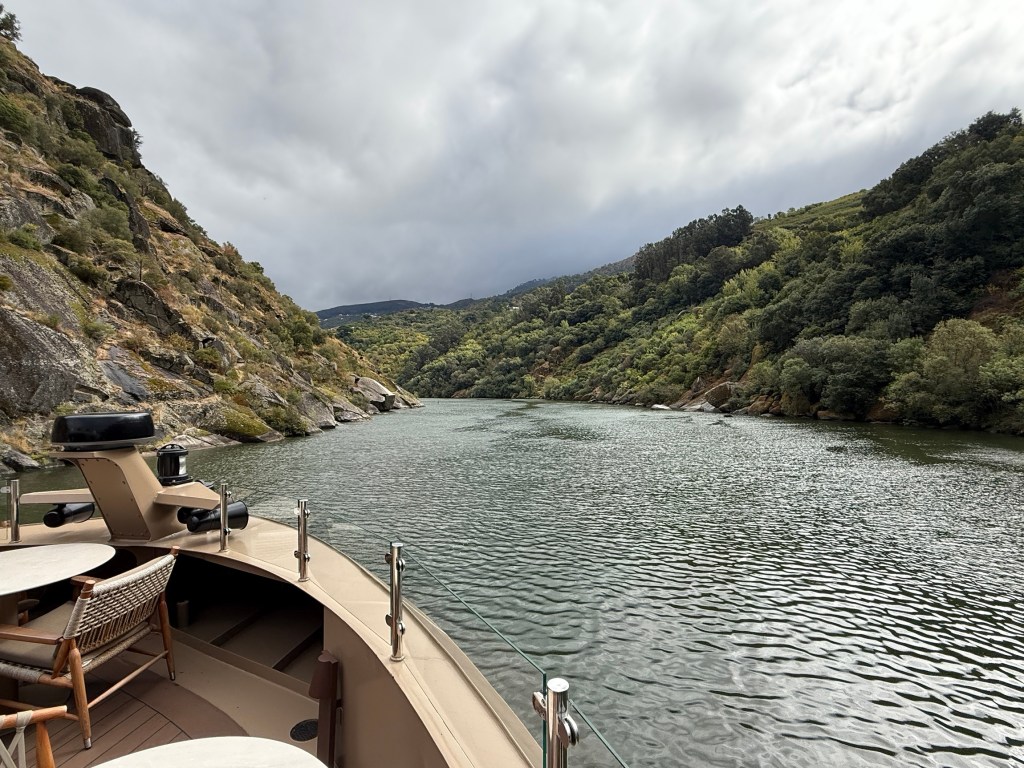
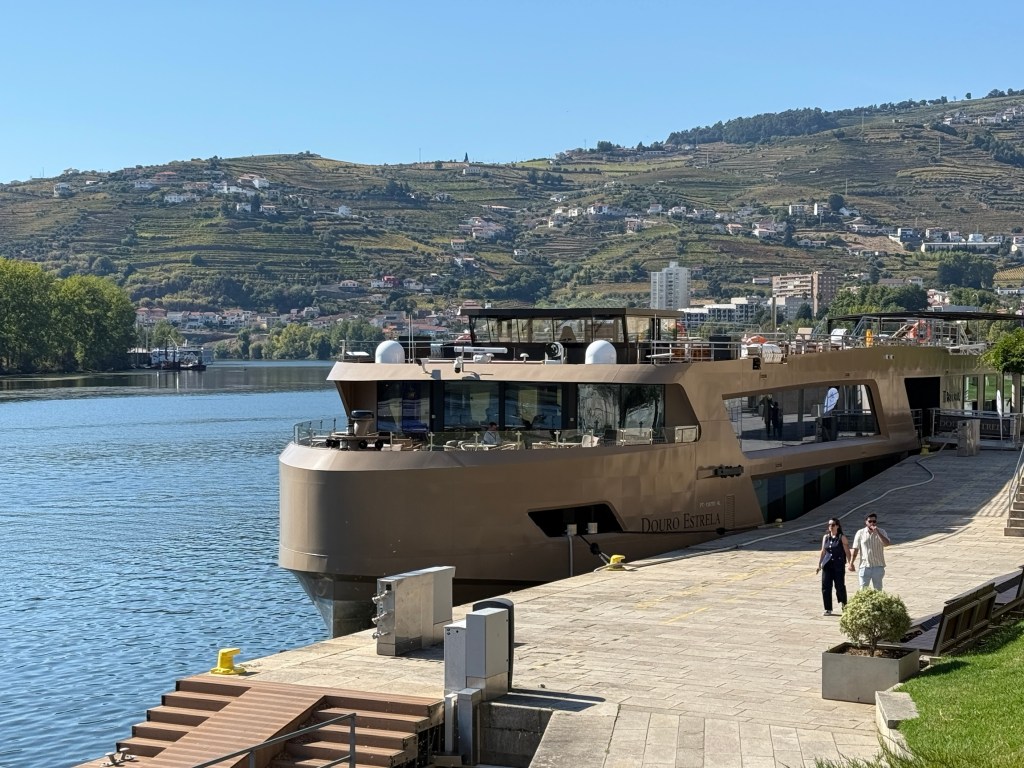
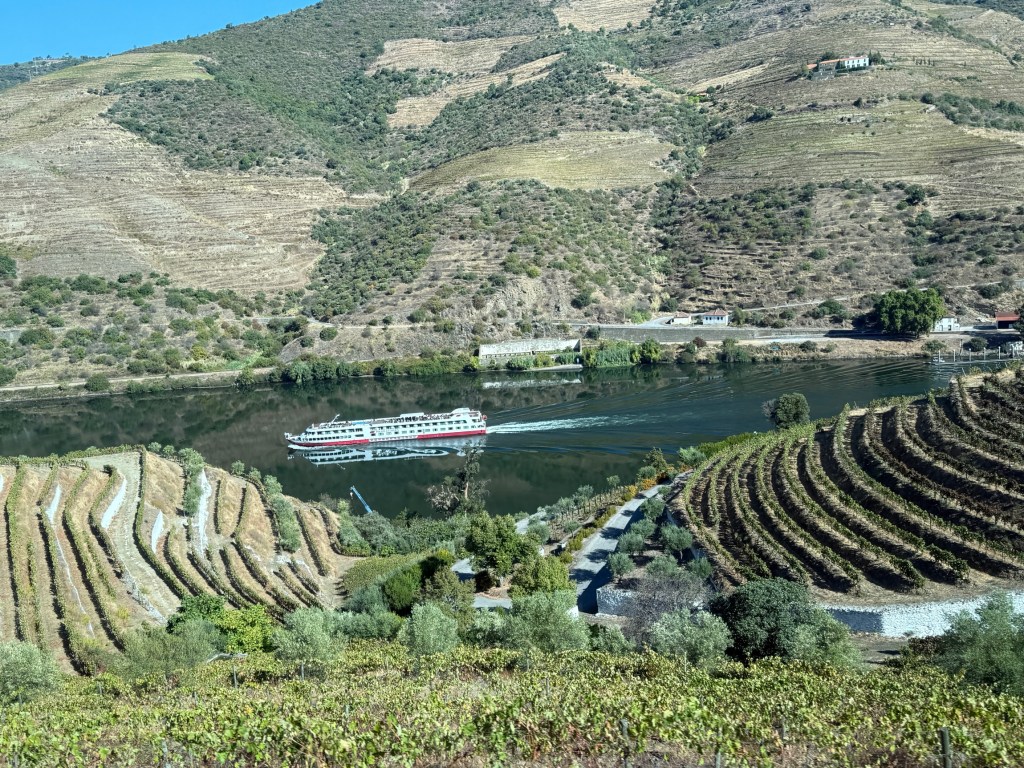
The Douro is the third longest river on the Iberian Peninsula. It rises in the mountains in the north east of Spain and flows 897 km through Spain and Portugal to the Atlantic. 200km of the river is in Portugal, this being the navigable section of the river. It took us five days of river boating aboard the ‘MS Estrela’ to get from Porto to the border town of Vega de Terron. River traffic can only sail during the day light hours, so we were moored up at night in towns along the way.

MS Estrela sailed away in light cloudy skies. There was cloudy o weather during the first two days of the journey, and some very light rain. We were affected by ex cyclone Gabriel which had crossed the coast as a rain depression.
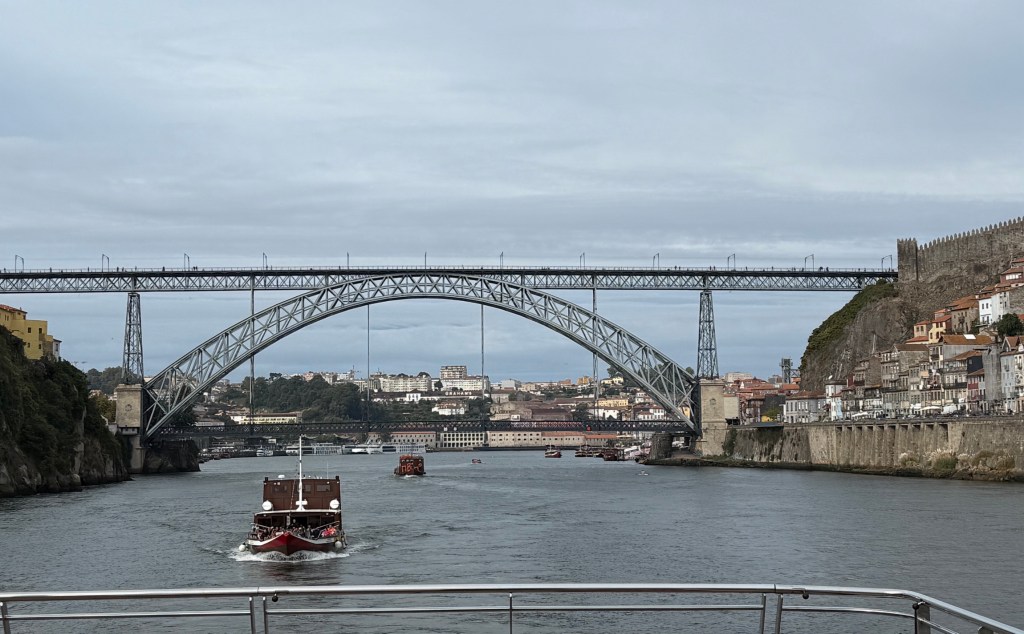
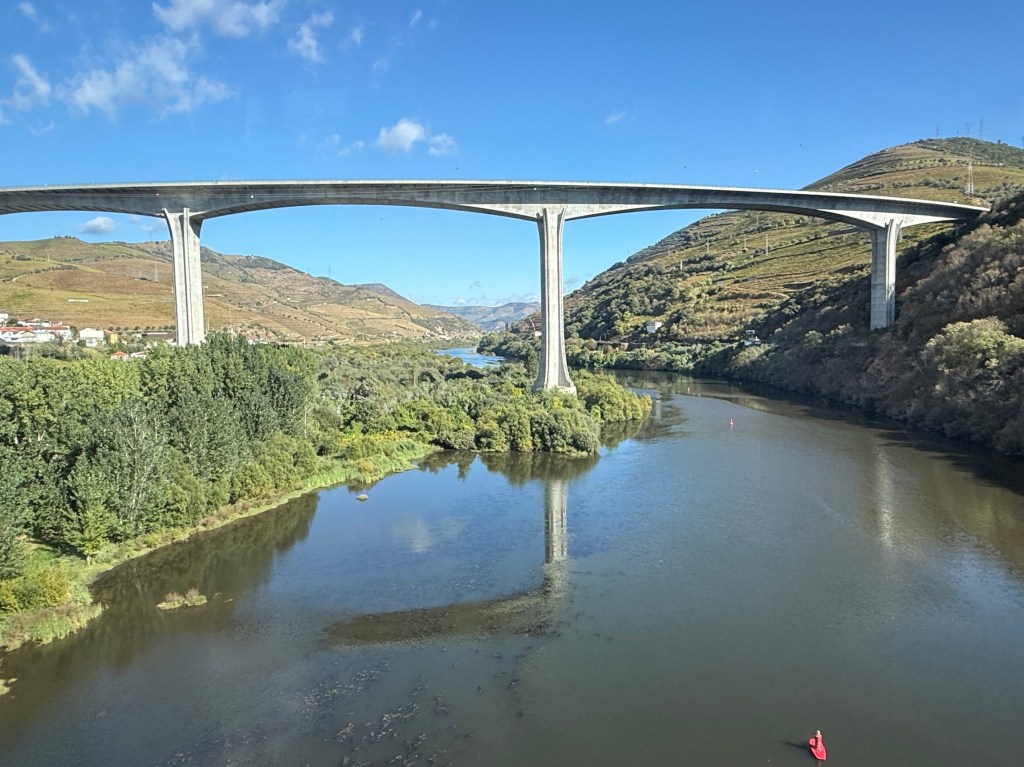
We sailed under the Luis 1 bridge, built in 1881. At that time the longest single span suspension bridge in the world.
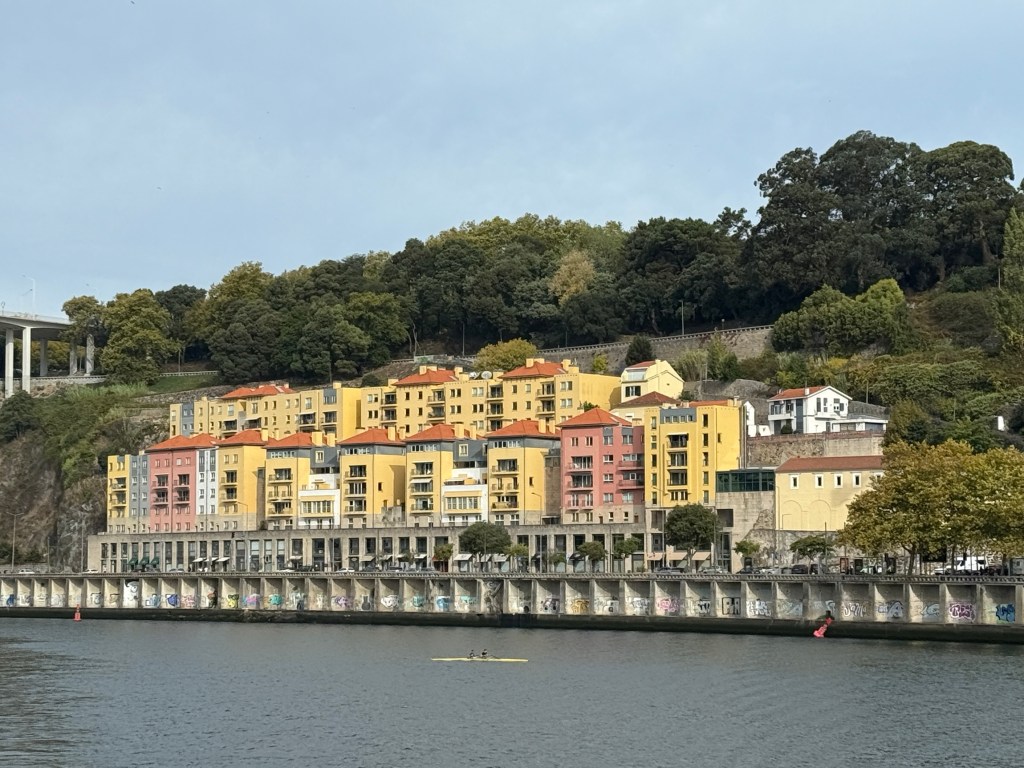
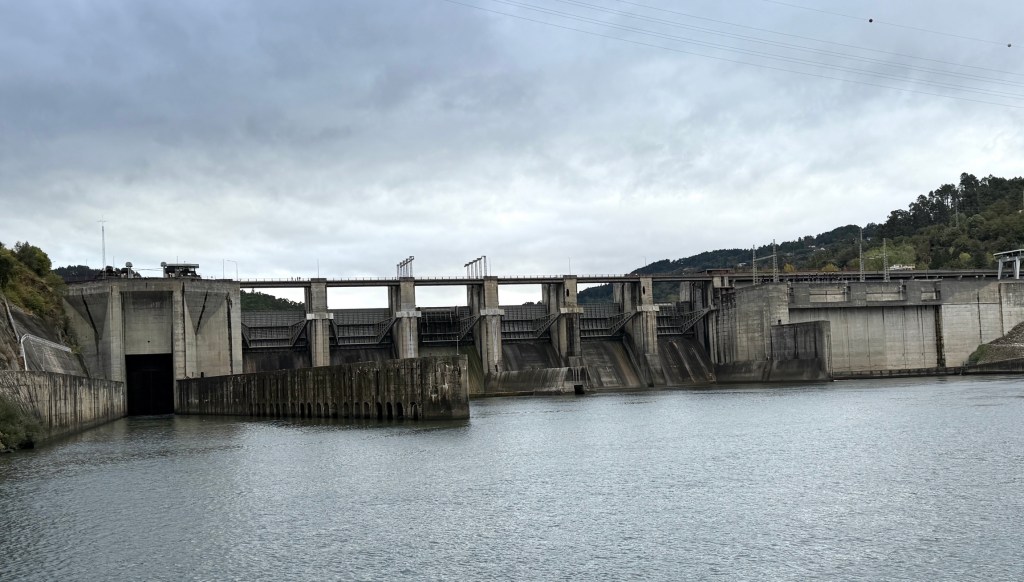
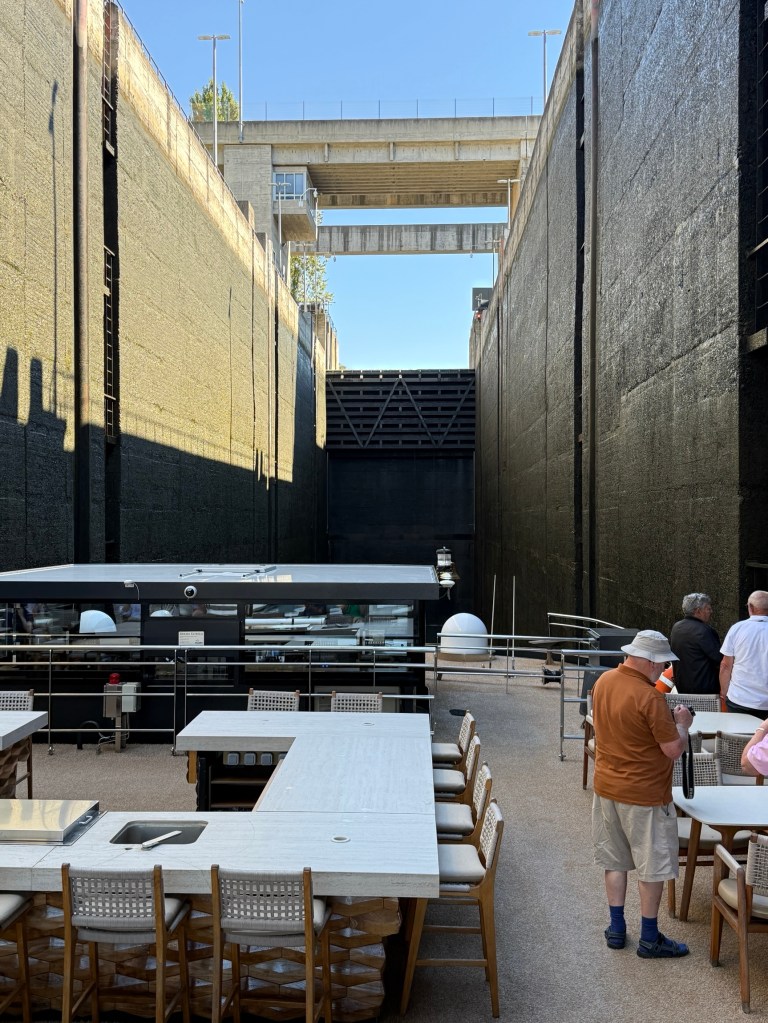
The Douro was a wild river until the mid 1970-80 when the construction of five dams and locks along the Portuguese section of the river changed its character and geography. The dams also provided hydro power.
Prior to this it was a perilous trip up and down the river with cargo, particularly for the famous wines and ports, in the traditional ‘barcos rabelos’ boats.
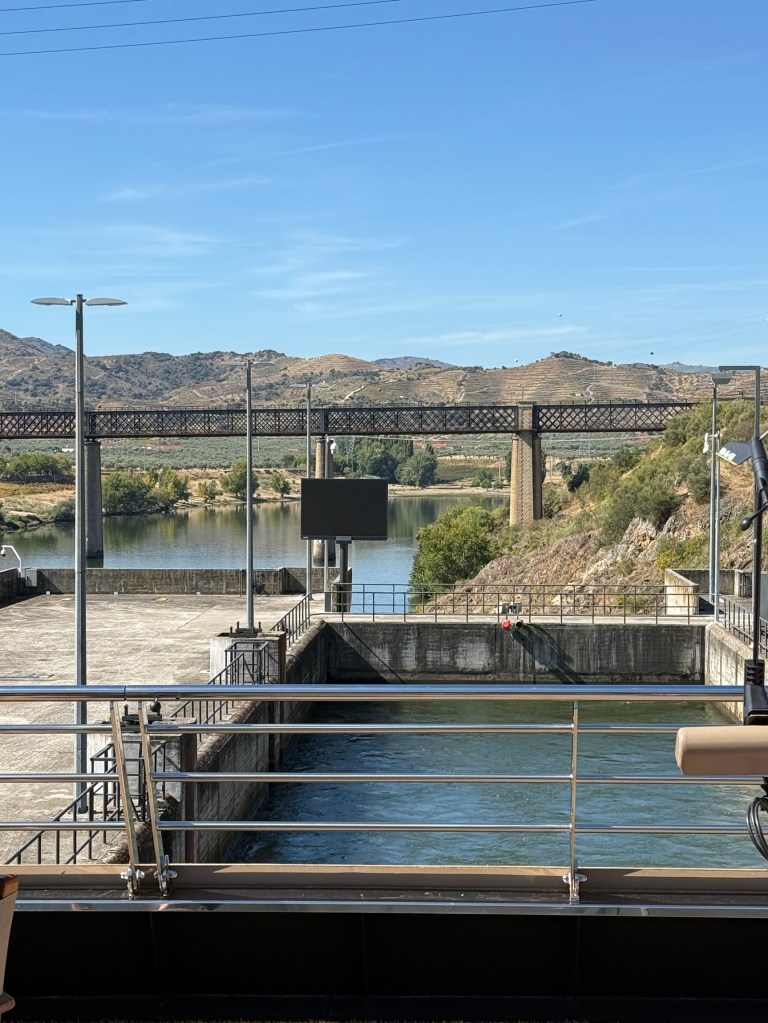
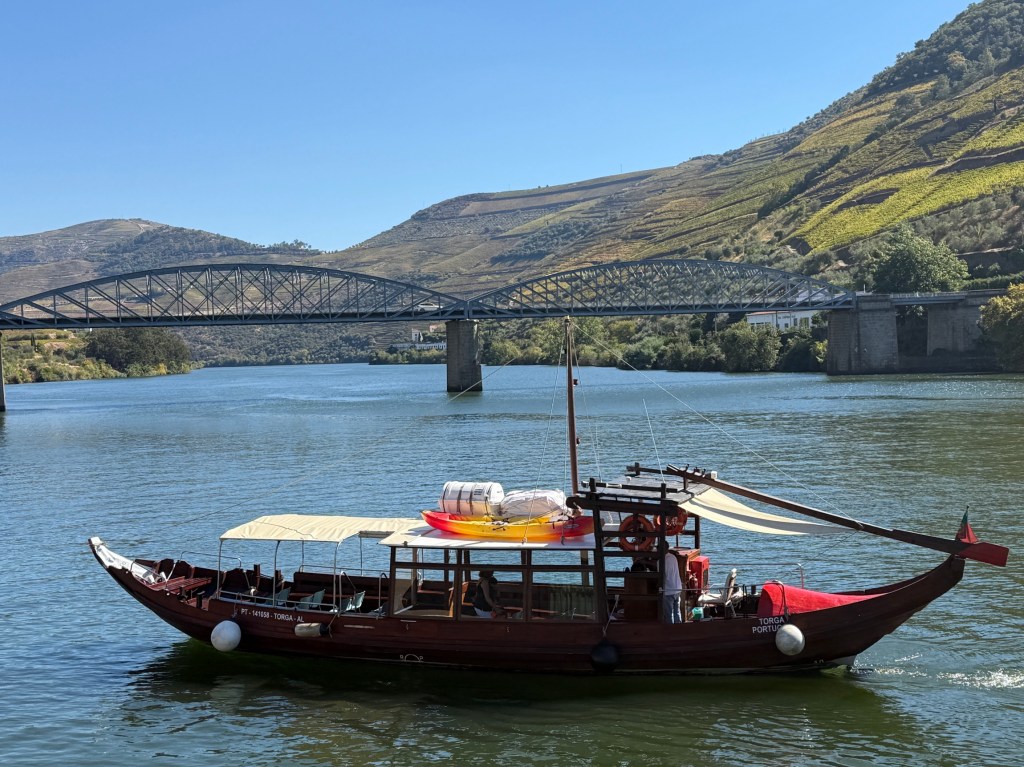
After the damming of the river it has become a series of ribbon lakes at a much higher water level.
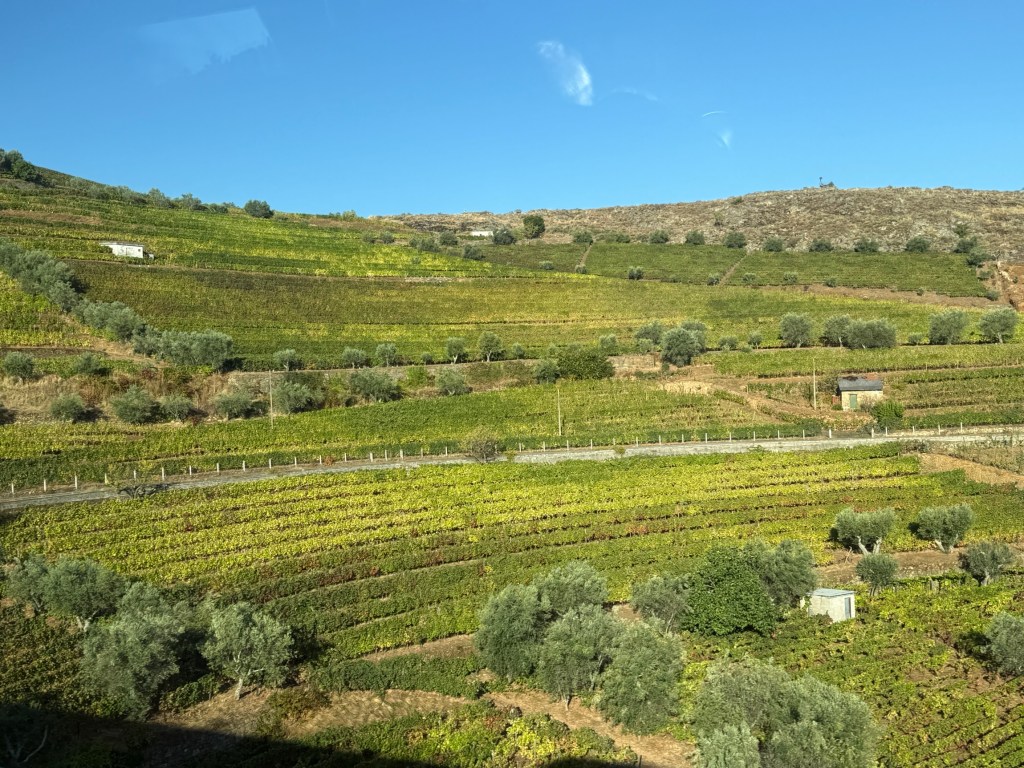
The major feature of this trip has been the riverside with its steep terraced hill sides. Grapes and olives abound. Further inland almonds were also common. Grapes have been grown commercially in the Douro valley for at least the last 380 years.
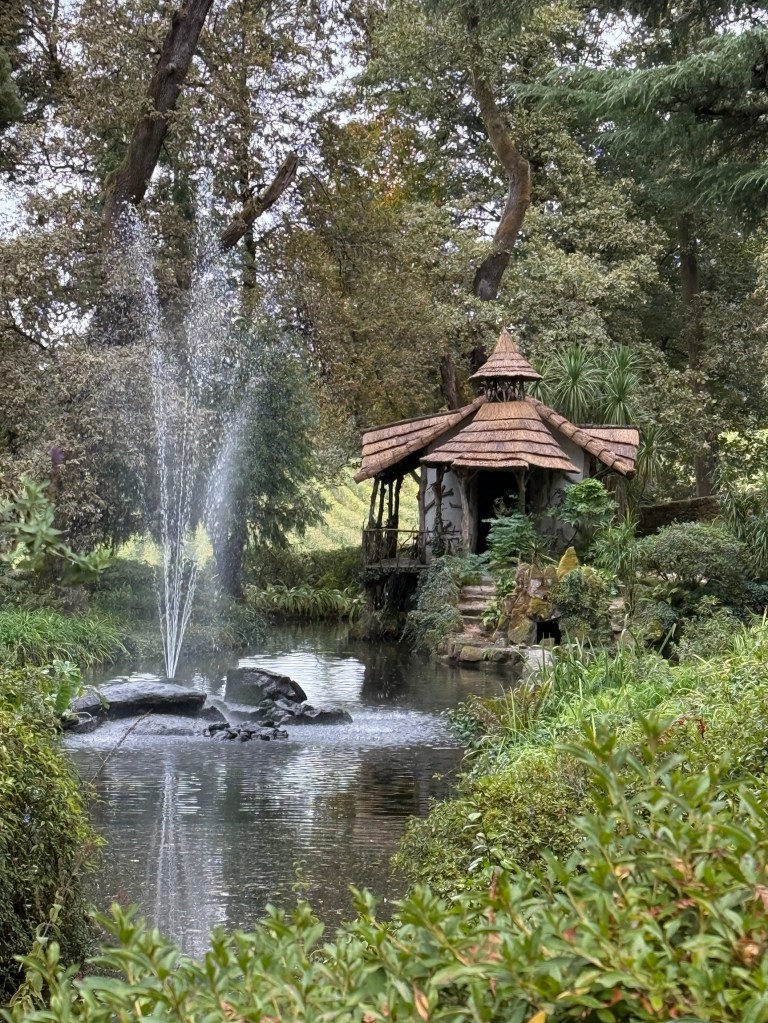
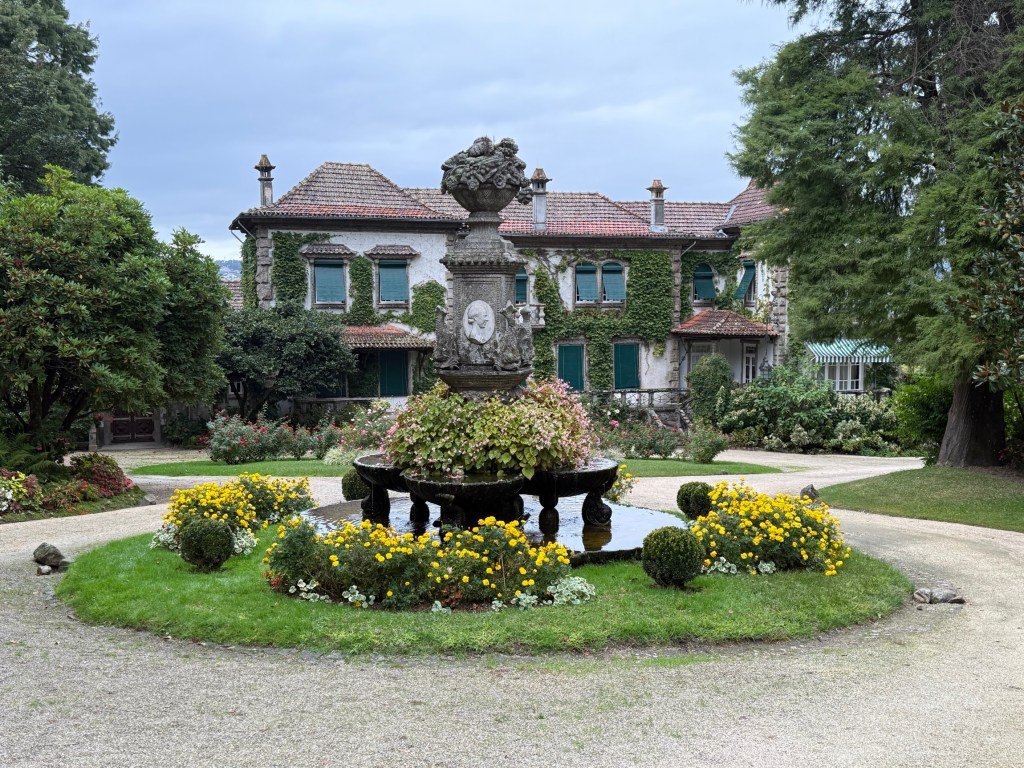
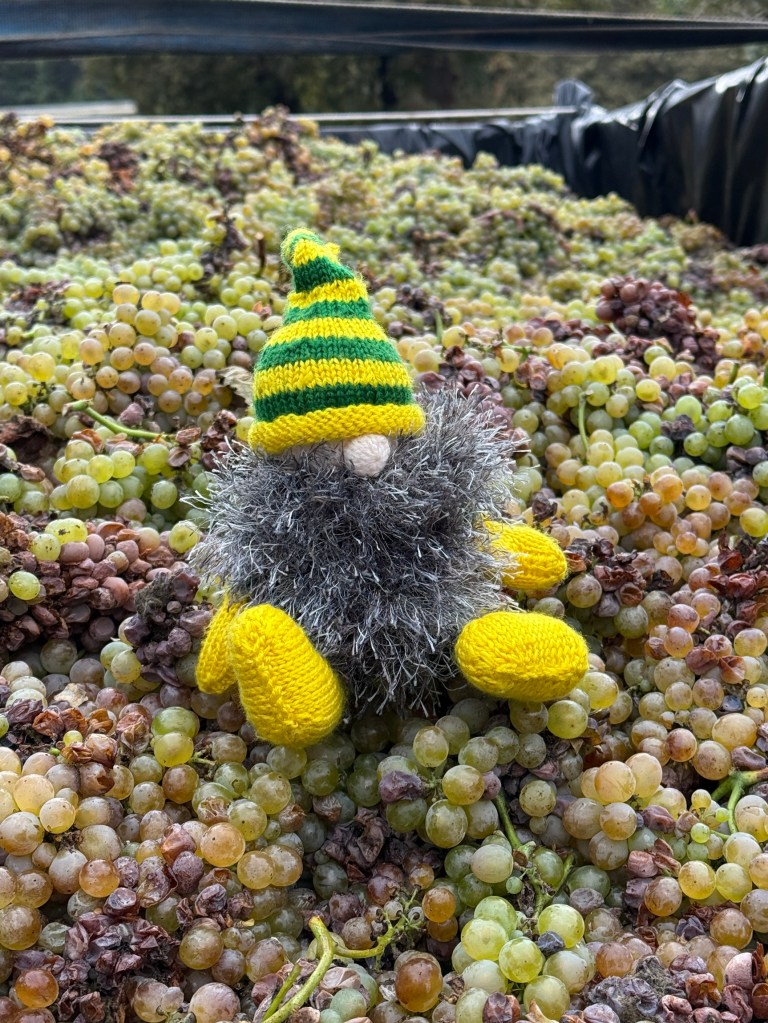
We visited the cellars of the oldest vineyards towards the end of the trip but along the way called into others for tastings and wanders through their gardens (more emphasis sometimes on the gardens than the wine!).
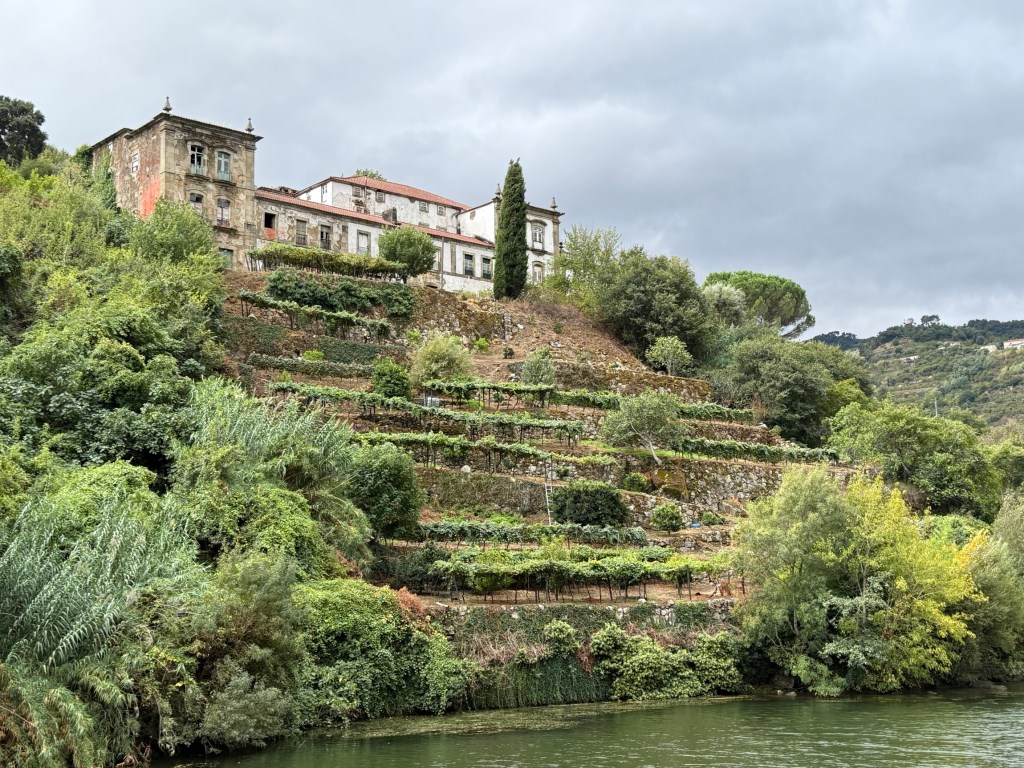
‘Quinta’ is like the word ‘Estate’ in English, referring to a wine brand or locale. Like Taylors or Tyrells in Australia. Perhaps ‘The house of ….’ is better. Anyway they are all over the hillsides!
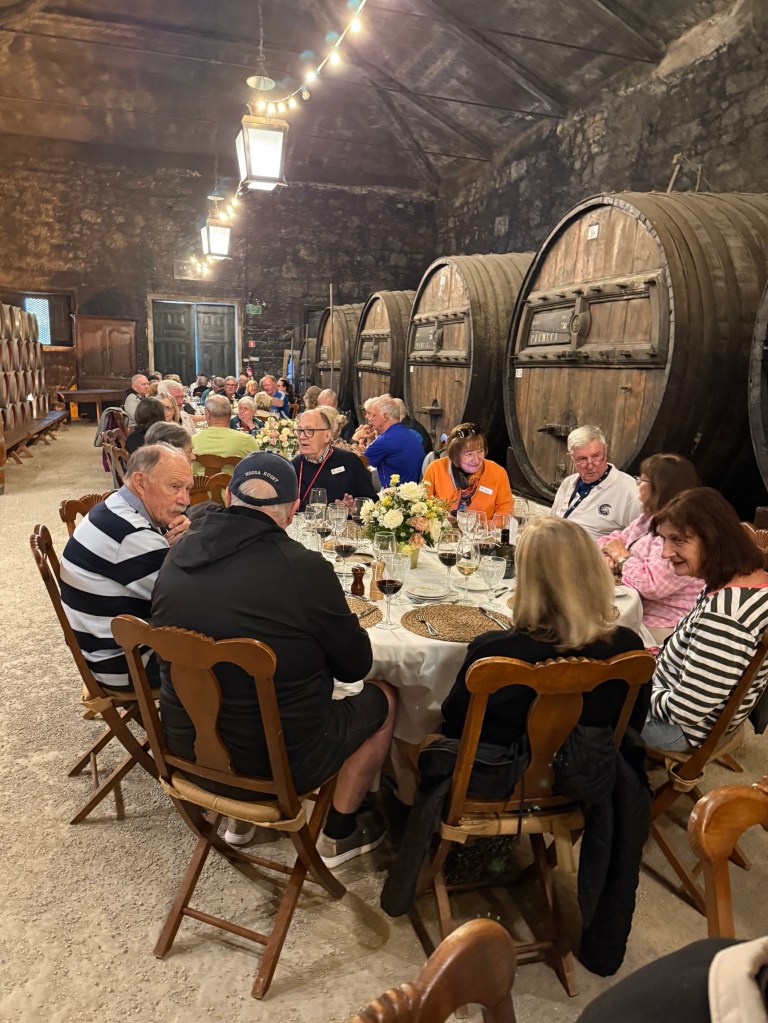
Vintage ports and tawnies are what this region is famous for, plenty of red and white wine as well. Allthego and Slobro have participated well in the tastings. Like most vineyard tastings we were not presented with the cellar classics, sometimes the wine was fairly average quaffable stuff.
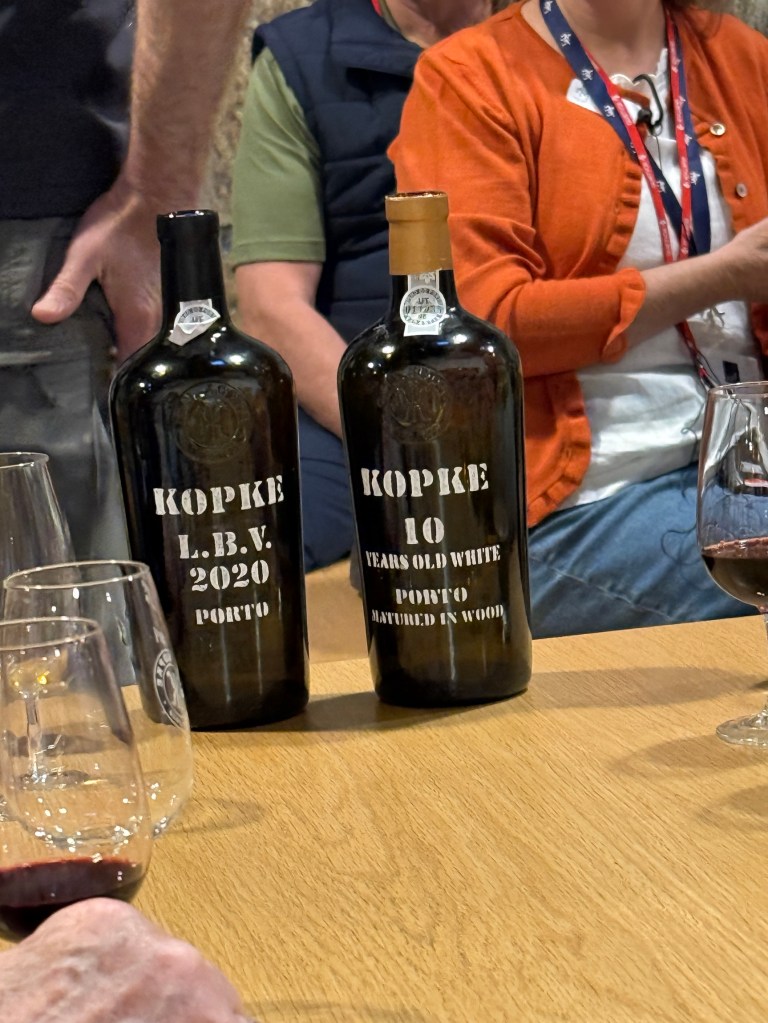
We tasted some nice wines after a vineyard tour of the Quinta Sao Luis estate, which makes the Kopke label that dates back to 1638. We had a very nice ruby port, the style that you need to drink the whole bottle of in no more than a couple of days (just like a red wine). It only improves in the bottle over a couple of years, unlike their vintage ports that go on in the bottle for decades and cost a motza!

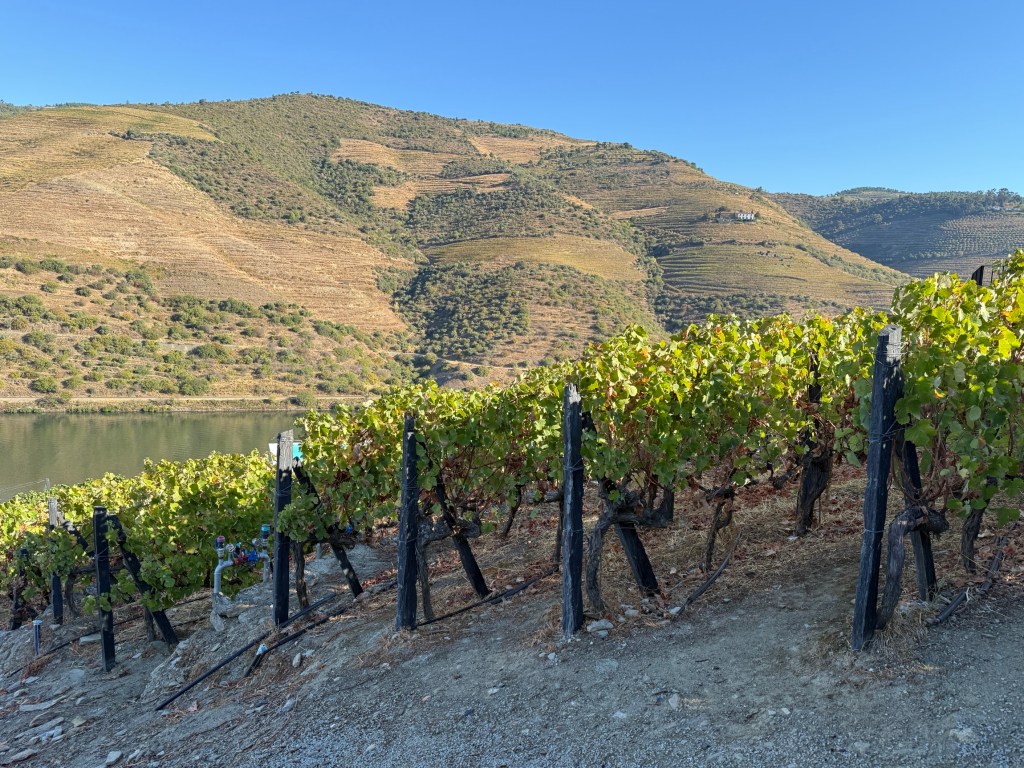
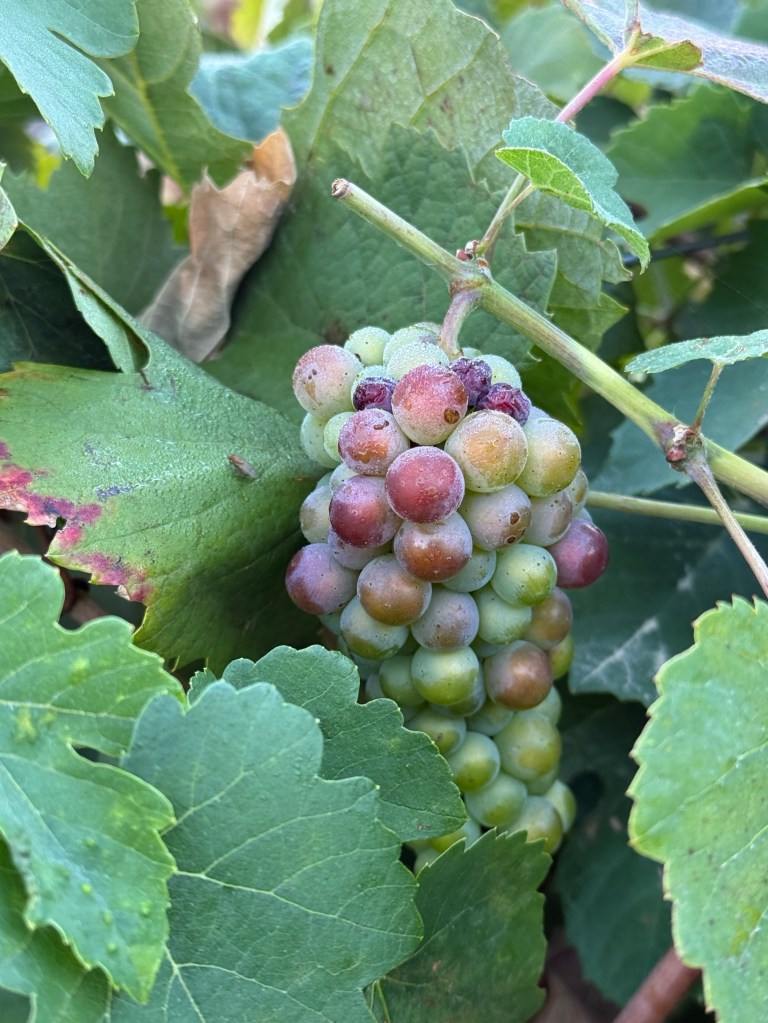
It seems that most of the grapes are harvested by hand, there is simply no room on the steep hillsides for machinery. We were also told that in recent years the harvest is starting earlier compared to say 100 years ago. Global warming in evidence again it seems.
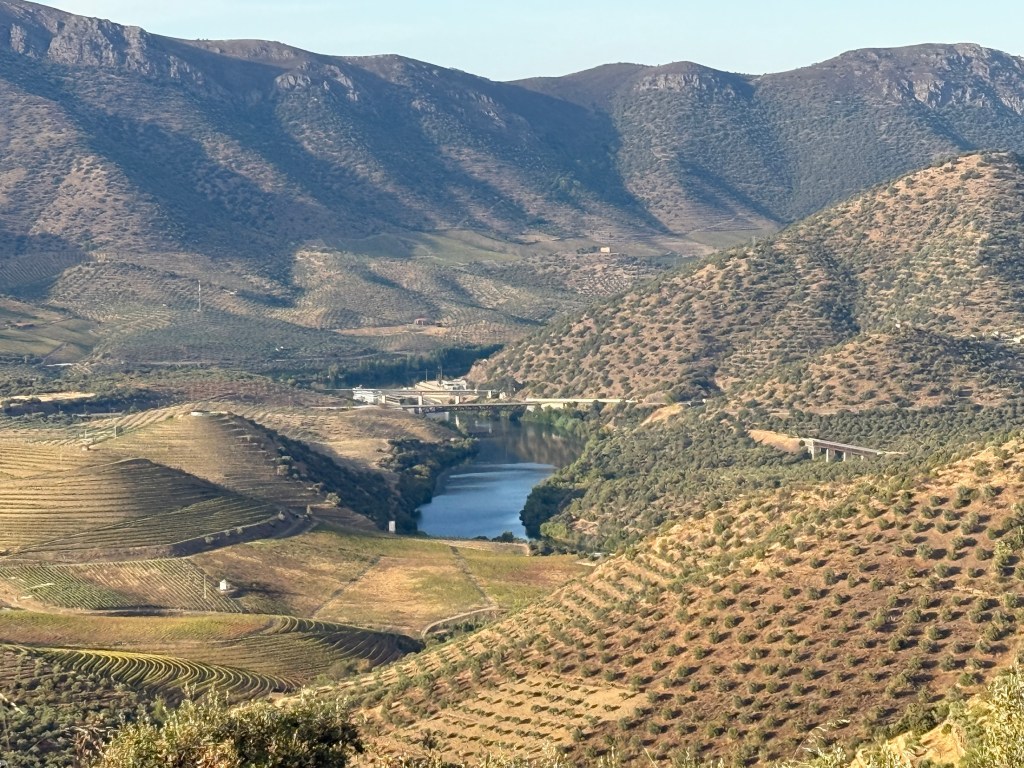
Well so much for vineyards and wines! Next time some experiences in the towns away from the vines!

Posted on October 3, 2025, in Portugal and Spain 2025. Bookmark the permalink. Leave a comment.
 Allthegobro
Leave a comment
Comments 0