Monthly Archives: February 2026
Santiago
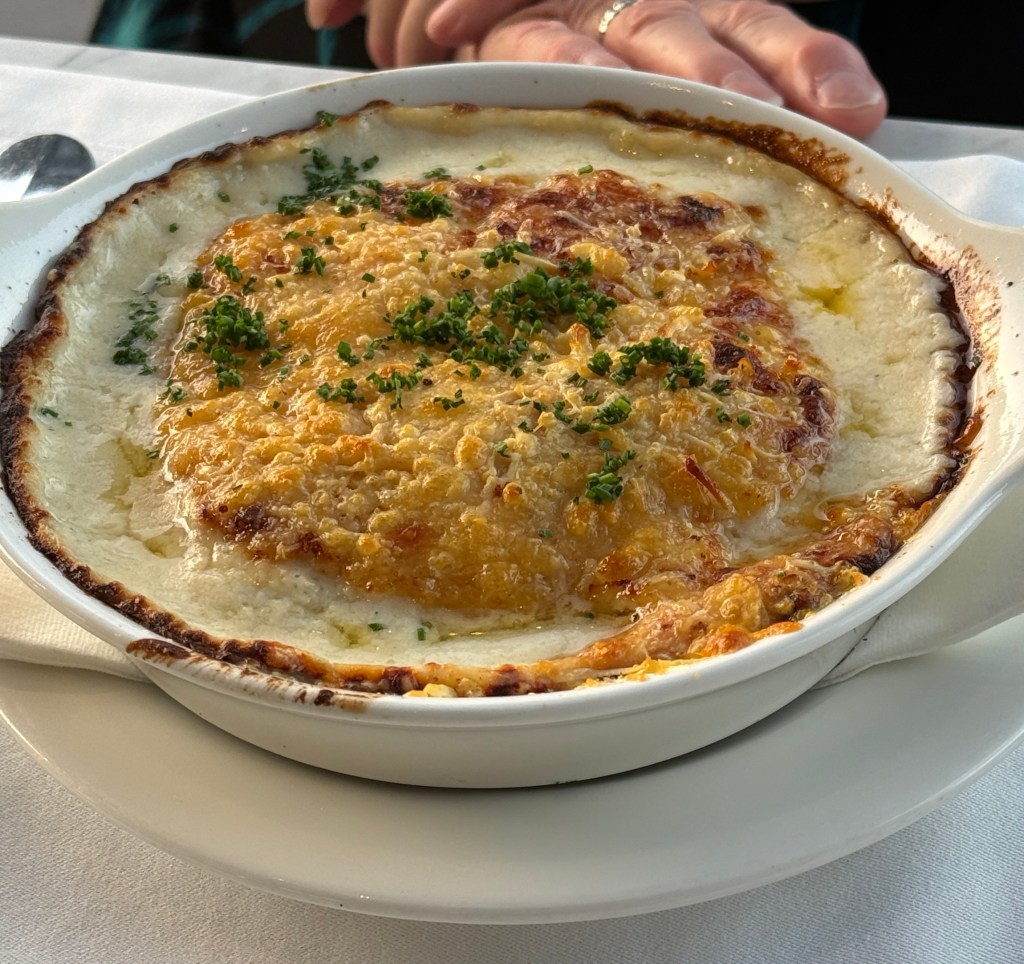
We have had two nights in Santiago after a three and a half hour flight from Peurto Natales, arriving just in time for lunch. More food, we are starting to feel like empanadas.
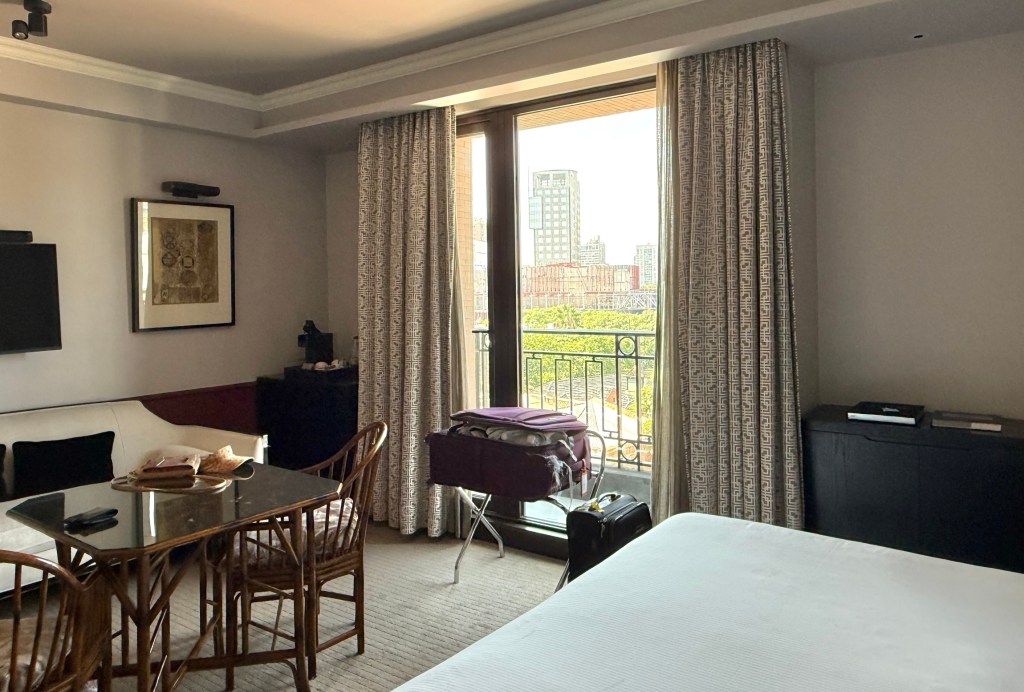
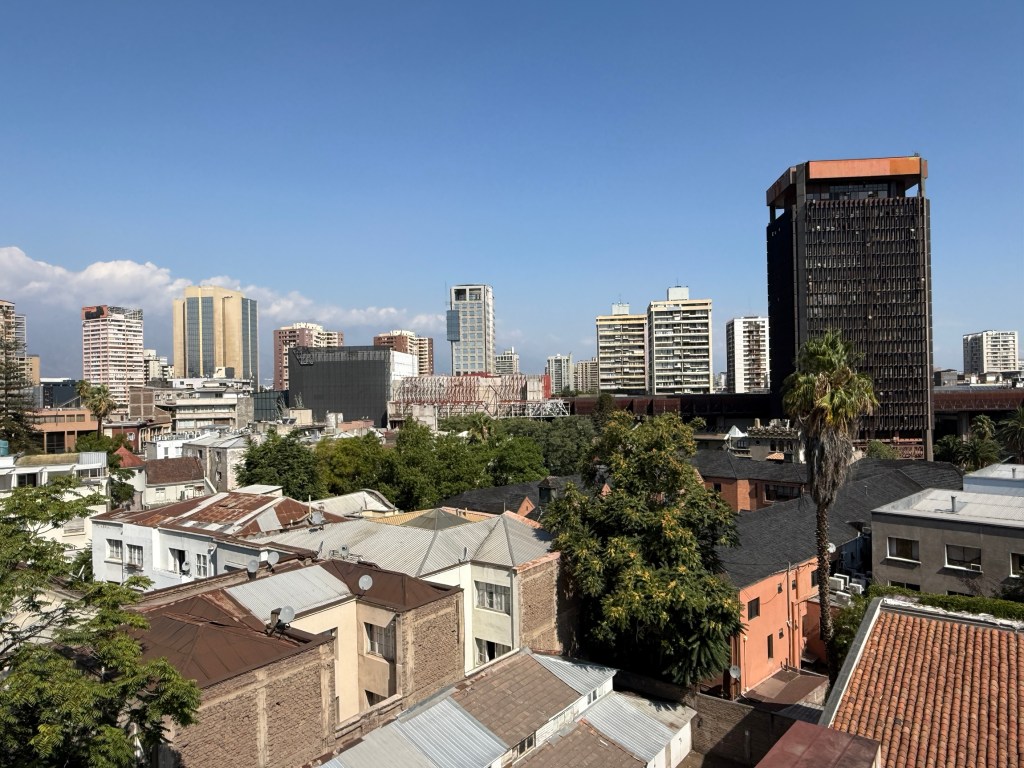
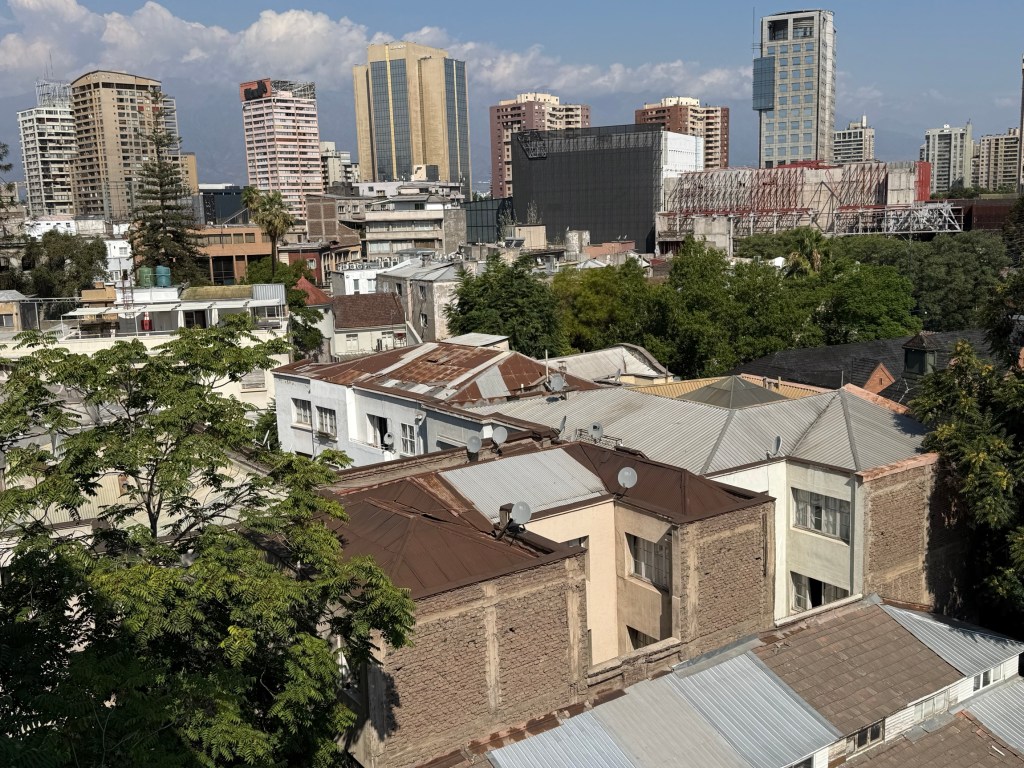
Our hotel is another Singular. Seems to be a group putting together a portfolio of small up market refurbed properties.
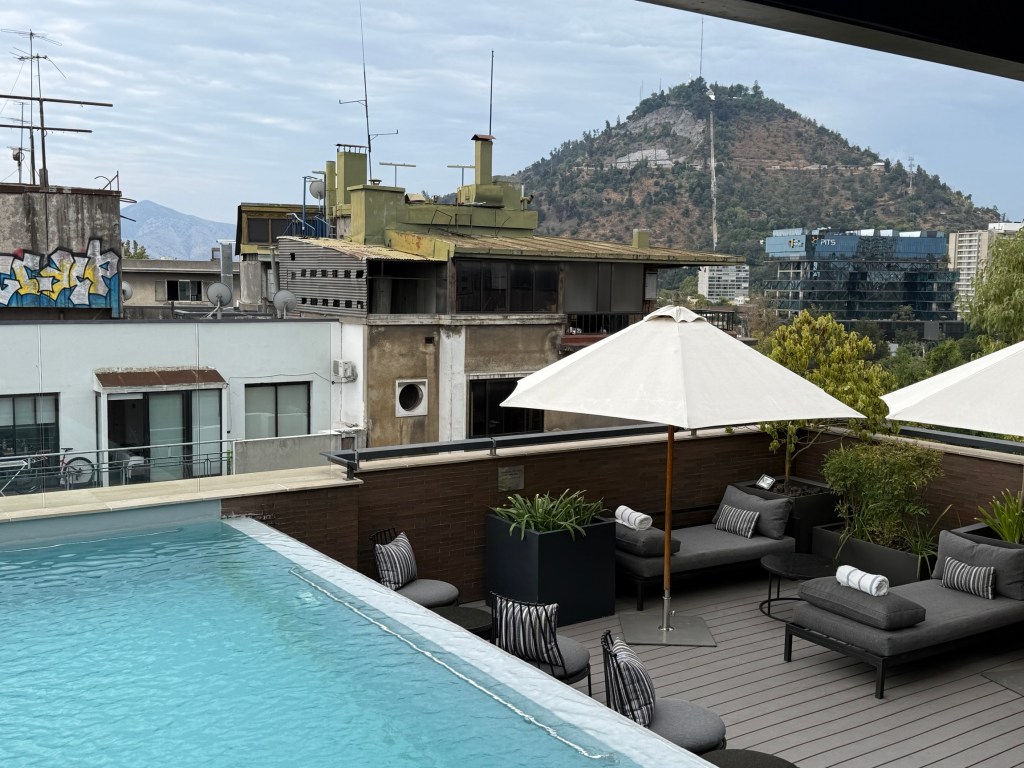
There is a nice roof top bar and restaurant with some views out over the older parts of the city. Eight million people live here, Chile has a population of eighteen million.
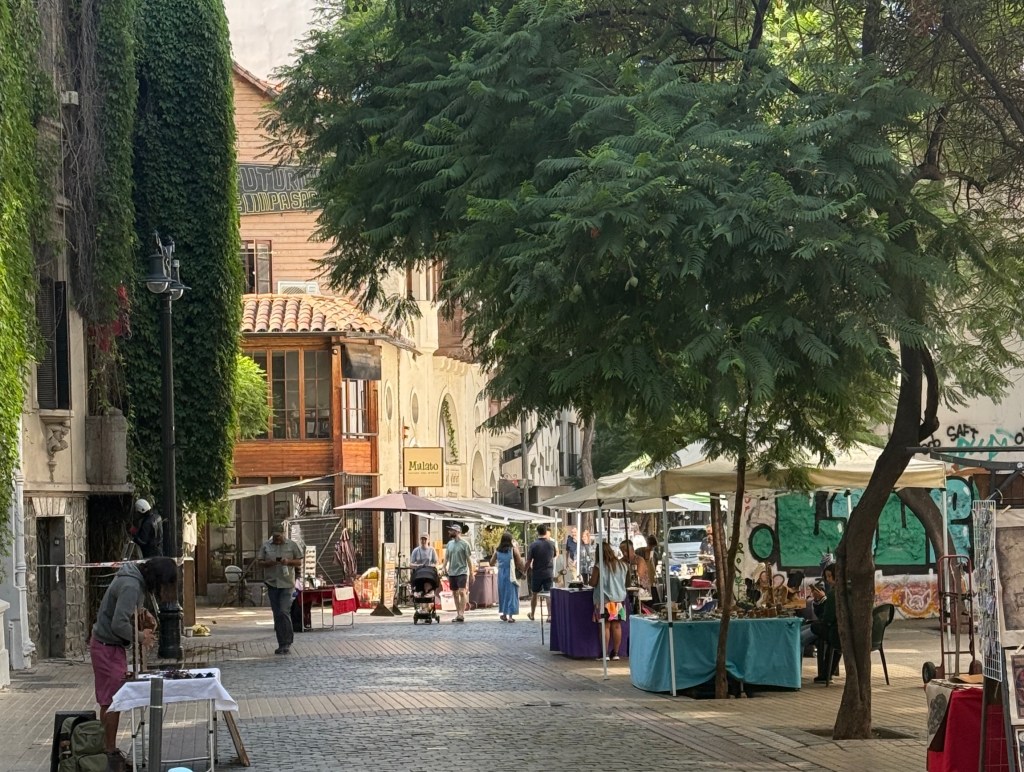
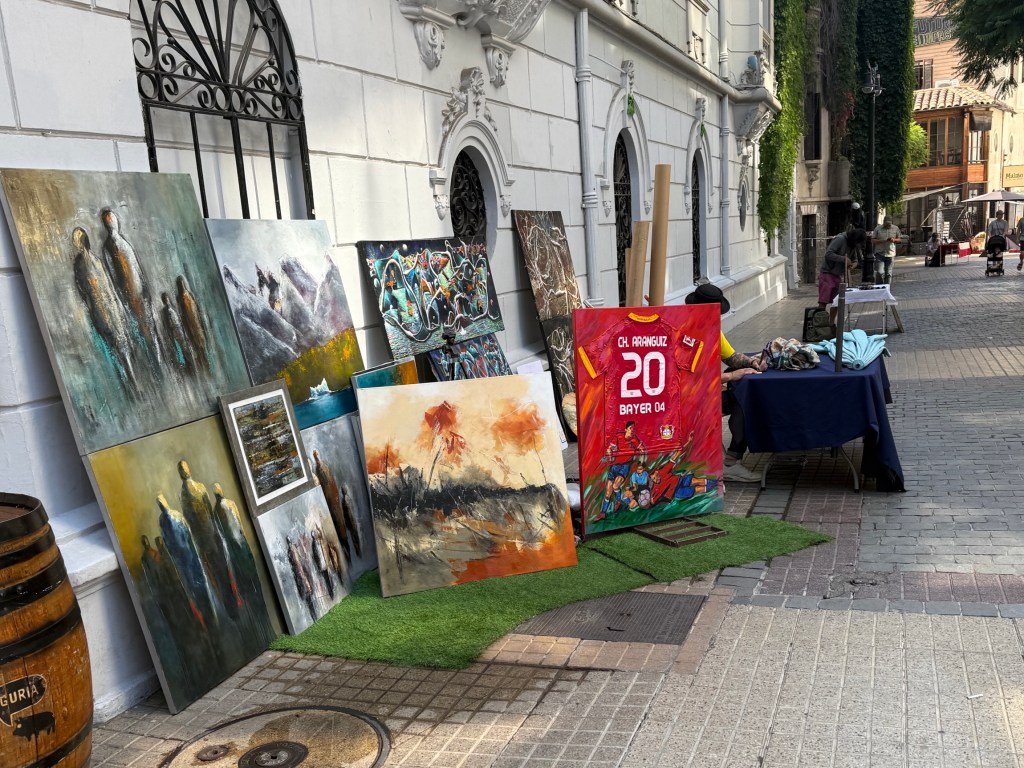
Our stay has been short, to gather our breath before the flight home. The following day we had a brief walk around the near neighbourhood after a sleep in and late breakfast.
Following the walk we returned to the hotel for more feet up time and to gather strength for a light lunch in one of the local cafes.
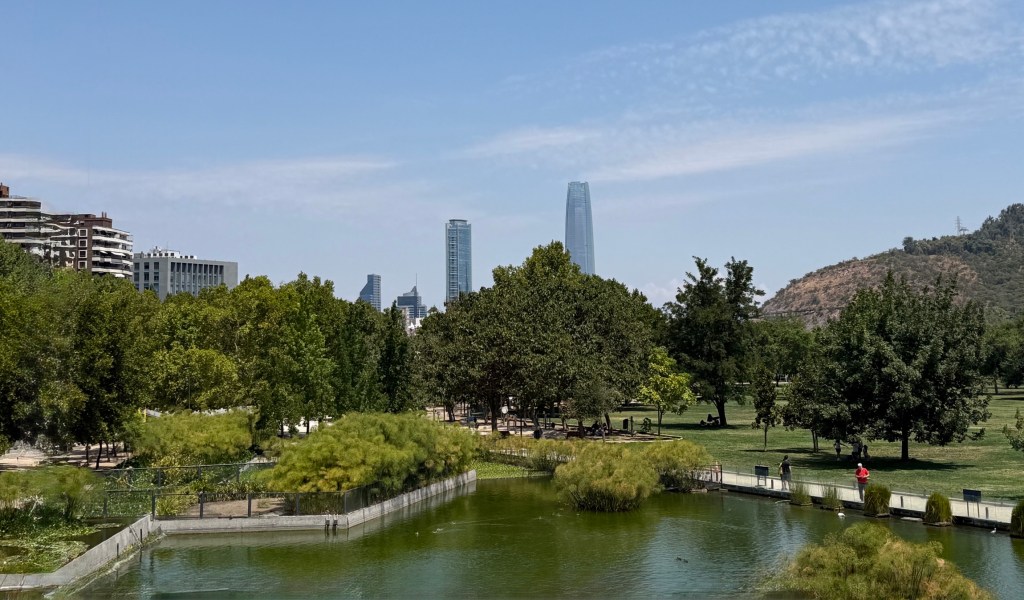
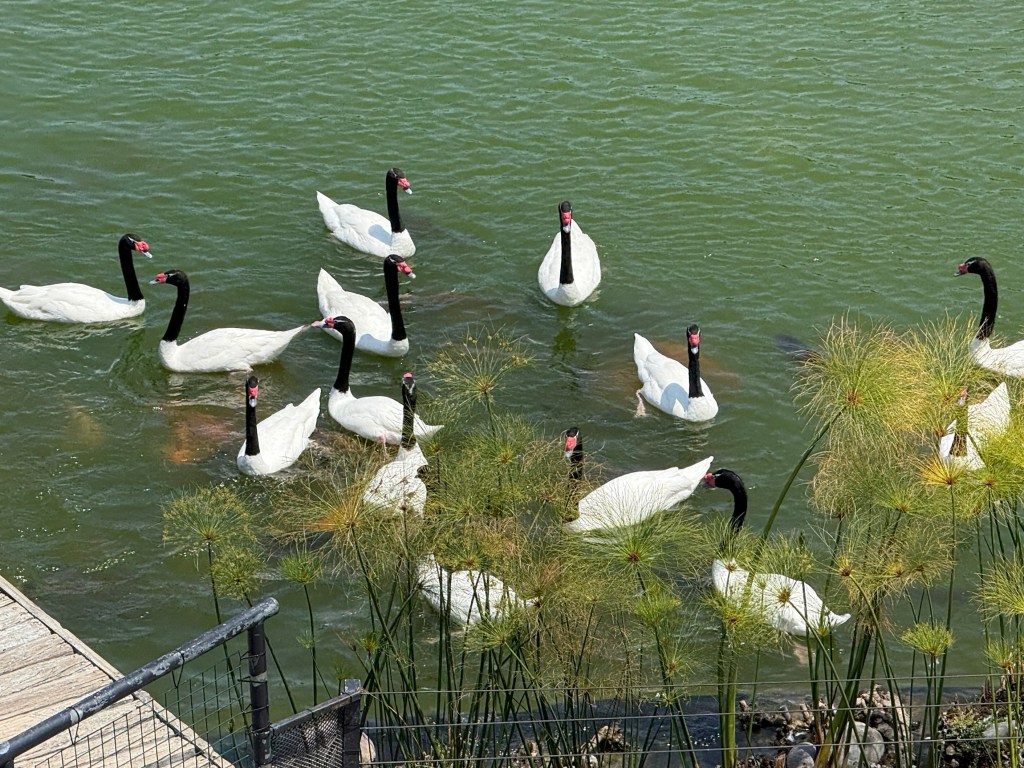
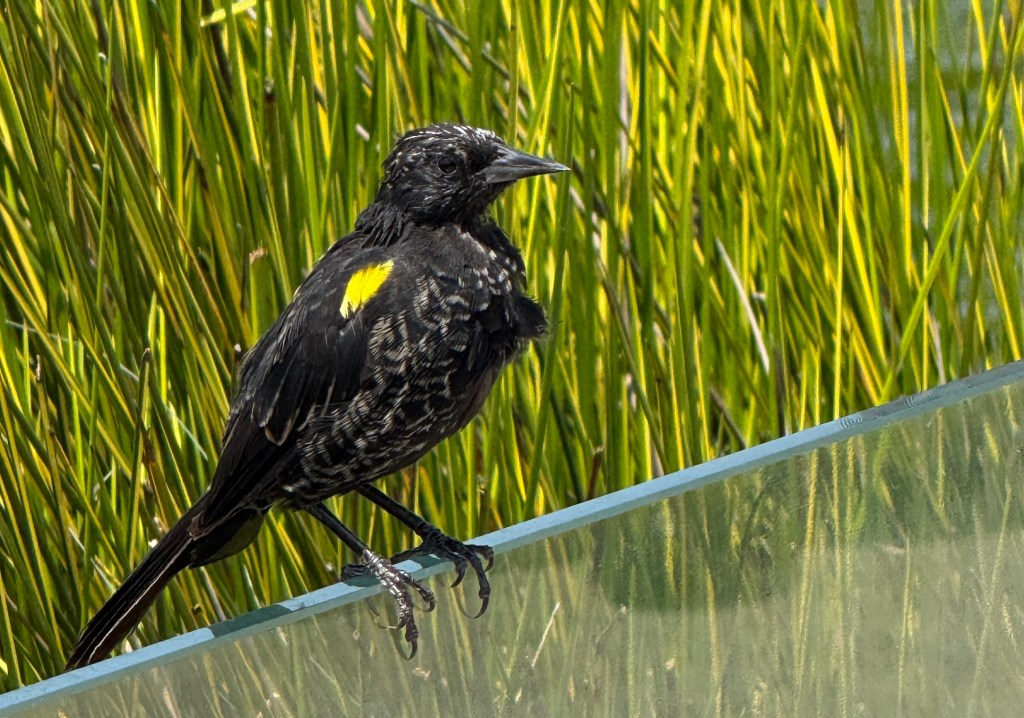
Our last group activity on this trip was the usual city tour. We find these useful to get a quick overview of the major sights and places to return to later. Maybe next time if we are in this part of the world.
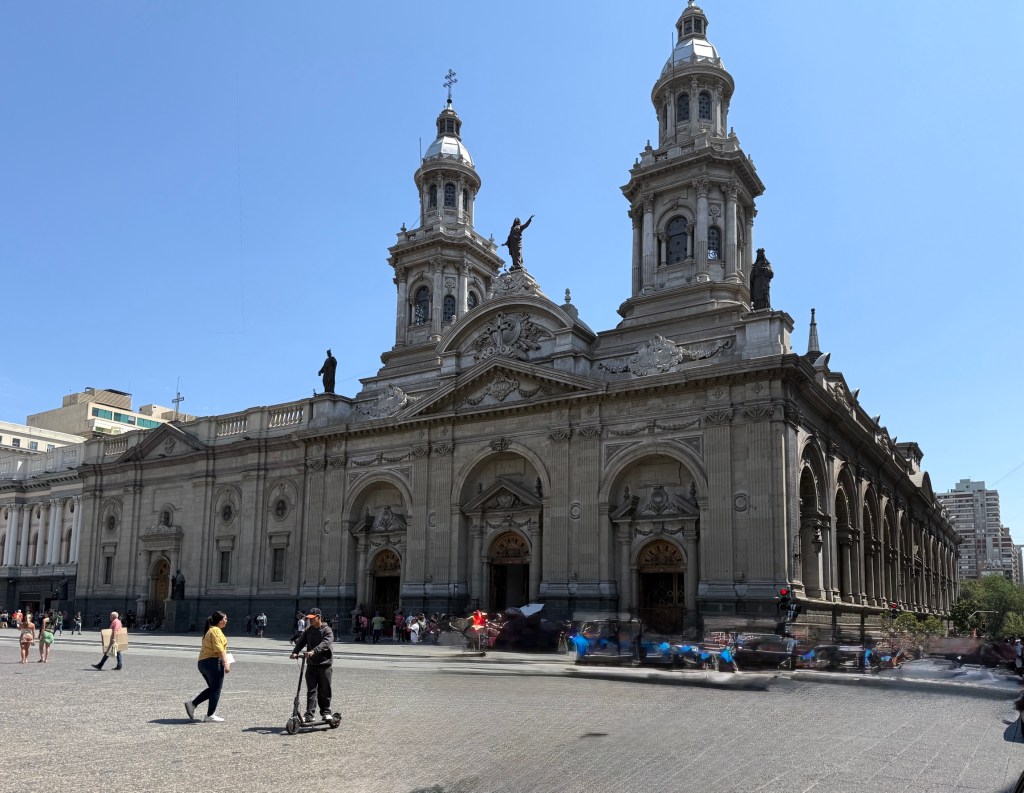
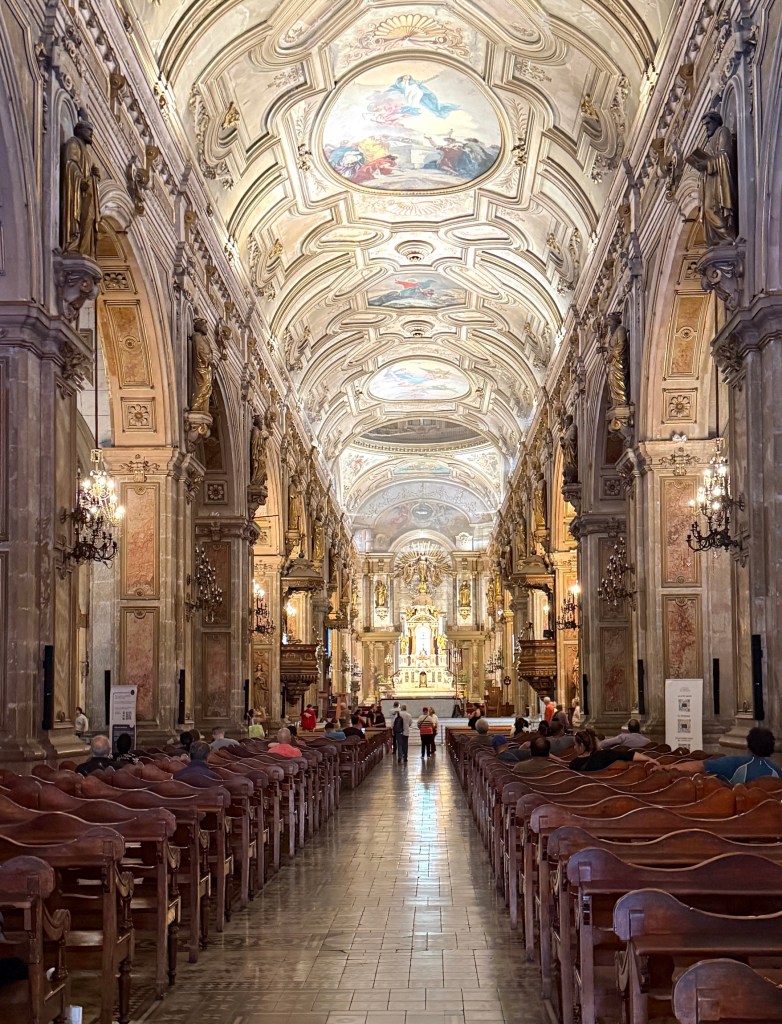
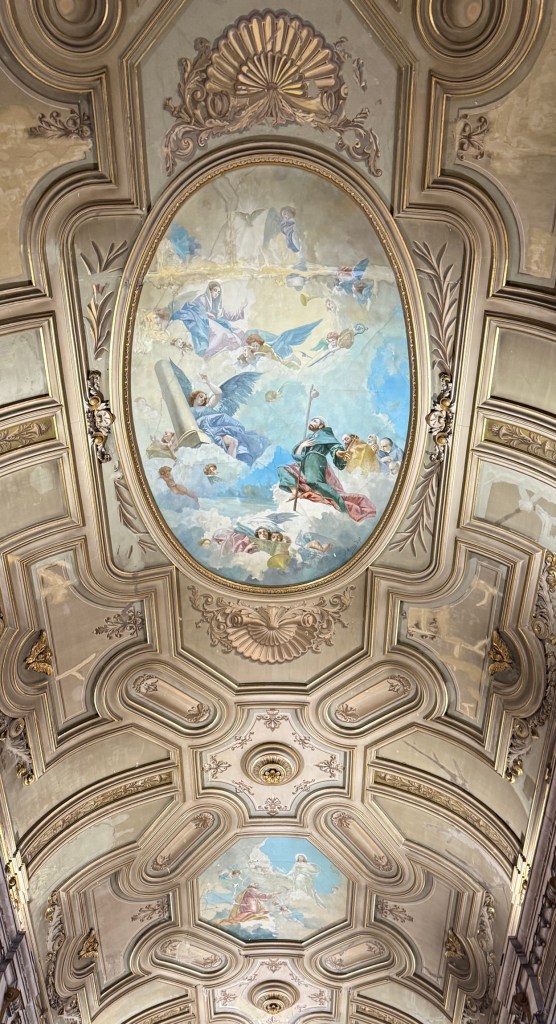
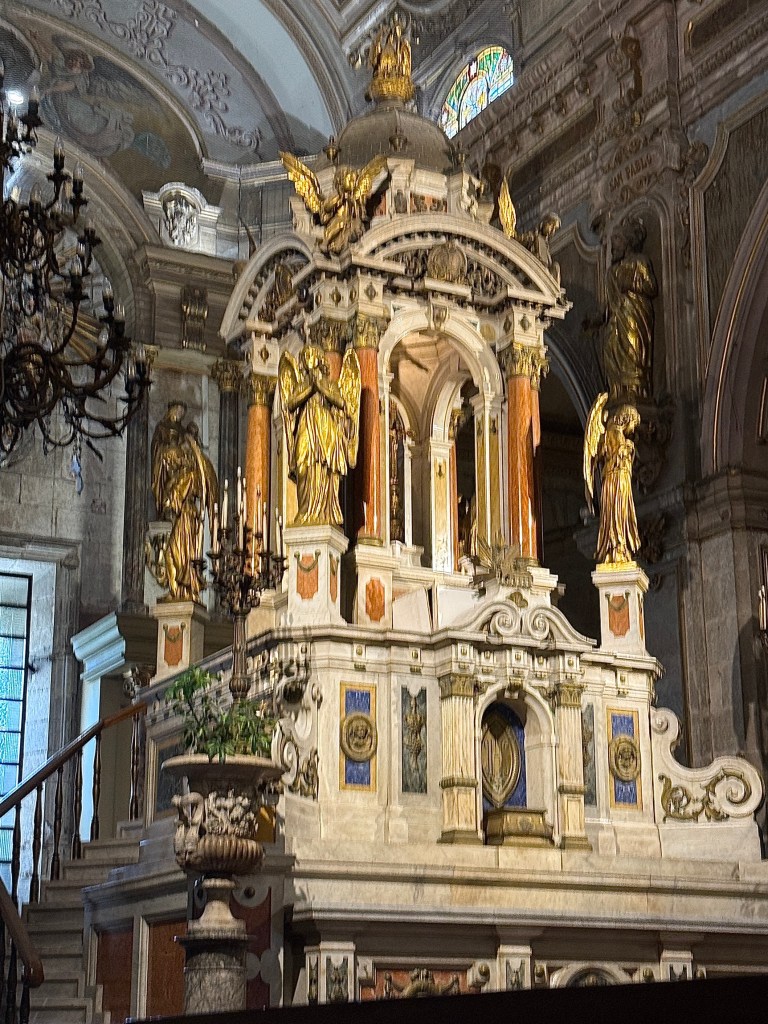
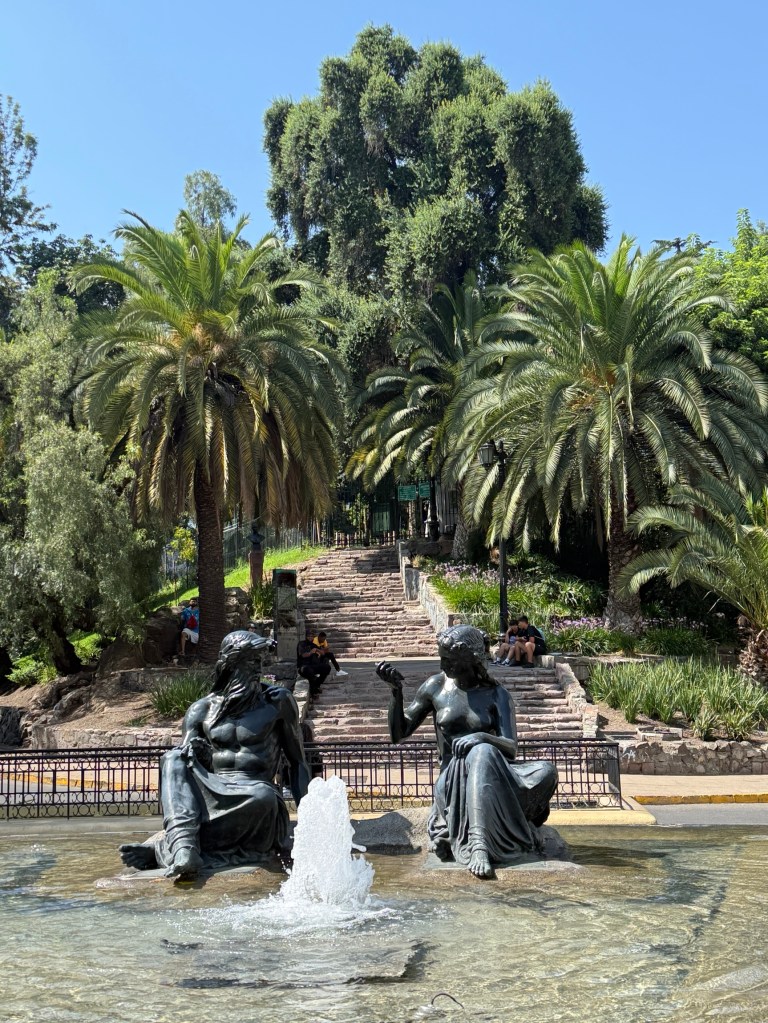
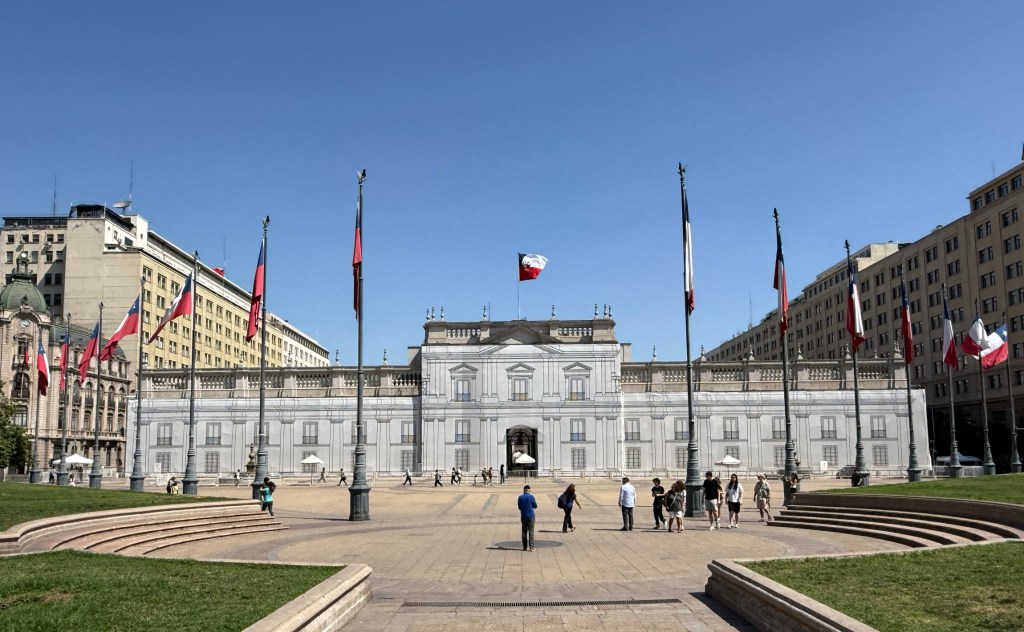
We had stops to wander around Bicentennial Park, the Cathedral and the Presidential Palace Square.
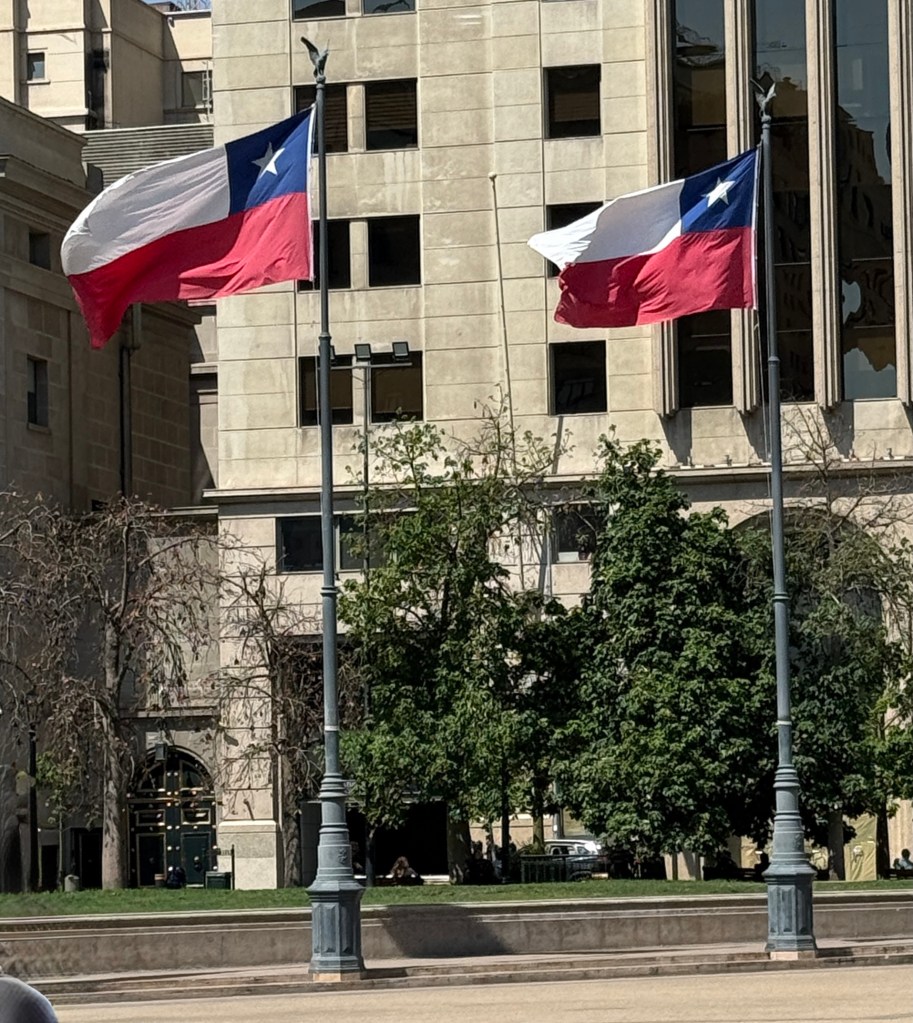
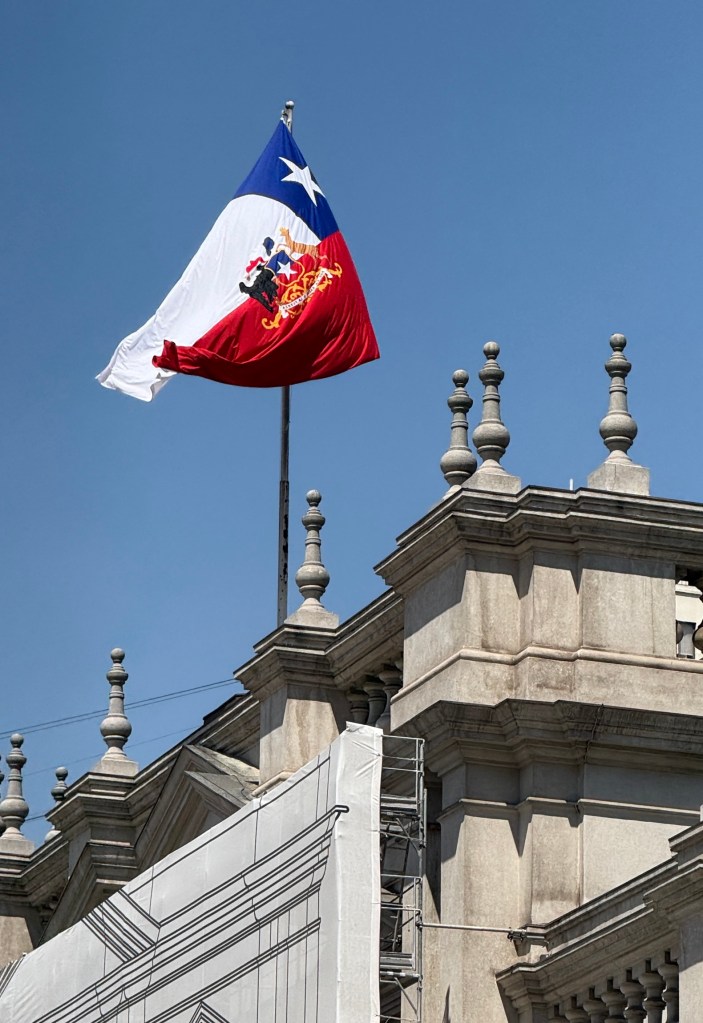
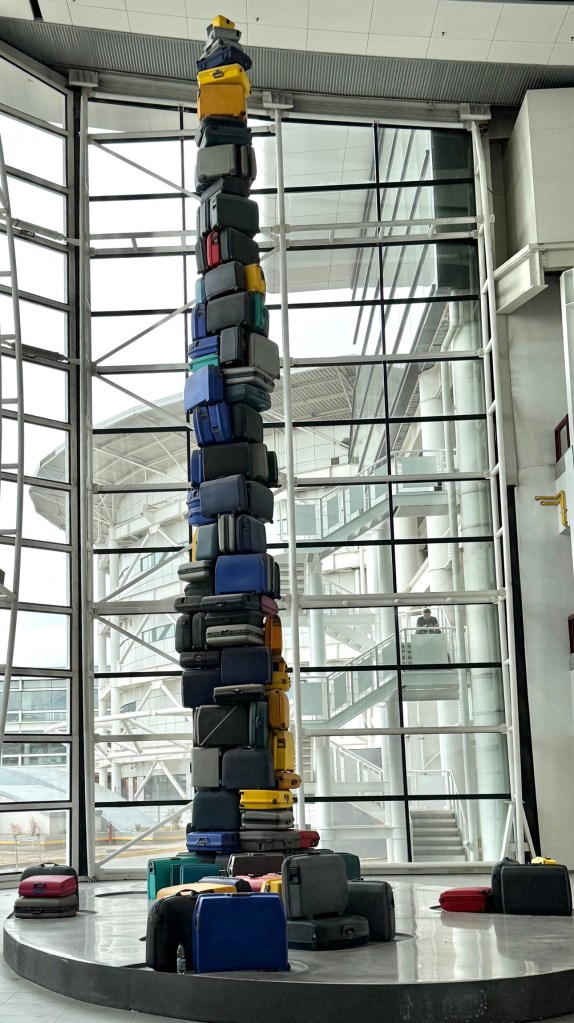
Our time in Santiago has ended and it has been full on for the last three weeks. We have returned to Brisbane, via Sydney, on a Qantas Dreamliner. They do bang on about the ‘Spirit of Australia’ in all their PR.
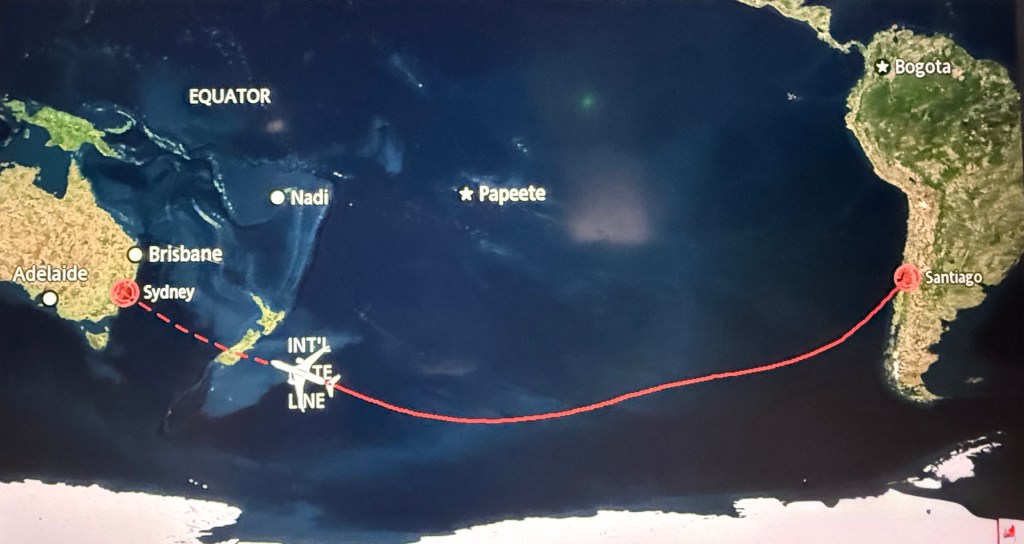
We do though think it is a good airline, despite all its recent troubles. And it is ‘good to be back home again’ as some old country boy sang a few years ago.
Torres Del Paine NP
The NP is about eighty km away from the Singular Hotel and we did the trip in eight seater vans. It is mostly on paved roads, within the park gravel takes over.
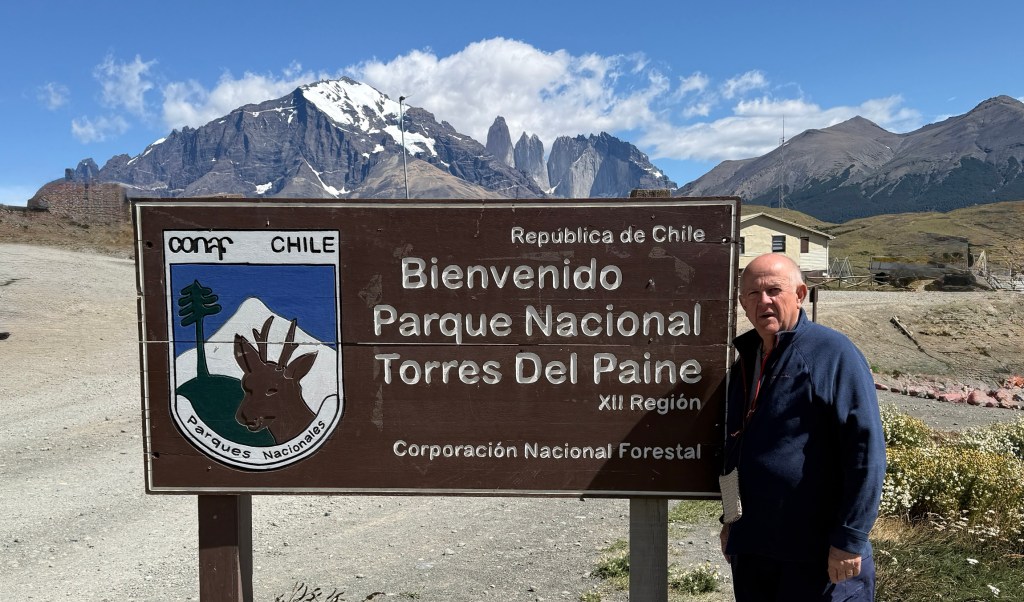
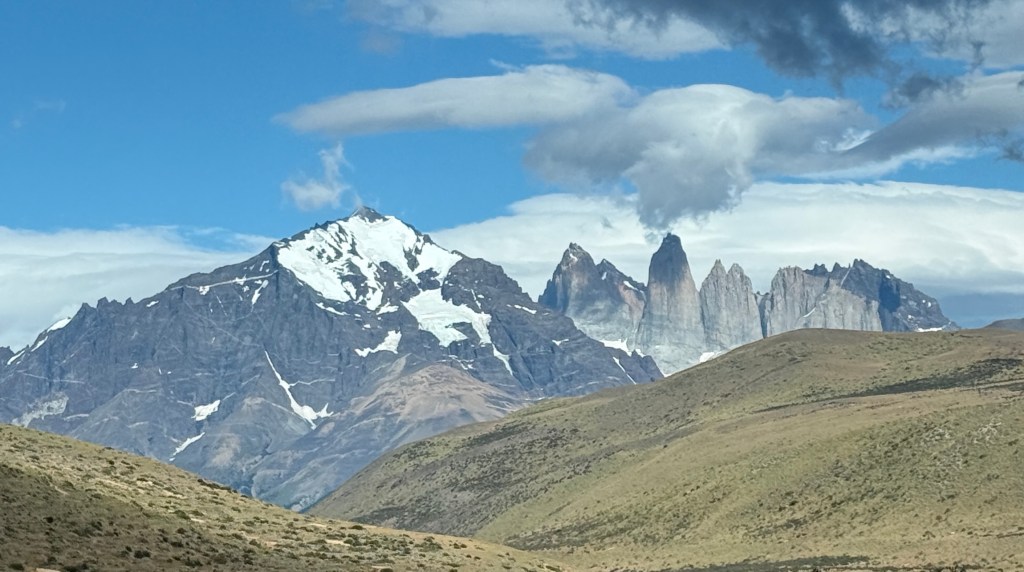
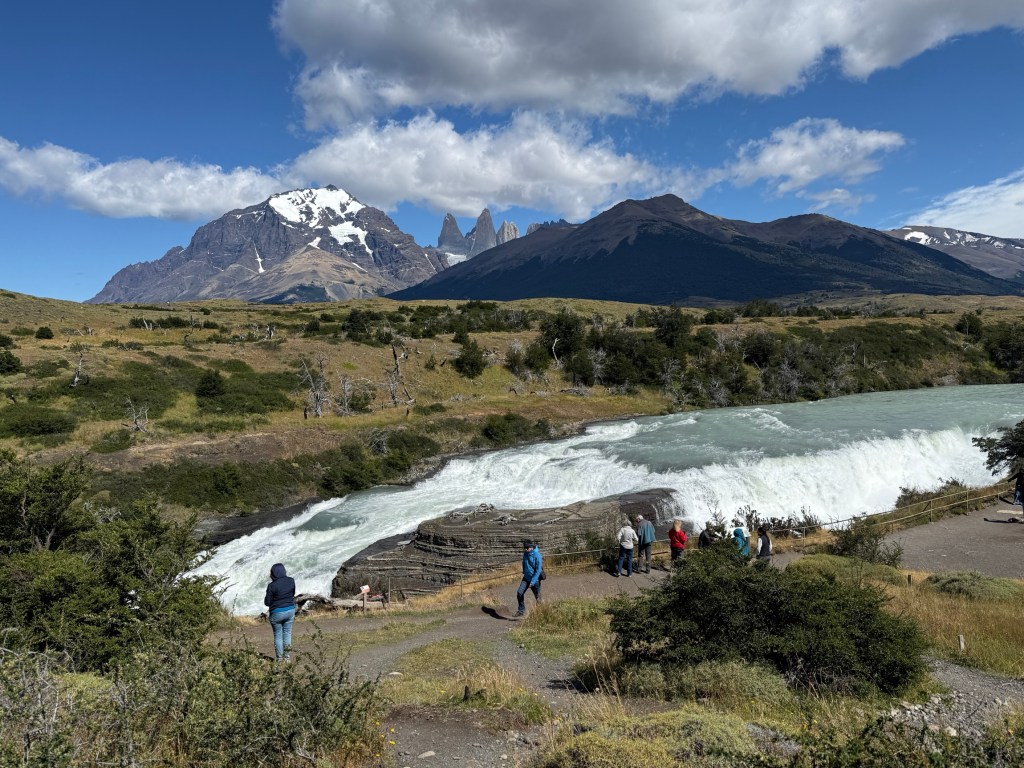
The landscape is dominated by the towering peaks and lakes. Quite a spectacular sight. We saw them from many angles.
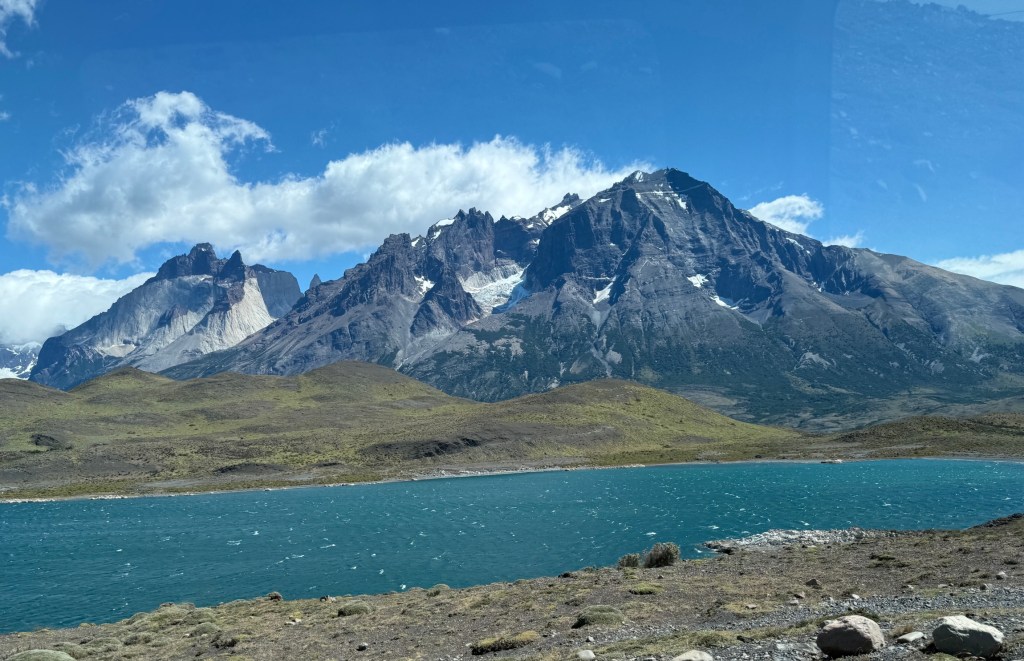
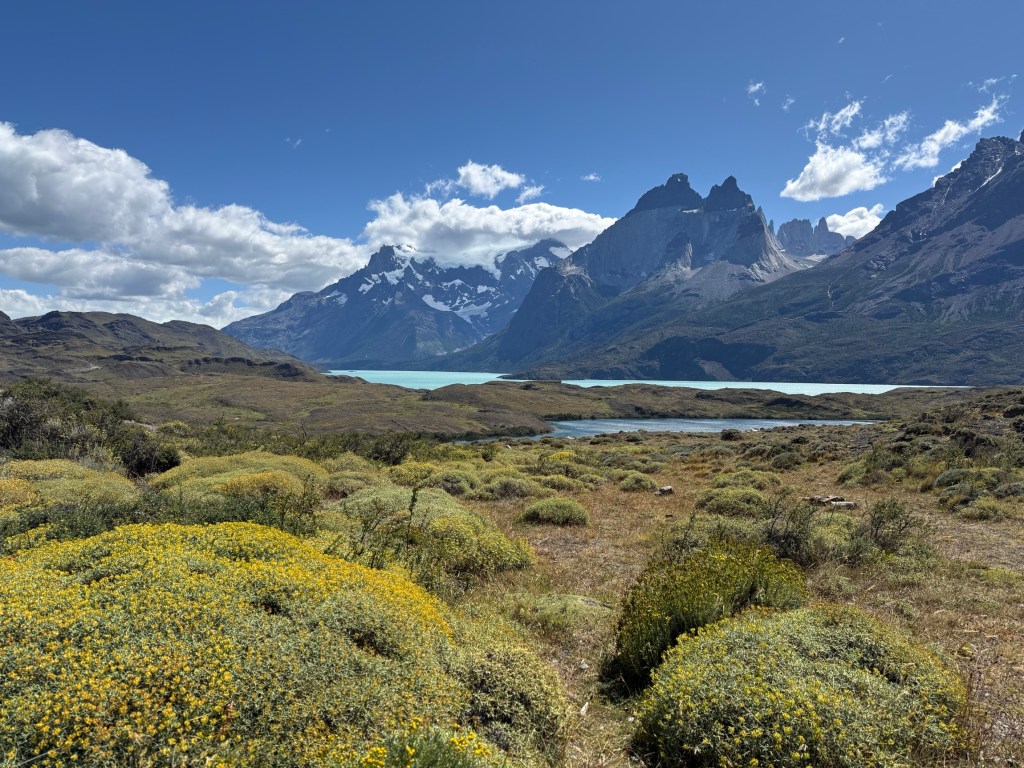
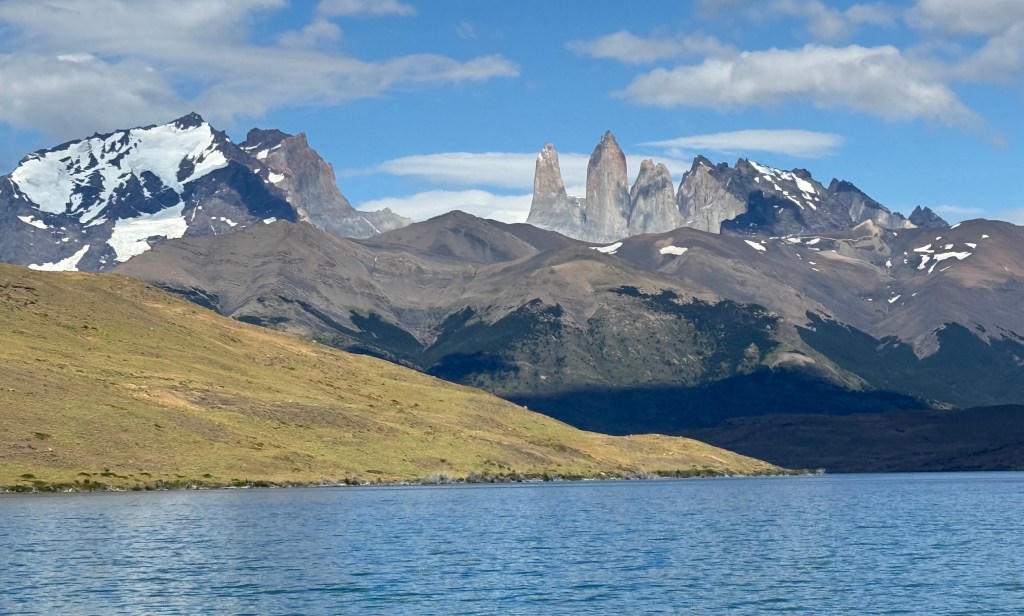
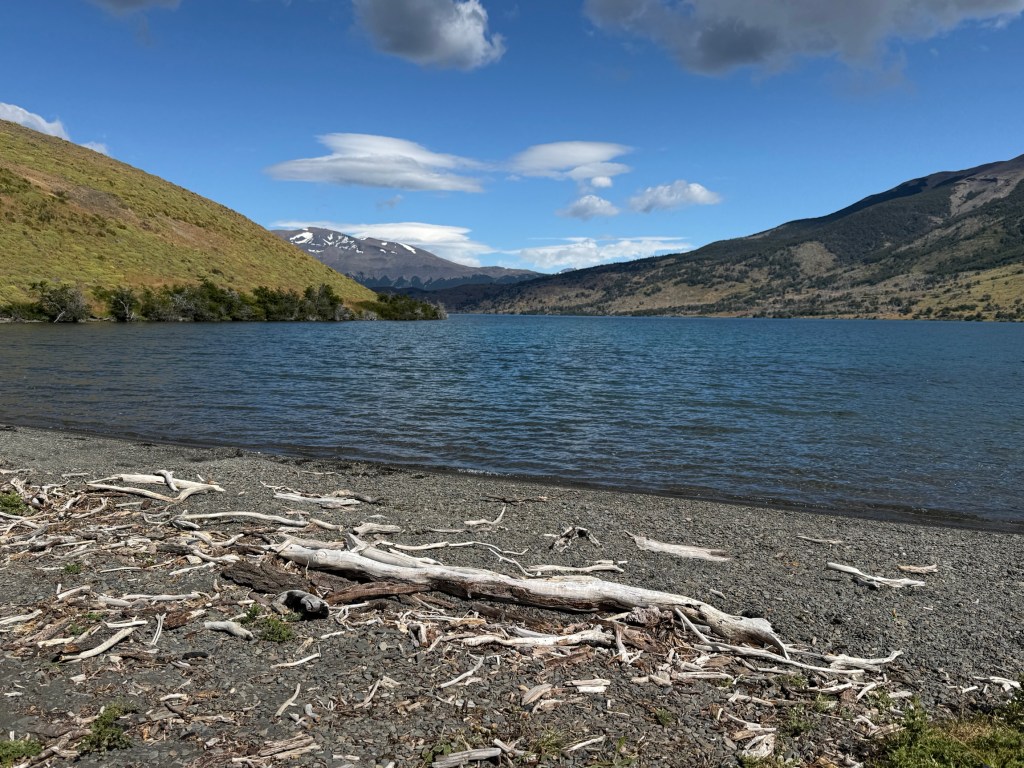
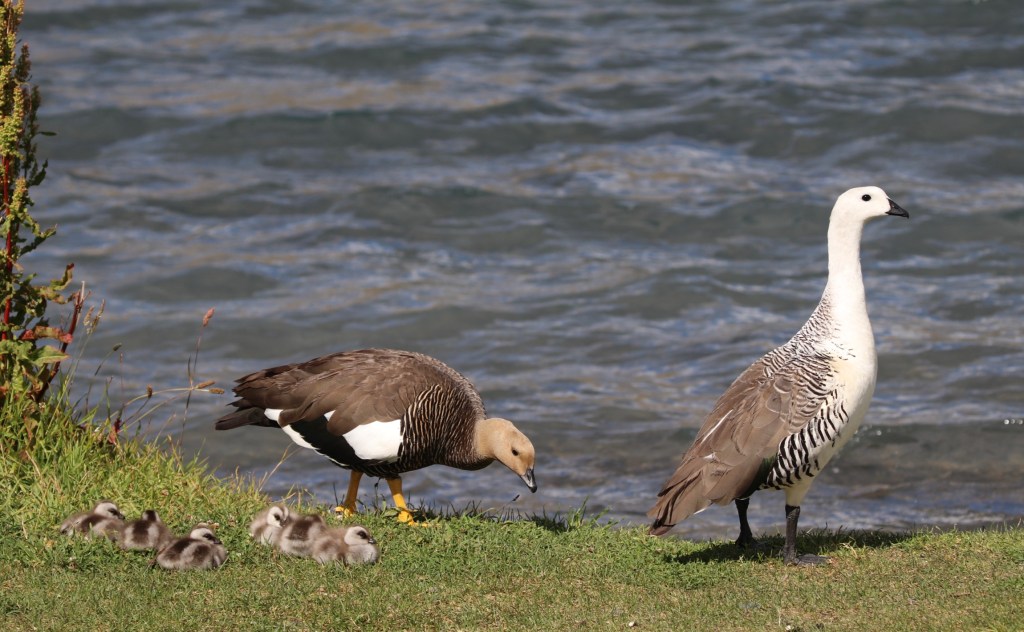
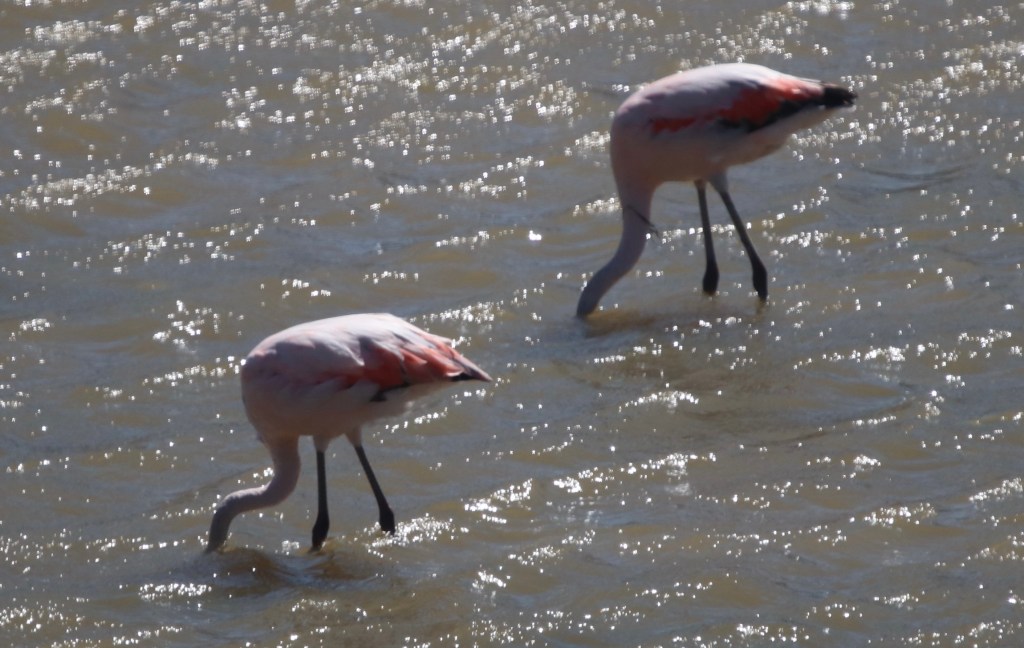
Waterfalls a feature as well. As it is mid summer the wild flowers are starting to die off but they remain plentiful, particularly around the lakes.
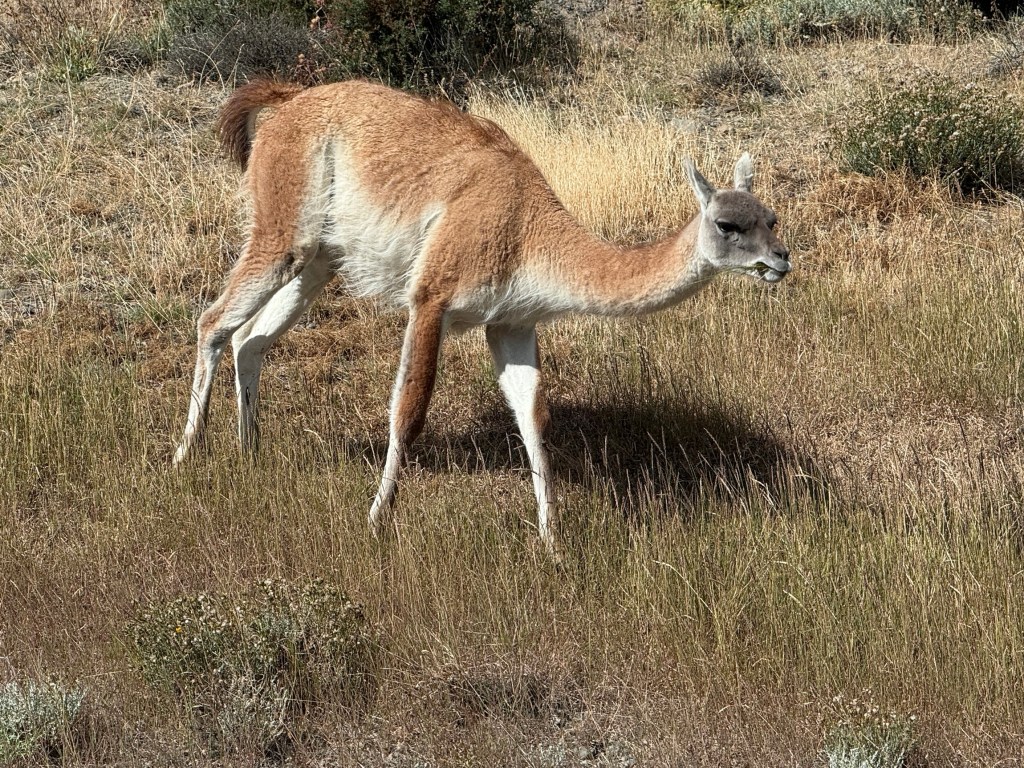
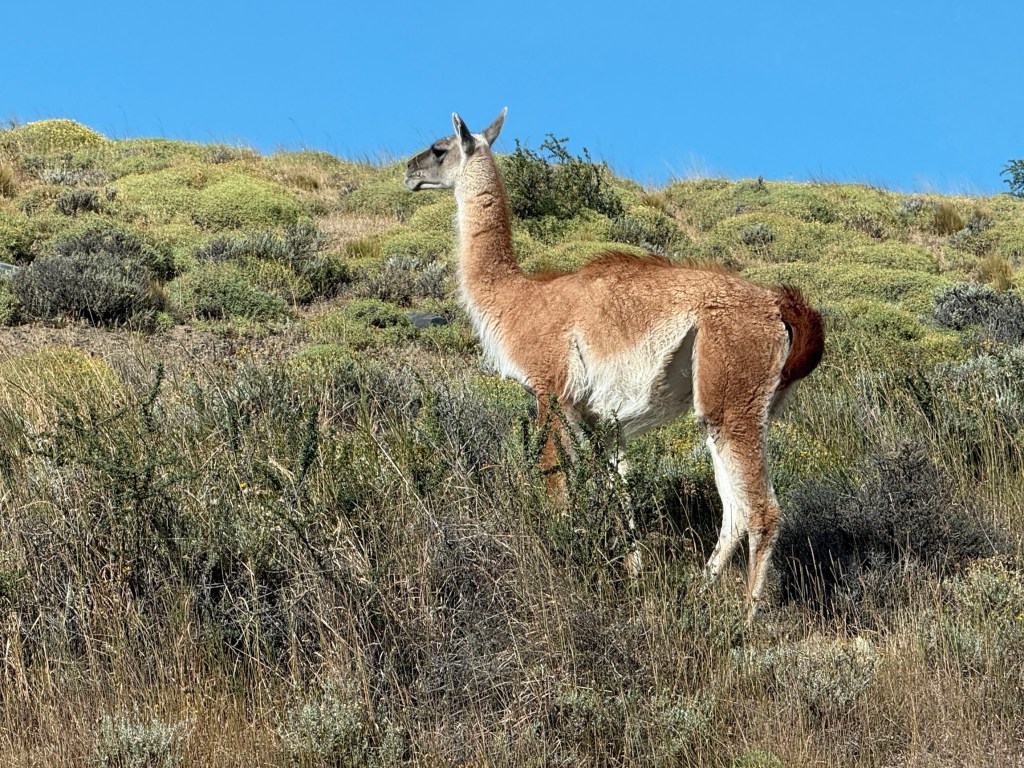
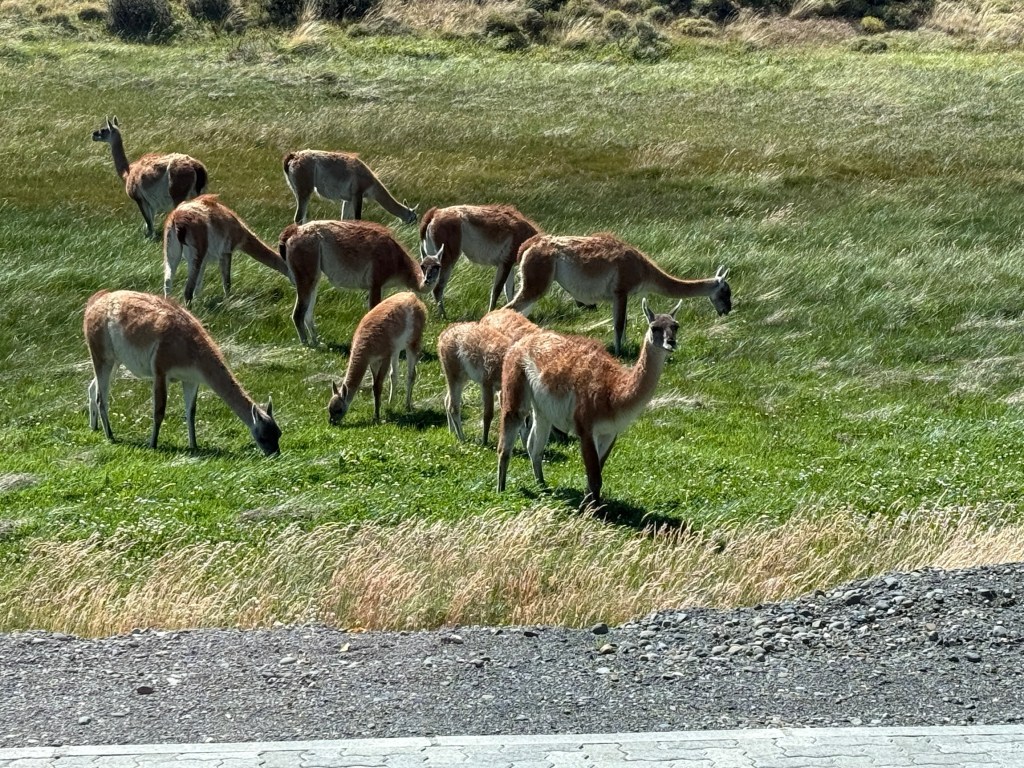
We had numerous sightings of Guanacos and Rheas. Rheas are a flightless bird, Patagonias answer to emus, although smaller.
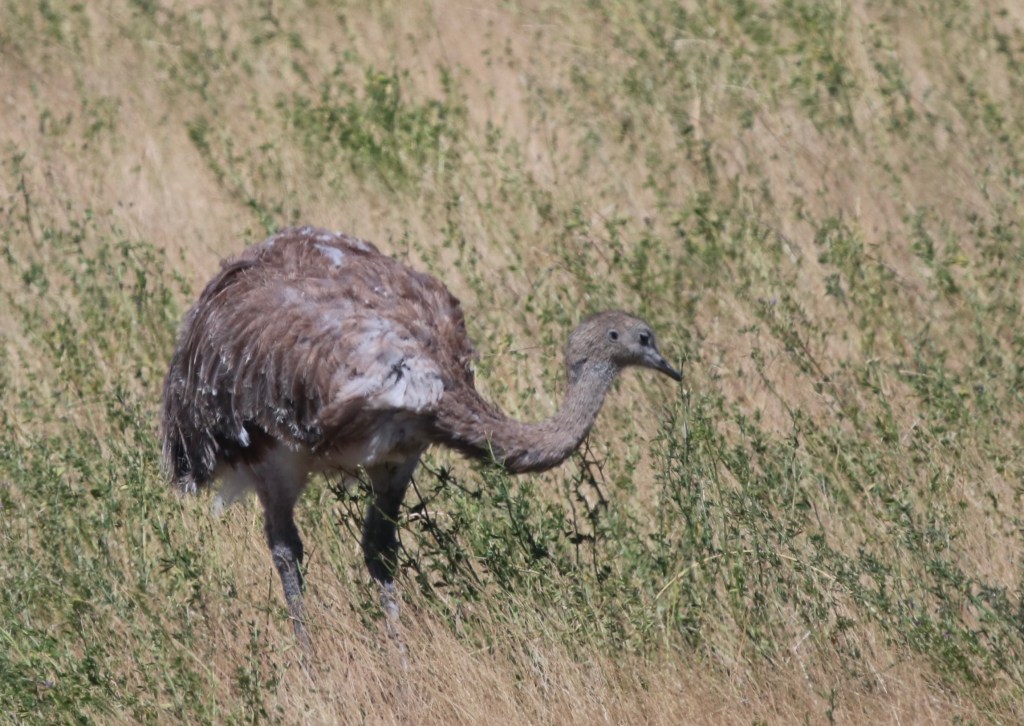
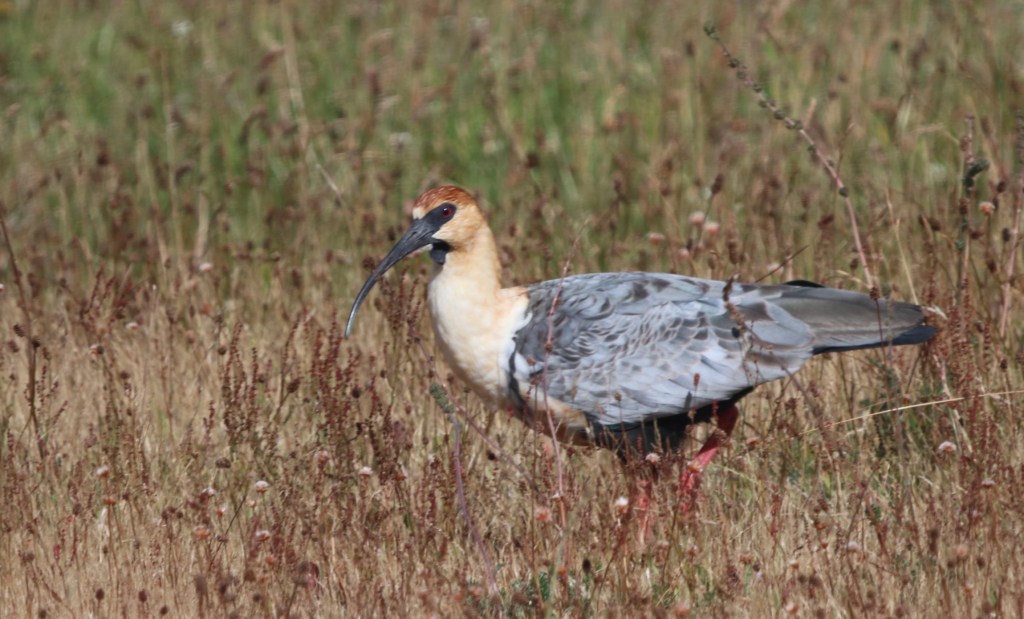
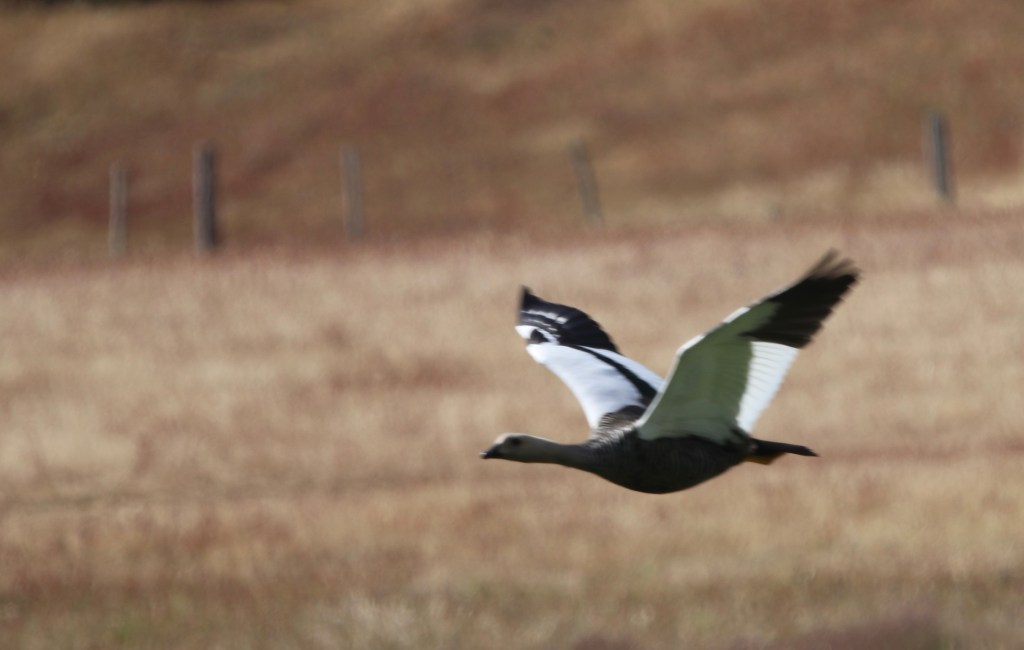
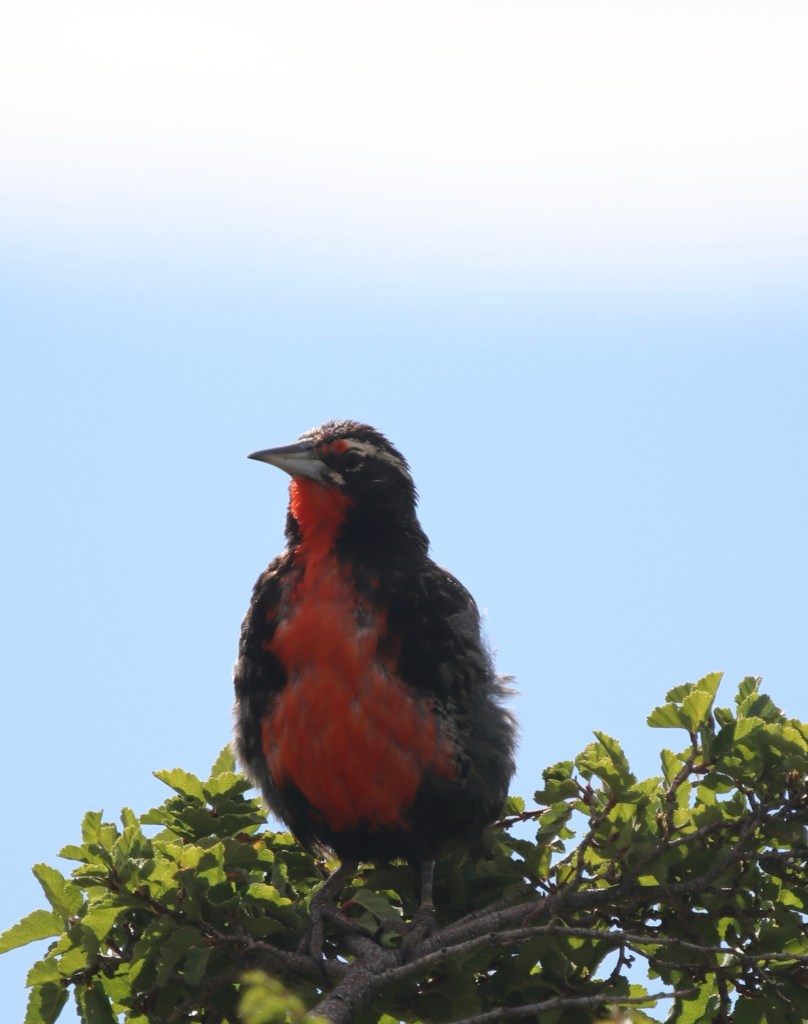
Birds were also common sightings. We had several sightings of condors. But a way off and difficult to photograph from the moving van.
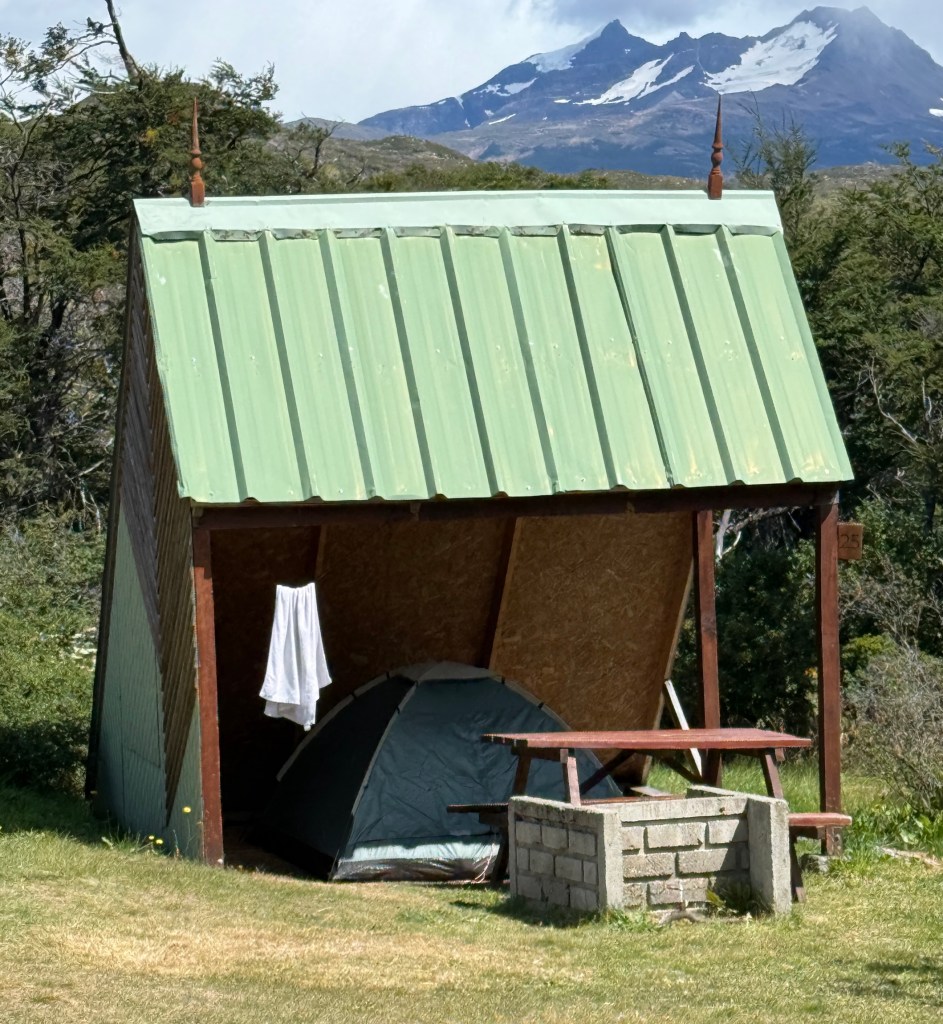
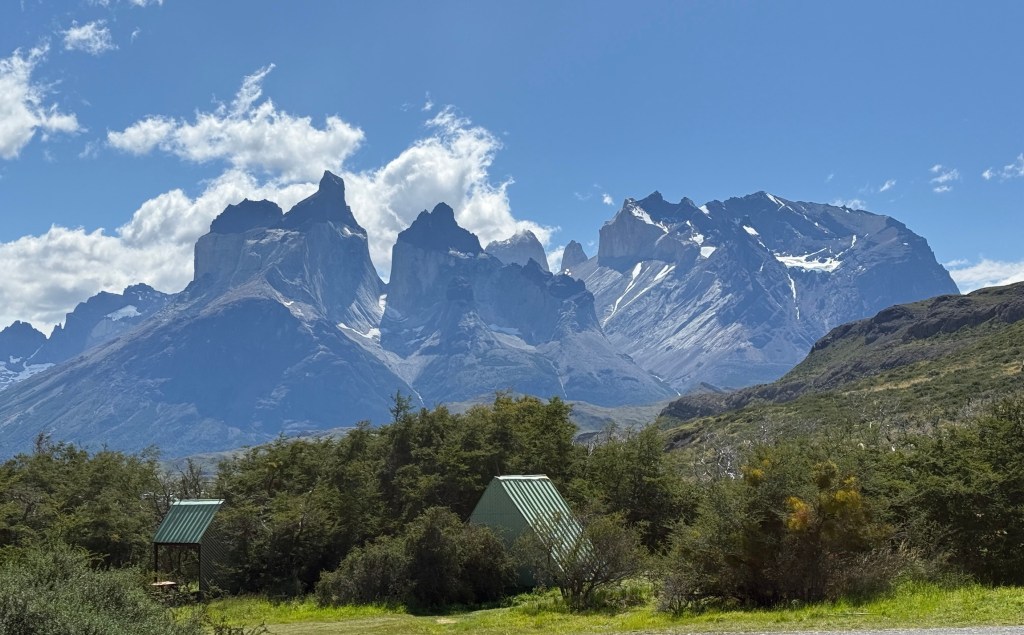
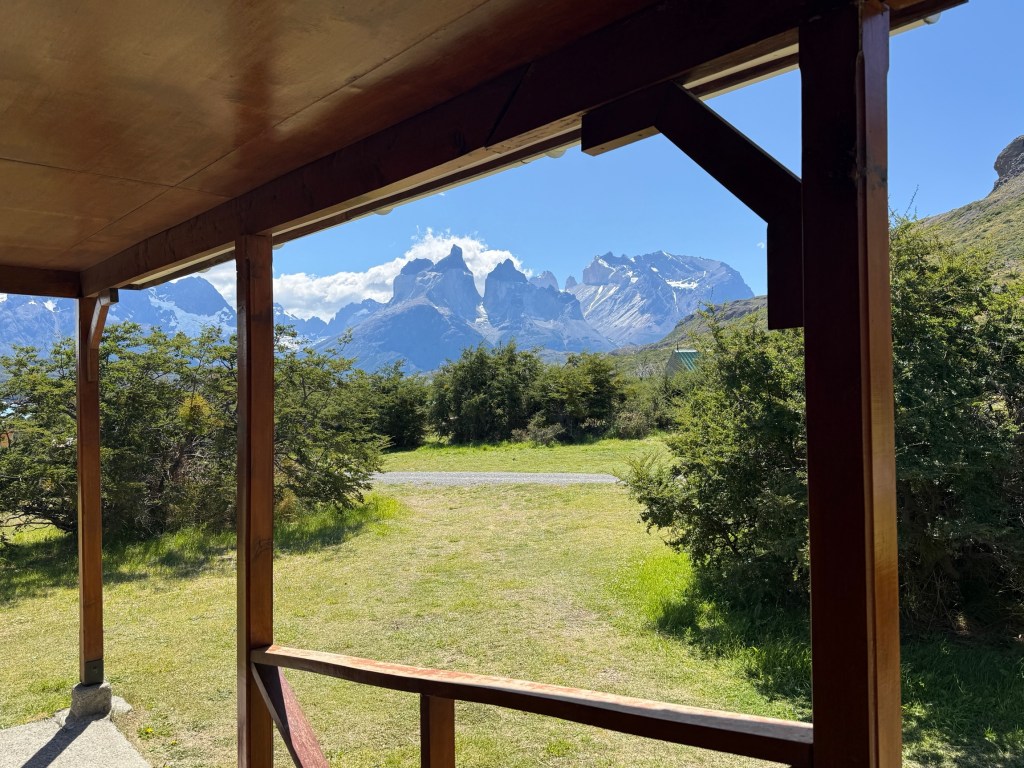
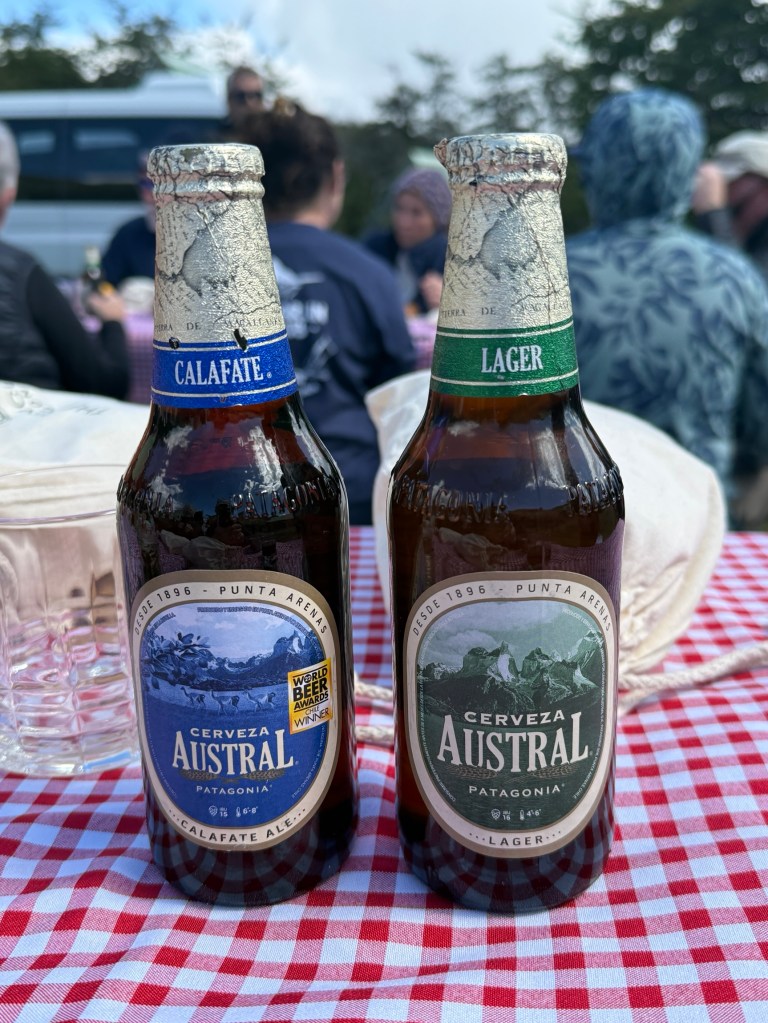
Well appointed camping areas are a feature of the NP, a little chilly at night I suspect, small fires are allowed in the enclosed fire pits adjacent to the covered tent sites. We stopped in one for a picnic lunch with the towers a backdrop.

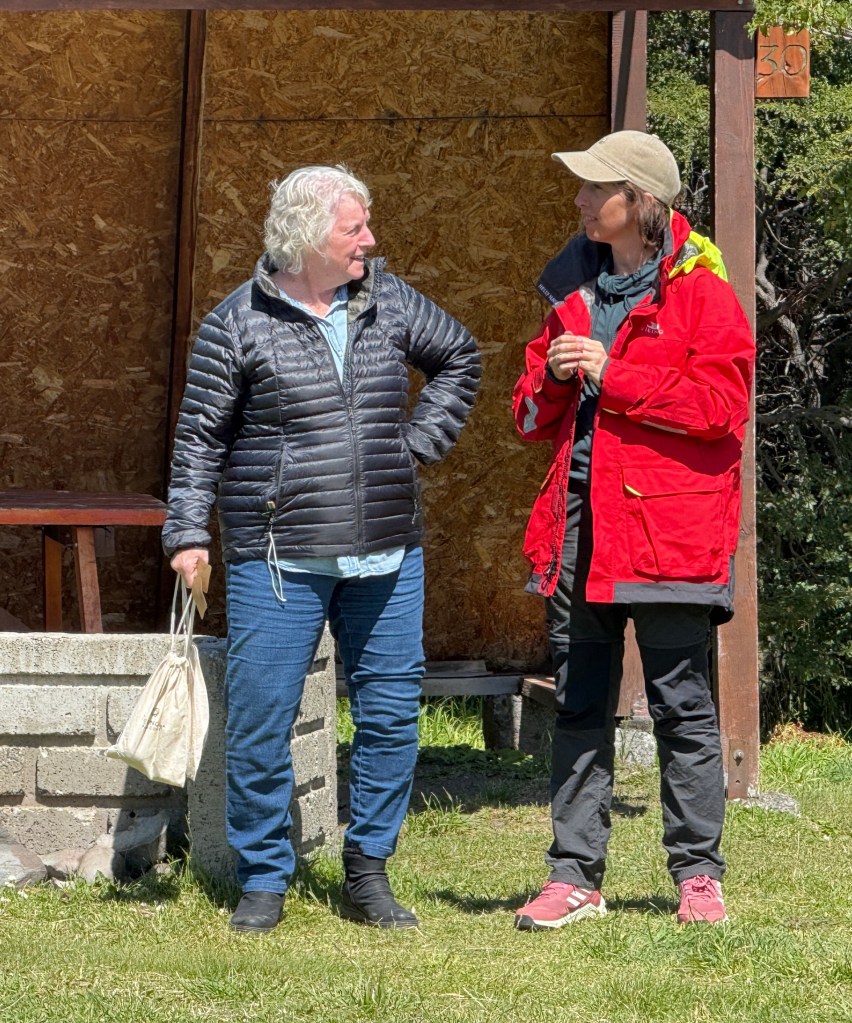
We took a different route out of the park hoping to catch sight of a puma. But the elusive animal was not to be seen.

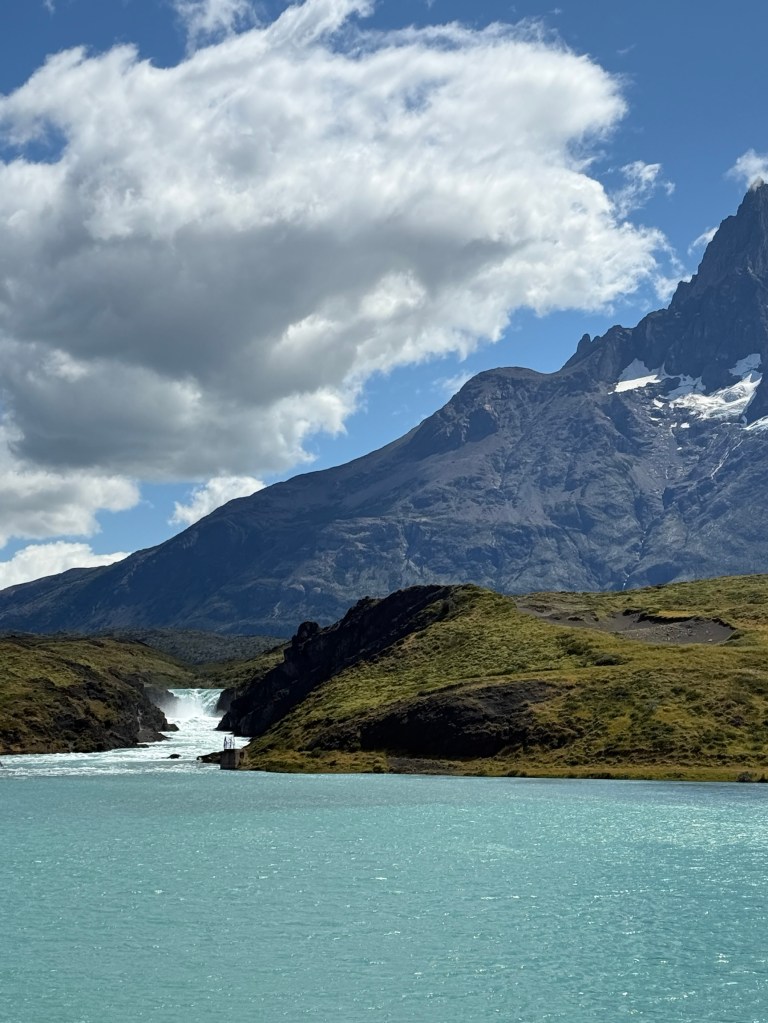
It had been a great day out, little walking but weary non the less. We returned to the Singular for dinner and bed. We are next off by plane to Santiago and the flight home to Brisbane.
Road Trip
It was a long road trip to our base from which we explored in a day a small part of the Torres del Paine National Park. Although a small section of the park it was to be a spectacular experience in high country. Getting there from Calafate was an experience too!
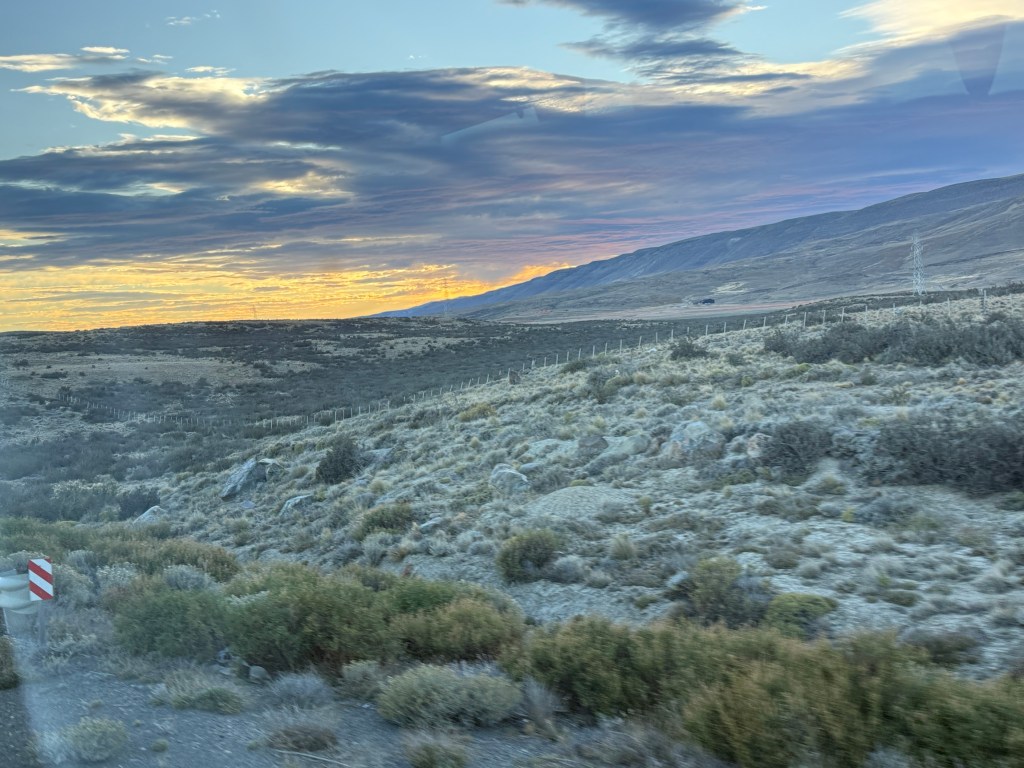
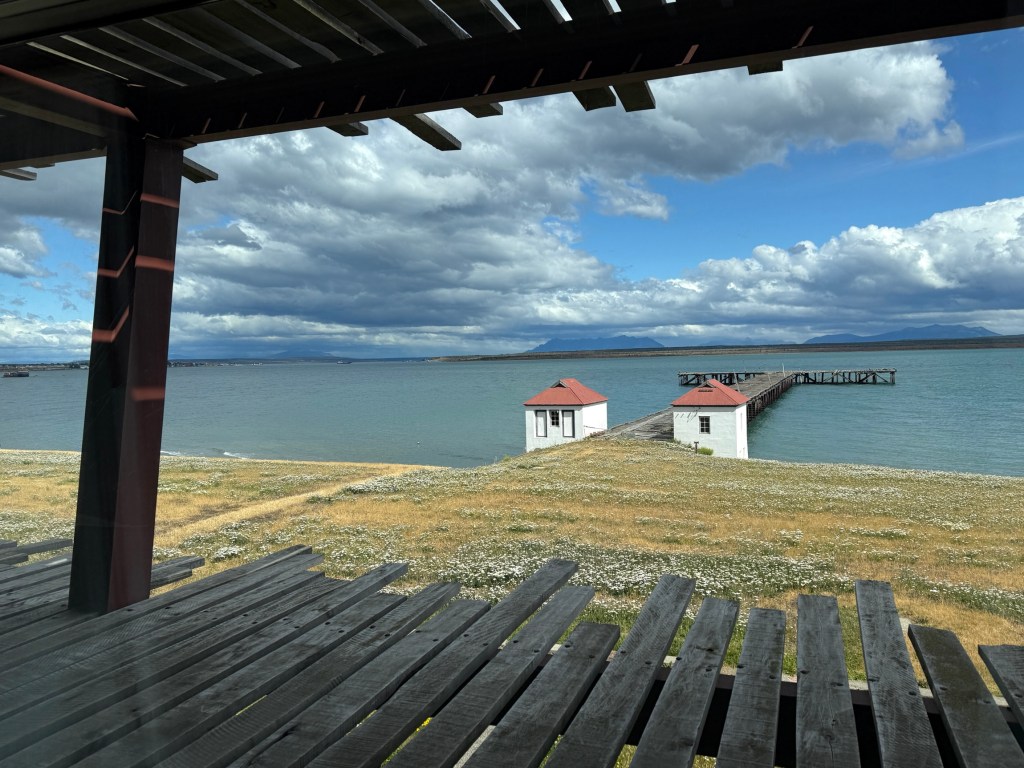
We got away at the appointed hour of 6.45am after an early breakfast. Our destination was the Singular Hotel Patagonia, just outside the town of Puerto Natales. It is located on the shore line overlooking Last Hope Inlet, at the end of a 59km fjord complex. It is called Last Hope because an early explorer worked his way around the fjords trying to find a way through to the Atlantic, so avoiding going around Cape Horn.
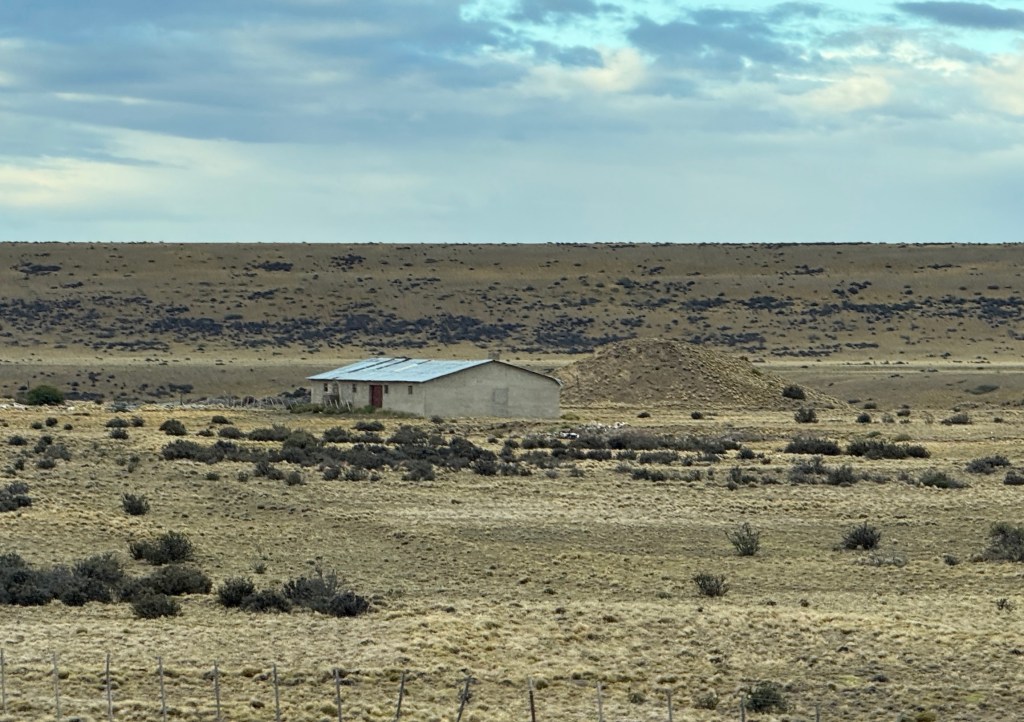
The road trip basically followed the Route 40 markers south west along the southern spine of Argentina. The landscape either side of the road was a little reminiscent of Australia’s outback, without the red colours and replaced by a glaciated landscape. There were long stretches of road with seemingly never ending livestock paddocks.
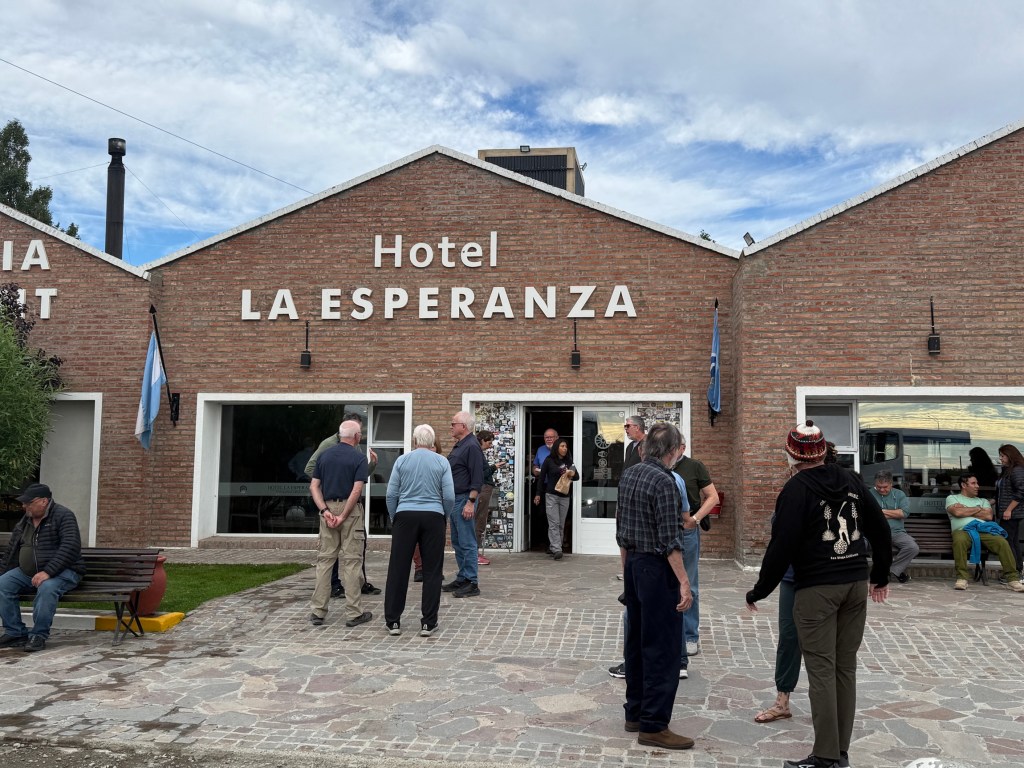
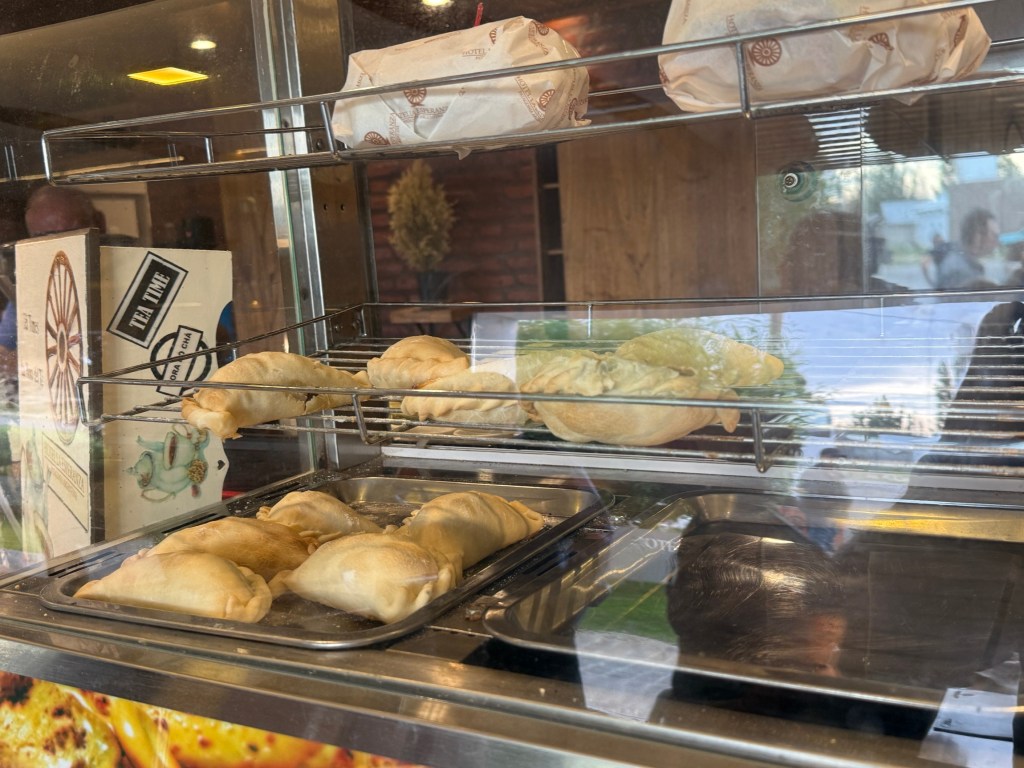
We had a convenience stop at the Hotel La Esperanza. It is in a small town of the same name with about fifty inhabitants, rather tired looking.
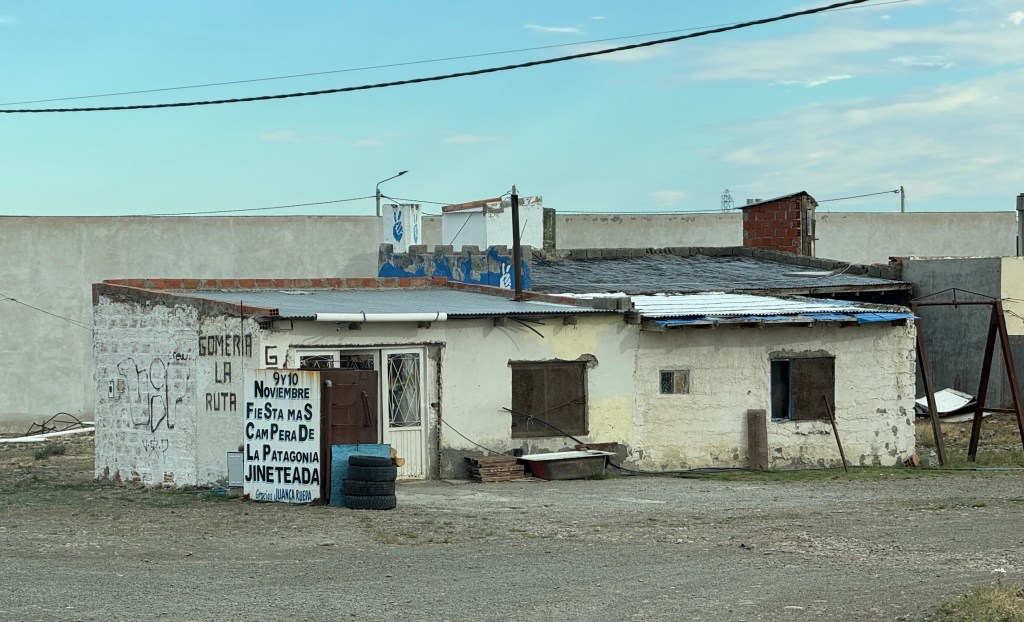
Seems to be in just the right place though for a stop to break the journey.
Further along we needed to stop and cross over into Chile. Joined the queue of buses and cars. It took a little while, it is a small outpost. Can’t photograph the official buildings.
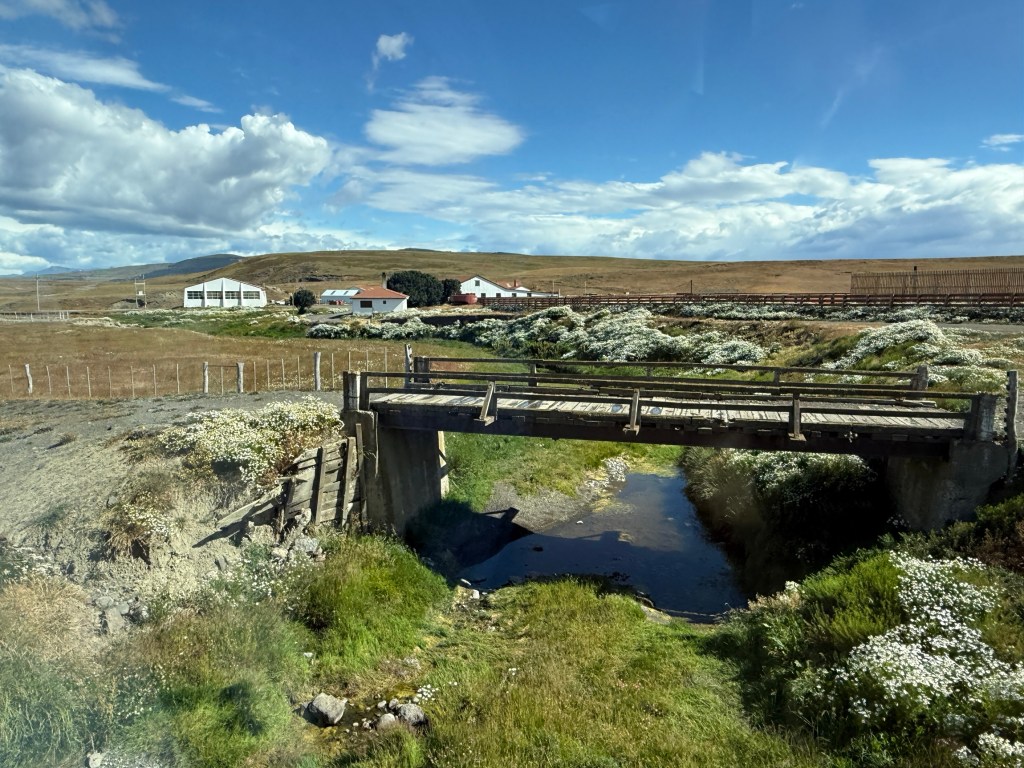
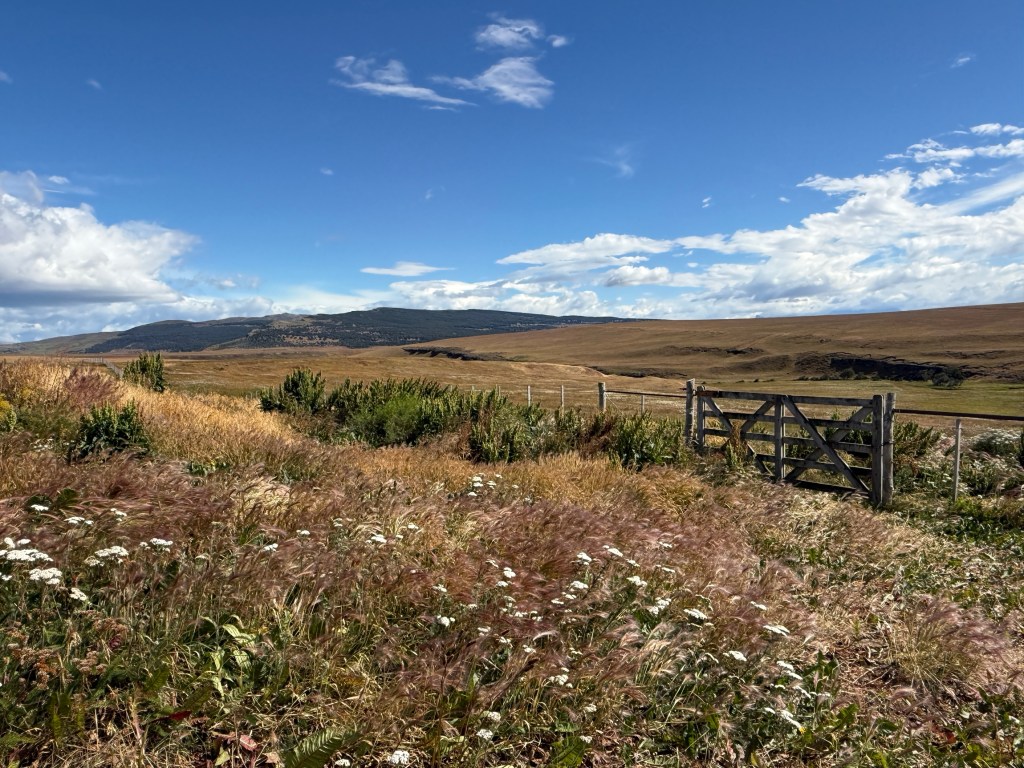
Luckily, as well as humans the border crossing was manned by a dog. The dog sniffed our luggage in the bus hold, otherwise it would have had to be taken off and put through a scanner machine. No problems.
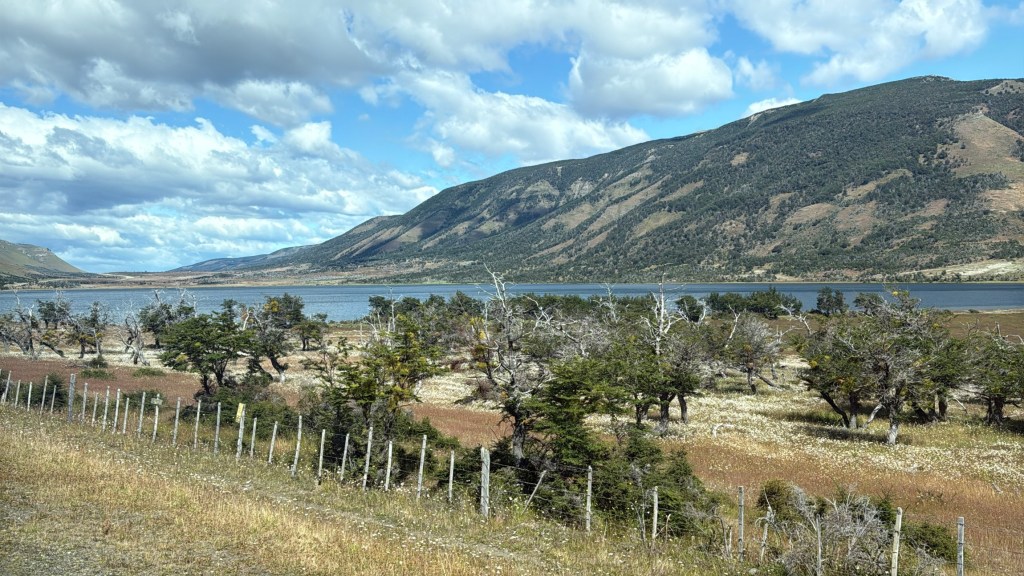
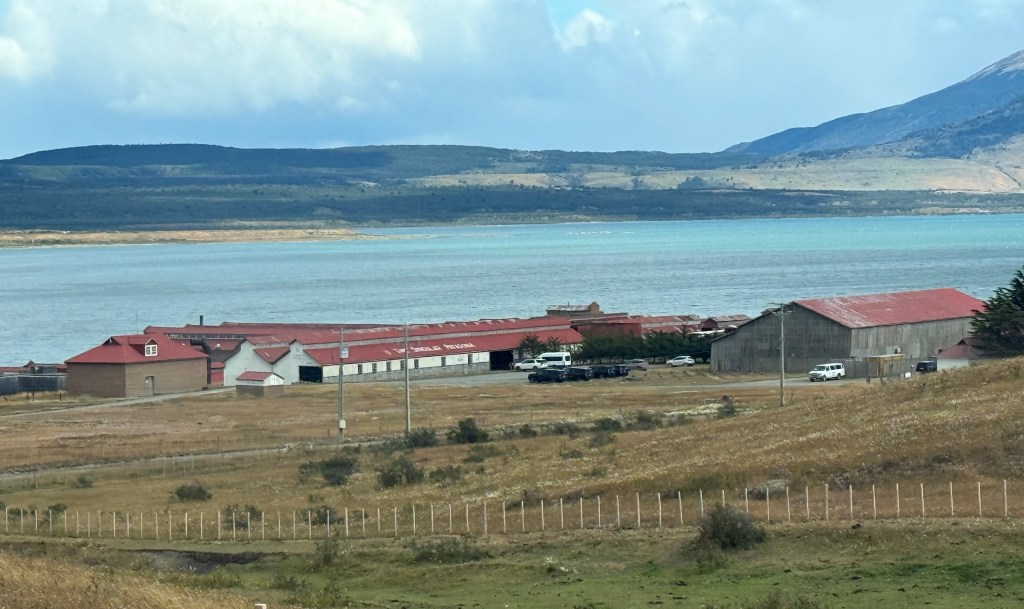
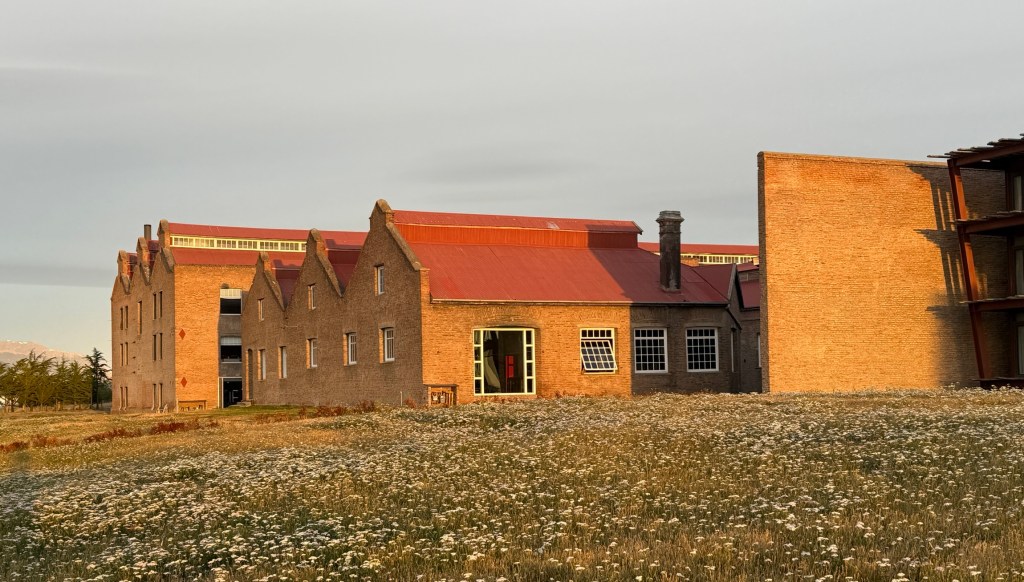
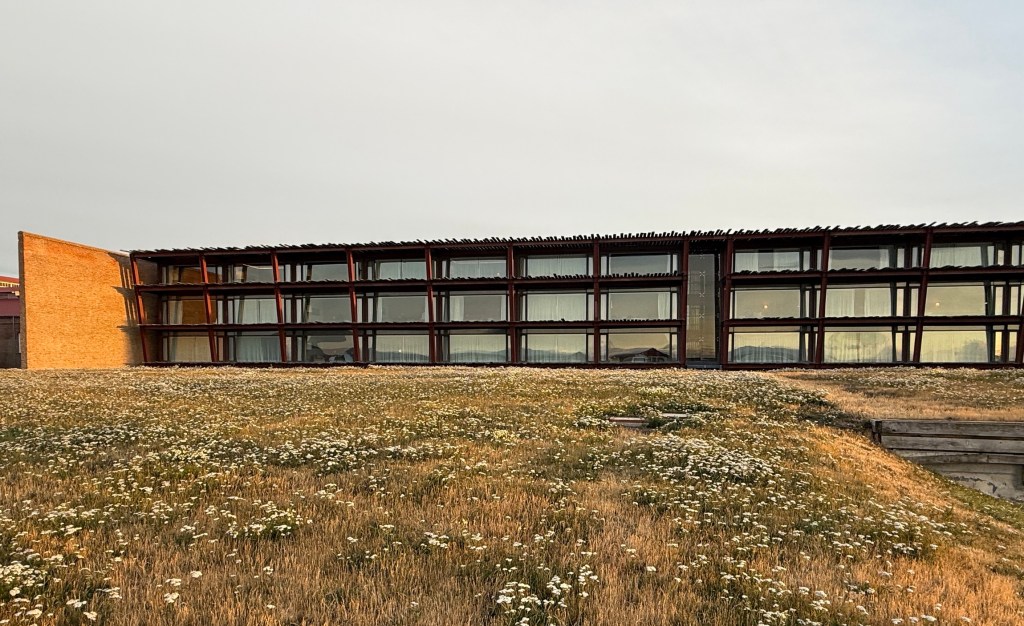
The Singular Hotel is a restored early 1900s sheep processing plant, much of the machinery is still in place as exhibition items. It has been restored to its former Industrial Revolution and early 20th century shining glory.
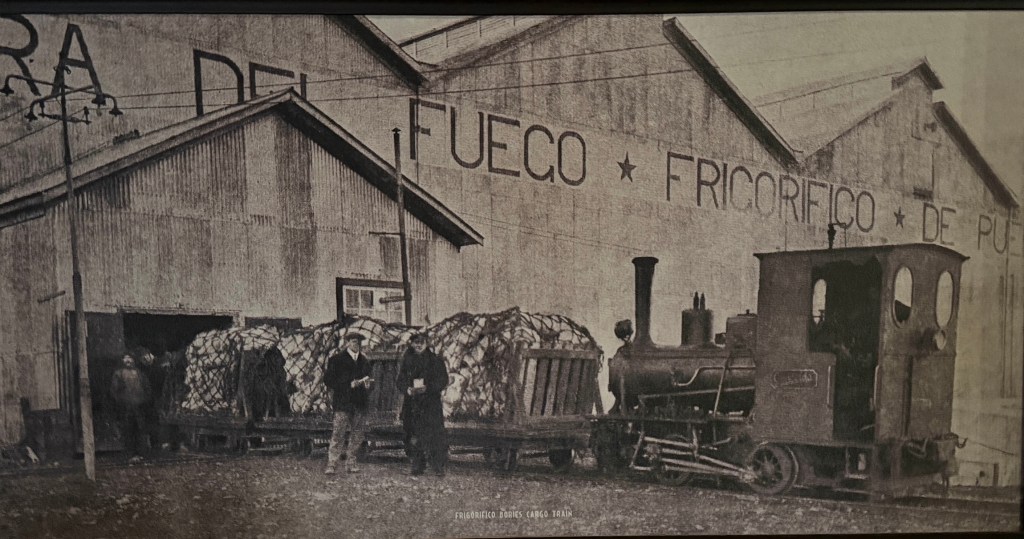
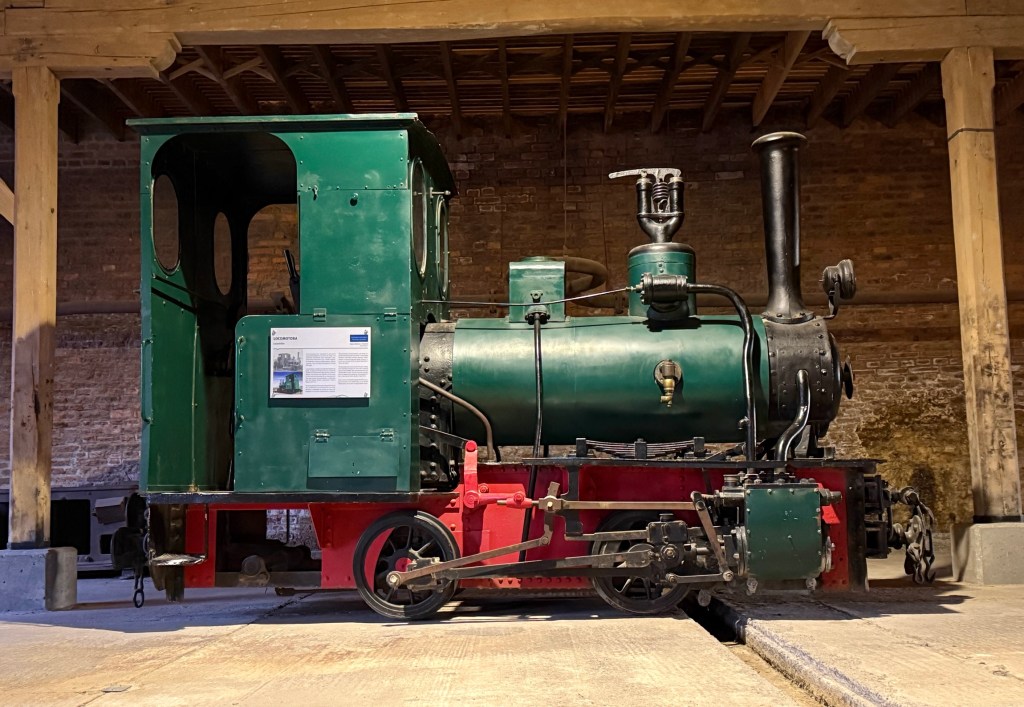
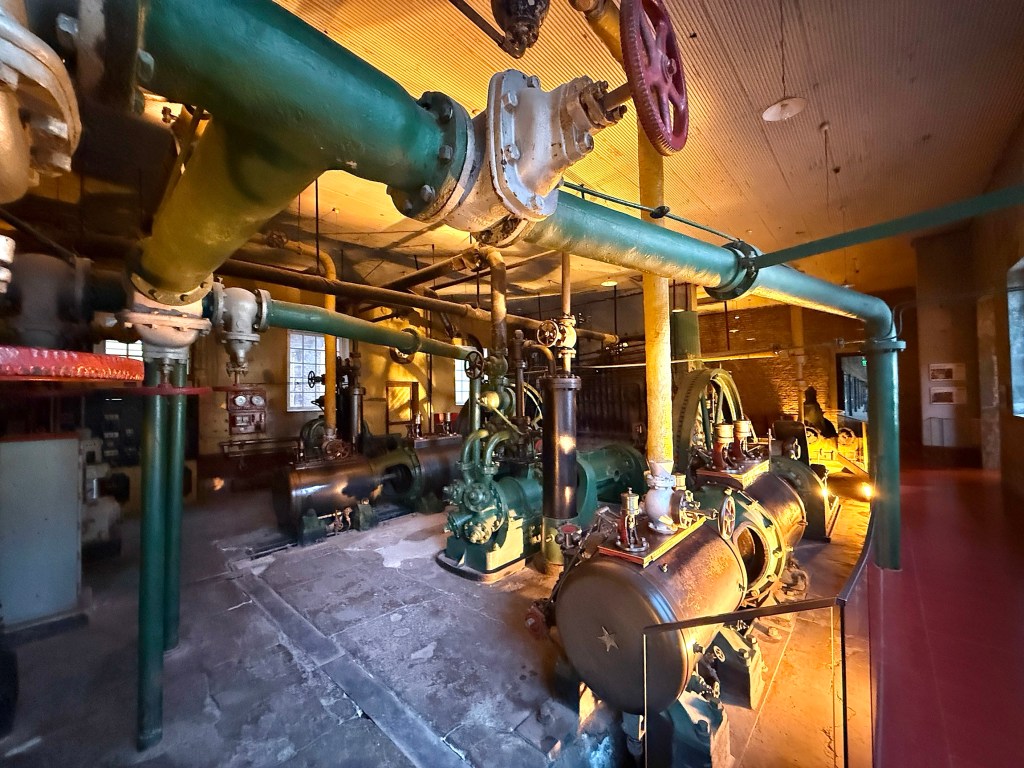
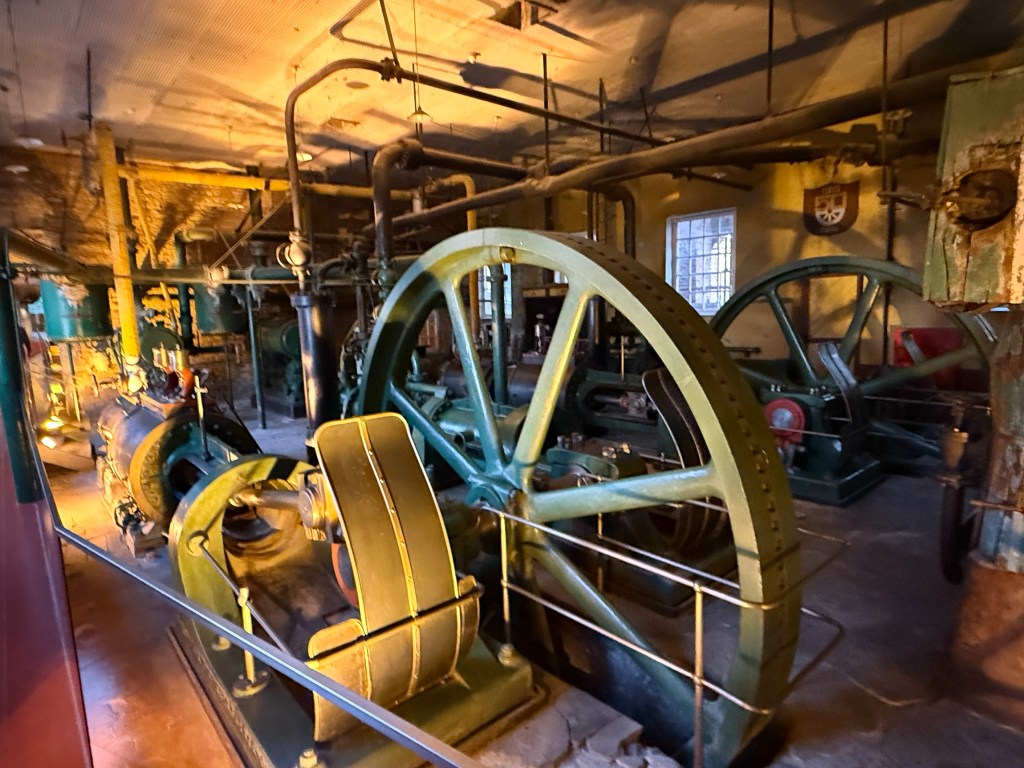
The plant closed in the mid 1950s (I think and will check up). The factory complex was made from bricks imported from England along with much of the machinery.
We were at the Singular for two nights. After a late lunch, we put our feet up and enjoyed the view over the inlet.
Get away time the next morning was kinder, 8.30 am for the hour or so drive to the National Park.
Perito Moreno Glacier
The glacier is about 80 km south west from El Calafate and our bus takes an hour and a half to get there. It is a big glacier flowing off the Patagonian Ice Field into Lake Argentina. For two or so hundred years up until about 2020 the glacier had been relatively stable, periodically retreating and advancing, but it now appears in full retreat. It is 30km long and the ice formation is over 250 square km.
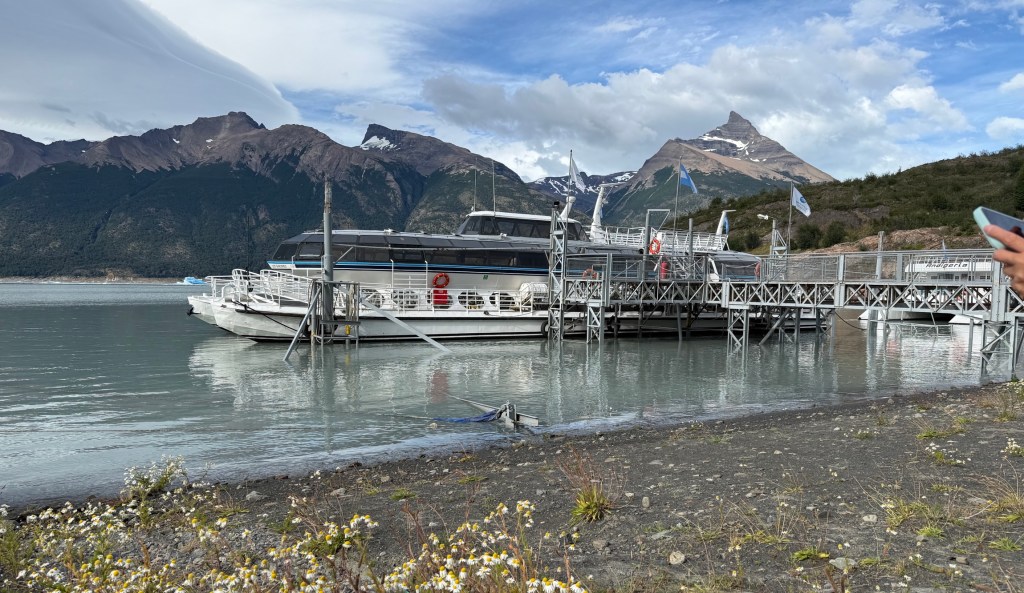
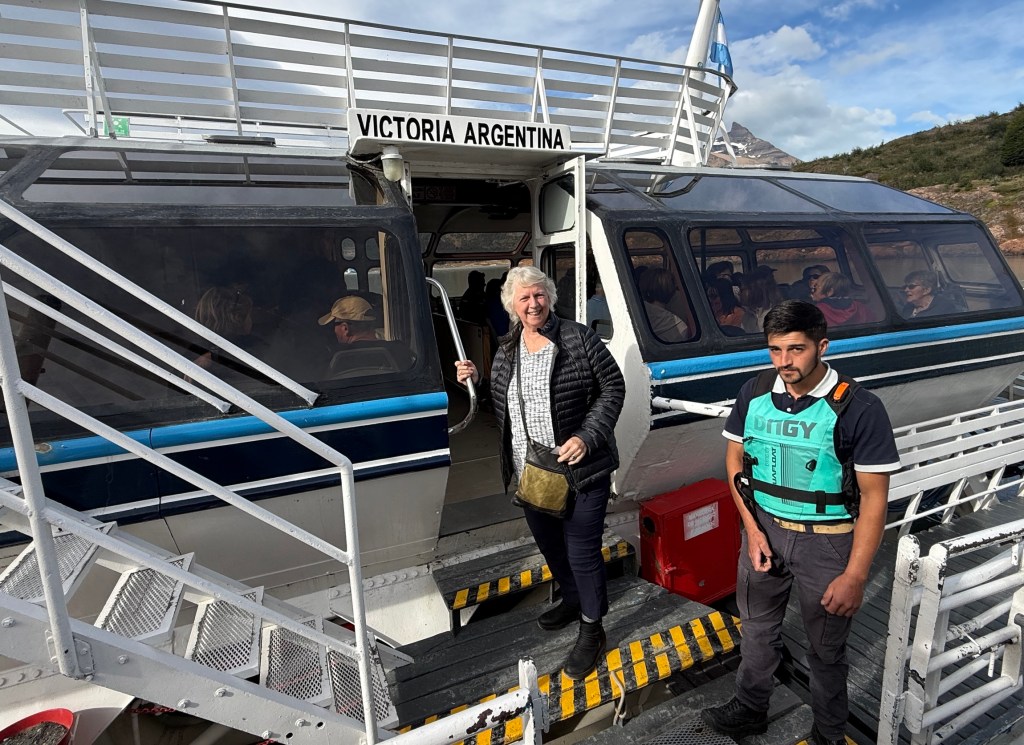
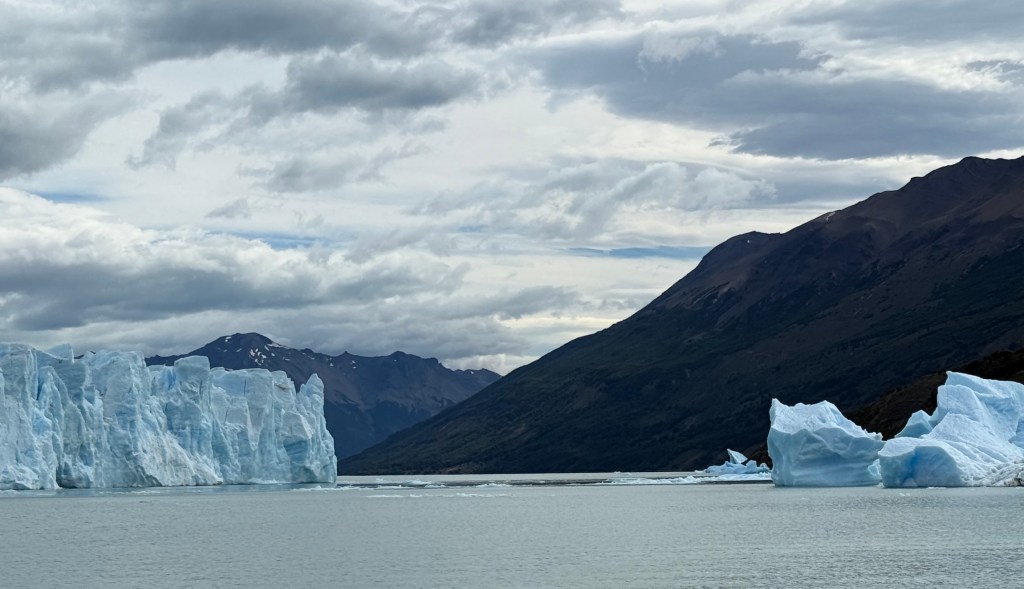
We boarded a catamaran for a cruise back and forth along the face of the glacier, the captain rotated the boat around for some great up close views. A few bergs floating around too that needed avoiding.
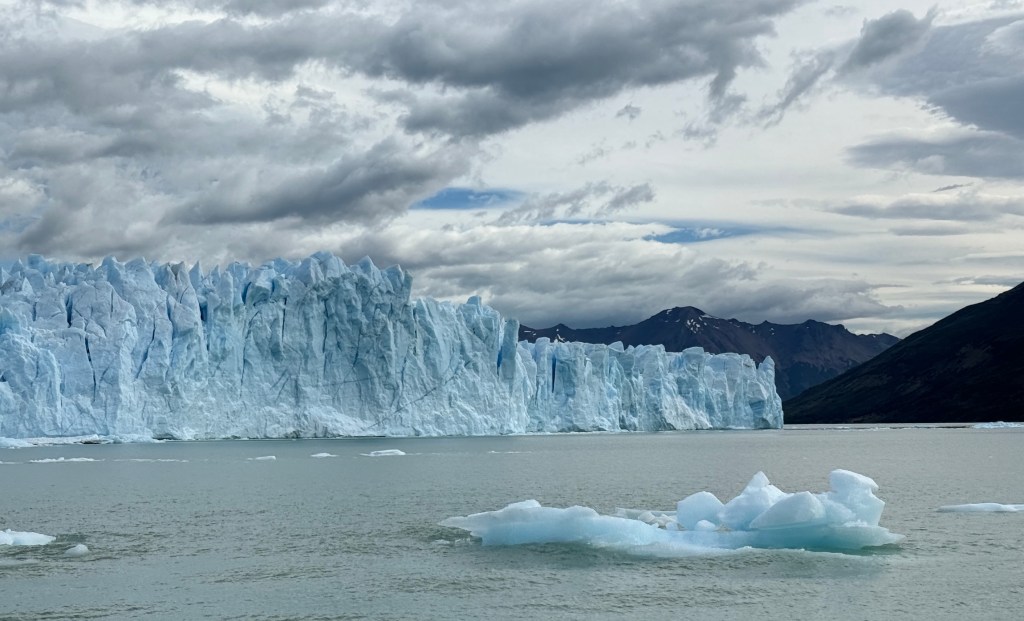
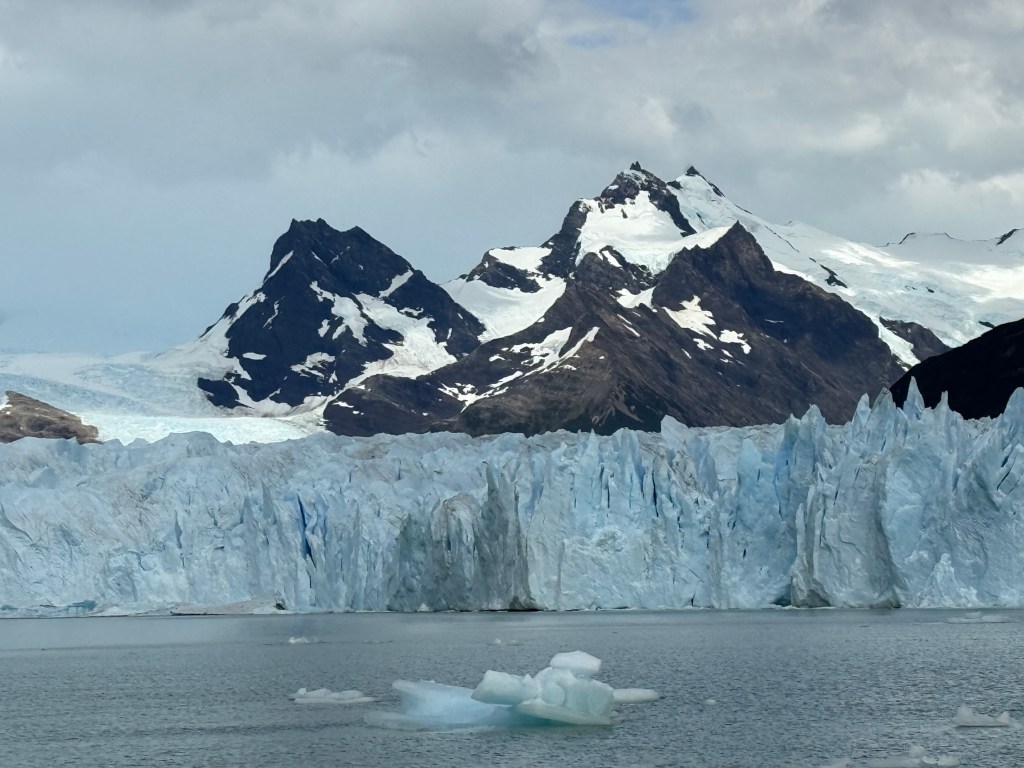
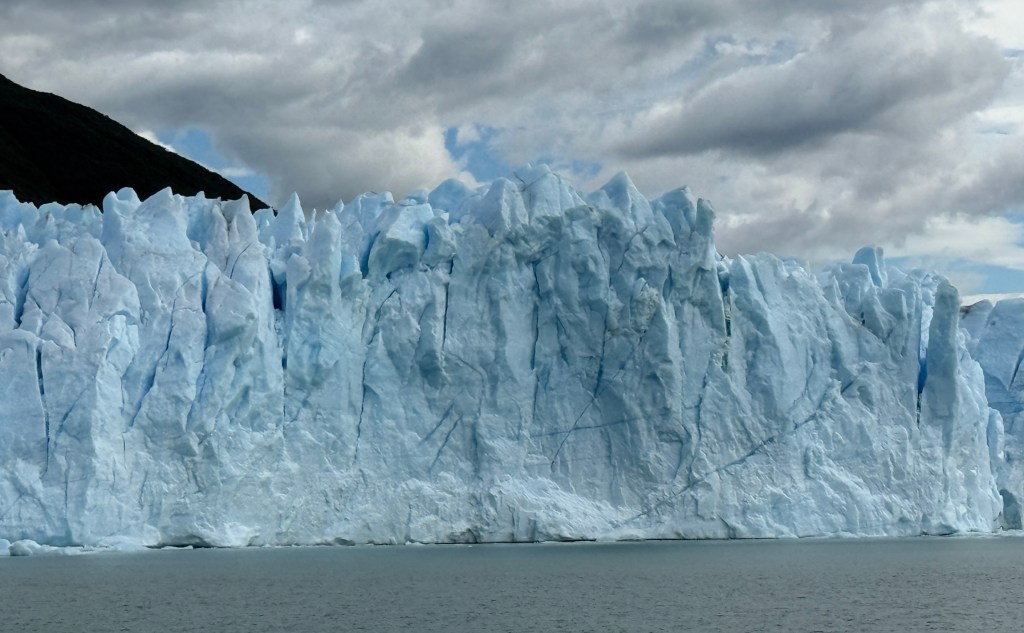
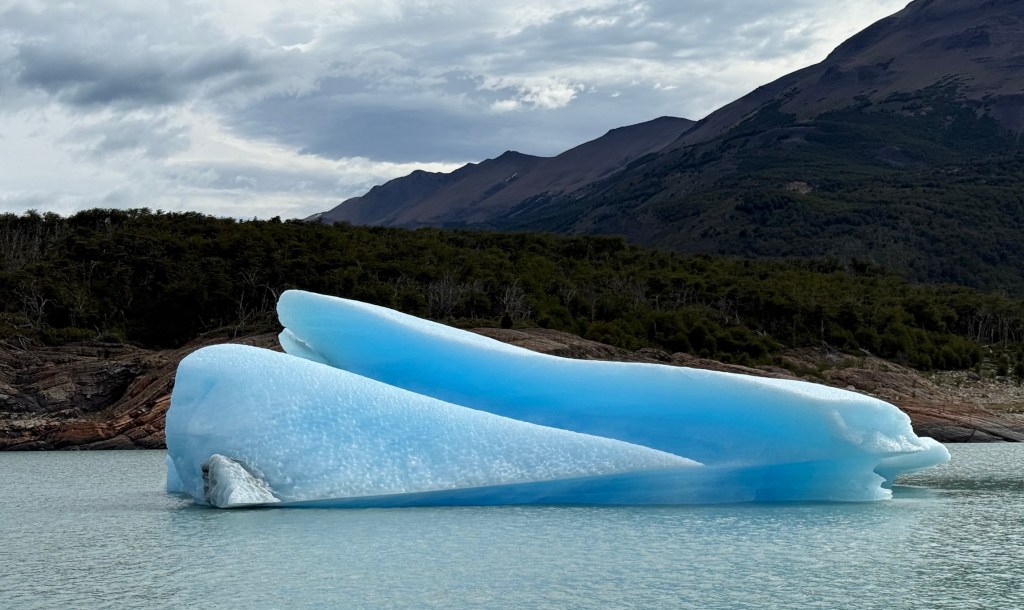
A big lump of nearly clear ice was brought aboard for a close look. No idea how old this would have been!
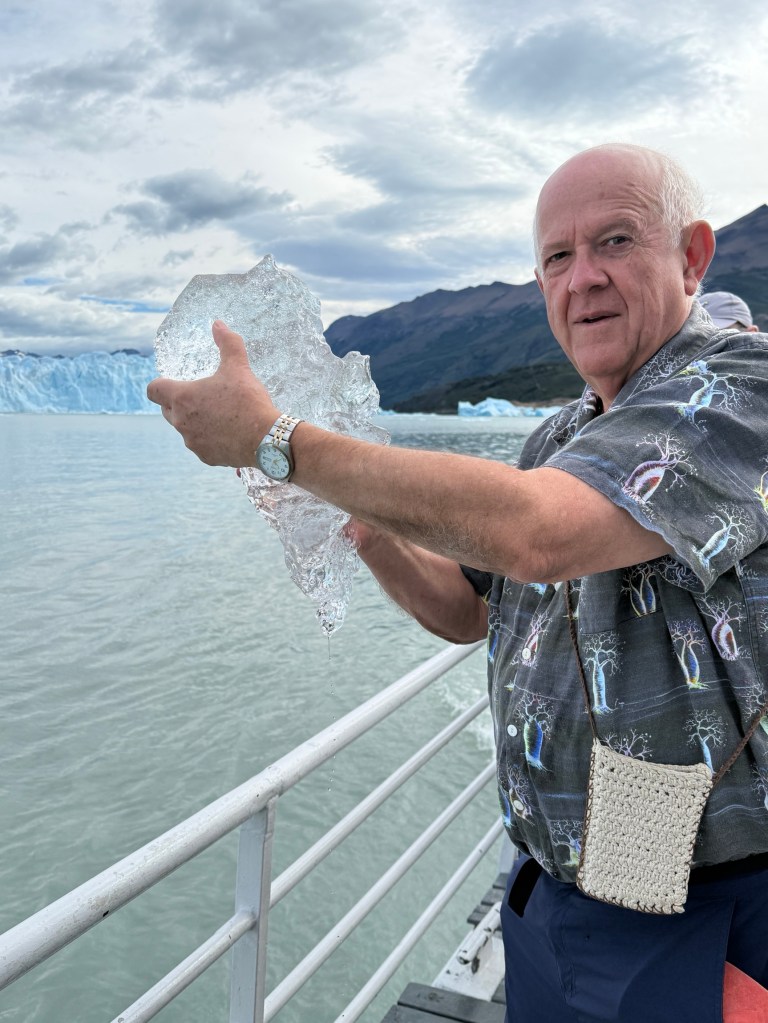
The face of the glacier is 5km wide and averages a height 74 m above the surface of Lake Argentina.The depth of the glacier is around 170 m and it appears to be moving at about two metres a day.
If one pauses and listens the ice mass ‘groans and grunts’, regularly calving into the lake.
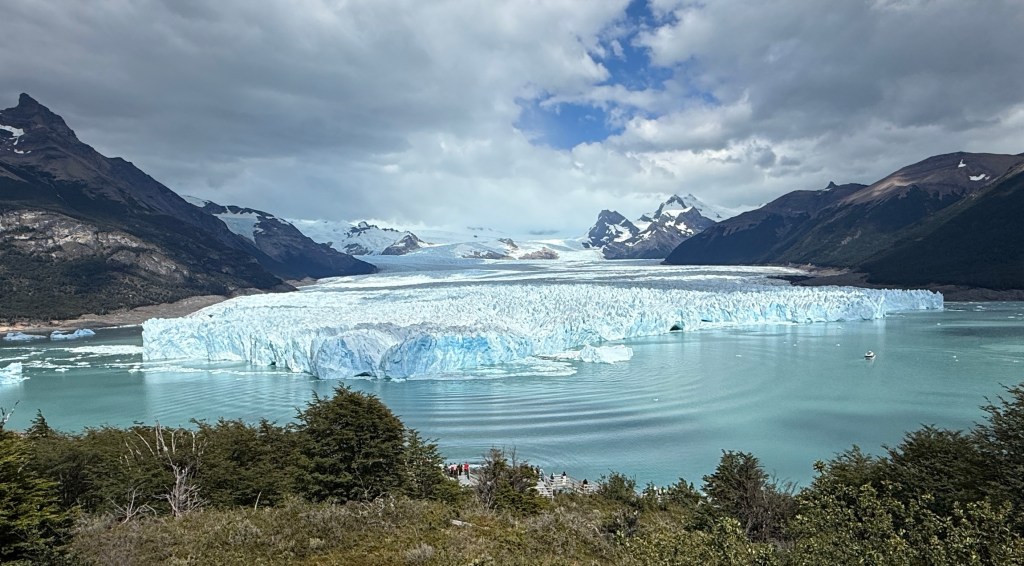
After an hour we returned ashore and ventured into the NP for some free time strolling around the board walks.
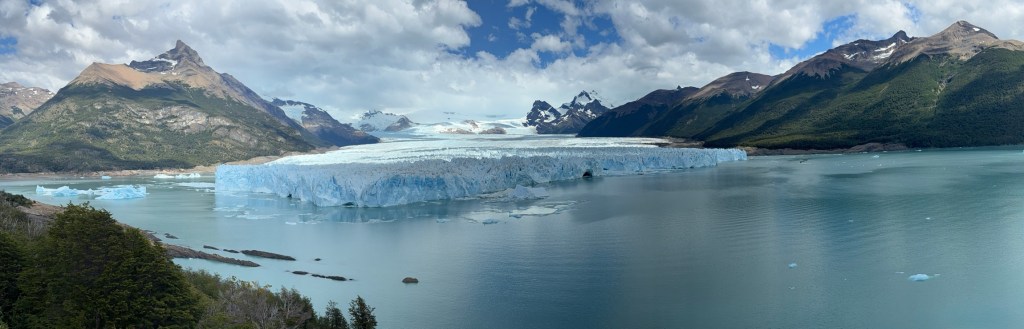
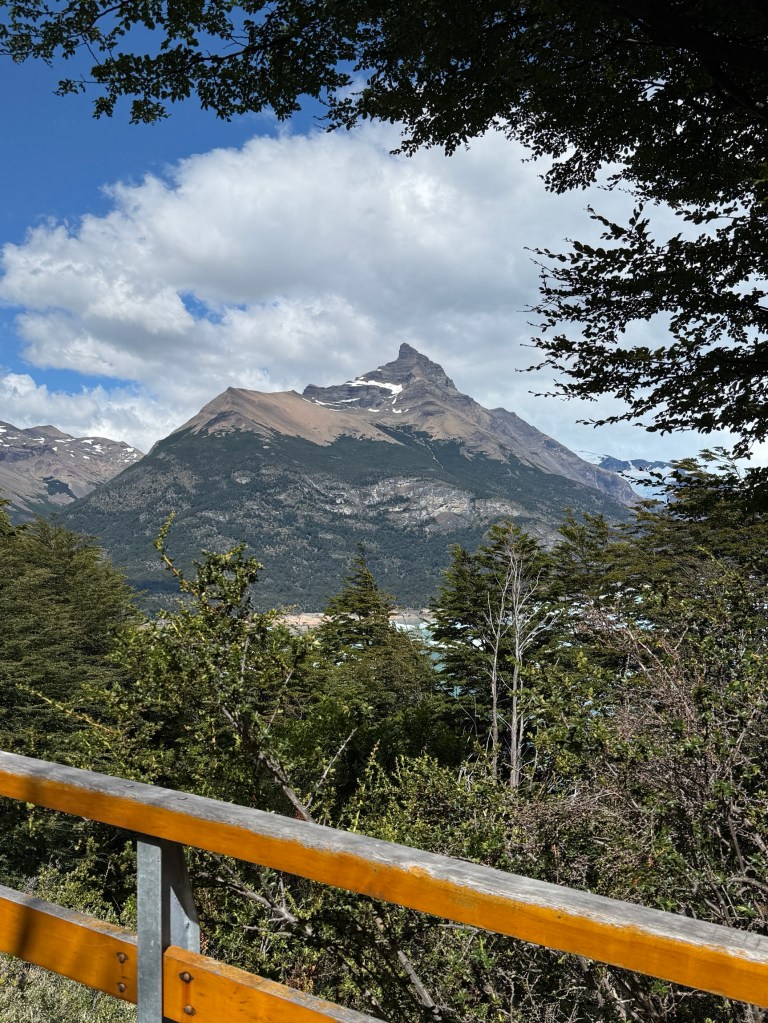
These provided some great views of the top and face of the glacier and the mountains behind.
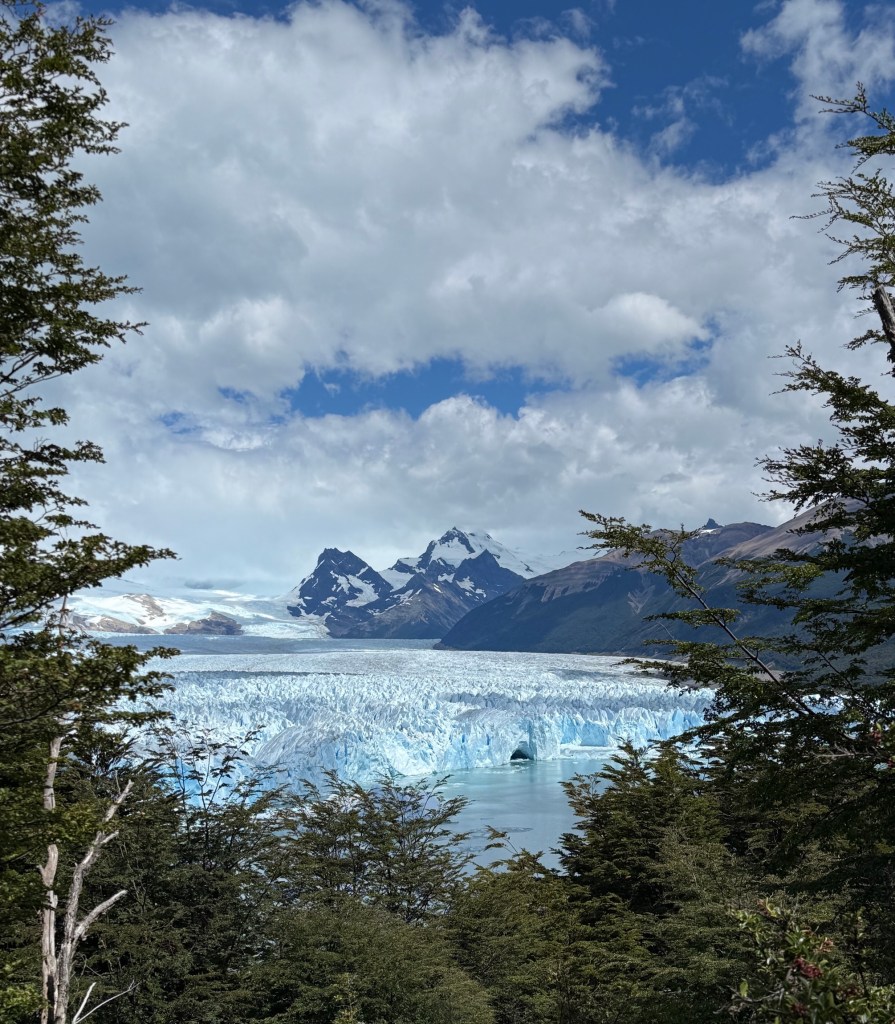
Over the last hundred years or so the glacier has periodically closed the waterway and established an ice dam that has seen water levels rise by over twenty five metres. The dam eventually ruptures and the water level dramatically drops.
With the glacier now seemingly retreating this is unlikely to occur again in the current glaciation cycle, maybe human induced warming is also playing a role.
Lunch was at the restaurant, looking down on the glacier, and as always it was very tasty. As we left there was an opportunistic special tasting of some sort of whisky with a bit of ice.
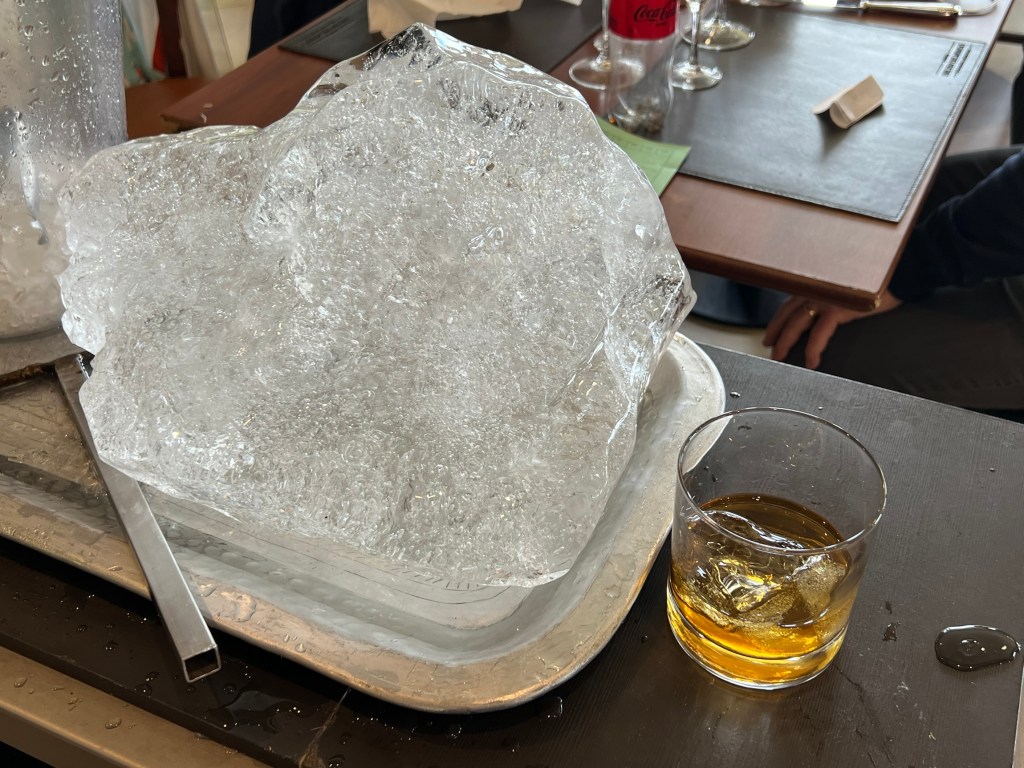
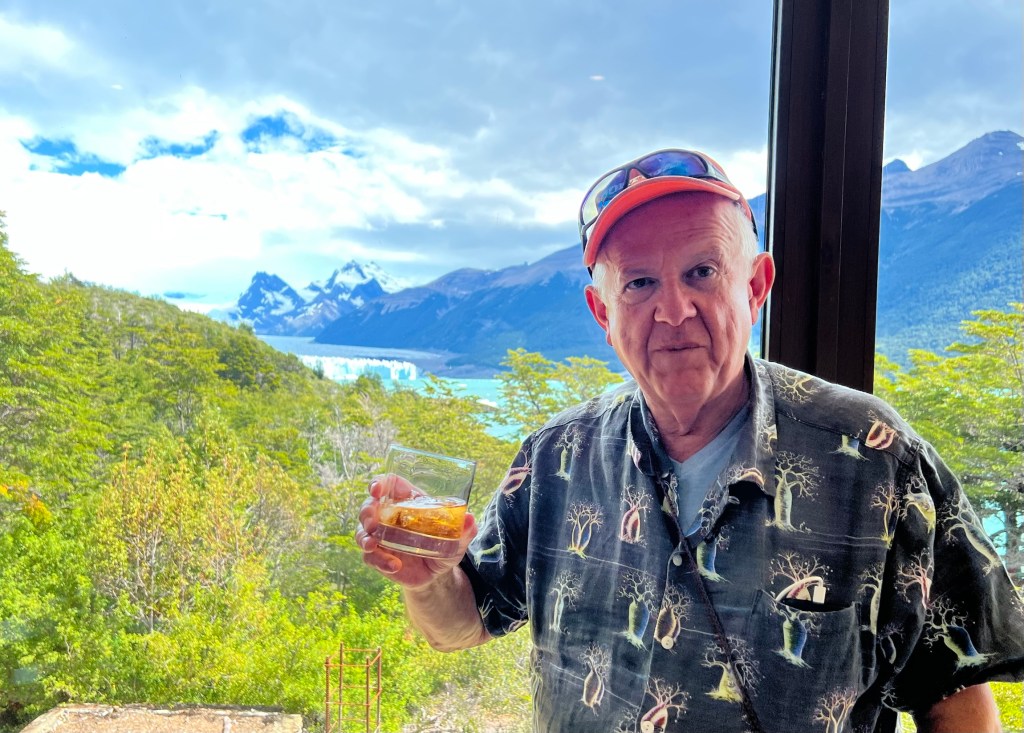
The highlight though was the ice. It was from the glacier. The first time I have had a whisky where the ice was older than the whisky!
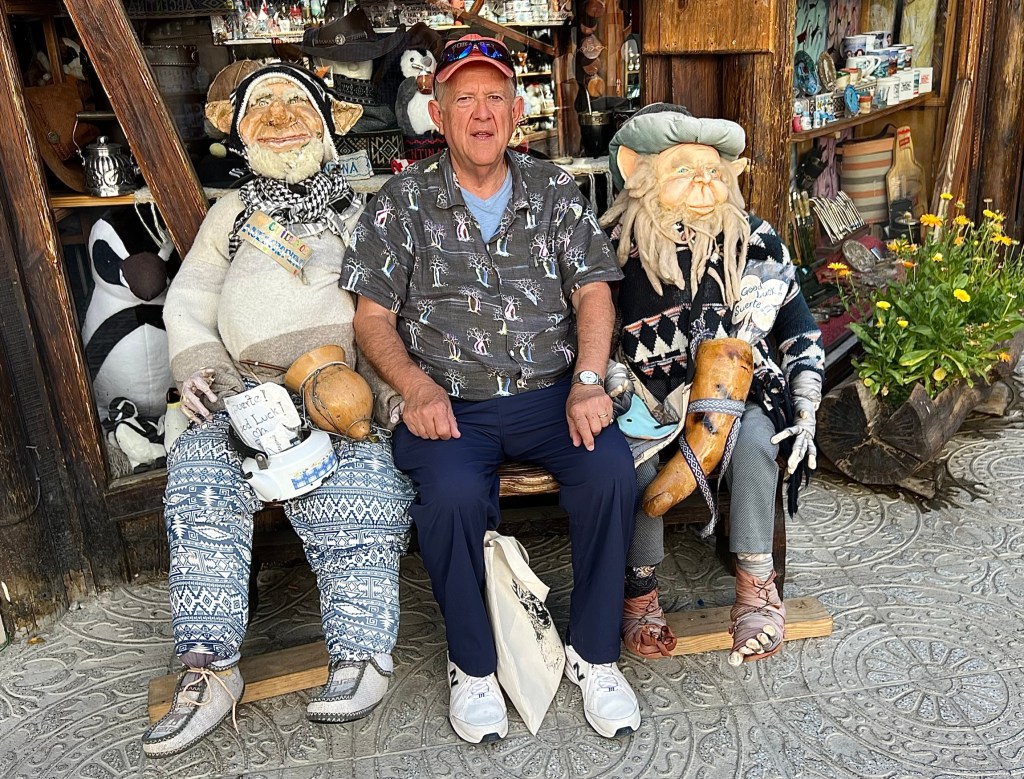
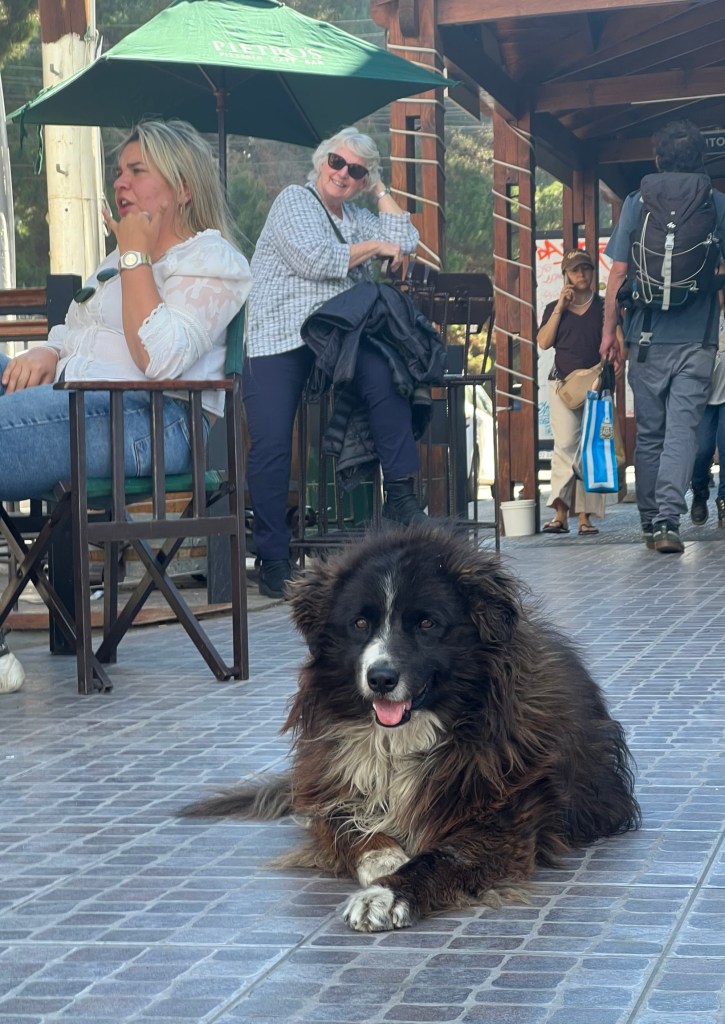
It was then back on the bus to return to El Calafate. We were dropped off in town for a look around and to check out the tourist traps. Of which there were plenty.
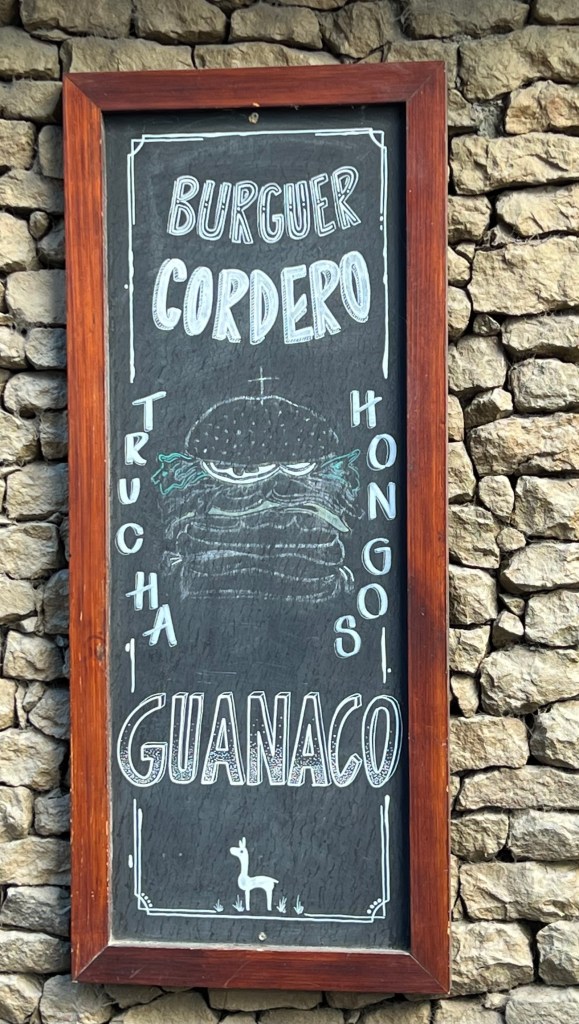
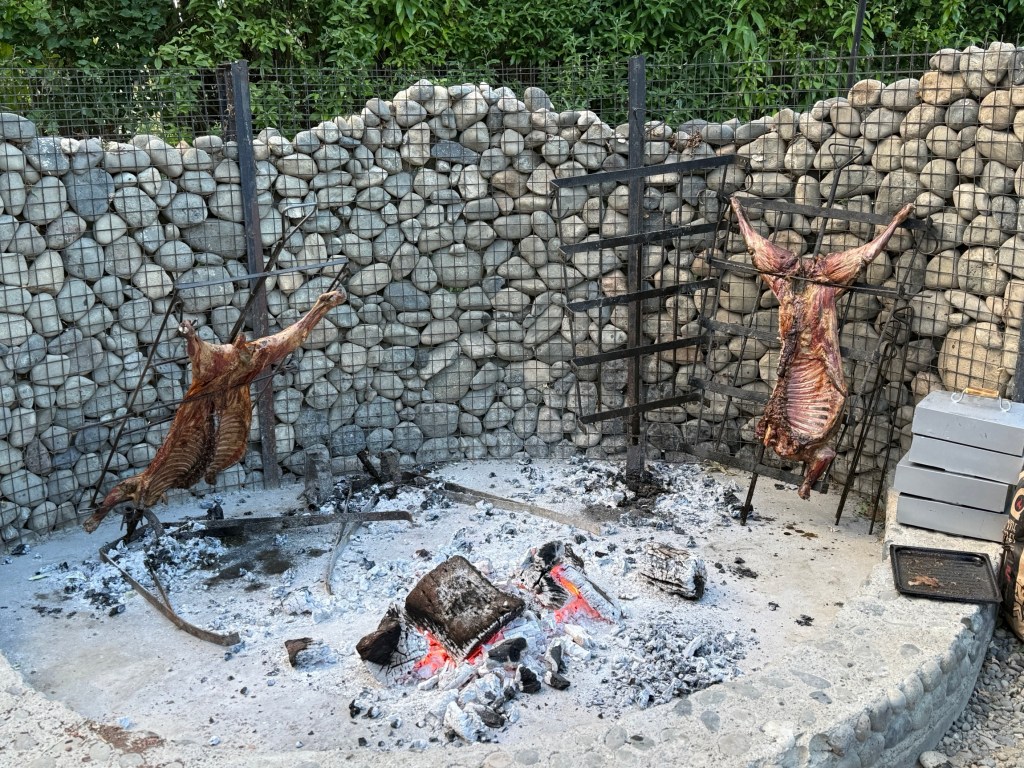
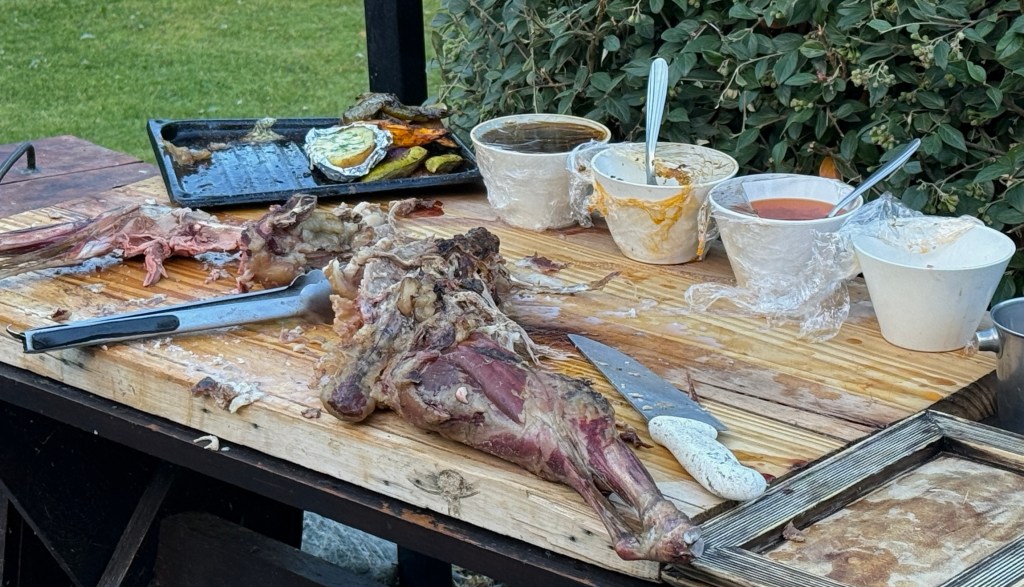
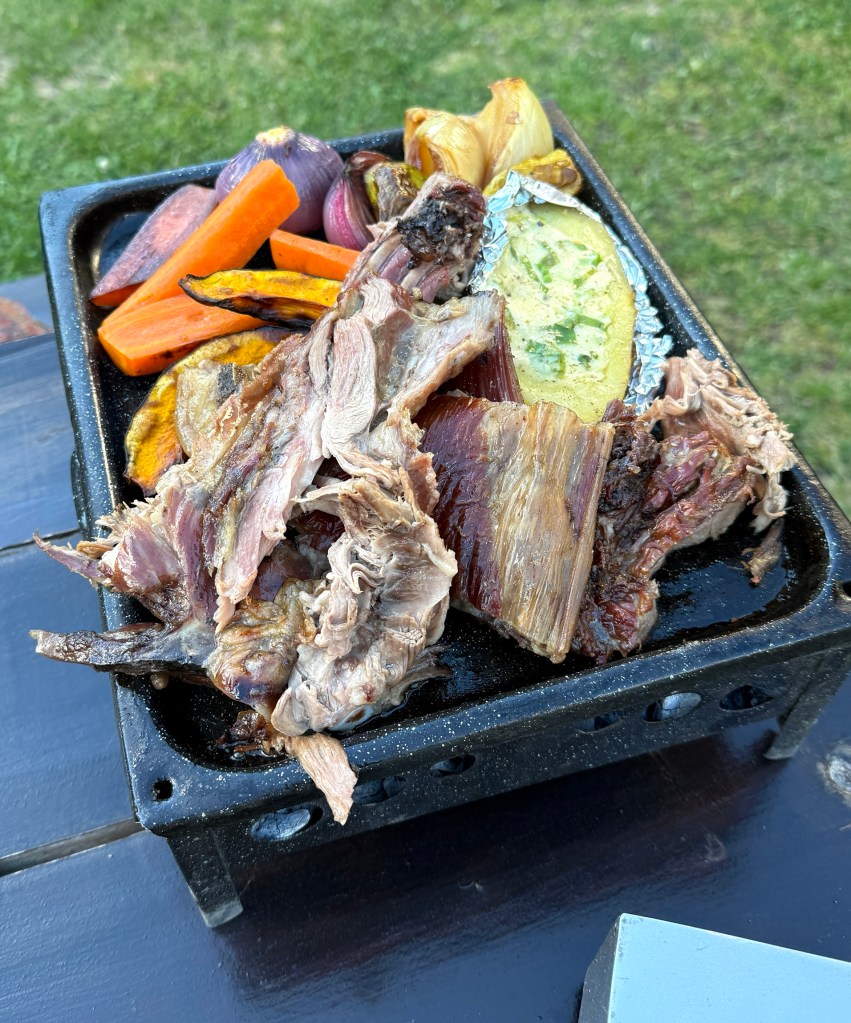
Dinner that evening was a taste of the local delicacy. BBQ lamb and roast veggies, preceded by a couple of empanadas. Quite a process this BBQ, pictures tell the story! Some folk dancing finished the night off.

We left El Calafate the next morning and headed south for the Torres del Paine National Park.
It is a full day road trip of about 370km, on for the most part Route 40, along the spine of Argentina. Will pick the story up in the next post.
Patagonia
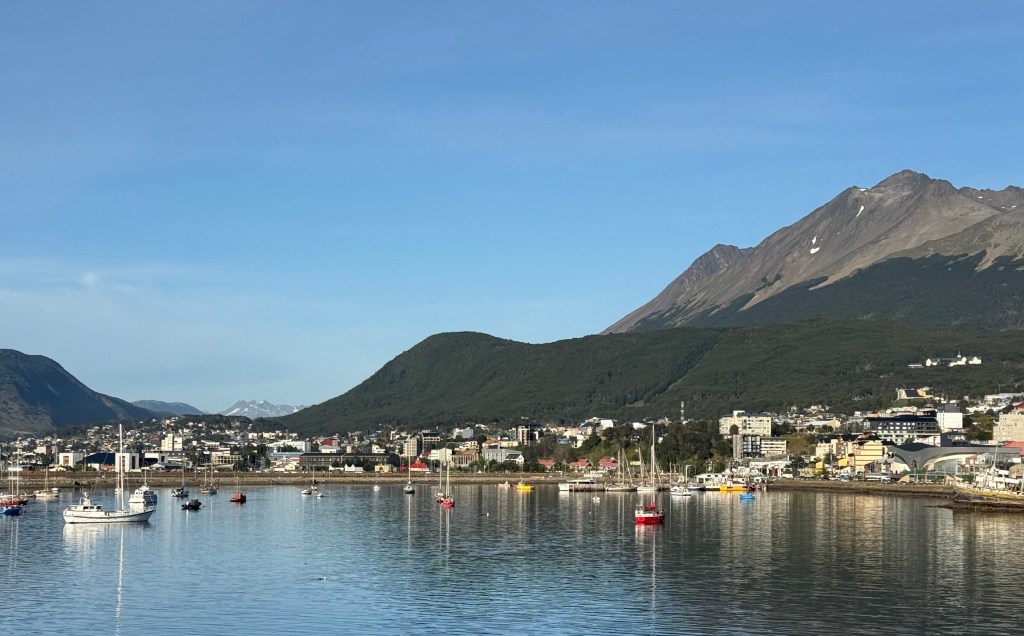
We disembarked the Octantis as planned at 8.30am and were to be bussed off to the Ushuaia airport to catch a domestic flight north to El Calafate.

But, first a minor hassle before heading to the airport. One of our bags could not be located. After a few calls around it was eventually found. It had beaten us to the airport and was about to head off to Buenos Aires, not El Calafate. Some intense conversation ensued and the guides made a more concerted effort to prevent it going to Buenos Aires. We were saved by the system and the bag was plucked from the BA cargo and redirected for our collection at the airport when we got there. Which we did! So all was ok in the end. The airport was a nightmare, it took us a bit over two hours to check in and go through security. Apparently, a number of cruise ships were disembarking and cruisers were leaving town but at the same time arrivals were coming to take their place on the ships.
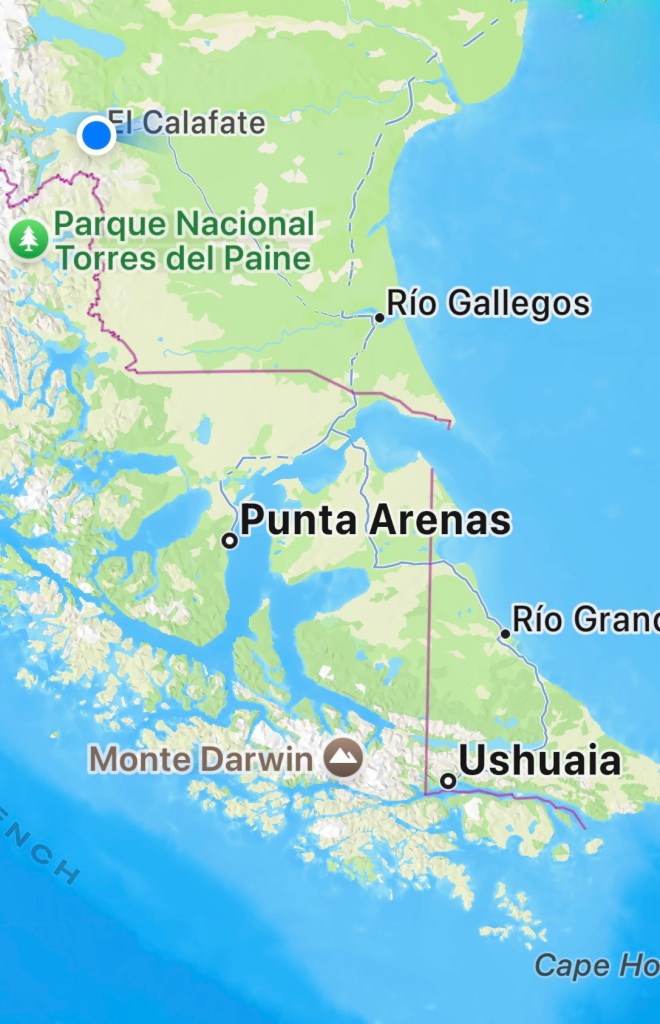
The plane left on time despite all the people and made its way up over the Andes for the one and a half hour flight to El Calafate.
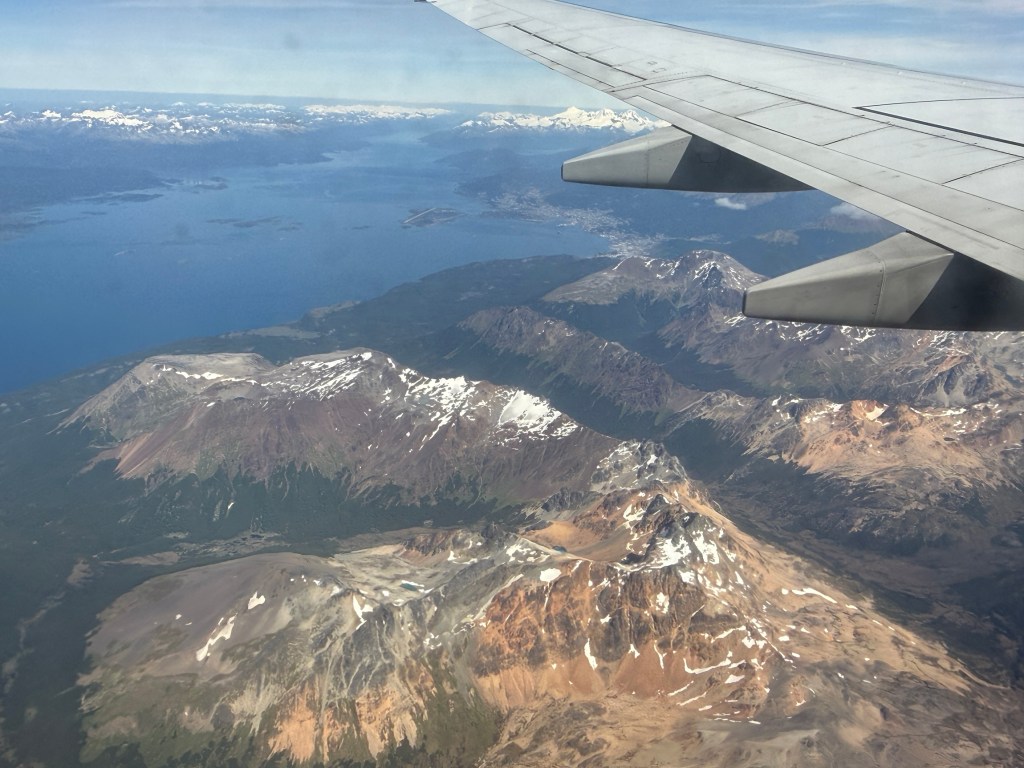
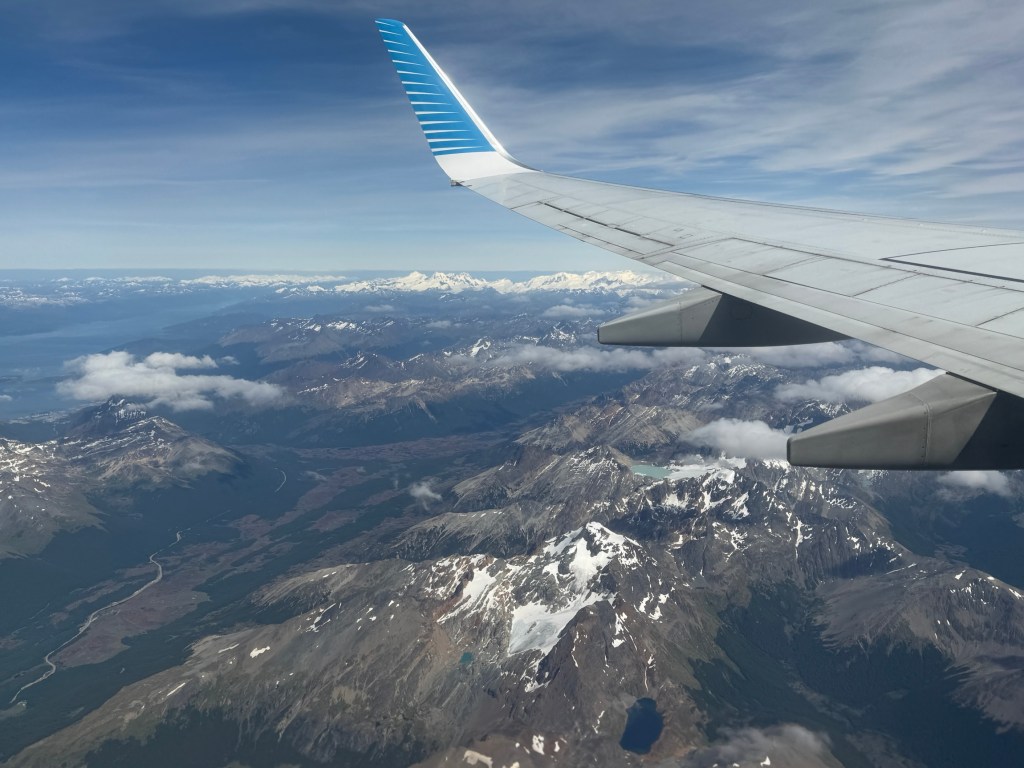
El Califate is located near the edge of the Southern Patagonian Ice Field, third largest after Antartica and Greenland. The city of 30,000 is located on the shores of Lake Argentina, which is fed by the melt from the numerous glaciers flowing down from the ice field. The lake is the largest in Argentina, average depth is around 155m with the deepest point at 720m.
We arrived before being able to check into our hotel. The solution was to take us off in a Mercedes Benz troop carrier with articulated wheels that allowed it to crawl up steep inclines and get to high places. This generally excited Leanne!
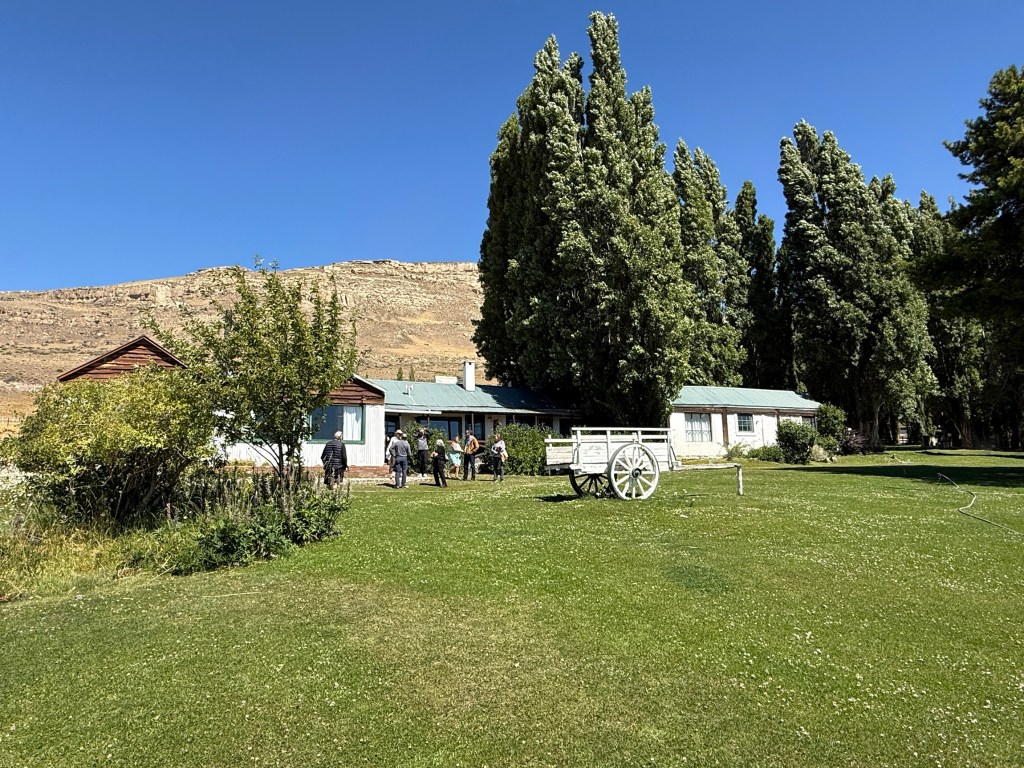
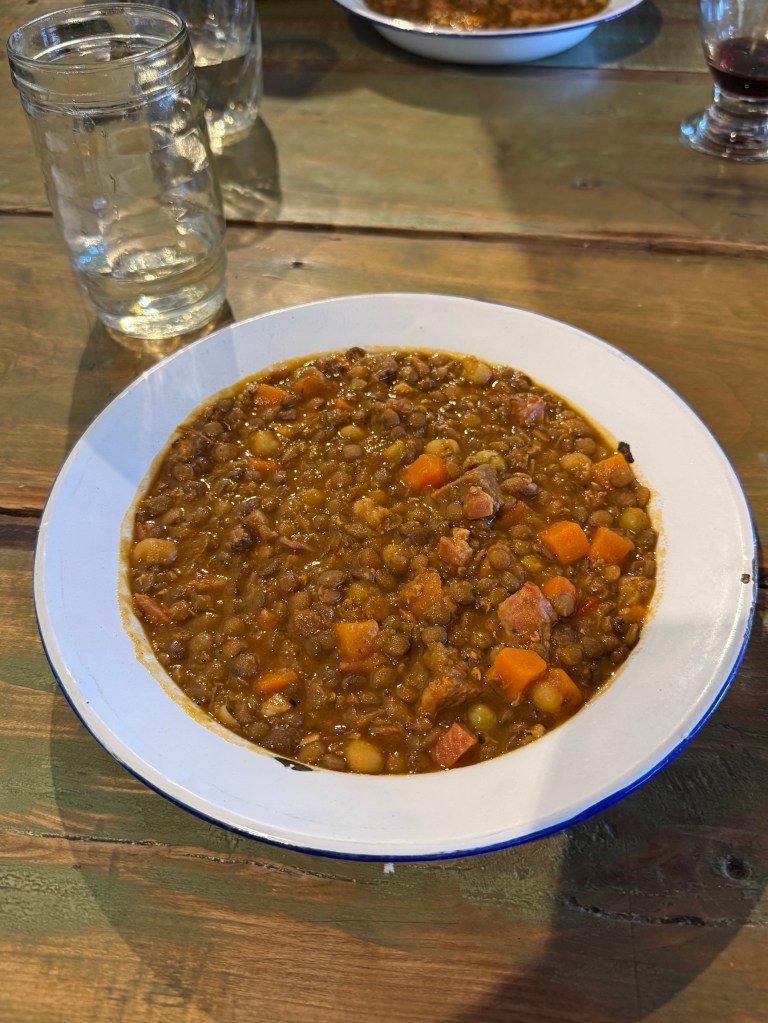
We first had lunch at Huyliches Estancia. An ‘Estancia’ is essentially what we know as a ranch. In these parts ranches were historically big in the sheep meat and wool trade. In the last half of the twentieth century many shifted to cattle. Today this one doesn’t do much ranching, it is quite close to the city and focusses more on tourists. We had some tasty empanadas and a traditional ‘hiker’ stew.
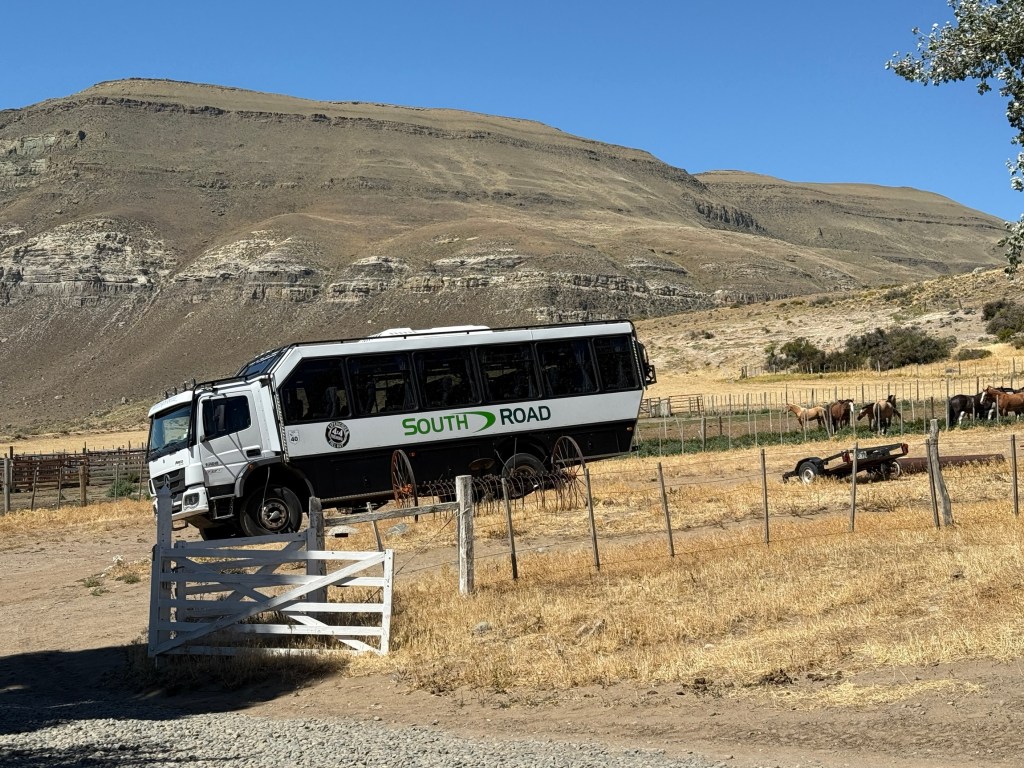
After lunch we returned to the Merc and began the ascent of what is known as the Calafate Balconies. Magnificent views over the city and Lake Argentina, about 700ft up as I recall.
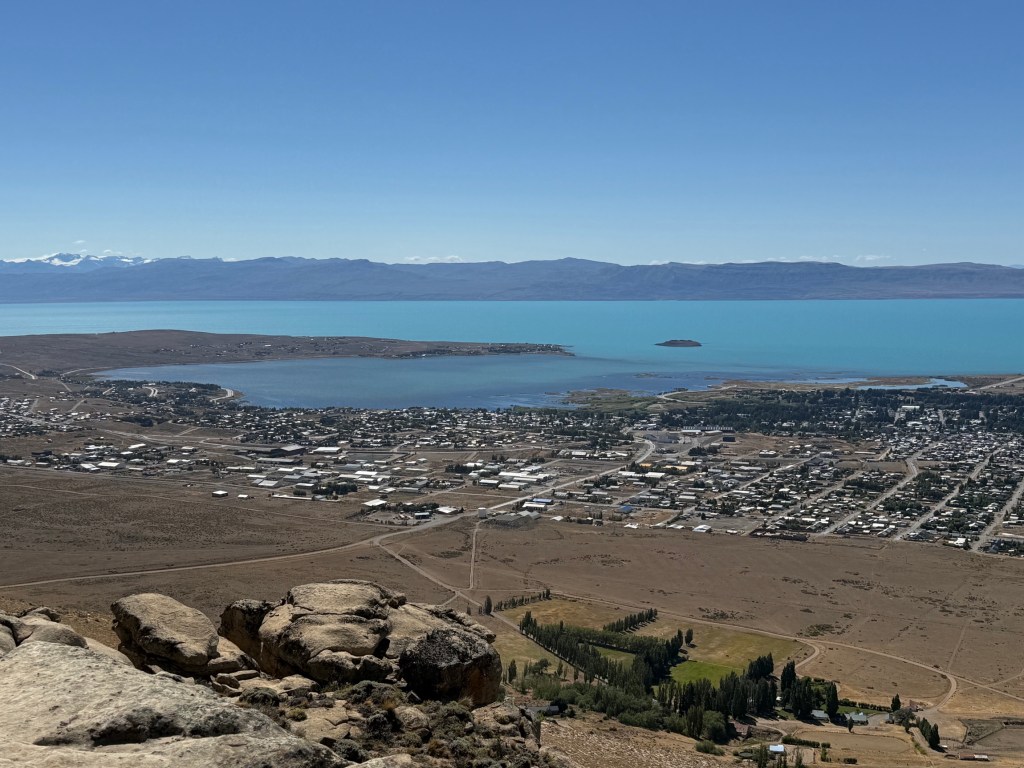
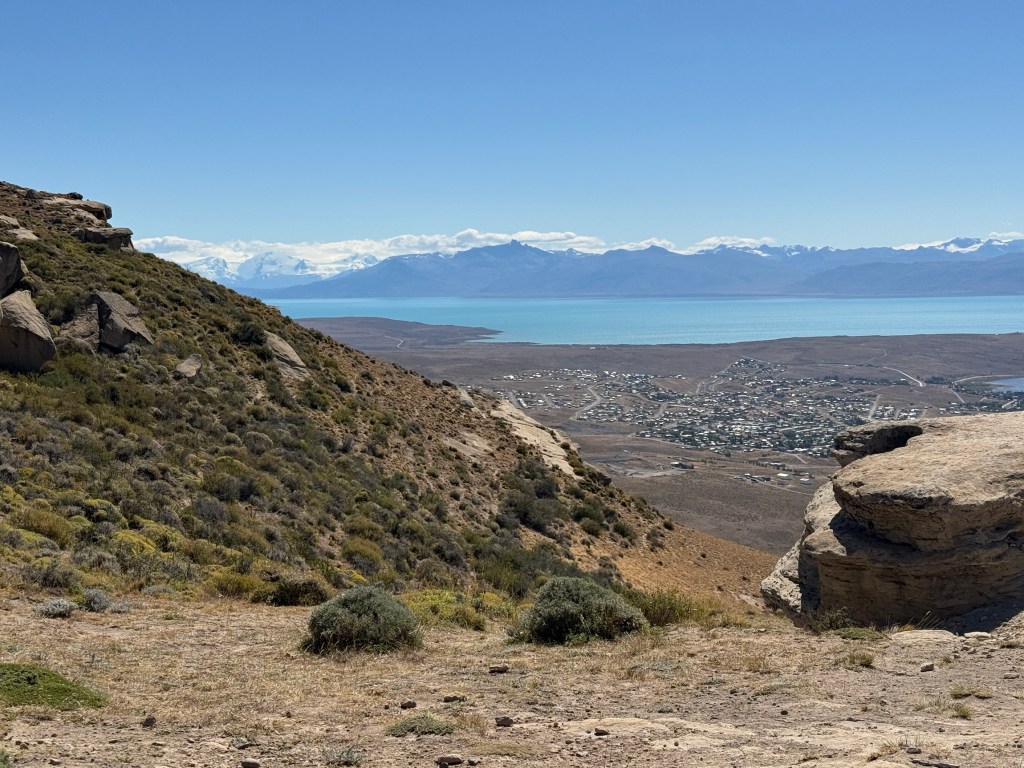
From the Balconies you get a clear view of how the landscape was carved by successive periods of glaciation. It is like a step ladder descending to the current level of the lake, each step being a seperate glaciation event digging the lake lower and lower.
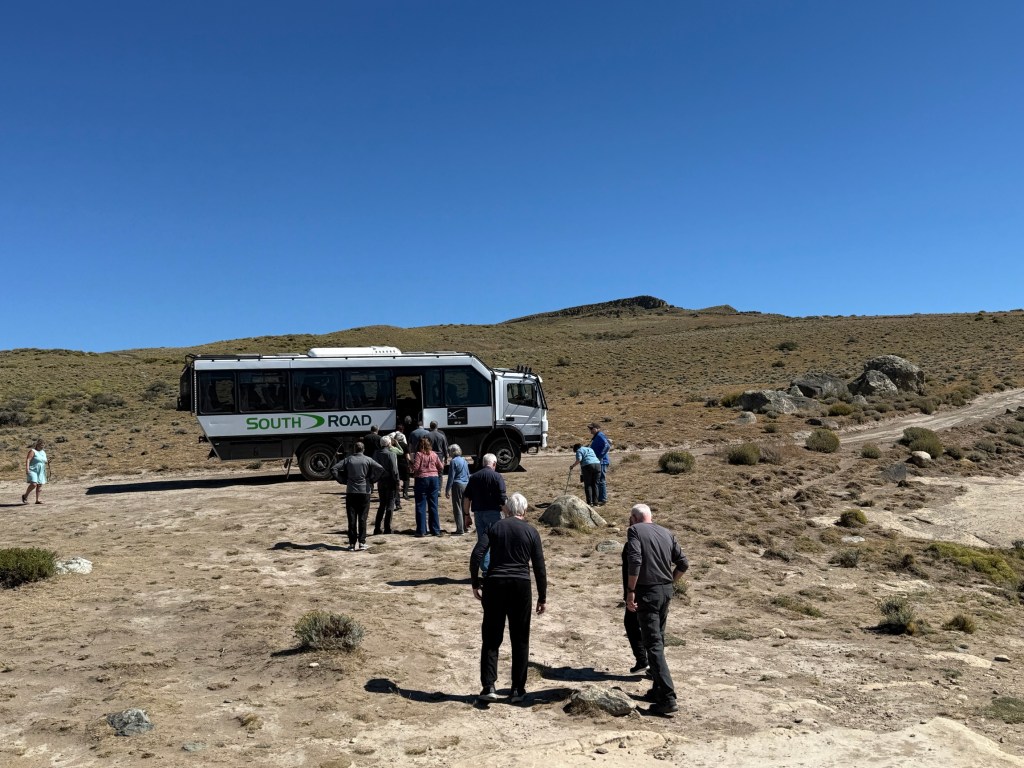
On our way back down we had time for a flat tyre to disrupt things a bit. The driver mucked around with some special stuff trying to reflate the tyre but this didn’t work. So, he eventually managed to raise the flat tyre and wheel up, doing the same on the other side, and we resumed our descent on a single set of wheels on the back and two on the front. Great vehicle!
Back at the hotel we settled in over dinner and enjoyed a little Tango exhibition among the tables.
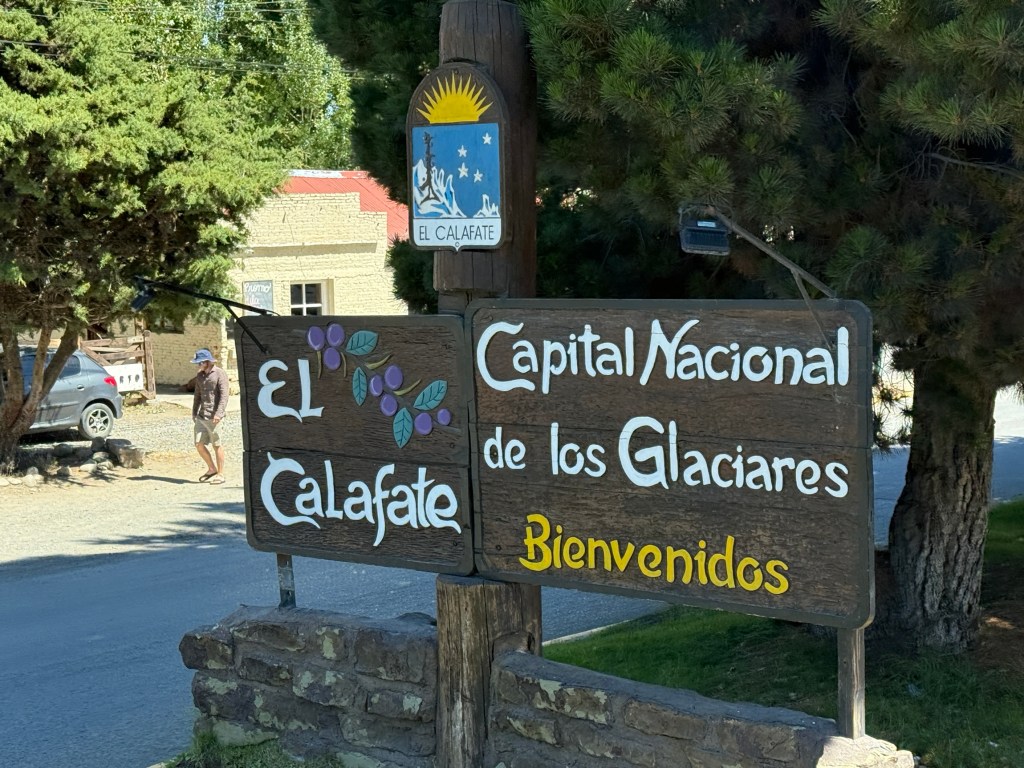
Next day we headed off to Los Glaciaries National Park, an 80km drive, for a viewing of the giant Perito Moreno Glacier. Till then.
 Allthegobro