Grand Canaria
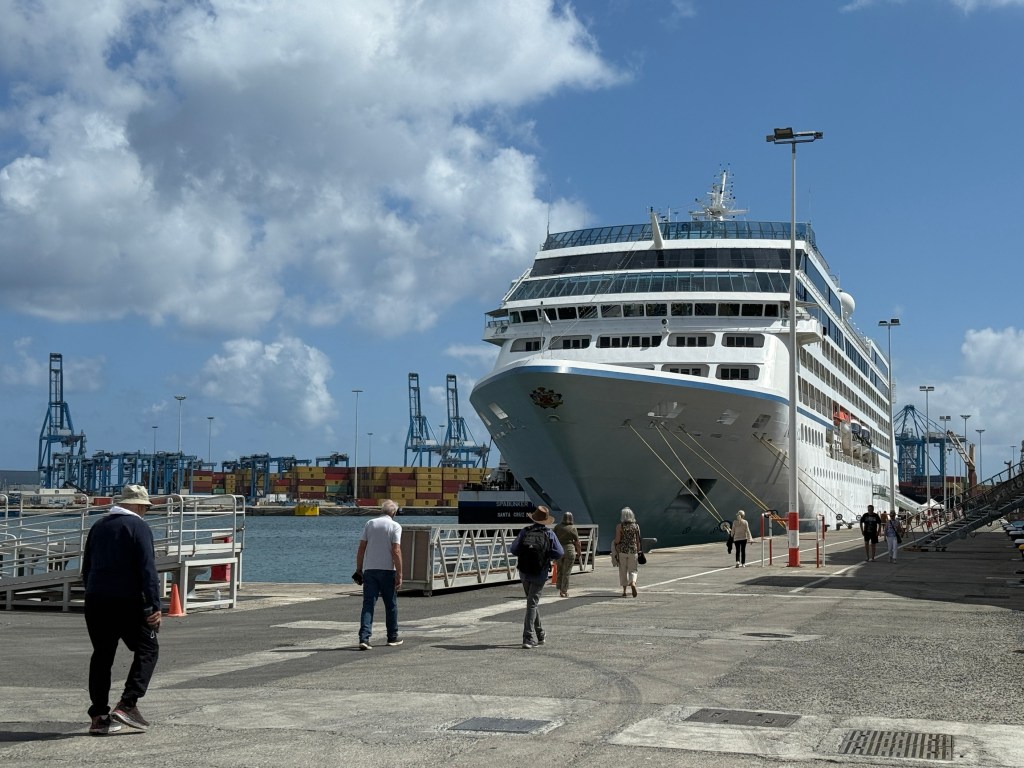
Our next port of call was Las Palmas de Gran Canaria. We were surprised at its size, 406,000 people. It is one of Spains largest cities and was founded in 1478 during the Spanish colonisation period.
I have had an interesting question about how the islands got the name ‘Canary’. Luckily, on our tour of part of the island of Grand Canaria the guide explained the background to the name. It is derived from the Latin word ‘Canariae Insulae’ which means ‘Islands of the Dogs’, attributed to Romans visiting the islands in the early first half of the first century. Now, the tricky thing here is that they were referring to ‘Sea Dogs’, what we call seals. So it is odd that the Coat of Arms of the Canaries has dogs on it rather than seals.
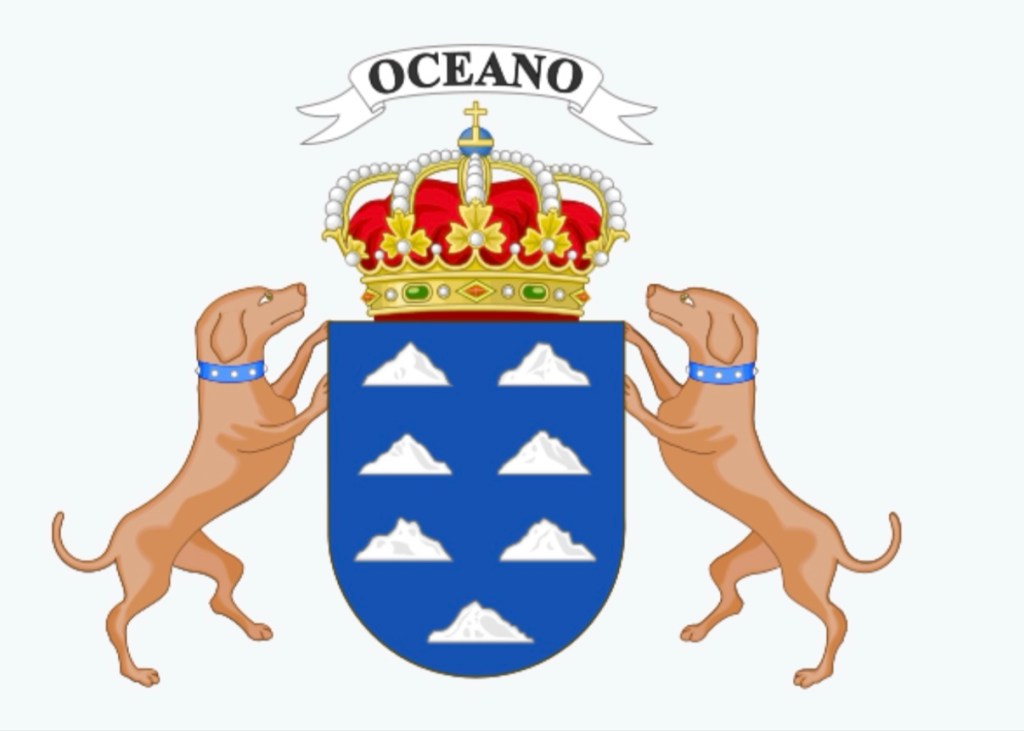
Dogs didn’t appear on the Canaries it seems until after the Spanish conquest at the end of the 15th century. There is a dispute about this of course as to who is right. It seems the better view is that the Romans were referring to seals not dogs, as we know them. But the Coat of Arms still has dogs! There are also a few less accepted ideas about this but what does it matter to us? The main issue is that the Islands are not named after the endemic bird species of the islands. The canary species on the islands is named after the islands not the other way round!

Ok, enough of this stuff. The tour took us on a cultural experience in the countryside. No volcanoes!
We had a walk around the streets of Aguimes a traditional village in the hills overlooking the Las Palmas port. Here are some pics from this colourful town.
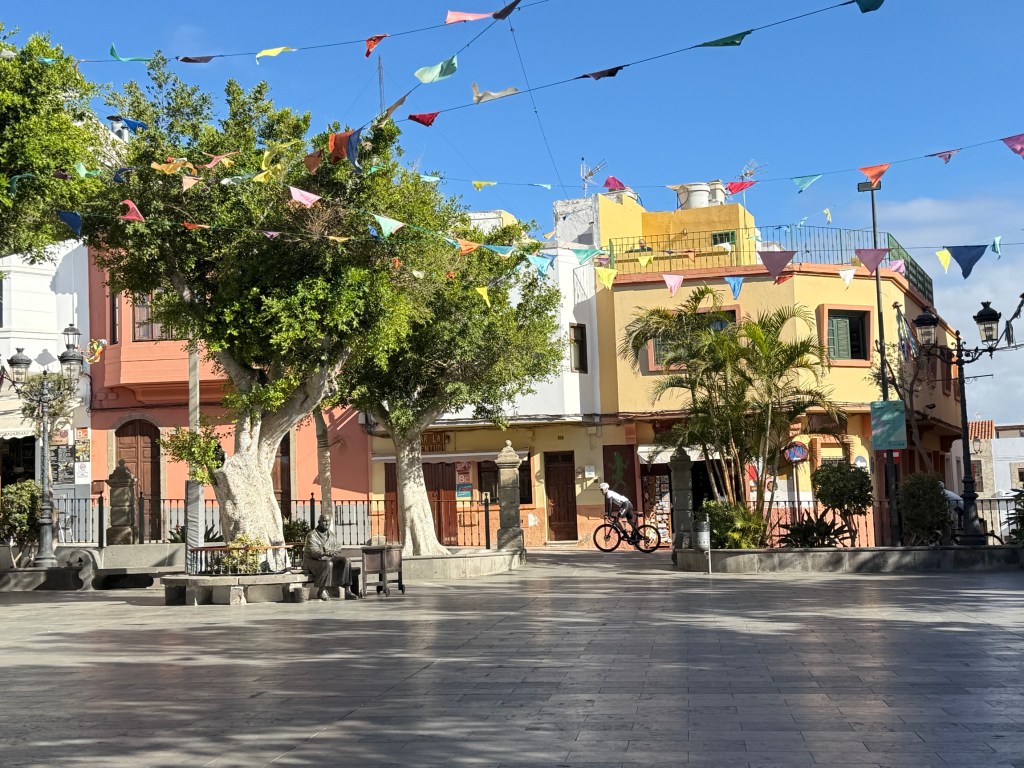
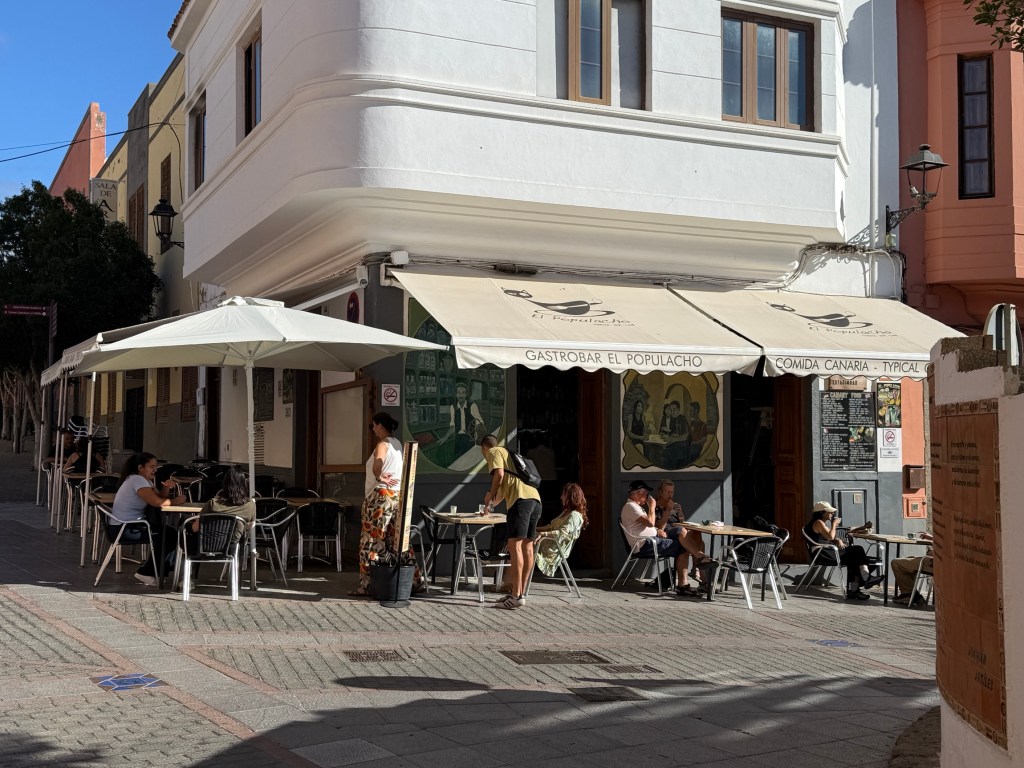
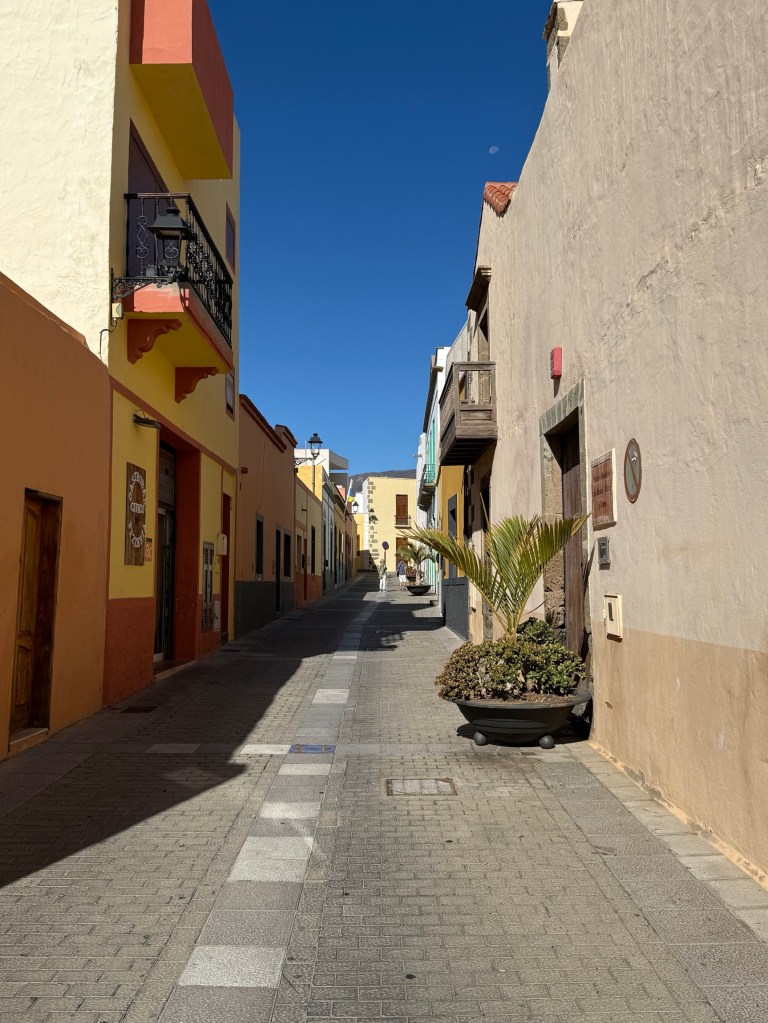
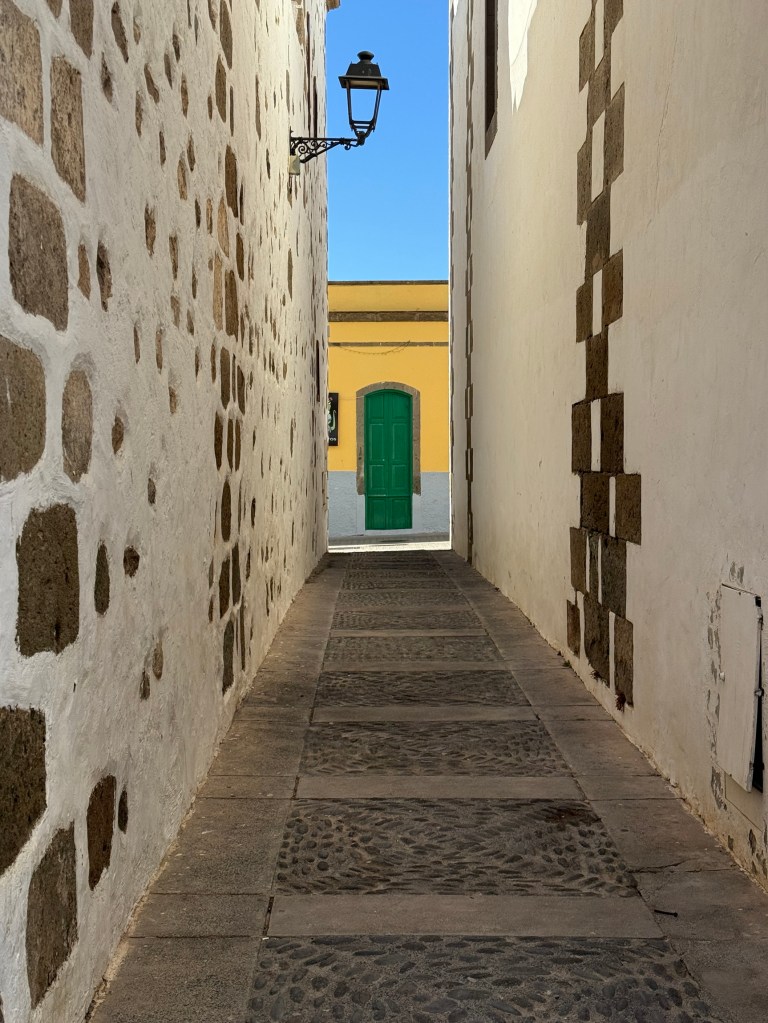
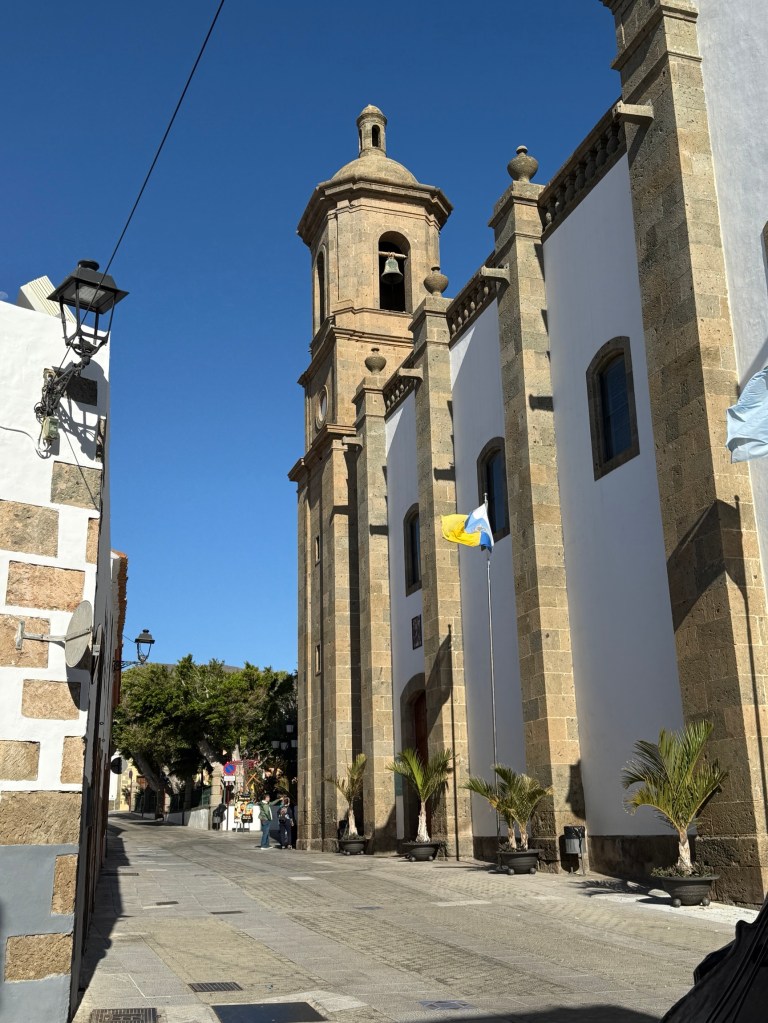
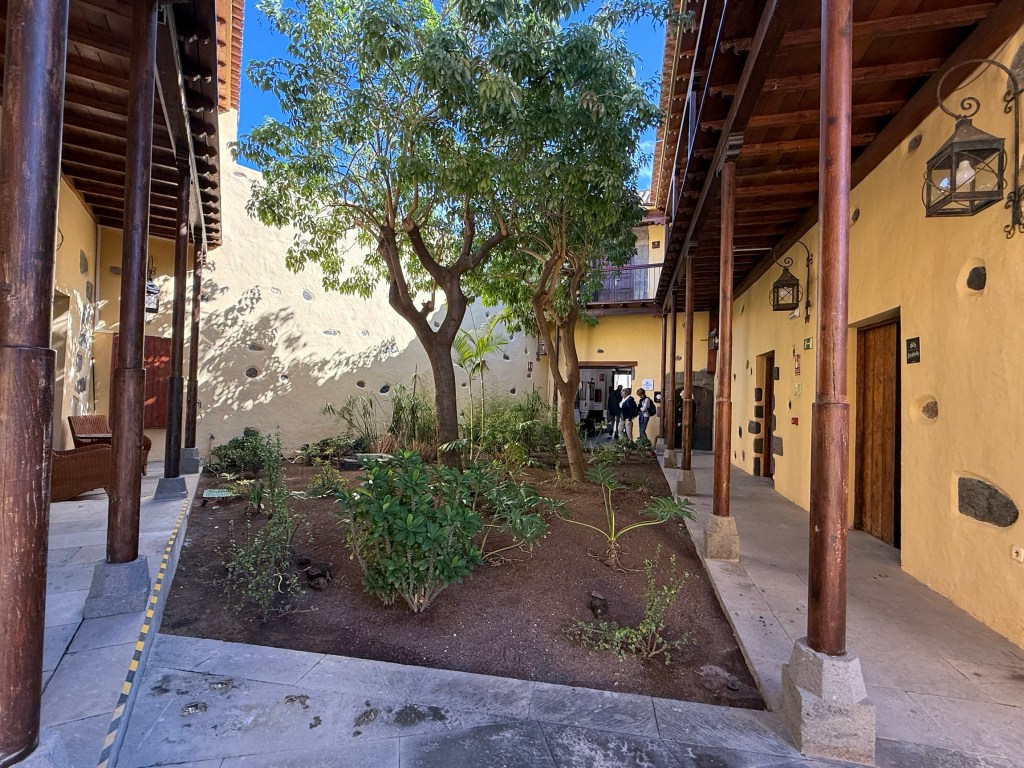
Moving on from the town we headed up country along some pretty tight roads, not for the faint hearted.
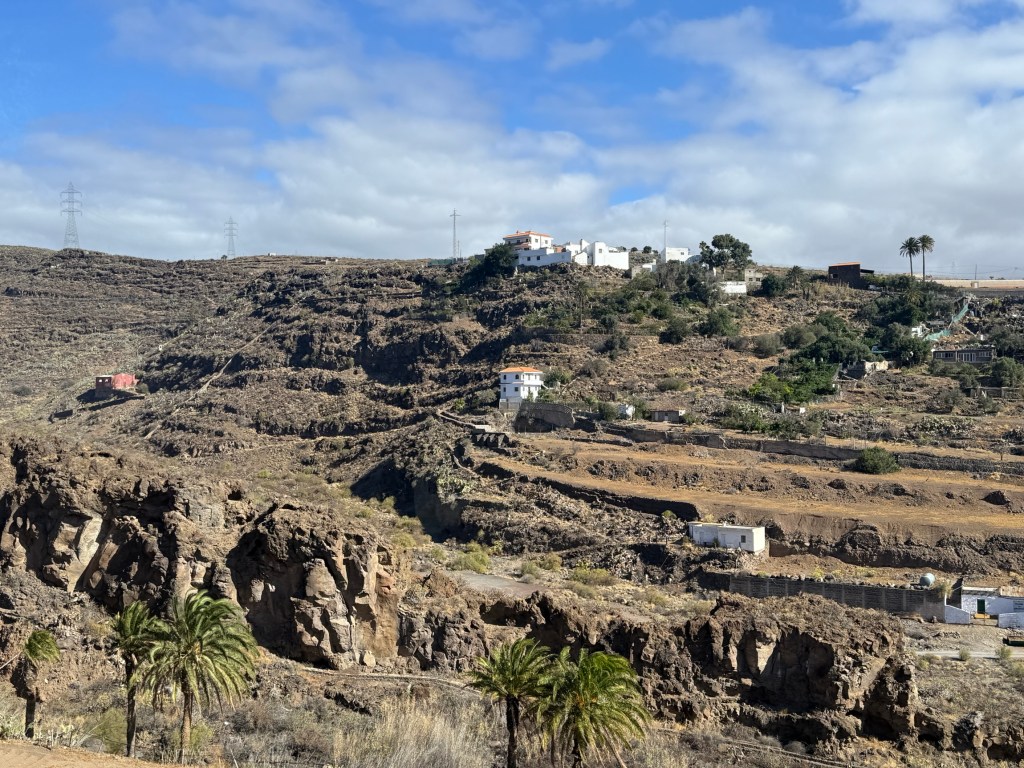
We were going to Guayadeque. This is an area on the Island that is a throw back to traditional lifestyles from times before the Spanish conquests.
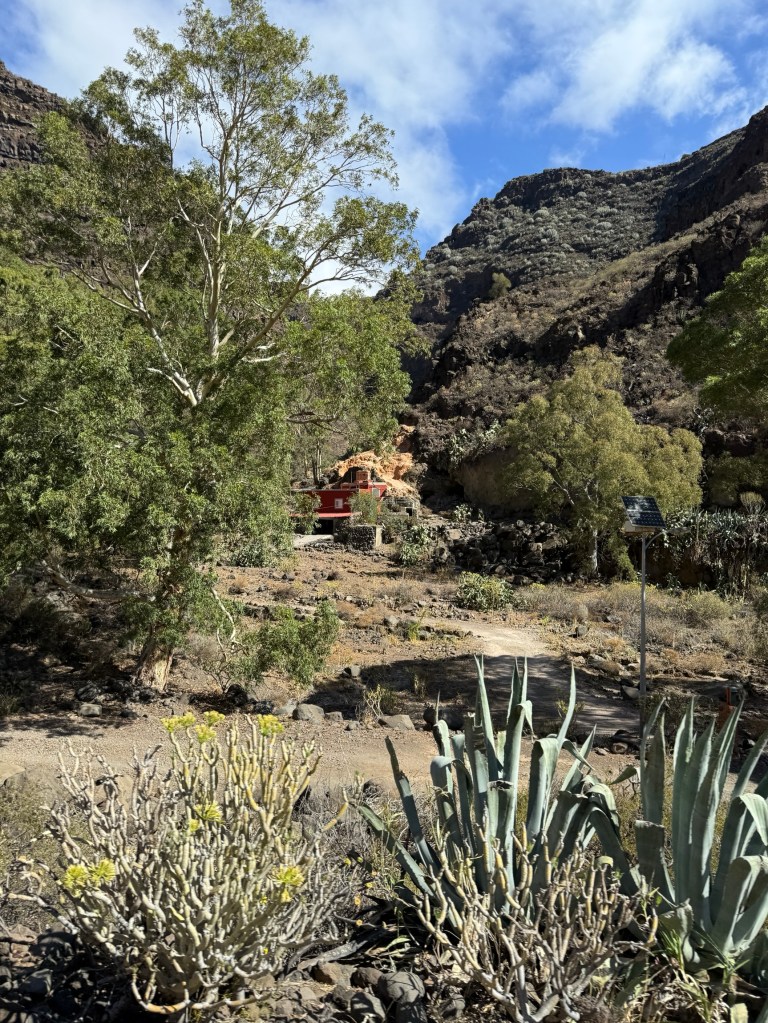
The indigenous people of the Canaries are thought to have arrived from North Africa up to one to two thousand year BC. They occupied the islands in the up country area of ravines running down to the coast from the interior high country. They were cave dwellers and this lifestyle continued into the 1970s before modernisation overtook them.
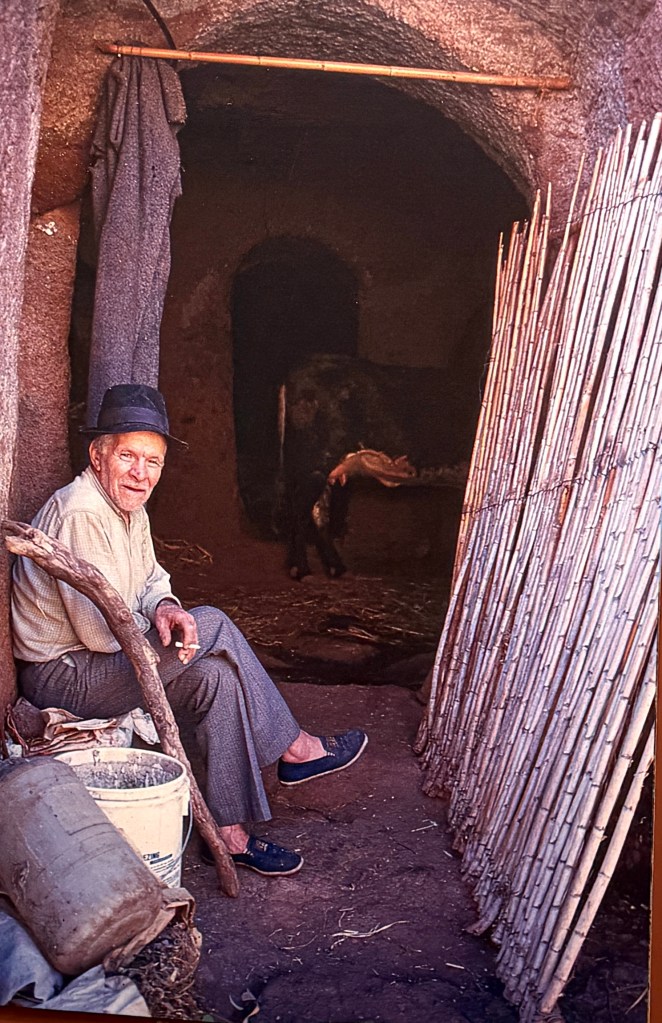
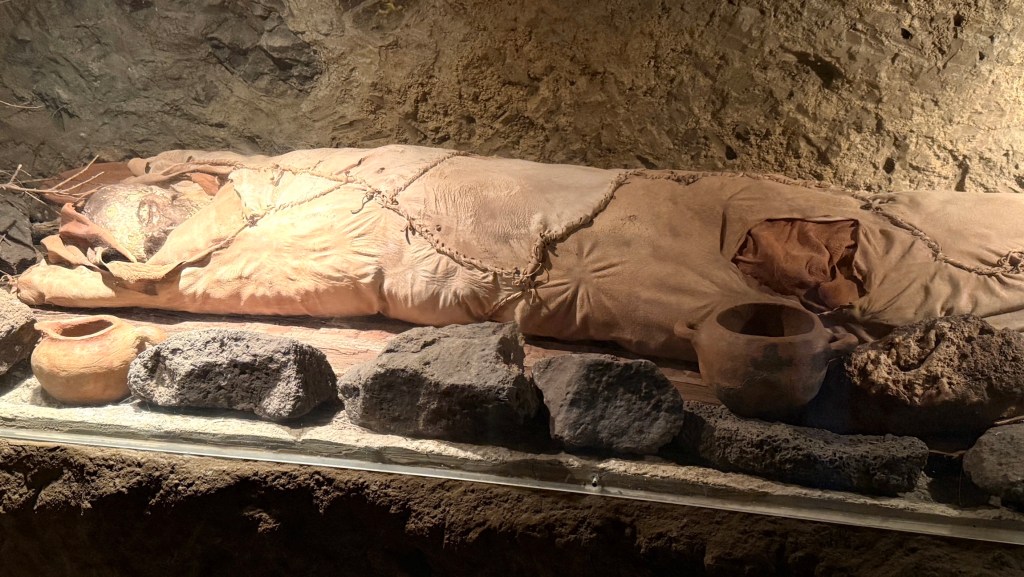
Their lifestyle has been well documented from archaeological work. One interesting practice was the mummification of the dead. Unlike the Egyptians the dead’s internal organs were not removed, the bodies were left to ‘dry out’ in the burial caves. Many examples of this have been found in the hill sides.
People still live in caves today but they are a little fancier than back in the 70s, light and power for instance! Satellite dishes too for the internet and TV!
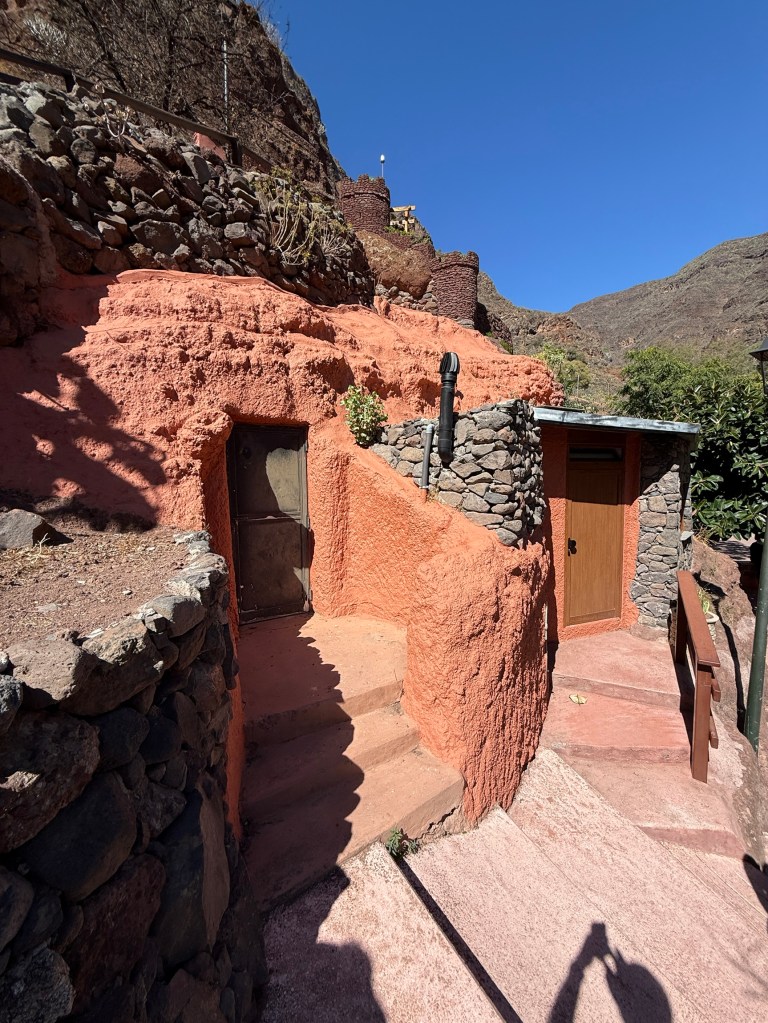
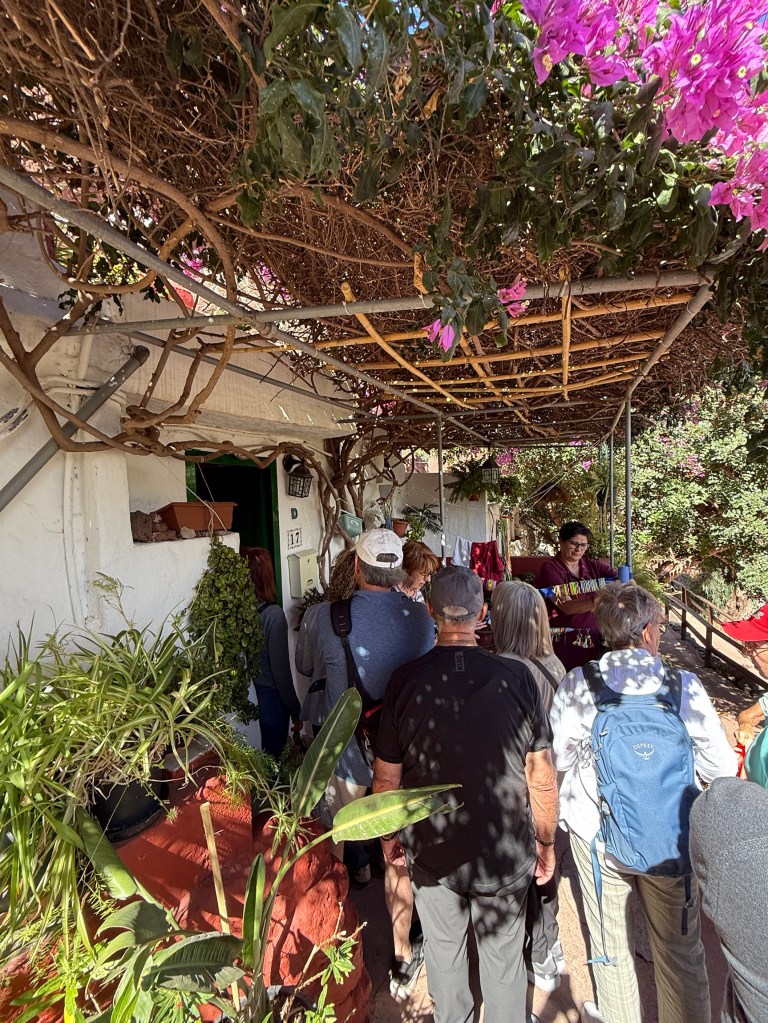
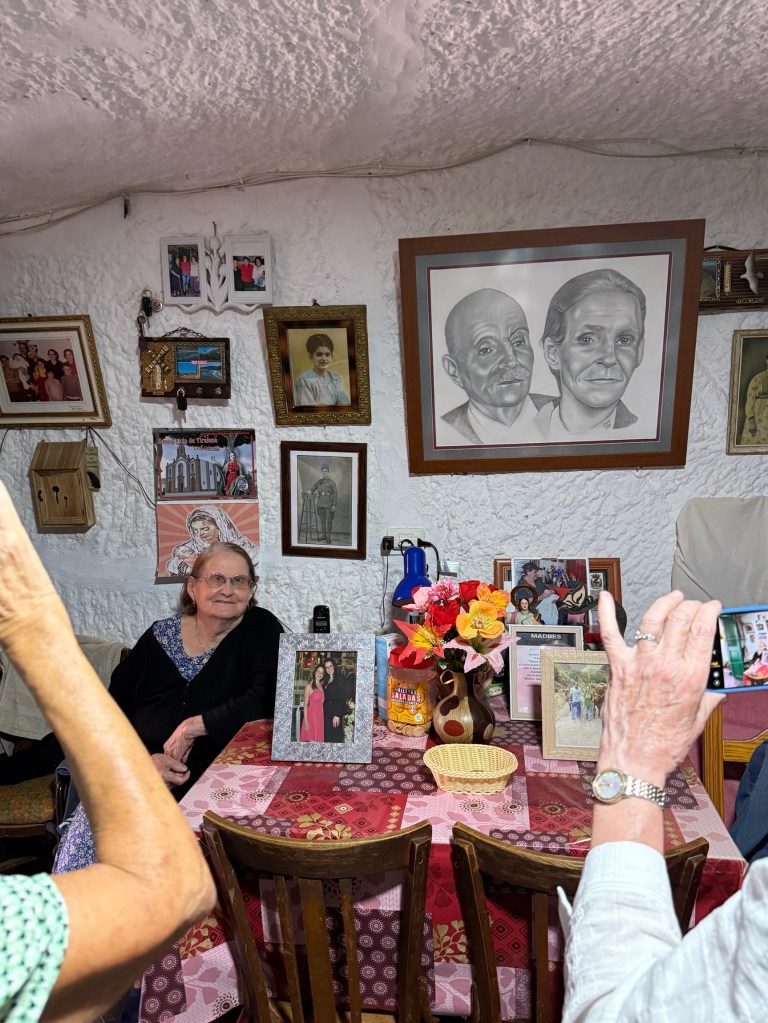
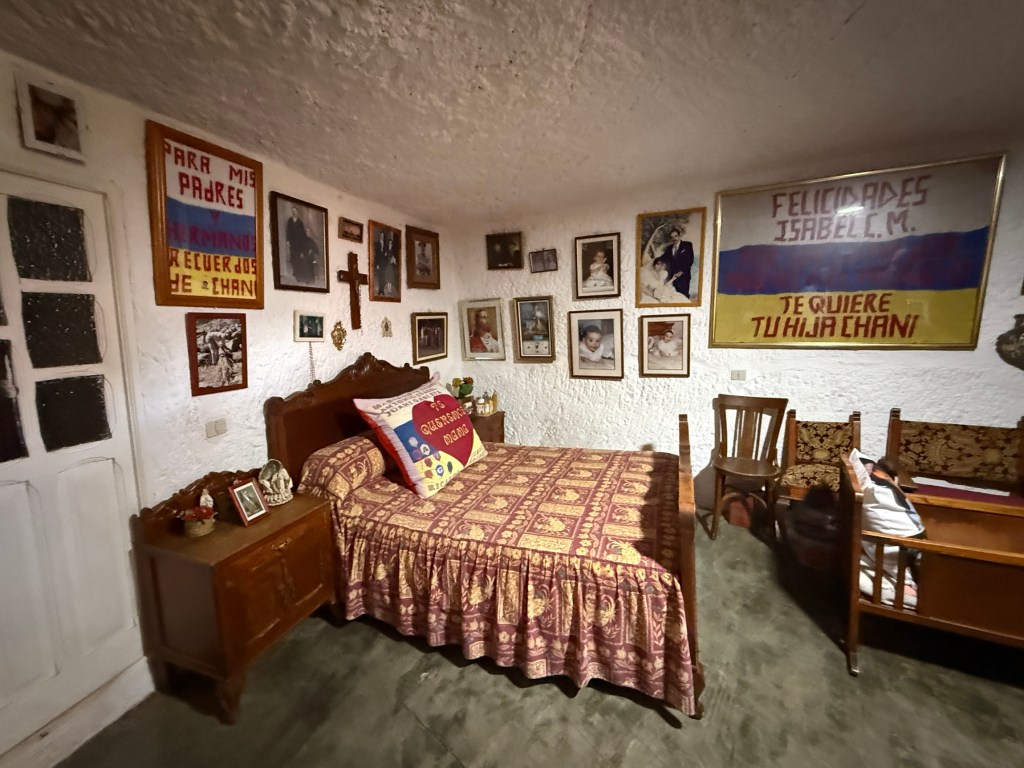
We had the opportunity of looking through a cave house. An old lady watched us as we looked around. She had lived in the house for 64 years, with a bit of updating from time to time.
After our look see we had some traditional tapas for lunch. Two pieces stood out, some battered fish pieces (with a sauce) and ‘wrinkled’ potatoes also with a sauce. Both were excellent! Allthego has the recipes to inflict on visitors.
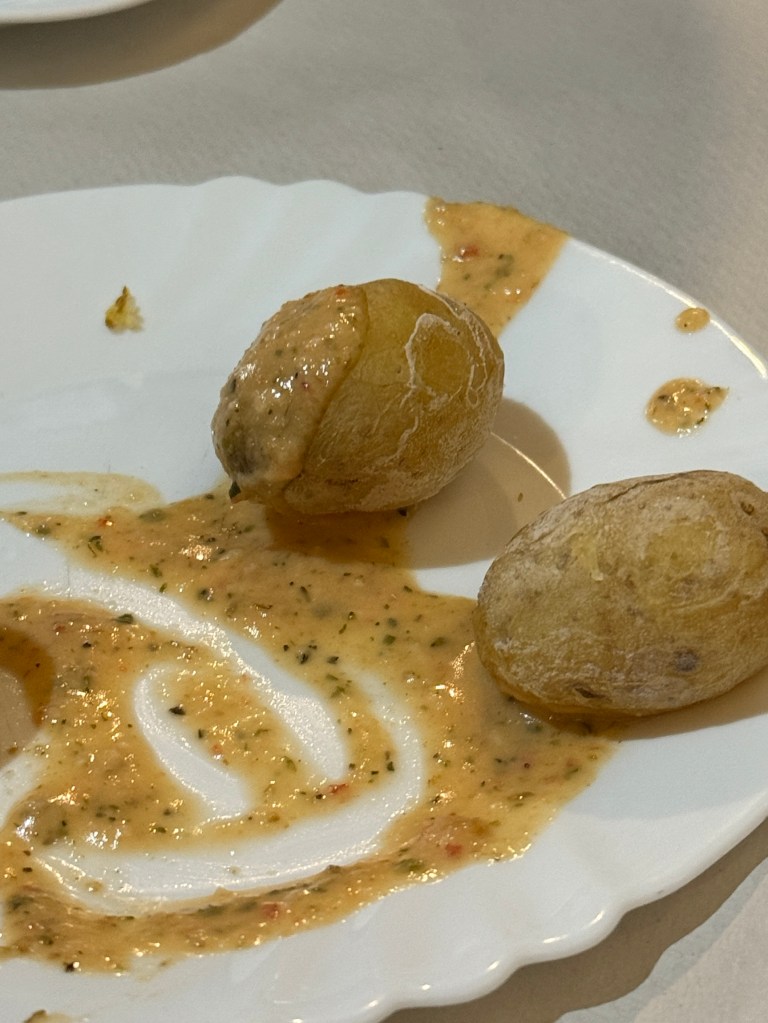
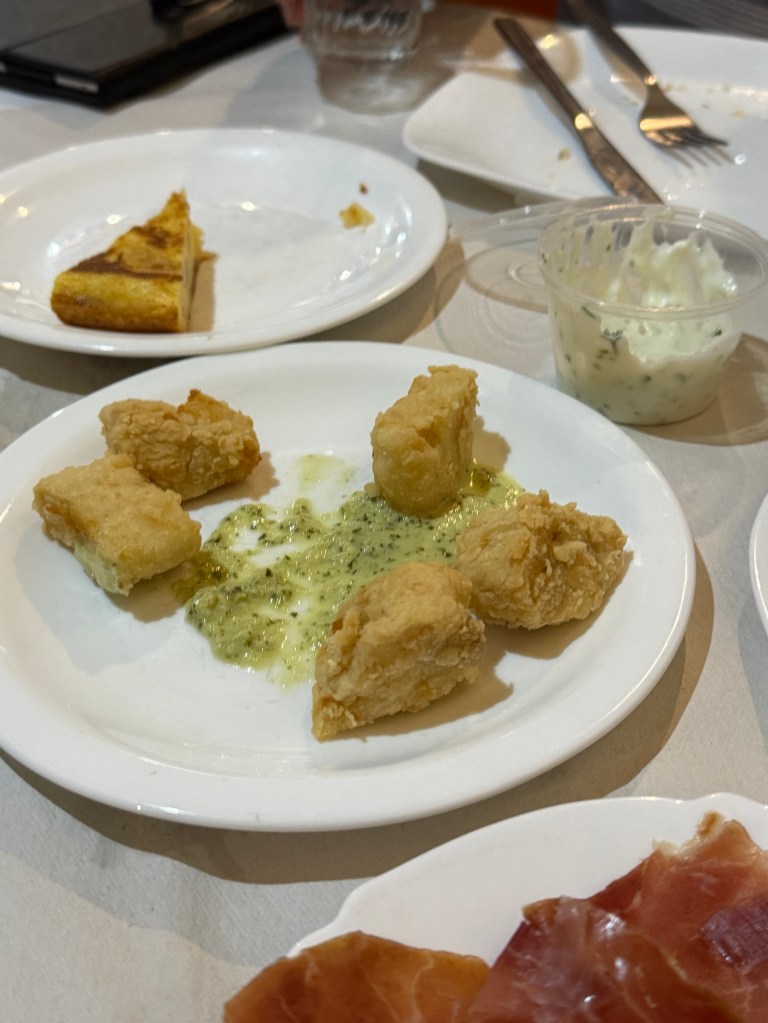
The lunch marked the end of the tour and we returned to the ship for a feet up afternoon. The next port of call was Tenerife. But Allthego and Homealone are returning to Australia in the morning. The adventure will continue then with a chronicle of the last few days of the cruise.

Posted on October 16, 2025, in Portugal and Spain 2025. Bookmark the permalink. Leave a comment.
 Allthegobro
Leave a comment
Comments 0