October 15, 2025 4:00 pm
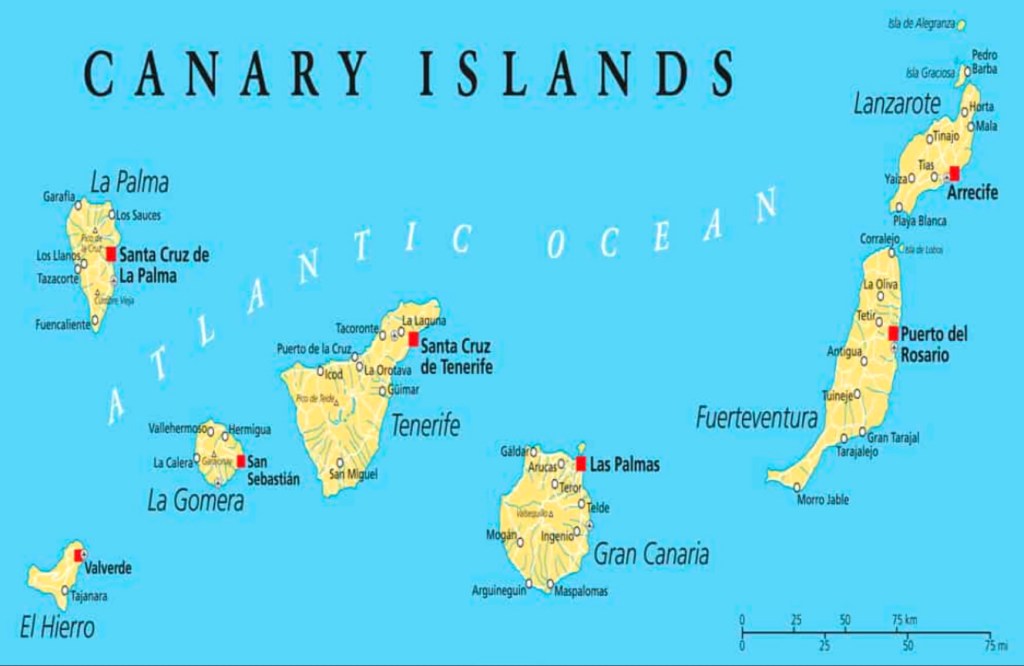
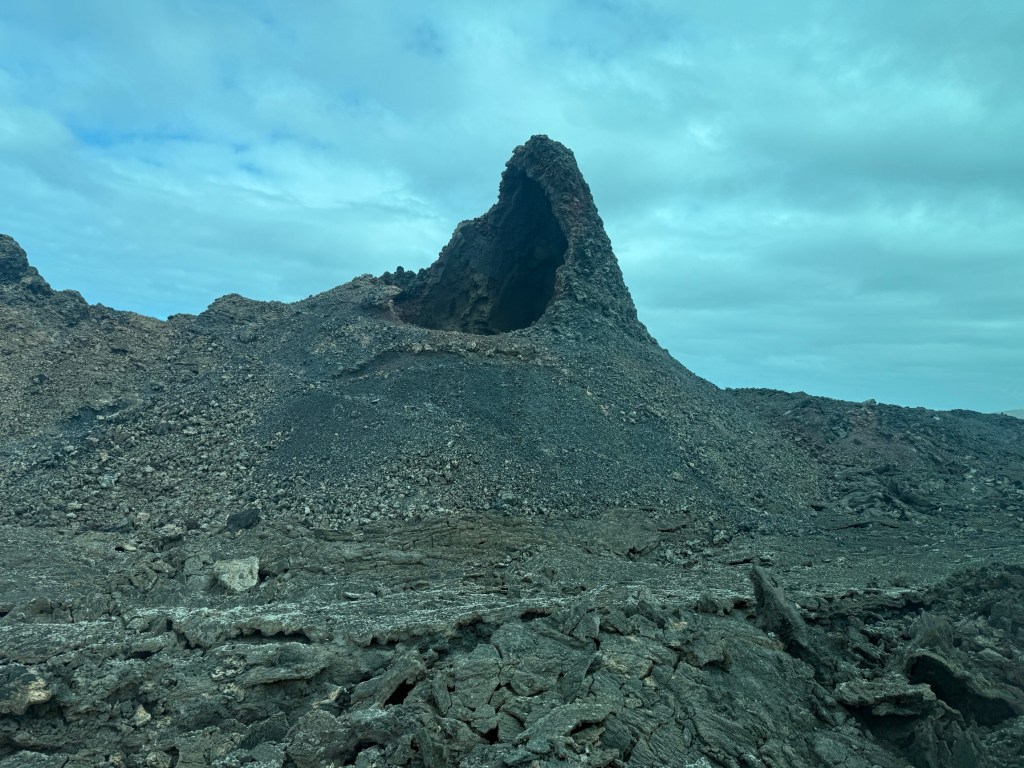
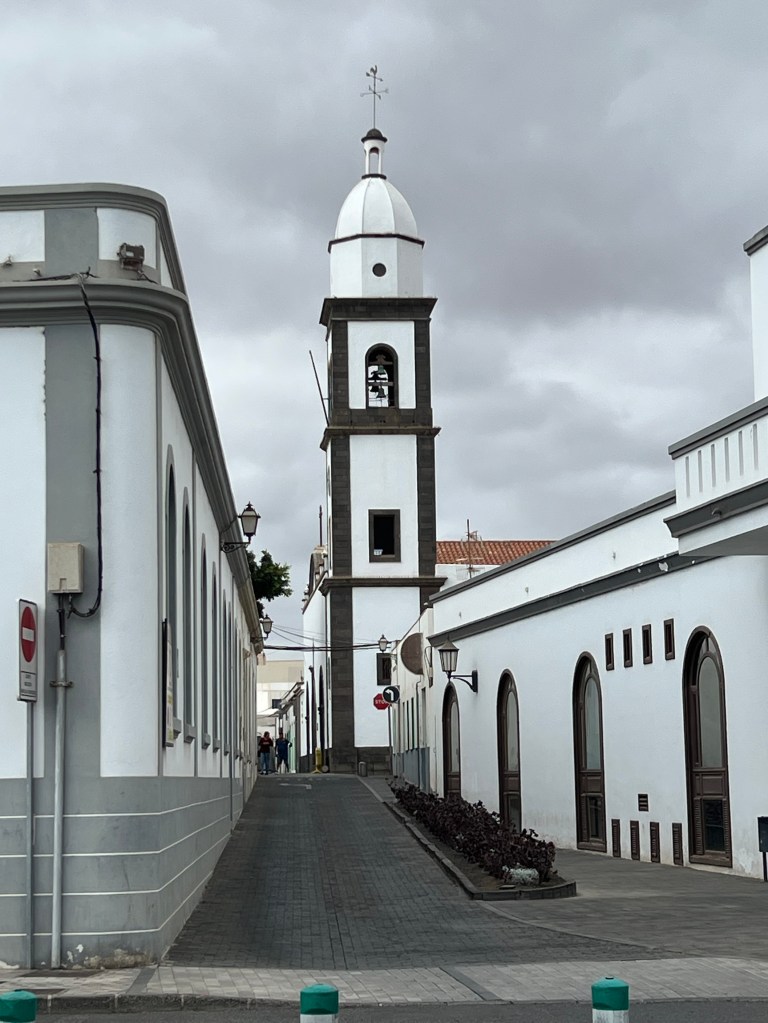
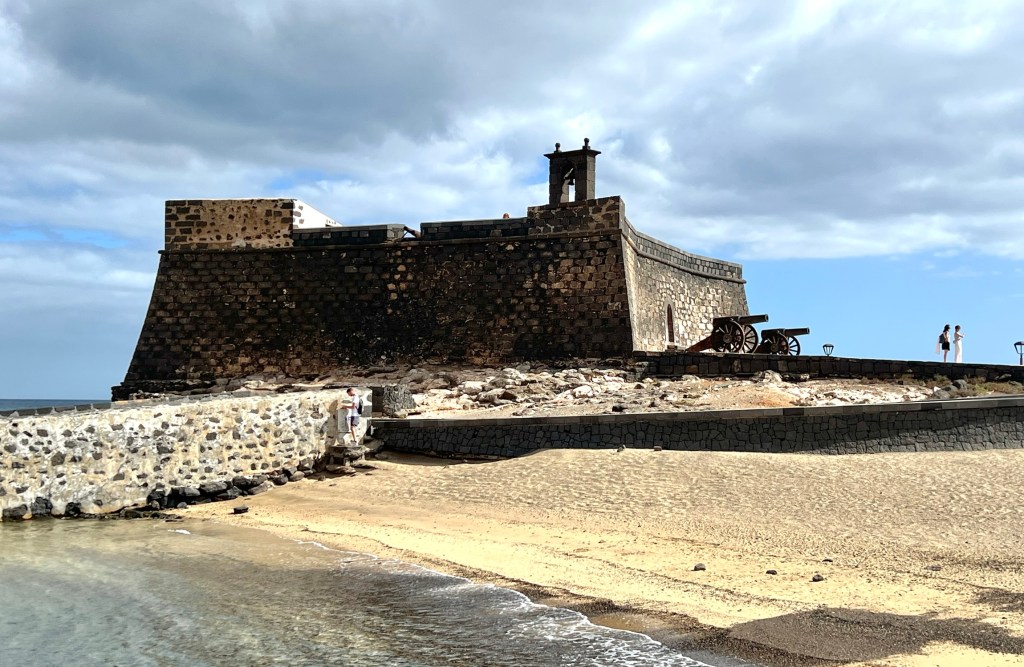
After leaving Morocco we headed west across the Atlantic for our first port of call in the Canaries at Arrecife on Lanzarote. The Canaries are comprised of eight main islands and are about 100km off the African coast on 28 to 30 latitude, just north of the Tropic of Cancer. There is a population of 2.3m scattered across the group, Tenerife and Gran Canaria each having about 40% of the total. The islands are all volcanic in origin and comparatively young in geological time. All bear evidence of recent volcanic activity.
The islands came under Spanish control in the late 1400s. They were strategically placed on the early trade routes to the Americas, India and the East Indies. The First Fleet provisioned here on its way to Australia in the 1770s. Enough history.
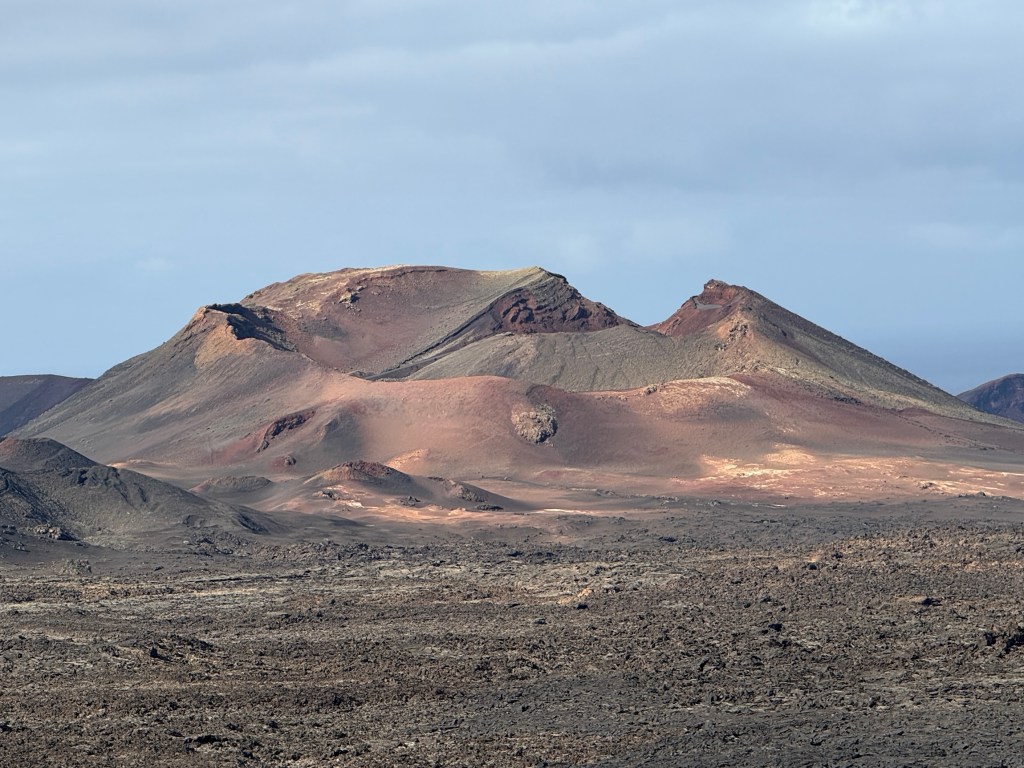
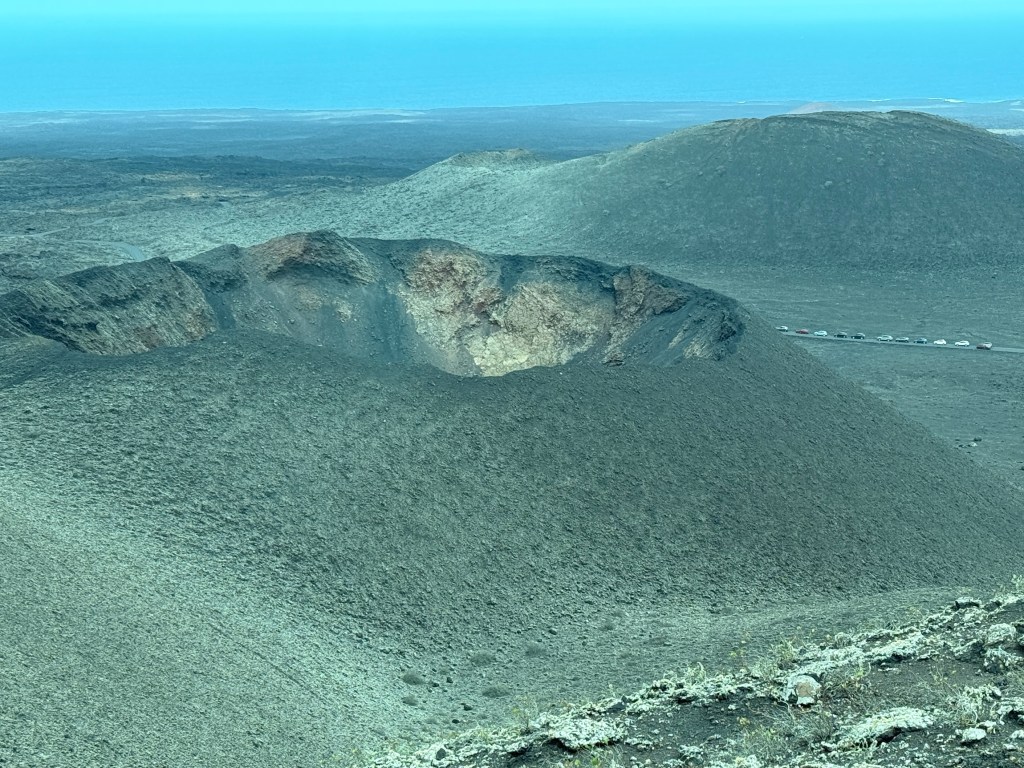
Arriving at Arrecife we set off on a tour of the Timanfaya NP an area of transformative volcanic activity in the period 1730 -1736, but also in 1824. Volcanic activity continues today with temperatures of 100-600 celsius at a depth of 40 m in the core.
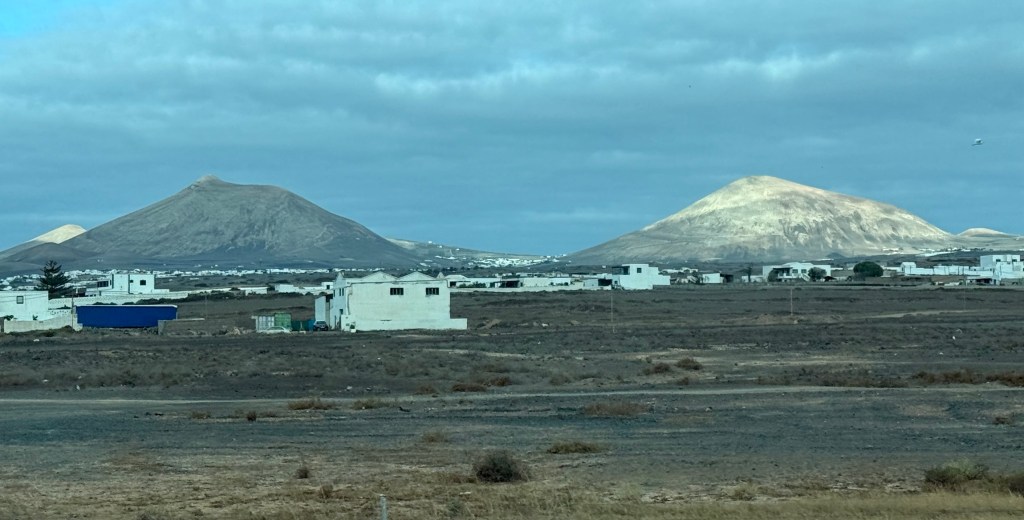
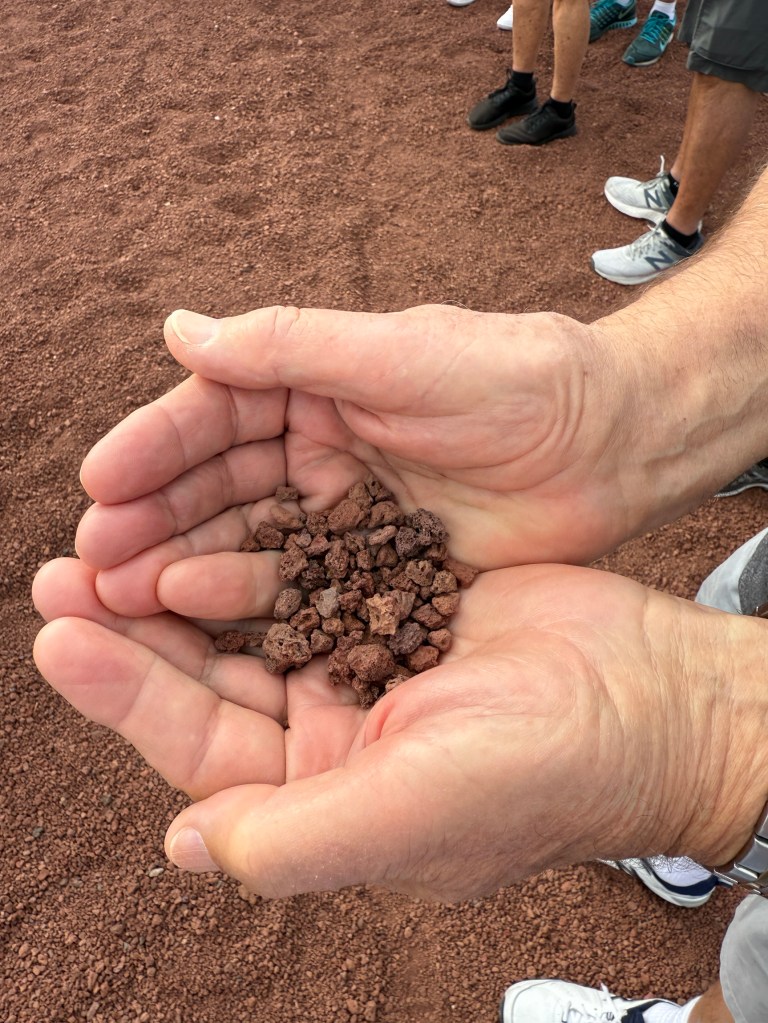
We had some interesting experiences with the hot rocks at the lookout, about 500m above sea level.
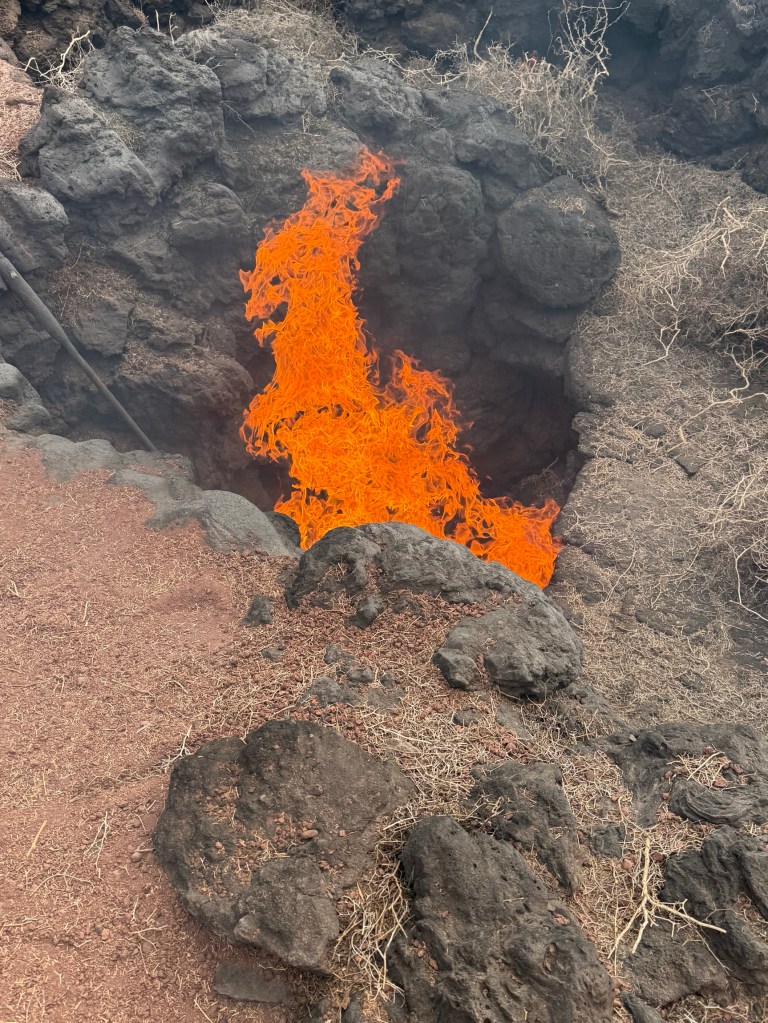
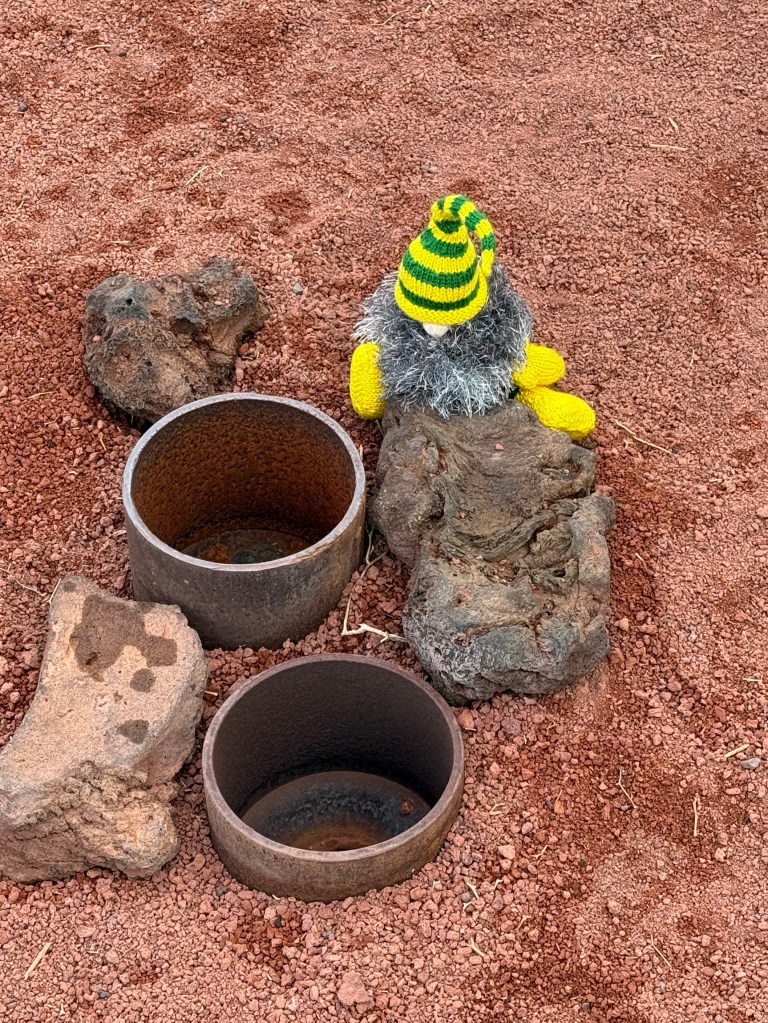
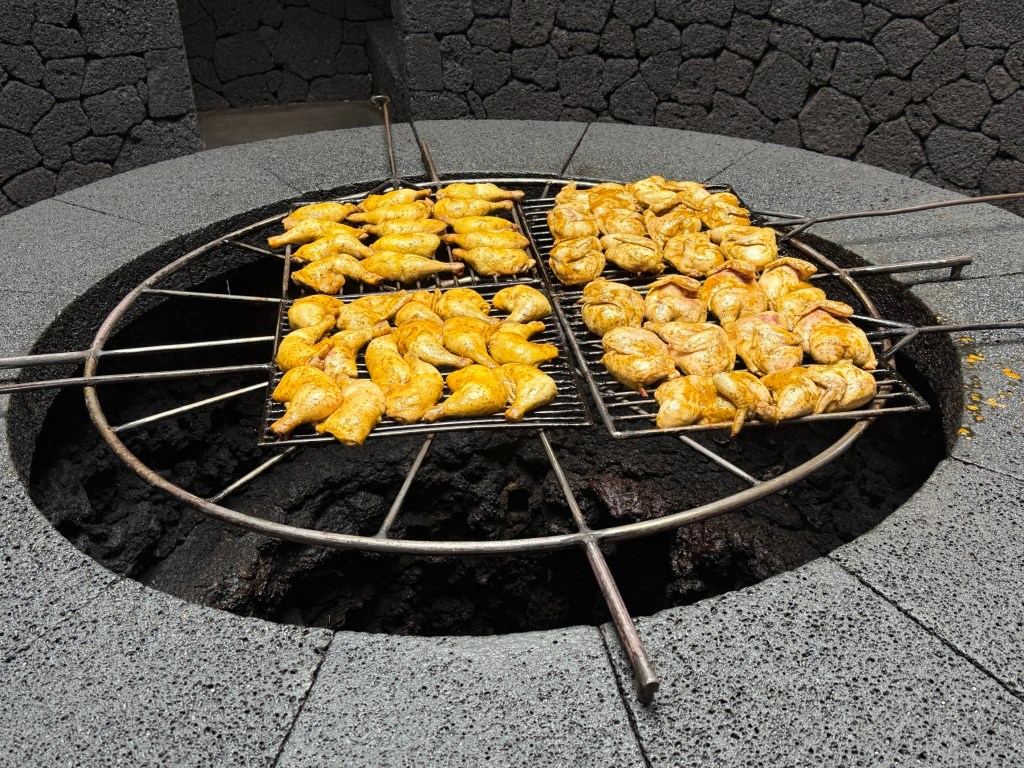
We then went on a short drive through the park past the main features. There is little vegetation, mostly lichen starting to colonise the lava fields. It was quite a spectacular introduction to the Canaries.
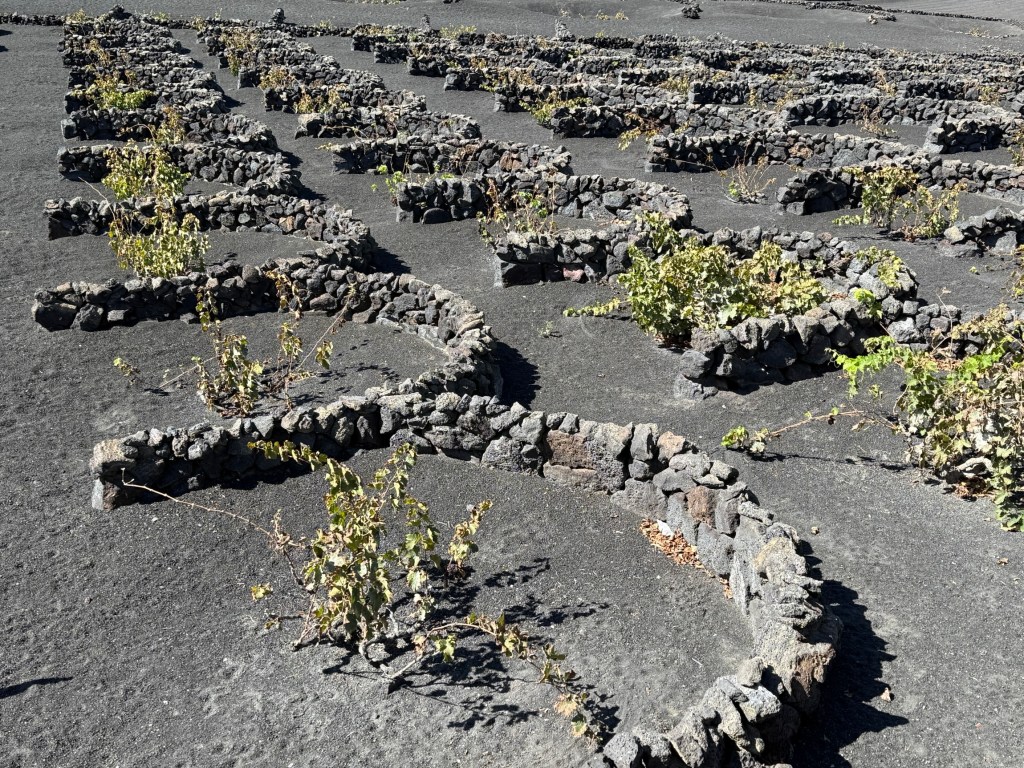
On the way back to the ship we stopped by a local vineyard planted on the black volcanic soils. Nothing like traditional trellised vineyards. The rocks are a windbreak for the ground hugging vines. There is no irrigation. The wine we tasted was not to our liking, seemed very flinty and short on fruit flavour. But obviously popular with some.
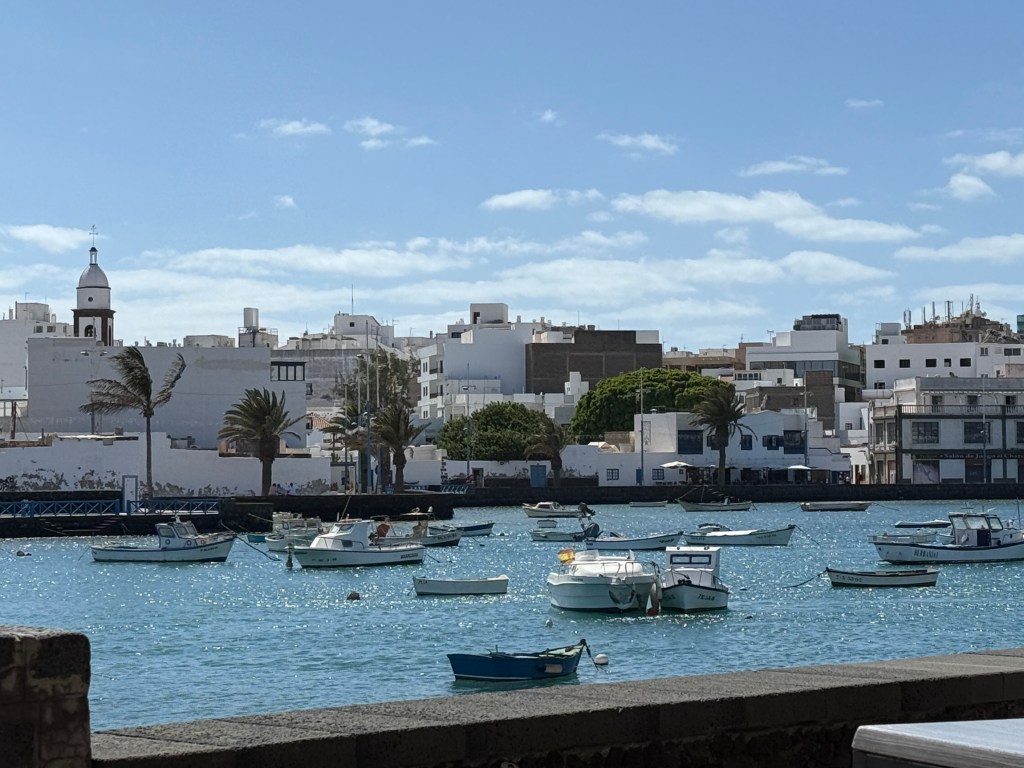
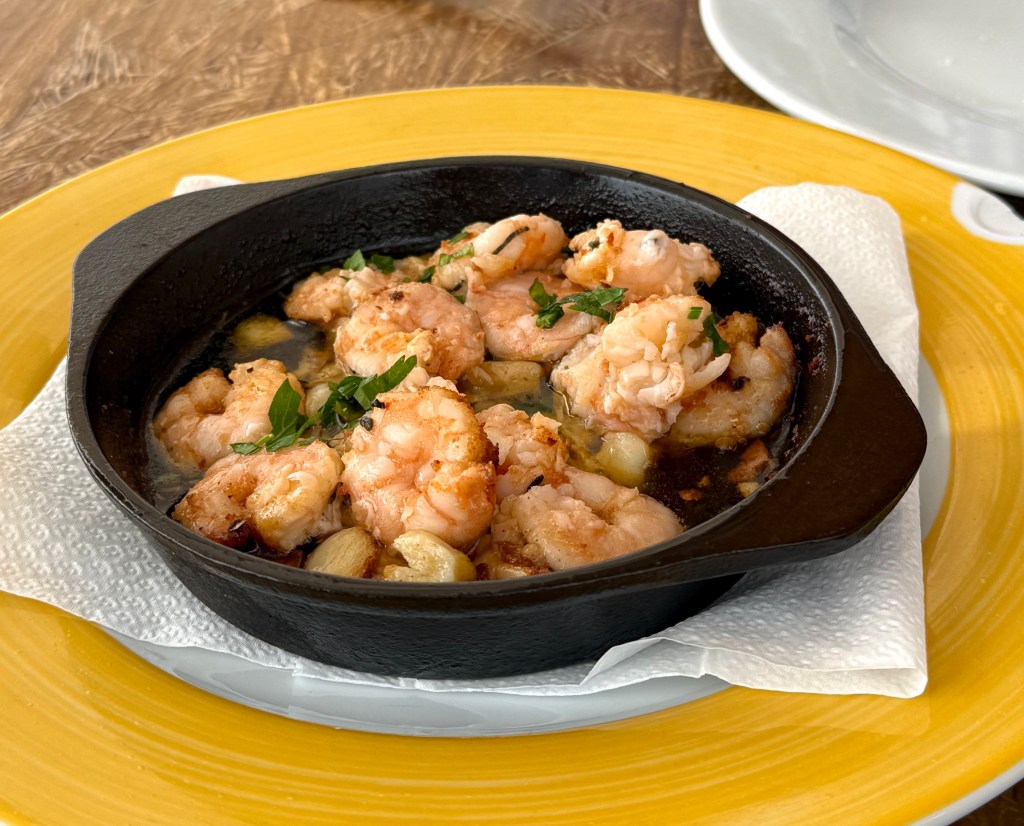
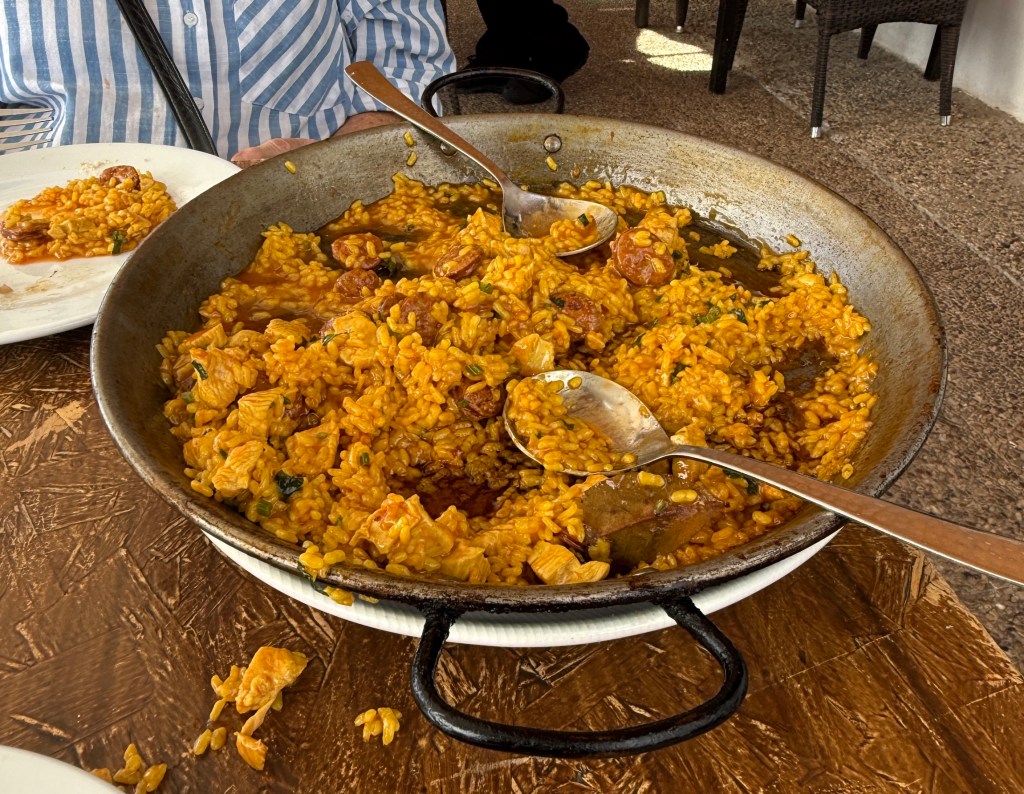
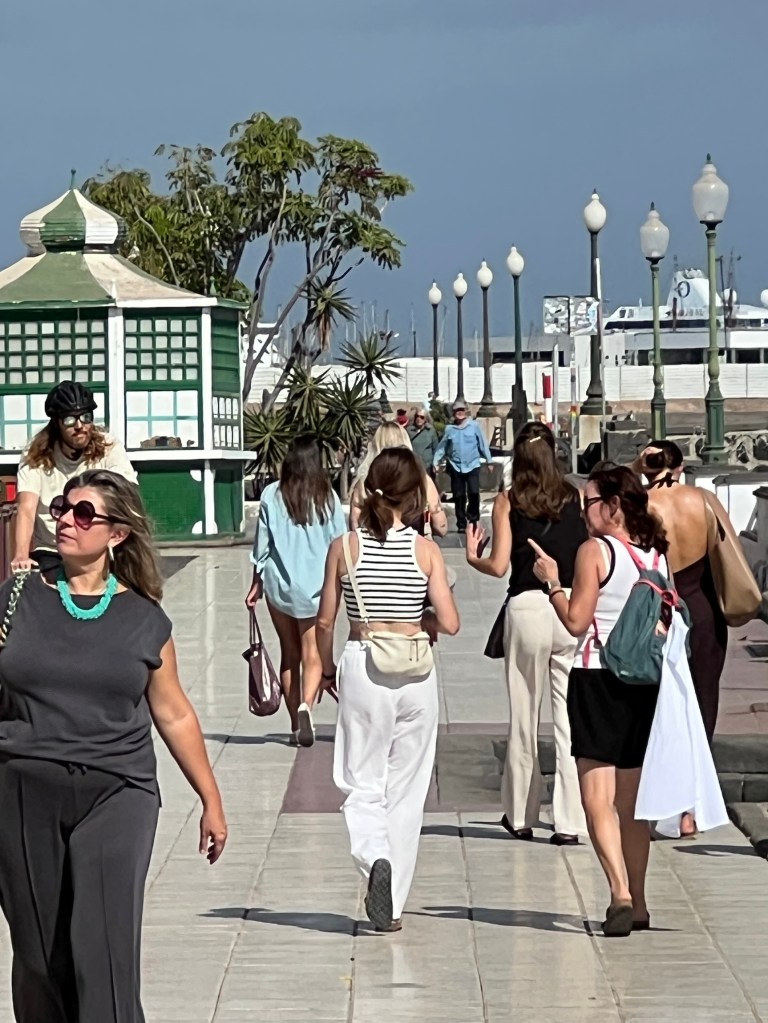
We returned to the ship and ventured into town for lunch at a restaurant beside the central lagoon. An enjoyable spot in the bright sunshine to share some garlic prawns and a chicken/chorizo paella. Very nice and no shortage of food!

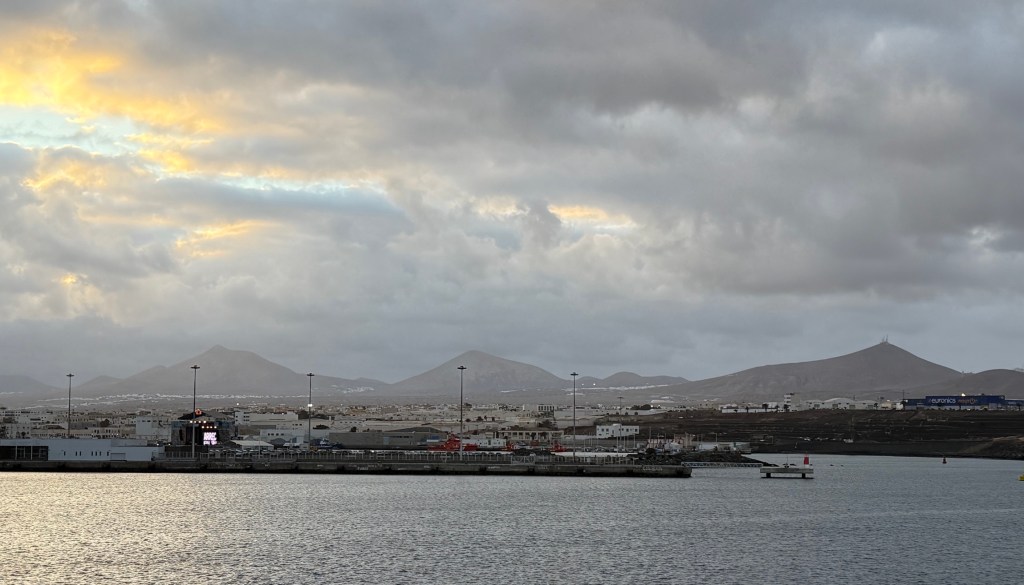
Next stop was Las Palmas on Gran Canaria.
Posted by allthegobro
Categories: Portugal and Spain 2025
Tags:
Mobile Site | Full Site
Get a free blog at WordPress.com Theme: WordPress Mobile Edition by Alex King.