Old rocks turned to stones.
Humans seem to have a fascination for old rocks that have been turned to stones. So when we go off touring around various places we just love standing in queues for a while to look at old buildings. Why is this so?
Is it a fascination for seeing how well to do people lived a long time ago? Or those not so well to do who just existed, perhaps to serve the well to do? There is a tendency to focus on seeing the finery of life, expressed in architecture, enjoyed by kings, queen’s, lords, ladies and the clergy. Not the ‘blood and guts’ of everyday life, just how did the toilets work in those days? Who was in charge of rat control?
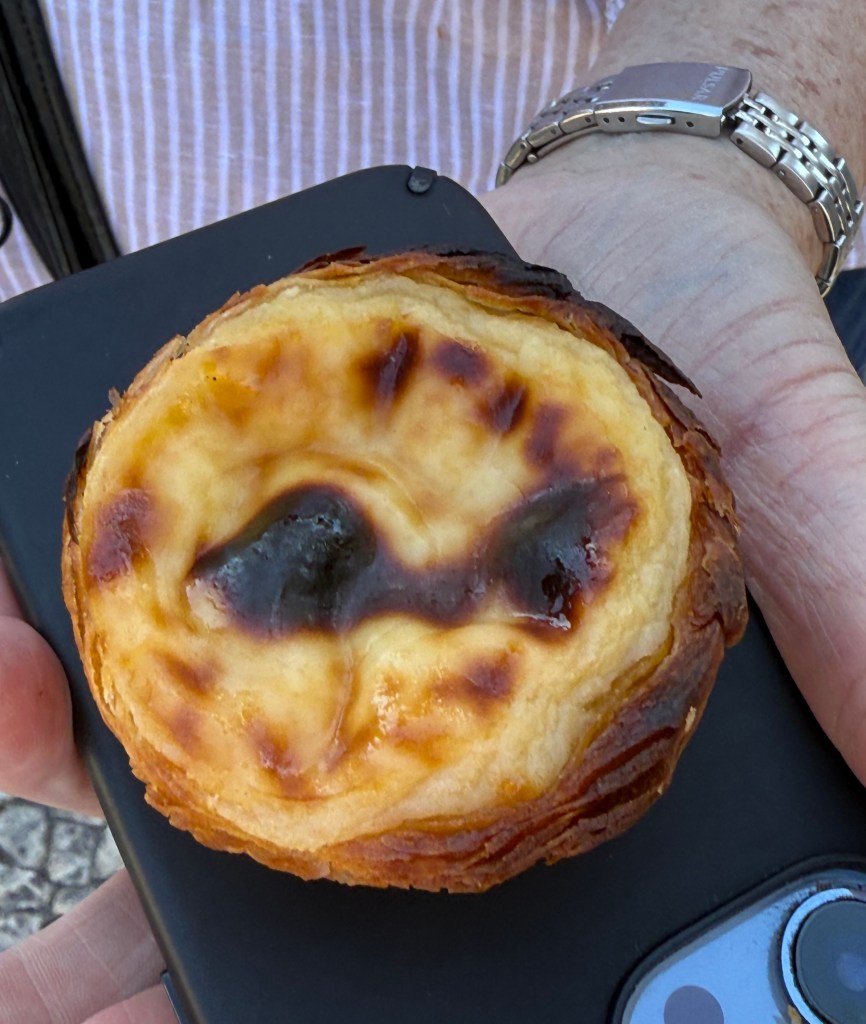
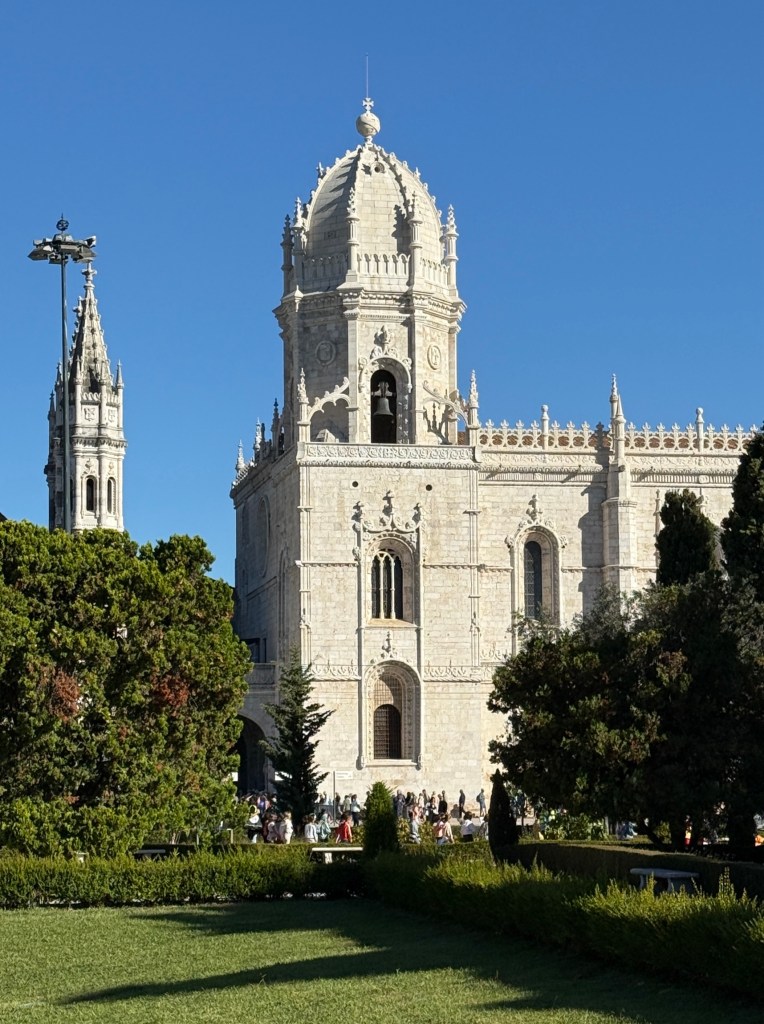
Anyway, Allthego and Homealone have queued up again to see one or two of the old buildings of Lisbon. Of coarse there are not many because of the big earthquake. But some of the grand ones survived, perhaps they survived because they were grand and so well built.
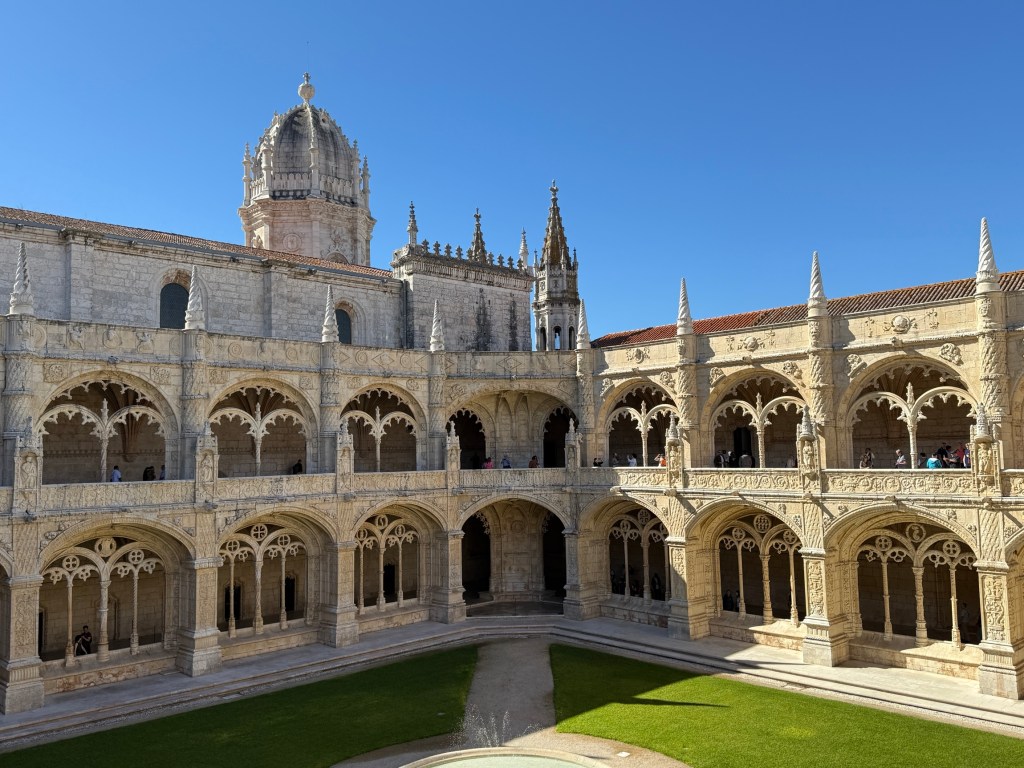
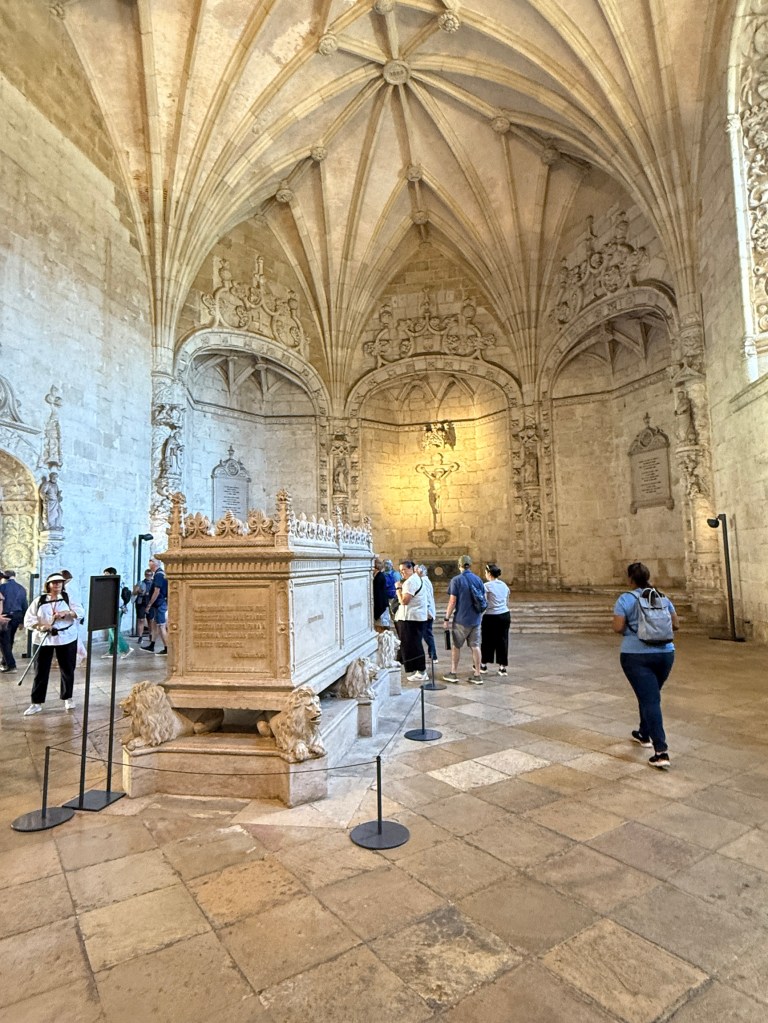
We lined up for a tour of the cloisters of the 16th century Jeronimos Monastery and Church. The Monastery is beside the Tagus River in the Belem quarter, downstream from central Lisbon.
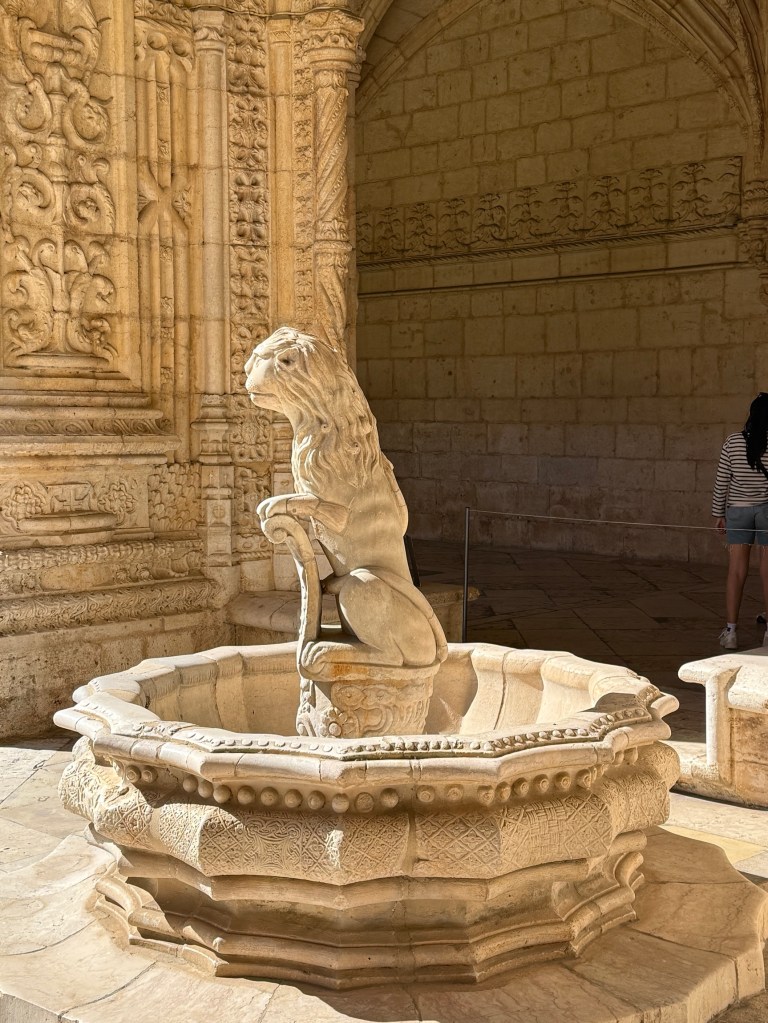
After touring the Monastery we returned to the city centre for a short walk in the historical district. Another Portuguese staple was tried at a cafe, cod fish cakes. A mix of cod flakes, potato and egg, with bread crumbs. Just like our tinned salmon patties! We later had some for a light lunch, some Mateus Rose was needed to wash them down.

Also on our list was Pena Palace sitting high on a hill at Sintra, a few kilometres out of Lisbon near the Atlantic coast.
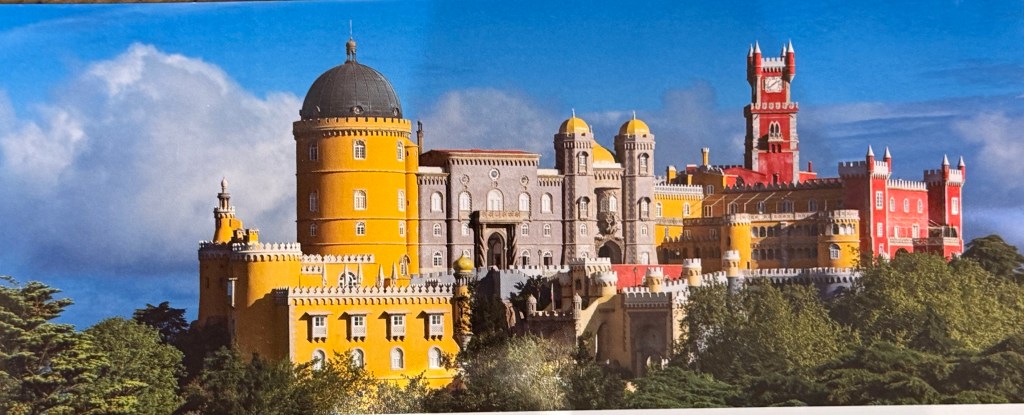
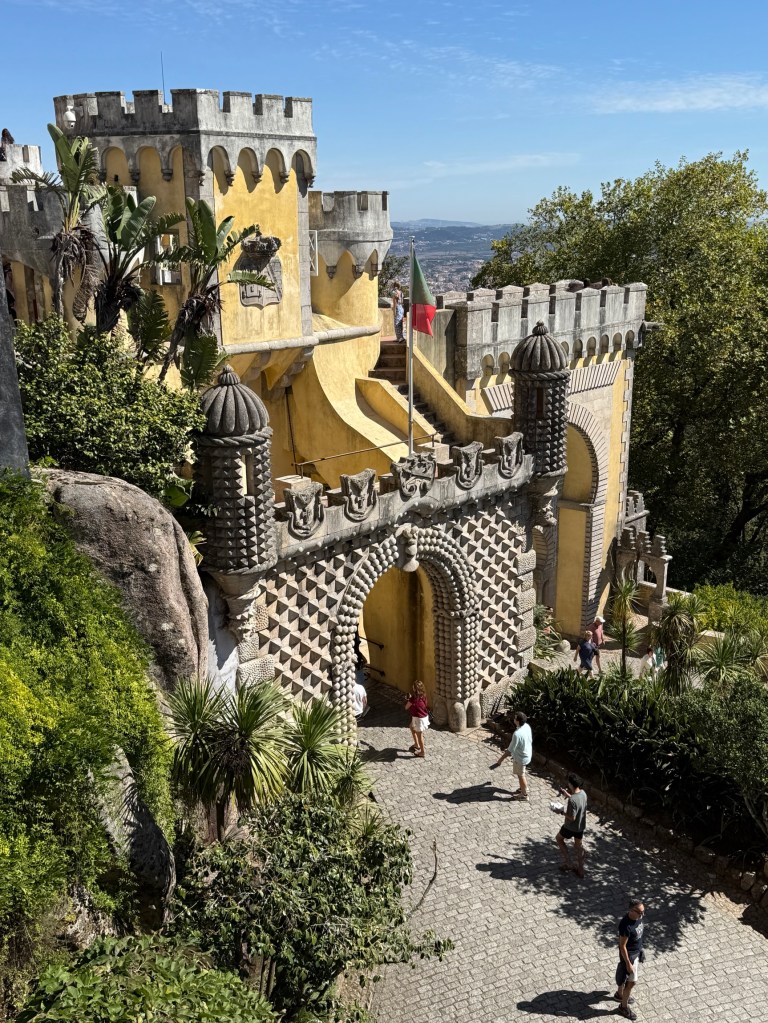
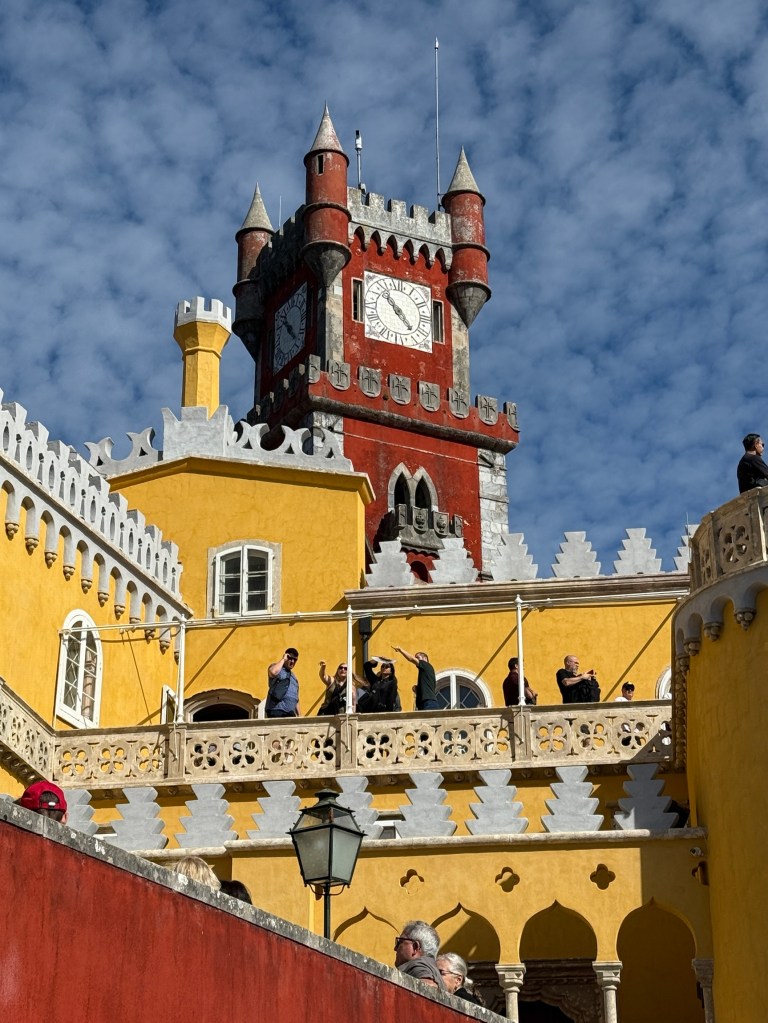
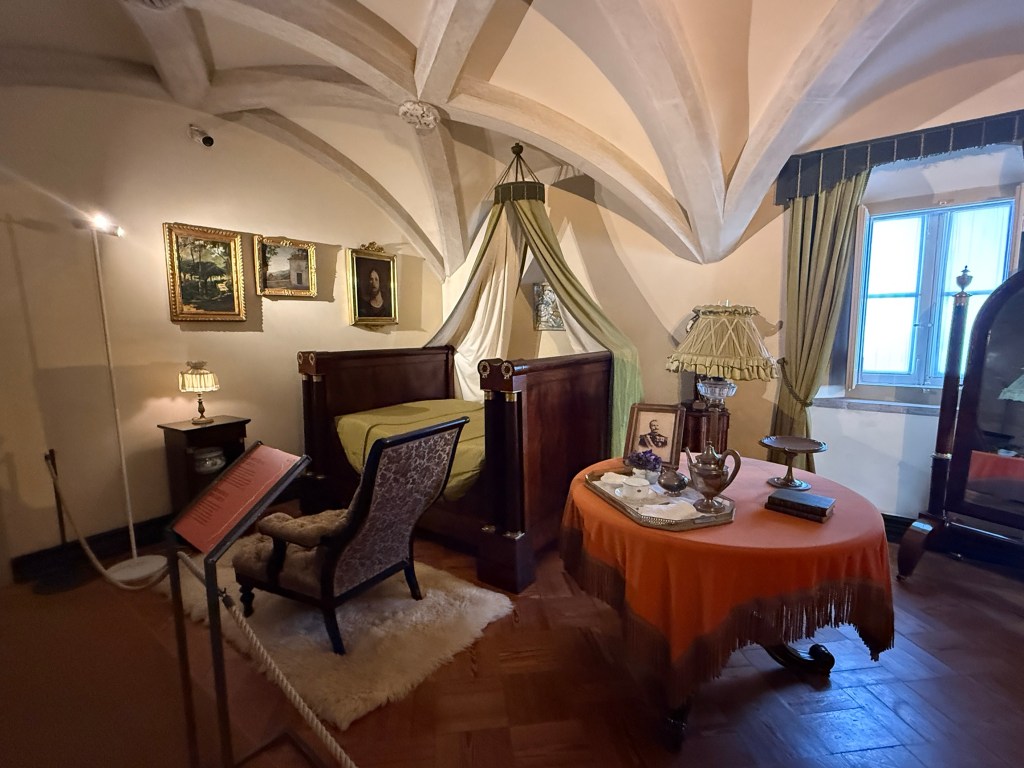
Jerónimos Monastery and Pena Palace are both UNESCO world heritage sites. UNESCO world heritage sites seem to breed endlessly, popping up all the time fuelling tourism as much as preserving the sites! Allthego shouldn’t be so suspicious. The cloisters and palace were very impressive, certainly deserving places on the list.
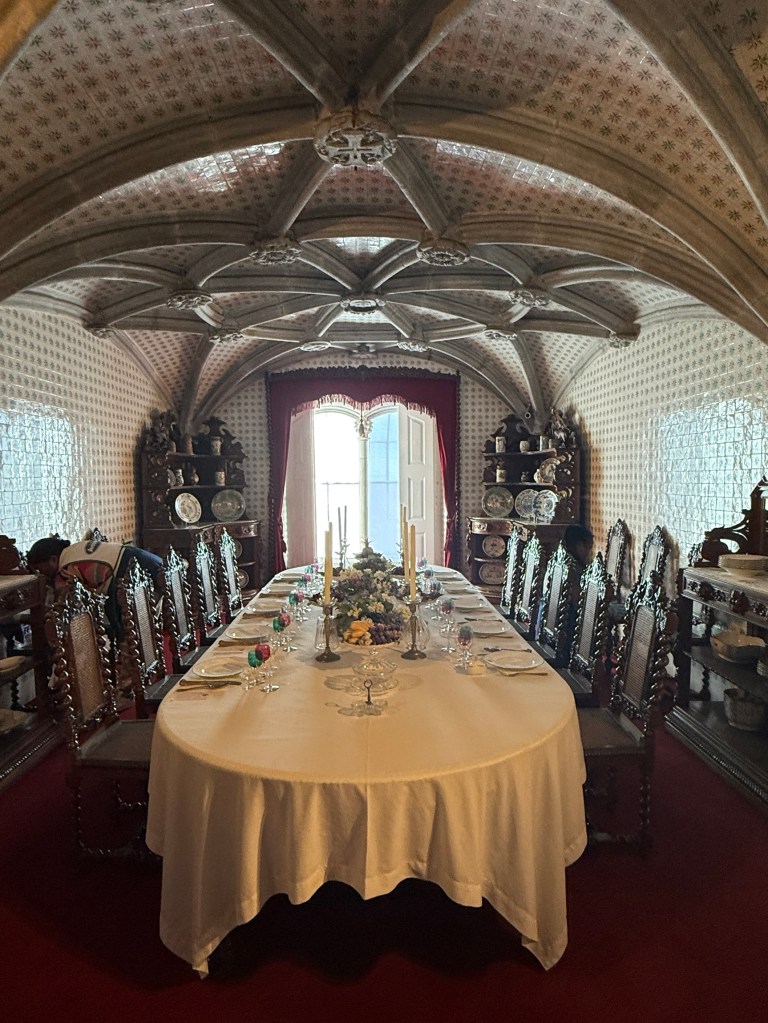
The Pena Palace has its origins as a middle ages monastery that was in part destroyed by the 1755 earthquake and lay in ruins until the mid 1800s. At that time King Ferdinand set about restoring the monastery and expanding the complex. The yellow buildings are the old monastery and the red ones the expanded complex. The rooms in the new areas are bigger and have much higher ceilings. The palace became a summer residence for the Kings and Queens of Portugal until the 1910 republican revolution.
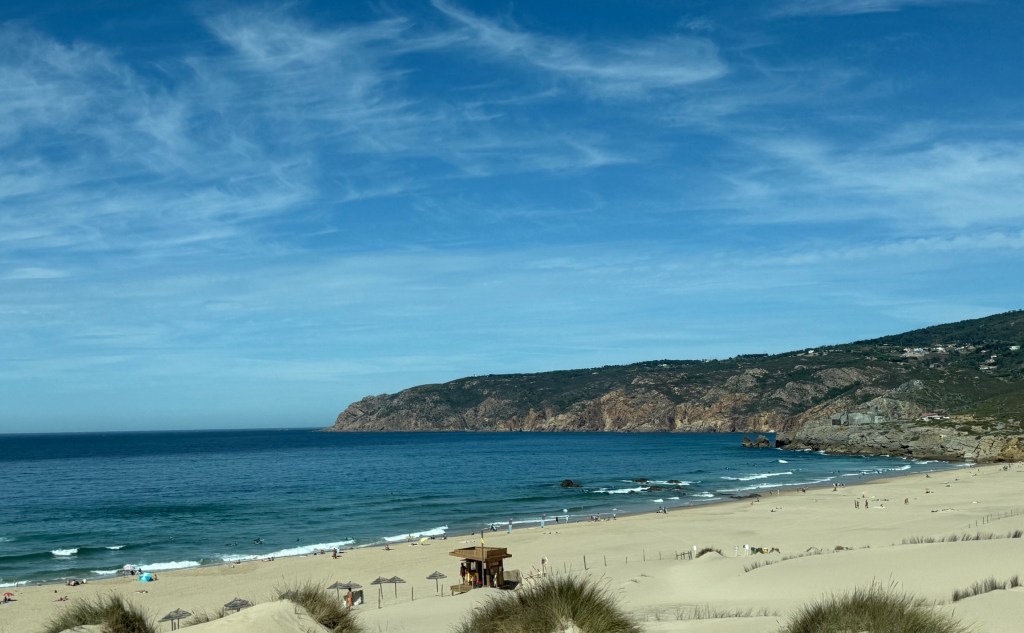
On the way back to Lisbon we detoured to Cascais for a look around the coastal resort town. Before getting there we passed by Cape Roca, the most westerly point in Europe. The beaches in these parts looked pretty good with the Atlantic breaking onto white sand.
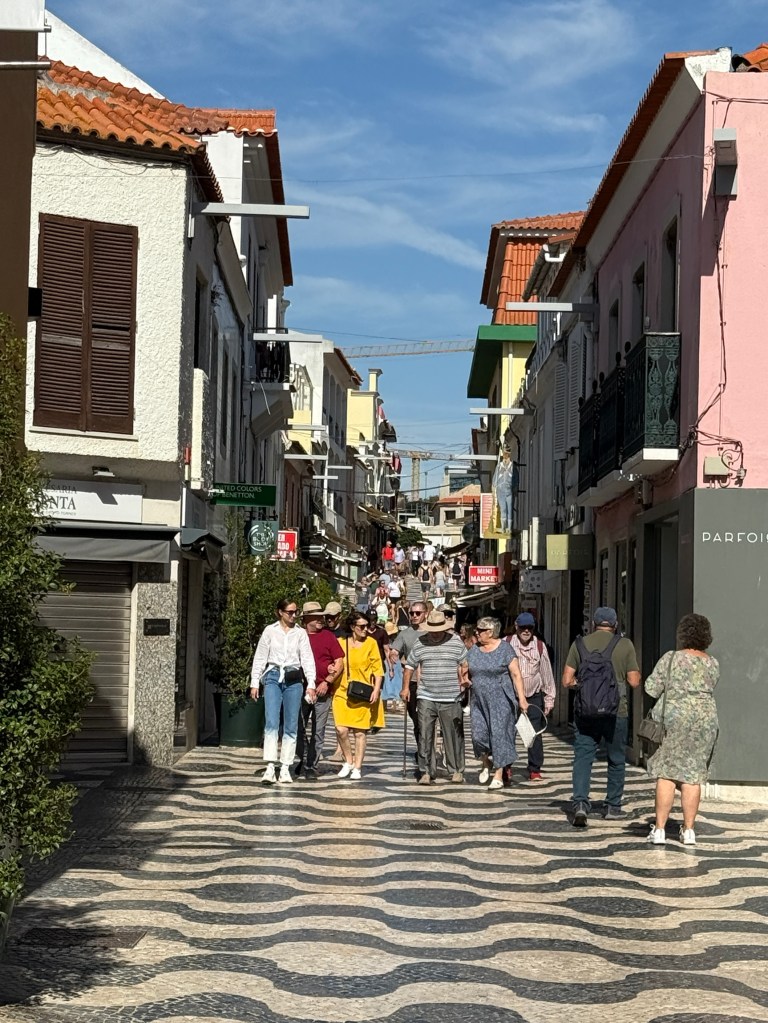
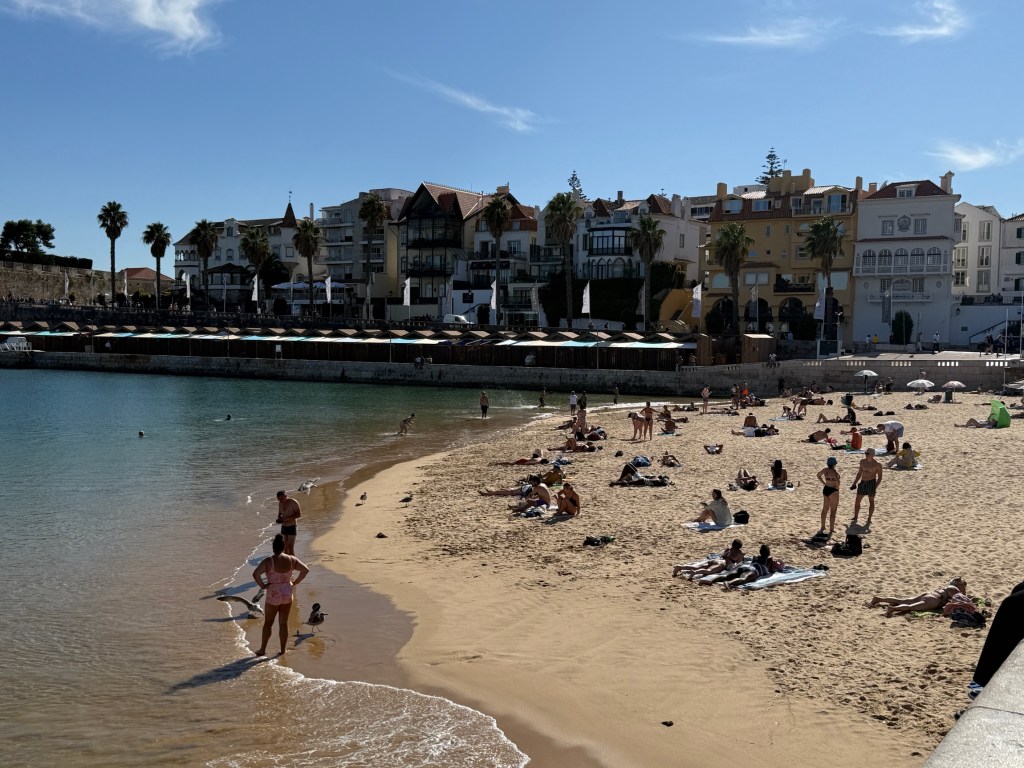
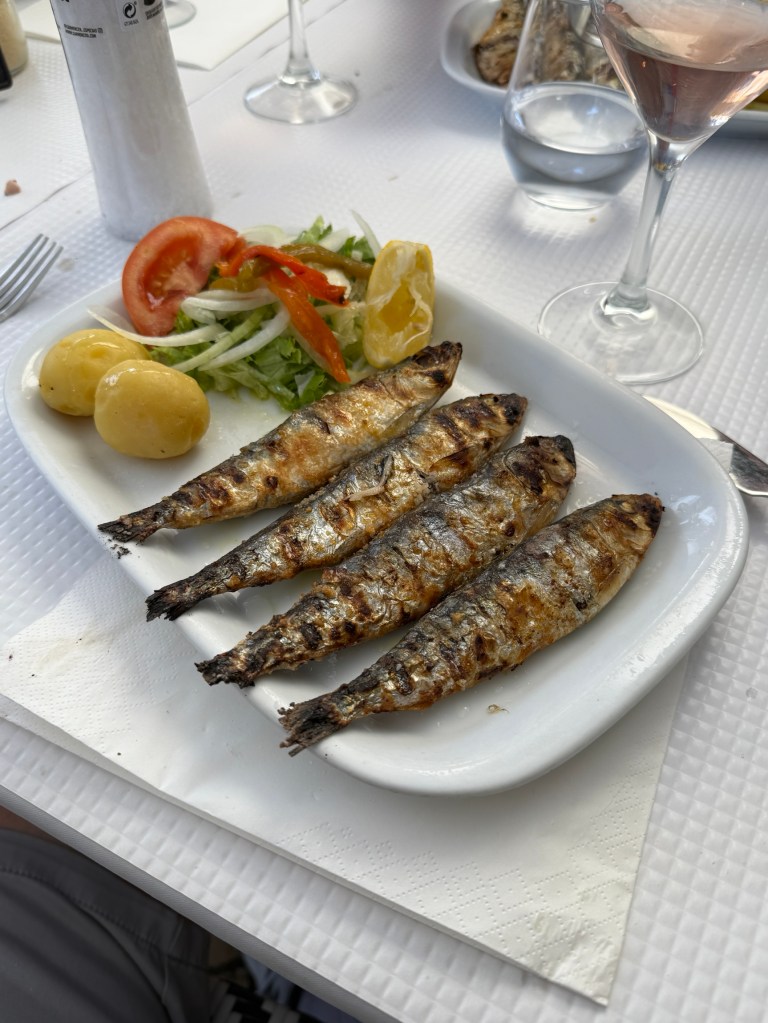
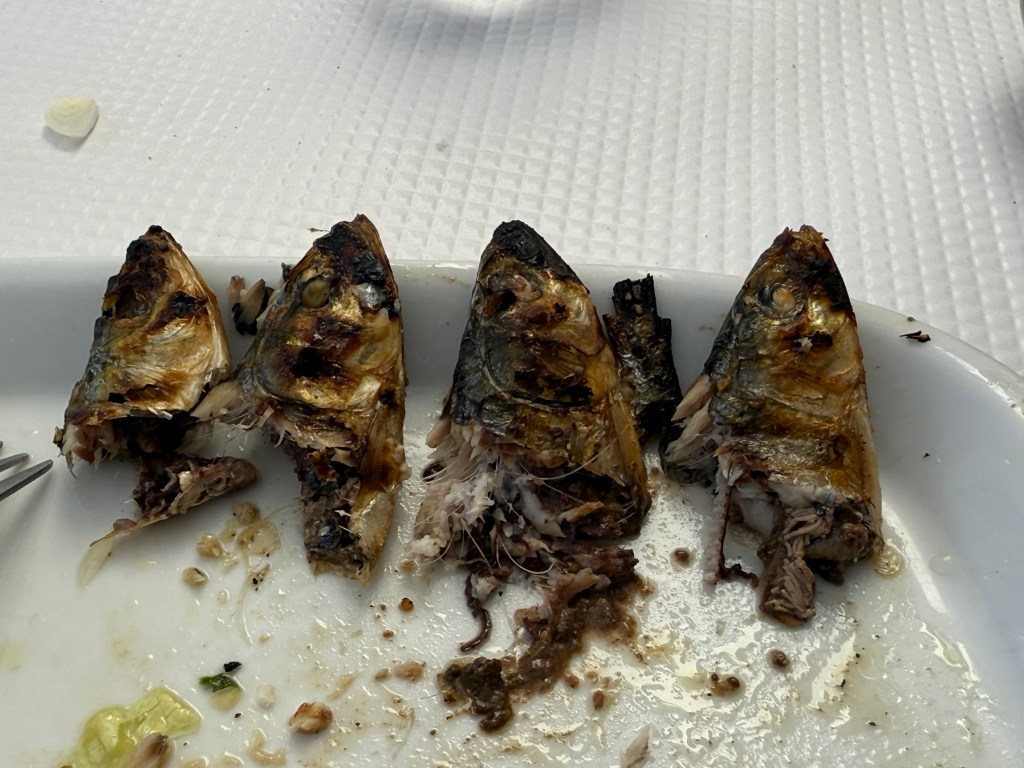
At Cascais Russell and Tony tackled another local specialty. Grilled Sardines, fresh ones not from a tin! It was good to give them a go, but me thinks they are an acquired taste. Salty and fishy; bones, scales and the rest.
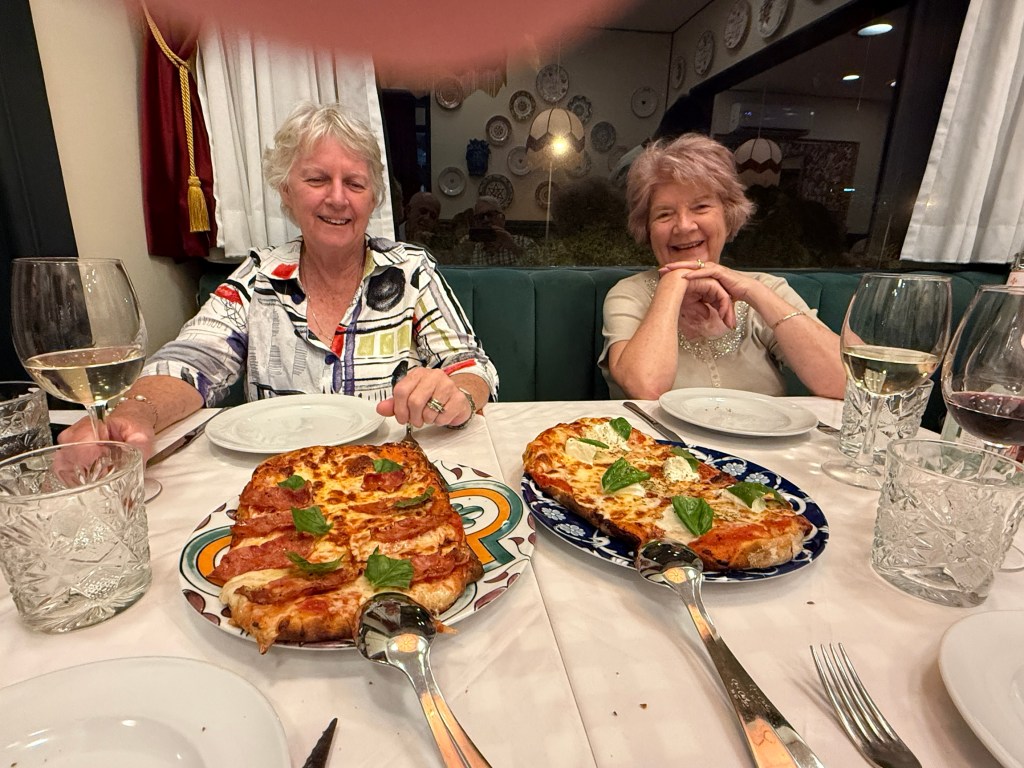
Not a big lunch so back in Lisbon we had a farewell snack for dinner at a pizza place. Pretty good! We next head off to Porto to join the ship on the Douro River.

Posted on September 27, 2025, in Portugal and Spain 2025. Bookmark the permalink. Leave a comment.
 Allthegobro
Leave a comment
Comments 0