Sand and Sea
Overnight from Lima we moved further south to Paracas, south of Pisco. Pisco was devastated by an earthquake in 2007 and has not really recovered since. Pisco is where the Pisco drink originated. It is a type of brandy distilled from grape juice, but a clear liquid unlike the golden colour of traditional brandy. It was in Lima that the Pisco Sour was first served in the early 1920s.
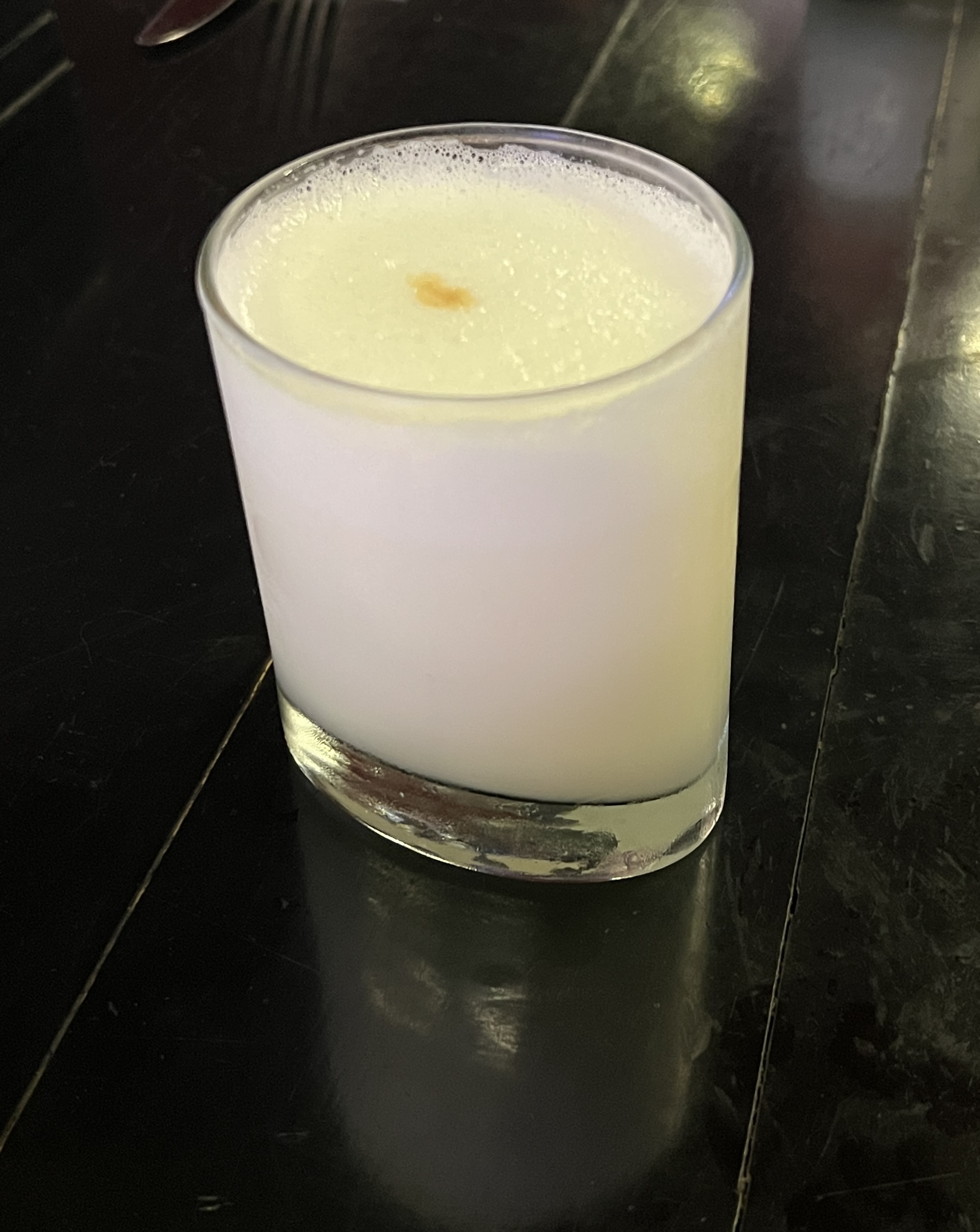
We have acquired a small bottle of Pisco to inflict on visitors back home. The Pisco Sour is a mix of Pisco, lemon juice, egg white, sugar syrup, ice and bitters. Refreshing!
Paracas is more remote than Pisco and is located on the Paracas Peninsular, near the Port of San Martin where we tie up, and a little north of the border with Chile. It is a stepping off point to view some Inca ruins and where a number of our fellow passengers return to the ship after a couple of days overnighting to Machu Picchu.
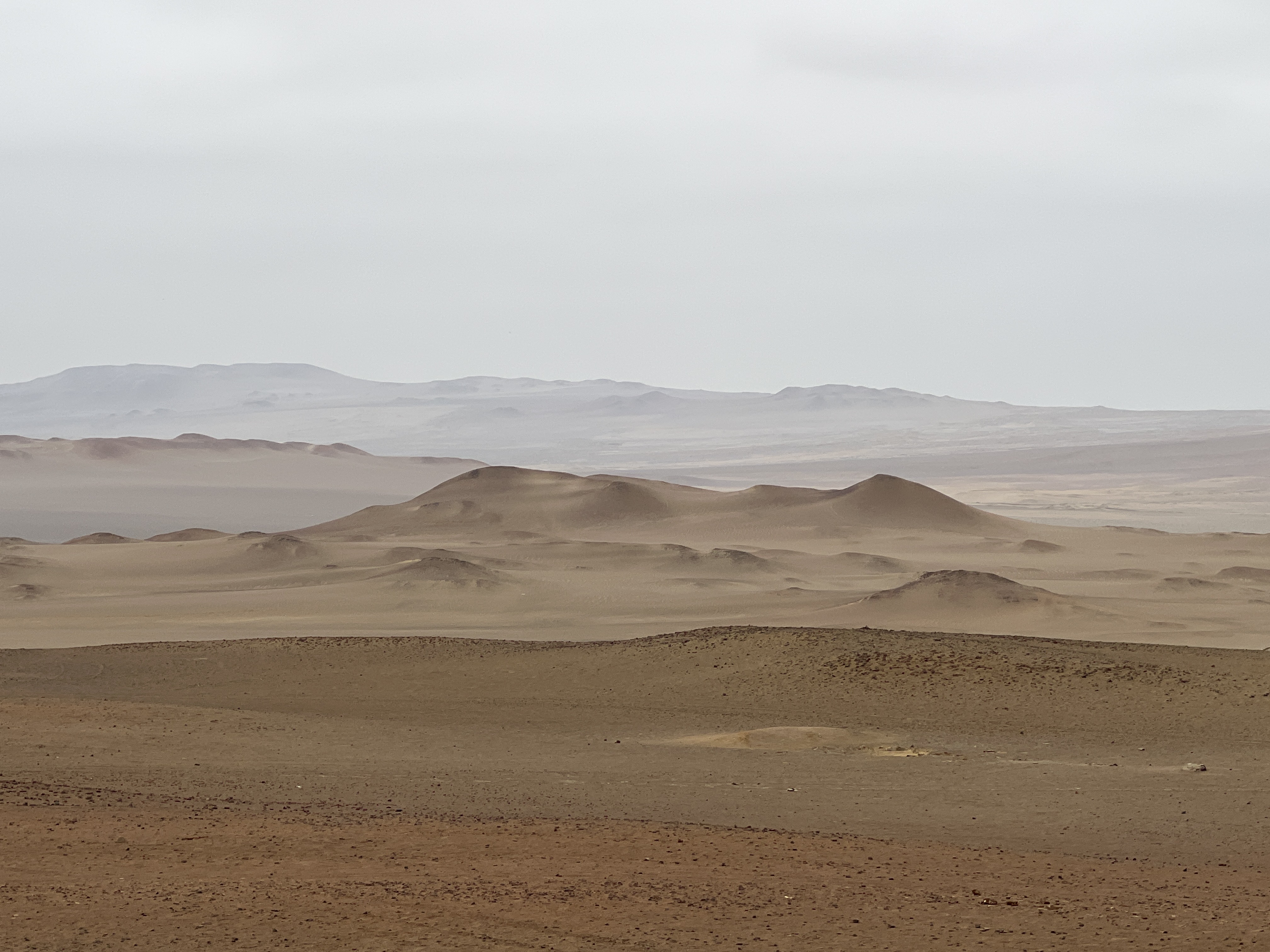
We have chosen to get out of ‘suburbia’ and visit the Paracas National Park for the morning. This area is the northern extremity of the Atacama Desert, which is predominantly in coastal Chile. It is the driest place on earth and receives little rain and is devoid of vegetation.
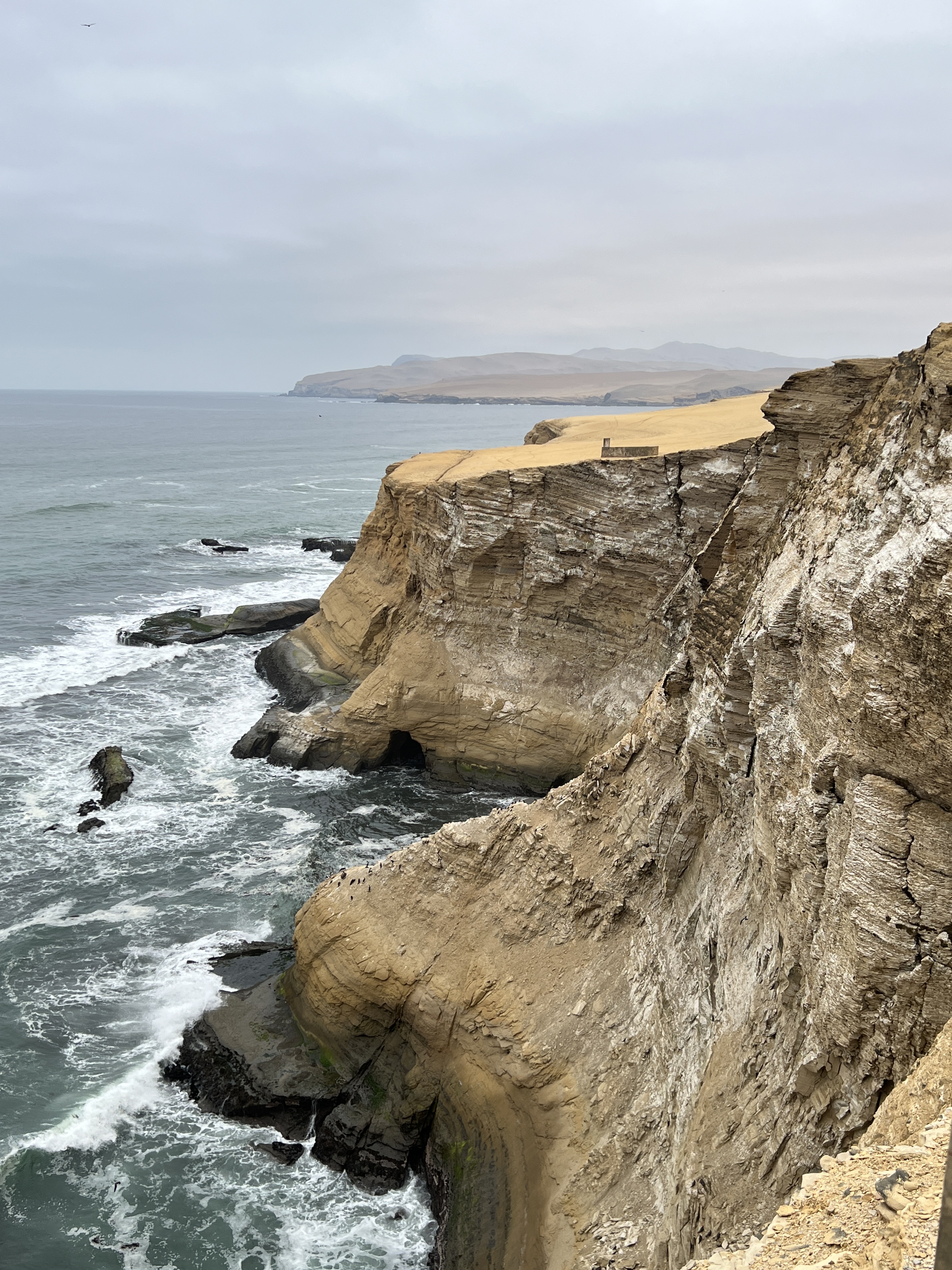
The desert runs right down to the sea. The part we visited seemed to have little sand covering and was mostly a rocky platform being eroded back from the sea. I suspect sand was being blown inland by the wind.
There are some great views of the coastline here that was greatly effected by the earthquake.
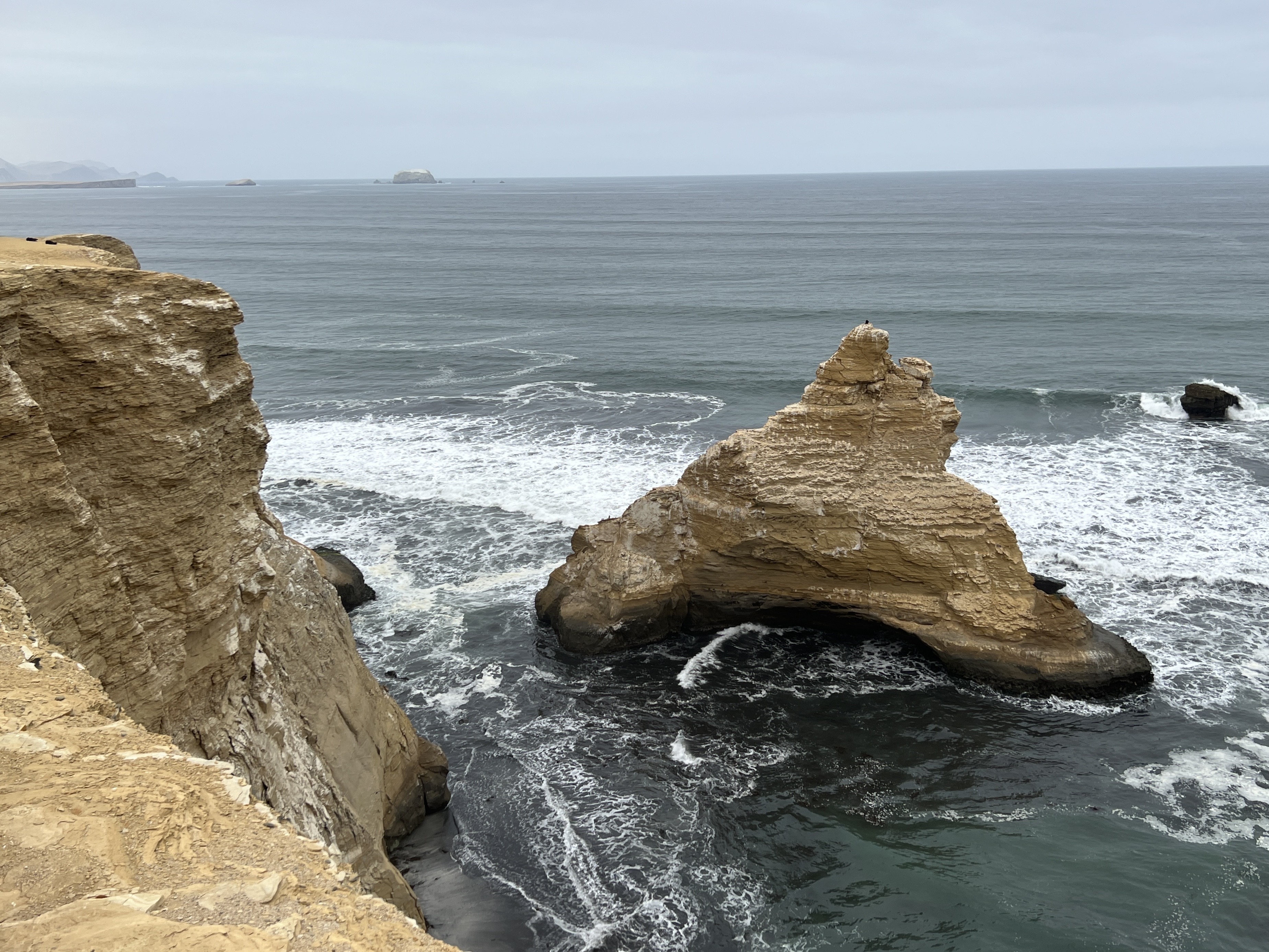
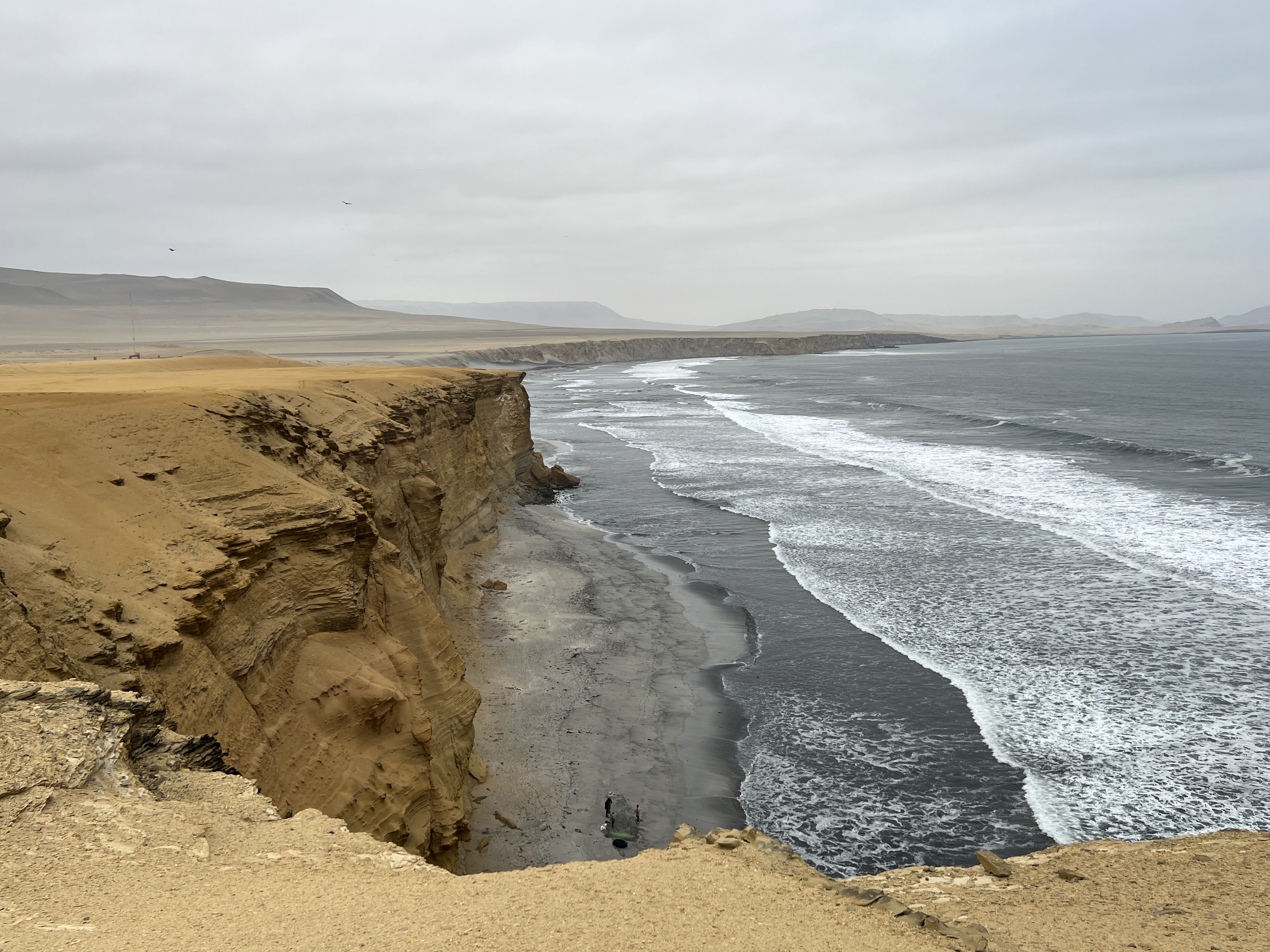
The rock formation known as the ‘Cathedral’ used to be connected to the mainland but was separated by the earthquake action. The desert stretches away behind the coastline in a series of rolling hills.
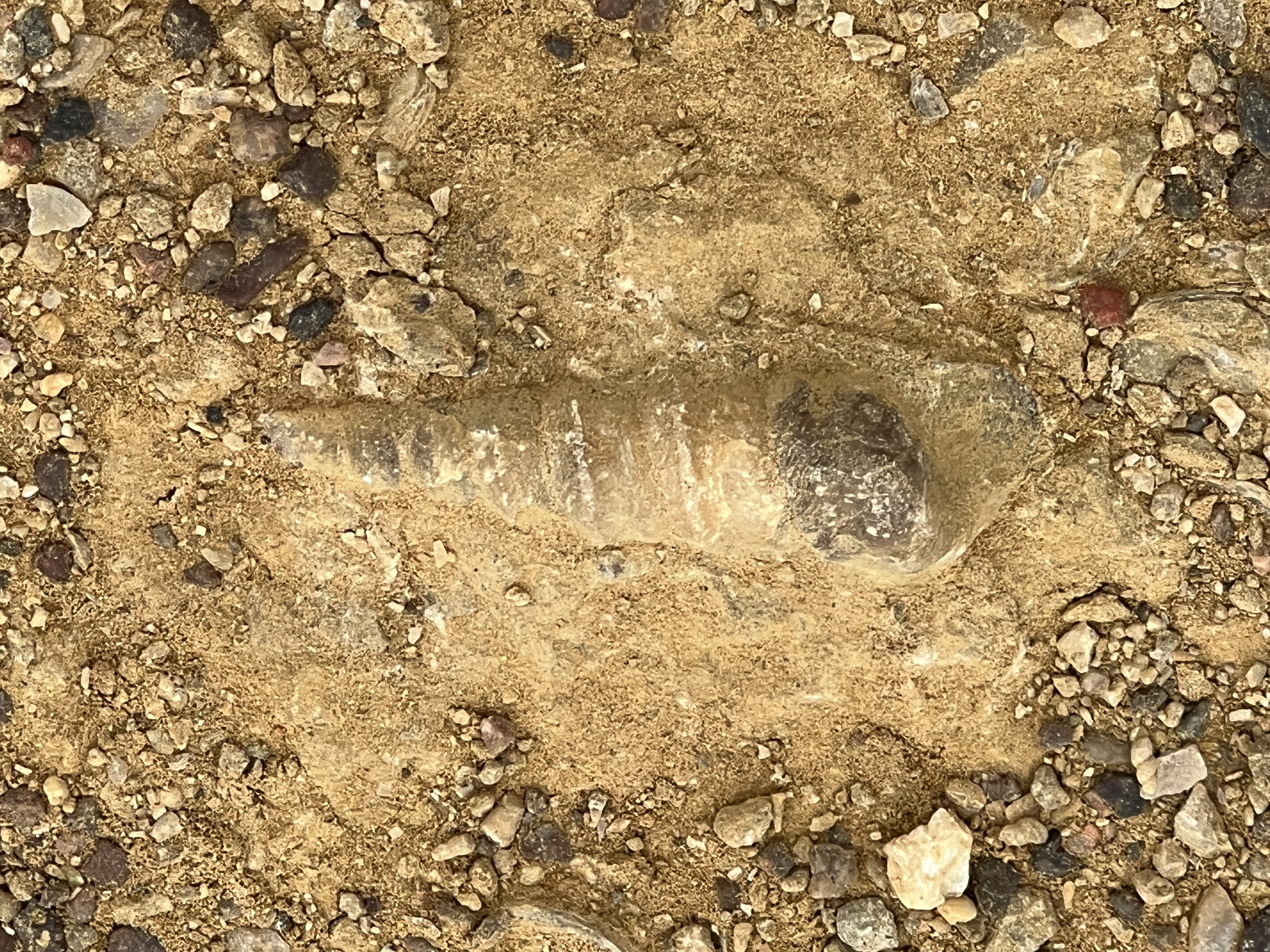
In one particular area there is an exposed rock surface containing hundreds of fossils of conical sea shells, attesting to its former sea bed location.
The ‘donkey belly sky’ of Lima was prevailing here as well. Towards the end of our tour, around midday, the sun started to creep out and we had some pale blue skies for the drive back into Paracas. The rules of these tours mean that you have to return to ship after the tour and not get off in other places on the way back. It is a bit of a pain because it means retracing your steps, absorbing time. On this occasion it was like 20 minutes back to the ship and then 20 minutes back to the Paracas township for a late lunch.
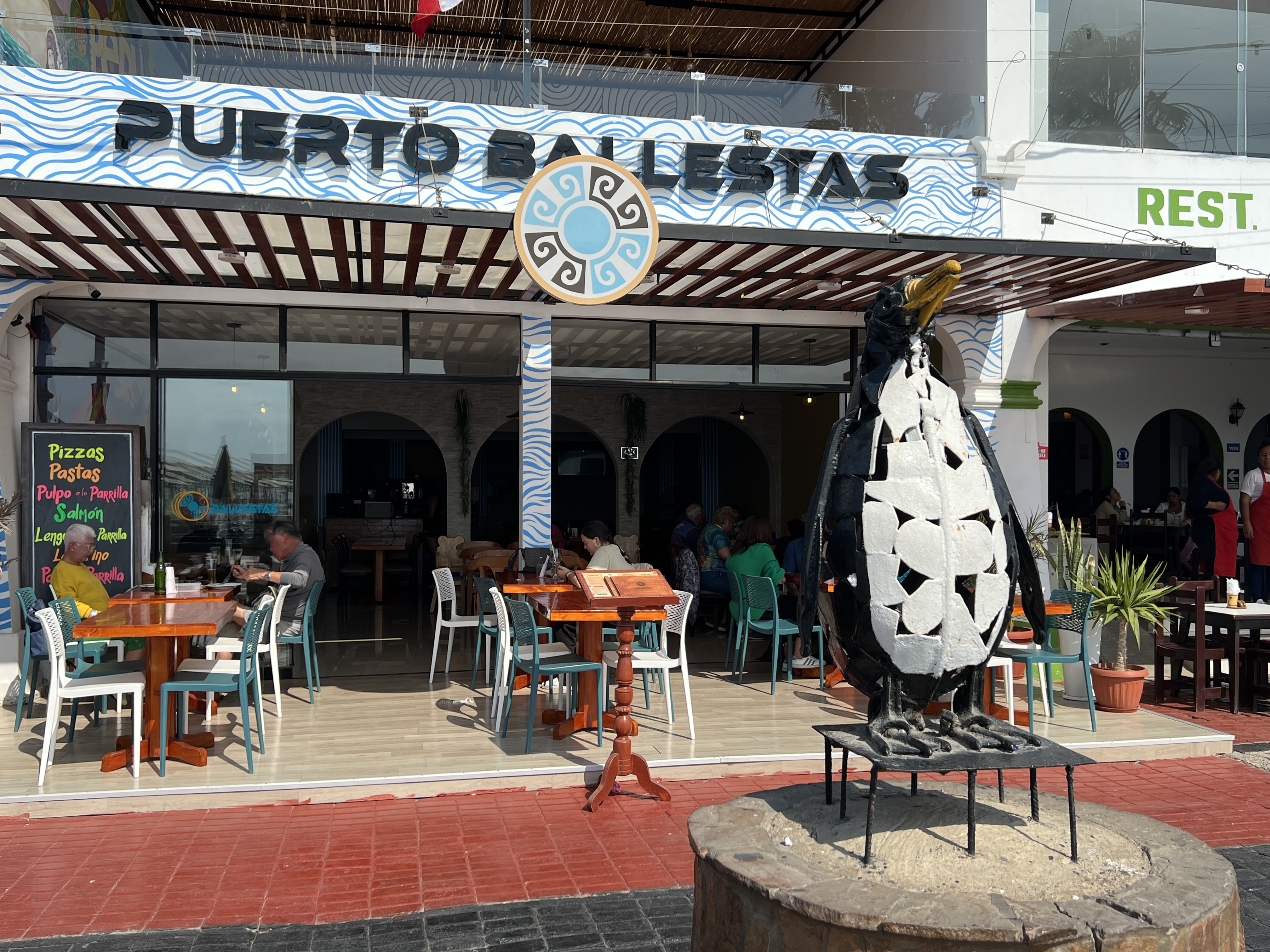
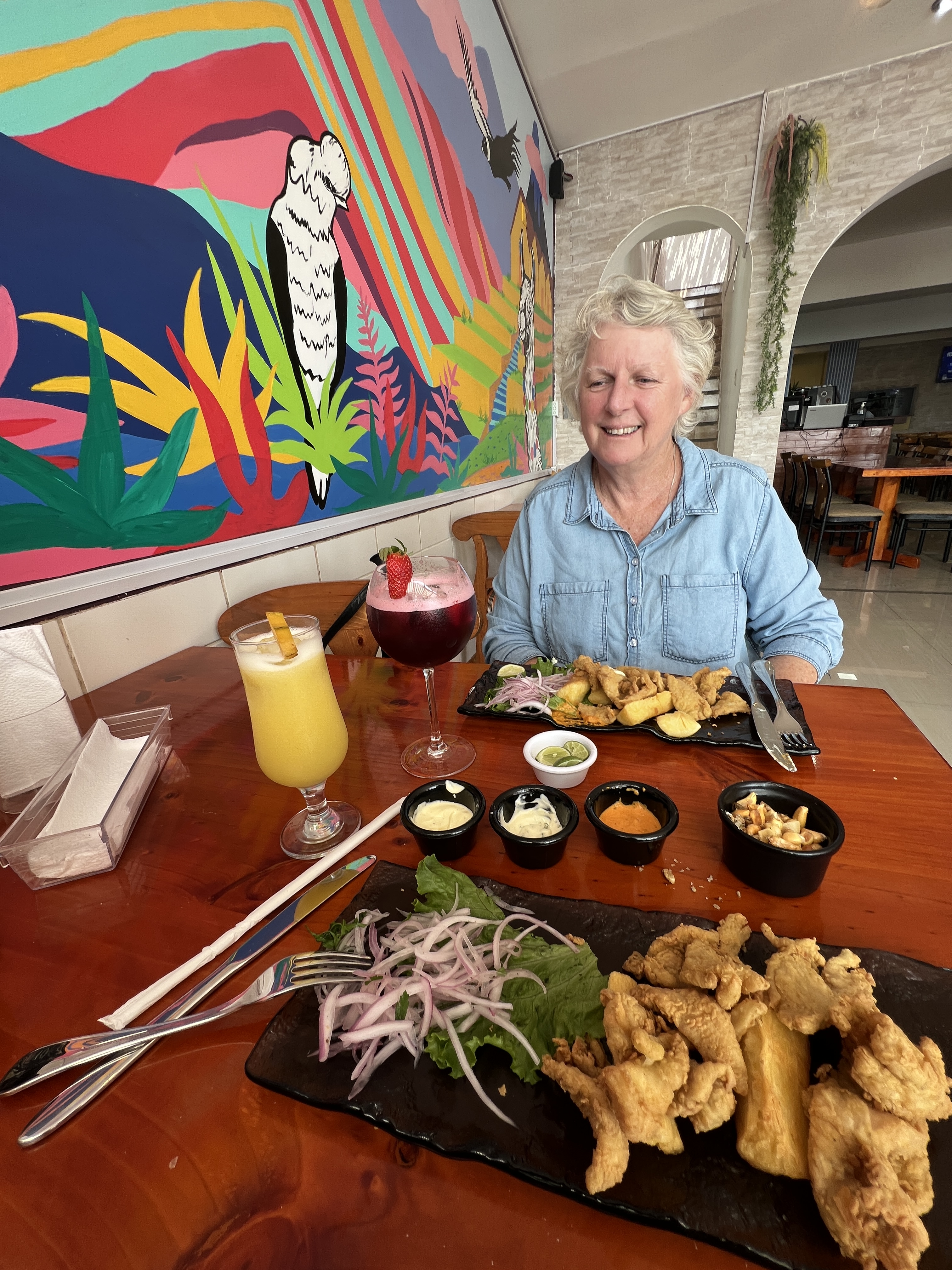
Lunch was ‘fish n chips’ Paracas style, flaky pieces of fish deep fried with yucca chips and some dips. And a Pisco cocktail (not Sour). The yucca chips were a bit marginal, fibrous and pasty, I think they are ‘cassava’ by the more local name ‘yucca’. A very nice ambience though among the locals in one of the restaurants along the waterfront.
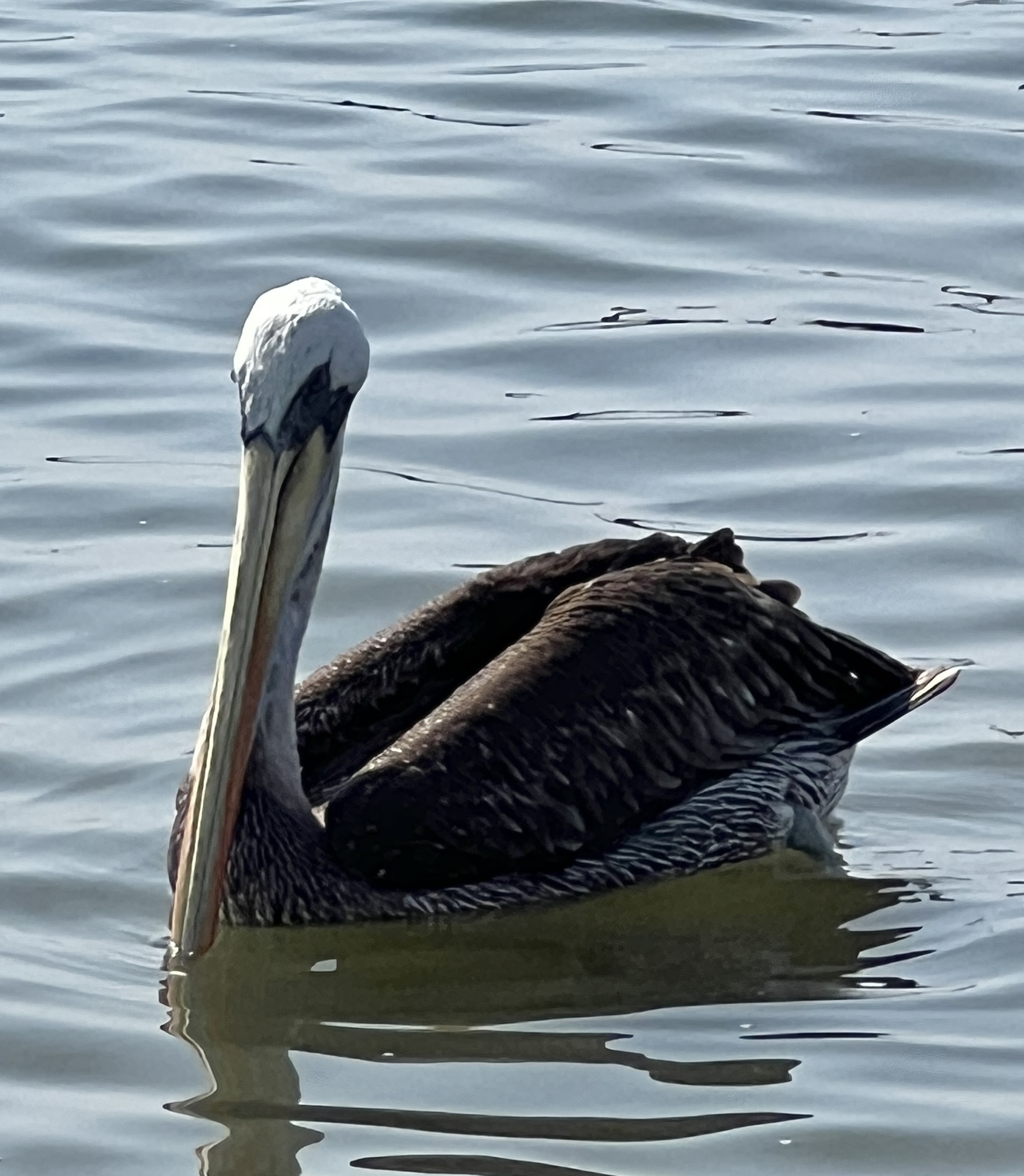
A pelican, very different beak colouring to Aussie pelicans, cruised the beachfront. It was difficult to visualise a 5 metre Tsunami , following the 2007 earthquake, ripping through and destroying this town.
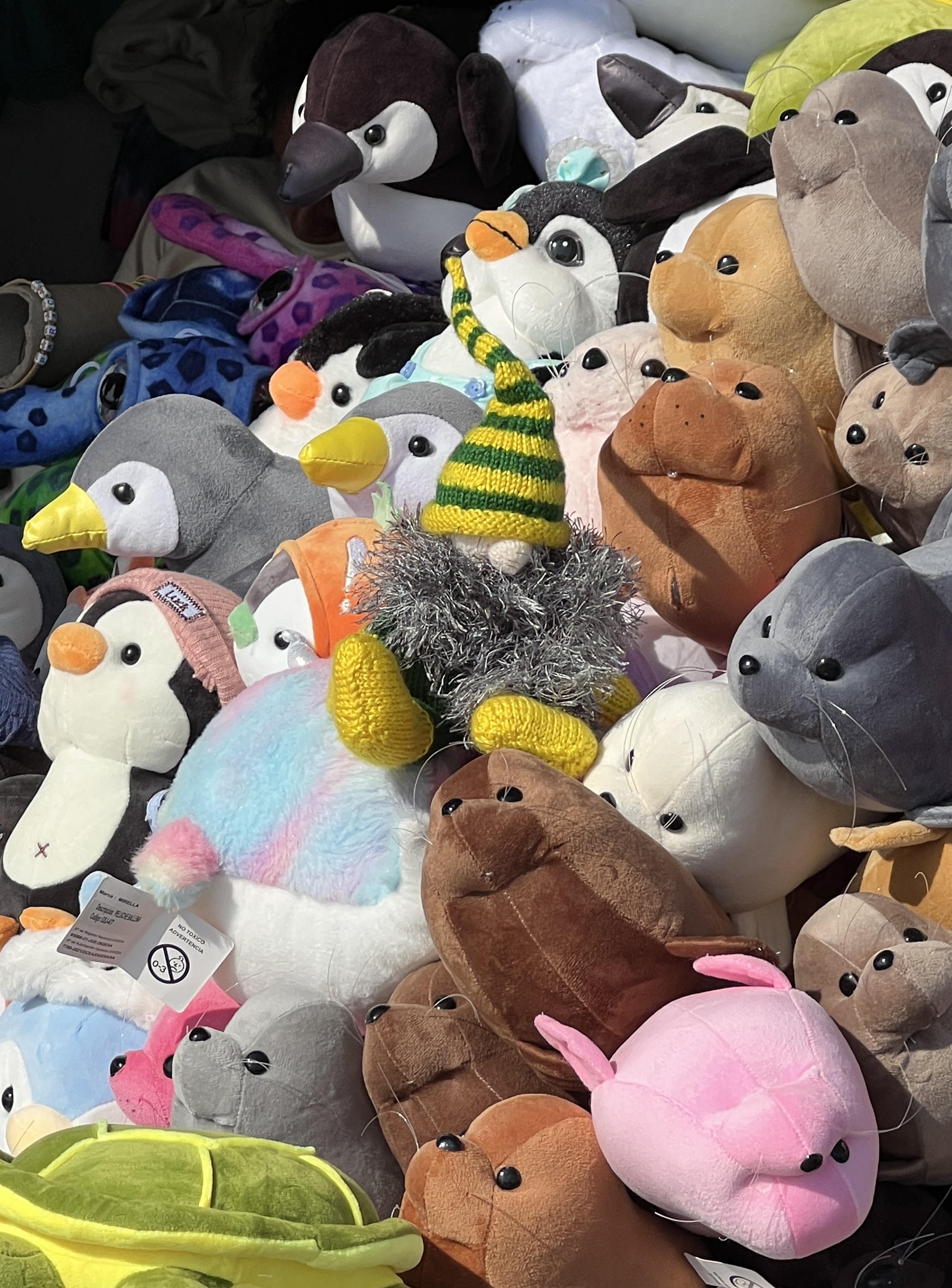
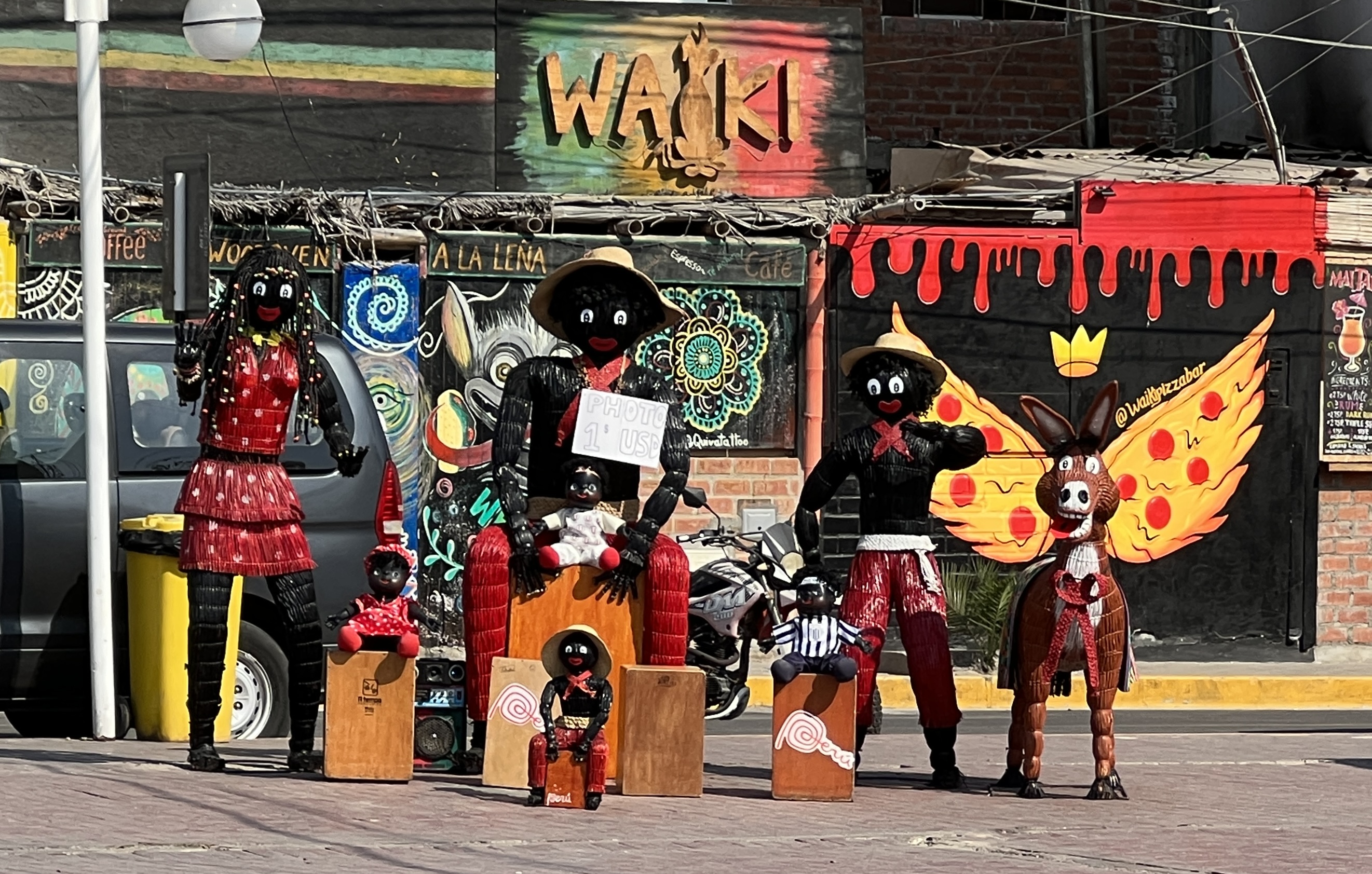
Slobro enjoyed a photo-op with all his mates at a tourist shop. A group of gollywogs were looking out for photos at a dollar each! Wouldn’t get away with this political incorrectness back in old Aus.
After lunch and a look around for the Post Office, which didn’t exist , we returned to the ship. It was odd to learn that Ecuador and Peru are devoid of mail services for the local populations. They don’t use them. There are post offices, but they are in city centres and it is difficult to buy stamps let alone find somewhere to post the item. Allthego’s rare postcards for Ecuador and Peru will have to await another landfall, maybe Tahiti in a weeks time?
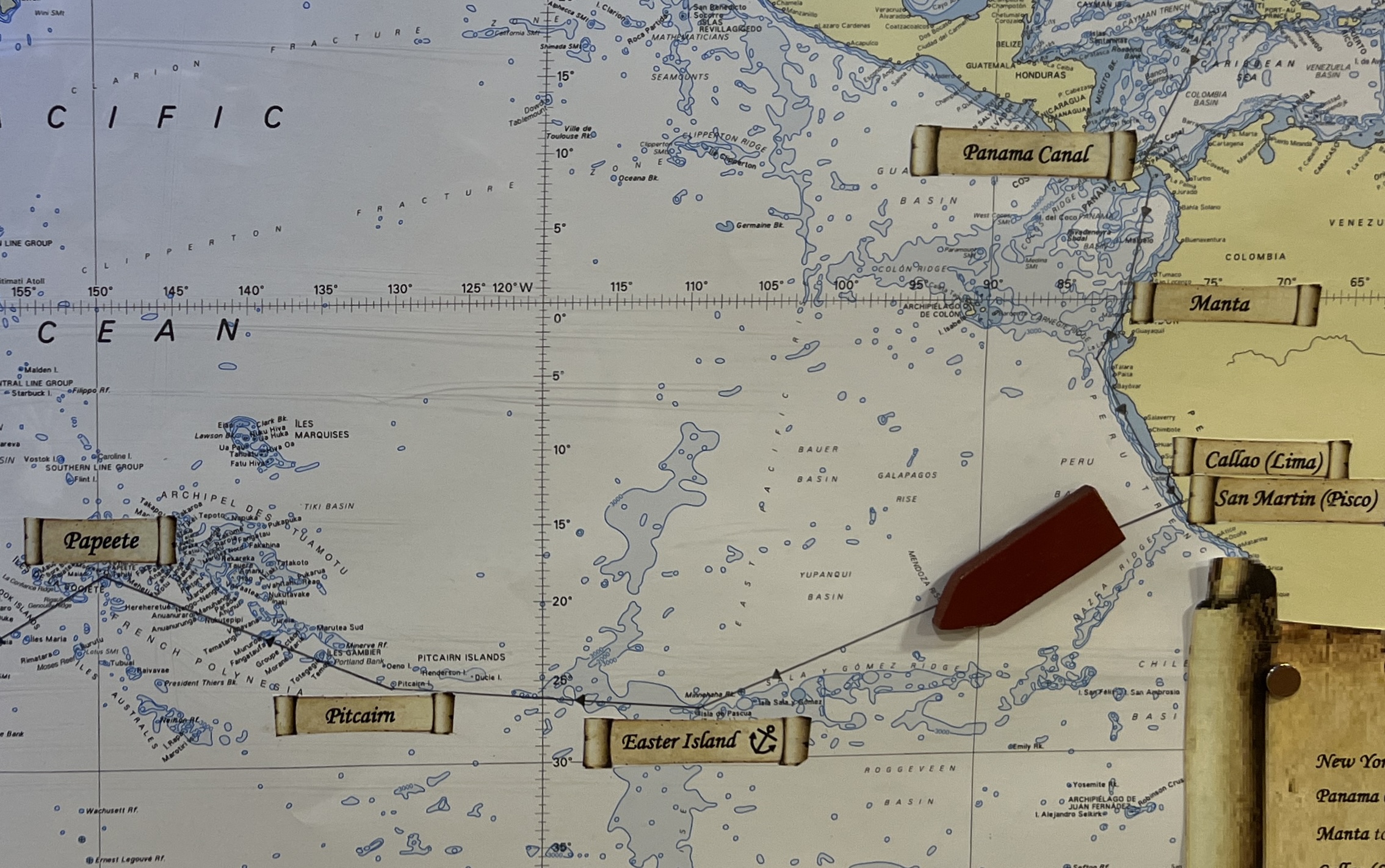
We are now finally turning west and heading out across the Pacific Ocean to Easter Island and will be home around 22 September.
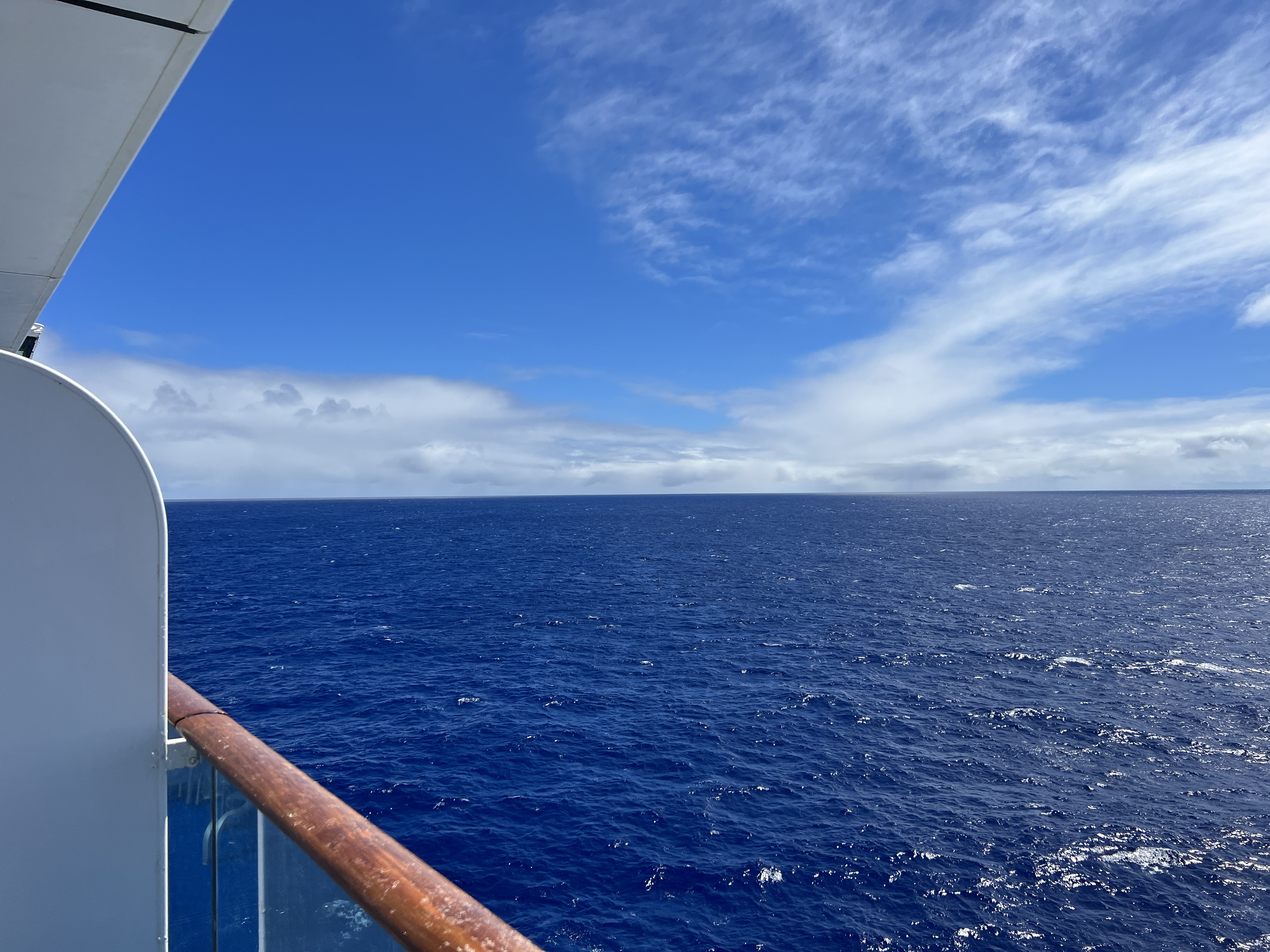
Captain Kirk flew the ‘final frontier’ and the deep blue Pacific is certainly that for us !

Posted on September 5, 2023, in Around the World. Bookmark the permalink. Leave a comment.
 Allthegobro
Leave a comment
Comments 0