Halifax
Halifax is our next stop in Nova Scotia, it is the largest city on this part of the east coast and one of the largest natural harbours in the world. It is also a gateway to the countryside and rugged coastline pock marked by small coastal villages.
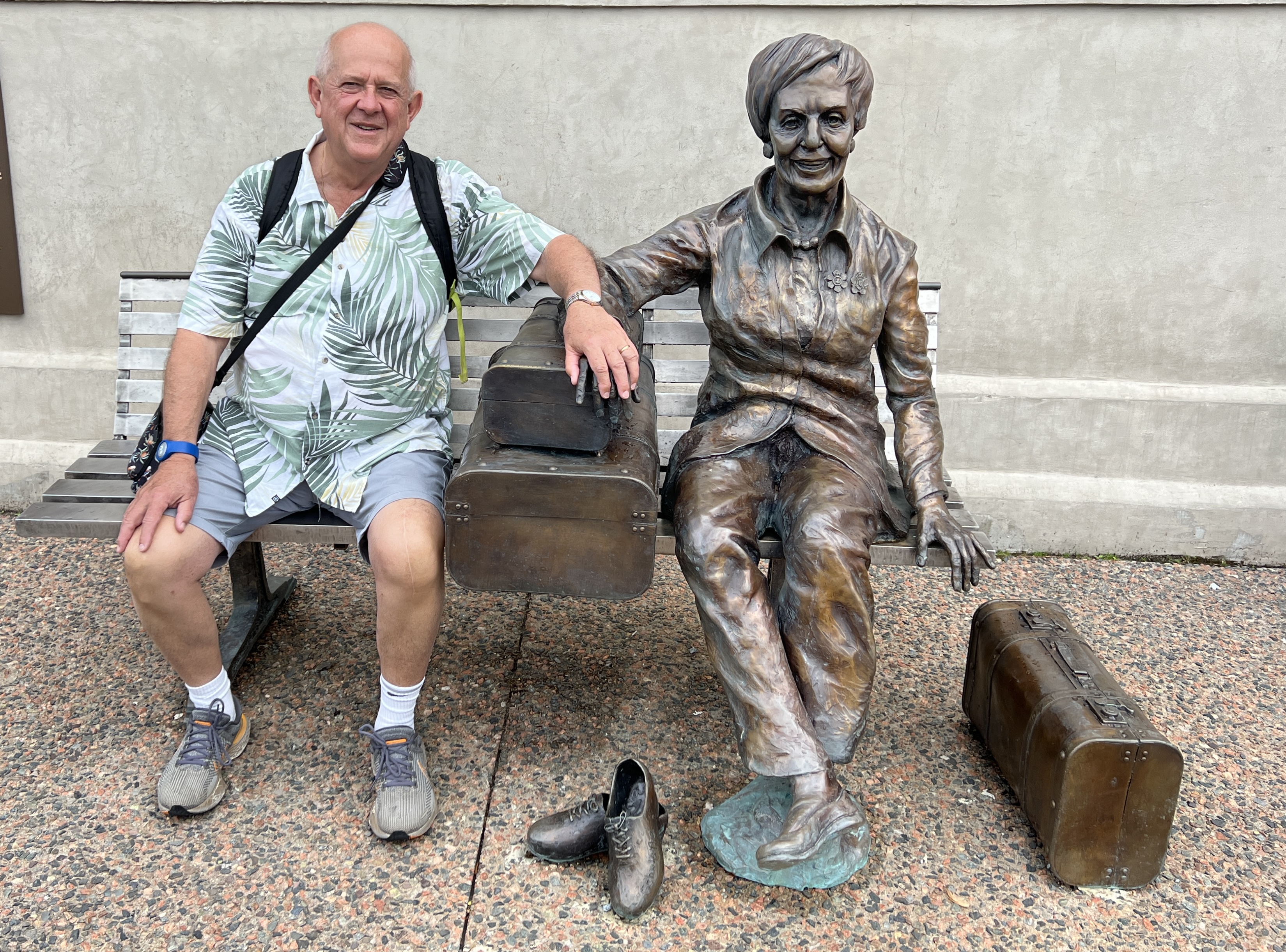
Between 1924 and 1978 nearly a million immigrants to Canada came through this port. It is also the city from which rescue operations for Titanic survivors was coordinated.
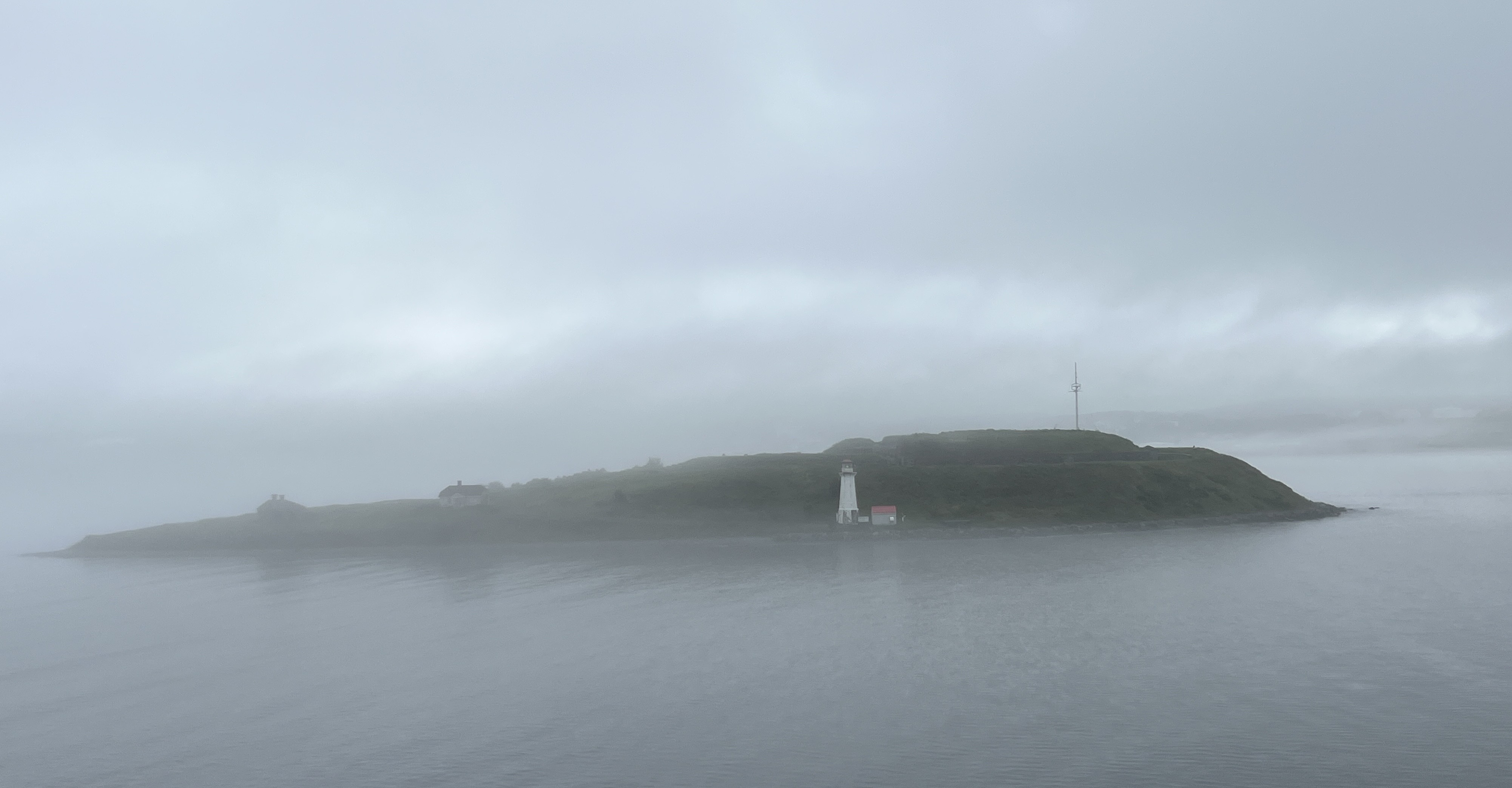
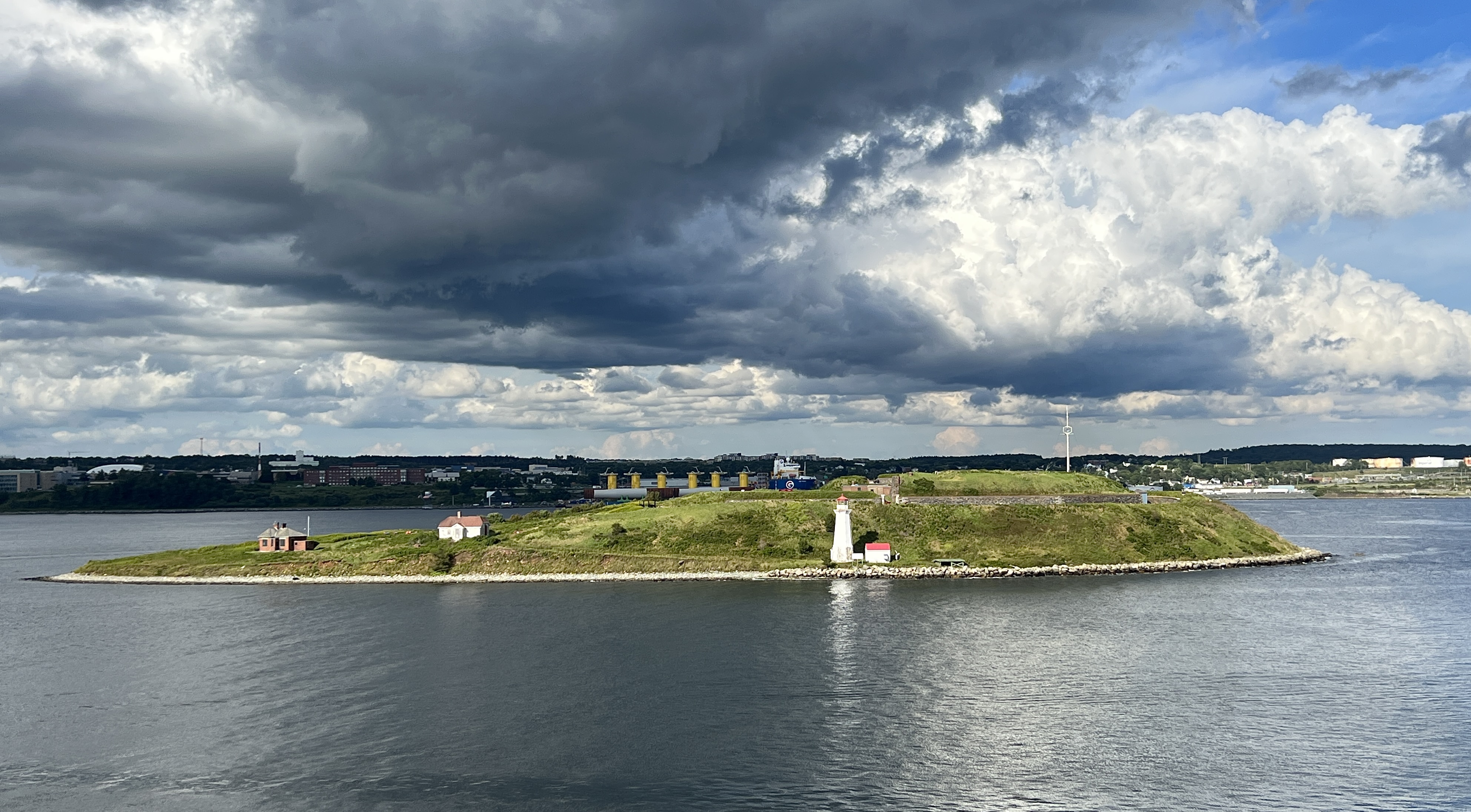
Our arrival in port was accompanied by a thick fog that slowly lifted revealing Georges Island close alongside. Later in the day after the fog had cleared and the sun was retreating a totally different view of the Island was had.
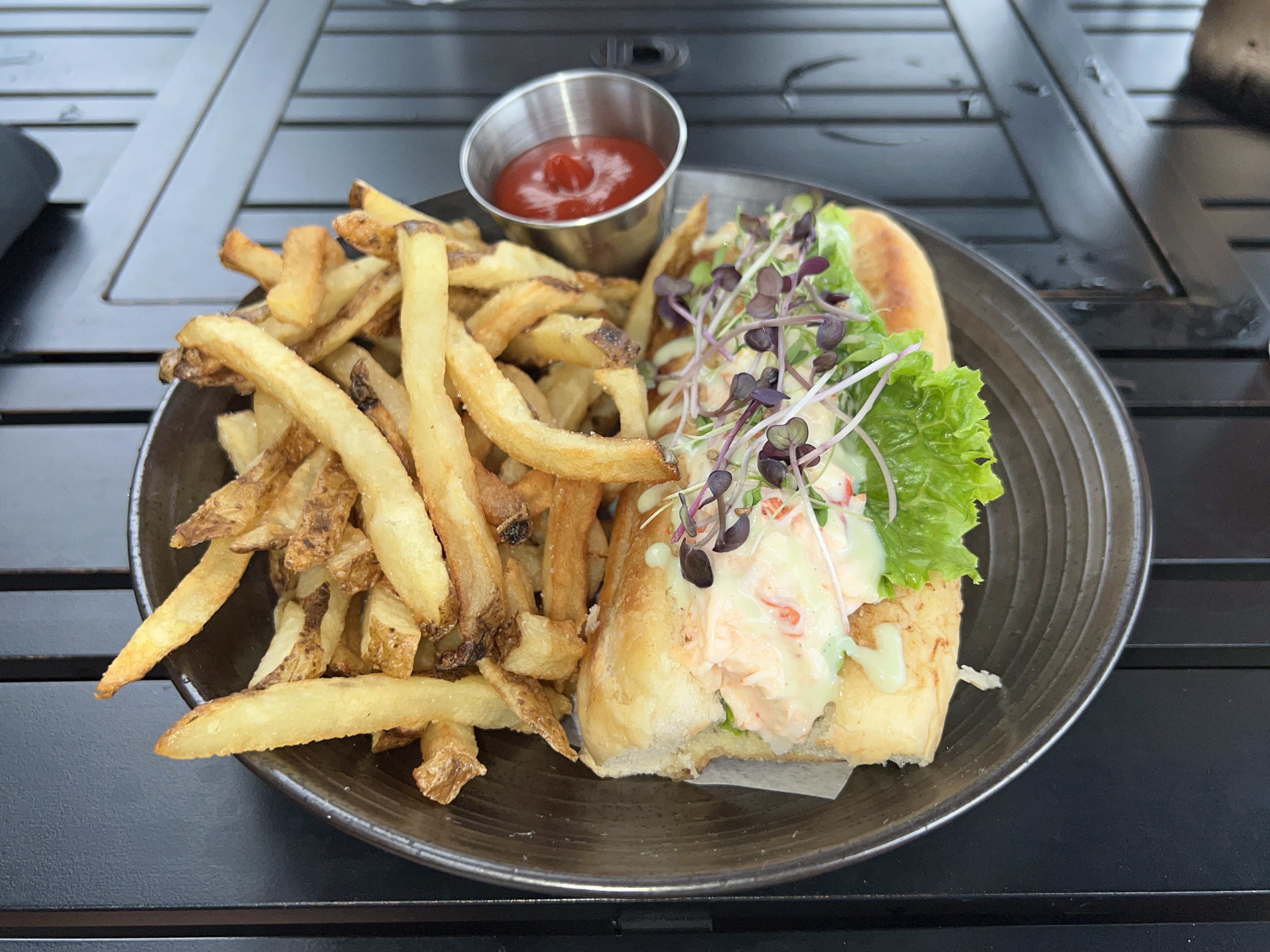
We spent time ashore in the morning looking around the waterfront and seeking out a lobster roll for lunch. We found one too!
In the afternoon we had arranged a shore tour down to Peggy’s Cove at the end of St Margarets Bay. This is the home of the much photographed lighthouse and fishing village.
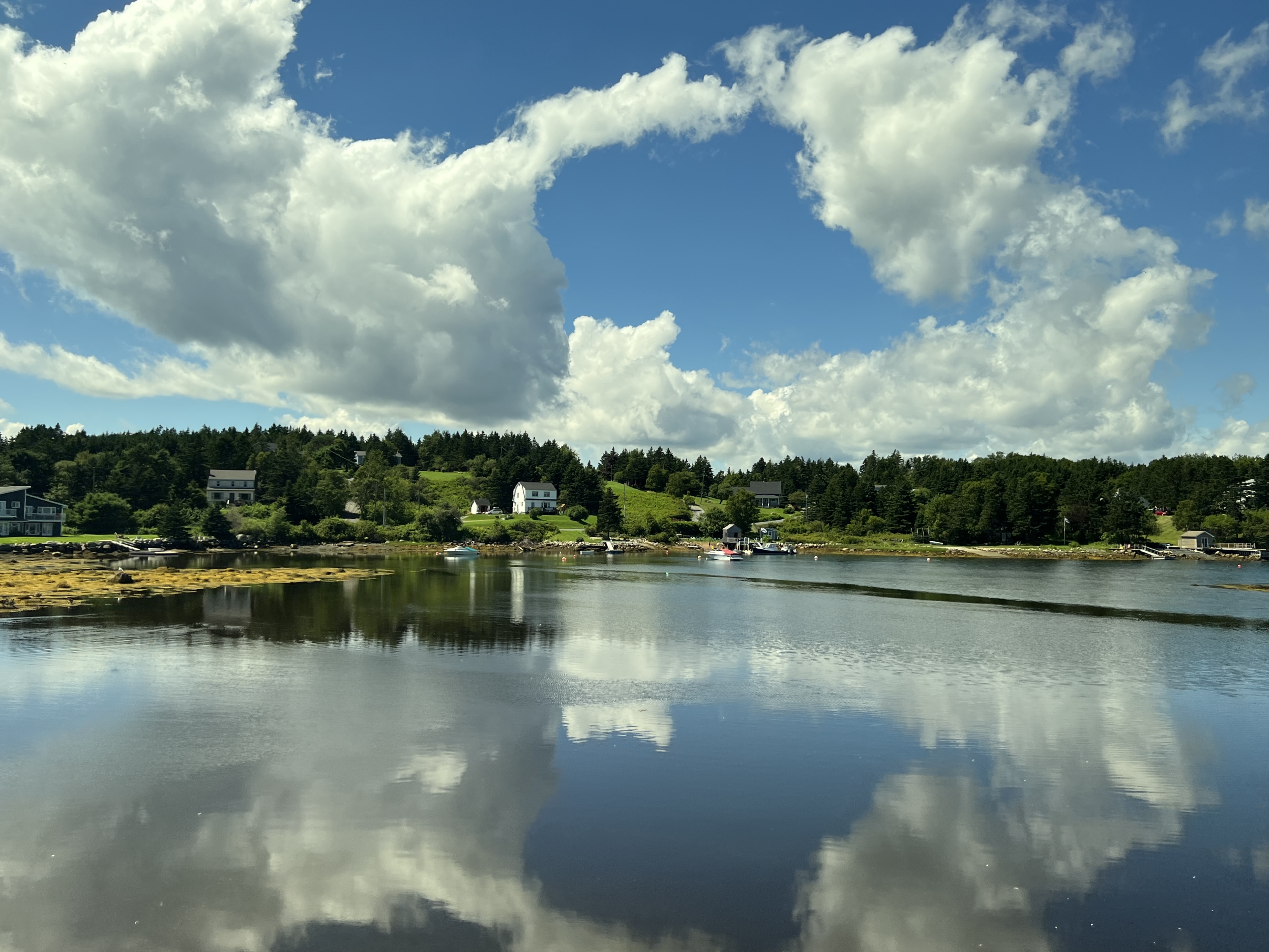
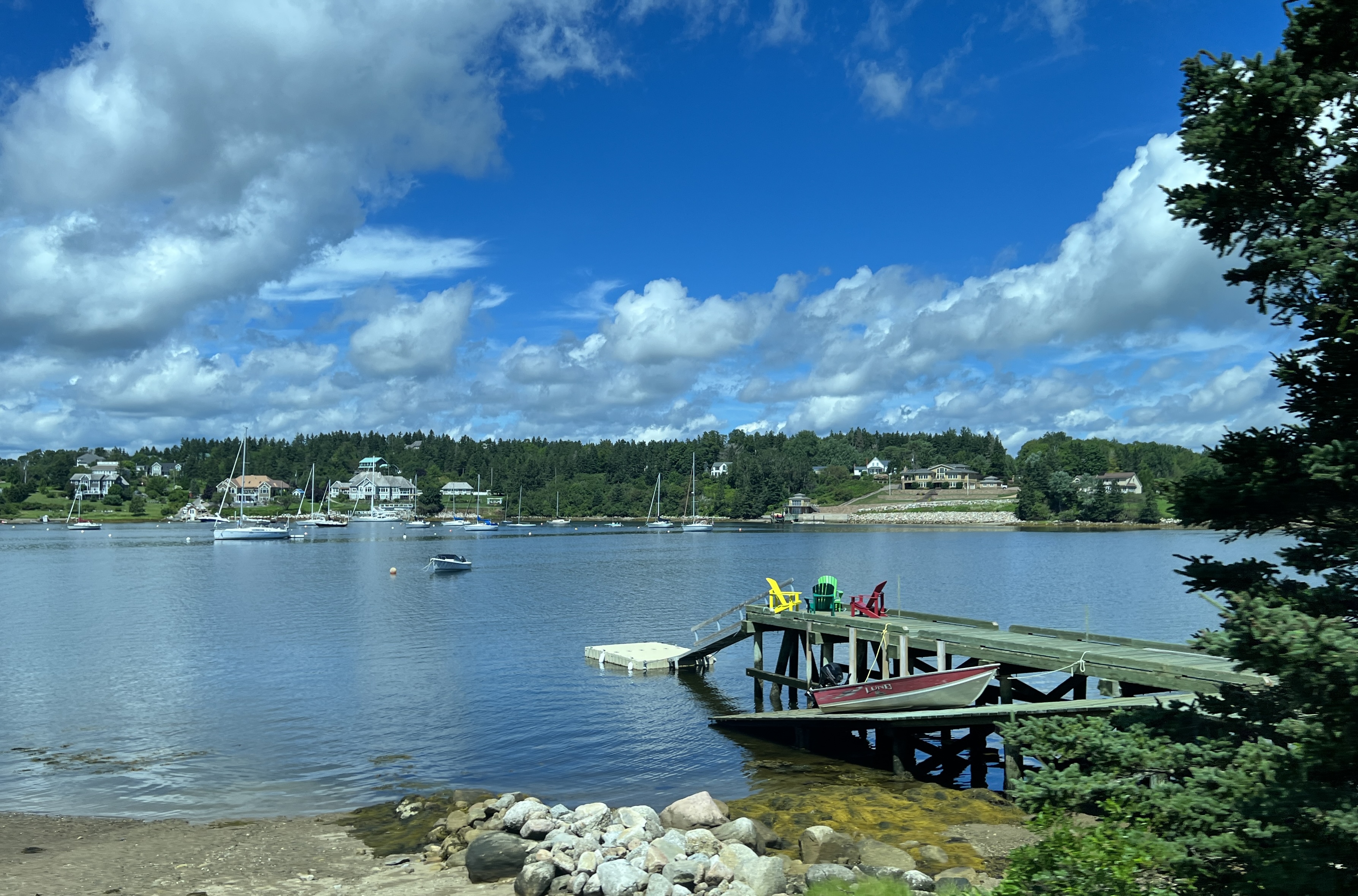
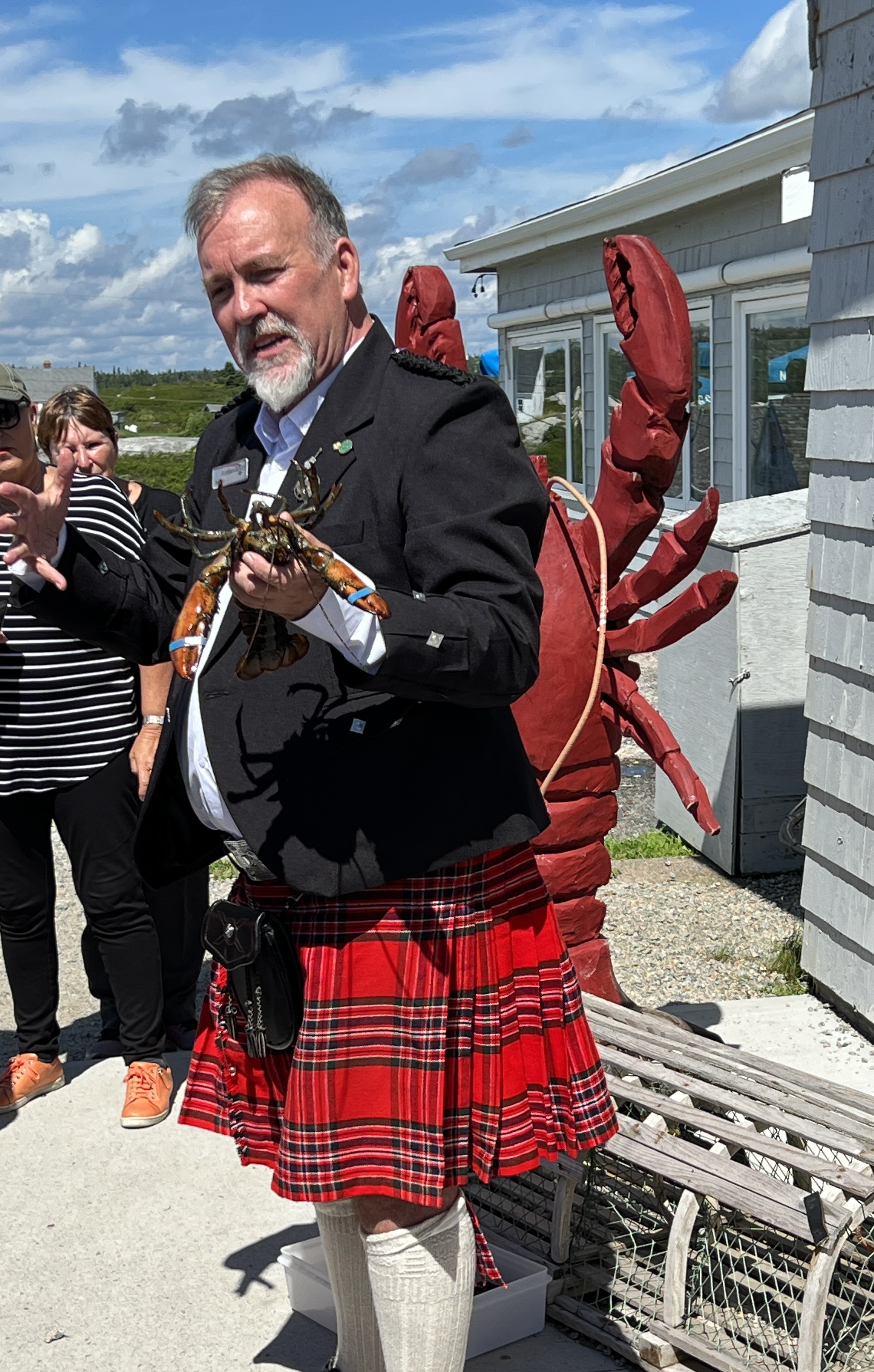
We passed by some wonderful countryside and coastline around the bay. It was a bit of a bun fight at the Cove with a few buses arriving and hoards of tourists scrambling on the rocks and lounging around the lighthouse. Have to be here at sun up to get a people less pic!
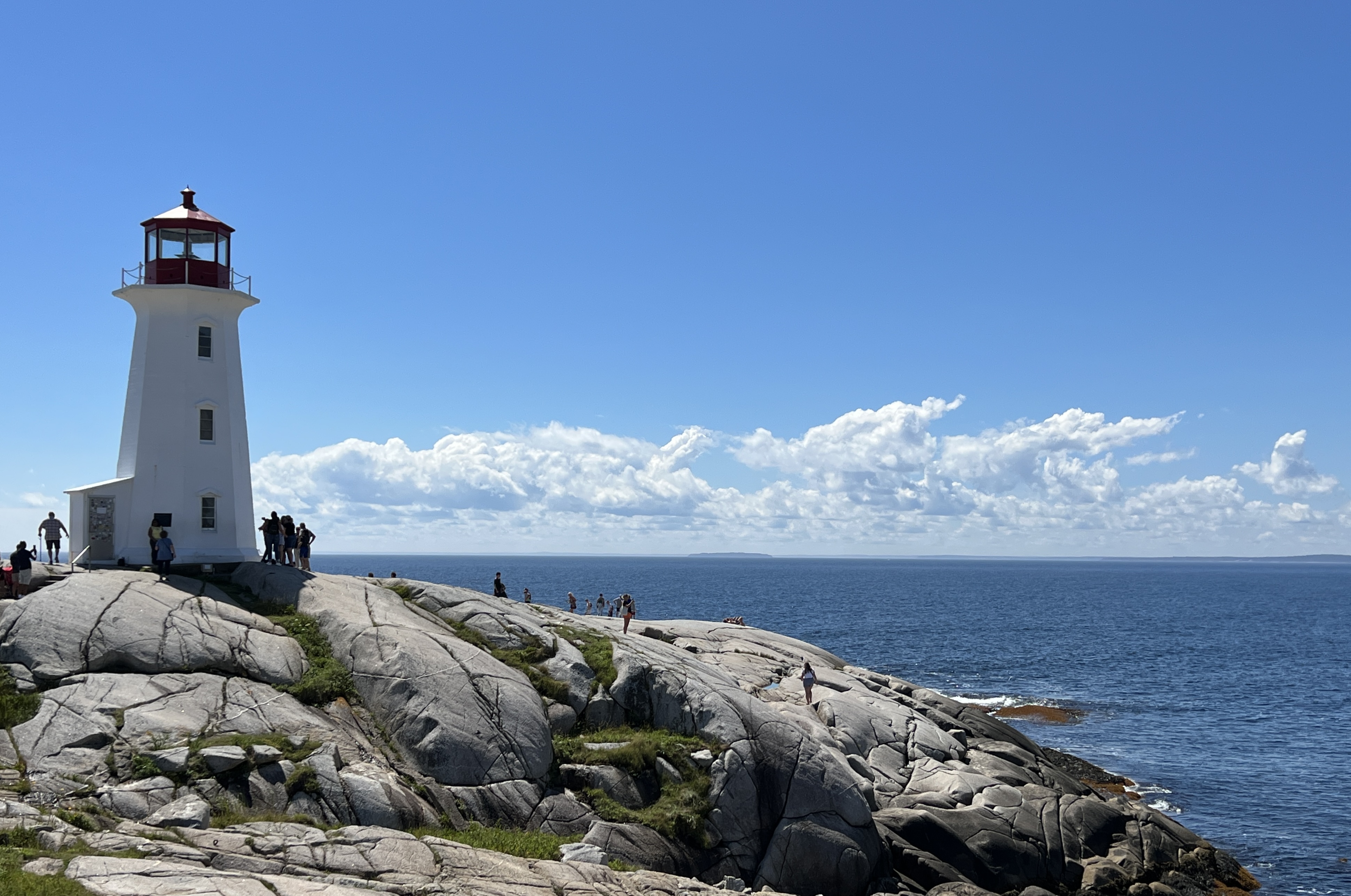
The village and harbour is definitely photogenic and we had some great weather for it.
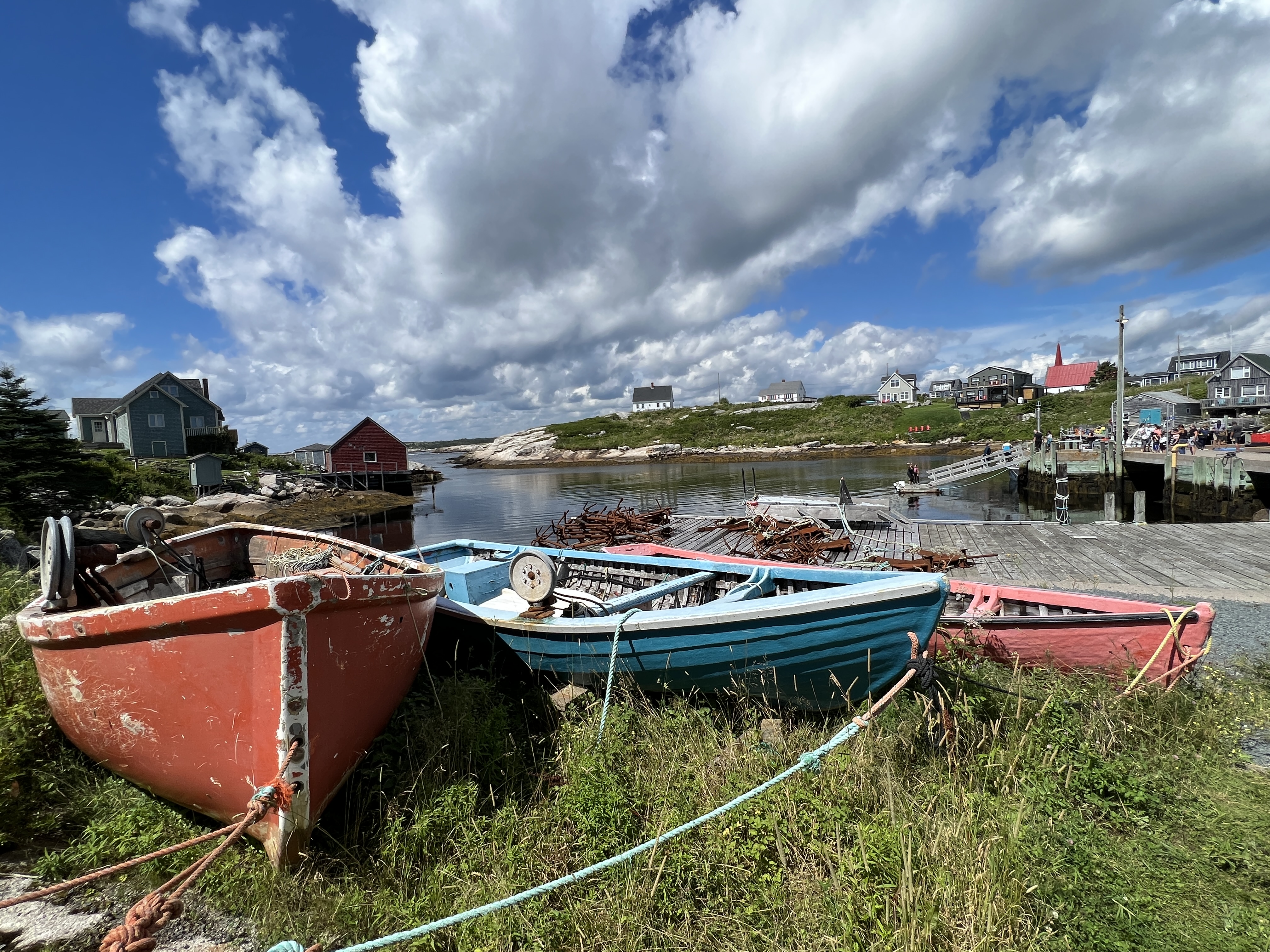
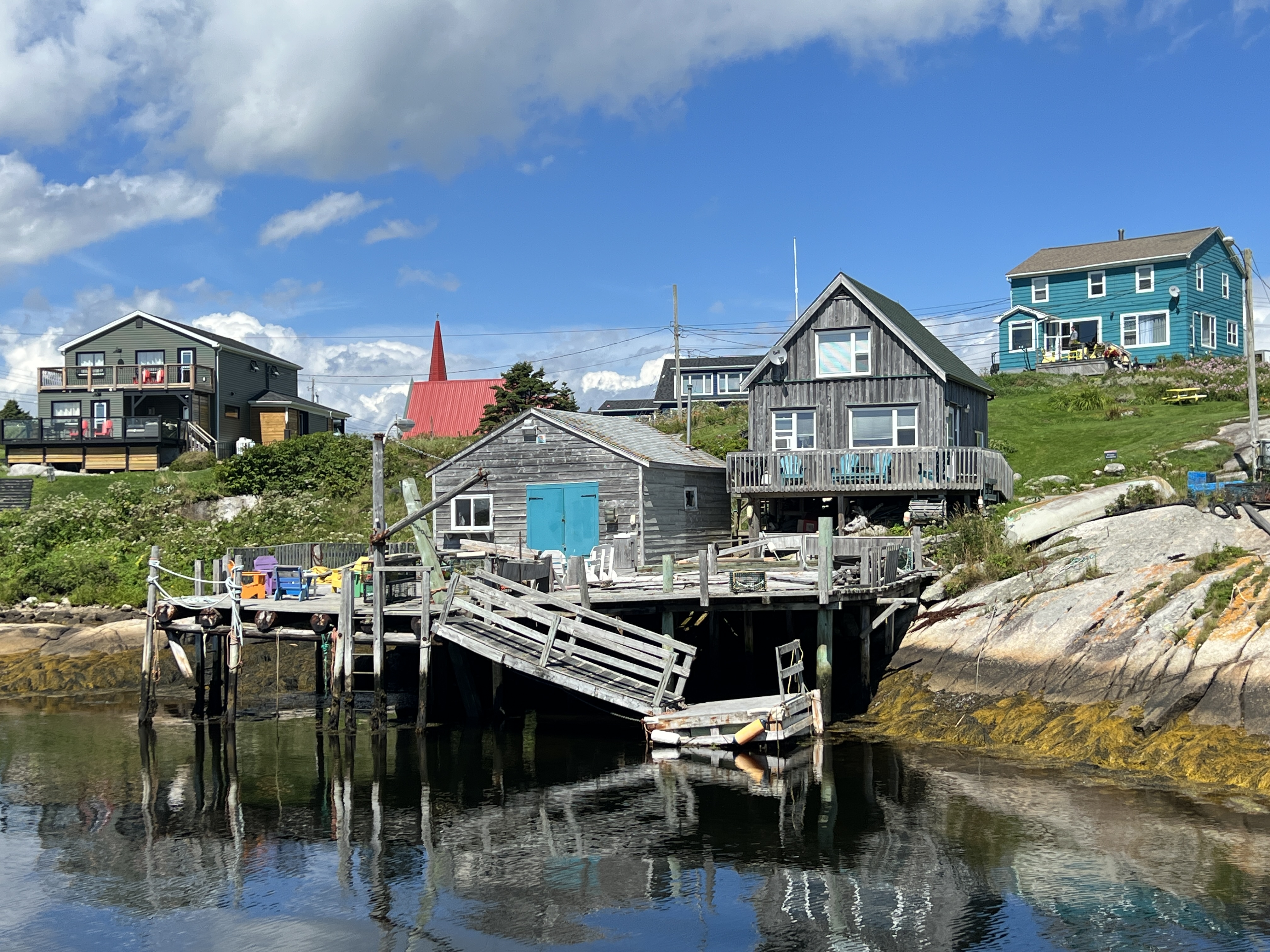
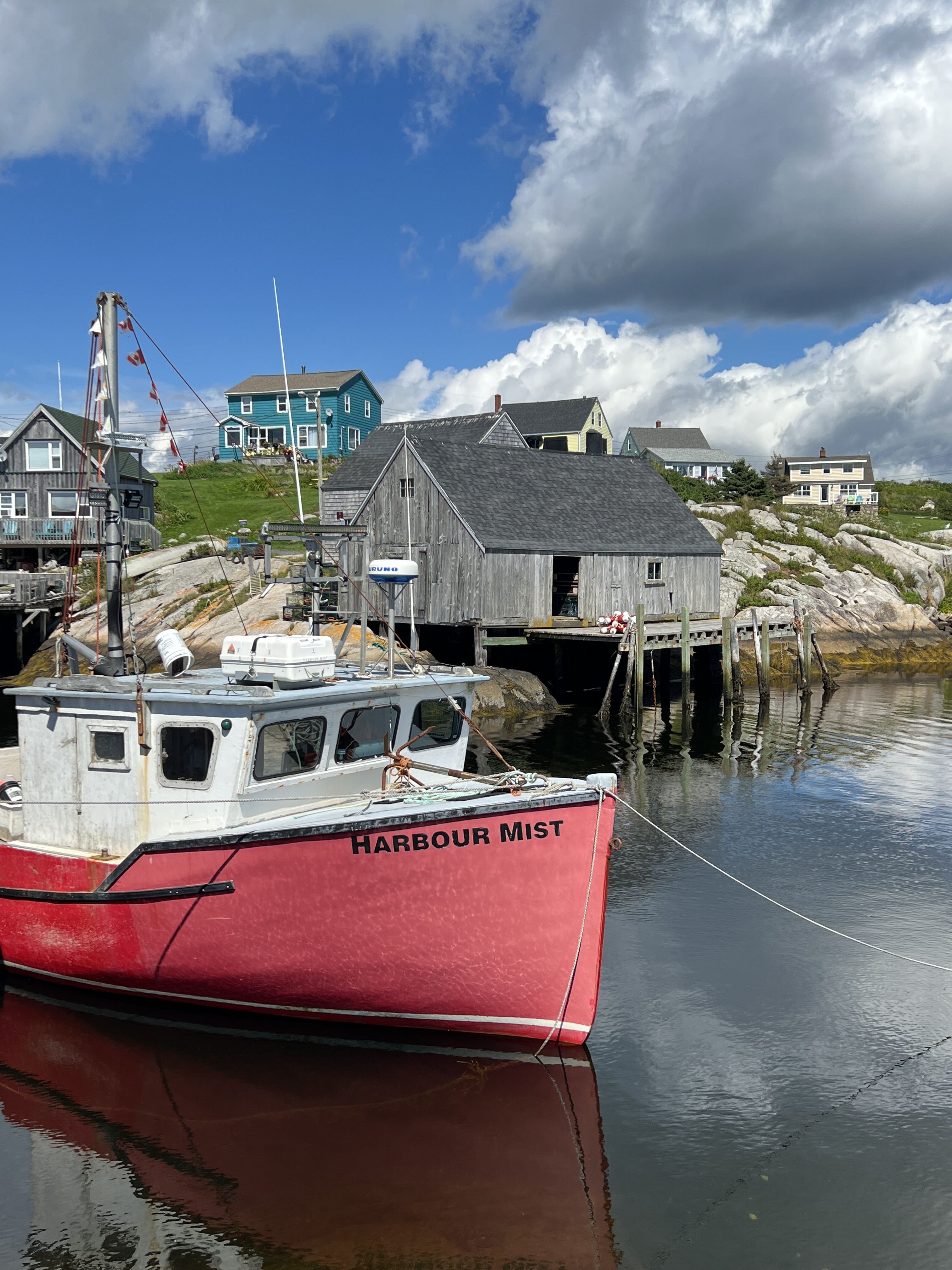
We returned to Halifax but along the way pulled into the Fairview Lawn Cemetery to have a look at the graves of 120 or so victims of the Titanic sinking in 1912. The graves are arranged in three rows in the form of the bow of a ship, pointing out into the Atlantic to where the ship had sunk.
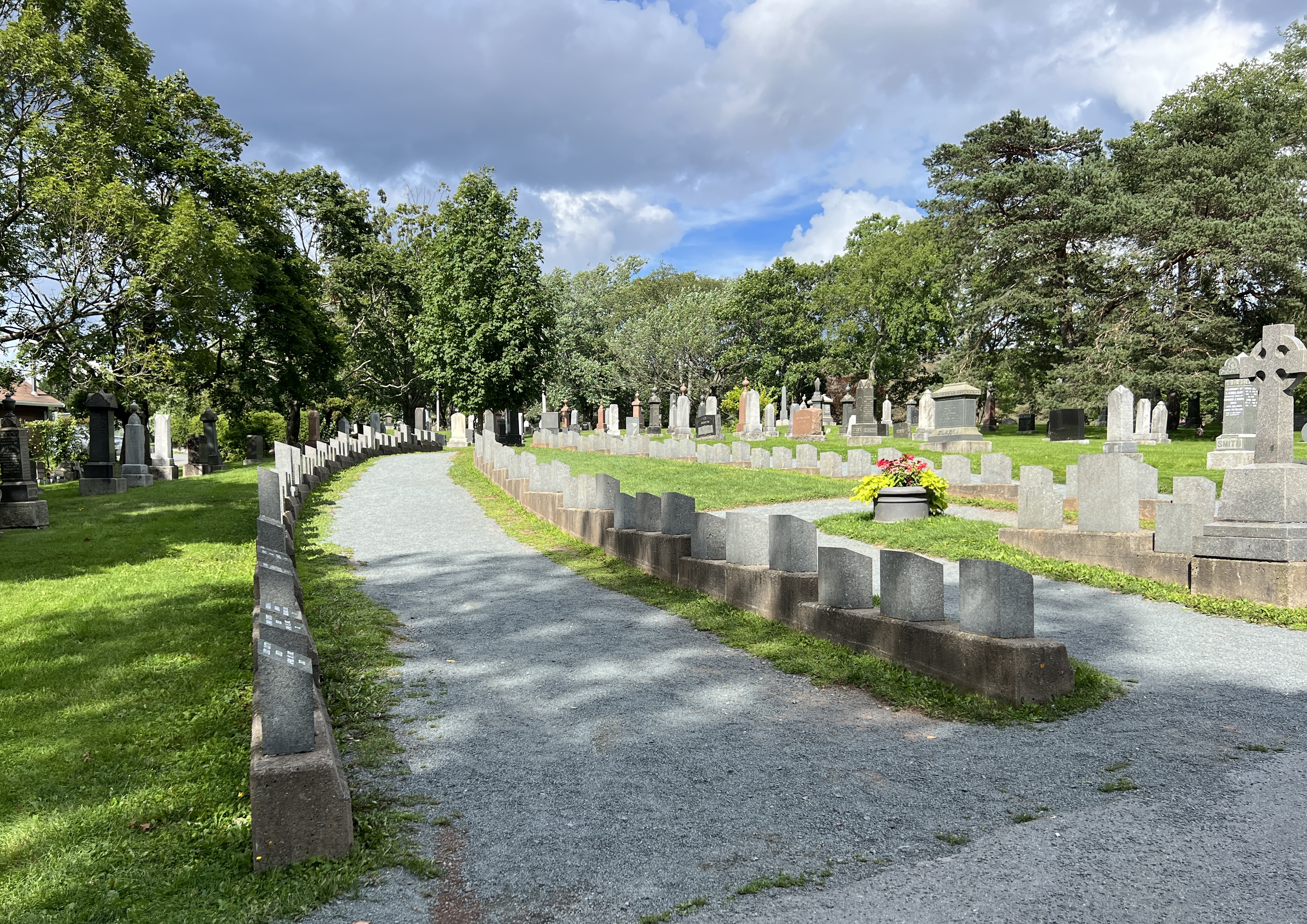
The grave area and headstones had been arranged by the White Star Line, the Titanic’s owners. The headstones were very minimalist. Simply showing a name, a number and the date. The number was allocated when a body was recovered, the name came later after identification. Not always easy for the second class and steerage class passengers.
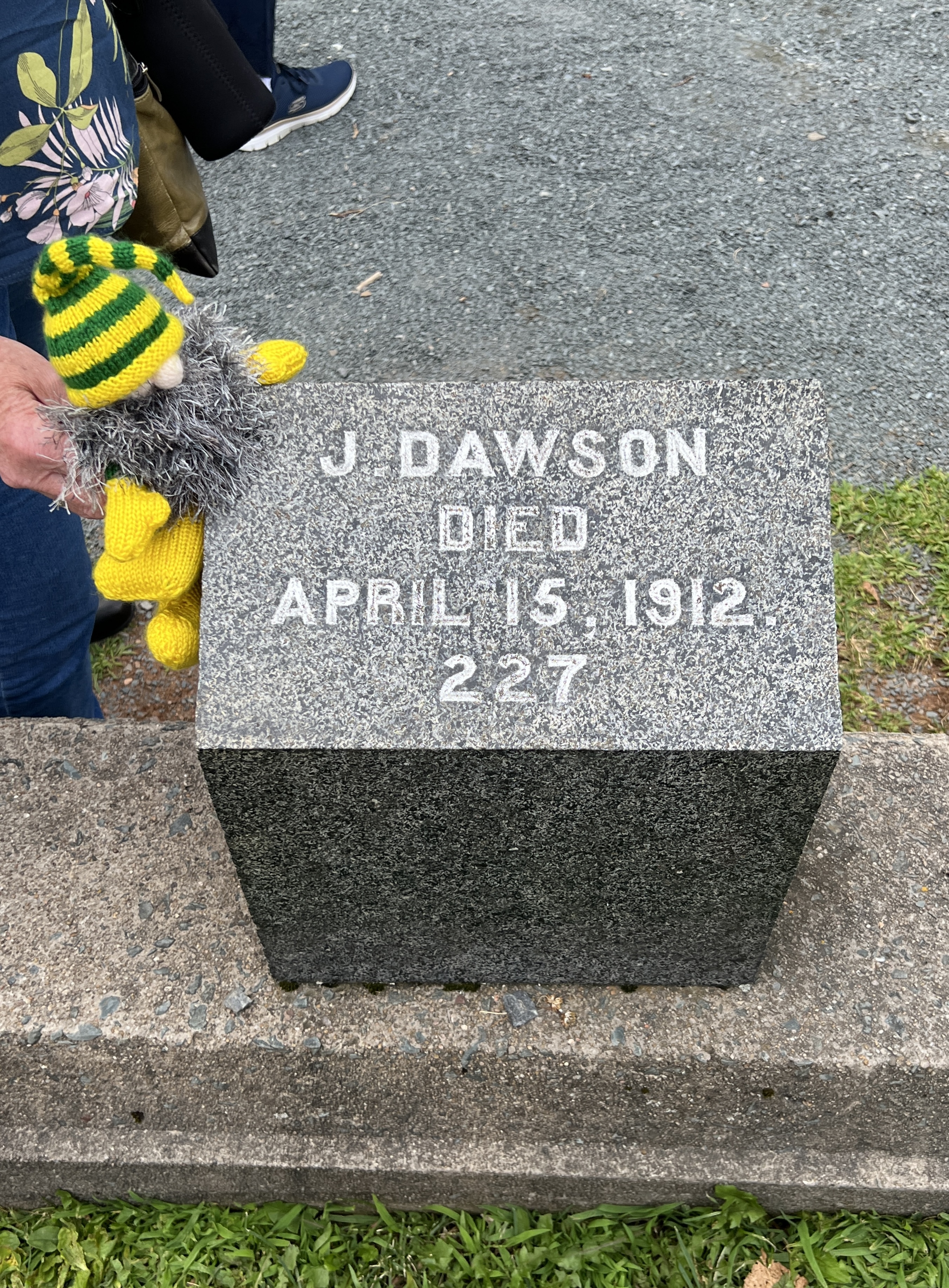
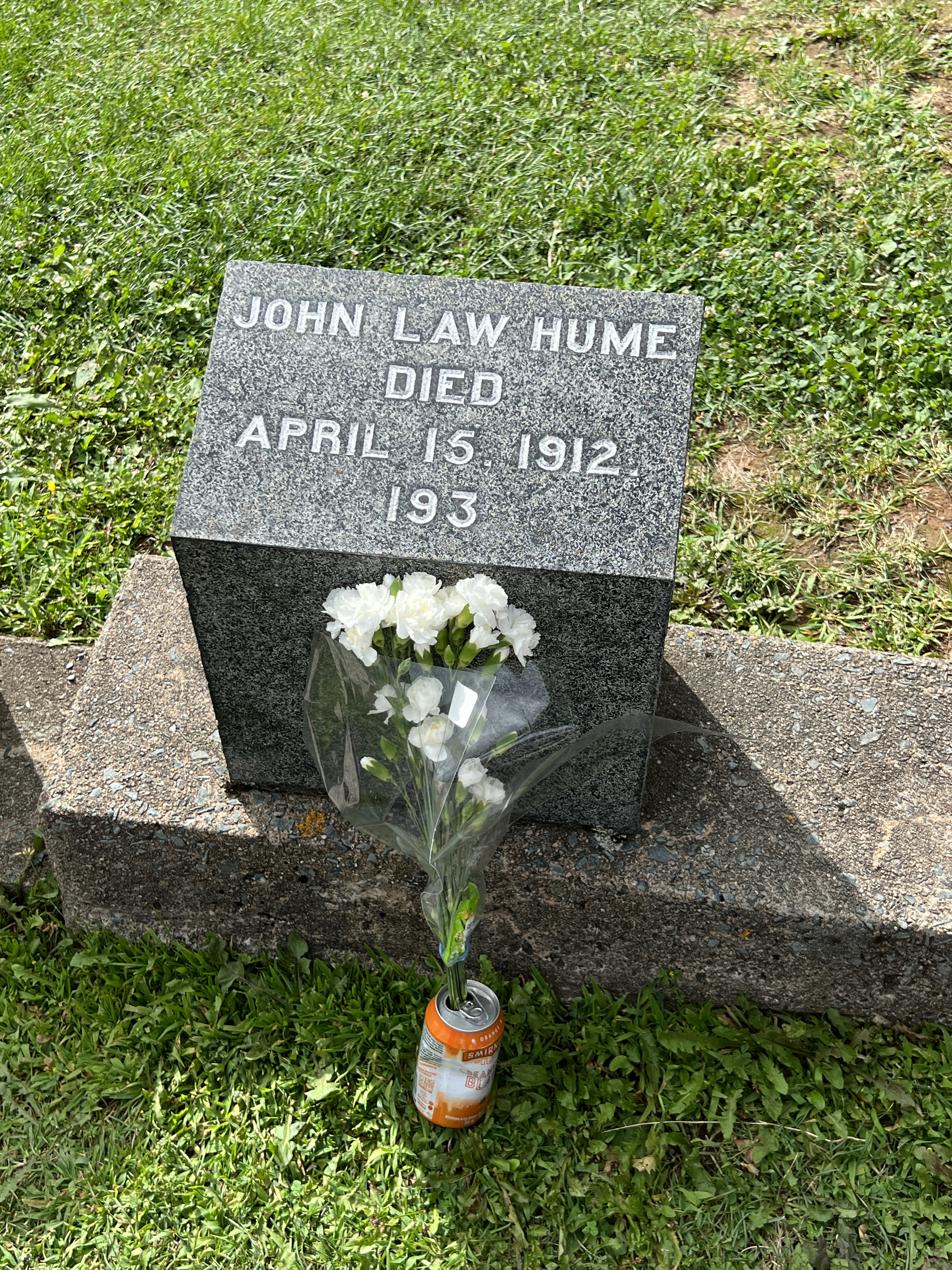
Some bodies were repatriated back to their families, if they could afford the cost. Other families embellished the headstones, or replaced them with more elaborate ones.
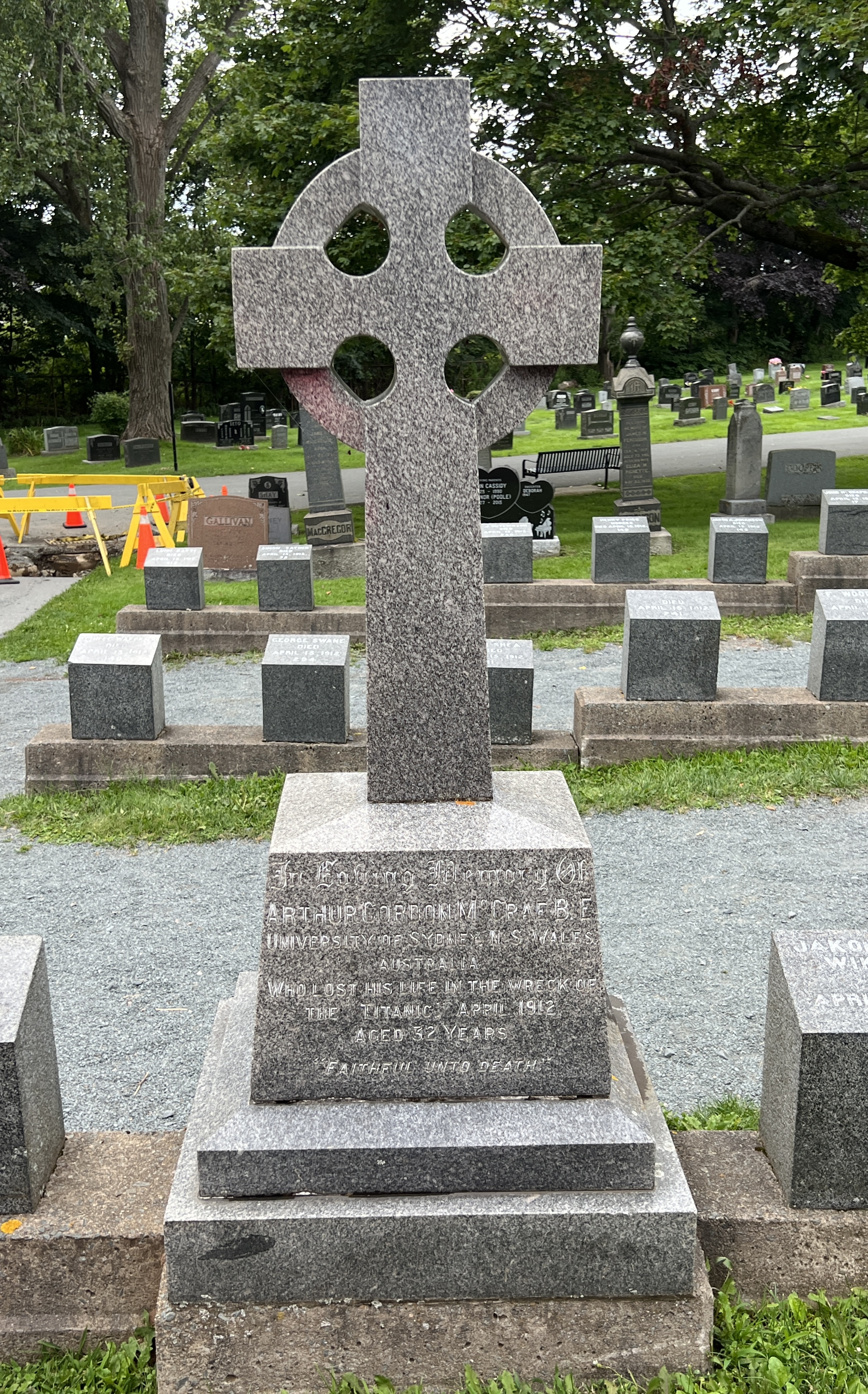
The job of identification was not always easy and there are a number of graves without names. Our guide was a little emotional when he recounted some of the stories lying at and under our feet.
Back on board the ship just in time for departure. We have a day at sea before arriving in the Big Apple.

Posted on August 21, 2023, in Around the World. Bookmark the permalink. Leave a comment.
 Allthegobro
Leave a comment
Comments 0